- English
- French
- German
- Portuguese
- Spanish
- Russian
- Japanese
- Korean
- Arabic
- Greek
- German
- Turkish
- Italian
- Danish
- Romanian
- Indonesian
- Czech
- Afrikaans
- Swedish
- Polish
- Basque
- Catalan
- Esperanto
- Hindi
- Lao
- Albanian
- Amharic
- Armenian
- Azerbaijani
- Belarusian
- Bengali
- Bosnian
- Bulgarian
- Cebuano
- Chichewa
- Corsican
- Croatian
- Dutch
- Estonian
- Filipino
- Finnish
- Frisian
- Galician
- Georgian
- Gujarati
- Haitian
- Hausa
- Hawaiian
- Hebrew
- Hmong
- Hungarian
- Icelandic
- Igbo
- Javanese
- Kannada
- Kazakh
- Khmer
- Kurdish
- Kyrgyz
- Latin
- Latvian
- Lithuanian
- Luxembou..
- Macedonian
- Malagasy
- Malay
- Malayalam
- Maltese
- Maori
- Marathi
- Mongolian
- Burmese
- Nepali
- Norwegian
- Pashto
- Persian
- Punjabi
- Serbian
- Sesotho
- Sinhala
- Slovak
- Slovenian
- Somali
- Samoan
- Scots Gaelic
- Shona
- Sindhi
- Sundanese
- Swahili
- Tajik
- Tamil
- Telugu
- Thai
- Ukrainian
- Urdu
- Uzbek
- Vietnamese
- Welsh
- Xhosa
- Yiddish
- Yoruba
- Zulu
How Urea Pressure Sensors Work in Modern Systems
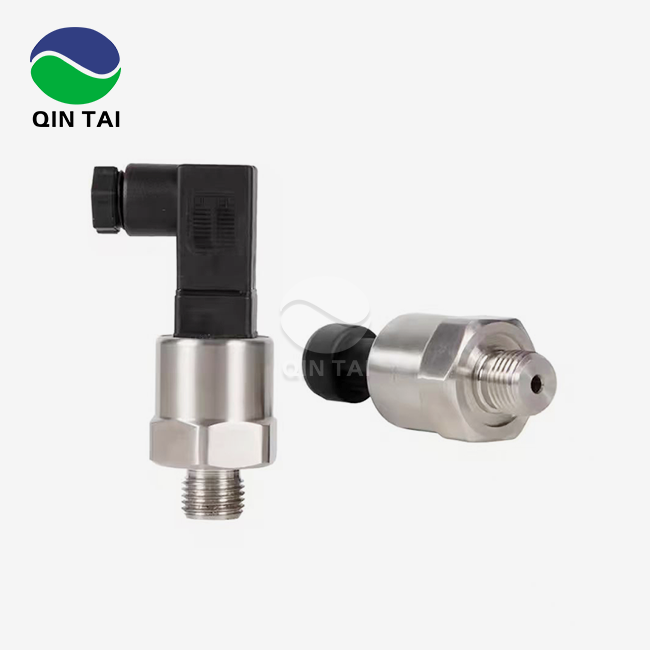
A urea pressure sensor, which is also called an AdBlue pressure sensor, is an important part of Selective Catalytic Reduction systems that can't be left out. This device measures the pressure of the urea solution as it flows through the dosing system. This makes sure that the right amount of urea solution gets to the injector tip and that the nitrogen gas reduction system works at its best. By checking the pressure levels between the pump and injector in real time, these sensors send important feedback signals to the SCR control unit. This helps control the dosing pumps and keeps the whole system safe from overpressure or leaks.
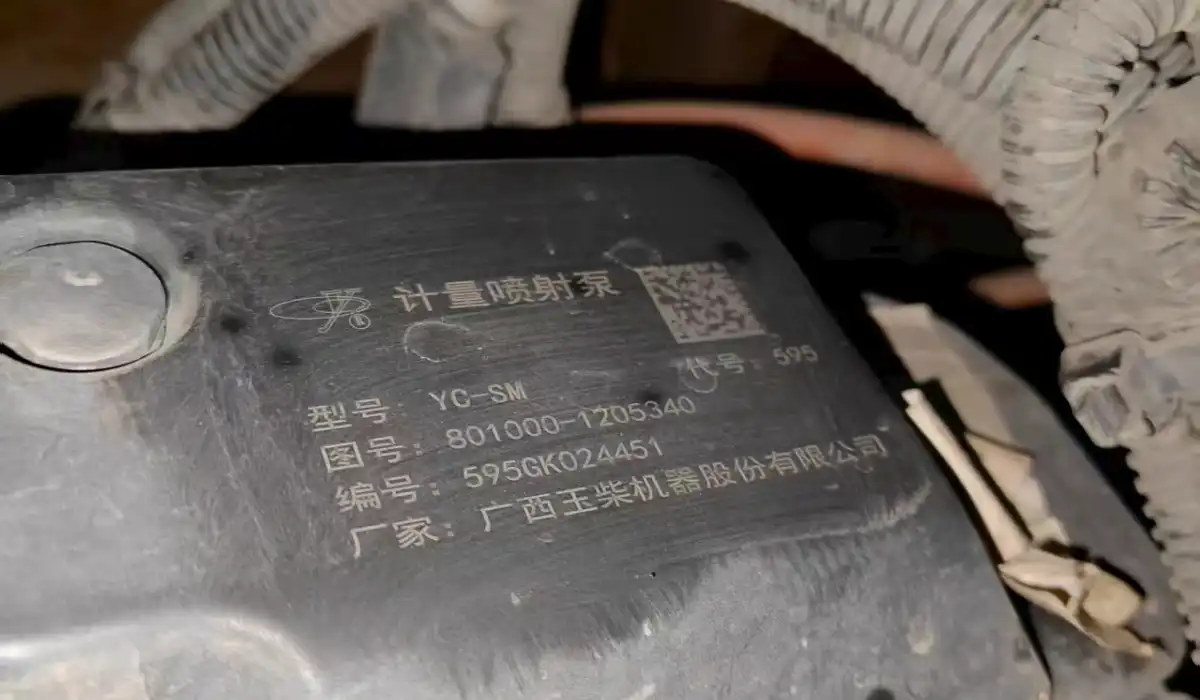
Understanding Urea Pressure Sensors in SCR Systems
The Critical Role of Pressure Sensing in Emission Control
SCR technology is a big part of modern diesel engines that need to meet stricter emission standards around the world. In this case, pressure sensors make it possible for the system to send the catalytic converter exactly measured amounts of diesel exhaust fluid. As the urea pump works, the sensor constantly checks for changes in pressure and sends information to the engine control unit. This closed-loop feedback system lets the system change dosing rates on the fly, in response to changes in the engine's load, temperature, and exhaust flow. Without correct pressure readings, the SCR system can't keep the right amount of urea to exhaust that is needed to reduce NOx.
The way that sensors and ECUs work together is a complex example of how hardware and software can work together. When pressure data are outside of certain ranges, the control unit can change the speed of the pump right away or start troubleshooting procedures. This feature is necessary to keep up with Euro VI and China VI emission regulations, which put strict limits on the amount of nitrogen oxide that heavy-duty cars and industrial equipment can emit.
Sensor Technology and Working Principles
Different types of technology make it possible for urea dosing systems to measure pressure. Silicon-based diaphragms in piezoresistive sensors change shape when they are under pressure, which changes the resistance in strain gauges that are built in. These changes in resistance are turned into voltage signs that are related to the pressure that is being applied. This technology is very sensitive and responds quickly, so it can be used in situations where the engine is changing.
Capacitive sensors work in a different way. They measure pressure by watching how the capacitance changes between two electrical plates that are divided by a diaphragm. When the pressure goes up, the diaphragm bends, which changes the space between the plates and, in turn, the capacitance number. These sensors are very stable over long periods of time and can handle tough chemical conditions, which is especially important because urea solutions are very corrosive.
Because they are better at resisting chemicals, ceramic-based sensors have become popular in urea dosing applications. Thick-film resistors painted on the back of the ceramic diaphragm measure the small changes in shape caused by the pressure acting directly on the front surface. A Wheatstone bridge circuit made up of these resistors makes a voltage output that is very linear. Without liquid transfer elements, there are fewer places where things can go wrong, and the system will last longer in harsh conditions. According to studies published in journals for automotive engineering, ceramic sensors stay accurate in temperatures ranging from -40°C to 125°C, which is normal for commercial vehicle SCR systems.
Installation and System Integration Considerations
Where the sensors are placed in the SCR system has a big effect on how accurate the measurements are and how long the system lasts. The urea pressure sensor is usually put between the injector inlet and the urea pump output so that it can measure the real delivery pressure as well as the pump exit pressure. This spot makes sure that the sensor picks up on pressure drops caused by clogged filters, restricted lines, or broken injectors.
How the sensor is mounted has a big effect on how well it works. Installing things vertically so that the electrical connections face downward keeps moisture from building up in the housings of the connectors, which lowers the risk of electrical problems. When making mounting brackets, it's important to make sure they don't cause vibrations because diesel engines make a lot of mechanical noise that can mess up pressure readings or speed up the wear on parts.
It's important to pay close attention to signal filtering and noise protection when integrating electrical systems. Most current sensors send standard signals from 0.5V to 4.5V across their pressure range, which can be used with ECU inputs for cars. Keeping the wires away from high-current connections and sources of electromagnetic radiation is important for keeping the signal's integrity. Shielded wires with twisted pairs offer extra security in places where electricity is noisy, like heavy trucks and building equipment.
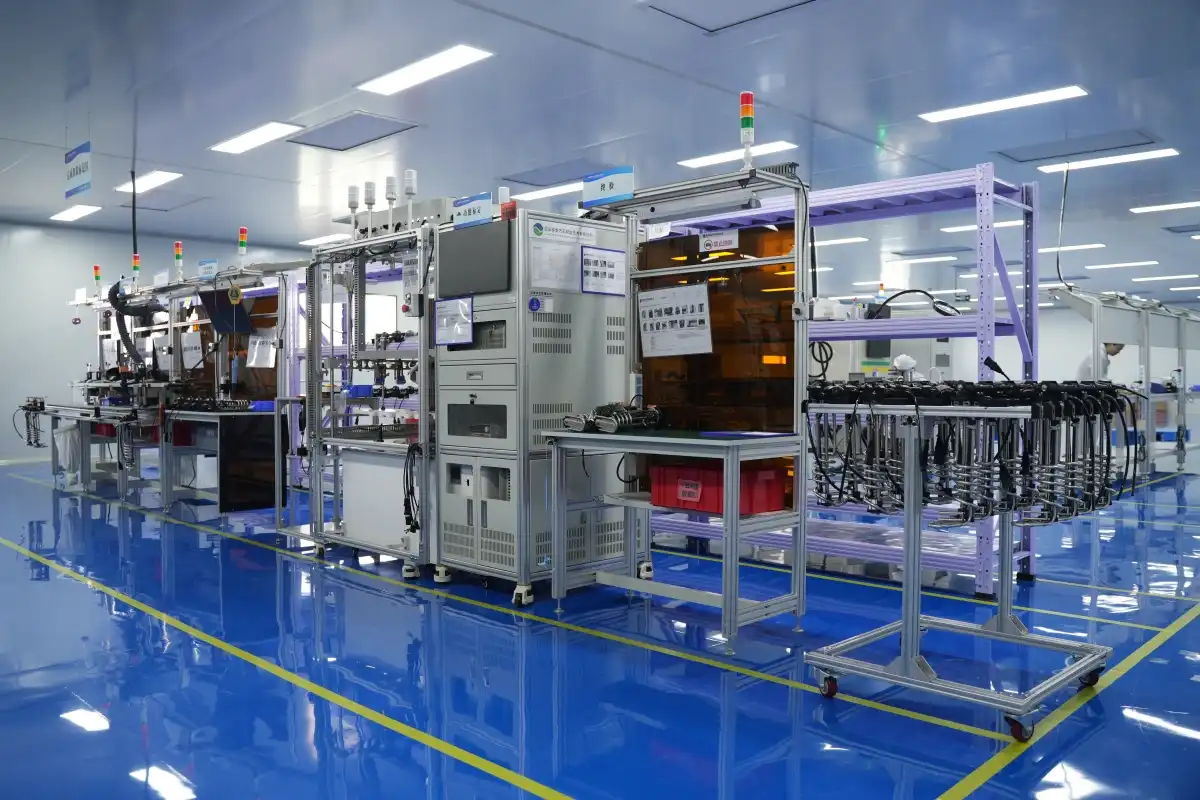
Troubleshooting and Maintenance of Urea Pressure Sensors
Common Failure Modes and Root Causes
Pressure sensors are put under a lot of stress in their working settings, which can slow them down over time. One of the most common problems is that urea deposits tend to crystallize. When the urea solution evaporates because of heat or because the system is not being used, solid crystals can form on the sensor diaphragms and in the pressure ports. These layers get in the way of the diaphragm bending, which leads to wrong readings or no signal at all. Industrial studies show that about 35% of sensor replacements in commercial vehicle fleets are due to problems caused by crystallization.
When the temperature changes, it puts stress on the parts of the sensor, especially where different materials with different expansion factors meet. Heating and cooling over and over again can wear down diaphragm structures or weaken seals, letting fluids into electronic spaces. When sensors are made for use in cars, they are put through thousands of temperature cycles to make sure they are strong enough to withstand real-world conditions that are tougher than the test conditions.
Electrical problems happen when water gets into the connectors, the wires get damaged, or the connectors rust. Even small amounts of condensation inside connecting housings can make ways for current to leak out, which can mess up the accuracy of the signal. Using road salt, which contains chloride, speeds up the rusting process in the winter. System breakdowns can be avoided by spotting early warning signs like readings that change all the time or connection problems that happen from time to time.
Diagnostic Procedures and Testing Methods
Checking the electrical lines and source power is the first step in systematic troubleshooting. Technicians should use a digital voltmeter to make sure that the sensor is getting the right amount of activation voltage from the ECU, which is usually 5V. When you measure the output voltage when it's not being used and when it is, you get standard data that you can use to compare to manufacturer specifications. Significant differences could mean that the urea pressure sensor is wearing out or that there are problems with the system.
Pressure testing with standardized reference gauges is the only way to be sure that a sensor is accurate. Technicians can figure out how much of a difference there is in measurements by putting known pressures through test ports and comparing sensor outputs to standard values. Errors greater than ±2% usually mean the sensor needs to be replaced, but what is considered a reasonable limit depends on the application and the manufacturer's instructions.
A visual check shows any actual damage, contamination, or problems with the installation. By taking out the sensor for inspection, the state of the diaphragm, the cleanliness of the port, and the integrity of the seal can be checked. Problems with urea crystallization are shown by white crystalline layers around the pressure ports. In light cases, cleaning with warm water can get the sensor working again, but in most cases, seriously contaminated sensors need to be replaced to make sure they work properly.
Strategies for Preventive Maintenance
Setting up regular maintenance times for sensors increases their useful life and lowers the chance of them breaking down without warning. Fleet managers say that the best results happen when they check the sensors during regular service trips every 25,000 to 50,000 kilometers, based on how hard the duty cycle is. During these checks, technicians should make sure that the connectors are tight, look at the wires for chafing or damage, and clean the outside surfaces to keep dirt from building up.
During long times of inactivity, system purging processes help lower the risk of crystallization. By quickly turning on the urea pump before turning it off, new solution is pumped through the dosing system, which clears any leftover fluid from the sensor cavities. Some more modern SCR systems have automatic purge processes that run when the engine shuts down, which greatly reduces breakdowns caused by crystallization.
Protecting the environment by doing things like putting dielectric grease on electrical contacts stops rainwater from getting in and causing corrosion. Putting protective caps or connecting boots on open wires is another way to keep water out. These simple preventive steps make sensors much more reliable in harsh working conditions like those found on off-road vehicles and in marine applications.
Comparing Urea Pressure Sensors: Making Informed Choices
Key Performance Parameters for Evaluation
When looking at pressure sensors for SCR uses, a number of technical factors decide their performance and usefulness. The measurement range needs to cover the whole working pressure range. For urea dosing systems in cars, this range is usually 0 to 10 bar, but higher ranges may be needed for industrial uses. The efficiency of emission control is directly affected by the accuracy standards, which are generally given as a percentage of the full scale or number. Sensors that meet ISO 22241 standards for diesel exhaust fluid systems make sure that the system works with emission regulations.
Response time factors affect how the system moves and how well it can be controlled. Fast-responding sensors let dosing changes happen more quickly when engine conditions change, which improves emission control when the engine speeds up or loads down. Most diesel uses work best with sensors that respond in less than 50 milliseconds, but high-performance systems need sensors that respond even faster.
Temperature adjustment makes sure that measurements are accurate across the wide range of temperatures that are found in vehicle settings. Good sensors have built-in circuits for adjusting to temperature changes or send temperature data to the ECU so that it can use adjustment factors. Operating temperature ranges from -40°C to 125°C can handle harsh winter and summer weather under the hood.
It is necessary for chemicals to be compatible with urea solutions and diesel exhaust fluid. The choice of materials decides how long something will last when it is introduced to these slightly alkaline and fairly corrosive fluids. Corrosion doesn't happen much with stainless steel grades like 316L or urea-grade alloys like 1.4466. Sealing materials must be able to handle being exposed to urea over and over again without swelling or breaking down in a way that would compromise the integrity of the pressure limit.
OEM Versus Aftermarket Considerations
Original equipment manufacturer (OEM) sensors are guaranteed to work with vehicle systems and usually come with a full warranty. Along with full engine and aftertreatment system research projects, these devices go through a lot of validation testing. Manufacturers of vehicles adjust the ECU software to work best with OEM sensors. This makes sure that the system works well together and that diagnostics are possible. When it comes to efficiency and following the regulations, procurement managers prefer OEM parts even though they cost more per unit.
Aftermarket options are cheaper, which is good for fleet owners and repair shops that have to watch their running budgets. Aftermarket providers with a good reputation make sensors that meet or go beyond OEM requirements at prices that are often 30–40% less than the original parts. However, quality changes a lot between secondary sources. Buying sensors from companies that are certified by ISO 9001 and IATF 16949 gives you peace of mind that they follow quality management systems and automotive-specific standards.
Performance testing data tells the difference between high-end aftermarket choices and cheaper alternatives. Manufacturers who back their sensors with public test results that show how accurate they are, how well they work at different temperatures, and how long they last under standard conditions are committed to quality. Parts with approvals like RoHS for material compliance and CE marks for European market compliance meet the rules for selling in other countries.
The total cost of ownership includes more than just the buying price. Things like warranty terms and the availability of technical help play a role. Aftermarket warranties can last anywhere from 12 to 36 months, based on how confident the manufacturer is in the product. OEM warranties usually match the coverage terms of the car. Having access to application technical support can help with questions about compatibility and problems with troubleshooting. This is especially helpful when adding urea pressure sensors to custom or modified systems.
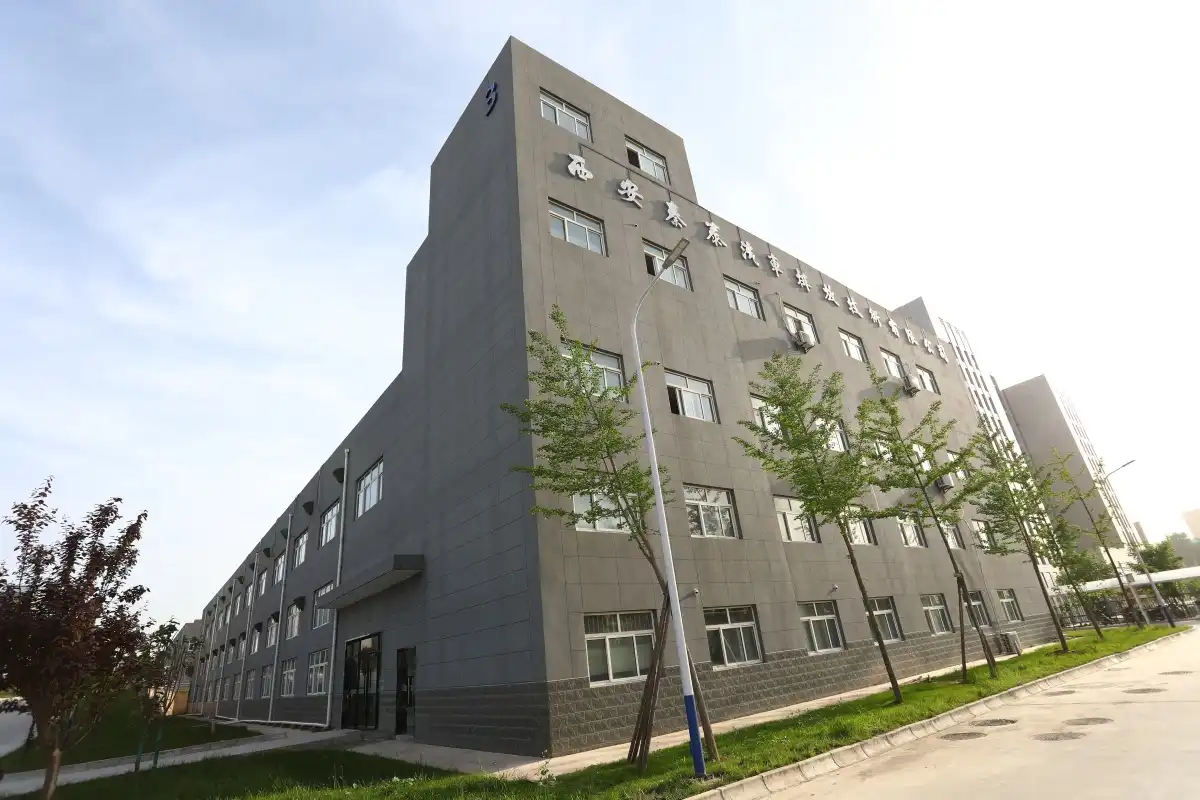
Procurement Insights for Urea Pressure Sensors
Supplier Selection and Quality Assurance
In order to find suitable providers, you need to look at more than just unit price. A supplier's manufacturing skills show how well they can meet your needs for quality and quantity. Facilities that have been certified by IATF 16949 have automotive quality management systems that include methods for controlling production, tracking products, and always making things better. Site checks, which can be done in person or by a third-party service, make sure that the way the products are made matches the certifications that were given.
The technical skills of a seller show how knowledgeable they are in engineering and how creative they can be. Manufacturers with focused research and development (R&D) teams are always making their products work better and can offer custom solutions for different application needs. Patent files show how intellectual property is growing and how technology is getting better. When suppliers write academic papers or help make industry standards, they show that they are thought leaders and have a lot of knowledge in their field.
Supply chain security affects how reliably goods are delivered and how long a business can stay open. Multi-site production processes give you backup in case of problems in one area. Lead times are less likely to change when you already have ties with providers of raw materials and parts. When suppliers keep enough safety stock on hand, they can quickly meet urgent needs or changes in demand.
Professional providers include quality paperwork with every shipment. This includes certificates of conformity, inspection reports, and records that show how shipped units are linked to records of production batches. This paperwork is necessary for the audit trails that ISO-certified businesses need, and it also helps with finding the root cause of problems in the field if they happen.
Pricing Strategies and Total Cost Analysis
A full cost study looks at many things, and unit price is just one of them. With volume-based pricing rates, the cost per unit goes down as the order size increases. When you place an annual blanket order with planned releases, you can get better prices and keep your inventory levels manageable. Some suppliers have consignment inventory plans where they keep stock at customer sites. This way, the customer doesn't have to pay for storage space and items are always available.
The total cost of ownership includes more than just the price of the item itself. How often urea pressure sensors need to be replaced and how much it costs to do so depend on how reliable they are. A sensor that costs 20% less but breaks twice as often ends up costing more than a high-quality part that lasts longer. How the buyer and seller share risk is affected by warranty coverage and return policies. When you get a comprehensive warranty, the seller pays for the replacement costs during the covering period. This makes your budget more stable.
Logistics costs change a lot depending on where the provider is located and how the goods are shipped. When compared to foreign sources, domestic suppliers may be able to produce faster and charge less for shipping, but the unit price may be higher. The costs of importing parts go up because of duties and customs handling fees. Changes in lead times affect the amount of inventory that is needed. When lead times are long or uncertain, higher safety stock levels are needed, which uses up working capital.
It's hard to put a number on the value of technical help, but it's a big part of the total ownership experience. Suppliers who offer help with application engineering, installation, and debugging cut down on the time it takes to integrate new systems and lower the risk of mistakes. Having access to technical documentation, such as dimensional drawings, electrical specifications, and mounting suggestions, makes implementation go more smoothly.
Building Strategic Supplier Relationships
Long-term relationships with sensor providers have benefits that go beyond just buying sensors. When people work together, they can work on development projects together, which lets them make answers that are tailored to specific needs. Early participation of suppliers in the design of new equipment makes sure that sensor specifications perfectly match system needs, which avoids costly redesigns or performance losses.
Communication on a regular basis helps everyone stay on the same page about quality standards, service performance, and efforts to keep getting better. Business reviews every three months are a good time to talk about success measures, solve concerns, and plan for future needs. Shared forecasts help providers plan their production and capacity more efficiently, which makes it easier for them to keep their delivery promises.
Diversification methods strike a balance between relationship depth and supply security. Having qualified alternative sources for important parts on hand guards against problems caused by a single source, and the competitive nature of the market drives performance growth. When main and secondary providers share production volume, this is called dual sourcing. It ensures continuity without giving up the benefits of a relationship.
Ethical sourcing considerations are becoming more and more important in choosing suppliers. Organizational beliefs are aligned with procurement choices when suppliers' environmental management systems, labor practices, and corporate social responsibility efforts are looked at. Suppliers with ISO 14001 environmental certifications show that they are dedicated to reducing the environmental effect of manufacturing.

SENSOR+TEST, June 9 – 11, 2026
We look forward to your visit!
Get your free ticket online now:
https://www.sensor-test.de/service/ticket/?52790
Future Trends and Innovations in Urea Pressure Sensors
Smart Sensor Technology and Diagnostic Integration
Next-generation sensors have intelligence built right in, which turns them from simple measuring tools into advanced diagnostic tools. Microcontrollers built into sensor housings allow for statistical analysis, self-diagnosis, and local signal processing. These smart sensors can find errors in calibration, faults that happen sometimes, and looming failures before they happen completely. With predictive maintenance, fleet managers can change sensors at set service intervals instead of having to fix problems on the side of the road when they happen.
Integration of digital communication methods like CAN bus and LIN bus makes it easier for sensors and control units to share more data. Smart sensors send more than just pressure readings. They also send diagnostic status codes, operating information, and data about the surroundings. Better diagnostic information lets you pinpoint the exact fault more accurately, which cuts down on fixing time and raises the rate of first-time repairs. With remote diagnostics, fleet management systems can keep an eye on the health of sensors across entire groups of vehicles, finding widespread problems or new failure trends.
Wireless sensor networks are the next big thing in monitoring systems for aftertreatment. Getting rid of physical wiring makes installation easier, especially in retrofit situations, and lowers the number of ways a wire harness could fail. Energy harvesting technologies that get power from changes in temperature or vibration could make it possible for sensors to be truly wireless and not need an external power source. These new ideas are still being worked on, but they could lead to easier system designs and lower startup costs.
Materials and Durability Advancements
New developments in materials science make sensors more reliable in tough situations, especially in applications involving urea pressure sensors. Advanced ceramic formulas are stronger and less likely to break when exposed to thermal shock than traditional materials. Scientists are working on mixed structures that have ceramic sensing elements and metal housings that are best for certain mounting requirements. These composite designs find the best balance between the qualities of the materials so they work well in corrosive chemical environments and keep their mechanical strength when they are vibrated and heated and cooled.
Surface treatment technologies protect sensor parts from crystallization and contamination. Putting hydrophobic coatings on the diaphragm surfaces makes it harder for urea to stick, which lowers the chance of crystallization. Anti-fouling solutions created for marine use could work well in SCR systems, stopping the growth of microbes and the buildup of particles that hurt sensor performance. These protective coatings make it easier to keep things accurate over time and extend the time between maintenance visits.
New developments in hermetic seals get rid of ways for moisture to get in, which is the main reason why electrical systems fail. Laser welding and glass-to-metal sealing technologies make walls that can't be broken through, keeping electrical parts safe from the outside world. Putting a conformal coating on circuit boards protects them from moisture even more while keeping the electrical insulation in place. With these better sealings, sensors can reach IP69K grades for ingress protection, which means they can be used in high-pressure washdown settings.
Regulatory Drivers and Market Evolution
As emission regulations continue to get stricter around the world, more high-performance sensors are needed. European Stage V standards for non-road mobile machinery and stricter emission rules in China are making more markets for precise SCR components. These rules require tracking emissions in real time and having onboard diagnostic capabilities that rely on accurate sensor data. To meet these needs, sensors must have higher accuracy standards and a wide range of fault detection options.
As countries accept emission standards that are on par with those in developed markets, market growth speeds up in developing economies. India's move to Bharat Stage VI and similar regulatory changes happening across Southeast Asia are creating a huge new need for SCR systems and the sensors that go with them. To meet the needs of these growing markets, regional manufacturing is rising. For example, multinational sensor manufacturers are setting up local production sites, and domestic suppliers are creating their own technologies.
Trends toward electric vehicles in commercial transportation change how the sensor market works. Battery-powered cars don't have to worry about exhaust emission or SCR standards, but hydrogen fuel cell cars still produce nitrogen oxides that need to be controlled. Hybrid powertrains that use both diesel engines and electric motors still have SCR systems. As these powertrain architectures change, they create new sensor needs, such as ones that can work during long times of idle and regular engine start-stop cycles.
Conclusion
The technical evolution and critical importance of pressure sensors in modern emission control systems require procurement professionals to balance multiple considerations when specifying components for diesel engines and aftertreatment systems. Knowing how urea pressure sensors work, how often they need to be maintained, and how well they perform lets you make choices that are both compliant and save money on running costs. Reliability is important for meeting strict emission rules and minimizing unexpected downtime.
Quality sensors from well-known manufacturers provide this. Long-term success comes from having strategic relationships with suppliers, making sure the quality is high, and paying attention to the total ownership costs rather than just unit prices. By staying up to date on new technologies and changes in regulations, businesses can respond quickly to changing market needs while keeping their competitive edge.
FAQ
What maintenance schedule is recommended for urea pressure sensors?
For most commercial vehicles, a routine checkup every 25,000 to 50,000 kilometers works well. However, heavy-duty cycles may need more frequent checks. Crystallization-related problems can be avoided by checking the connectors for damage, visually inspecting them for damage, and purging the system. In normal situations, sensors last between 3 and 5 years, but harsh settings may shorten their useful life. Condition-based repair strategies that extend the life of parts while keeping the system running reliably are possible by keeping an eye on diagnostic codes and system performance indicators.
Can aftermarket sensors replace OEM components without affecting warranty coverage?
This depends on the warranty terms set by the vehicle manufacturer and the regulations in your area. Using aftermarket parts from reliable sellers that meet OEM standards can help keep the warranty valid, especially after the initial warranty time is over. But some manufacturers only cover parts that were approved by the factory under their warranties. Warranty conflicts can be avoided by showing through certifications and test data that aftermarket parts meet or exceed original specifications. Before replacing an aftermarket part, it's best to get specific warranty information from the vehicle manufacturer or an authorized supplier.
How do temperature variations affect pressure sensor accuracy?
Good sensors have built-in temperature adjustment features that keep them accurate across their full temperature range. When the temperature changes, sensors that aren't adjusted may show zero-point shift and span changes. The specifications should include temperature factors that show how much accuracy is lost for every degree of temperature change. Premium sensors stay accurate within ±2% of the true value in all temperature ranges, from -40°C to 125°C. Applications that deal with big changes in temperature can benefit from sensors that can better compensate for temperature or ECU systems that can fix known temperature effects.
Partner with Qintai for Reliable Urea Pressure Sensor Solutions
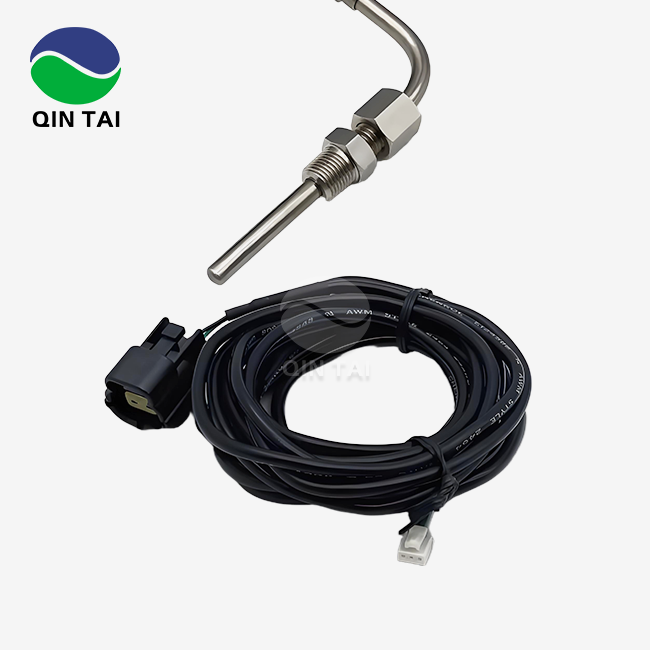
Xi'an Qintai Automotive Emission Technology Co. Ltd. makes high-precision urea pressure sensors that are designed to work with SCR aftertreatment systems for diesel engines. We bring more than 20 years of experience in emission control to the world market as China's top OEM provider to Weichai Power, Yuchai Power, and Quanchai Power. Our sensors are certified by a number of organizations, such as ISO9001, IATF16949, REACH, and RoHS. This makes sure that they meet all international quality and safety standards.
We have an independent research and development team and 58 invention patents, so we can make sensor solutions that are perfect for your needs, whether you're putting together systems for heavy trucks, building equipment, farm equipment, or generator sets. Our manufacturing skills allow us to make both large numbers for OEM customers and flexible amounts for aftermarket distributors. We also offer quick technical help and reasonable prices. Get in touch with our engineering team at info@qt-sensor.com to talk about your urea pressure sensor needs and find out how our experience as a reputable manufacturer can improve the performance of your emission control system while lowering the cost of purchase.
References
1. Chen, L., Wang, M., & Zhang, H. (2021). "Advanced Pressure Sensing Technologies for Automotive SCR Systems." Journal of Automotive Engineering, 235(8), 2145-2158.
2. European Commission. (2020). "Regulation (EU) 2016/1628: Requirements Relating to Gaseous and Particulate Pollutant Emission Limits for Internal Combustion Engines for Non-Road Mobile Machinery." Official Journal of the European Union.
3. Johnson, T. V. (2019). "Diesel Emissions in Review." SAE International Journal of Engines, 12(4), 399-438.
4. Majewski, W. A., & Khair, M. K. (2018). "Diesel Emissions and Their Control." SAE International Publications, Warrendale, PA.
5. Schmidt, R., Müller, W., & Körfer, T. (2020). "Sensor Technologies for Advanced Diesel Engine Aftertreatment Systems." ATZ Worldwide, 122(3), 48-53.
6. United States Environmental Protection Agency. (2022). "Heavy-Duty Highway Compression-Ignition Engines and Urban Buses: Exhaust Emission Standards." EPA-420-B-22-001.
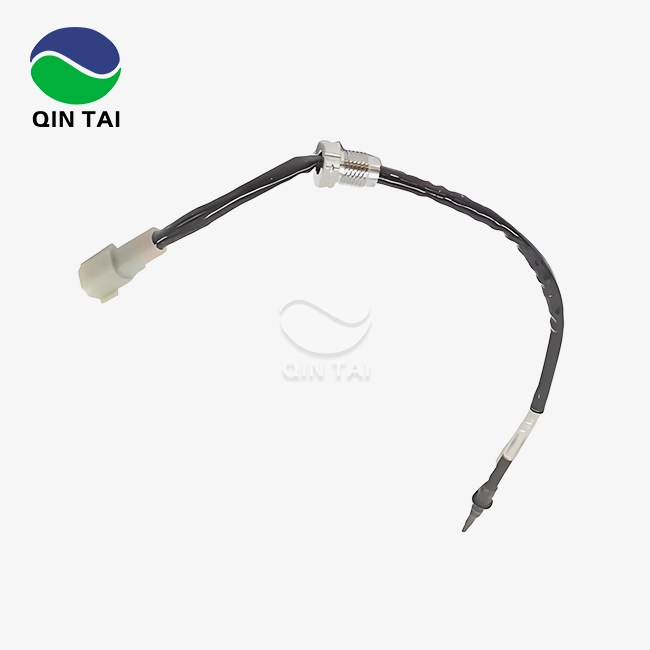


Our customers’ satisfaction speaks for our quality — contact us to experience the same reliable service.