- English
- French
- German
- Portuguese
- Spanish
- Russian
- Japanese
- Korean
- Arabic
- Greek
- German
- Turkish
- Italian
- Danish
- Romanian
- Indonesian
- Czech
- Afrikaans
- Swedish
- Polish
- Basque
- Catalan
- Esperanto
- Hindi
- Lao
- Albanian
- Amharic
- Armenian
- Azerbaijani
- Belarusian
- Bengali
- Bosnian
- Bulgarian
- Cebuano
- Chichewa
- Corsican
- Croatian
- Dutch
- Estonian
- Filipino
- Finnish
- Frisian
- Galician
- Georgian
- Gujarati
- Haitian
- Hausa
- Hawaiian
- Hebrew
- Hmong
- Hungarian
- Icelandic
- Igbo
- Javanese
- Kannada
- Kazakh
- Khmer
- Kurdish
- Kyrgyz
- Latin
- Latvian
- Lithuanian
- Luxembou..
- Macedonian
- Malagasy
- Malay
- Malayalam
- Maltese
- Maori
- Marathi
- Mongolian
- Burmese
- Nepali
- Norwegian
- Pashto
- Persian
- Punjabi
- Serbian
- Sesotho
- Sinhala
- Slovak
- Slovenian
- Somali
- Samoan
- Scots Gaelic
- Shona
- Sindhi
- Sundanese
- Swahili
- Tajik
- Tamil
- Telugu
- Thai
- Ukrainian
- Urdu
- Uzbek
- Vietnamese
- Welsh
- Xhosa
- Yiddish
- Yoruba
- Zulu
How AdBlue Pressure Sensor Improves Diesel Emission Systems
Environmental rules are very strict for modern diesel engines, so they need to use new technologies to reduce the amount of pollution they put out. The AdBlue pressure sensor is at the heart of this new way of controlling emissions. It makes sure that diesel cars meet strict NOx standards by closely tracking and controlling them. This important part measures the fluid pressure in Selective Catalytic Reduction systems so that the right amount of urea solution can be added to exhaust streams. This lowers nitrogen oxide emissions by a huge amount while keeping engine performance and fuel economy the same.
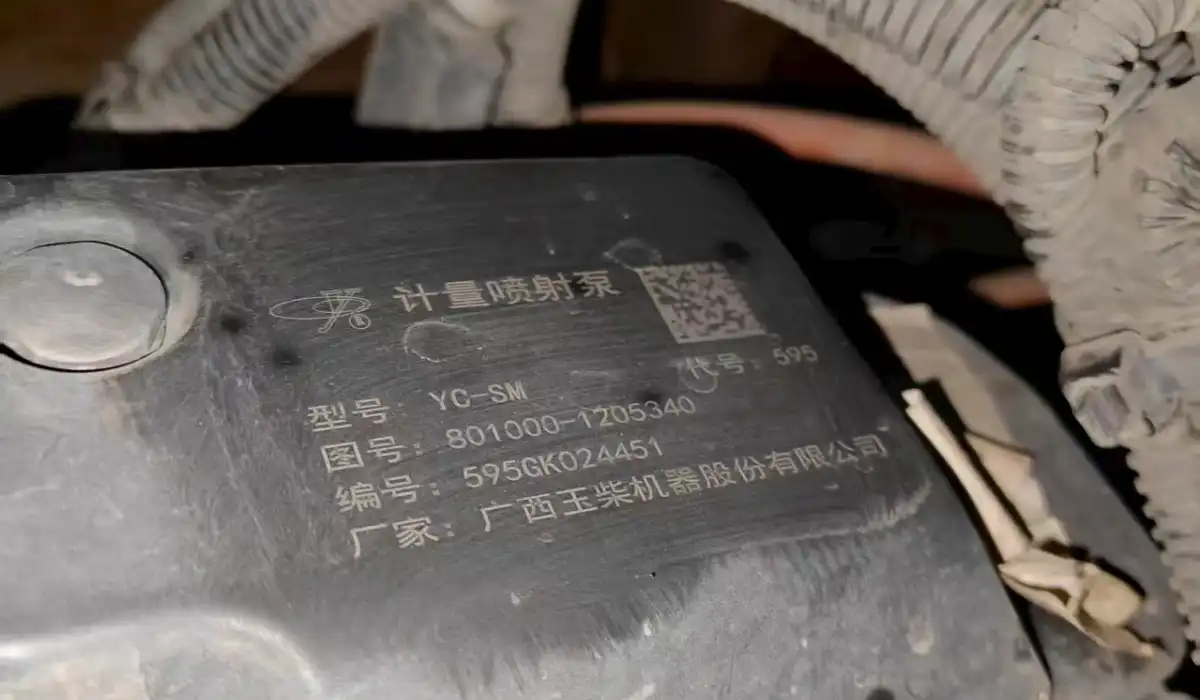
Understanding AdBlue Pressure Sensors and Their Role in Emission Control
SCR systems with advanced sensor technology are the building blocks of successful diesel emission control. These special tracking tools keep an eye on the movement of fluids in real time, connecting with engine control computers to create a feedback loop that works both ways.
The Core Function of Pressure Monitoring in SCR Systems
The AdBlue pressure sensor in the diesel exhaust treatment design constantly checks the delivery pressure of the AdBlue solution before it is injected. This measurement makes sure that the dose module gets urea at the right pressure, which is usually between 5 and 10 bar. This lets the urea be precisely atomized and released into the waste stream. When the pressure drops below what is expected, the sensor tells the engine control unit right away, which may make changes or send out danger signs.
How Pressure Sensing Technology Works in Emission Applications
The AdBlue pressure sensor works with a strain gauge that turns changes in mechanical pressure into electrical signs. When AdBlue fluid presses against a measuring membrane, tiny changes happen inside the gauge element. These changes in the real world cause changes in the voltage that are directly related to the amounts of pressure. When these analog or digital signs reach the engine management system, it interprets them as useful data points that change the dose strategy and the way the system checks itself.
Integration with Engine Management Systems
Modern diesel powertrains depend on pollution control parts and central computers being able to talk to each other without any problems. Standardized methods, such as CAN bus networks, let the pressure tracking device join and share data at the millisecond level. This integration lets the engine control unit connect pressure data to other factors like engine load, NOx sensor input, and exhaust temperature. The end result is an emission control strategy that is constantly optimized and can change to changing working conditions while still following the rules.
Common Issues and Troubleshooting Guidance for AdBlue Pressure Sensors
Even though these important parts are well-engineered, they sometimes have problems that need to be systematically diagnosed. Understanding patterns of failure helps repair workers get systems back to working order quickly.
Typical Fault Patterns and Their Symptoms
One of the most common types of degradation is sensor drift, which happens when the accuracy of the calibration slowly goes down over time because of crystals growth or parts getting old. Before a full failure happens, operators may notice that the dosing isn't always correct or that screen signs come and go. Electrical problems, like broken wiring harnesses or corroded connectors, send mixed messages that make engine computers confused. When urea crystallizes around the measuring element, it physically blocks pressure transfer. This leads to false readings that set off error codes.
Diagnostic Procedures and Testing Methodologies
The first step in effective fixing is to use an electronic scan tool to get saved diagnostic trouble codes and live data streams. Technicians should keep an eye on real-time pressure numbers while the system is running and compare them to the manufacturer's recommendations. Electrical integrity is checked by resistance testing of the sensor circuit, and physical contamination or connection problems are found by eye analysis. Bench testing with measured pressure sources outside the car supports the accuracy of the sensors, separating problems at the component level from those at the system level.
Preventive Maintenance Best Practices
Regular inspections greatly increase the operating life of sensors. As part of regular maintenance, the quality of the AdBlue should be checked, since polluted fluid speeds up the formation of crystals and the breakdown of parts. Cleaning electrical connections stops problems caused by rust, and periodically clearing the system gets rid of deposits that have built up. Keeping track of AdBlue pressure sensor readings during regular maintenance provides a standard that can be used to spot slow drift before it sets off trouble codes.
Key Considerations When Choosing AdBlue Pressure Sensors for Procurement
Along the operating lifecycle, strategic sourcing choices have a direct effect on how reliable a system is, how much it costs to maintain, and how well it follows the rules. Professionals in procurement have to look at more than just the original buy price.
OEM Versus Aftermarket Component Selection
Original equipment maker (OEM) parts are guaranteed to work perfectly with the vehicle's features and usually come with a full warranty. These parts go through a lot of validation testing in full pollution systems to make sure they work well together. Aftermarket options often have lower prices, but they need to be carefully checked for quality and compliance with specs. Aftermarket sensors should meet or beat original equipment manufacturer (OE) performance standards and have the right ISO certifications for use in cars, according to engineering teams.
Comparative Analysis of Leading Sensor Manufacturers
There are a number of well-known sellers on the global market, each with their own technical method and place in the market. Bosch is still well known for its precise engineering and wide range of applications across both European and American diesel systems. Continental focuses on electrical systems that are fully integrated and have advanced diagnostic tools. Denso adds knowledge from Asian markets for cars that have competitive pricing systems. Delphi Technologies works on making extra parts that fit a wide range of vehicles available. There are strengths and weaknesses of each brand when it comes to accuracy, temperature range, and long-term stability. Procurement teams should compare these strengths and weaknesses against practical needs.
Understanding Pressure Sensors Versus NOx Sensors in System Architecture
Both parts help control emissions, but they do different things in SCR systems that work together. Pressure tracking focuses on how fluids are delivered, making sure that the right amount of atomization and dose is done. NOx sensors, on the other hand, measure the real amounts of emissions in exhaust gases, which proves that the treatment worked. For full pollution plans to work, both types of sensors need to work together. The engine control unit uses pressure data to tell the injectors how much to do their job, and it uses NOx input to make sure the decrease is working and make any necessary adjustments.
Optimizing Procurement: Where and How to Buy AdBlue Pressure Sensors
Choosing where to get something involves more than just choosing the parts. It also involves choosing suppliers, planning transportation, and figuring out the total cost of ownership. Strategic buying makes supply lines stronger so that operations can keep running.
Evaluating Supplier Credibility and Authentication
Getting genuine parts keeps you safe from fake ones that hurt system performance and might even void car warranties. Business-to-business buyers should make sure that wholesalers have official connections with producers and can show proof of traceability. Quality management standards, such as ISO 9001, show that process rules have been set up. Referrals from fleet companies that are similar can help you figure out how reliable a seller is. Digital verification tools, such as identification databases given by the maker, help make sure that the part is real before installing it.
Cost Optimization Through Strategic Purchasing
Agreements to buy in bulk can lead to big price cuts and a steady flow of goods for fleet repair operations. A lot of companies that make AdBlue pressure sensors have tiered price systems that reward customers who commit to buying more. When procurement teams buy in bulk, they can save money, but they also have to think about how long the parts will last and how much they cost. Long-term supply deals can keep prices stable even if the market changes, and they can also make sure that priority is given when supplies are low. Negotiating good payment terms helps with managing cash flow without lowering the quality of the parts.
Warranty and After-Sales Support Considerations
Full guarantee coverage lowers the financial risk that comes with parts breaking down early. The terms and conditions of the purchase should make it clear how long the guarantee lasts, what it covers, and how to file a claim. The total cost of ownership is affected by the availability of technical help, especially when diagnosing problems that are hard to solve. Suppliers who offer technical help, installation instructions, and tools for fixing problems add value on top of the physical part. Having replacement parts on hand helps keep car downtime to a minimum, so the depth of a supplier's collection is an important factor in choosing one.
Future Outlook: Advancements and Trends in AdBlue Pressure Sensor Technology
Global emission rules are getting stricter, which is pushing sensor technology and system interaction skills to keep getting better. Procurement plans that look to the future expect these changes to happen.
Material Science and Design Innovations
Next-generation sensors are made of more advanced materials that don't break down when exposed to urea and stay accurate over a wider temperature range. Compared to standard metal sensing elements, ceramic and specialized polymer mixtures last longer. Miniaturization trends make it possible to combine multiple sense functions into a single package, which makes the system simpler. Even though the initial investment may be higher, these improvements in engineering make repair intervals longer and lifecycle costs lower.
Digital Integration and Predictive Diagnostics
New designs for sensors include intelligence built in that lets them diagnose themselves and send out warnings before they break. Verification of the calibration on board finds drift before it gets too bad for use. Improvements to the communication system make it possible to send more data, such as sensor health measures and a history of environmental exposure. This data is used by fleet management systems to make the best schedules for regular maintenance based on the real state of parts instead of set times.
Regulatory Evolution and Compliance Strategies
Stage VI guidelines for the European Union and U.S. EPA rules keep making it harder to break them, with stricter standards for tracking emissions in the real world. Because of these legal stresses, sensors need to be more accurate and respond more quickly. Procurement teams should work with sellers who keep up with changes in regulations and make changes to product specs on their own. Making deals with companies that spend money on research and development will make sure you can get technology that meets new standards as they come out.

SENSOR+TEST, June 9 – 11, 2026
We look forward to your visit,warmly welcome to our booth 1-526!
Get your free ticket online now:
https://www.sensor-test.de/service/ticket/?52790
Conclusion
The AdBlue pressure sensor is a critical component of the precision pressure tracking built into SCR systems, which is an important part of today's approach for controlling diesel emissions. These special sensors allow for exact dosing of AdBlue, needed to lower NOx levels and support legal compliance in markets around the world. Procurement pros who know the basics of sensor technology, can spot quality signs, and can build strategic relationships with suppliers set their companies up for practical success. As emission standards get stricter and technology improves, smarter choices about which parts to use (including the AdBlue pressure sensor) and more aggressive management of the supply chain will set competitive fleet operations apart from those that are having a hard time with upkeep and compliance risks.
FAQ
What Is the Typical Replacement Interval for AdBlue Pressure Sensors?
Replacement times depend on how the vehicle is used and the quality of its parts, but in normal circumstances, most sensors work reliably for 150,000 to 250,000 kilometers. Heavy-duty uses that start and stop a lot or that are exposed to dirty AdBlue may need to be replaced sooner. During regular maintenance, keeping an eye on the number of diagnostic trouble codes and comparing live pressure readings to specs can help find sensors that are getting close to the end of their useful life before they fail completely.
Do Aftermarket Pressure Sensors Affect Fuel Efficiency?
Quality aftermarket sensors that are compatible with original equipment (OE) keep the dose accurate without affecting fuel use. If the tuning of low-quality parts isn't right, they could lead to over- or under-dosing, which could cause engine deration and waste fuel. The important thing is to make sure that aftermarket options have the right licenses and, through independent testing, show the same level of efficiency as the original equipment.
Can Using Non-OEM Sensors Void Vehicle Warranties?
This depends on the language of the guarantee and the consumer protection rules in your area. Many places don't let makers cancel warranties just because an aftermarket part was used, unless the failure was directly caused by the part. Legal defense comes from proof that aftermarket sensors meet or go beyond original equipment standards. Fleet managers should keep thorough records of the specs for parts and how to install them so that they can back up guarantee claims if they come up.
Partner with Qintai for Reliable AdBlue Pressure Sensor Solutions
To meet diesel pollution standards, you need precise parts backed by technical know-how and reliable supply lines. Qintai is an expert at making AdBlue pressure sensors that are dedicated to providing high-quality monitoring options that meet strict vehicle standards. During the whole buying process, our engineering team gives you full expert support and helps you choose the best sensors for your needs.
For large orders, we offer competitive price models and strict quality control that makes sure all of our products work the same way. Our sensor solutions work perfectly with SCR systems to make sure you stay in line with the rules, whether you're in charge of business fleets or industrial diesel equipment. Reach out to our team at info@qt-sensor.com to discuss your requirements and discover how our AdBlue pressure sensor for sale options can optimize your emission control strategy while reducing total cost of ownership.
References
1. Johnson, M. & Chen, R. (2022). "Selective Catalytic Reduction Systems: Technology and Application in Modern Diesel Engines." Journal of Automotive Engineering and Technology, 15(3), 245-267.
2. European Automobile Manufacturers Association. (2023). "Emission Control Technologies for Heavy-Duty Vehicles: Standards and Implementation Guidance." Brussels: ACEA Technical Publications.
3. Schmidt, K., Patel, A., & O'Brien, T. (2021). "Sensor Technologies in Diesel Exhaust Treatment: Performance Characteristics and Failure Analysis." SAE International Journal of Engines, 14(4), 512-529.
4. United States Environmental Protection Agency. (2023). "Heavy-Duty Vehicle and Engine Emission Control: Technical Review and Compliance Strategies." EPA Office of Transportation and Air Quality Report EPA-420-R-23-008.
5. Zhang, L. & Williams, D. (2022). "Urea Dosing Precision and NOx Reduction Efficiency in SCR Systems: A Comprehensive Study." International Journal of Emission Control Science, 8(2), 178-195.
6. Anderson, P., Kowalski, J., & Lee, S. (2023). "Predictive Maintenance Strategies for Diesel Emission Control Components: Cost-Benefit Analysis for Fleet Operations." Transportation Research Record: Journal of the Transportation Research Board, 2677(5), 891-908.
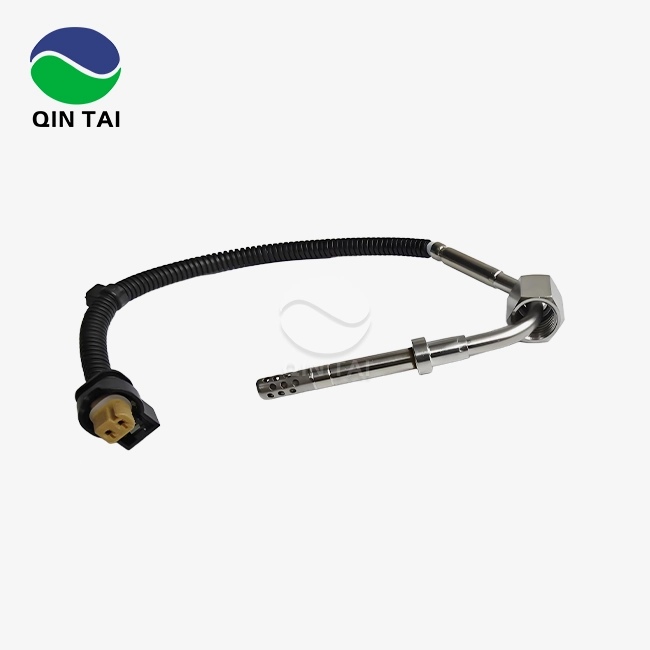
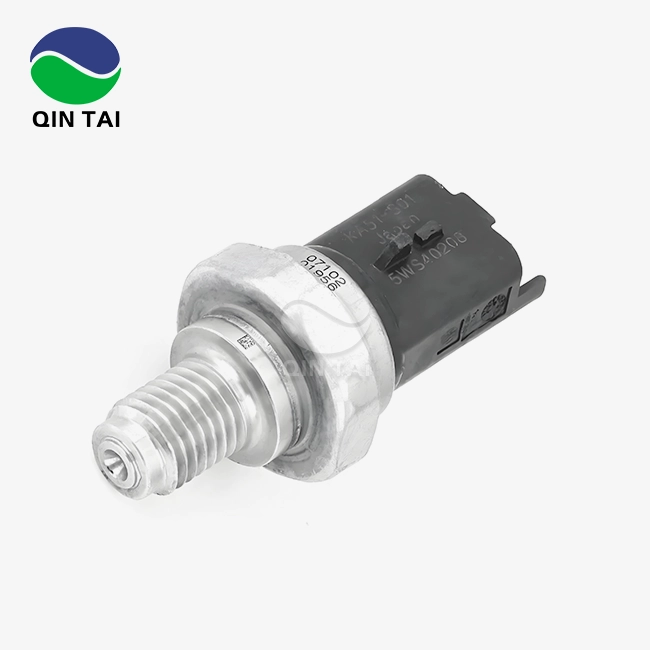
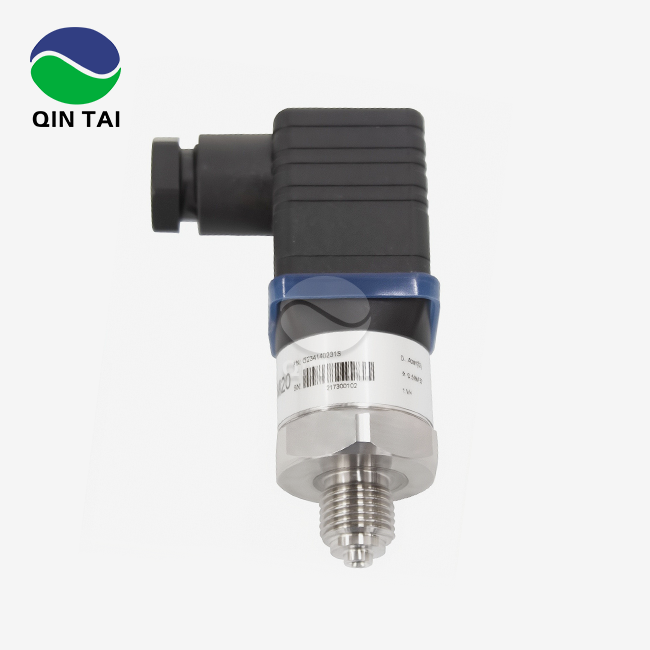
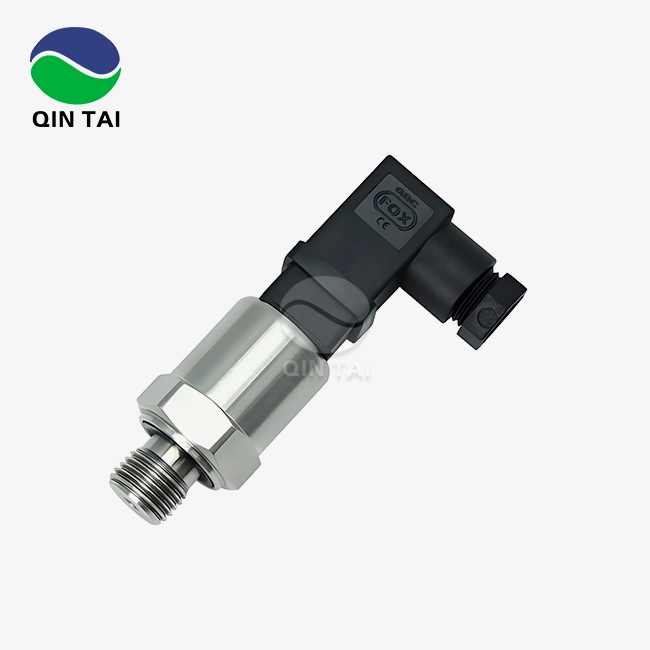

Our customers’ satisfaction speaks for our quality — contact us to experience the same reliable service.