- English
- French
- German
- Portuguese
- Spanish
- Russian
- Japanese
- Korean
- Arabic
- Greek
- German
- Turkish
- Italian
- Danish
- Romanian
- Indonesian
- Czech
- Afrikaans
- Swedish
- Polish
- Basque
- Catalan
- Esperanto
- Hindi
- Lao
- Albanian
- Amharic
- Armenian
- Azerbaijani
- Belarusian
- Bengali
- Bosnian
- Bulgarian
- Cebuano
- Chichewa
- Corsican
- Croatian
- Dutch
- Estonian
- Filipino
- Finnish
- Frisian
- Galician
- Georgian
- Gujarati
- Haitian
- Hausa
- Hawaiian
- Hebrew
- Hmong
- Hungarian
- Icelandic
- Igbo
- Javanese
- Kannada
- Kazakh
- Khmer
- Kurdish
- Kyrgyz
- Latin
- Latvian
- Lithuanian
- Luxembou..
- Macedonian
- Malagasy
- Malay
- Malayalam
- Maltese
- Maori
- Marathi
- Mongolian
- Burmese
- Nepali
- Norwegian
- Pashto
- Persian
- Punjabi
- Serbian
- Sesotho
- Sinhala
- Slovak
- Slovenian
- Somali
- Samoan
- Scots Gaelic
- Shona
- Sindhi
- Sundanese
- Swahili
- Tajik
- Tamil
- Telugu
- Thai
- Ukrainian
- Urdu
- Uzbek
- Vietnamese
- Welsh
- Xhosa
- Yiddish
- Yoruba
- Zulu
Top DEF Pressure Sensor Manufacturers for Diesel Systems
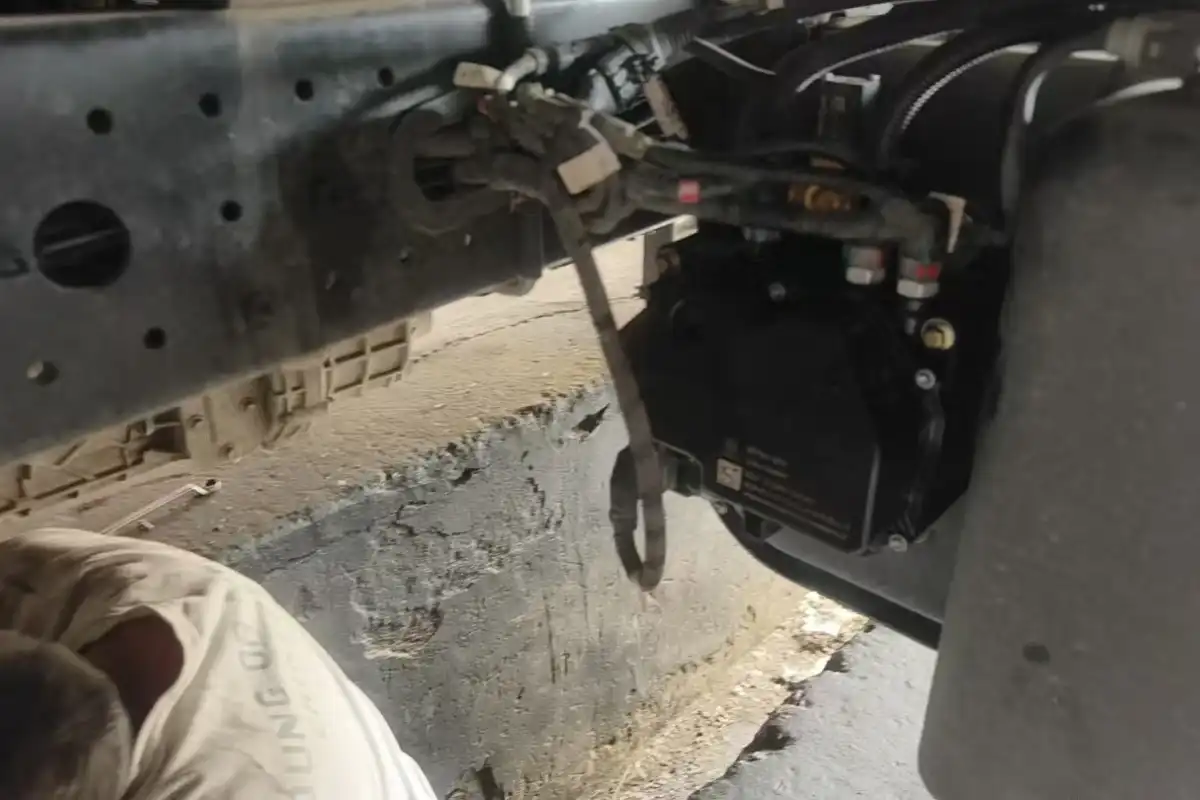
To meet strict environmental rules, modern diesel engines rely heavily on new technologies for controlling emissions. Among these technologies, the DEF pressure sensor is an important part of Selective Catalytic Reduction (SCR) systems because it checks the exact supply of diesel exhaust fluid to lower damaging nitrogen oxide emissions. These sensors make sure that the fluid pressure is just right, which keeps diesel systems in line with EPA and Euro standards and protects engine performance. Buying reliable sensors from reputable makers has a direct effect on fleet uptime, maintenance costs, and being environmentally friendly. This is why it's important for B2B buyers in the transportation, farm, building, and industrial sectors to make well-informed purchasing choices.
Understanding DEF Pressure Sensors: Functionality and Types
Core Functionality in Diesel Exhaust Systems
As diesel exhaust fluid moves through SCR injection systems, DEF pressure sensors pick up on it and record its pressure. The sensor gives electrical messages to the engine control unit when the pressure falls outside of certain ranges, which are usually between 50 and 150 psi. This real-time information lets the system change the rate at which fluids are delivered, which stops crystallization, dose mistakes, and damage to the catalyst. If diesel engines don't have correct pressure tracking, they could lose efficiency, put out more pollution, and even be fined by the government. The sensor watches over everything and makes sure that every drop of DEF helps clean the air.
Primary Sensor Technologies Explained
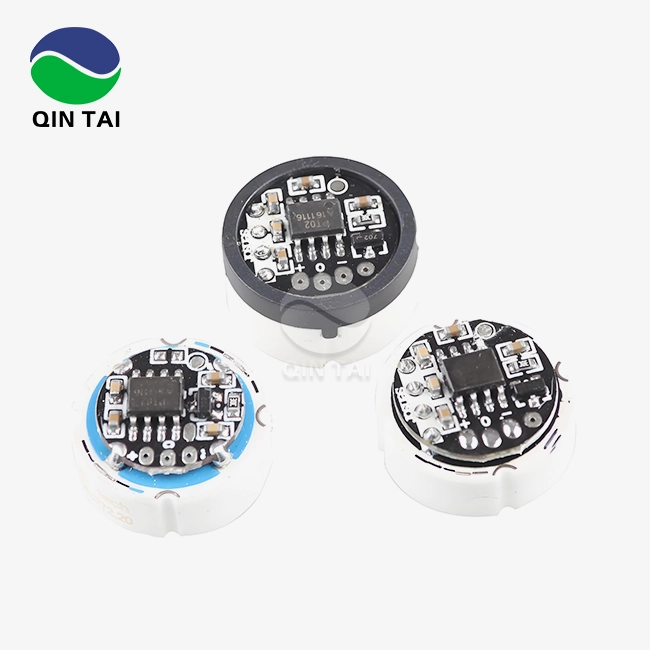
Pressure sensing technology has come a long way and now offers a wide range of choices to meet different working needs. Capacitive sensors use a clay plate that changes shape when pressure is applied. This changes the capacitance between the electrodes, which creates electrical signals that can be measured. Because they are resistant to chemicals and don't change much in temperature, these shapes work great in harsh settings. Piezoelectric sensors use crystalline materials to turn mechanical stress into voltage.
They have quick reaction times that make them perfect for changing pressures. Resistive strain gauge sensors measure displacement by changing the electrical resistance. They are a cheap way to handle moderate-duty tasks. Depending on how accurate you need to be, how much money you have, and the conditions of the surroundings, each system has its own benefits.
Wired vs. Wireless Configuration Options
Connectivity options have a big effect on how flexible installations can be and how well systems work together. Standardized methods, such as CAN bus or analog voltage outputs, let wired sensors connect directly to car control systems. This makes sure that signals are sent reliably and without any problems.
Heavy-duty trucks and off-road equipment where dependability is more important than installation difficulty still use these setups. Bluetooth or special radio bands let wireless sensors send data, which makes retrofitting easier and cuts down on wiring harnesses. Fleet managers who want to save time on installations like wireless solutions, but they come with extra upkeep issues for the batteries and the chance that signals will get lost in places with a lot of radio noise.
Critical Performance Parameters That Matter
When looking at sensor choices, procurement teams should put a few key specs at the top of their list. Most of the time, measurement accuracy is between ±1% and ±3% of full scale. For more precise tasks, smaller limits are needed. Reliability in harsh environments depends on the operating temperature range. Good sensors work from -40°F to 257°F. Response time affects how quickly the system reacts when the engine's load changes quickly. Better sensors can take readings in less than 10 milliseconds.
Media compatibility makes sure that the sensor can handle long-term DEF contact without corroding or losing its seal. Maintenance times depend on the quality of the building. For example, high-end sensors only need to be calibrated once every five years. Knowing these factors helps buyers match the sensor's abilities to its working conditions, which keeps mistakes and unplanned breaks from happening.
Leading DEF Pressure Sensor Manufacturers in 2026
Established Industry Leaders
On the global market for diesel pollution control sensors, there are a number of well-known companies whose work is excellent and their products have been shown to be reliable. Honeywell has decades of experience making sensors for aircraft uses that are now used in cars. Their sensors are known for being very accurate and being able to adjust for temperature changes. Through universal output protocols, their goods work with most engine control systems without any problems. Bosch is the market leader in Europe because it has a wide range of SCR components and sensors that are built to work with industrial car platforms. Their tech teams work closely with truck makers to make sure that their products work with a wide range of engine designs.
Denso uses its ties with automakers to make sensors that work best with Asian and North American diesel engines, especially those in light commercial and farming equipment. Continental focuses on integrated sensor systems that record both pressure and temperature in the same housing, which makes installation easier. Delphi Technologies, which is now part of BorgWarner, has a strong aftermarket presence with sensors that meet the requirements of original equipment at prices that are competitive. These leaders in the industry keep putting money into research to make sure their goods can adapt to changing fuel formulations and pollution standards.
Specialized Suppliers for Niche Applications
Aside from mainstream manufacturers, there are a number of suppliers who meet special operating needs that mainstream manufacturers often miss. Parker Hannifin is great at measuring high pressures for industrial stationary engines and naval diesel uses, which need strong construction because of high vibrations and pressure spikes. Sensata Technologies makes tiny sensors that can be installed in small utility cars and generators without taking up much room. With better seals and tougher housings, Eaton's heavy-duty sensors are made for mining and building equipment that works in corrosive conditions.
Siemens has sensor options that work with a wider range of automation systems. These are appealing to industry clients who need to handle diesel engines as part of facility management networks. Cummins makes its own sensors that are tuned to work with its engine platforms. This gives the engines the best performance possible by matching the design of their parts. Custom requirements, such as non-standard pressure ranges, different electrical connections, and changed form factors, are often met by these specialized makers. Buyers who need custom solutions should talk to these providers early on in the planning process to find out if the solutions are possible and how long the lead time will be.
How to Choose the Best DEF Pressure Sensor for Your Fleet or Production Line
Defining Your Application Requirements
To choose the right sensors, you must first fully understand the working environment. Fleet managers who are in charge of long-haul transportation need sensors that have been tested over millions of miles of road and have low failure rates and backups that are easy to find. For construction tools to work well on the job site, workers put vibration resistance and environmental sealing at the top of their lists. Agricultural uses need sensors that can handle long periods of inactivity and changing work habits during different times of the year. DEF pressure sensors are especially critical in diesel exhaust fluid systems for heavy-duty vehicles, ensuring emissions compliance under harsh conditions. For large-scale setups, production line integrators need sensors with regular batch quality and wait times that they can count on.
Material choices are based on temperature differences. For example, sensors need to stay accurate below freezing for operations in cold climates, while parts for fleets in hot climates need to fight thermal drift. The pressure range needs to work with the way the system is designed. Most DEF circuits work between 70 and 120 psi, but some commercial uses can go up to 200 psi. When engines have fast load cycles, response time is very important because delayed pressure input leads to dosing mistakes and emission spikes.
Balancing OEM Parts Against Aftermarket Alternatives
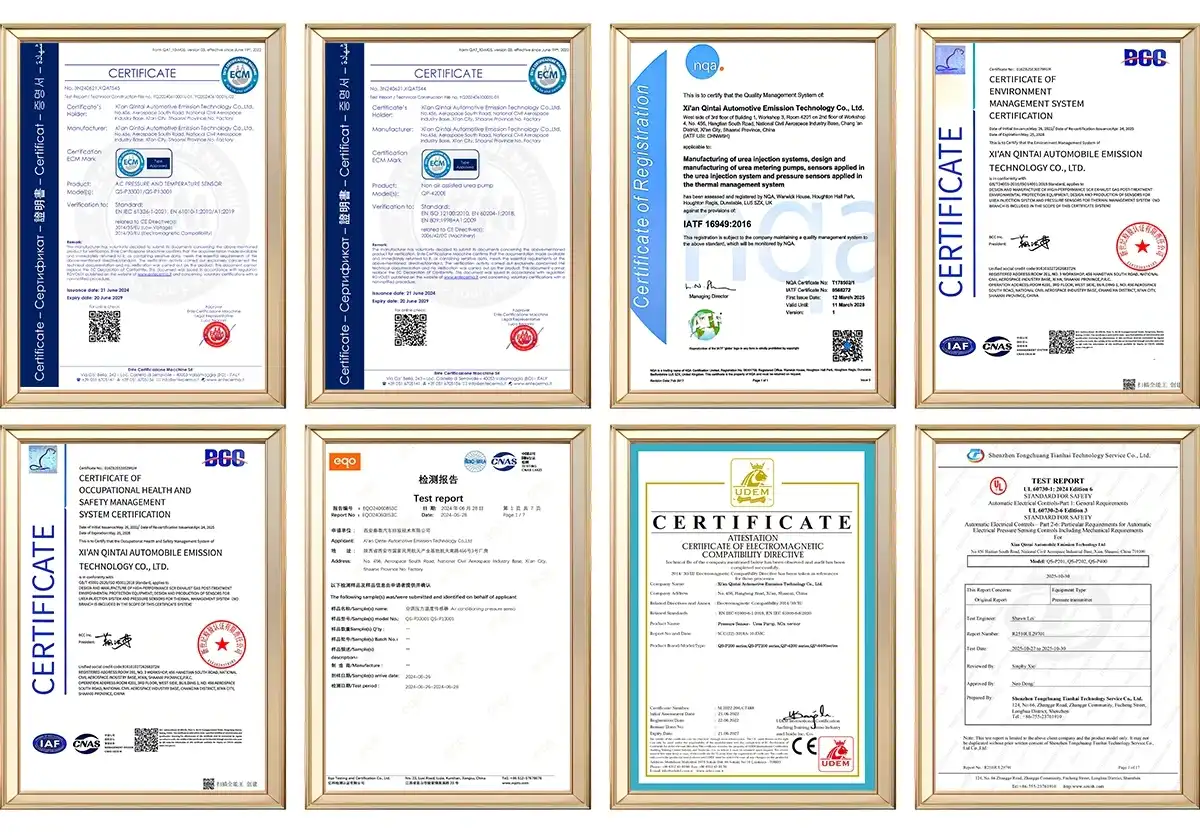
Original Equipment Manufacturer (OEM) sensors are guaranteed to work with other sensors, and they often come with insurance benefits that are tied to engine coverage. OEM parts go through a lot of validation testing in full car systems, which lowers the risk of interaction problems. However, OEM prices are usually 30% to 50% higher than aftermarket options, which has a big effect on the budgets for buying large fleets of parts. Aftermarket sensors that meet ISO standards and have their own certifications can save you money without sacrificing efficiency. Reliable aftermarket providers offer full cross-reference guides and expert help, which makes it easier to match specifications.
The decision hinges on risk tolerance and budget flexibility. OEM parts are the most reliable way to go for important uses like emergency cars and main production tools. High-volume companies that already know how to do routine repair can often save a lot of money by using high-quality aftermarket sensors that are reliable enough. Using OEM sensors for cars still under warranty and switching to aftermarket options after the warranty time works well.
Real-World Case Study: Heavy-Duty Trucking Application
A regional transport company with 150 Class 8 trucks was having problems with their DEF system that were caused by broken DEF pressure sensors. The original sensors had an average service life of 60,000 miles, which meant they had to be fixed often on the side of the road and caused transport delays. The head of maintenance looked at different options and compared sensors from three aftermarket providers to OEM standards.
One alternative sensor had an average life of 95,000 miles and cost 40% less than OEM parts after being tested for 12 months on 30 cars. The company converted the whole fleet, which cut the cost of sensors from $45,000 a year to $27,000 a year and increased service by 12%. This result shows that methodical testing and review lead to good procurement choices.

SENSOR+TEST, June 9 – 11, 2026
We look forward to your visit,warmly welcome to our booth 1-526!
Get your free ticket online now:
https://www.sensor-test.de/service/ticket/?52790
Procurement Channels and Considerations for DEF Pressure Sensors
Identifying Trusted Supply Sources
There are several ways for B2B buyers to get DEF pressure sensors, and each has its own benefits. When you work directly with a maker, you can get the best prices on large orders and get help from engineers during the design process. Authorized wholesalers keep stock locally so that deliveries can be made more quickly. They also offer technical support and handle warranties. Industrial component sellers combine many names, making it easier to buy from more than one manufacturer through a single buying relationship. Online B2B platforms connect buyers with suppliers from around the world. This gives buyers more choices, but buyers need to be careful to check sellers' quality standards and reputations.
Regional considerations affect channel selection, with North American buyers prioritizing sellers who keep stock in the United States to avoid customs delays. European buying teams usually choose sellers who have ISO 9001 approval and proof that they follow REACH rules. Asian buyers are looking for a mix between low prices and quality guarantee, and they are asking for third-party testing verification more and more. Having ties with two or three providers that work well together makes the supply chain more stable and protects it from problems caused by a single source.
Understanding Pricing Dynamics and Value Drivers
The prices of sensors vary a lot depending on the technology, the level of accuracy, and where the maker stands in the market. Basic sensors that are good for light-duty tasks start at about $45 each and have basic features and average accuracy. Mid-range sensors that can compensate for temperature and have better sealing run from $75 to $120, which is the best price for business fleet uses. The most expensive sensors, with advanced diagnostics and longer warranties, cost between $180 and $250. These are worth it in important situations where the cost of failure is higher than the component prices.
When you buy in bulk, you can save a lot of money. For example, orders for 100 units are usually 15% to 25% less expensive than orders for one unit. Suppliers can make the best use of their production schedules when they have annual agreements that include predictable buying trends. Buyers can benefit from these efficiency gains by paying less. The purchase price is only one part of the total cost of ownership. Other costs include the work to setup the item, the need for calibration, and the expected service life. Even though they cost less at first, sensors that need special tools or regular tuning raise running costs. Smart buyers look at the costs of the whole duration instead of just the unit cost.
Warranty Terms and After-Sales Support Expectations
Long-term happiness and total ownership costs are directly affected by warranty coverage and technical help. Standard guarantee terms are between 12 and 24 months and cover flaws in the way the product was made and early fails that happen under normal use. Manufacturers who offer guarantees that last up to 36 or 48 months are confident in the stability of their products. The warranty terms should make it clear what is not covered, especially when it comes to poor fitting, contaminated DEF, and working condition violations.
The quality of after-sales help changes a lot between suppliers. Leading manufacturers have technical hotlines filled by application experts who can figure out problems with installations and figure out what diagnostic codes mean. Full paperwork, such as installation guides, wiring diagrams, and upkeep schedules, speeds up the training of technicians and cuts down on mistakes. When problems happen, suppliers who offer testing services and failure analysis can help buyers figure out what went wrong. When procurement teams compare providers, they should look at both the product specs and the support infrastructure. This is because quick technical help keeps costly downtime from happening.
Common Problems and Maintenance Tips for DEF Pressure Sensors
Recognizing Early Warning Signs of Sensor Failure
DEF pressure sensors usually let you know when they're about to fail by showing certain signs that can be found during regular diagnostics. Erratic pressure readings that change more than the standard range of the system show that sensor parts are wearing out or electrical connections are broken. When there are problems with the SCR system, the dashboard warning lights usually mean that the pressure sensors are giving false readings.
When there are problems with the emission system, the engine's derating (automatic power decrease) is often caused by sensors showing pressures that are too high or too low. Crystallized DEF dust around sensor housings suggests that the seals are breaking down, letting fluid leak through. If you notice these signs early, you can replace the part during routine maintenance instead of having to make fixes on the side of the road.
Preventive Maintenance Practices That Extend Sensor Life
When you take care of your sensor the right way, it lasts a lot longer and keeps measuring accurately. Using high-quality diesel exhaust fluid that meets ISO 22241 standards keeps sensors from breaking down too quickly because the fluid isn't clean or meets the standards. Keeping the DEF tank clean lowers the amount of particulate matter that hits sensor diaphragms and breaks them. Electrical plugs can be kept dry by checking them for rust every three months and making sure they are properly sealed. For some sensors, occasional zero-point calibration using the steps recommended by the manufacturer can bring accuracy back to the levels required by the maker.
Environmental protection is even more important in difficult situations. Sensors can be protected from direct water spray during pressure washing by installing safety covers. In places with a lot of humidity, rust can be avoided by putting dielectric grease on electrical lines. Making sure the fitting is done correctly according to the manufacturer's instructions stops fluid from getting trapped, which speeds up internal rusting. While taking very little time, these simple steps can make a big difference in how reliable something is. When maintenance managers add sensor inspection to the regular service times for an SCR system, they get the best results without having to do extra maintenance jobs.
Troubleshooting Common Installation Errors
A lot of sensor breakdowns that look like problems with the sensors themselves are actually caused by mistakes in the installation. When sensors are being installed, overtightening them harms internal parts and messes up pressure readings. On the other hand, undertightening them lets DEF leak out and gives wrong readings. When thread sealer is used on sensors that have built-in closing surfaces, it causes interference that lowers the accuracy. When you run sensor wires next to high-voltage ignition cords, electrical interference happens, which messes up signals. If you don't clear the system of air after replacing a sensor, you might get brief results that aren't accurate and think the sensor is broken.
When you setup something correctly, these problems don't happen. Following the manufacturer's torque recommendations to the letter guarantees proper fitting without damaging any parts. Interference can be avoided by routing sensor wiring away from power connections and using shielded cable where it is needed. Following the steps in the repair guidebook for priming DEF systems gets rid of any trapped air. Checking for proper electrical connection before finishing the installation finds wiring mistakes before they cause problems with how the system works. By teaching techs these basics, you can cut down on wrong diagnoses and sensor repairs that aren't needed. This increases uptime and saves money.
Conclusion
To choose the right DEF pressure sensors, you have to weigh the performance requirements against the needs of the business and the available budget. Leading makers offer tried-and-true options for a wide range of uses, while specialized sources meet specific needs. The best results come from buyers who take the time to learn about sensor technologies, evaluate suppliers' skills, and follow best upkeep practices.
The difference between good sensor performance and great sensor performance often decides whether fleets meet emission standards consistently or have to deal with breakdowns over and over again. When you make choices about purchases after learning a lot about them, you get long-term benefits like less downtime, lower maintenance costs, and trust from regulators. As emission standards continue to get stricter around the world, it becomes even more important to have good sensors to stay competitive.
FAQ
What makes DEF pressure sensors compatible with different diesel engines?
Compatibility is mostly based on the actual measurements of the mounting, the rules for the electrical link, and the pressure range requirements. Standardized SAE or metric threads and global electrical connections that work with common standards like CAN bus or analog voltage outputs are used by most modern DEF pressure sensors. Buyers should make sure that the sensor pressure range fits their needs. For car uses, this range is usually 0 to 150 psi. Reviewing engine maker compatibility lists or talking to technical help from sensor suppliers before buying makes sure that the right sensors are matched.
How do DEF pressure sensors differ from DEF level sensors?
Pressure sensors check the force of the fluid in the delivery lines to make sure the dosing system works right. Level sensors check the amount of fluid in the tank to let workers know when it runs out. Pressure sensors use diaphragm-based measurement methods to give real-time input while the machine is running. Level sensors usually use ultrasonic, capacitive, or float systems that can measure the amount of a static fluid. In full SCR systems, both types of sensors work together and do different things that support each other.
Can aftermarket DEF pressure sensors match OEM reliability?
When properly described, quality aftermarket sensors from well-known brands often work as well as or better than OEM sensors. A lot of aftermarket suppliers make parts for OEM systems and use the same production standards for aftermarket versions. Instead of picking sensors based only on price, it's important to make sure they have the right licenses and a track record in the field. Data from independent tests and guarantee terms are good ways to tell how good a modified sensor is.
Partner with Qintai for Reliable DEF Pressure Sensor Solutions
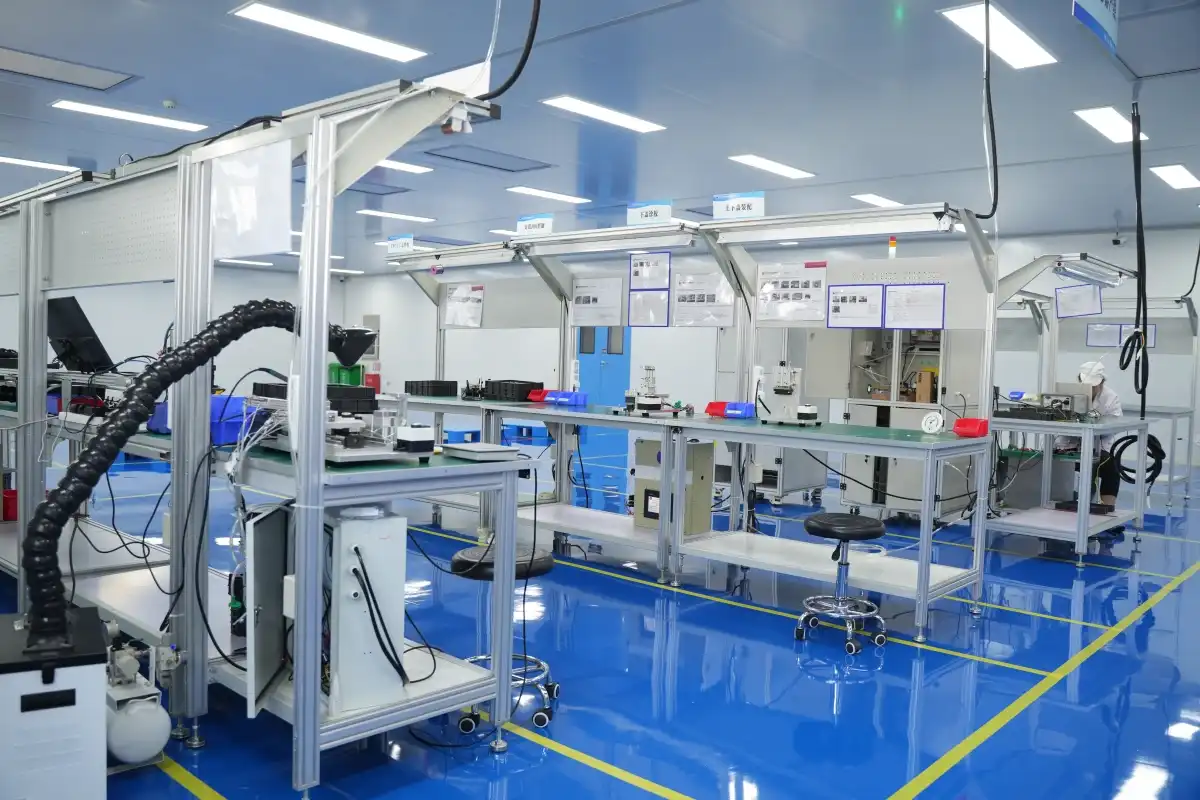
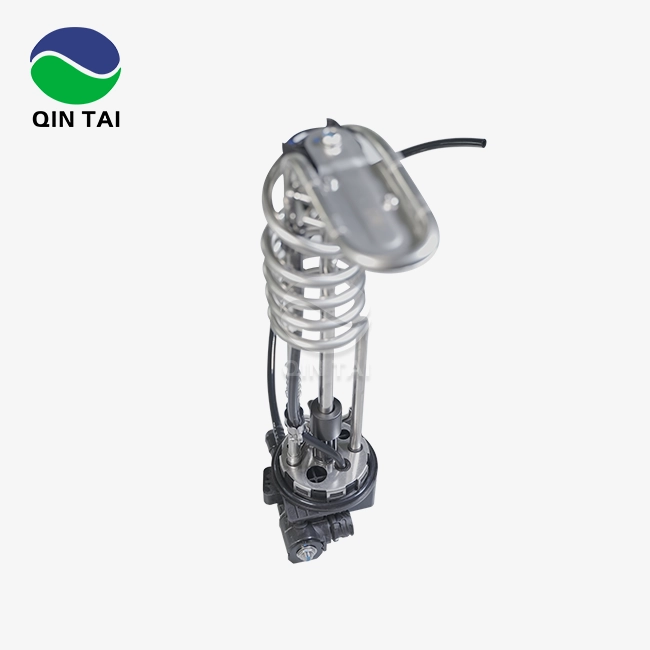
Qintai has become a reliable DEF pressure sensor seller, sending well-designed parts to business customers all over the world. Our factories use cutting-edge capacitive sensing technology and strict quality control to make sensors that can work in harsh diesel system conditions in commercial, industrial, and farming settings. We know how hard it is for buying managers to find the right balance between price, quality, and delivery efficiency.
When you buy a lot from Qintai, you can get good deals without sacrificing the accuracy and longevity that your ships need to run smoothly. For all of your application needs, our expert team is here to help you choose the best sensor setup for your needs. You can talk to us about your needs, get full technical datasheets, or get a special quote by emailing info@qt-sensor.com. We're ready to become your long-term partner in controlling diesel emissions.
References
1. Society of Automotive Engineers. (2023). "Diesel Exhaust Fluid Quality Standards and Testing Protocols." SAE International Journal of Fuels and Lubricants, Volume 16, Issue 2.
2. Environmental Protection Agency. (2024). "Heavy-Duty Vehicle Emission Control Technologies: SCR System Component Requirements." EPA Office of Transportation and Air Quality Technical Report.
3. Johnson, M. & Stevens, R. (2023). "Pressure Sensor Technologies for Automotive Fluid Management Systems." International Journal of Automotive Engineering, Volume 45, Pages 234-251.
4. Continental Automotive Systems. (2024). "Advanced Sensor Solutions for Commercial Vehicle Emission Control." Technical White Paper Series, Edition 7.
5. Zhang, L., Peterson, K., & Yamamoto, H. (2023). "Reliability Analysis of DEF Delivery System Components in Heavy-Duty Diesel Applications." Proceedings of the International Conference on Automotive Technology, Detroit, Michigan.
6. Bosch Mobility Solutions. (2024). "Diesel Exhaust Treatment Systems: Component Selection and Maintenance Best Practices." Professional Training Manual, Third Edition.


Our customers’ satisfaction speaks for our quality — contact us to experience the same reliable service.