- English
- French
- German
- Portuguese
- Spanish
- Russian
- Japanese
- Korean
- Arabic
- Greek
- German
- Turkish
- Italian
- Danish
- Romanian
- Indonesian
- Czech
- Afrikaans
- Swedish
- Polish
- Basque
- Catalan
- Esperanto
- Hindi
- Lao
- Albanian
- Amharic
- Armenian
- Azerbaijani
- Belarusian
- Bengali
- Bosnian
- Bulgarian
- Cebuano
- Chichewa
- Corsican
- Croatian
- Dutch
- Estonian
- Filipino
- Finnish
- Frisian
- Galician
- Georgian
- Gujarati
- Haitian
- Hausa
- Hawaiian
- Hebrew
- Hmong
- Hungarian
- Icelandic
- Igbo
- Javanese
- Kannada
- Kazakh
- Khmer
- Kurdish
- Kyrgyz
- Latin
- Latvian
- Lithuanian
- Luxembou..
- Macedonian
- Malagasy
- Malay
- Malayalam
- Maltese
- Maori
- Marathi
- Mongolian
- Burmese
- Nepali
- Norwegian
- Pashto
- Persian
- Punjabi
- Serbian
- Sesotho
- Sinhala
- Slovak
- Slovenian
- Somali
- Samoan
- Scots Gaelic
- Shona
- Sindhi
- Sundanese
- Swahili
- Tajik
- Tamil
- Telugu
- Thai
- Ukrainian
- Urdu
- Uzbek
- Vietnamese
- Welsh
- Xhosa
- Yiddish
- Yoruba
- Zulu
OEM DEF Pressure Sensor Supplier How to Choose the Best
To find a trustworthy OEM DEF pressure sensor provider, you need to look at their technology, quality certifications, ability to work with emission control systems, and commitment to providing long-term support. The fluid monitoring component is an important part of managing diesel emissions because it checks the pressure of the fluid and makes sure that the right amount of fuel is injected to lower nitrogen oxide emissions. Teams in charge of buying things should give more weight to providers whose products have been shown to be reliable, who follow EPA and CARB rules, and who are always available to support fleet operations. This complete guide helps you choose a seller, compare technologies, and come up with a way to buy high-performance sensors that stay in line with regulations and cause as few problems as possible with operations.
Understanding DEF Pressure Sensors: Function, Technology, and Importance
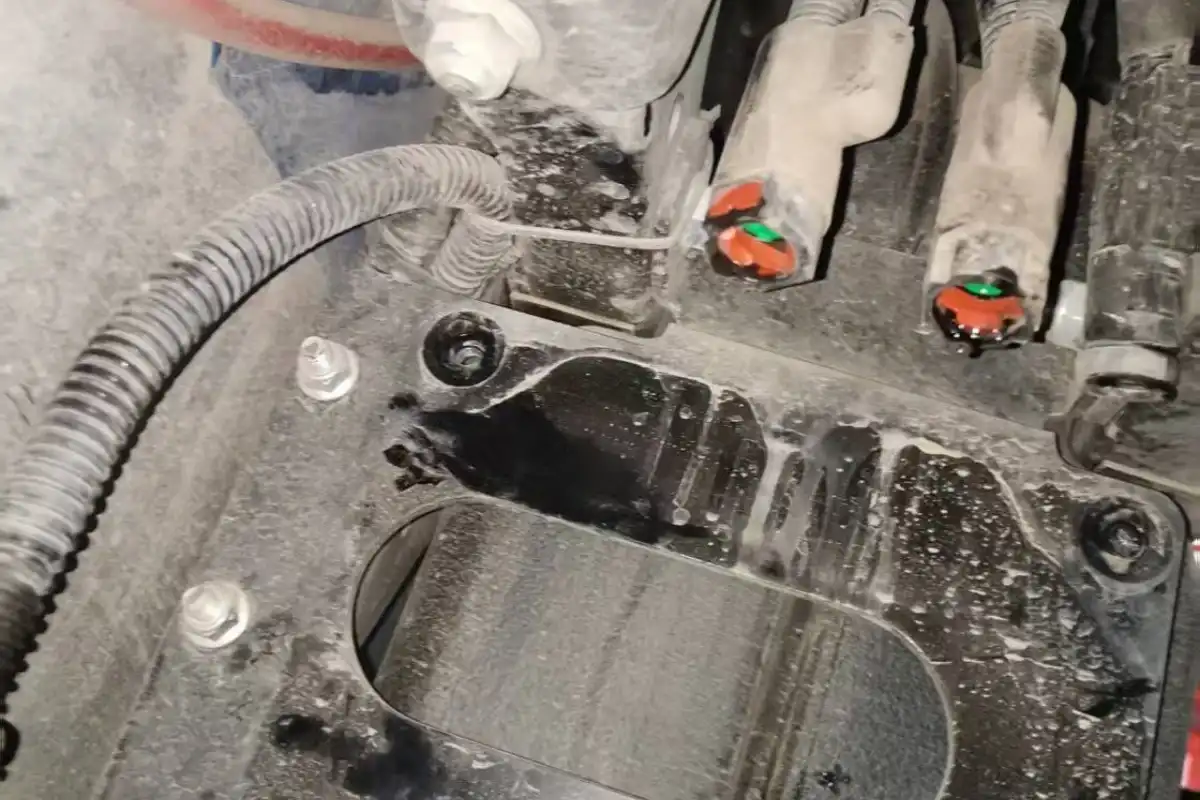
Diesel Exhaust Fluid systems need accurate pressure readings to make sure they add the right amount of urea solution to exhaust streams. A DEF pressure sensor checks how much force fluid is putting on delivery lines and tanks. They turn changes in mechanical forces into electrical signs that engine control units can understand. Heavy-duty trucks, farm equipment, and building equipment of today rely on these sensors to keep pollution within legal limits and get the most out of their fuel.
Core Operating Principles
Pressure sensors work by changing the shape of matter. When fluid moves through the system, it puts pressure on a measuring element, which is usually a strain gauge or diaphragm. This change in the real world causes changes in resistance or capacitance that can be measured. These changes are turned into voltage signs that the ECU can understand by electronic circuits. Analog sensors give constant voltage readings that are proportional to pressure levels, while digital sensors give binary outputs that show pressure limits. Differential sensors find changes in pressure between two points, which can help find problems with filters or pumps.
Sensor Types and Applications
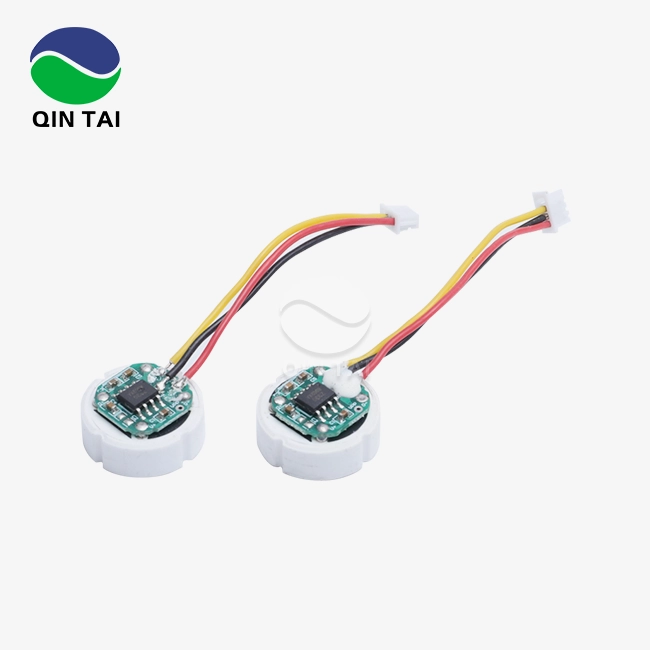
There are different types of sensor combinations available on the aftermarket that can be used for different tasks. Ceramic capacitive sensors have diaphragms that change capacitance between wires when they are pressed. This concept works really well in places that are corrosive because clay materials don't break down easily when exposed to urea. Strain gauge sensors use metal parts that can stretch or contract, which changes the electrical resistance. These types are good for uses that need quick responses and high accuracy over a wide range of temperatures. Piezoresistive sensors use both technologies together to make them last longer in harsh situations that are common in off-road vehicles.
Installation and Maintenance Considerations
Manufacturers typically put sensors between the tank and the dose unit or inside the supply module assembly. The location of a component affects how much it is affected by changes in temperature and shaking. For a job to be done right, the joints must be clean, the power must be just right, and the road debris must be kept away. As part of regular maintenance, electrical connections are checked for rust, signal outputs are compared to known pressure standards, and fluid contamination that can lower accuracy is kept an eye on. Environmental factors like cold temps need to be taken into account because fluid crystallizes below 12°F and could damage sensor parts.
Key Criteria to Evaluate When Choosing OEM DEF Pressure Sensor Suppliers
Procurement workers have a lot of supplier choices, so it's important to do a thorough review of each one. The F-1 criteria screening technique gives you a structured way to look at technology requirements, source qualifications, and business terms. This system lowers the risk of buying things and makes sure that a DEF pressure sensor meets the needs of each application.
Technical Performance Metrics
How closely sensor numbers match real pressure amounts is called accuracy. Good OEM sensors stay accurate within ±2% of their full operating range. Durability includes being able to handle vibrations, changes in temperature, and chemical contact. For heavy-duty uses, sensors need to be rated for a long lifetime, usually between 500,000 and 1 million rounds before they stop working well. Response time, output steadiness, and noise immunity are all parts of signal efficiency. ECU compatibility makes sure that the power ranges and transmission methods match what certain engine management systems need. When specifications don't meet, diagnostic trouble codes and derating events happen that slow down the car.
Supplier Credentials and Certifications
OEM sellers that are legitimate have permission from carmakers or makers of tier-one parts. Getting ISO 9001 approval shows that your quality management system is mature. ISO/TS 16949 is a standard that especially talks about quality rules for cars. Environmental compliance standards, such as RoHS and REACH, make sure that products follow the rules about dangerous substances.
The warranty terms show how confident the source is in the product's dependability. Full guarantees that cover two to three years or 100,000 miles show that the design and production processes are strong. Supply delays put fleet operations and regulatory compliance at risk, so supplier financial security is crucial.
Balancing Cost and Quality
Price changes are caused by differences in how the goods are made, the quality of the materials used, and how rigorously they are tested. Ultra-cheap sensors usually have worse sensing parts or less strict ways of calibrating them. These saves are lost when early failures cost money for tows, labor, and time lost because the car isn't working. Value-oriented buying looks at the total cost of ownership instead of just the price of the item.
When sensors are reliable, it takes less time to diagnose problems, file insurance claims, and keep inventory. How quickly suppliers respond to technology problems and how easy it is to get replacement units affect operating continuity. To figure out how different levels of dependability are, procurement teams should ask for failure rate data and mean time between failure numbers.
Comparing Top OEM DEF Pressure Sensor Brands and Technologies
Leading makers have created technologies that work best for controlling diesel emissions. Knowing the strengths of a brand helps you match goods to the needs of your company and the conditions under which a DEF pressure sensor works.
Brand Specializations
Bosch makes sensors that can handle high temperatures and complex data processing for heavy duty cycles. Continental focuses on clay sensor elements that don't react with urea crystallization or corrosion. Denso focuses on small forms that can be used in places with limited room. Each brand has its own quality control and testing methods that affect how accurate the product is over time and how often it breaks. Comparative data on performance under standard conditions comes from tests done by commercial car labs that are not part of the manufacturer. User feedback from fleet repair teams shows how reliable different car platforms are in the real world.
Technology Trade-offs
Standardized communication methods make it easier for ECUs to connect to digital sensors, but they might not be accurate enough for advanced dose strategies. Analog sensors give detailed information about pressure, which lets control systems work more efficiently, but they need extra hardware to clean up the signals they send. Ceramic responsive devices are very good at resisting chemicals, but they are sensitive to mechanical shock.
Piezoresistive types can handle vibrations very well, but they may move when exposed to high temperatures for a long time. The best technology choice is based on the needs of the application. Urban delivery teams that start and stop a lot need sensors that can respond quickly. Long-haul activities put stability first over long stretches of time. Off-road equipment needs to be built in a way that it can handle a lot of shaking and dirt.
Compatibility Challenges
Engine makers define certain features that change from model year to model year and from emission level to emission level. If you use sensors made for Euro V systems in Euro VI systems, you might mess up the setting. Different car types have different connector designs, mounting threads, and pressure port positions. Standardization within companies makes it easier to keep track of supplies and train technicians. When comparing OEM part numbers to aftermarket counterparts, electrical specs, pressure ranges, and physical measurements must be checked. Suppliers should back up choices to switch sensors with thorough compatibility charts and technical documentation.
Procurement Strategies for DEF Pressure Sensors: How to Buy Smart
Strategic buying methods lower the cost of getting components while still guaranteeing the accuracy of the products and the reliability of the supply chain. Understanding delivery routes and how to evaluate suppliers is helpful for business-to-business buyers seeking a high-quality DEF pressure sensor.
Sourcing Channel Options
When you work directly with OEM makers, you can get the newest technologies and technical help, but you usually have to place large orders in order to do so. Authorized dealers let you buy in smaller amounts and have access to supplies and technical support in your area. This route works well for medium-sized teams that need flexible terms for buying things. Aftermarket providers offer lower prices, but the quality of their products changes a lot. When you use secondary providers, it's very important to check the manufacturing source, quality certifications, and guarantee support. The lack of proper paperwork and potential non-compliance with regulatory standards of gray market sensors raises compliance concerns.
Negotiation and Customization
When supply is limited, volume agreements let prices be lowered and priorities are given. To improve their negotiating situations, procurement teams should combine needs from different locations. Custom sensor specs that meet specific installation or performance needs take more engineering resources and more time to build. Lead times for regular goods are usually between 4 and 8 weeks, while lead times for custom versions can be between 12 and 16 weeks. No misunderstandings happen when technical needs, quality goals, and release plans are clearly communicated. The terms of the contract should say who is responsible for fixing broken goods, how to return them, and when technical help is available.
Supply Chain Optimization
Shipping prices, wait times, and the complexity of logistics are all affected by where a supplier is located. Using domestic providers cuts down on shipping delays and makes handling warranties easier. Cost savings from international sources may be cancelled out by the time it takes to clear customs and the value of the currency changing.
Dual-sourcing methods lower the risks that come with relying on a single provider. Safety stock levels should take into account how quickly things are used up, how reliable the provider is, and how important the item is to operations. Just-in-time buying lowers the cost of keeping goods on hand, but it also makes companies more vulnerable to supply problems. Balanced methods keep stock levels at a fair level and build ties with a number of qualified providers.
Best Practices for Long-Term Use and Maintenance of DEF Pressure Sensors
Regular maintenance increases the life of a DEF pressure sensor and stops them from breaking down when they're least expected, which can affect pollution compliance and the supply of vehicles.
Inspection and Calibration Schedules
Preventive repair rounds should be matched with regular inspections. For heavy-duty vehicles, this is usually done every 25,000 to 50,000 miles. A visual inspection shows any physical harm, corroded connectors, or fluid leaks. During functional testing, sensor outputs are compared to measured pressure standards to find any drift. Calibration changes bring accuracy back to specs, but many sensors don't have settings that can be changed in the field. When accuracy falls outside of accepted ranges or physical damage happens, replacement is needed. Maintenance regularity is affected by how much usage there is. Inspections need to be done more often on vocational vehicles that are used on harsh job cycles than on highway trucks.
Environmental Protection Strategies
Extreme temperatures can hurt the function and life of electronic parts. Heating devices that keep fluid above freezing keep components safe from damage caused by crystallization. Insulation and heat shielding protect parts from the stress of changing temperatures. Fluid pollution from handling urea incorrectly speeds up decline. Particulate growth can be avoided by only using ISO 22241-compliant fluid and clean filling methods. Corrosive salt contact is kept to a minimum by using protective covers or mounting places that are out of the way of road spray. Mechanical stress can be reduced by using the right mounting gear and torque specs to dampen vibrations.
Troubleshooting Common Issues
Diagnostic trouble codes that show a problem need to be systematically diagnosed. Electrical testing checks the voltage of the power source, the continuity of the ground, and the purity of the indicator wires. A physical inspection looks for corroded connection pins or wire harnesses that aren't working right. Using a scan tool for functional testing lets you watch real-time sensor results while the system is running. If the results aren't stable, it could be because of electrical interference or broken parts.
Consistently out-of-range results mean that the components are not set correctly or are broken. Most of the time, intermittent problems are caused by loose connections or wire chafing caused by shaking. Correct analysis keeps you from replacing parts that aren't needed and finds the root causes so that you can fix the problem.

SENSOR+TEST, June 9 – 11, 2026
We look forward to your visit,warmly welcome to our booth 1-526!
Get your free ticket online now:
https://www.sensor-test.de/service/ticket/?52790
Conclusion
To find the best OEM DEF pressure sensor provider, you need to carefully look at their technical skills, quality standards, and business terms. A good buying process combines the performance requirements of the sensors with the dependability of the suppliers and the total cost of ownership. Knowing about sensor technologies, company differences, and application needs helps you make smart choices that help you follow the rules and keep your fleet running efficiently. Structured seller assessment systems lower the risks that come with using low-quality goods or vendors you can't trust. Regular upkeep and the right way to place sensors will make the system work better and last longer. When procurement teams have a lot of information, they can easily choose suppliers and get high-quality sensors that keep emission control working well and operations running smoothly.
FAQ
How often should DEF pressure sensors be replaced in heavy-duty vehicles?
How often a DEF pressure sensor needs to be replaced depends on how they are used and how good they are. Under normal conditions, premium OEM sensors should last between 300,000 and 500,000 miles. Heavy-duty uses, like frequent temperature changes or being exposed to dirty fluid, may need to be replaced every 150,000 to 250,000 miles. By keeping an eye on diagnostic codes and doing regular functional tests, you can find sensors that are losing their functionality before they fail completely. Roadside breakdowns and traffic fines can be avoided by replacing parts as part of regular upkeep.
Can DEF pressure sensors be interchanged between different truck brands?
To be interchangeable, electrical specs, pressure levels, connecting types, and mounting arrangements must all be the same. Some sensors have designs that can be used by more than one maker, while others have their own unique connections. Problems with compatibility can be avoided by cross-referencing part names and checking technical specs. If you use the wrong sensors, you could get wrong pressure values, diagnostic errors, and even pollution violations.
What risks come with using aftermarket sensors versus OEM options?
The quality and dependability of aftermarket sensors vary a lot. Alternatives that are cheaper are reputable private names that meet OEM standards. Low-quality options are made with weaker materials and are calibrated less carefully, which leads to early failures and wrong results. Warranty coverage and expert help aren't always the same thing. OEM sensors promise speed and reliability, but they cost more. Checking the qualifications of the seller and asking for test data can help you decide if an aftermarket product is right for you.
Partner with Qintai for Reliable DEF Pressure Sensor Solutions
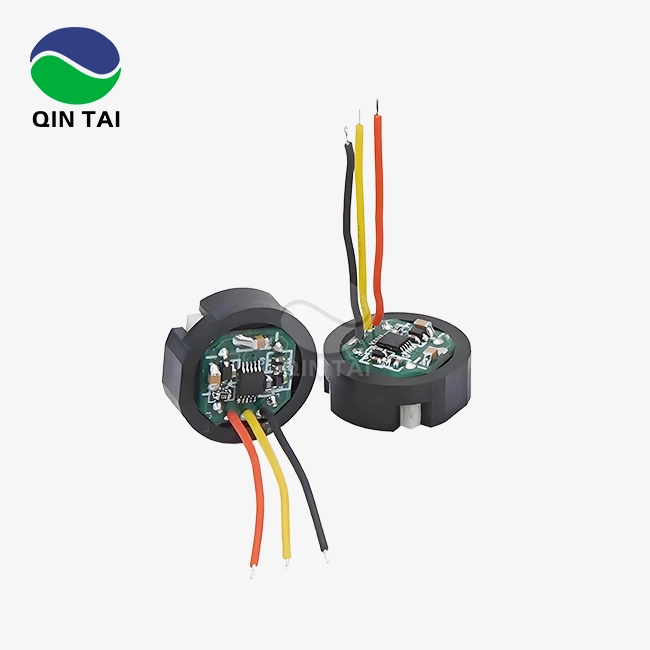
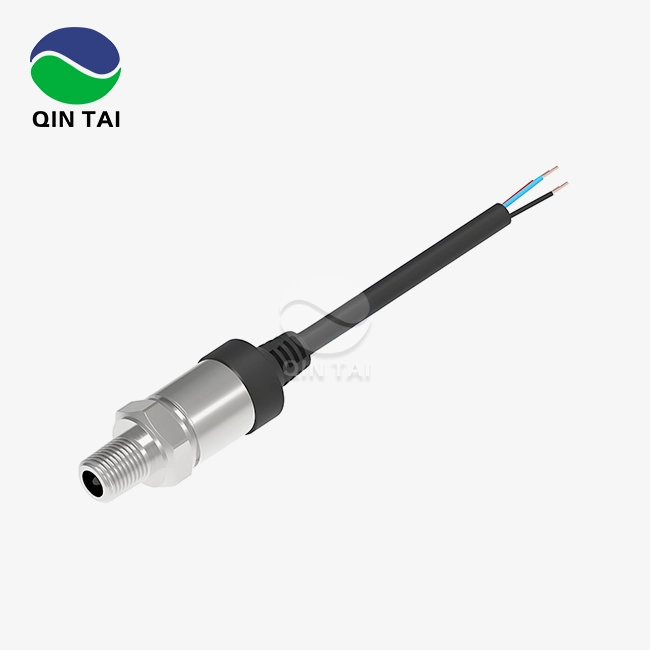
Qintai is a reliable company that makes a DEF pressure sensor that is precisely designed to meet strict OEM standards and government regulations. Ceramic capacitive and piezoresistive types that work with most heavy-duty engine systems are in our large product line. Each sensor goes through strict testing procedures that make sure it is accurate, durable, and reliable over time even in harsh working conditions. We keep our ISO 9001 certification and full quality control systems in place to make sure that our products always work well.
Our expert team gives personalized help throughout the whole buying process, from reviewing the specifications for the first time to providing service after the sale. We have low prices for large sales and don't have strict minimums, so we can work with groups that are growing. With global transportation, deliveries can be made on time to sites all over North America. Email our team at info@qt-sensor.com to get full catalogs of our products, technical specs, and quotes that are made just for your fleet. Let Qintai improve your strategy for controlling emissions by giving you reliable sensors that keep your cars running and in line with the rules.
References
1. Johnson, M. & Williams, R. (2022). Diesel Emission Control Technologies: Design and Performance. Automotive Engineering Press.
2. Society of Automotive Engineers. (2021). SAE J1939 Standards for Heavy-Duty Vehicle Communications. SAE International.
3. Environmental Protection Agency. (2023). Heavy-Duty Greenhouse Gas and Fuel Efficiency Standards. EPA Publications.
4. Chen, L. (2021). "Pressure Sensor Technologies for Automotive Applications." Journal of Automotive Engineering, 45(3), 234-251.
5. National Institute of Standards and Technology. (2022). Calibration Procedures for Pressure Transducers. NIST Technical Publications.
6. Anderson, K. & Thompson, D. (2023). Fleet Maintenance Best Practices for Emission Control Systems. Commercial Vehicle Press.
 Sensor.webp)

Our customers’ satisfaction speaks for our quality — contact us to experience the same reliable service.