- English
- French
- German
- Portuguese
- Spanish
- Russian
- Japanese
- Korean
- Arabic
- Greek
- German
- Turkish
- Italian
- Danish
- Romanian
- Indonesian
- Czech
- Afrikaans
- Swedish
- Polish
- Basque
- Catalan
- Esperanto
- Hindi
- Lao
- Albanian
- Amharic
- Armenian
- Azerbaijani
- Belarusian
- Bengali
- Bosnian
- Bulgarian
- Cebuano
- Chichewa
- Corsican
- Croatian
- Dutch
- Estonian
- Filipino
- Finnish
- Frisian
- Galician
- Georgian
- Gujarati
- Haitian
- Hausa
- Hawaiian
- Hebrew
- Hmong
- Hungarian
- Icelandic
- Igbo
- Javanese
- Kannada
- Kazakh
- Khmer
- Kurdish
- Kyrgyz
- Latin
- Latvian
- Lithuanian
- Luxembou..
- Macedonian
- Malagasy
- Malay
- Malayalam
- Maltese
- Maori
- Marathi
- Mongolian
- Burmese
- Nepali
- Norwegian
- Pashto
- Persian
- Punjabi
- Serbian
- Sesotho
- Sinhala
- Slovak
- Slovenian
- Somali
- Samoan
- Scots Gaelic
- Shona
- Sindhi
- Sundanese
- Swahili
- Tajik
- Tamil
- Telugu
- Thai
- Ukrainian
- Urdu
- Uzbek
- Vietnamese
- Welsh
- Xhosa
- Yiddish
- Yoruba
- Zulu
Full Guide to Aftertreatment Urea Pressure Sensor Functions
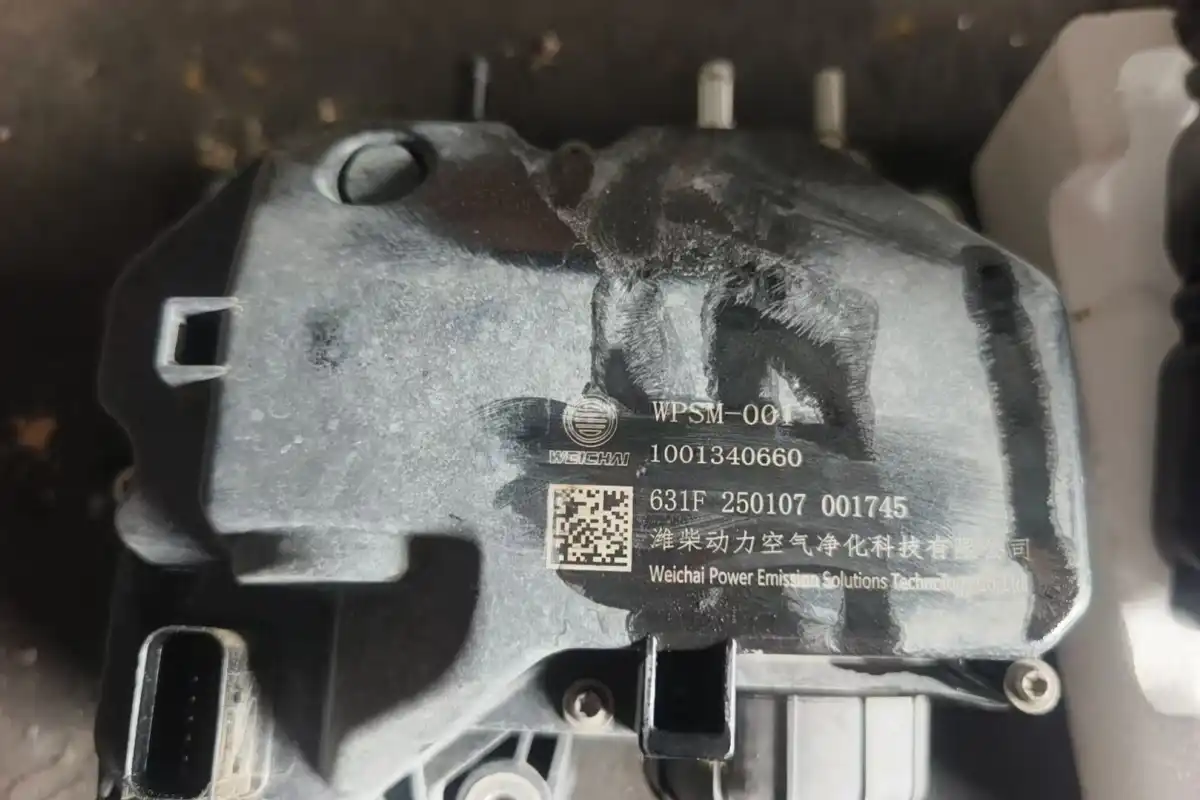
It is easy to forget how important the Aftertreatment urea pressure sensor is until something goes wrong when you are in charge of heavy-duty diesel companies or industrial engine operations. This small but smart part is at the heart of current SCR (Selective Catalytic Reduction) systems. It constantly checks the pressure of diesel exhaust fluid, which is also known as AdBlue or urea solution, to make sure that the right amount of fluid is added and that emissions are controlled properly. If this sensor doesn't work right, your cars could fail pollution tests, have less efficient engines, and have to be fixed, which will cost a lot of money. Knowing how these sensors work, how to keep them in good shape, and how to choose the right new parts can change how you buy things and how reliable your operations are.
Understanding Aftertreatment Urea Pressure Sensors
The Role of Urea Pressure Sensors in SCR Systems
Due to stricter EPA and Euro pollution rules, diesel engines in North America and Europe are now required to have aftertreatment systems. By adding a limited amount of urea solution to the exhaust stream, the SCR device lowers the toxic nitrogen oxides (NOx). The Aftertreatment urea pressure sensor checks the hydraulic pressure between the dosing pump and the injection nozzle. This pressure is usually between 4 and 10 bar, but it can be higher or lower based on the engine load and the conditions of the run.
This real-time pressure information goes straight to the Engine Control Unit (ECU), which changes the speed of the dosing pump and the timing of the injectors to keep the best NOx conversion rates, which are often over 90% when all the parts work right. The sensor is like the eyes of the SCR control system; it looks for blockages, leaks, or low supplies that might affect the emissions performance or set off dashboard warning lights.
Working Principles and ECU Integration
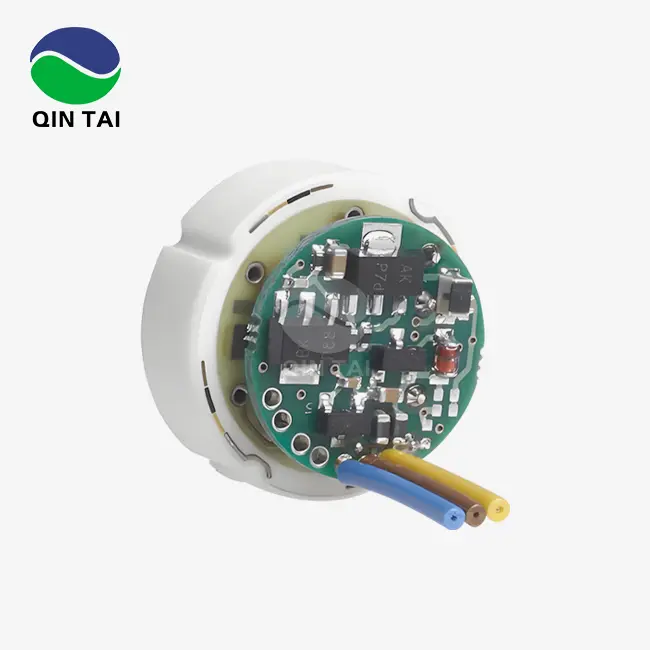
These days, most Aftertreatment urea pressure sensor models use either thick-film ceramic or piezoresistive technology. When a pressurized urea solution hits the sensor diaphragm, it causes tiny changes in its shape. This mechanical strain changes the sensing element's electrical resistance, which sends a voltage signal that is related to the pressure being recorded. The ECU gets this analog or digital signal—for analog sensors, it's usually between 0.5V and 4.5V—and compares it to settings that have already been set.
In harsh working settings, where vibration, thermal cycling, and corrosive exposure are constant threats to component integrity, more advanced sensors include temperature correction and signal filtering to protect against these problems. Diagnostic trouble codes (DTCs) can be recorded right away when pressure readings fall below accepted limits thanks to the system's smooth connection with car CAN-bus networks. This lets maintenance be done before the whole system fails.
Impact on Regulatory Compliance and Engine Performance
Regulatory bodies require that SCR systems keep working properly for the whole life of the car. If the Aftertreatment urea pressure sensor fails, it could lead to under-dosing, which would produce too much NOx and be against federal and state laws. On the other hand, using too much urea loses expensive urea solution, makes more particulate matter when urea breaks down, and can hurt parts further down the line, such as the SCR catalyst or diesel particulate filter.
In addition to following the rules, having sensors that work right directly affects fuel economy. When SCR systems work well, engines can be set to burn fuel more efficiently because NOx reduction is taken care of by the aftertreatment. People who work in procurement who understand this link know that spending money on good sensors saves both environmental compliance and managing operational costs.
Identifying and Troubleshooting Sensor Issues
Common Indicators of Sensor Failure
Several signs point to possible problems with the Aftertreatment urea pressure sensor. The most clear signs are malfunction indicator lights (MIL) on the dashboard or special SCR warning lights. A fault number like P20E8 (Reductant Pressure Too Low) or P20E9 (Reductant Pressure Too High) means that there are issues with measuring pressure. In addition to warning lights, workers may notice that the engine has less power, that it regenerates more often, or that it uses more urea.
Crystallized urea crystals can sometimes be seen around where sensors are mounted, which can mean there are leaks or contamination. Electrical connections that have corroded or broken wire harnesses can also make sensors less effective. In cold places, not enough heat can freeze the urea solution, which can lead to false high-pressure readings or damage to the sensor from the ice expanding.
Effective Troubleshooting Techniques
The first step in a systematic analysis is to use professional diagnostic tools that works with either J1939 or OBD-II methods to look through the ECU for stored fault codes. Live data tracking lets technicians see pressure levels in real time while the engine is running in different ways. If the Aftertreatment urea pressure sensor is working right, it should show that the pressure goes up when the pump starts up and down when dose stops.
Electrical continuity and the right output voltage are checked by checking the resistance at the pins on the sensor connector. By comparing real readings to manufacturer specs, which can usually be found in service manuals, you can tell when sensors aren't working within the acceptable range. By testing the whole urea supply system for pressure, you can tell the difference between real pressure problems, like when a pump fails or a line gets clogged, and false sensor readings.
Maintenance workers should also check parts that are connected. Symptoms that look like sensor failure can be caused by clogged urea filters, air getting into supply lines, or dose pumps that stop working. Replacing sensors without getting to the root of the problem costs money and time. A thorough review of a system saves time and keeps mistakes from happening again.
Maintenance Practices to Extend Sensor Life
Regular cleaning greatly increases the useful life of sensors. When you use a high-quality urea solution that meets ISO 22241 guidelines, crystals and deposit formation are stopped, which improves the accuracy of the sensor. System cleaning at regular service times gets rid of built-up deposits before they cause blockages or sensor contamination.
Corrosion-related problems can be avoided by properly closing electrical connections and checking them on a regular basis. In places where it gets cold, making sure the heaters in the dosing modules work right saves the sensors from thermal shock and ice damage. When fleet managers set up regular check times, they can spot problems early, before they get worse and cost a lot to fix or cause safety issues.
Keeping track of how well sensors work over time helps find failure patterns that are specific to certain types of vehicles or working situations. By using data to guide their decisions, procurement teams can get better guarantee terms from providers and choose sensors that have been shown to work well in their specific applications.
Aftertreatment Urea Pressure Sensor Types and Comparison
OEM Versus Aftermarket Sensors
Aftertreatment urea pressure sensor models from an Original Equipment Manufacturer (OEM) are proven to work with other parts and usually come with longer warranties, which usually last for two years or 200,000 miles. The big truck companies ask for sensors that have been developed and tested to work with their specific SCR system designs. OEM parts keep your car's insurance valid and make sure that the parts fit perfectly without any changes.
Aftermarket sensors are cheaper than OEM ones; sometimes they are priced 30 to 50 percent less. Through reverse engineering and independent testing, reputable aftermarket makers make sensors that meet or go beyond OEM standards. When money is tight, quality aftermarket options can be a good choice. However, procurement teams need to make sure that the options are certified and work with certain car platforms.
In the end, fleet goals will determine whether OEM or aftermarket is better. For peace of mind, OEM price may be worth it for critical uses where downtime costs a lot. When high-volume companies with experienced maintenance teams successfully install quality aftermarket parts, hundreds of cars can save money while still meeting performance standards.
Analog Versus Digital Sensor Technology
In the past, analog sensors sent out steady voltage readings that were related to the pressure they were measuring. These sensors are easy to use and work with a lot of older car systems. The ECU changes the energy from analog to digital so that it can be processed. Analog sensors are still cheap and good enough for many uses, but they are more likely to have electrical interference and data loss when cables are long.
Digital sensors have microprocessors built in that turn pressure readings into standard digital methods, such as PWM (Pulse Width Modulation) or direct CAN-bus contact. Digital transmission is better at blocking noise, gives more exact information, and allows for advanced diagnostics, such as the ability to test itself. Digital sensors are becoming more and more common on newer car platforms.
Choosing what to replace should be based on how the vehicle's electrical system is set up. When you put analog sensors into systems that are meant to communicate digitally, or the other way around, you get interface problems that need expensive fixes. To avoid buying mistakes that slow down fixes and annoy maintenance teams, procurement specs must make it clear what output protocol is needed.
Performance Criteria for B2B Evaluation
People who work in procurement should look at sensors' success in a number of different ways. Most of the time, accuracy specs are between ±2% and ±5% of full-scale output. Tighter tolerance sensors give you more control over the dose, but they cost more. Operating temperature ranges are very important. Good sensors can work in temperatures ranging from -40°C to 125°C, so they can handle harsh environments and heat under the hood.
How quickly the control system notices changes in pressure depends on the response time. Sensors that respond in less than 100 milliseconds allow for faster feedback loops and more accurate dose changes when the engine is running quickly. The pressure range needs to be right for the system. For example, most SCR uses sensors that can handle up to 15 bars of pressure, with the best accuracy in the 4–10 bar range.
Leading companies like Bosch have been making car sensors for decades and have done a lot of reliability testing. Japanese manufacturing accuracy and reliability records that have been shown to work in millions of cars are used by Denso sensors. Siemens sensors use cutting edge technology and complex data processing. Big OEMs also buy reliable goods from Continental and Sensata. These well-known names are worth the extra money because they last longer, offer better technical support, and keep the quality good, which lowers the total cost of ownership over time.

SENSOR+TEST, June 9 – 11, 2026
We look forward to your visit,warmly welcome to our booth 1-526!
Get your free ticket online now:
https://www.sensor-test.de/service/ticket/?52790
Procurement and Purchasing Guide for Aftertreatment Urea Pressure Sensors
Strategic Purchasing Considerations
When you buy in bulk, you save a lot of money. Fleets with hundreds of cars should talk to distributors or directly with manufacturers about bulk prices. By combining purchases from various places, you can get better deals, and by standardizing parts, it's easier to keep track of inventory and train technicians. Annual supply deals lock in good prices and make sure that goods are available when demand is high.
Warranty terms should be carefully thought through. Standard guarantees cover flaws in the materials and the work that was done, but longer warranties that cover replacements for parts that break down too soon under normal use are more valuable. Familiarizing yourself with the steps and timelines for filing a warranty claim will keep you from getting frustrated when you need to return broken parts. Some suppliers have advance replacement plans that send new Aftertreatment urea pressure sensor units as soon as a claim is made, so the car is back on the road as soon as possible.
The unit price is not the only part of the total landed cost. Shipping costs, import taxes for buying things from other countries, and coordinating operations all change how accurate cost comparisons are. When you work with suppliers who keep regional delivery centers in North America, you can cut down on wait times and freight costs compared to sending goods directly from overseas. When important parts aren't available right away, just-in-time inventory management weighs the costs of keeping items on hand against the costs of emergency advance fees.
Supplier Selection and Vendor Reliability
A supplier's business security, expert know-how, and customer service skills should all be looked at when evaluating them. Distributors that have been in business for decades show that they are reliable and know their stuff when it comes to the field. Having access to technical support helps people who are having trouble with installation and compatibility issues before they decide to buy. Communication methods that are quick to respond, like the phone, email, or online portals, make deals go smoothly and problems are solved quickly.
Reach of the distribution network is very important for businesses with more than one location. Suppliers with warehouses all over North America make sure that goods are always available, no matter where you are. Regional stocking also speeds up emergency orders that are needed when unexpected problems threaten to throw off plans. Checking that goods are real through official routes of distribution keeps you safe from fake parts that hurt safety and dependability.
Support after the sale, such as return policies, professional training tools, and application advice, adds a lot of value after the sale. When suppliers offer installation tutorials, compatibility charts, and troubleshooting tips, they give support teams more power. When sellers build partnerships instead of transactional relationships, buyers get special treatment and private information about future product changes or supply limits, which is good for both parties.
Purchasing Channels and Best Practices
Different organizations need different ways to buy things. Large fleets with specialized procurement offices that can handle vendor relationships and complicated contracts can buy directly from manufacturers. A wider range of products is available from authorized wholesalers, who often carry more than one brand and offer extra services like custom kitting or vendor-managed stocking programs.
Online business-to-business markets make prices more clear and give buyers more seller choices. Platforms that focus on industrial car parts bring together thousands of sellers, making it easy to compare prices quickly. But buyers should be careful about seller reviews, return policies, and the quality of the products they buy from sellers they don't know much about. Anonymous marketplace sellers are less safe than well-known online distributors with real addresses and business credentials that can be checked.
For big purchases, request-for-quotation (RFQ) methods make the buying process official. Detailed RFQs list specific needs, such as part names, quantities, delivery times, and ways to pay. Comparing several competitive bids makes sure that the prices are fair for the market, and written offers keep track of suppliers' promises. To protect both sides, contract talks should include payment terms, promises for delivery and performance, quality control rules, and ways to settle disagreements.
Installation and Future Trends in Aftertreatment Urea Pressure Sensors
Best Practices for Sensor Installation
Cleaning the mounting surfaces and parts well is the first step in a proper installation. Any leftover urea crystals or contamination stop the seal from working properly and lead to early failure. Using new sealing screws or O-rings makes sure that connections don't leak. Reusing old seals can cause pressure loss and wrong readings. To make sure the torque specs are followed exactly, it's important to remember that too much torque can crack ceramic sensor elements and too little torque can let leaks happen.
The same care needs to be taken with electrical lines. By putting dielectric grease on connecting pins, you can keep water out and stop rusting. When wire cables are properly routed and secured, they don't rub against chassis parts or get too hot. Bleeding air from the urea feed system after installation makes sure that the first time the machine is turned on, the Aftertreatment urea pressure sensor values are correct.
Emerging Technological Developments
As time goes on, sensor technology keeps getting smarter and more integrated. Next-generation sensors have advanced diagnostics built in that check their own health and find problems like drifting calibration or wearing out sensing elements before they fail completely. Predictive algorithms built into sensor software look at patterns in performance to tell you when to replace something as part of regular maintenance, instead of waiting for it to break down in an emergency.
Wireless sensor transmission is the next big thing. It gets rid of wire harnesses that can get damaged and makes installation easier. Bluetooth Low Energy (BLE) and vehicle-specific wireless protocols let sensors that are driven by batteries send data to central control units. Even though it's still new in SCR uses, wireless technology offers lower installation costs and more options for where to put sensors.
Regulatory Evolution and Compliance Requirements
Emission rules are getting stricter all over the world. As of the 2027 model year, the EPA's new rules for heavy-duty vehicles require even more NOx reductions. In the same way, smaller emission limits are required by European Union Stage VI rules. These rules and regulations push SCR systems to become more complex, which needs more accurate and reliable pressure sensors to reach the needed conversion efficiency.
As the needs for onboard diagnostics grow at the same time, sensors with faster response times and tighter accuracy limits are needed. Monitoring tools that work in real time must be able to find system degradation before emissions go over allowed limits. Sensors that meet these changing standards have better data processing and are built to last so that they don't lose their tuning over time.
Conclusion
To manage Aftertreatment urea pressure sensor needs well, you need to know how important they are to SCR systems, be able to spot early signs of failure, and make smart choices about what to buy. Quality sensors from reputable makers protect pollution compliance, improve engine efficiency, and keep downtime to a minimum. Strategic buying from dependable sources with strong technical support creates value that lasts beyond the original cost saves. As technology improves and rules get stricter, keeping up with new sensor developments will help your fleet continue to do well. Spending time on proper installation and preventative maintenance makes parts last longer and builds institutional knowledge that makes things more reliable in the long run.
FAQ
What symptoms indicate a failing urea pressure sensor?
The main signs are the danger lights on the dashboard, especially the SCR system alerts or check engine lights. During ECU scanning, diagnostic problem codes linked to changes in reductant pressure show up. Physical signs include less engine power, using too much urea, or having to regenerate more often. Technicians might see crystallized layers around sensor connections or strange pressure readings during live data tracking that don't match up with when the pump is running.
Should I choose OEM or aftermarket pressure sensors?
OEM sensors are guaranteed to work with other systems and usually come with full warranties. This makes them perfect for cars that are still under warranty or for important systems that can't be shut down for any reason. Quality aftermarket sensors can save you a lot of money—sometimes 30 to 50 percent less—while still meeting performance standards. Reputable aftermarket makers show proof of approval and a history of trustworthiness. The best choice relies on your price, the needs of your warranty, and how much risk you are willing to take when buying parts.
Can I install pressure sensors without professional assistance?
Basic mechanical knowledge is needed to fix something correctly after following the manufacturer's directions. To do the process, you have to unhook the electrical leads, take off the mounting screws, and then do the steps again with the new parts. It is very important to use the right amount of force and seal electrical connections properly. Post-installation testing, on the other hand, usually needs troubleshooting tools and software access. Professional installation makes sure that the right steps are taken, that the system is tested, and that everything works correctly before the cars are put back into service. This could help you avoid making mistakes that cost a lot of money.
Partner with Qintai for Reliable Aftertreatment Urea Pressure Sensor Solutions
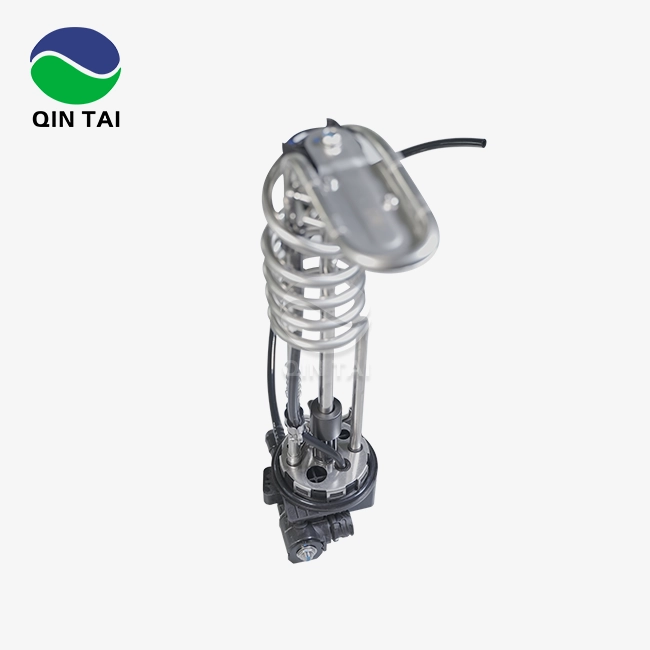
You can trust Qintai as your replacement Aftertreatment urea pressure sensor provider because they only sell high-quality parts that meet strict North American emission standards. Our wide range of products includes sensors made with cutting-edge ceramic technology and strict quality control procedures for use in heavy-duty car systems. We know that buying teams need more than just low prices. They also need relationships they can count on, backed by technical knowledge and quick service.
Our tech team provides application support to make sure that everything works perfectly, and our streamlined transportation network makes sure that all orders in the United States are delivered on time. Qintai has the quality, dependability, and value that your business needs, whether you are in charge of an area fleet or national operations. Email our team at info@qt-sensor.com right now to talk about your specific needs, get full product specs, or get cheap quotes for your next buying project. We want to be your long-term partner in making sure your fleet is compliant and running smoothly.
References
1. Society of Automotive Engineers. "SAE J1939 Standards for Heavy-Duty Vehicle Networks and Selective Catalytic Reduction Systems." SAE International Publications, 2021.
2. Environmental Protection Agency. "Heavy-Duty Highway Compression-Ignition Engines and Urban Buses—Exhaust Emission Standards." EPA Emission Standards Reference Guide, 2023.
3. Bosch Automotive Technology. "Diesel Exhaust Aftertreatment: Sensors and Control Systems for Emission Reduction." Robert Bosch GmbH Technical Documentation, 2022.
4. International Organization for Standardization. "ISO 22241: Diesel Engines—NOx Reduction Agent AUS 32—Quality Requirements." ISO Standards Catalogue, 2019.
5. Continental Automotive Systems. "Pressure Sensors for SCR Applications: Technology, Installation, and Troubleshooting." Continental Technical Service Bulletin, 2022.
6. Majewski, W. Addy and Khair, Magdi K. "Diesel Emissions and Their Control." SAE International Publications, 2nd Edition, 2023.

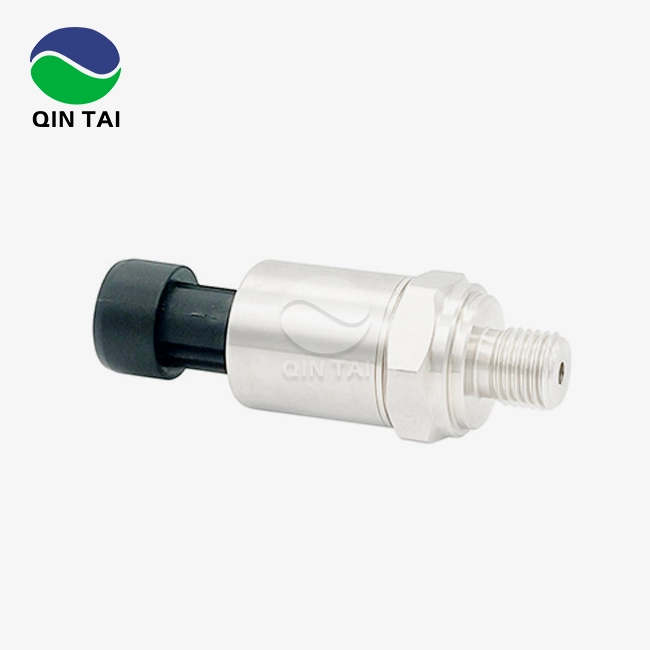

Our customers’ satisfaction speaks for our quality — contact us to experience the same reliable service.