- English
- French
- German
- Portuguese
- Spanish
- Russian
- Japanese
- Korean
- Arabic
- Greek
- German
- Turkish
- Italian
- Danish
- Romanian
- Indonesian
- Czech
- Afrikaans
- Swedish
- Polish
- Basque
- Catalan
- Esperanto
- Hindi
- Lao
- Albanian
- Amharic
- Armenian
- Azerbaijani
- Belarusian
- Bengali
- Bosnian
- Bulgarian
- Cebuano
- Chichewa
- Corsican
- Croatian
- Dutch
- Estonian
- Filipino
- Finnish
- Frisian
- Galician
- Georgian
- Gujarati
- Haitian
- Hausa
- Hawaiian
- Hebrew
- Hmong
- Hungarian
- Icelandic
- Igbo
- Javanese
- Kannada
- Kazakh
- Khmer
- Kurdish
- Kyrgyz
- Latin
- Latvian
- Lithuanian
- Luxembou..
- Macedonian
- Malagasy
- Malay
- Malayalam
- Maltese
- Maori
- Marathi
- Mongolian
- Burmese
- Nepali
- Norwegian
- Pashto
- Persian
- Punjabi
- Serbian
- Sesotho
- Sinhala
- Slovak
- Slovenian
- Somali
- Samoan
- Scots Gaelic
- Shona
- Sindhi
- Sundanese
- Swahili
- Tajik
- Tamil
- Telugu
- Thai
- Ukrainian
- Urdu
- Uzbek
- Vietnamese
- Welsh
- Xhosa
- Yiddish
- Yoruba
- Zulu
The function and principle of urea pump pressure sensor
The urea pressure sensor is the core of modern diesel engine pollution control systems. It measures the pressure of urea solution (AdBlue/DEF) all the way from the dosing pump to the injector nozzle. This exact pressure tracking lets the SCR (Selective Catalytic Reduction) system keep working at its best to reduce NOx while also making sure it meets strict pollution rules like EPA standards and Euro VI requirements. Without correct pressure feedback, the whole aftertreatment system could work less efficiently, which could cause compliance problems and raise running costs.
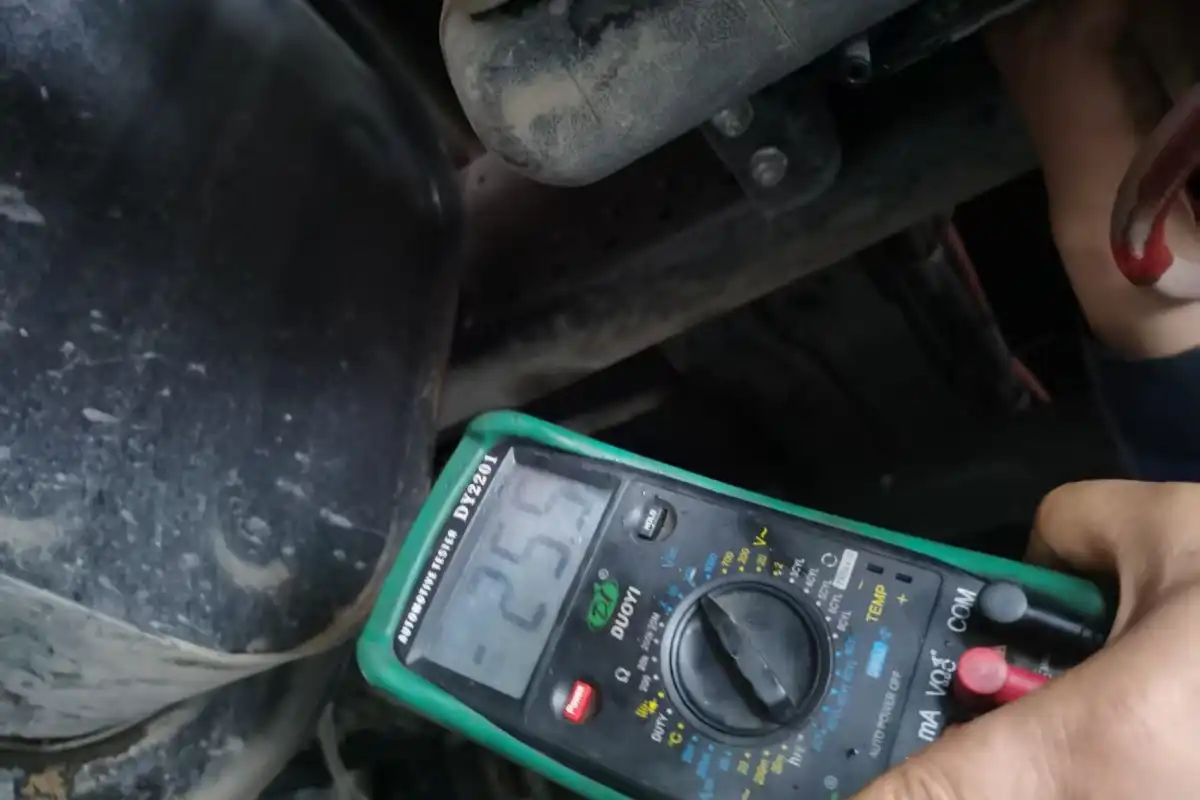
Comprehending the Function of Urea Pump Pressure Sensors
The Core Role in SCR Systems
The urea pressure sensor is an important part of the diesel engine aftertreatment design. It is placed between the dosing module and the injection components. This sensor sends real-time information to the engine control unit (ECU) or specialized SCR processor about the hydraulic pressure of the urea solution. The data stream lets the system check to see if the pump is putting out enough pressure for the atomization to work right at the injection tip, which has a direct effect on how well NOx is converted.
Procurement teams often get confused about the difference between pressure sensors and level sensors. Pressure sensors only measure the pressure in the feed lines, while level sensors measure how much fluid is still in the tank. Even though both sensors work together, the pressure sensor gives instant practical input that keeps dosing mistakes from happening. If the pressure drops below a certain level, the ECU can change the speed of the pump, send out troubleshooting codes, or turn on fail-safe modes to keep catalyst parts safe from ammonia slip or crystallization damage.
Real-Time Pressure Monitoring Benefits
Manufacturers integrating SCR technology into heavy trucks, building equipment, and generator sets to make sure they follow the rules. The sensor allows closed-loop control, where real pressure numbers are compared to goal values that are estimated based on the NOx concentration, engine load, and exhaust temperature. This dynamic change feature makes sure that the right amount of urea is delivered in all kinds of operating situations, from no load to full load.
Monitoring pressure also keeps the system safe by finding blockages, leaks, or problems with pumps before they become major problems that cost a lot to fix. When a sensor detects changes in pressure, techs can quickly figure out what's wrong, whether it's hardened urea deposits, broken supply lines, or parts of the pump that aren't working right. This method to predictive maintenance cuts down on downtime and makes expensive aftertreatment parts last longer.
Integration with Emission Control Architecture
The electrical output from the sensor goes straight into the car's communication system, usually through CAN bus protocols. This integration lets the SCR system work with engine management techniques, changing the time and amount of injections based on how fast the exhaust is moving and how hot the engine is. When pressure data and other sensor inputs work together, they make an emission control environment that can change to real-world driving conditions while still meeting certification standards.
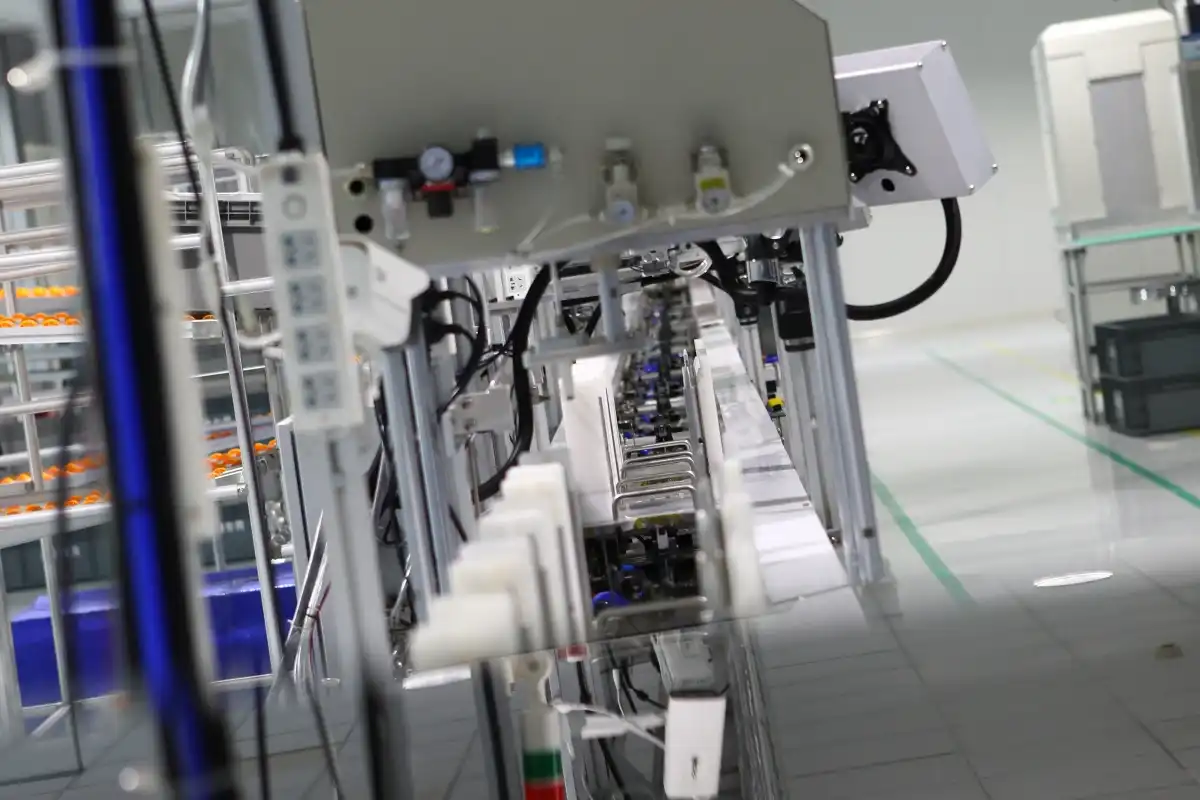
The Working Principle of Urea Pump Pressure Sensors
Sensing Technologies Explained
Several main technologies are used by modern urea pressure sensor models to turn mechanical pressure into electrical data. Piezoresistive sensors use semiconductor strain gauges that are attached to a plate that bends when pressure is applied. When the diaphragm bends, the resistance of the strain gauge changes in the same way. This causes a change in voltage that can be measured. This technology is very sensitive and comes in a small package, so it can be used in engine areas that don't have a lot of room.
Capacitive pressure sensors check how much capacitance changes between two electrical plates that are divided by a dielectric. The gap between the plates gets smaller when urea pressure works on the detecting element. This makes the capacitance higher. This capacitance change is turned into a normal voltage output by the measurement circuit. Capacitive designs are more stable at high and low temperatures, which is useful in uses that have to deal with tough environments.
Thick-film ceramic sensors represent another method where sensitive elements are screen-printed onto ceramic surfaces. The ceramic diaphragm can handle harsh chemical conditions better than metal ones, so it lasts longer when it comes into contact with urea's corrosive qualities. This way of building also makes mass production cheap while still keeping the level of accuracy needed for OEM requirements.
Signal Processing and ECU Communication
Before it can be sent to the control unit, the sensing element's raw electrical data needs to be "conditioned." Integrated signal processing circuits boost the small changes in voltage, use temperature adjustment methods, and filter out electrical noise from ignition systems and alternators. Depending on the needs of the system design, the signal that has been handled is usually sent out as a ratiometric voltage (0.5–4.5V) or a current loop (4–20mA).
Microcontrollers built into more advanced sensors allow them to self-diagnose problems like sensor movement, electricity faults, and being out of range. When something goes wrong, these smart sensors send diagnostic trouble codes (DTCs) straight to the ECU. This makes it easier for service workers to figure out what's wrong. The ability to communicate in both directions also lets you calibrate and update parameters remotely through diagnostic connections, which means that you don't have to replace physical sensors as often during regular maintenance.
Environmental Protection and Durability
Because of the tough working conditions, sensor housings need to keep the electronics inside safe from water, pressure, and chemicals. Manufacturers use packaging that is tightly sealed and has an entry protection grade of IP67 or IP69K. The electrical connection has gold-plated contacts and a strong seal to keep the signal strong even after being exposed to road debris and changing temperatures many times.
When materials are wet and come into touch with urea solution, they need to be carefully chosen so that they don't rust or crystallize. Long-term chemical compatibility is guaranteed by stainless steel alloys like 316L or urea-grade materials that are made just for that purpose. Some designs have heating elements close to the sensor diaphragm to keep the urea from freezing in temperatures below zero. This keeps the accuracy of the measurements even during the winter.

Troubleshooting and Maintenance of Urea Pressure Sensors
Common Failure Symptoms and Diagnosis
When a urea pressure sensor starts to fail, warning lights on the panel usually show that the SCR system isn't working right or that the engine power is being lowered. Certain diagnostic trouble codes can mean that there are problems with the pressure sensor circuit, signal values that don't make sense, or delays in the sensor's reaction time. To start the diagnosis process, maintenance teams should use OBD-II scan tools or diagnostic software made just for that maker to get hold of the saved fault codes.
Visual inspection usually shows clear issues like broken wire leads, corroded connections, or damage to the sensor body from being hit. Technicians should look for crystalline urea crystals near where the sensor is mounted, since these can physically stop the diaphragm from moving or make ways for electricity to leak out. Checking the supply lines for kinks, jams, or leaks can help get rid of pressure delivery problems that aren't connected to how the sensor works.
Using digital multimeters for electronic testing gives you objective info on performance. Checking the sensor's output voltage or current signal under different engine situations shows if it correctly detects changes in pressure. By comparing these readings to the original specs, you can tell if the sensor stays calibrated or starts to drift. An oscilloscope can find things like signal noise, links that don't work all the time, or reaction delays that show something is about to fail before it does.
Preventive Maintenance Best Practices
Setting regular upkeep times greatly increases the life of sensors and the trustworthiness of the system. During routine maintenance, techs should check electrical connections for corrosion, make sure that the connector seals properly, and clean any urea waste off of the outside. By checking the fitting torque, you can be sure that the sensor stays sealed properly without any mechanical stress that could damage its internal parts.
Checking the calibration should be done as suggested by the OEM, usually at big service intervals or after replacing system parts. In this step, calibrated test equipment is used to compare sensor data to known standard pressures. If there are deviations outside of allowed error ranges, the sensor needs to be replaced or re-calibrated if the design allows it.
When urea solution goes through thermal cycling, crystalline deposits build up. System cleaning methods get rid of these deposits. By partly stopping supply routes or coating sensor diaphragms, these deposits can change pressure values. Using demineralized water or approved cleaning solutions in the right way during flushing returns the system's full usefulness and measurement accuracy.
Comparison and Selection Guide for Urea Pressure Sensors
Critical Selection Parameters
To choose the right urea pressure sensor for SCR uses, you have to compare a lot of technical details to the needs of the system. The measurement range needs to cover the whole working pressure range, which for most diesel uses is between 0 and 10 bar. There also needs to be enough overpressure tolerance to handle pressure spikes that happen when the pump starts up or when it gets clogged. Dosing accuracy is directly affected by accuracy standards, which usually call for ±2% full-scale accuracy or better.
The temperature range that an item can work in is very important for things that are used in harsh environments. Sensors must work consistently from -40°C for cold starts to +125°C near hot exhaust parts. How much measurement error builds up over this range is based on the temperature coefficient of the sensor. Low-drift designs are better for uses that need steady performance no matter the environment.
Response time changes the way system control works, especially when the load changes quickly. Faster sensors allow for better closed-loop control, which increases the efficiency of NOx conversion and stops urea solution from being overdosed and wasted. Electrical output compatibility with current control units makes integration easier and saves money because it doesn't require expensive wire changes or extra signal conditioning gear.
Manufacturer Landscape and Reliability Considerations
On the global market, there are well-known companies that have been making car sensor technology for a long time. Bosch, Continental, and Denso have been experts in diesel systems for decades and control OEM supply chains. These companies give a lot of help, like application engineering help, a lot of testing data, and global service networks that make it easier to file warranty claims and fix technology problems.
Competitive alternatives with similar specs and appealing prices are coming from new sources that are specialized sensor makers. To fully evaluate these choices, they need to be put through rigorous qualification tests that check their long-term dependability, resistance to weather damage, and production consistency. Procurement teams should ask for proof that suppliers follow strict quality standards for cars, like IATF 16949. This makes sure that suppliers keep tight production controls.
Warranty terms and help after the sale are two things that set providers apart beyond basic specs. For large-scale operations, warranties that cover material flaws, problems with the workmanship, and performance degradation help lower the risk. Having access to technical support teams that know how to integrate SCR systems speeds up the process of fixing problems that come up during installation or when there are questions about compatibility.
Cost Analysis and Total Ownership Value
The initial buying price is only one part of the total cost of owning. When cheaper sensors fail more often, there are more warranty claims, service calls, and car downtime costs, which quickly cancel out any savings that were seen. To figure out the total cost, you have to take into account how long the sensors are expected to last, how often they need to be replaced, and the work costs that come with getting to and installing them.
By making bulk purchases with qualified providers, you can get better prices and make sure that the supply chain stays stable so that you can stick to your production plans. Long-term relationships with sensor makers let you work together to create solutions that are tailored to your needs, custom mounting options, or better specifications that set your finished goods apart in a crowded market. As rules about emissions change, these partnerships also give people early access to new technologies.

SENSOR+TEST, June 9 – 11, 2026
We look forward to your visit,warmly welcome to our booth 1-526!
Get your free ticket online now:
https://www.sensor-test.de/service/ticket/?52790
Installation Guide and Best Practices for Urea Pressure Sensors
Preparation and Tooling Requirements
Setting up the right area and getting all the tools you need are the first steps to installing a urea pressure sensor successfully. Technicians should have torque wrenches that are adjusted according to the manufacturer's instructions, clean, lint-free cloths for preparing the sealing surface, and the right thread sealer or O-rings that meet the OEM's requirements. When you have the car service manual or installation directions close at hand, you can avoid making mistakes that could damage sensitive parts or compromise the sealing of the system.
Before removing the old sensor, lowering the system pressure stops urea spray during the break. To do this, either use the diagnostic tool to run the purge cycle or directly turn on the return function. When you disconnect the negative terminal of the battery, there is no chance of an electrical short when you work on the connectors. This also lets the ECU clear any adaptive learning values that might be related to the failed sensor's traits.
Step-by-Step Installation Process
To start, carefully disconnect the electrical connection by pulling out on the locking tab without pushing too hard so as not to damage the connector case. Thoroughly clean the mounting boss, getting rid of any crystalline urea crystals or old glue that might be blocking the sensor from sitting properly. By looking for damage, scratches, or rust on the sealing surface, you can find possible leak lines that need more work or a new part.
If the maker tells you to, use thread sealant carefully on male threads. Too much could get into the pressure port and cause problems. Carefully place the sensor and thread it by hand until it's finger-tight to make sure it engages correctly without crossing. Tighten to the value given with the torque wrench. Depending on the thread size and housing material, this number is usually between 20 and 30 Nm. Too much torque can crack the sensor body or bend the fitting boss, while too little torque lets air leak out.
When you reconnect the electrical wiring, make sure that the connection locks all the way in and that the sealing boots fit snugly against the sensor case. Keep wires away from sources of heat, sharp edges, and moving parts that could damage the insulation or cause electrical interference. Use the right clips or ties to hold cords in place, and make sure to follow the manufacturer's instructions for bend angles that keep internal wires from breaking.
Post-Installation Verification and Calibration
After installation, systematic testing processes make sure that the sensors work properly before putting the equipment back into service. To get the ECU to notice the new sensor, reconnect the battery and turn the key a few times. You can clear saved trouble codes with diagnostic software and keep an eye on live data streams that show the output of pressure sensors. The number should show the ambient pressure, which is about 0 bar when the device is not under pressure.
You can use the diagnostic screen to start a dosing cycle and watch the pressure rise as the pump turns on and then stay at the goal delivery pressure. By comparing these numbers to the system's requirements, you can be sure that the sensors are working correctly and that the hydraulic circuit is complete. Any big differences mean there were problems with the installation, the system getting stuck, or broken parts that need to be looked into more before the service is finished.
A full SCR system performance test makes sure that all of the parts work together properly. This includes checking the spray patterns of the injectors, looking for leaks at the connection points, and making sure the ECU changes the dose rates correctly in response to sensor inputs. Writing down the date of installation, the part number of the sensor, and the results of the verification test makes a maintenance record that can be used for future insurance claims and assistance.
Conclusion
Urea pump pressure sensors are an important piece of technology that helps diesel engines meet current emission standards while still running efficiently. These devices give important feedback that makes sure the right amount of urea is used, saves expensive parts used after treatment, and lets repair plans be planned ahead of time. Engineers, buying managers, and technical teams can make smart choices about which sensors to buy, how to put them, and how to fix problems if they know how they work and how to keep them in good shape. More strict environmental laws are pushing sensor technology to change all the time. To stay ahead of the competition in heavy-duty diesel uses, it's important to stay up to date on best practices and new solutions, including the integration of the urea pressure sensor.
FAQ
How does a urea pressure sensor improve SCR system efficiency?
The sensor allows closed-loop control by sending real-time pressure input to the ECU. This lets the urea injection rates be precisely adjusted based on how the engine is actually running. This optimization cuts down on the amount of urea used, keeps the catalyst from getting damaged by too little or too much urea, and keeps the NOx conversion rate constant even when the engine is under load or the environment changes.
Does replacing a urea pressure sensor require professional expertise?
Even though it's simple to change physically, it's important to know how the SCR system works, have access to diagnostic tools, and know how to do calibrations. In professional installations, the right amount of force is applied, the system is purged, and proof tests are done to make sure there are no problems or failures before they happen. Technicians should know how to diagnose problems with gas pollution systems.
What makes urea pressure sensors break down so often?
Crystallization damage from not cleaning the system enough, corrosion from using materials that don't work well together, electrical fails from water getting in, and mechanical damage from too much vibration or incorrect fitting force are all common ways for things to go wrong. Using equipment with a contaminated urea solution speeds up the degrading of sensors, and exposing them to temperature ranges above and below what was intended shortens their useful life.
Partner with Qintai for Reliable Urea Pressure Sensor Solutions
Choosing the right urea pressure sensor maker has an effect on the performance and dependability of your whole aftertreatment system. Qintai is a national high-tech company that was founded in 2001. It has more than 20 years of experience in diesel engine SCR aftertreatment systems and sensor technology. Our many certificates, such as ISO9001, IATF16949, and foreign standards like CE, UL, and RoHS, show that we are dedicated to quality that meets the needs of OEMs around the world. We know exactly what heavy trucks, construction equipment, farming equipment, and generator sets need because we are the No. 1 OEM provider in China and a core partner of Weichai Power, Yuchai Power, and Quanchai Power.
Our independent research and development team is always coming up with new ideas to make sensors that are very stable, consistent, and able to be mass-produced in a way that meets the needs of EPA and Euro VI compliance. We provide adaptable OEM/ODM services with interfaces, parameters, and mounting options that can be changed to meet your unique needs for integration. Our in-stock product means that we can send quickly, and our full after-sales help takes care of any technical problems quickly. Get in touch with our technical experts at info@qt-sensor.com to talk about your needs and find out how our urea pressure sensor for sale can improve your emission control systems. It has been tested and proven to work in over 60 countries.
References
1. Johnson, M. & Stevens, R. (2021). Diesel Emission Control Technologies: SCR System Design and Sensor Integration. SAE International Press.
2. Chen, H., Liu, Y., & Wang, P. (2020). Pressure Sensing Technologies for Automotive Urea Dosing Systems. Journal of Automotive Engineering, 234(8), 1542-1558.
3. European Automobile Manufacturers Association. (2022). Heavy-Duty Vehicle Emission Standards and Compliance Technologies. ACEA Technical Report Series.
4. Anderson, K. (2019). Selective Catalytic Reduction Systems: Troubleshooting and Maintenance Guide. Diesel Technology Publications.
5. Zhang, L., Schmidt, T., & Patel, N. (2023). Reliability Analysis of Pressure Sensors in Diesel Exhaust Fluid Applications. International Journal of Automotive Technology, 24(3), 687-701.
6. National Institute for Automotive Service Excellence. (2022). Advanced Diesel Engine Diagnostics and Emission Control Service. ASE Study Guide Series G1.
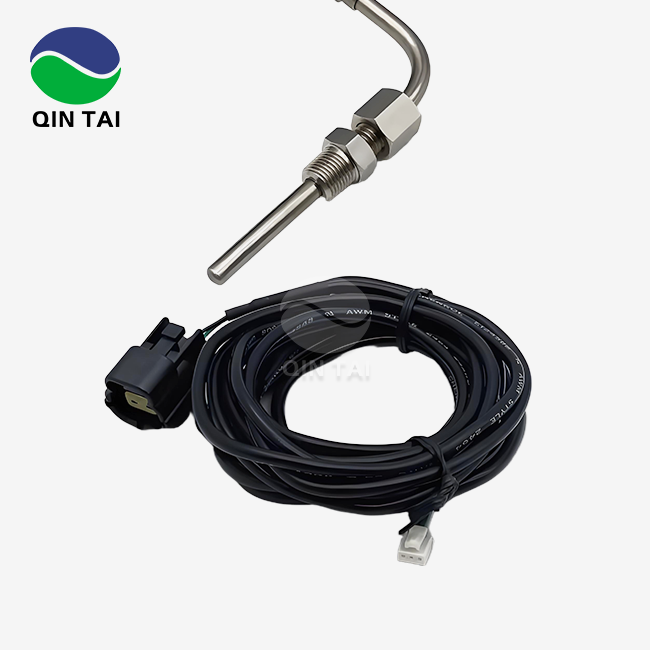
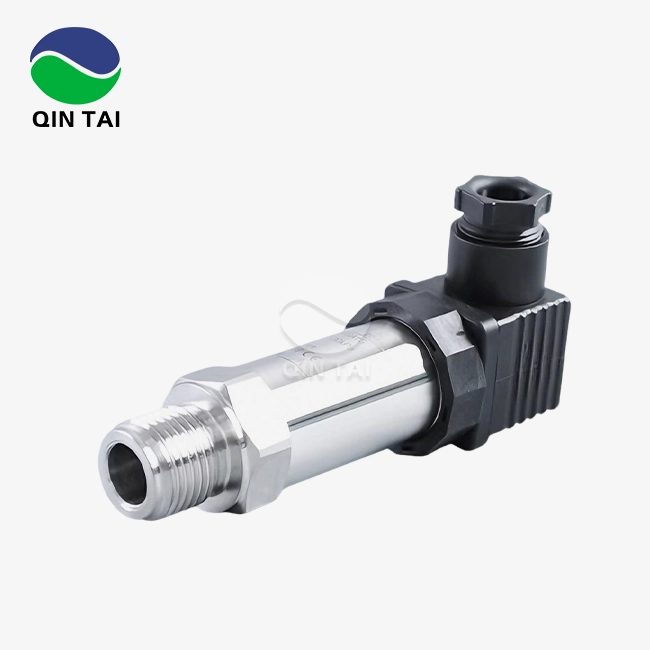
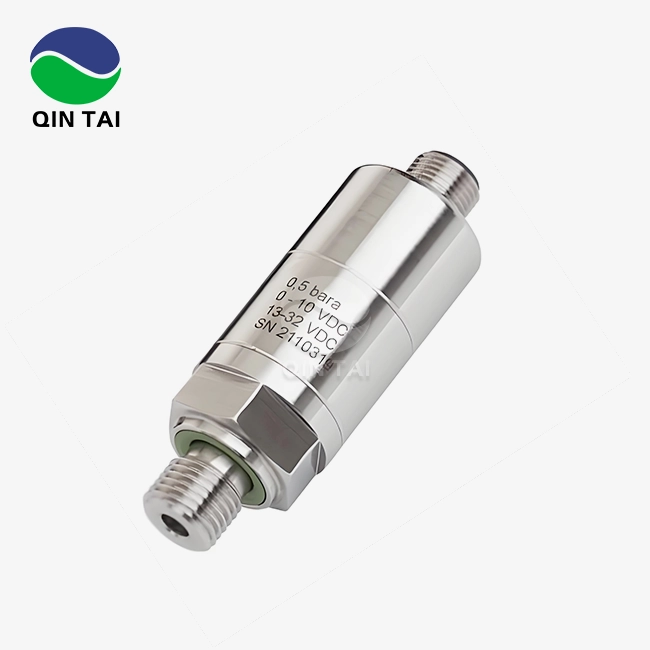
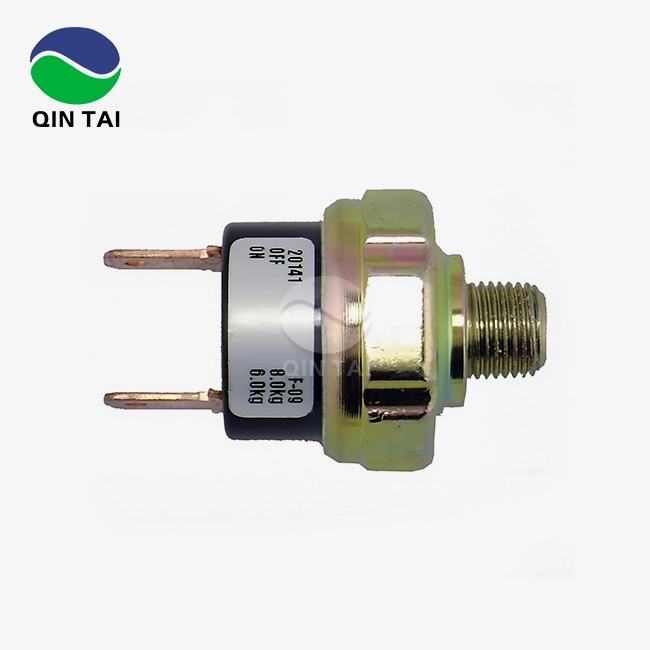

Our customers’ satisfaction speaks for our quality — contact us to experience the same reliable service.