- English
- French
- German
- Portuguese
- Spanish
- Russian
- Japanese
- Korean
- Arabic
- Greek
- German
- Turkish
- Italian
- Danish
- Romanian
- Indonesian
- Czech
- Afrikaans
- Swedish
- Polish
- Basque
- Catalan
- Esperanto
- Hindi
- Lao
- Albanian
- Amharic
- Armenian
- Azerbaijani
- Belarusian
- Bengali
- Bosnian
- Bulgarian
- Cebuano
- Chichewa
- Corsican
- Croatian
- Dutch
- Estonian
- Filipino
- Finnish
- Frisian
- Galician
- Georgian
- Gujarati
- Haitian
- Hausa
- Hawaiian
- Hebrew
- Hmong
- Hungarian
- Icelandic
- Igbo
- Javanese
- Kannada
- Kazakh
- Khmer
- Kurdish
- Kyrgyz
- Latin
- Latvian
- Lithuanian
- Luxembou..
- Macedonian
- Malagasy
- Malay
- Malayalam
- Maltese
- Maori
- Marathi
- Mongolian
- Burmese
- Nepali
- Norwegian
- Pashto
- Persian
- Punjabi
- Serbian
- Sesotho
- Sinhala
- Slovak
- Slovenian
- Somali
- Samoan
- Scots Gaelic
- Shona
- Sindhi
- Sundanese
- Swahili
- Tajik
- Tamil
- Telugu
- Thai
- Ukrainian
- Urdu
- Uzbek
- Vietnamese
- Welsh
- Xhosa
- Yiddish
- Yoruba
- Zulu
Top SCR Pressure Sensor Suppliers for OEM Applications
Picking the correct SCR pressure sensor becomes very important when OEM makers need reliable ways to check the pressure in emission control systems. These special tools make sure that the right amount of urea is used, that any problems with the system are found, and that regulations are followed in both car and commercial settings. Choosing a qualified provider has a direct effect on how reliable a product is, how long it lasts in use, and how competitive it is in the market. In order to meet the strict OEM requirements, Qintai creates engineered sensor systems and offers the expert support needed to handle today's complicated pressure sensing needs.
Understanding SCR Pressure Sensors: Principles and Applications
Modern systems that control emissions depend on high-tech tools for measuring pressure to work right. By knowing how these sensors work, buying teams can make better choices when choosing parts for OEM uses.
How Pressure Sensing Technology Works
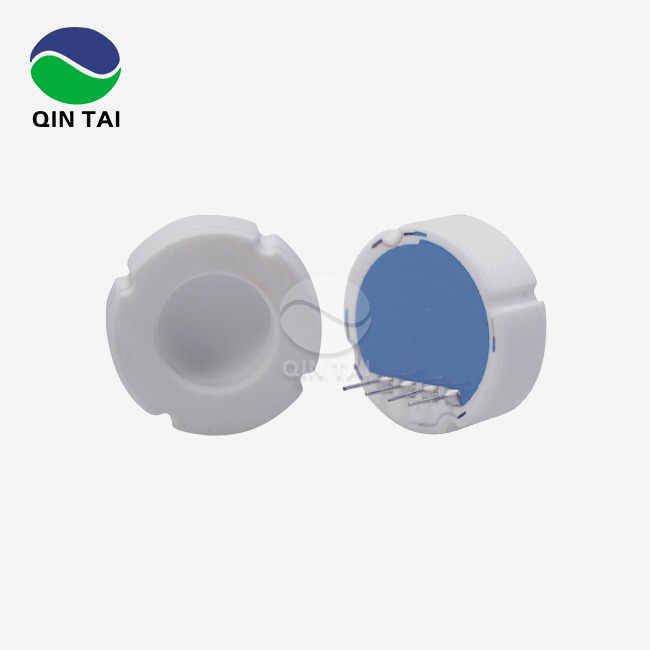
Pressure sensors use complex transduction methods to turn physical force into electrical data that can be measured. Specialized sensor parts pick up on small changes in pressure as urea solution runs through an SCR system. In ceramic capacitive designs, the capacitance between fixed and flexible electrodes is changed by a cushion that bends when pressure is put on it. This change in capacitance is turned into voltage signs that control units can understand. The process goes on all the time, giving real-time input that makes sure the system works at its best even when the load and temperature change.
Critical Technical Specifications
When looking at SCR pressure sensor parts for OEM integration, accuracy is the most important thing. High-quality sensors have a full-scale accuracy of ±0.1%, which is necessary for keeping precise control over emissions. Temperature resistance is also important, since sensors in cars are exposed to extremes like cold starts in sub-zero temperatures and hot conditions in the engine bay. Response time tells you how fast the system responds to changes in pressure, so there are no gaps that could hurt the performance of the emissions. Most SCR systems work in the 5–10 bar range, but measurement ranges can be anywhere from 1 bar to over 1,000 bar based on the application.
Primary Applications in OEM Systems
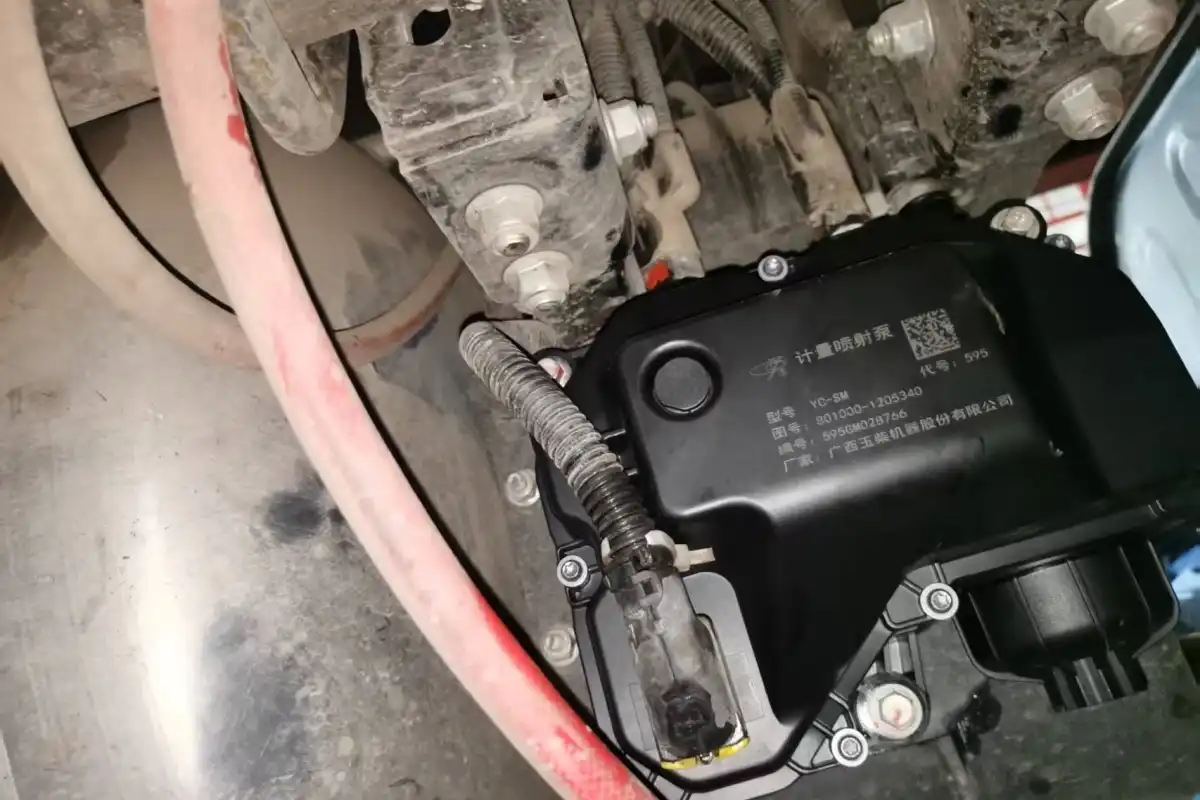
In selective catalytic reduction devices, urea dosing SCR pressure sensor units do a lot of different diagnostic and operating tasks. By giving closed-loop input to dosing units, they make sure that the right amount of AdBlue is delivered. When the pressure drops, managers are notified of possible leaks, air leaks, or line clogs that would make the treatment less effective. Overpressure monitoring keeps parts from getting damaged by frozen fluid or broken valves. The performance data from these sensors helps find problems with the pump and injectors before they cause compliance breakdowns. In addition to being used in cars, pressure sensing is also used in industrial pollution control systems, hydraulic tools, and process monitoring equipment.
Top SCR Pressure Sensor Suppliers for OEM Applications
There are both well-known manufacturers and new, innovative companies fighting in the global market to offer the best sensing options. Knowing the competition helps buyers find partners who can meet the goals of their unique project.
Leading Global Brands
Honeywell has a strong reputation for making industrial-grade sensor technology. Their product lines cover a wide range of pressure levels and environmental grades. Bosch has decades of experience working with cars and makes sensors that are especially designed for emission systems in cars. These sensors are backed by a lot of certification testing. Delphi Technologies specializes in drivetrain systems that use SCR pressure sensor components that are made to work in harsh conditions inside the engine. Siemens takes its experience with industrial technology to heavy-duty tasks that need to last a long time. The quality of these well-known companies is the gold standard, but their products usually cost more and take longer to deliver.
Qintai's Competitive Position
We have a key place in this market because we combine efficient production with engineering flexibility. You can find standard configurations for popular OEM uses in our product line, and we can also make custom solutions for unique needs. Being able to change things around is helpful when ready-made solutions can't solve specific interaction problems. During the creation process, our engineering team works directly with clients to make sure that sensors work with current control architectures and mounting arrangements.
Key Differentiators in the Market
There are three things that set luxury sellers apart from commodity companies. Accuracy stability across production runs makes sure that every sensor works the same, which is very important for OEM uses where differences can make calibration difficult. Durability under real-world stress conditions separates laboratory specifications from field performance, with quality manufacturers conducting extensive environmental testing. Innovation capability shows how well a seller can change to new technologies and changing government rules, such as electric powertrains that need new ways of sensing. To stay at the top of the technical field in ceramic capacitive sensing technology, we keep putting money into testing facilities and R&D relationships.
How to Choose the Best SCR Pressure Sensor Supplier for OEM Projects
To choose the right provider, you need to look at more than just the original unit cost. A methodical technique lowers risks and forms relationships that will be useful for a long time.
Evaluating Cost and Performance Balance
A price-performance analysis must look at more than just the cost per unit. It must also look at the total cost of ownership. When cheaper SCR pressure sensor units fail early, they cause problems with warranties, output, and the brand's image, which costs a lot more than the initial savings. Good providers give thorough information about reliability, such as MTBF calculations and failure mode analysis. The terms of the warranty show how confident the maker is in the product, and full coverage shows that the quality control is very strict. Logistics skills affect inventory management because responsive providers offer variable order amounts and acceptable wait times, which lowers the need for working capital.
Certification and Quality Assurance
International standards like ISO/TS 16949 for managing quality in the car industry and ISO 9001 for general manufacturing excellence must be met for OEM uses. Suppliers should keep written records of their quality control procedures, which should include inspecting arriving materials, testing while they are being made, and final proof. Partners are different from suppliers because they offer technical help. Responsive engineering support solves integration problems quickly. We stay certified in all the major automotive and industry standards and give each customer their own technical contact person.
Assessing Supplier Reliability
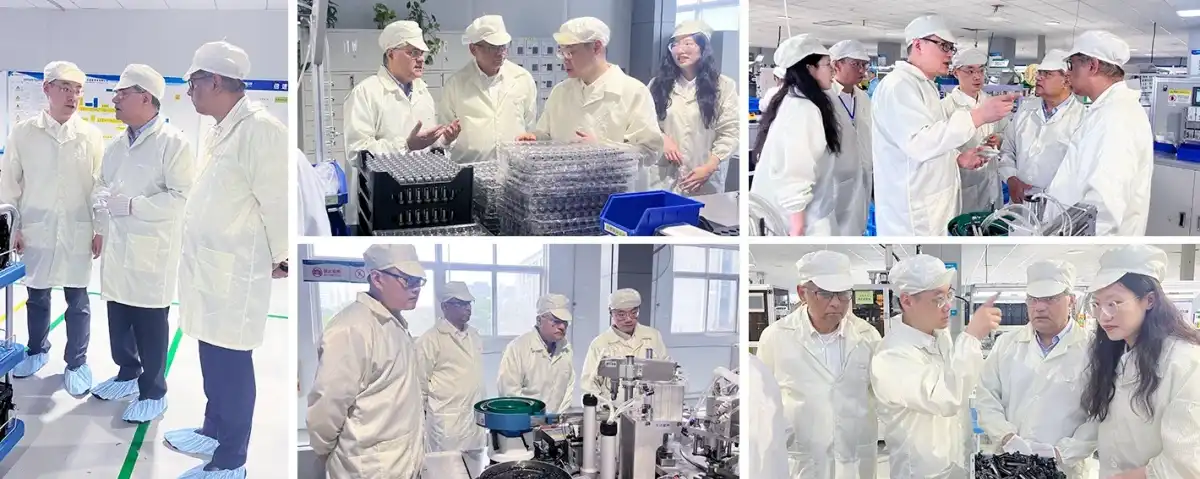
Case studies and comments from customers show how well a provider really does in the real world. Managers in charge of buying things should ask for examples from customers who have had similar application needs and production numbers. When you visit a factory, you can learn about the quality culture and process development that you can't learn from just reading the paperwork. Stability in finances is important for building long-term relationships with suppliers because it makes sure that parts are always available throughout the lifespan of a product. Customers are allowed to do audits of our facility, and we keep information open about capacity and wait times.
Qintai's SCR Pressure Sensor Solutions for Demanding OEM Applications
To solve difficult problems in emission control, you need SCR pressure sensor solutions that are both highly accurate and easy to integrate. Our engineering method blends tried-and-true ceramic capacitive technology with customizations made just for your purpose.
Superior Accuracy and Robustness
Our sensors are accurate to within ±0.1% of the full scale thanks to careful production and individual testing. This level of performance makes sure that urea dose systems keep the best NOx conversion efficiency throughout the whole operating range. Strong construction can handle vibrations, changes in temperature, and chemical exposure that are common in industry and vehicle settings. Accelerated life testing proves that the reliability is higher than 10,000 hours of constant job cycles. These performance standards are based on controlled validation tests, not guesses that were stretched.
Seamless Integration Capabilities
We know that normal sensor configurations can't solve all mounting problems or meet all electrical interaction needs. When OEM clients ask us to change things like socket styles, pressure port positions, and signal conditioning features, our engineering team does it right there with them. This ability to customize cuts down on development time by getting rid of the need for extra connector hardware or signal processing units. When it comes to electrical compatibility, it can include analog voltage, current loop, and digital communication methods, based on the system design.
Proven OEM Partnership Success
We have helped big companies make equipment for farming tools, business vehicles, and stationary power needs. As part of a new cooperation, a small sensor variant was made for engine installations that don't have a lot of room. This made the whole system 15% lighter while still meeting all performance standards. Another partnership worked on making materials more resistant to chemicals so they would last longer in biodiesel uses where regular materials broke down too quickly. We're committed to fixing real engineering problems, not just selling catalog parts, as shown by these wins.
SCR Pressure Sensor Procurement Guide: From Inquiry to Purchase
Streamlining the buying process makes it easier for OEM buyers to go from the first request to receiving the finished SCR pressure sensor product. Knowing how things usually work and what to expect makes deals go more smoothly.
Initial Inquiry and Specification Matching
A good buying process starts with a clear description of the needs, which should include the pressure range, the accuracy tolerance, the environment, the electrical interface, and the mounting restrictions. We answer questions within 24 hours with basic product suggestions and ask for more information on any unclear details. Our expert team looks over the specifics of the application to find problems early on and avoid having to pay a lot of money to remake later on. Initial quotes include unit prices for different volume levels, the cost of tools for unique variations, and an idea of how long it will take to make a sample and a full production run.
Sample Evaluation and Testing
Before committing to large-scale production, most OEM projects benefit from testing samples. To make proof testing easier, we offer engineering samples at a price. During this phase, our engineers are still available to talk about test results and suggest any changes to the specifications that could make the product work better or cost less. Samples come with documentation that includes measurement models, performance curves, and instructions on how to integrate them. This collaborative method helps people feel more confident in the suitability of the product before they make big financial investments.
Production Orders and Ongoing Support
Production price is based on promises to make a certain number of units, and savings rise as the order size increases. Our 2024 price list is clear so that you can make budgets, but it's also open so that you can make your own setups. Global transportation partnerships make it easy to get goods to factories all over the world, and for high-volume projects, local storage is also available. The standard warranty covers problems with the way the product was made for 24 months after delivery. For important uses, you can choose to get longer coverage. After-sales support includes help with fixing problems, availability of new parts, and failure analysis services that help quickly find the root causes.
Conclusion
Choosing the right SCR pressure sensor provider has a big effect on how well OEM products work, how well they comply with regulations, and how well they do in the long run. Good sensors make sure that emissions are controlled accurately, that expensive system failures don't happen, and that we meet stricter environmental rules. While well-known global names offer tried-and-true solutions, specialized providers like Qintai offer competitive alternatives by mixing technical know-how with the ability to adapt to specific needs.
Beyond the initial cost of the parts, choices about procurement should take into account requirements for accuracy, durability in harsh environments, source certifications, and the ability to work with others. We are still dedicated to making ceramic capacitive sensor technology better and giving OEM clients quick support that helps them do well in tough markets.
FAQ
What factors most significantly impact SCR pressure sensor accuracy?
Most of the things that affect measurement accuracy are temperature changes, mechanical stress from shaking, and long-term drift. Good sensors have temperature correction circuits that keep the sensors accurate over a wide range of temperatures. Strain-induced mistakes are kept to a minimum by strong mounting options in mechanical design. Calibration testing done on a regular basis ensures accuracy throughout the service life, though high-quality sensors usually stay in specs for years without needing to be adjusted.
How often should OEM applications calibrate these pressure sensors?
How often you calibrate depends on how important the program is and how it is being used. Most car pollution systems check that sensors work by using onboard diagnostics instead of human calibration. Calibration can be checked once a year in industrial settings with less strict needs. In harsh settings with high temperatures or chemical contact, checks should be done more often. We suggest making calibration plans based on checking the performance for the first time during the early stages of production.
What distinguishes OEM-grade sensors from aftermarket alternatives?
OEM-grade parts are accurate, resistant to weather damage, and have been tested to prove their reliability. When aftermarket sensors are made, they might use cheaper materials, simpler designs, or less thorough testing, which lowers costs but hurts performance. OEM sensors usually come with full documentation, testing to make sure they are compatible, and maker assistance for the life of the product. Because of these differences, applications where speed and dependability are important should be charged more.

SENSOR+TEST, June 9 – 11, 2026
We look forward to your visit,warmly welcome to our booth 1-526!
Get your free ticket online now:
https://www.sensor-test.de/service/ticket/?52790
Partner with Qintai for Your SCR Pressure Sensor Requirements
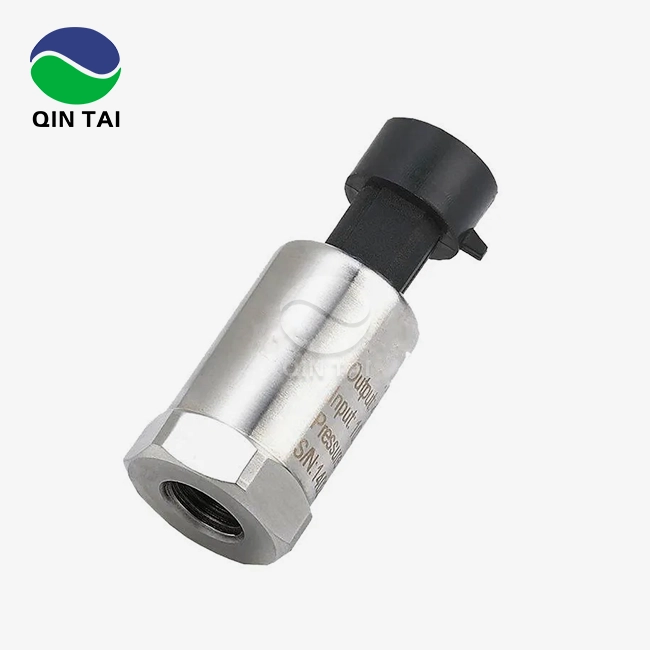
Qintai makes urea dosing SCR pressure sensor units and capacitive pressure transducers that are precisely designed to meet the needs of OEM uses that are very strict. Our experienced engineering team helps with everything, from the initial design to delivery of the finished product, making sure that it works perfectly with your emission control systems. We offer low prices and quick expert support that makes buying easier and cuts down on time to market. Contact our experts at info@qt-sensor.com right now to talk about your project needs and get full datasheets. As a well-known company that makes SCR pressure sensors, we offer quality control and the ability to make changes that lead to long-lasting relationships. Get a quote right now and find out how our tracking solutions can help your product work better and make you more competitive in the market.
References
1. Society of Automotive Engineers, "Recommended Practice for Pressure Transducer Specifications for Automotive Applications," SAE J1347, 2022.
2. International Organization for Standardization, "Road Vehicles - Pressure Sensor Interface Standards for Emission Control Systems," ISO 22241-5, 2021.
3. Chen, L., and Wang, M., "Advanced Ceramic Capacitive Sensors for Automotive Emission Control: Design Principles and Performance Evaluation," Journal of Automotive Engineering, Vol. 235, No. 8, 2021, pp. 2156-2168.
4. German Association of the Automotive Industry, "Quality Management System Requirements for Production and Relevant Service Parts Organizations," VDA 6.3, 2023 Edition.
5. United States Environmental Protection Agency, "Heavy-Duty Engine and Vehicle Standards and Highway Diesel Fuel Sulfur Control Requirements," Federal Register, Vol. 86, 2021.
6. Müller, R., and Schmidt, T., "Reliability Assessment of Pressure Sensors in SCR Systems: Field Data Analysis from Commercial Vehicle Fleets," International Conference on Automotive Sensors and Control Systems, Munich, 2023, pp. 142-155.

Our customers’ satisfaction speaks for our quality — contact us to experience the same reliable service.