- English
- French
- German
- Portuguese
- Spanish
- Russian
- Japanese
- Korean
- Arabic
- Greek
- German
- Turkish
- Italian
- Danish
- Romanian
- Indonesian
- Czech
- Afrikaans
- Swedish
- Polish
- Basque
- Catalan
- Esperanto
- Hindi
- Lao
- Albanian
- Amharic
- Armenian
- Azerbaijani
- Belarusian
- Bengali
- Bosnian
- Bulgarian
- Cebuano
- Chichewa
- Corsican
- Croatian
- Dutch
- Estonian
- Filipino
- Finnish
- Frisian
- Galician
- Georgian
- Gujarati
- Haitian
- Hausa
- Hawaiian
- Hebrew
- Hmong
- Hungarian
- Icelandic
- Igbo
- Javanese
- Kannada
- Kazakh
- Khmer
- Kurdish
- Kyrgyz
- Latin
- Latvian
- Lithuanian
- Luxembou..
- Macedonian
- Malagasy
- Malay
- Malayalam
- Maltese
- Maori
- Marathi
- Mongolian
- Burmese
- Nepali
- Norwegian
- Pashto
- Persian
- Punjabi
- Serbian
- Sesotho
- Sinhala
- Slovak
- Slovenian
- Somali
- Samoan
- Scots Gaelic
- Shona
- Sindhi
- Sundanese
- Swahili
- Tajik
- Tamil
- Telugu
- Thai
- Ukrainian
- Urdu
- Uzbek
- Vietnamese
- Welsh
- Xhosa
- Yiddish
- Yoruba
- Zulu
SCR Pressure Sensor vs Flow Sensor What Is the Difference
It is important to know the difference between an SCR pressure sensor and a flow sensor in order to get the most out of industrial processes and emission control systems. In select catalytic reduction systems, an SCR pressure sensor checks the pressure of either urea solution or diesel exhaust fluid (DEF). This checks the system for problems like blocks or leaks and adds the right amount of urea. Flow sensors, on the other hand, measure the rate of bulk or mass flow of gases or liquids. This is useful information for controlling fluids in many scenarios. Procurement managers and engineers can choose the best part for the job when they know the difference between these types of sensors. This makes the system more accurate, compliant, and cost-effective in tough B2B settings.
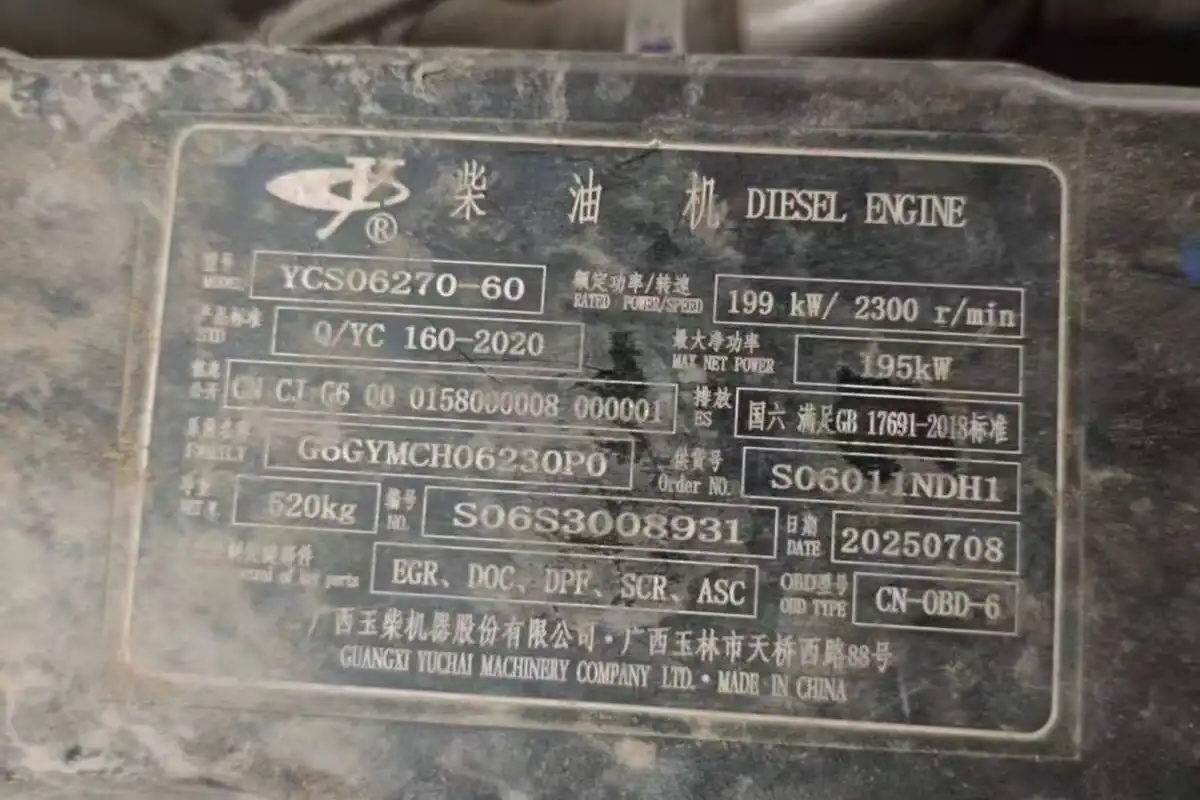
Understanding SCR Pressure Sensors and Flow Sensors
What Is an SCR Pressure Sensor?
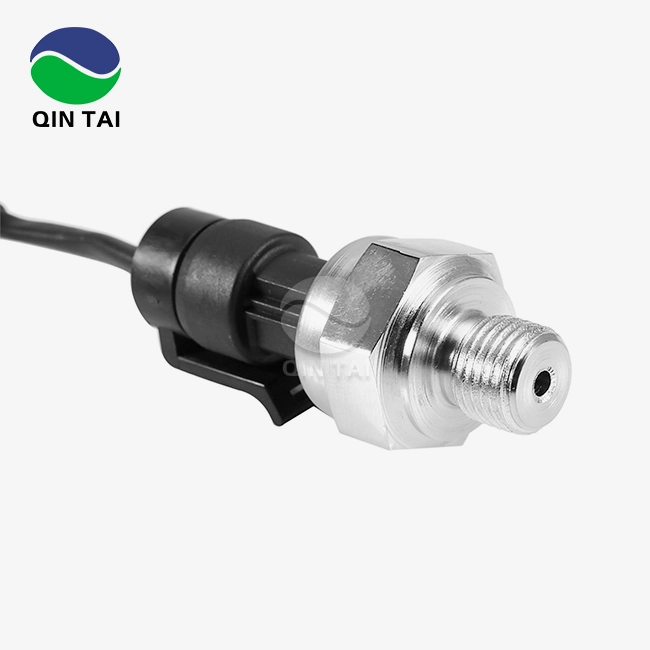
It is the job of an SCR pressure sensor in selective catalytic reduction systems to keep an eye on the pressure of diesel exhaust fluid or urea solution. These sensors send closed-loop signals to the engine control unit to make sure that the right amount of urea is added. Ceramic capacitive pressure sensors are often used in SCR systems because they are very exact, don't react with chemicals, and can handle rough conditions in cars.
The form of the ceramic diaphragm changes when pressure is put on it. This changes the capacitance between the electrodes. The change in capacitance is turned into a voltage reading that shows how much pressure there is. By telling when the pressure drops or goes too high, the sensor finds leaks, blocks, AdBlue that has frozen, or broken valves. This helps figure out what's wrong with the pump and injectors.
What Is a Flow Sensor
Flow sensors track how fast and how much volume or mass fluids move through lines and channels. Thermal flow sensors measure how much heat is lost when fluids move; ultrasonic flow sensors measure speed by timing the time it takes sound waves to travel; and turbine flow sensors measure speed by rotating fluids. Each method has its own pros and cons, depending on the type of fluid, its viscosity, temperature, and the limitations of the fitting. Flow sensors are necessary for systems that need to handle fluids correctly, such as car fuel delivery systems, garbage treatment plants, and HVAC systems. Because they can give companies real-time flow data, they can make processes better, find leaks, and follow the rules.
Primary Functional Differences
What each sensor checks is what makes them unique. Pressure sensors find out how much force fluids have on things. To measure this force, people often use bars, pounds per square inch (psi), or Pascals (Pa). Flow sensors, on the other hand, measure how fast flows through a device. Most of the time, this is given in gallons per hour, liters per minute, or cubic meters per second. To make sure that SCR systems work right and that dosing is done right, pressure data is used. On the other hand, you need flow data to control how much fluid is sent, how quickly it is used, and how well the process works. To pick the best sensor for your needs, you need to know what these measurement goals are.
Key Technical Differences Between SCR Pressure Sensors and Flow Sensors
Measurement Principles and Technologies
In order to determine the force that fluids apply, pressure sensors change how the fluids are deformed physically or how they work electrically. When the diaphragm bends, capacitive pressure sensors measure the changes in capacitance that happen. These sensors are often used in SCR systems. Piezoelectric pressure sensors make electrical charges when they are mechanically stressed. Because of this, they are very good at tracking changes in pressure. In strain gauge-based sensors, changes in the resistance of metal plates that are bound together are used to read voltages. This is done by using the deformations caused by pressure.
For each type of stream they are measuring, flow sensors use a different set of technologies. Thermal flow sensors measure how much heat is passed when fluids move over hot items. This makes them great for gas flow applications. Ultrasonic sensors measure changes in the times that sound waves move upstream and downstream to figure out how fast a fluid is moving. Turbo sensors can work with clean liquids since they use moving blades to send signs that are linked to the speed of the flow. SCR pressure sensor is another example of a specialized sensor, often used alongside flow sensors in exhaust aftertreatment systems to monitor pressure changes that affect flow behavior. When it comes to accuracy, response time, and adaptability to different settings, each measurement theory has its own pros and cons. Because of this, picking the right technology is very important for an app's growth.
Accuracy, Calibration, and Sensitivity
It is very accurate for ceramic capacitive pressure sensors to be within ±0.1% of the full scale. In this way, they can be used in SCR applications that need precise dosing because errors in dosing can affect pollution output and following the rules. Ceramic capacitive sensors can work in a wide range of industries and vehicles because they can handle pressures from 1 bar (14.5 psi) to over 1,000 bar (14,500 psi). To make sure it stays accurate over its useful life, the sensor should be tested regularly. This is generally done by comparing its output data to reference standards and making other changes.
No matter what technology they use or where they are used, flow sensors are not always correct. In perfect conditions, ultrasonic flow meters can get as accurate as ±0.5%, and thermal mass flow sensors can get as accurate as ±1% to ±2%. For many types of flow sensors, the tuning process is very different and needs special tools and controlled fluid conditions. It needs to be carefully set up and re-calibrated often to make sure it stays accurate because it is affected by things like fluid viscosity, changes in temperature, and changes in the flow profile.
Installation and Maintenance Considerations
For the most part, pressure sensors are put in place by attaching them directly to pressure ports or valves in the system. Leaks are stopped and results are correct when the lid is closed and force is applied properly. When it comes to SCR systems, which have to deal with chemicals, shocks, and high and low temperatures, being able to adapt to different conditions is very important. Because they are very immune to chemicals, ceramic capacitive sensors are great for measuring urea in places where acidic fluids are present.
When putting in place flow sensors, the width of the pipe, the flow profile, and the properties of the fluid need to be taken into account. So that spinning doesn't happen too much, turbine flow sensors need straight pipe runs both upstream and downstream. It's easier to place ultrasonic sensors when they can be connected to lines from the outside. This also cuts down on downtime. There are different ways to take care of different kinds of sensors. For instance, it's important to regularly check pressure sensors for diaphragm damage or seal wear, and flow sensors may need to be cleaned to get rid of deposits that skew readings. To cut down on downtime and get the best total cost of ownership, you need proactive lifetime management that is made to fit each type of sensor.
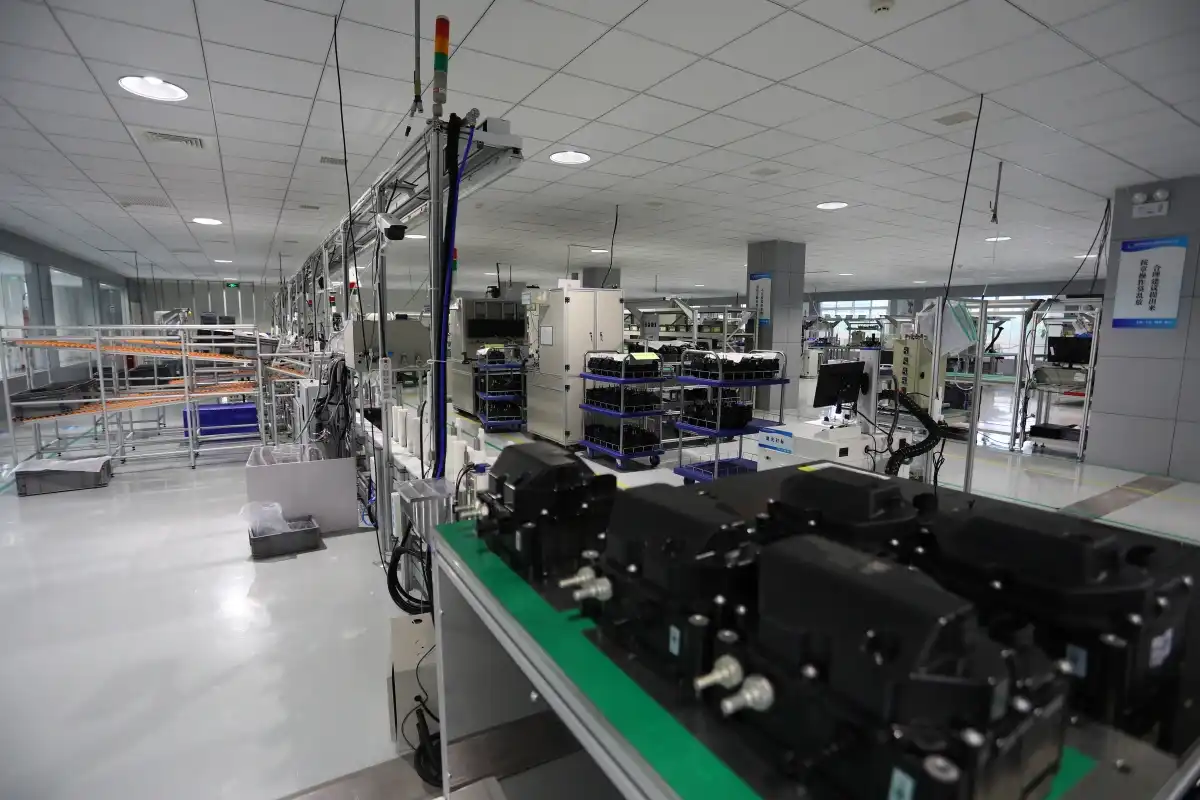
Application Scenarios: When to Use an SCR Pressure Sensor vs a Flow Sensor
SCR Pressure Sensor Applications
It is very important for diesel engine pollution control systems to have SCR pressure sensors. These sensors watch the urea dose pressure to make sure that the right amount of urea is injected at the right time. If the sensor detects drops in pressure, it could mean that the diesel exhaust fluid delivery system has leaks, air leaks, or clogs. This sets off diagnostic codes and stops the car from not meeting pollution standards. If there is too much pressure, it means that AdBlue is stuck or valves are broken. This makes it easy to fix quickly.
Pressure sensors are not only used in cars, but they also keep an eye on hydraulic and gas systems in factories and other large machines. Predictive maintenance, which stops big problems and makes equipment last longer, is possible with accurate pressure data. It's also very important to use pressure sensors when making drugs, medicines, and food. To make sure the quality and safety of the goods, they keep the air levels correct.
Flow Sensor Applications
Flow sensors are a great way to find out how much of a stream there is and how fast it is moving. Flow sensors are used by HVAC systems to make sure that air moves smoothly, energy use is kept to a minimum, and room temperature is kept up. Flow meters keep track of how much garbage is coming in and going out of wastewater treatment plants. This helps the healing process and makes sure they follow rules about the surroundings.
Plants that process chemicals use flow sensors to keep an eye on production rates, control the amount of reagents used, and find pipeline breaks. Fuel delivery systems in cars use flow sensors to keep track of how much fuel is being used. This helps engineers figure out the right way to run engines and get the best gas mileage. Flow sensor technologies are very useful in many industrial fields because they can be changed to fit the qualities of the fluid and the way it is being used.
Real-World Case Studies
A big truck maker made its diesel engine range more environmentally friendly by adding SCR pressure sensor ceramic sensitive sensors. The sensors gave real-time information about the pressure, which let the urea dose be controlled in a closed loop. This cut NOx emissions by 12% compared to ways that used to be open loop. Less guarantee claims are made when diesel exhaust fluid systems break down because ceramic sensors are very accurate and don't react with chemicals.
The water company for a city put ultrasonic flow meters all over its network to find leaks and make sure pumps worked as well as they could. Sending real-time flow data to the main CMMS made it simple to find drops in pressure caused by pipes that had burst. This cut the cost of emergency repairs in half and water loss by 18% per year. Ultrasonic sensors were put in place so that the water line would be damaged as little as possible while the system was running.
Making the Right Procurement Decision: What to Consider
Sensor Compatibility and Accuracy Specifications
You should make sure that the SCR pressure sensor you pick works with the system's temperature ranges, fluid chemistry, and pressure ranges. You should check that the pressure range of the sensor works for you and has enough safety gaps to handle pressure spikes. It is important that the goals for dose precision and accuracy match up, since not enough accuracy can hurt emission performance and lead to diagnostic failures.
How exact the readings are will depend on the viscosity, density, and temperature of the fluid, so keep those things in mind when you choose a flow sensor. Most flow sensors work best with clean, low-viscosity liquids. Thermal mass flow sensors, on the other hand, work best with gas flow. Ultrasonic flow meters can measure many types of fluids, but you need to be aware of the pipe material and wall thickness. It is important to carefully read through technical datasheets to make sure that the sensor's features fit the needs of the application.
Partnering with Reputable Suppliers
When you work with well-known companies like Bosch, Siemens, Honeywell, and Amphenol, you can be sure that the goods will be of high quality and that you will get expert advice. These businesses spend a lot of money on research and development, which helps them make sensors that always work, even when things are bad. If you want to buy something with less risk, check out the seller's credentials, quality control systems, and willingness to assist you after the sale.
Pricing Analysis and Bulk Purchase Incentives
Prices for sensors change based on what kind of technology they use, how exact they are, and how well-known the brand is. For large-scale operations or OEM uses, big buy deals save a lot of money most of the time. Ask for sample units to make sure they work before you agree to big sales. A lot of companies offer different price ranges and can make changes to meet the specific technical and financial needs of each job. Talking about good payment and delivery plans can help you get even better deals when you're buying something.
Interpreting Technical Datasheets and Engaging Suppliers
Technical datasheets are very useful as they provide details about measurements, accuracy, weather effects, reaction time, and electrical requirements, such as those for an SCR pressure sensor. You can compare goods in a useful way if you know these things. When you hire service providers, be clear about what the job requires, how the work will be done, and the quality of work you expect. This will help you make smart decisions and make sure the goods work well with your systems. Ask for application notes, installation guides, and testing certificates.
Troubleshooting and Optimizing SCR Pressure Sensor Performance
Common Operational Issues
Pressure sensors in SCR systems can lose their signals when the temperature changes, the diaphragms wear out, or there is electrical interference. The wrong dose can be caused by drift, which can set off diagnostic trouble codes and make pollution control less effective. Because of urea crystals that have formed on the sensor diaphragm, it is not possible to measure pressure. This means that it needs to be cleaned or changed regularly.
It's possible for flow sensors to get clogged up with particles, lose accuracy when viscosity changes, and have their flow profiles messed up by lines upstream that bend or have valves. It's important for thermal flow sensors to be able to compensate for changes in temperature so that they stay accurate.
Practical Troubleshooting Approaches
In order to figure out what's wrong with a pressure sensor, you should check the electrical connections, look for rust or water damage, and feel the diaphragm for any damage. Measure a standard gauge and compare the sensor data to it to find drift. If there is dirt on the sensor, it can be cleaned with the right chemicals to make it work again.
As part of flow sensor repair, you have to look for deposits or obstructions, make sure the pipe runs are straight, and check the state of the fittings. Recalibrating the number against known flow rates proves that it is right. A look at how data has changed over time can help you find problems with slow speeds that need to be fixed.
Importance of Regular Calibration and Maintenance
When you set up regular calibration plans for sensors, they stay accurate and last longer. In SCR systems, pressure sensors should be calibrated once a year or as often as the maker recommends. This is to account for changes in the environment and drift. Depending on how often they are used and the characteristics of the stream they are measuring, flow sensors need to be adjusted. In tough scenarios, this needs to be done more often.
As part of routine maintenance, the fixed part is checked for stability, the electrical connections are checked, and the sensor surfaces are cleaned. It is helpful for planned maintenance and regulation checks to have records of past calibrations and maintenance jobs. If you buy calibration tools or work with approved calibration labs, you can be sure that your readings are correct and can be tracked back to the source.
Technological Advancements and Best Practices
Digital output ports, better temperature control, and the ability to examine itself are some of the new features in sensor technology. There is a better signal integrity and it is easier to connect digital sensors to electronic control units when they talk through SENT (Single Edge Nibble Transmission) or CAN bus. When problems are found early, they cost less to fix and have less downtime.
Make sure that electromagnetic compatibility, electrical grounds, and signal filters are all taken into account when putting SCR pressure sensors into complex systems. Ignition systems and other sources of electrical noise are less likely to interfere when insulated lines and good grounding are used. If you follow the building instructions and best practices, the system will last a long time and give you the best return on your money.
Conclusion
An important part of making a system work better and save money is being able to tell the difference between SCR pressure sensors and flow sensors. Pressure sensors are very good at measuring the force that fluids apply, which is important for giving the right amount of urea and finding issues in SCR emission control systems. Flow sensors find out how fast fluids are moving, which is useful for controlling fluids and making processes better in many fields. You can choose the right part if you know how they measure, how exact they are, and what they're used for. This saves money over time and makes the system work better. When procurement managers and engineers work with reputable sources and set up preventative repair plans, they can make sensors work better and help the business win in the long run.

SENSOR+TEST, June 9 – 11, 2026
We look forward to your visit,warmly welcome to our booth 1-526!
Get your free ticket online now:
https://www.sensor-test.de/service/ticket/?52790
FAQ
Can SCR Pressure Sensors and Flow Sensors Be Used Interchangeably?
Because they are used for different kinds of data, these sensors can't be switched out. Pressure sensors find out how much force fluids are putting on something, while flow sensors find out how fast fluids are moving. There is a chance that the machine will stop working if you try to use a pressure sensor to measure flow or flow to measure pressure. It is very important for the system to work that the right sensors are chosen based on the measurement goals.
What Is the Typical Lifespan of an SCR Pressure Sensor in Automotive Applications?
If you take good care of your SCR pressure sensor and use it the right way, it can last between 5 and 10 years, or 150,000 to 200,000 miles in a car. Temperatures that are too high or too low, chemicals that damage sensors, and shaking can all shorten their lives. Things work well and measures are accurate as long as they are tested and maintained on a regular basis.
How Can I Verify Sensor Accuracy Before Purchase?
Ask the company that made the product to give you testing papers that show that it meets national standards. You should ask for test units so that you can compare them to standard tools in your own lab. Read science datasheets to learn about the levels of accuracy needed and the surroundings. If you want to be sure that the sensor will meet your needs, look at test results or case studies that were done by someone else.
Partner with Qintai for High-Precision SCR Pressure Sensor Solutions
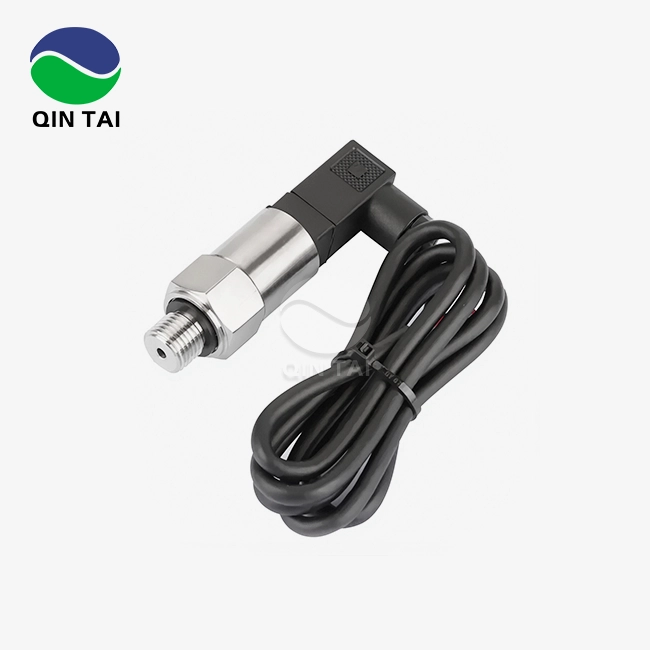
People know and trust Qintai, the business that makes SCR pressure sensors. For business and emission control needs, they have choices that are exact and reliable. One of the many things we sell is ceramic capacitive pressure sensors. They are made to give precise amounts of urea, be resistant to chemicals, and stay stable over time in hard conditions. We give specs that can be changed, low bulk prices, and quick technical help because we work closely with sourcing managers and engineering teams. You can talk to our helpful staff at info@qt-sensor.com about your project needs, request sample units, or get exact quotes. You can get the Qintai advantage: good quality, clear communication, and a commitment to making your activities successful.
References
1. Johnson, M. and Williams, R. (2021). Sensor Technologies for Emission Control Systems: Principles and Applications. Society of Automotive Engineers International.
2. Chen, L., Patel, S., and Martinez, D. (2020). Capacitive Pressure Sensor Design and Performance in Automotive Applications. Journal of Sensors and Actuators.
3. Anderson, K. (2022). Industrial Flow Measurement: Technologies, Standards, and Best Practices. Instrument Society of America.
4. Schmidt, H. and Lee, J. (2019). Selective Catalytic Reduction Systems: Design, Operation, and Sensor Integration. Diesel Engine Technology Review.
5. Thompson, E., Gupta, R., and O'Connor, T. (2023). Advanced Diagnostic Strategies for SCR Pressure Sensors. International Journal of Automotive Engineering.
6. Roberts, C. and Zhou, Y. (2020). Comparative Analysis of Flow Sensor Technologies in Process Industries. Process Instrumentation and Control Engineering Quarterly.

Our customers’ satisfaction speaks for our quality — contact us to experience the same reliable service.