- English
- French
- German
- Portuguese
- Spanish
- Russian
- Japanese
- Korean
- Arabic
- Greek
- German
- Turkish
- Italian
- Danish
- Romanian
- Indonesian
- Czech
- Afrikaans
- Swedish
- Polish
- Basque
- Catalan
- Esperanto
- Hindi
- Lao
- Albanian
- Amharic
- Armenian
- Azerbaijani
- Belarusian
- Bengali
- Bosnian
- Bulgarian
- Cebuano
- Chichewa
- Corsican
- Croatian
- Dutch
- Estonian
- Filipino
- Finnish
- Frisian
- Galician
- Georgian
- Gujarati
- Haitian
- Hausa
- Hawaiian
- Hebrew
- Hmong
- Hungarian
- Icelandic
- Igbo
- Javanese
- Kannada
- Kazakh
- Khmer
- Kurdish
- Kyrgyz
- Latin
- Latvian
- Lithuanian
- Luxembou..
- Macedonian
- Malagasy
- Malay
- Malayalam
- Maltese
- Maori
- Marathi
- Mongolian
- Burmese
- Nepali
- Norwegian
- Pashto
- Persian
- Punjabi
- Serbian
- Sesotho
- Sinhala
- Slovak
- Slovenian
- Somali
- Samoan
- Scots Gaelic
- Shona
- Sindhi
- Sundanese
- Swahili
- Tajik
- Tamil
- Telugu
- Thai
- Ukrainian
- Urdu
- Uzbek
- Vietnamese
- Welsh
- Xhosa
- Yiddish
- Yoruba
- Zulu
Top SCR Urea Pressure Sensor Options for OEM Buyers
When looking for parts for new diesel emission control systems, it's very important to choose the right SCR urea pressure sensor. It can mean the difference between running smoothly and having to pay a lot for downtime. Keep an eye on the flow of diesel exhaust fluid (DEF) with these special sensors. DEF helps cars and trucks in North America and other places follow stricter environmental rules. Being an OEM buyer means you need to know about the technical scene and find reliable sources. This will help you balance performance needs with financial constraints and keep your production plans on track.
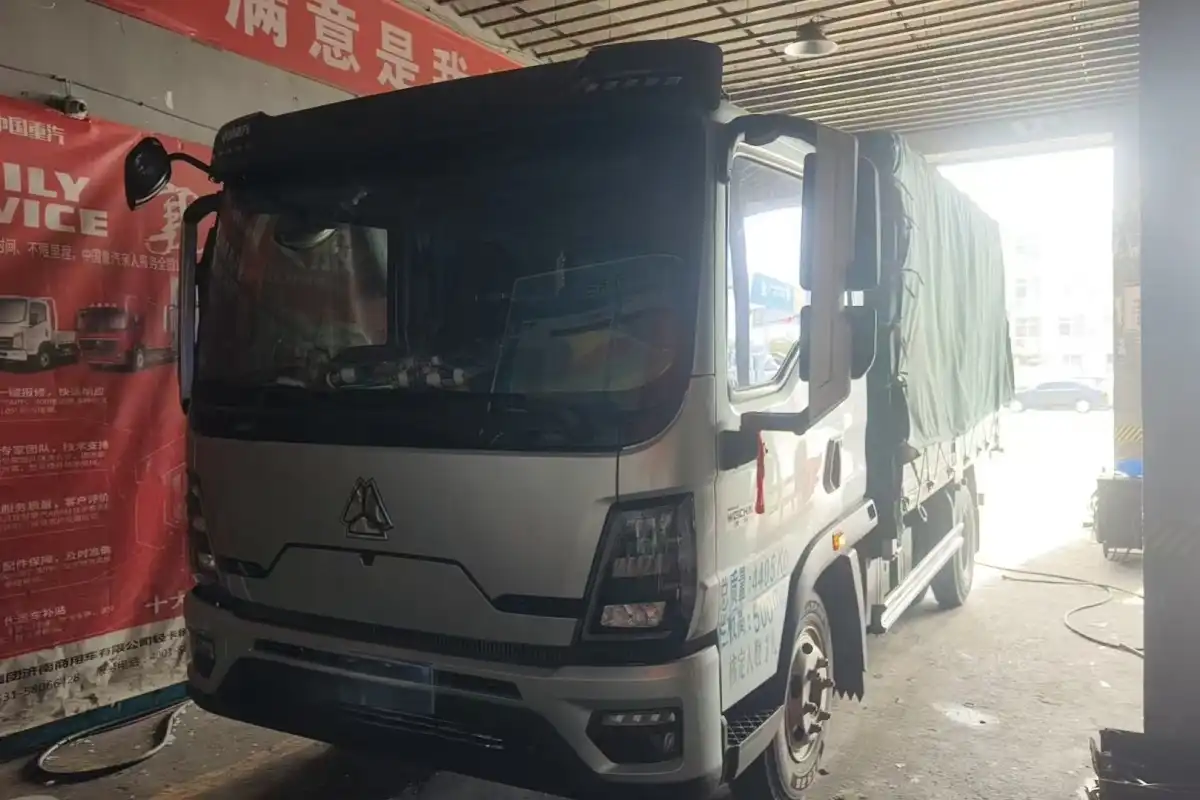
Understanding SCR Urea Pressure Sensors: Functions and Key Benefits
A big part of current diesel engines that cut down on harmful nitrogen oxide (NOx) smog is technology called Selective Catalytic Reduction (SCR). The most important part of this device is the SCR urea pressure sensor. It is small, but very important, because it checks the AdBlue or DEF pressure all the time as it goes from the pump to the injection tip. This sensor sends real-time information to the SCR control unit to make sure that the right amount of urea solution is sent at the right time. This makes it easy for the chemicals to change NOx into nitrogen and water gas, which are safe.
How Urea Pressure Sensors Work in Emission Control?
Check the urea supply line pressure and send that information to the engine control module (ECM) or dosing control unit (DCU). This is the main job. Most of the time, the sensor gives an electrical signal that is equal to the pressure it finds. Now there is closed-loop input, which changes the pump speed and injection time right away. Making sure that the right amount of fuel is used is made possible by this exact control system. This helps meet pollution standards and saves money on gas. It is possible for the system to not dose enough urea or dose too much if the pressure tracking is not accurate. This can make it less effective at reducing NOx and could lead to warning lights or limp-mode operation.
Common Failure Symptoms and Diagnostic Indicators
Alerting OEM buyers to early signs of sensor wear can help them escape costly warranty claims and angry customers. A common sign of failure is pressure values that can't be trusted. This could cause the ECM to store diagnostic trouble codes (DTCs) for urea dose problems. Drivers may see signs like "AdBlue System Fault" on the screen or notice that the engine has less power. Most of the time, drops in pressure mean that the urea line has leaks, blockages, or air getting in. Overpressure, on the other hand, can happen when DEF freezes in cold weather or when the release valves don't work right. If OEM technology teams know about these ways that sensors can fail, they can make better ways to diagnose problems and pick sensors that will last longer.
Key Sensor Signal Types and Operating Principles
Either piezoresistive or capacitive sensing is used by most SCR urea pressure sensors. Piezoresistive sensors have a plate that changes shape when pressure is put on it. This changes the built-in strain gauges' electrical resistance. It gives either a voltage signal (usually between 0.5 and 4.5 volts) or a current signal (4-20 mA) when the resistance changes.
When there is pressure between two plates that are separated by a cushion, capacitive sensors measure how the capacitance changes. Both technologies are very exact and can be used again and again, but piezoresistive designs are more common in cars because they are less expensive and have been proven to work. The type of signal you choose will depend on your ECM interface needs and the conditions your cars will be in, such as shocks and hot and cold temps.
Top SCR Urea Pressure Sensor Brands for OEM Buyers in 2026
It's very important to find a maker you can trust if your plans for production and product warranties depend on the parts being of uniform quality. There are a lot of well-known companies that make sensors for cars. When it comes to tech, supply chain security, and customer service after the sale, each one is better than the others. The better these brands work with OEMs, the more innovative they are, and the more dependable they are, the smaller the risks and the longer the relationships will last.
Industry-Leading Manufacturers and Their Core Strengths
Bosch is known for having a lot of experience with devices that pump fuel and treat exhaust. Their sensors are made to work well with a wide range of SCR types. So that their products are safe for cars, they put them through a lot of tests. They also have plants all over the world to make sure there is a steady supply. Denso is another well-known name in the auto parts business. Precision production and advanced materials science are what they do best. As a result, their sensors work well at high temperatures and don't crystallize, which can happen when working with urea solutions.
Continental has worked with computer control systems for a long time. Using CAN bus standards, they make sensors that can easily talk to networks in cars. Delphi Technologies works on both OEM and aftermarket compatibility, so buyers have a lot of choices for helping both the new car market and the service repair market. Companies like Siemens and WABCO are very good at making parts for business and heavy-duty cars that need to be very strong because they are used in rough places. Continental owns the VDO brand name, which has cheaper choices that don't skimp on important performance measures.
Original Equipment Versus Aftermarket Options
A lot of the time, OEM buyers have to choose between sensors that come with the car from the manufacturer and sensors that are bought after the fact and come from different places, such as the SCR urea pressure sensor. Original equipment usually comes with a guarantee from the car company that covers everything and makes sure that everything fits, looks, and works perfectly. Aftermarket sensors, on the other hand, can save you a lot of money as long as they meet the same quality standards. This is especially true for big production runs. When looking at aftermarket options, it's important to pay close attention to certifications like ISO 9001 and ISO/TS 16949, as well as data from confirmation tests that show they meet OEM standards.
Price changes in 2026 will be caused by changes in the supply chain and the cost of raw materials. Most of the time, premium names cost more per unit, but they make up for it with longer warranty terms (usually 24 to 36 months) and lower failure rates, which means they fail less often in the field. The prices of mid-level sellers are fair, and their warranties last for 12 to 18 months. People on a budget who are willing to take on a little more risk will like them because of this. You can keep your business from having to pay extra costs if you make the guarantee terms clear from the start. For example, you should say what to do if a batch fails and how to get the product back.
Key Selection Criteria: How to Choose the Best SCR Urea Pressure Sensor
Making sure that the technical specs of the sensor you want to buy match your needs is very important. When buying a sensor for an OEM, they need to make sure it will work reliably for the whole time it's working. Some of the things they need to think about are the measurement range, the power input compatibility, and the weather resistance.
Pressure Measurement Range and Accuracy
Most of the time, urea dose devices work at pressures between 5 and 10 bar, but they may need to work at higher pressures in low-performance conditions. The accuracy of the sensor, which is usually given as a percentage of full-scale output, has a direct effect on the accuracy of the dose. To get a good idea of how well NOx reduction works, look for sensors with scores of at least ±2% accuracy. Some sensors are already tuned when they leave the plant, but others need to be set up using reference standards once they get to the job site. It might cost a little more to buy units that are already set, but installing them is easier with them. Field-calibrated sensors, on the other hand, can be changed to meet different needs.
Electrical Outputs and Connector Types
It is very important that the SCR urea pressure sensor's electrical output and your ECM input work together. There are different kinds of outputs, such as analog voltage (0.5V to 4.5V), ratiometric voltage (proportional to source voltage), and digital CAN bus data. Digital connections let you connect to a network and get more diagnostic info, while analog outputs work with more common ECM systems. There are many kinds of connectors, such as sealed car connectors like Deutsch or AMP Superseal and styles that are specific to each car model. You can escape having to pay a lot of money for redesigns or find adapters during the production ramp-up if you check the connections' suitability before you buy them.
Durability Considerations for Diverse Operating Environments
Heavy-duty cars that work in cold places have to deal with DEF that freezes. This can hurt sensors that don't have enough heating parts or safety against cold starts. A lot of bad things can happen to private cars, but they still need sensors that can handle shaking, road salt, and changes in temperature. It's very important to pick the right material. This metal doesn't rust or crystallize, so it's used to make housings and diaphragms made of urea-grade metals. To make sure that sensors can handle water and dust getting in, check the ingress protection (IP) values. For uses under the body, IP67 ratings or better are recommended.
Compatibility problems are different for heavy-duty and light-duty uses. To handle the rough conditions of long-haul trucks, heavy-duty systems may need sensors with higher pressure values and stronger housings. On the other hand, sensors for passenger cars should be small and cheap. If you make your choice based on the type of car, you can make the most of your resources and avoid over-engineering, which adds costs without being needed.
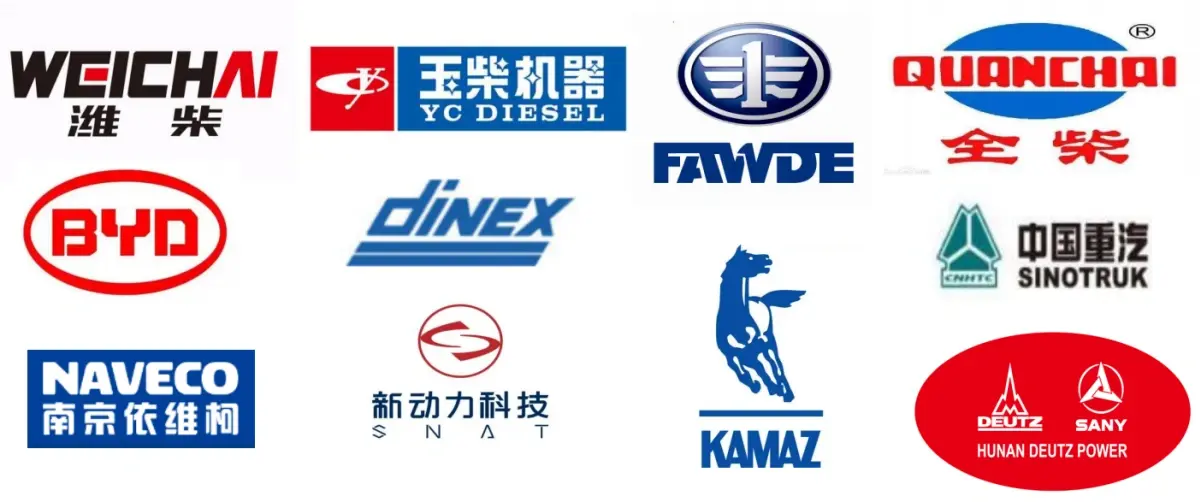
Procurement Guide: Buying SCR Urea Pressure Sensors for OEM Use
With the help of smart buying strategies, OEM buyers can get good sensors at fair prices and keep the supply chain healthy. For dealing with shipping problems, dealing with suppliers, and setting prices, you need a methodical approach based on market study and knowing what your own needs are.
Identifying Trustworthy Suppliers and Distributors
It is very important to work with sellers who always deliver on time and in good condition. By inspecting sources, either in person or from away, you can see how well they make things, how well they control quality, and how well they follow car standards. You can get real-world proof of how well a product works before you place a big order by asking for samples and testing them in-house. If you want to know how reliable a seller is and how quickly they can fix problems with quality or production scaling, talk to other OEM buyers in the same industry.
Distributors that focus on car sensors, such as the SCR urea pressure sensor, can help connect companies from around the world with OEMs in their own regions. This is especially important for smaller production runs that might not meet the small amounts needed to buy directly. Just-in-time supply options are possible because distributors usually keep stock on hand. This cuts down on wait times. In this way, keeping parts in stock wastes less working capital.
Pricing Benchmarks and Minimum Order Quantities
Price of SCR urea pressure sensors is based on how difficult the order is, how many are bought, and the seller's level. When bought in groups of 1,000 or more, basic sensors with simple analog outputs usually cost $15 to $30 each. More modern sensors that can talk to each other digitally and have hot elements built in might cost between $40 and $70 each. The MOQ changes depending on whether you buy from the maker or a supplier. As a starting point, manufacturers usually need 500 to 1,000 units. However, wholesalers may be willing to take less, but they may charge a little more per unit.
You can cut costs by making deals for good payment terms and buying in bulk. When you buy more from a seller, the unit costs go down as the yearly amount goes up. This makes customers more likely to sign long-term contracts. It should be clear in the guarantee that it covers problems with the way the product was made. It should also say how to handle returns, test broken units, and give refunds or new ones. Wait times should be made clear from the start. For example, for special orders, they should be 8 to 12 weeks, and for regular store items, they should be 4 to 6 weeks. This helps make sure that plans for both production and buying are in sync.
After-Sales Support and Lifecycle Management
Great providers stand out from average ones because they offer reliable customer service after the sale. Your engineers will be able to quickly figure out how to fix issues if they can get help from technical support teams that can help with things like setting up, fixing problems, and making software changes. Because car platforms change, you'll want to make sure that the suppliers you choose offer ways to improve sensors or new models that work with older platforms. Setting up clear ways for people to get in touch, like online platforms or assigned account managers, helps you stop problems before they happen and keep things getting better.
Installation, Troubleshooting, and Maintenance Best Practices
If you install sensors properly and keep them in good shape, they will last longer and the system will be more effective. When OEM expert teams follow organized rules, they don't make mistakes during installation and can quickly figure out what's wrong when it does happen.
Stepwise Installation Protocol for OEM Technical Teams
Before you place the sensor, check it and the area where it will go for any signs of damage or dirt. If there are any crystals in the urea line, they could block the flow and throw off the pressure readings. Make sure the line is clean. Too much torque could damage the body or threads of the sensor, so use a torque tool to make sure you don't do that. Follow the torque instructions from the manufacturer when installing the sensor. These are normally between 15 and 25 Nm. Be careful when you connect the wires, and make sure the socket locks securely and keeps water out. After setting up, slowly add air to the system and look for leaks near the sensor contact. Then, put the car back together.
Common Troubleshooting Methods and Calibration Techniques
Through organized testing, the main reason why a sensor fails is quickly found. A voltmeter can be used to check the source voltage and electrical connection at the sensor port. Try to find open circuits or drops in power. These could be signs that something is wrong with the wires. Use a measured pressure gauge to compare the sensor's output signal to known pressure numbers. This will show you how accurate it is. If the results are very different, the item might need to be fixed or changed. To change the output offsets and scale factors on some sensors, diagnostic tools can be used in the field to adjust them. On the other hand, other sensors need to be repaired at the factory.
Keeping sensors away from things in the environment that could harm them is a key component of preventive maintenance strategies. A lot of the time, check the urea lines for leaks and clogs that could cause the pressure to change. To get rid of urea clumps that have turned into crystals, flush the system often. It is very important to do this in places with hard water or where cars freeze and thaw a lot. Replace sensors when the maker says to. For most cars, that's every 150,000 to 200,000 miles, but for heavy-duty vehicles that are used in tough conditions, it's sooner.

SENSOR+TEST, June 9 – 11, 2026
We look forward to your visit,warmly welcome to our booth 1-526!
Get your free ticket online now:
https://www.sensor-test.de/service/ticket/?52790
Conclusion
You have to find the best SCR urea pressure sensor for OEM uses by weighing technical needs, source reliability, and cost. Learn how sensors work, compare top manufacturers, and use strict selection criteria to find parts that improve emission control performance and lower guarantee risk. Strong ties with suppliers, good lifecycle management, and smart buying make sure that operations and supply are always solid. If you place and take care of sensors the right way, they will last even longer. This will protect your investment and keep customers happy for a long time. When OEM buyers know these things, they can pick wisely. This helps them stay ahead of the competition and follow the rules.
FAQ
How does the SCR urea pressure sensor impact overall system efficiency?
The closed-loop information from the sensor makes the urea doses more accurate, which has a direct effect on how well NOx reduction works. The ECM can change dose rates on the fly when pressure tracking is accurate. This helps control emissions the most while using the least amount of DEF. If the sensors don't work right, doses won't work as well, which breaks down the NOx conversion process. This can make people not follow the rules about smog, which could lead to fines or car recalls.
What signs indicate a sensor needs replacement?
If you keep getting diagnostic trouble codes related to urea pressure, dashboard warning lights that won't go away even after you restart the system, and changes in engine performance like less power, these are all signs that your sensors are wearing out. When you look at the sensor, you might see rusted joints, fluid leaks around the body, or damage that looks like it was caused by rock or tree. Diagnostic checks help find sensor problems early, before they get worse and cost a lot to fix. They are part of normal maintenance.
Can warranty terms be negotiated for bulk purchases?
To keep up with the competition, sellers often offer better terms or longer guarantee periods for orders that come in large amounts. Another way to protect yourself is to talk about batch failure rules that require full substitutes if mistake rates go above limits that everyone agrees on. Clear directions on how to return things, test them, and get credits should be included in all purchase agreements. This helps keep everyone happy and speeds up the resolution of quality issues.
Partner with Qintai: Your Trusted SCR Urea Pressure Sensor Manufacturer
These OEM buyers have very specific needs when it comes to high-performance SCR urea pressure sensors. Qintai is an expert in meeting those needs. To make sure our sensors work reliably in all kinds of weather, from cold winters in the north to hot deserts, they are built with both precision engineering and strong building. We help you get your product to market faster and make the buying process easier by giving you a lot of ways to customize it, a fair price, and good expert support. You can email our team at info@qt-sensor.com to get samples of our products, talk about your specific application needs, or find out how much big sales cost. Learn why the best OEMs choose Qintai as their main source for creative, high-quality SCR urea pressure sensors.
References
1. Society of Automotive Engineers (SAE), "Standards for Diesel Exhaust Fluid Quality and SCR System Performance," SAE International Technical Paper Series, 2023.
2. European Automobile Manufacturers Association (ACEA), "Emission Control Technologies and Sensor Integration in Modern Diesel Engines," ACEA Research Report, 2024.
3. International Council on Clean Transportation (ICCT), "Heavy-Duty Vehicle NOx Reduction Strategies: Technology Assessment and Policy Implications," ICCT White Paper, 2023.
4. Automotive Sensor Manufacturers Forum, "Best Practices for Pressure Sensor Selection in Automotive Applications," Industry Standards Publication, 2024.
5. Journal of Automotive Engineering and Technology, "Reliability and Durability of SCR System Components Under Real-World Operating Conditions," Vol. 38, Issue 2, 2023.
6. Global Automotive Suppliers Association, "Procurement Strategies for OEM Buyers: Managing Quality, Cost, and Supply Chain Risk," Annual Industry Report, 2024.
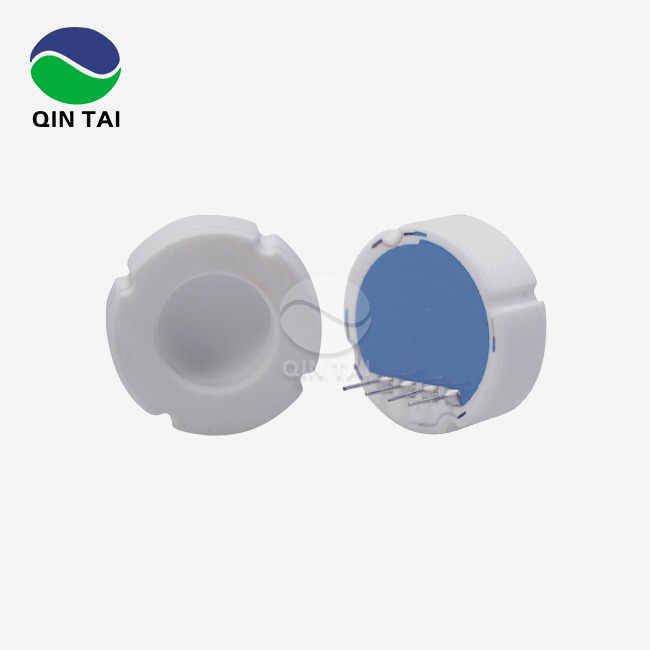
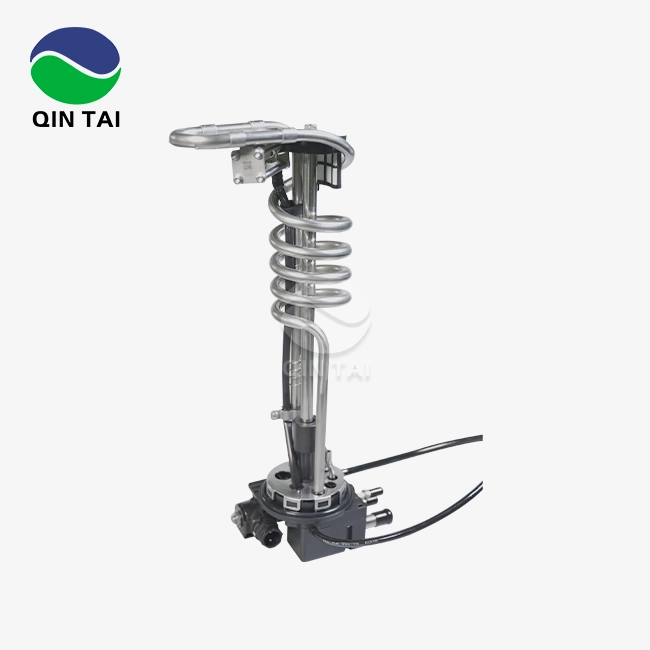
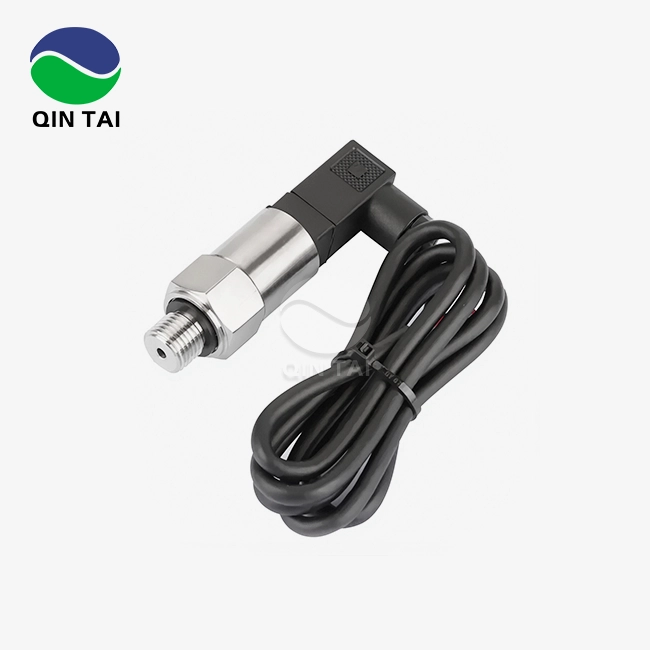
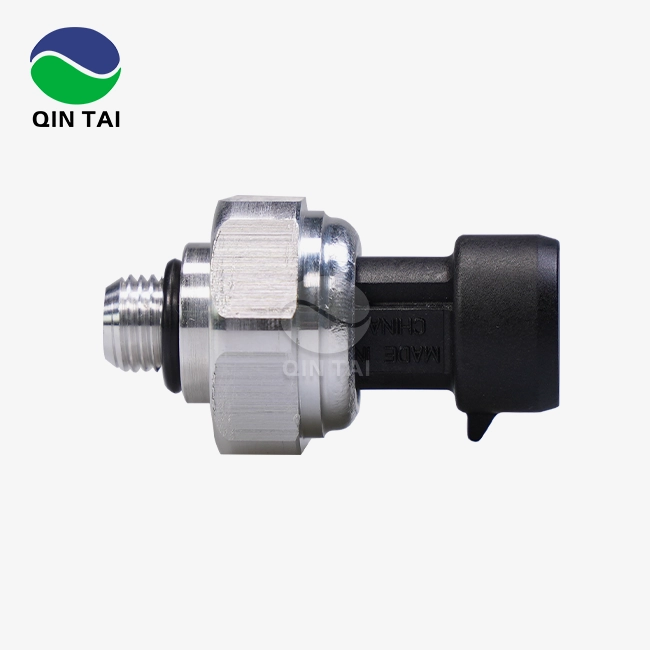

Our customers’ satisfaction speaks for our quality — contact us to experience the same reliable service.