- English
- French
- German
- Portuguese
- Spanish
- Russian
- Japanese
- Korean
- Arabic
- Greek
- German
- Turkish
- Italian
- Danish
- Romanian
- Indonesian
- Czech
- Afrikaans
- Swedish
- Polish
- Basque
- Catalan
- Esperanto
- Hindi
- Lao
- Albanian
- Amharic
- Armenian
- Azerbaijani
- Belarusian
- Bengali
- Bosnian
- Bulgarian
- Cebuano
- Chichewa
- Corsican
- Croatian
- Dutch
- Estonian
- Filipino
- Finnish
- Frisian
- Galician
- Georgian
- Gujarati
- Haitian
- Hausa
- Hawaiian
- Hebrew
- Hmong
- Hungarian
- Icelandic
- Igbo
- Javanese
- Kannada
- Kazakh
- Khmer
- Kurdish
- Kyrgyz
- Latin
- Latvian
- Lithuanian
- Luxembou..
- Macedonian
- Malagasy
- Malay
- Malayalam
- Maltese
- Maori
- Marathi
- Mongolian
- Burmese
- Nepali
- Norwegian
- Pashto
- Persian
- Punjabi
- Serbian
- Sesotho
- Sinhala
- Slovak
- Slovenian
- Somali
- Samoan
- Scots Gaelic
- Shona
- Sindhi
- Sundanese
- Swahili
- Tajik
- Tamil
- Telugu
- Thai
- Ukrainian
- Urdu
- Uzbek
- Vietnamese
- Welsh
- Xhosa
- Yiddish
- Yoruba
- Zulu
With an Impressive Size, the Global Urea Pressure Sensor
The market for urea pressure sensor around the world has grown a great deal. This is proof of how important it is for companies and businesses to have better ways to manage pollution. Around the world, pollution standards are getting tighter. For example, Euro VI rules in Europe and EPA Tier 4 rules in the US. To stay in line with the rules, diesel engine makers, installers of aftertreatment systems, and fleet operators need more and more precision-engineered sensors. It checks the pressure of diesel exhaust fluid (DEF) or AdBlue to make sure that the right amount of fluid is added and that nitrogen oxide (NOx) levels are lowered correctly. The urea pressure sensor is an important part of Selective Catalytic Reduction (SCR) systems. The world's urea pressure sensor market is a big part of the pollution control industry as a whole. This is because of the growing need, better technology, and more uses in big cars, construction equipment, farm tools, and generator sets.
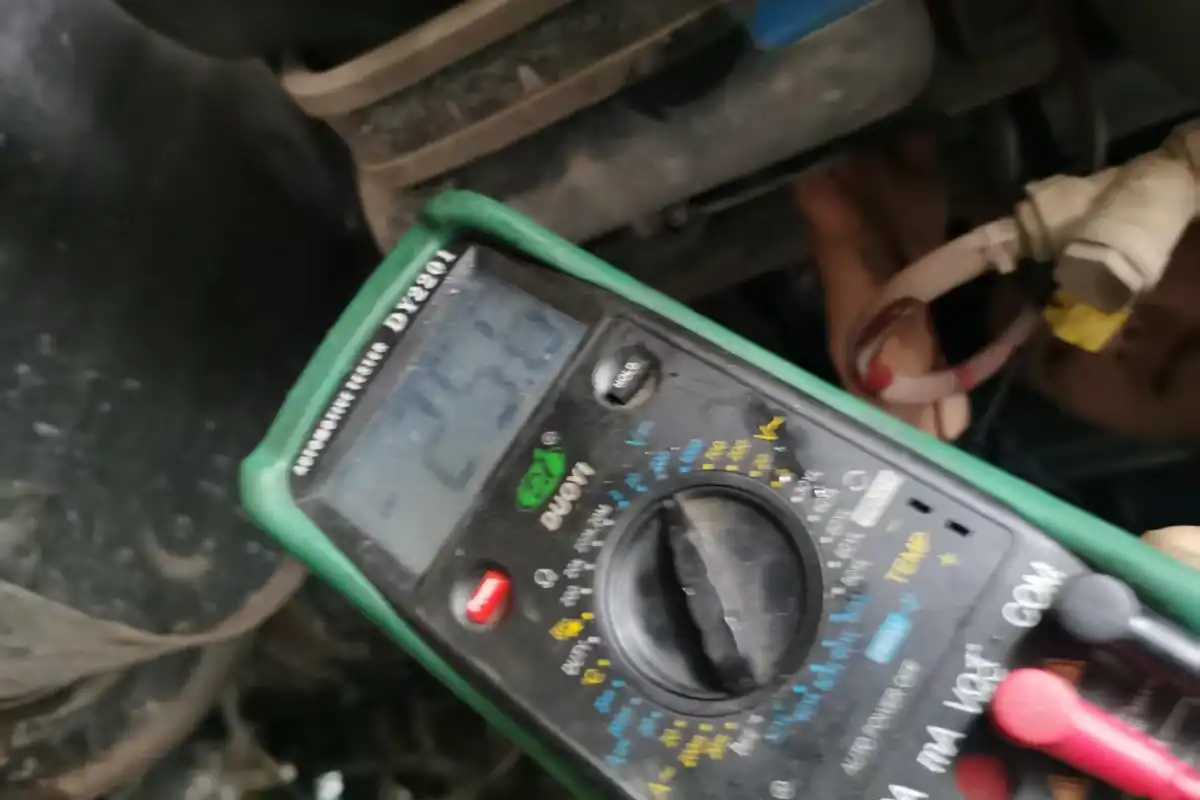
Understanding Urea Pressure Sensors – Functions, Types, and Applications
Core Functions Within SCR Systems
A urea pressure sensor, which is also called an AdBlue pressure sensor, is what the SCR dose device is all about. Its major job is to watch the pressure of the urea solution as it goes from the pump to the injection tip. This real-time pressure data gets straight to the SCR control unit (DCU or ECU), which controls the exact dose of urea. Not putting in enough pressure can lead to too little NOx reduction and too much pressure can lead to dangerous ammonia slip and DEF loss.
If you measure pressure properly, you can avoid both of these problems. The sensor not only controls the amount, but it also keeps the system safe by looking for overpressure and possible leaks. For better diagnosis and closed-loop control, this helps make the most of emissions while the engine is going with different loads and conditions.
The sensor always sends a signal that has something to do with the pressure it is measuring. This signal is usually a voltage or current output. When this signal comes out, the control unit can instantly change how the pump works. This makes sure that the catalyst always gets the exact amount of DEF it needs. You can't meet strict emission standards and keep the engine running efficiently and getting good gas mileage without this level of accuracy.
Sensor Technologies and Their Differences
Knowing about the technologies behind sensors helps engineers and people who buy things pick sensors that work for their businesses. In devices that give urea, there are three main types of pressure sensors: capacitive, piezoresistive, and ceramic thick film designs.
When you put pressure on piezoresistive sensors, the resistors inside them change how much electricity they resist. This creates mechanical stress. For those who like small, quick sensors that work with microelectronic data processing, these are the ones to get. It is very stable and delicate for diffuse silicon piezoresistive sensors because the resistance parts are built right into the silicon diaphragm. Because of this, they can be used in cars.
Capacitive sensors detect changes in capacitance between two electrical plates that are separated by a cushion that bends under pressure. This technology works very well and doesn't change much over time, especially in places where temperatures don't change much.
Ceramic thick film sensors are a choice because they are strong and work well in places that tend to rust. You can print thick film resistors on a ceramic diaphragm to make a Wheatstone bridge circuit. These sensors work great in harsh urea environments where crystallization and corrosive touch can damage less durable designs. This is because ceramic is naturally immune to chemical attack and thermal shock.
Applications in Emission Control
This is what SCR technology is all about: getting a correct reading of the pressure has a direct effect on how well NOx is cut down. For the best urea dose, you need to be able to precisely control the pressure. This is because the DEF injector's atomization quality and spray pattern depend on the pressure. The atomization isn't good when there isn't enough pressure. This means that the exhaust gases don't mix fully, which makes the catalyst less useful. Too much air, on the other hand, can cause over-spray and DEF buildup in the exhaust system, which makes it work less well and costs more to maintain.
Engines run better because these sensors let dosing plans change based on how the smoke is right now. The fuel will last longer and this will save it. It's now possible and sensible to follow the rules, which lowers the chance of getting fined a lot of money and having to take your car in for repairs. Fleet managers and OEMs can save money by buying high-quality sensors. This is because the sensors use less DEF, need less maintenance, and make parts last longer, all of which save money.
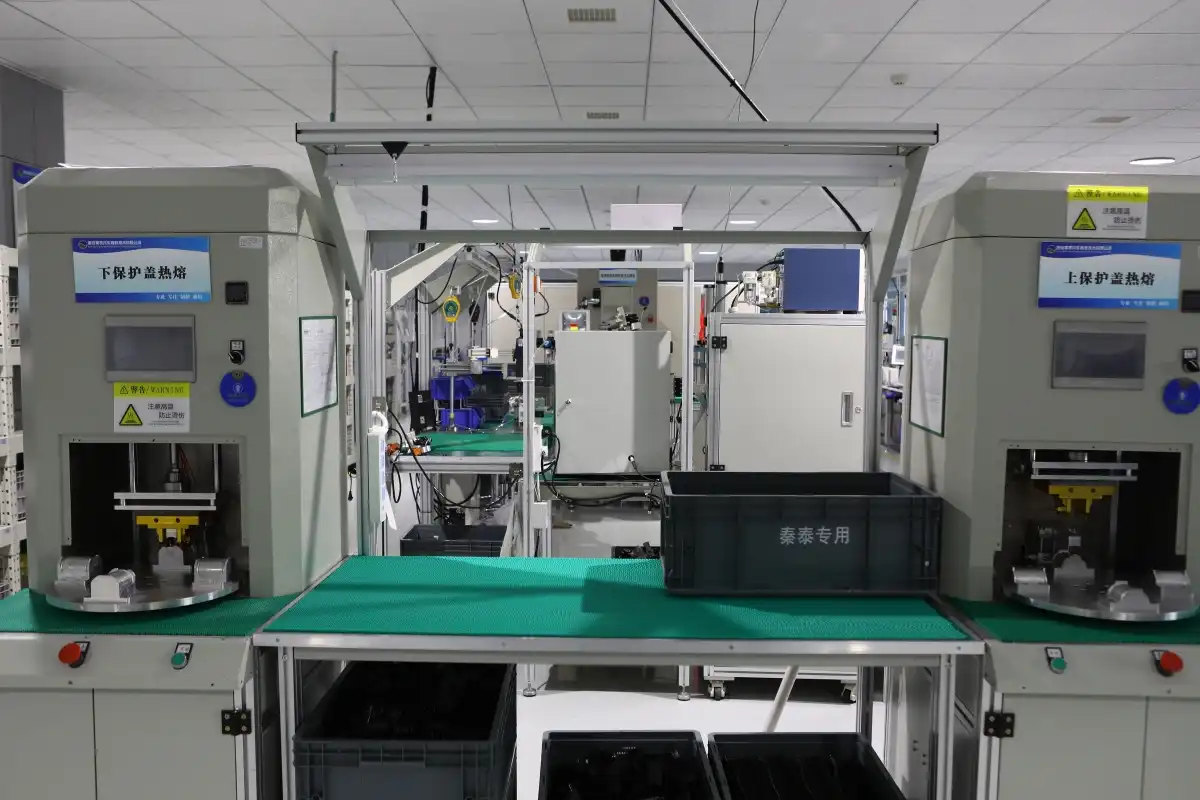
Top Urea Pressure Sensors in 2026 – Performance, Comparison & Selection Guide
Leading Manufacturers and Their Offerings
In the market for urea pressure sensor, there are a few well-known companies that set the bar by always coming up with new ideas and having strict quality control. Bosch makes many different kinds of sensors for cars, such as high-precision sensors that are known for working well with heavy-duty diesel engines. The sensors made by Delphi Technologies are made to last and work with different types of SCR systems. Because of this, aftermarket makers like to use them. Denso knows how to make high-performance goods that are small enough to fit in places with limited space. They do this by managing heat and making sensors smaller. At the system level, Continental works on putting systems together. They sell sensors with advanced diagnostic tools and transmission links that make it easier to add tech to cars.
A lot of people are interested in new sources like Qintai, a big Chinese OEM provider that has been around since 2001. They offer good prices, clear technical specs, and the ability to make a lot of products. RoHS, REACH, ISO9001, and IATF16949 all say that the sensors that Qintai makes are safe. This means they meet quality and safety standards around the world. They can make their goods fit your needs and quickly adapt to new pollution rules because they do their own research and development. This makes them a good partner for OEMs and providers of aftertreatment systems around the world.
Key Performance Indicators
When procurement workers compare sensors, they should put accuracy, sensitivity, and dependability at the top of their list. The accuracy of a sensor is how close its reading is to the real pressure. A fraction of full scale is often used to show this. Sensors that are better than 2% are frequently used for reliable SCR control. It is important for dose changes to be made fast that the sensor is sensitive enough to pick up on small changes in pressure. How long a sensor lasts in tough industrial settings is directly related to how well it can handle high temperatures, shaking, chemical exposure, and mechanical shock.
Temperature range is very important because urea solutions freeze below about -11°C (12°F), so sensor reliability must be high across a wide temperature range, typically from -40°C to 125°C. To make the process of integration as easy and low-cost as possible, the types of connectors and electrical connections used must be compatible with the current cars or equipment.
Differentiating Pressure and Level Sensors
Level sensors find out how much DEF is still in the tank, and urea pressure sensors find out how much force the DEF is putting on the service line. They are both important, but they do different things. Pressure sensors let you change the doses in real time, and level sensors make sure the system doesn't run out of fluid and let workers know when it does. If you don't understand this difference, you might pick the wrong parts for your system, which could make it break down or not meet safety standards. You should be very clear about what you need from the sensors so that buyers get the right ones.
To get the best value for money, you should consider more than just the unit price. This is called the "total cost of ownership." A lot of the time, cheap sensors may not work right, which can lead to more downtime, insurance claims, and fix costs. Long-term risks are lower and operations run more easily when you buy sensors from companies you can trust that have been tested and approved.
Technical Specifications and Compatibility for Industrial Procurement
Critical Specifications for Verification
When it comes to temperature, the working temperature range tells you the areas where the sensor will still work correctly and effectively. Sensors that can withstand temperatures from -40°C to at least 125°C are required for heavy cars that work in a range of conditions. Specific types of connectors, such as Deutsch, Bosch EV6, or OEM connectors, need to work with the current circuits so that changes don't have to be made, which can be pricey. For applications like exhaust aftertreatment monitoring, the urea pressure sensor is also commonly used alongside these sensors. It's possible for the data outputs to be analog voltage (0-5V or 0.5-4.5V), current (4-20mA), or digital standards such as CAN bus. When it comes to noise reduction and processing complexity, each one is better in its own way.
The range of pressures should be within what the SCR system can handle. But some high-pressure systems can go up to 20 bar. Most of the time, it's between 0 and 10 bar or 0 to 15 bar. This makes sure that the sensor can handle short-term spikes in pressure without breaking. This is very important for dosing systems that use pumps.
DEF is slightly acidic and can crystallize, which can damage or block sensors. It is very important that the materials work well with urea solution. Stainless steel 316L and special metals made for urea, like 1.4466, are often used for parts that will get wet. Diaphragm covers are often made of ceramic or fluoropolymer materials to keep electronics that are sensitive from getting wet with the moving medium.
Installation Best Practices
To avoid mechanical stress or leaks, the first thing that needs to be done for a fitting to work is to make sure that the torque and fixing position are correct. To get more exact readings, make sure there are no air gaps or DEF pools where the sensors are placed. Electrical lines need to be clean, free of corrosion, and properly covered so that water doesn't get in. This is a common reason why sensors in mobile equipment fail.
Too much twisting can crack sensor housings, and moving wire leads the wrong way can cause chafing and short circuits. There are other mistakes that people often make during installation. Making sure there is enough space between sounds and keeping the sensor away from sources of high heat will keep its readings accurate and make it last longer.
Maintenance and Troubleshooting
Regular repair checks are done on the sensor ports to see if DEF crystals are present. Deionized water can be used to clean this if it is found early. Sometimes, especially in places that shake a lot, it's important to make sure that electrical connections are still stable. Most of the time, power problems, sensor drift, or system blockages are shown by diagnostic trouble codes (DTCs) for pressure sensors. Techs can use this to figure out what's wrong and fix it.
When diaphragms wear out or get dirty over time, sensors can move. This means they need to be adjusted or changed. The SCR method works better and fails less often when a repair plan is set up ahead of time based on running hours or miles. Having access to detailed technical documentation and quick support from sensor companies after the sale keeps things going smoothly and cuts down on downtime.
Procurement Strategies: How to Source Quality Urea Pressure Sensors Globally?
Identifying Reliable Suppliers
The first step to good global buying is to check out the sellers. Watch out for rules like ISO9001 and IATF16949, as well as approvals relevant to your business, like EPA or CARB certification for emissions parts. You can be more certain that the parts you buy are real and up to code if you buy them from a genuine manufacturer or an authorized dealer. By getting test results and product datasheets from a third party, you can compare things without bias and figure out the risk.
Where the seller is located affects how long you have to wait, how much it costs to ship, and how quickly they fix problems after the sale. European and North American sellers usually charge more, but they can help you quickly and have well-known ways to handle warranties. Asian suppliers, especially those in China, have low prices and can make a lot of goods. This makes them a good choice for OEM orders that need to be fully met. Qintai is a great example of a company that can meet large-scale quality standards set by other countries. They have been in business for more than 20 years and have good relationships with top Chinese engine makers like Weichai and Yuchai.
Best Practices for Bulk Purchasing
When you buy a lot, you need to carefully check out each seller. This includes checks of the building, testing of samples, and trial production runs. Deals for good payment terms, big discounts, and inventory management can protect buyers from problems in the supply chain and price changes. Making sure that everyone is responsible and there are clear rules for accepting quality and fixing problems in buy deals helps keep disagreements to a minimum.
You can find more goods on trade markets and online shopping sites, but you need to be more careful to make sure the sellers are real and the goods are real. You can lower your chances of buying a fake item by reading customer reviews, checking the seller's credentials, and asking for product certifications. You can make connections with makers at trade shows, industry conferences, and online. These will help you work together and make changes in the future.
Custom Manufacturing and OEM Partnerships
Custom sensor options that are made to fit a certain use case help companies do better in many different areas. When two or more companies have an OEM connection, they can work together to make sensors with better interfaces, special materials, or analytics built right in. This makes sure that the features of the product work perfectly with the way systems are put together. Qintai has 58 idea patents and an independent R&D team to back up its OEM and ODM services. These services let clients change designs, adjust connectors, and tune performance to meet a wide range of needs, from trials to mass production.
When you have long-term relationships with suppliers based on open communication, professional cooperation, and similar quality standards, you can buy with less risk and come up with new ideas. Getting makers involved early in the process of making a product can improve design-for-manufacturing, cut costs, and speed up the time it takes to get to market.
Future Trends and Innovations in the Global Urea Pressure Sensor Market
Emerging Technologies
When features for the Internet of Things (IoT) are added to sensors, they go from being passive measure tools to smart hubs for networks of connected cars. Sensors that are connected to the internet of things (IoT) send real-time data to cloud platforms, enabling predictive maintenance, remote analysis, and fleet-wide performance insights. Advanced sensor diagnostics, like self-testing processes and condition tracking algorithms, find early signs of failure before they cause the system to go down. This makes things run much more smoothly.
Material science has made some big steps forward recently, like nanostructured films and better polymer composites. These changes make urea pressure sensor stronger against chemical attacks and changes in temperature. In cold places, this means they can last longer. Miniaturization is driven by MEMS (Micro-Electro-Mechanical Systems) technology, which makes sensors smaller and cheaper while keeping or even better their performance. This helps make it easy to add sensors to small, light apps.
Market Growth Drivers
The rules for global emissions are always getting stricter. One example is that the US, Europe, and China are making NOx standards for diesel vehicles stricter and stricter. The U.S. is still following the Tier 4 rules for cars that aren't used on the road. That group is the Environmental Protection Agency, and towns are making low-emission zones bigger. Because of this, SCR systems and the sensors that go with them need to be more effective. As more industrial vehicles switch to electric cars, diesel use goes down in some places. However, this also means that diesel powertrains that are still used need to perform better, which requires more advanced emission control and sensor technology.
More off-road cars, boats, and fixed power plants are using it, so the market is rising. People who make generator sets for mines, remote power plants, and backup power use depend on industrial-grade sensors that work well and last a long time. This gives people who sell tough, long-lasting goods more options.
Strategic Recommendations
Procurement managers should work with a range of providers to lower risks in the supply chain and around the world. Also, they should carefully check out each seller to make sure that high standards are met. When businesses spend money on supplier development programs and relationships to work together on new ideas, they are better equipped to benefit from new technologies and changes in the law.
Smart sensor platforms that can be updated and have their interfaces changed in the future can save OEMs time and money. This makes it easy to meet new standards and lowers the cost of remaking. Using digital tools and data analytics in the supply chain makes it easier to predict demand, keep an eye on seller success, and make the best use of goods. This makes buying strategies more flexible and quick.

SENSOR+TEST, June 9 – 11, 2026
We look forward to your visit,warmly welcome to our booth 1-526!
Get your free ticket online now:
https://www.sensor-test.de/service/ticket/?52790
Conclusion
As new rules are put in place and technology gets better, the global urea pressure sensor market gives smart sourcing professionals and forward-thinking OEMs a lot of new options. People who know how sensors work, the technologies they use, and the performance standards they need to meet can choose items that are affordable, of good quality, and that will last for a long time. Working with qualified, experienced providers who can be flexible, offer quick help, and have a track record of mass production skills saves the supply chain and makes processes better. There will be more competition and rules in the world as emission standards get tighter and sensor technologies get better. Businesses that use best practices early on in buying, installation, and maintenance will be able to do well in this world.
FAQ
How often should urea pressure sensors be replaced?
How often they need to be changed depends on how they are used, how good the sensors are, and how often the maker says they should be changed. Most good sensors last between 500,000 and 1,000,000 kilometers, or between 5,000 and 10,000 hours of heavy use. By following maintenance plans and doing regular diagnostic tracking, you can find sensors that are almost worn out before they break.
What are the most common causes of sensor failure?
Common ways for things to go wrong are for water to rust electrical connectors, for chemicals to touch and wear down diaphragms, and for DEF crystals to block sensor ports. Some mistakes that can happen during installation can cause something to fail too soon. These include over-torquing, vibrations that cause wires to break, and too much heat.
Are urea pressure sensors cross-compatible among different vehicle brands?
Not everything can be used with other things. Even if two OEM systems look the same in terms of size and connection type, their electrical specs, signal outputs, and tuning factors are not always the same. If you use non-OEM sensors without making sure they are reliable, you could lose your warranty and not follow the rules set by regulators. You can make safe substitutions by reading technical books and checking to see if the parts work together.
Partner with Qintai for Reliable Urea Pressure Sensor Supply
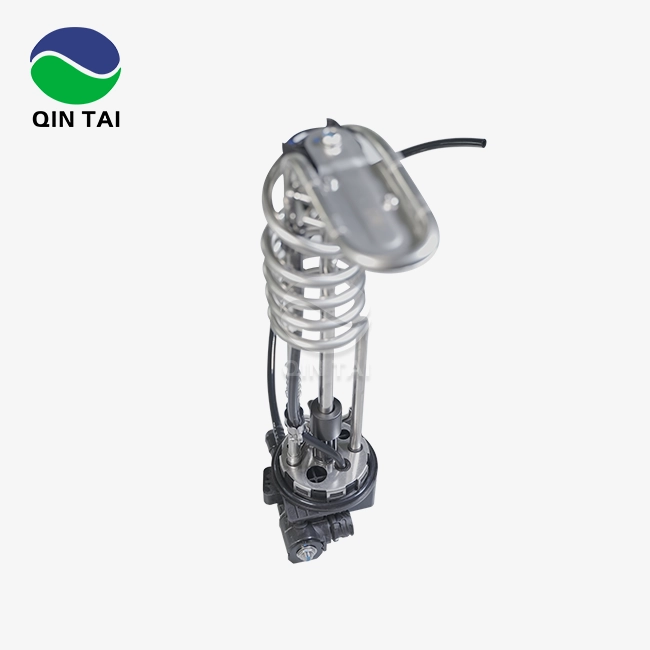
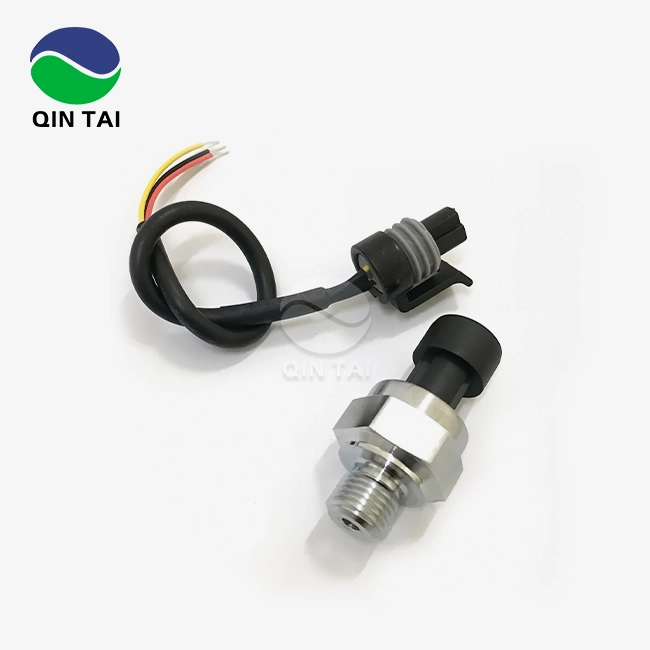
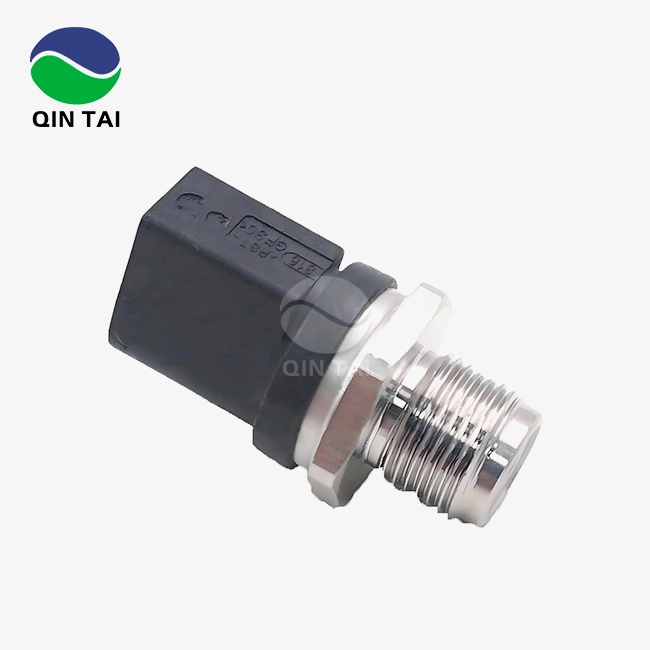
It is called Xi'an Qintai Automotive Emission Technology Co., Ltd. Ltd is ready to help you curb the diesel engine fumes with high-performance urea pressure sensor made for tough industrial uses. Weichai Power, Yuchai Power, and Quanchai Power all count on us as a key partner and the best original equipment maker (OEM) in China. We are certified by ISO9001 and IATF16949 to ensure strict quality control, and we have a lot of experience making goods fit your needs.
The independent research and development team at our company has been granted 58 idea patents. They work closely with clients from all over the world to make unique sensor solutions that meet government and technology standards. You can buy in bulk for a large fleet, integrate OEM parts into new engine platforms, or make custom sensors for specialized equipment. Qintai has fast service, low prices, and solid support after the sale. Contact our engineering team right away at info@qt-sensor.com to talk about what you want to buy and how our urea pressure sensor manufacturer services can help your emission control systems. At qt-sensor.com, you can see all of our goods and ask for more information.
References
1. International Council on Clean Transportation (ICCT), "Global Comparison of Heavy-Duty Vehicle Fuel Economy and Greenhouse Gas Emission Standards," 2023.
2. Society of Automotive Engineers (SAE), "Diesel Exhaust Fluid Quality and Handling Standards," SAE J2906, 2021.
3. European Automobile Manufacturers Association (ACEA), "SCR System Technology and NOx Reduction Efficiency in Commercial Vehicles," 2022.
4. U.S. Environmental Protection Agency, "Emission Standards Reference Guide for Heavy-Duty and Nonroad Engines," EPA-420-B-23-001, 2023.
5. Journal of Sensor Technology, "Advances in Pressure Sensor Materials for Corrosive Automotive Fluids," Vol. 14, Issue 3, 2024.
6. Automotive Engineering International, "Trends in Diesel Aftertreatment Sensor Integration and Diagnostics," March 2024 edition.
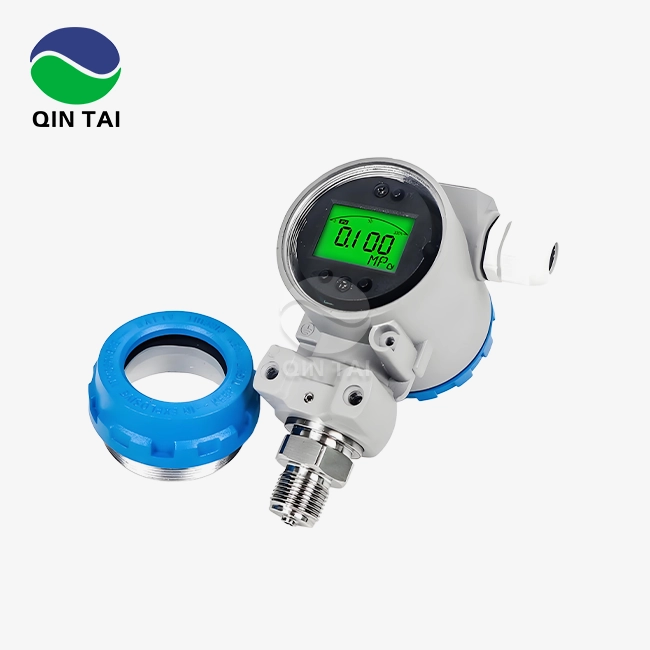

Our customers’ satisfaction speaks for our quality — contact us to experience the same reliable service.