- English
- French
- German
- Portuguese
- Spanish
- Russian
- Japanese
- Korean
- Arabic
- Greek
- German
- Turkish
- Italian
- Danish
- Romanian
- Indonesian
- Czech
- Afrikaans
- Swedish
- Polish
- Basque
- Catalan
- Esperanto
- Hindi
- Lao
- Albanian
- Amharic
- Armenian
- Azerbaijani
- Belarusian
- Bengali
- Bosnian
- Bulgarian
- Cebuano
- Chichewa
- Corsican
- Croatian
- Dutch
- Estonian
- Filipino
- Finnish
- Frisian
- Galician
- Georgian
- Gujarati
- Haitian
- Hausa
- Hawaiian
- Hebrew
- Hmong
- Hungarian
- Icelandic
- Igbo
- Javanese
- Kannada
- Kazakh
- Khmer
- Kurdish
- Kyrgyz
- Latin
- Latvian
- Lithuanian
- Luxembou..
- Macedonian
- Malagasy
- Malay
- Malayalam
- Maltese
- Maori
- Marathi
- Mongolian
- Burmese
- Nepali
- Norwegian
- Pashto
- Persian
- Punjabi
- Serbian
- Sesotho
- Sinhala
- Slovak
- Slovenian
- Somali
- Samoan
- Scots Gaelic
- Shona
- Sindhi
- Sundanese
- Swahili
- Tajik
- Tamil
- Telugu
- Thai
- Ukrainian
- Urdu
- Uzbek
- Vietnamese
- Welsh
- Xhosa
- Yiddish
- Yoruba
- Zulu
What Is Urea Dosing Pressure Sensor Used for in Vehicles
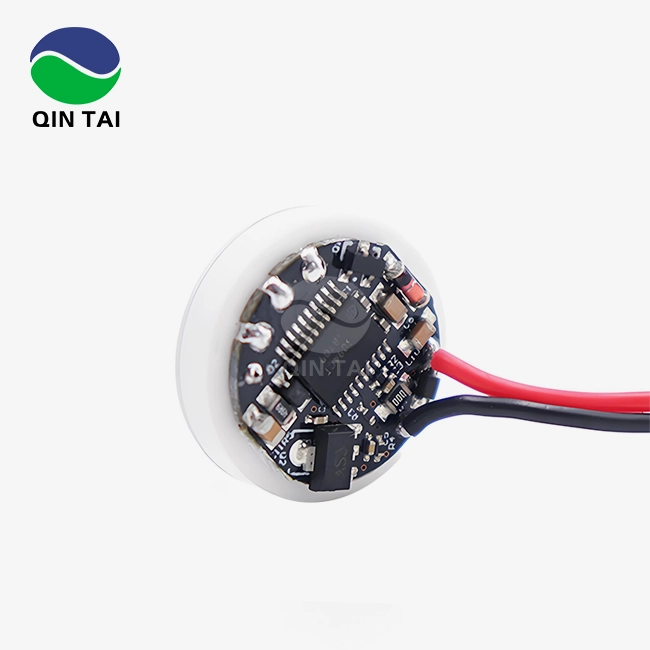
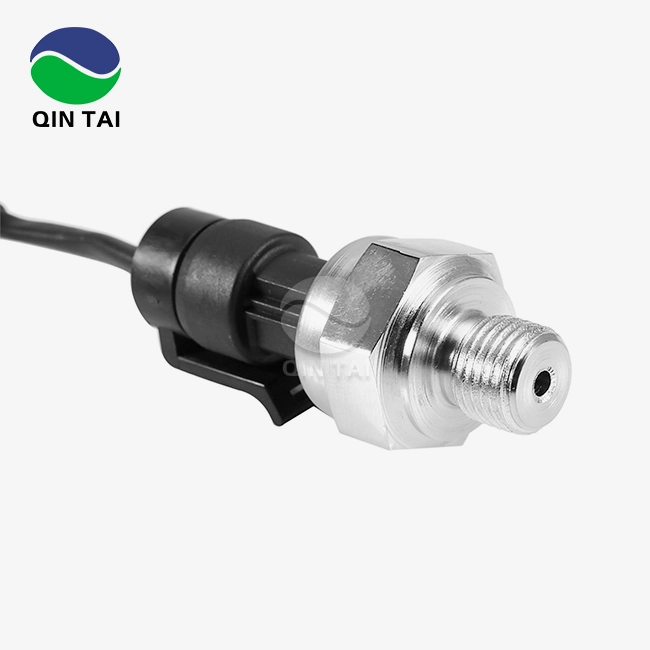
A Urea dosing pressure sensor, also called an AdBlue pressure sensor, is an important part of the Selective Catalytic Reduction (SCR) technology in current diesel cars. This sensor checks the pressure of the urea solution (AdBlue) in the dosing circuit all the time to make sure that the correct amount of fluid gets to the injection tip. This device tells the SCR control unit what's going on in real time by checking the pressure levels between the filling pump and the injector. This lets the SCR control unit precisely lower NOx emissions. Ensuring compliance with strict emission standards like Euro 6 and EPA rules is nearly impossible without effective pressure tracking.
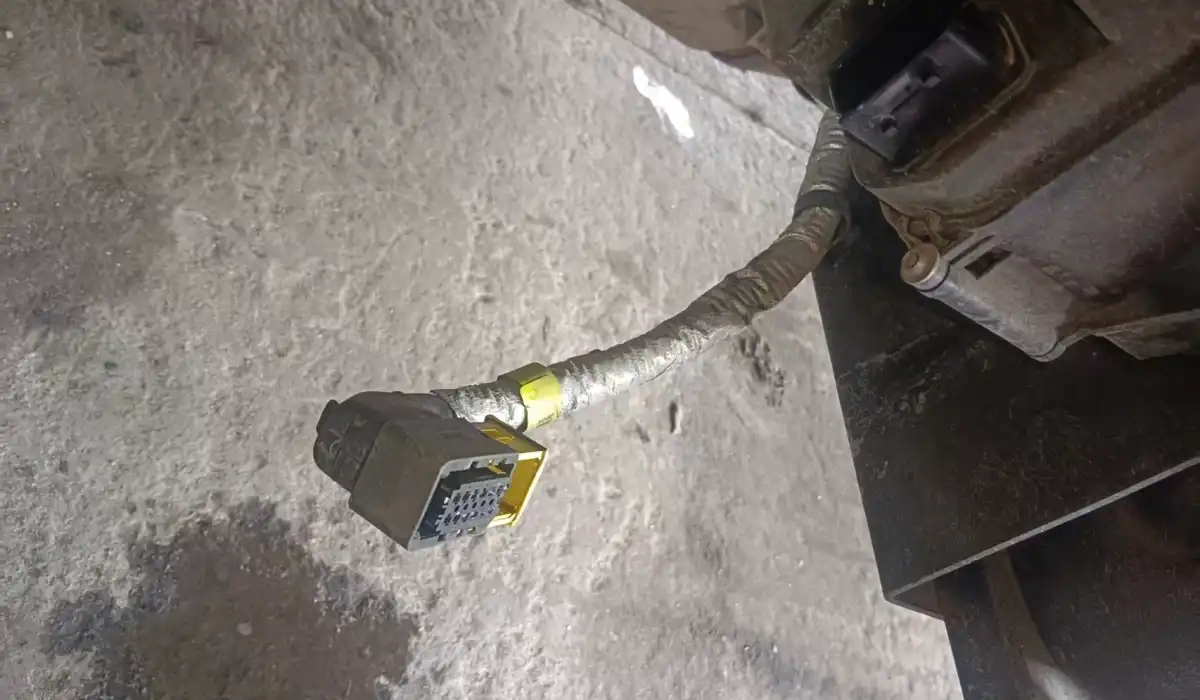
Understanding the Urea Dosing Pressure Sensor: Function and Role in Vehicles
The Core Technology Behind Pressure Monitoring
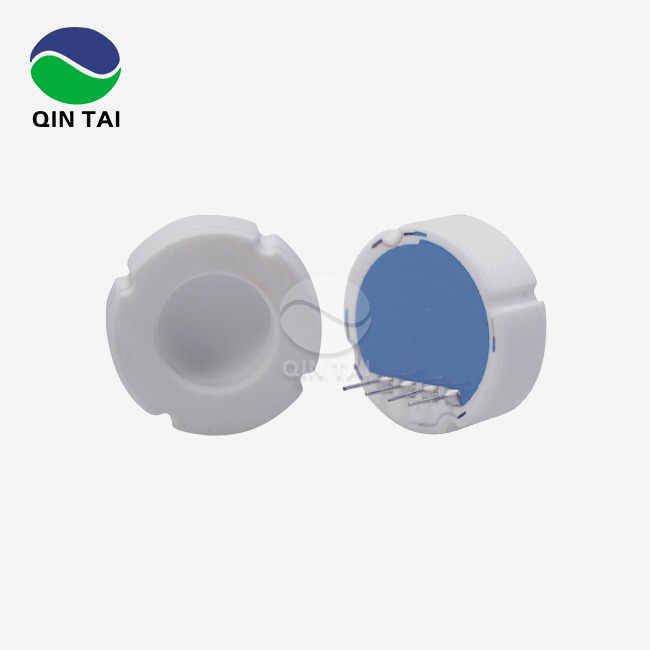
Using piezoresistive or capacitive sensing, the Urea dosing pressure sensor turns mechanical pressure into electrical signs that the engine control unit (ECU) can understand. The sensor picks up changes in pressure as AdBlue runs through the dose system and sends this information to the ECU. Most sensors send out an analog voltage signal that ranges from 0.5 V at low pressure to 4.5 V at high pressure, which is usually a range of 0 to 10 bar. current systems use digital communication methods like LIN (Local Interconnect Network) or CAN (Controller Area Network) bus connections to connect to current car electronics without any problems.
The sensor is placed between the dose pump and the injection nozzle so that the supply line can be constantly watched. The control unit can find problems like blockages, leaks, or frozen AdBlue before they hurt pollution performance thanks to its smart placement. The ECU provides a regulated 5 V DC power source to the sensor, which ensures stable readings even when the temperature and vibration levels change, which is common in vehicle settings.
Integration With SCR System Components
The pressure sensor is an important part of the SCR ecosystem because it provides input for closed-loop control. The ECU controls the dose pump by looking at pressure readings and changing flow rates to match the engine's load and the temperature of the exhaust gas. When the pressure goes below what is predicted, the system can find possible leaks or worn-out pumps. On the other hand, reports of too much pressure could mean that AdBlue has frozen in cold places or that a valve isn't working right. With this diagnostic feature, the sensor goes from being a simple measuring tool to a smart system monitor that keeps the SCR parts and the surroundings safe.
Meeting compliance standards depends on how these two things combine. In real-world driving situations, Euro 6 guidelines require NOx reduction rates of more than 90%, and EPA rules set similar strict limits. The pressure sensor makes sure that the amount of urea added stays equal to the flow of exhaust, which keeps the ammonia-to-NOx ratio just right for the catalyst to work well. When fleet owners use this technology, they have less of an impact on the environment and don't have to worry about the fines that come with pollution violations.
Digital Versus Analog Sensor Technologies
The usual way to do things is with analog sensors, which are easy to use and work with many car platforms. These sensors send a steady voltage signal that is related to pressure, so the ECU has to convert it from analog to digital before it can be processed. Even though analog sensors are stable and don't cost much, their signals may get weaker over long wire runs or in places with a lot of electrical noise.
Digital sensors have microprocessors built in that turn pressure readings into digital data packets before sending them. This design gets rid of conversion mistakes and keeps electromagnetic interference from happening. Some digital types have a lot of sensors built into one module, like sensors for pressure, temperature, and quality recognition. These modules offer full system tracking. Whether to use analog or digital technologies relies on how the car is built, how much you want to spend, and how advanced you want the diagnostics to be.
Common Problems and Troubleshooting of Urea Dosing Pressure Sensors
Identifying Failure Symptoms
The whole emissions control system is affected when a Urea dosing pressure sensor stops working right. Most of the time, drivers will see the check engine light on the dashboard along with warnings about the SCR or AdBlue system. The car might go into "limp mode," which lowers the engine's power to cut down on pollution until fixes are made. Diagnostic trouble codes (DTCs) kept in the ECU show specific fault patterns. For example, code P20EE means that the pressure is too low, while code P20ED means that the pressure is too high.
Besides the display alerts, the car's real emissions performance quickly gets worse. If the dosing module doesn't get accurate pressure input, it can't control urea injection properly, which means that either not enough NOx is removed or too much AdBlue is used. Testing results show that broken sensors can raise NOx emissions by 200% or more, which could lead to not following the rules and fines during pollution checks.
Root Causes of Sensor Degradation
One of the most common reasons why sensors fail is contamination. AdBlue is chemically solid, but it can crystallize in air or heat, leaving behind layers on the sensor membrane. These crystals stop the transfer of pressure, which leads to numbers that aren't accurate or no signal at all. Electrical connectors corrode faster when they are exposed to road salt, wetness, and changes in temperature on a regular basis. This causes intermittent problems that are hard to figure out.
Damage to the wiring harness, bad ground connections, or problems with the power source are all signs of an electrical problem. Sensor precision is impacted by any variation in the exact 5 V reference voltage that sensors depend on. As sensor parts age and mechanical stress builds up over a long service life, calibration drift happens naturally. Sensors are subjected to constant shaking in heavy-duty uses, which can loosen mounting gear or exhaust internal components.
Diagnostic Procedures and Maintenance
To start fixing the problem, you need to get the DTCs by using professional scan tools that can get to SCR-specific settings. Live data tracking lets techs see pressure readings during dosing cycles and compare them to what the maker says should be done. In a healthy system, the pressure rises from 0 bar to 5 to 8 bar during injections and then goes back to normal between rounds.
A close look shows damage on the outside, corroded connectors, or clear AdBlue leaks near where the sensors are mounted. To test the sensor's electrical circuit, you need to use a multimeter to measure the source voltage and signal output. Values outside the range of 0.5 to 4.5 V mean that the sensor is broken or there are problems with the wires. As part of regular maintenance, the dosing system is flushed once a year to get rid of crystalline buildup, the integrity of the connectors is checked during scheduled services, and sensors are replaced at intervals set by the maker, which in business uses is usually every 100,000 to 150,000 miles. These proactive steps make parts last longer and stop sudden breakdowns that stop the fleet from working.
Comparing Urea Dosing Pressure Sensors: Choosing the Right Sensor for Your Fleet
Technology Assessment for Different Vehicle Classes
Digital sensors that are built to last and can work in a wide range of temperatures are useful for heavy-duty cars and buses that have to work in tough circumstances. Extreme temperature changes happen in these cars, from starting in the freezing winter to running at high loads for a long time. They need sensors that can work in temperatures ranging from -40°C to 125°C. Digital communication methods offer better diagnostics that make it easier to figure out what's wrong with big groups of vehicles, which lowers the cost of care over the life of the vehicle.
Analog sensors are often used in light business trucks and passenger cars. These sensors balance efficiency with cost. It is possible for simpler sensor designs to meet reliability goals with lower duty cycles and more controlled working conditions. The standards for accuracy stay the same—keeping the pressure reading within a range of ±0.2 bar—but the designs of the packaging and connectors change to fit the fitting requirements of each car.
OEM Versus Aftermarket Component Selection
Original Equipment Manufacturer (OEM) sensors promise performance and compatibility because they have been through a lot of testing with specific car models. Sensors that meet manufacturer requirements for reliability, accuracy, and compliance with regulations are provided by brands like Bosch, Continental, and Delphi. Most of the time, these parts come with full warranties and are backed by well-established supply chains. However, the prices represent the costs of development and how the brand is positioned.
There are ways to save money on aftermarket options, especially when getting sensors for rental cars that are getting old. Aftermarket parts made by reputable companies are of the same quality as OEM parts because they follow ISO 9001 standards and are certified by the car industry. However, buying teams need to make sure that parts are compatible by cross-referencing part numbers and making sure that sensors meet all applicable emissions rules. The warranty terms should be carefully read. For example, high-end aftermarket sensors come with 24-month coverage, while cheaper ones may only offer limited safety. The decision process compares the possible cost savings right away with the risks of stability and the quality of warranty support.
When choosing aftermarket sources, checking the qualifications of the seller becomes very important. Like OEM support systems, well-known distributors offer detailed datasheets, installation guides, and quick customer service. Certifications from tests show that the product meets weather resistance standards (IP67 or IP69K ingress protection) and vibration tolerance standards that are important for car uses.
Procurement Guide for Urea Dosing Pressure Sensors: What B2B Buyers Need to Know
Supplier Qualification and Selection Criteria
To find reliable suppliers, you need to look at their manufacturing skills, quality control methods, and name in the market. ISO/TS 16949 (now IATF 16949) certification shows quality methods that are specific to the car industry, while ISO 14001 certification shows a commitment to environmental management. When buying sensors for European markets, make sure you get proof that they follow the RoHS (Restriction of Hazardous Substances) and REACH rules.
Audits of suppliers show things like production capacity, testing facilities, and the stability of the supply chain. These are all things that affect how reliably deliveries happen when the market is unstable. Established sellers keep inventory buffers and a variety of sources for parts, such as the Urea dosing pressure sensor, which keeps wait times from changing too much. References from past buyers can tell you a lot about how well the product works in real life, how quickly warranty claims are handled, and how quickly technical help responds.
Strategic Procurement Considerations
The way bulk orders work has a big effect on unit prices, and number limits usually happen at 50, 100, and 500 units. When you negotiate yearly supply agreements, you can get good prices and be sure that the supplies will be available during planned fleet repair cycles. Payment terms depend on the seller. For example, bigger manufacturers may demand net-30 terms, while smaller operators can work with area distributors who are more flexible.
Warranty structures should be carefully looked at for more than just claims about how long they last. Full coverage includes the cost of new parts, payment for work, and faster shipping for major failures. Some sellers offer performance guarantees that let you get your money back if the sensors don't meet certain accuracy standards during the warranty time. Technical hotlines, installation training, and access to diagnostic tools that makes troubleshooting easier are all parts of after-sales help.
International Logistics and Compliance
Shipping methods balance cost and urgency. Sea freight has low rates for planned product restocking, while air freight can meet emergency needs even though it costs more. Knowing Incoterms (International Commercial Terms) makes it clear who is responsible for insurance, clearing customs, and paying import taxes. Delivered Duty Paid (DDP) agreements make buying easier by letting the seller handle the complicated parts of customs. However, the price goes up to reflect these extra services.
Lead times change based on where the seller is located, when the product is being made, and how quickly customs processes the goods. For ocean freight, European suppliers usually get goods to customers in North America in 4 to 6 weeks, while Asian sellers need 6 to 8 weeks. Air freight cuts down on wait times to 7–10 days, but it costs twice or three times as much to ship. Including these dates in the planning of purchases keeps output from stopping and keeps the fleet ready.
Installation and Calibration: Best Practices to Ensure Optimal Performance
Pre-Installation Preparation and Verification
Before adding a new Urea dosing pressure sensor, you should do a full system test to make sure that the failure of the pressure sensor is the real problem and not just a sign of problems further up the line. Check that the dose pump works properly, that the quality of the AdBlue meets ISO 22241 standards, and that there are no leaks in the supply line. If AdBlue gets contaminated or crystallizes, it can damage new sensors within hours, which means that guarantee claims are not valid.
Get the right tools, like torque wrenches that are set to the manufacturer's specs (8–12 Nm for sensor mounting bolts), electrical contact cleaner, dielectric grease, and diagnostic scan tools that can do relearn processes. For connection pinout diagrams and pressure calibration factors that are special to your car, check the service manual. Engine families have different requirements.
Installation Procedures and Electrical Connections
To start, safely release the pressure from the dose system. You can do this by using the diagnostic interface's "purge" function or by letting the system depressurize itself when the engine is turned off. To protect the ECU from damage during sensor repair, disconnect the negative wire of the battery. Carefully take off the old sensor and look at the attachment surface for crystalline layers or worn-out O-ring material. Make sure that no dirt gets into the dose line by cleaning the mounting surfaces with lint-free cloths and the right chemicals.
Put in the new sensor with a brand-new O-ring or gasket. To make assembly easier and keep the seal from getting damaged, lightly grease the parts with AdBlue. When installing hardware, make sure it is tightened to the recommended level. Tightening it too much can damage seals and put stress on sensor housings, while loosening it too little can cause leaks and failures caused by shaking. Use contact cleaner to clean the electrical connections, dielectric grease to protect them from corrosion, and loud clicks to make sure they are properly engaged.
Calibration and System Verification
The majority of modern sensors can automatically calibrate themselves, but some systems need to be set up through the diagnostic interface. Follow the manufacturer's instructions to teach the ECU how to use the new sensor. This is usually done by turning it on and off several times and controlling the amount of fuel that goes into it. During test drives, keep an eye on the live data to make sure that the pressure readings follow the expected patterns: a stable average near 0 bar when not in use, a smooth rise to 5–8 bar during injection, and a fast return after dosing stops.
Long-term care plans should include checking sensors every six months, flushing the dosing system once a year, and replacing them before they go 100,000 miles for business cars. Manufacturers of vehicles sometimes release firmware updates that improve sensor readings or change pressure limits. Keeping up with these updates is the best way to make sure that the system works at its best. Recording the times of installation, the parameters of calibration, and the upkeep tasks helps with warranty claims and makes troubleshooting easier during future service visits.
Conclusion
In modern diesel vehicles, the Urea dosing pressure sensor is more than just a measuring tool; it's also the brains that make sure the vehicles meet strict environmental standards while still running efficiently. Fleet managers and engineering experts can make choices that improve both performance and cost by understanding how the technology works, how it usually breaks down, and how to buy it. This information helps you make smart decisions that lower downtime and make sure you're following the rules, whether you're choosing between digital and analog technologies, OEM and aftermarket options, or maintenance procedures.
As emissions standards continue to change around the world, it will be important for fleet operations to continue to buy good pressure sensors and keep them in good shape. With the information in this guide, procurement teams will be able to confidently handle the complicated world of B2B sensor buying, which will lead to cleaner air and more efficient transportation systems in the long run.

SENSOR+TEST, June 9 – 11, 2026
We look forward to your visit,warmly welcome to our booth 1-526!
Get your free ticket online now:
https://www.sensor-test.de/service/ticket/?52790
FAQ
How often should urea dosing pressure sensors be replaced?
How often they need to be replaced depends on how they are used and how often they are used. For light-duty uses, sensors usually last 100,000 to 150,000 miles before they stop working properly. Heavy-duty commercial cars that work in harsh settings may need new parts every 80,000 miles because they are exposed to more vibrations and changes in temperature. Unexpected failures that cause limp mode and operating disruptions can be avoided by replacing parts before they break during planned major maintenance. During regular maintenance, look for diagnostic trouble codes and stable pressure readings to see if any sensors are getting close to the end of their useful life.
Can a faulty pressure sensor damage other SCR components?
Yes, sensor breakdowns do put stress on other parts of the system. If the pressure input isn't right, the ECU will order the wrong dose rates, which can contaminate the catalyst by injecting too much urea or not enough NOx, making the NOx reduction less effective. When sensors aren't working right for a long time, the dose pump wears out faster because the control unit has to make lots of pressure changes to make up for the inaccurate readings. Because of this, the pollution may not meet regulations, which could lead to fines during checks.
What advantages do OEM sensors offer over aftermarket options?
OEM sensors are guaranteed to work perfectly with the calibrations and connection configurations that are specific to each car. This takes away any worries about fitting. Fleet managers who put reliability first can feel confident with full guarantees and well-established technical support networks. Premium aftermarket sensors from reputable makers, on the other hand, often match OEM performance at 30–50% less cost. This makes them appealing for older cars where total lifecycle costs are important. Look at the certifications and guarantee terms of the seller to find good aftermarket options.
Partner With Qintai for Reliable Urea Dosing Pressure Sensor Solutions
Qintai has precision-engineered Urea dosing pressure sensor solutions made for challenging car uses that can help you meet your emissions control needs. As a well-known maker and provider, we know how hard it is for procurement workers to find the right balance between quality, compliance, and cost-effectiveness. Our range of products includes both analog and digital sensor technologies that work with most car systems. They have been through extensive testing to make sure they are accurate to within ±0.2 bar across all temperature ranges.
Competitive price models allow for large orders while still meeting the quality standards that global fleets expect. Email our technical team at info@qt-sensor.com to talk about your unique needs, get full specs, or get personalized quotes for buying in bulk. We offer full after-sales support, including help with installation, fixing, and faster shipping to keep your fleet running as smoothly as possible. Let Qintai become your reliable partner in meeting pollution standards with sensor technology.
References
1. Dieselnet Technology Guide, "Selective Catalytic Reduction (SCR) Systems," Revision 2023, SAE International Publishing.
2. Johnson, M. R., "AdBlue Quality and Its Impact on SCR Component Longevity," Journal of Automotive Engineering, Vol. 237, No. 4, 2022, pp. 891-907.
3. European Automobile Manufacturers Association, "Euro 6 Emissions Standards: Technical Implementation Guidelines," ACEA Technical Report, Brussels, 2021.
4. Zhang, H., and Schmidt, K., "Sensor Technologies for Diesel Exhaust Aftertreatment Systems," International Journal of Engine Research, Vol. 24, No. 2, 2023, pp. 456-473.
5. Society of Automotive Engineers, "Recommended Practice for Urea SCR System Component Testing," SAE Standard J2906, Revised 2022.
6. Williams, P. T., "Heavy-Duty Vehicle Emissions Control: Maintenance Best Practices," Commercial Fleet Maintenance Association, Technical Bulletin Series, 2023.

Our customers’ satisfaction speaks for our quality — contact us to experience the same reliable service.