- English
- French
- German
- Portuguese
- Spanish
- Russian
- Japanese
- Korean
- Arabic
- Greek
- German
- Turkish
- Italian
- Danish
- Romanian
- Indonesian
- Czech
- Afrikaans
- Swedish
- Polish
- Basque
- Catalan
- Esperanto
- Hindi
- Lao
- Albanian
- Amharic
- Armenian
- Azerbaijani
- Belarusian
- Bengali
- Bosnian
- Bulgarian
- Cebuano
- Chichewa
- Corsican
- Croatian
- Dutch
- Estonian
- Filipino
- Finnish
- Frisian
- Galician
- Georgian
- Gujarati
- Haitian
- Hausa
- Hawaiian
- Hebrew
- Hmong
- Hungarian
- Icelandic
- Igbo
- Javanese
- Kannada
- Kazakh
- Khmer
- Kurdish
- Kyrgyz
- Latin
- Latvian
- Lithuanian
- Luxembou..
- Macedonian
- Malagasy
- Malay
- Malayalam
- Maltese
- Maori
- Marathi
- Mongolian
- Burmese
- Nepali
- Norwegian
- Pashto
- Persian
- Punjabi
- Serbian
- Sesotho
- Sinhala
- Slovak
- Slovenian
- Somali
- Samoan
- Scots Gaelic
- Shona
- Sindhi
- Sundanese
- Swahili
- Tajik
- Tamil
- Telugu
- Thai
- Ukrainian
- Urdu
- Uzbek
- Vietnamese
- Welsh
- Xhosa
- Yiddish
- Yoruba
- Zulu
Why DEF Pressure Sensor Fails and How to Fix It Quickly
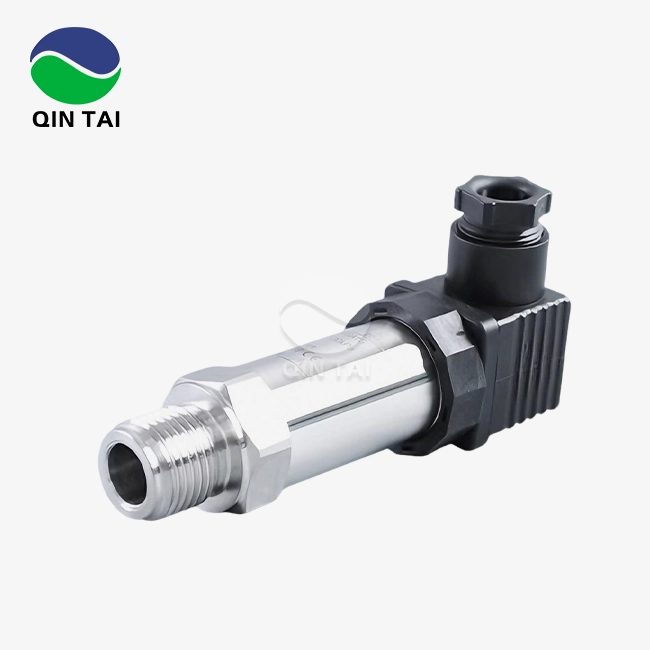
A DEF pressure sensor checks the state of diesel exhaust fluid in selective catalytic reduction (SCR) systems. It does this by turning changes in pressure into electrical signals that the vehicle's control units can understand. When these sensors don't work right, warning lights on the dashboard come on, engines slow down, and emissions standards aren't met. This has a direct effect on fleet downtime and running costs. Figuring out why DEF pressure sensor fails and taking quick steps to fix the problem saves expensive heavy-duty equipment while following the rules. This guide shows buying workers and maintenance teams the important steps for diagnosing problems, fixing them, and choosing the right parts to make sure the system works well.
Understanding DEF Pressure Sensor Failures
Modern commercial cars depend on accurate pressure tracking for the diesel exhaust fluid system to work at its best and meet strict pollution standards set by environmental groups. The important input device in this closed-loop system is the DEF pressure sensor.
Primary Functions of DEF Pressure Sensors
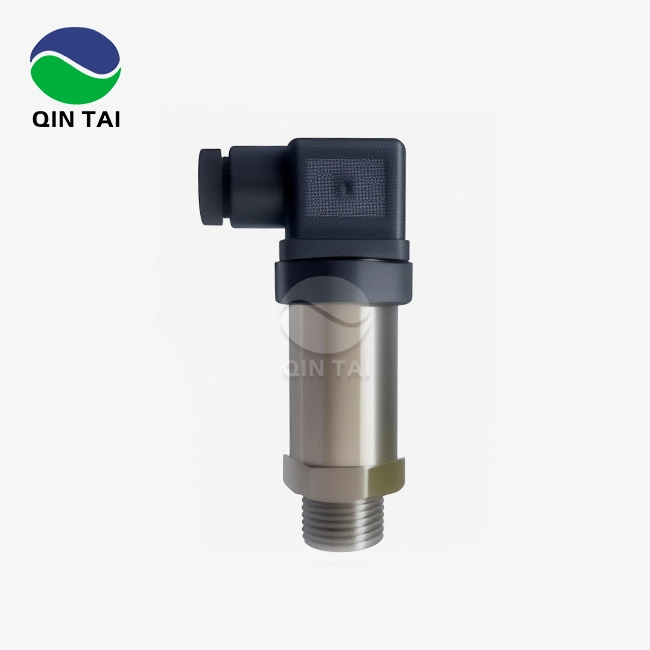
These sensors constantly check the pressure of the fluid in DEF tanks and supply lines. The pressure can be anywhere from 0 to 10 bar, based on how the system is set up. The sensor changes the mechanical pressure into voltage signs that the engine control unit (ECU) compares to limits that have already been set. Keeping accurate pressure readings is important for making sure that the dosing module atomizes DEF correctly, which has a direct effect on how well NOx is reduced. When pressure drops below certain levels, the ECU either changes how the pump works or sends out trouble codes that let workers know something is wrong with the system before it breaks down completely.
Common Failure Symptoms
Maintenance teams can stop small problems before they get worse and cost a lot to fix if they can spot early warning signs. When sensor data are out of the normal range, dashboard warning lights for the SCR system turn on. Sensor signals that come and go make gauges act erratically, which makes it hard for technicians to figure out what the problem is. When the ECU gets bad pressure data, some cars go into limp mode or power derating, which lowers engine output to protect parts that do exhaust aftertreatment. During regular scans, diagnostic trouble codes (DTCs) like P20E8 or P20EE that are linked to DEF pressure sensor circuits show up. These codes show that the sensor may be failing or getting worse.
Typical Sensor Locations and Wiring Configurations
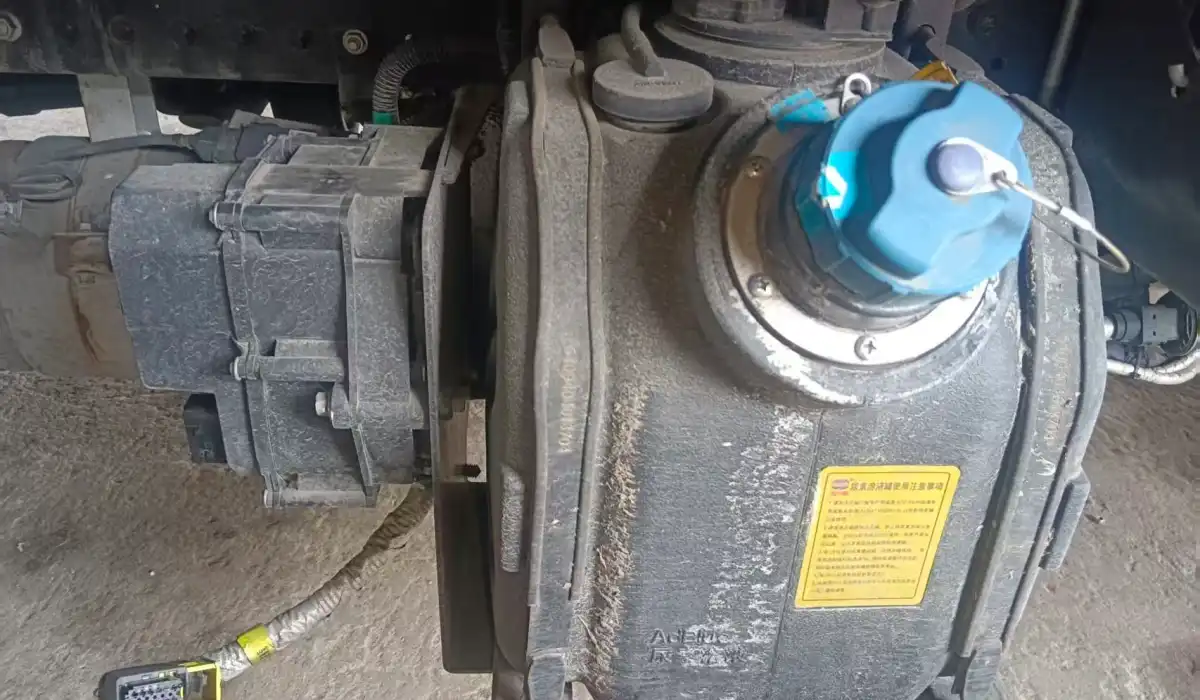
For the most part, heavy-duty trucks put the DEF pressure sensor right on the tank or in the supply module assembly, close to the filling unit. This clever placement lets you check the fluid conditions in real time, before DEF goes into the pumping system. Standard wiring connections link the sensor to the ECU using three or four wires, which are used for power, ground, signal output, and sometimes a diagnostic communication line. When technicians are fixing, knowing how these setups work helps them tell the difference between electrical problems and mechanical sensor failures.
Root Causes of DEF Pressure Sensor Failures
Figuring out why sensors fail lets buying teams choose parts that will last longer and helps maintenance teams use preventative measures that make service gaps longer.
Environmental Stressors
Heavy-duty cars work in tough situations that speed up the wear and tear on sensors. Temperature changes from -40°F to 150°F are hard on sensor covers and materials, causing mismatches in thermal expansion that make measurements less accurate over time. Electrical links and diaphragm parts inside the sensor body get worn out over time by vibrations from the road and the engine.
Due to its urea content, DEF fluid is acidic, and sensor housings and internal parts that are exposed to it for a long time will slowly break down. DEF pressure sensor failure is often accelerated by this corrosive environment, as the component is directly exposed to the fluid. Contamination from particulates in low-quality DEF speeds up breakdown even more by depositing crystals on sensor elements.
Electrical Problems
One of the most common reasons why sensors don't work is harm to the wiring system. Wire insulation breaks down because of rodents, car parts being scratched, and chemicals in the road. This can cause short circuits or open circuits that stop signals from being sent. Connector rust happens when water gets into sealed joints. This raises the contact resistance and causes voltage drops that the ECU thinks are changes in pressure. Occasionally, signal noise from nearby electrical systems causes electromagnetic interference that messes up sensor data. This is especially true in cars with aftermarket electronics that aren't properly shielded.
Manufacturing and Calibration Issues
Inconsistencies in production make it hard to tell which lots of sensors will work reliably. When there isn't enough quality control during assembly, bad parts get into the supply chain and break soon after they are installed. As sensors get older, they naturally lose their calibration, which leads to measurement mistakes that build up until numbers are very different from the real pressure values. Some aftermarket sensors don't follow the strict calibration rules that OEM parts do, so they work okay at first but lose their accuracy over the course of their planned service life. These risks are greatly reduced when procurement professionals only work with certified sellers.
Step-by-Step Guide to Diagnosing and Fixing DEF Pressure Sensor Issues
By quickly finding broken parts and figuring out whether repair or replacement is the most cost-effective option, systematic diagnostic processes cut down on downtime. Using an organized method keeps you from replacing parts that aren't needed and lowers the cost of diagnostic work.
Initial Visual Inspection and Wiring Assessment
First, check the sensor case for physical damage like cracks, rust, or a growth of crystalline DEF around the connection points. Along the whole length of the wiring chain, look for worn-down insulation, pinched wires, or signs of heat damage near the exhaust parts. Check the pins of the connectors for rust, bent connections, or water that could damage the electrical continuity. This first look often shows clear issues that technicians can fix without needing any special tools for diagnosis. Many intermittent sensor problems can be fixed by using electrical contact cleaner to clean rusted links and making sure that connections are secure.
Deploying Diagnostic Tools
Connect a diagnostic reader that can read manufacturer-specific DTCs and live data streams after making sure the wiring is correct. Keep an eye on the pressure values in real time while the DEF system goes through its normal routine. Check the output voltages of sensors against the specs given in service guides. Usually, sensors produce between 0.5V and 4.5V, which is their pressure range. Check the ground continuity at the sensor socket with a multimeter to make sure the power source voltage (usually 5V reference) is correct. Finding internal short circuits or open sensing elements is easier when you measure the resistance between the sensor connections. An oscilloscope study shows signal quality problems like too much noise or unstable voltage patterns that show sensors are failing.
Calibration Methods and Frequency
Some high-tech troubleshooting tools have sensor calibration features that change the starting point values and make measurements more accurate without having to replace any parts. However, the ability to calibrate depends on the type of sensor used. For example, many DEF pressure sensors have a set factory calibration that can't be changed in the field. Manufacturers usually suggest checking the calibration every time the machine is serviced or whenever a DTC shows that there are ongoing pressure differences. Sensors that slowly lose their calibration often still work properly as long as the data stay within acceptable error ranges. This lets maintenance teams schedule replacements for scheduled breaks instead of having to make fixes right away.
Repair Versus Replacement Decision Criteria
Several things affect whether fixing problems with the wires is enough or whether the whole sensor needs to be replaced. Damaged sensors or sensors with electrical problems inside need to be replaced because repairs rarely bring them back to working properly. When diagnostic testing finds problems with the wiring or connectors and the sensor itself tests within the acceptable range, focused fixes provide quick and cheap solutions. Budget limits and the age of the car are also important.
For younger fleet assets, it makes sense to buy high-quality OEM sensors, while older vehicles that are getting close to retirement should use cheaper aftermarket options. When looking for replacement sensors, procurement managers should look at the guarantee coverage and seller support because these services have a big effect on the total cost of ownership. Official OEM parts from authorized dealers can be tracked back to the manufacturer, making sure that the parts will work with your system and last a long time, which isn't always the case with generic options.

SENSOR+TEST, June 9 – 11, 2026
We look forward to your visit,warmly welcome to our booth 1-526!
Get your free ticket online now:
https://www.sensor-test.de/service/ticket/?52790
Comparing DEF Pressure Sensors: Features and Procurement Considerations
When choosing the right sensors, you have to compare technical specs to practical needs and find a balance between performance factors and buying limits like budgets and wait times.
Key Technical Attributes
How accurately the sensor tells the real pressure is based on measurement accuracy. High-quality units stay within ±2% of accuracy throughout their entire working range. Compared to analog voltage output sensors, digital communication methods like CAN bus allow for more advanced diagnostics and real-time data storage. The sensitivity specs tell you the smallest change in pressure that the sensor can consistently pick up. This changes how responsive the system is to changing working conditions. Ratings for environmental longevity show how well something can handle high and low temperatures, vibration, and corrosive fluids. These are important things to look at for off-road vehicles that work in difficult conditions.
Compatibility and Integration
Making sure that the sensor works with a certain make, model, and year of the car avoids problems during installation and makes sure that the ECU can talk to the sensor properly. Connector types change from brand to brand, so you need to make sure you have the right one or use an adapter harness that could fail. The pressure range specifications must match the design of the system. If you put a sensor that is designed for a lower maximum pressure than the system's working pressure, you could get wrong readings or damage parts. Thread sizes, mounting options, and actual measurements all affect whether sensors can be used in current systems without needing to be changed.
Brand Comparisons and Performance Metrics
Leading makers have built their names on consistent quality and a wide range of applications. Honeywell sensors are built to last and can be used in demanding situations. They come with a lot of scientific information to help with the merging process. Bosch uses its knowledge of car tech to make sensors that have been shown to work reliably in both passenger and commercial vehicle systems. DEF pressure sensor is one example of a specialized component that benefits from such engineering rigor.
Sensata products focus on advanced signal processing that blocks out background noise and provides accurate readings in setups that require a lot of electricity. Independent testing data released in industry journals shows that different brands have different failure rates. For example, the average time between failures for top makers is over 100,000 hours of normal use. Customer reviews from fleet owners give real-world information about performance, showing which sensors stay accurate over long service intervals and which lose their accuracy too soon.
Procurement Best Practices
Buying parts from approved distributors makes sure you get real parts that are backed by manufacturer warranties that cover flaws and early failures. Verified sources keep sensors in the right way so they don't lose their integrity before they are installed. This is especially important for units that don't last long because the seals break down. When trying to keep fleet downtime to a minimum, competitive lead times become very important. Distributors who keep goods in-stock locally deliver faster than those who depend on foreign shipments.
After the sale, expert support helps with questions about installation and debugging, which is worth more than the cost of the part itself. Bulk purchase deals with bulk savings make buying cheaper and make sure that big fleet operations can keep getting supplies for a lot of the same vehicles.
Preventive Measures to Avoid DEF Pressure Sensor Failures
Preventative maintenance plans lower the number of surprise breakdowns and increase the service life of parts. This leads to higher fleet uptime and lower lifecycle costs, which can be measured.
Routine Maintenance and Inspection Protocols
Technicians can find possible problems before they cause system failures by setting up regular inspection plans. Visual checks of sensor housings, wire harnesses, and contacts every three months find corrosion or physical damage early on. Regular checking of DEF fluid quality keeps contaminated fluid from hurting sensors. Fluid that shows crystallization, discoloration, or too many particles should be changed right away. Cleaning the places where sensors are mounted as part of regular maintenance gets rid of buildups that could get in the way of proper closing or heat transfer. When inspection results are written down, maintenance histories are made that show trends that point to widespread problems that need to be fixed.
Upgrading to Enhanced Sensor Technologies
Newer sensor designs have built-in self-diagnostic features that find problems inside the sensor and notify workers before it completely fails. Temperature compensation algorithms change data based on the surroundings, so they stay accurate over a wider range of conditions than past sensor generations. Better seal designs using new elastomers prevent DEF rust better, so they last longer before they need to be replaced. By investing in these new technologies during planned component updates, fleet assets can be brought up to date slowly and with little impact on operations.
Technician Training and Skill Development
Giving maintenance staff a wide range of fixing skills speeds up fault finding and raises the quality of repairs. Training programs that teach how to use troubleshooting tools, operate DEF systems, and properly place sensors cut down on mistakes that lead to repeated failures. Knowing the basics of electricity helps technicians tell the difference between sensor problems and wiring issues, which keeps them from having to replace parts that don't need to be replaced. Setting up standard operating procedures for sensor-related diagnostics makes sure that all technicians and site locations use the same methods.
Data Analytics for Predictive Maintenance
Predictive repair plans that set up replacements before they break down are made possible by fleet management systems that collect data on sensor performance. Trends in pressure data, calibration shift rates, and the number of DTC events can be used to find sensors that are getting close to the end of their useful life. By connecting sensor failures to how the car is used, we can find out if certain job cycles or weather exposures speed up wear. This helps buyers make decisions about what sensors to buy. By turning reactive maintenance into planned service events that are in line with business planning, predictive analytics cut down on the costs of emergency repairs and unexpected downtime.
Conclusion
In heavy-duty truck operations, the reliability of DEF pressure sensors has a direct effect on fleet efficiency, emissions compliance, and maintenance costs. Understanding how things break down, like environmental factors, electrical problems, and differences in how they were made, helps buying workers and maintenance teams choose long-lasting parts and set up good diagnosis processes. Systematic troubleshooting methods that use eye checks, advanced diagnostic tools, and well-informed choices about whether to repair or replace something reduce downtime and keep costs low.
Comparing sensor technologies based on how accurate their measurements are, how well they can communicate, and how long they last in different environments helps users choose the best parts for their needs. Routine checks, fluid quality management, and predictive maintenance analytics are all examples of preventative strategies that can help sensors last longer and break down less often. Companies build strong supply chains that keep fleets running well and in line with regulations by working with reputable sources that offer original parts, expert support, and good business terms.
FAQ
How often should DEF pressure sensors be calibrated?
Most DEF pressure sensors are calibrated at the plant and can't be changed in the field. Readings are checked to make sure they stay within the acceptable range at big service intervals, which are usually every 100,000 miles or once a year. If sensors keep drifting out of range beyond what is reasonable, they need to be replaced instead of being recalibrated.
What are typical replacement costs for DEF pressure sensors?
OEM sensors cost between $150 and $400, based on the type of car and the brand. Aftermarket options cost between $80 and $200, but they might not last as long or come with as good of a guarantee as genuine parts. For simple substitutes, labor costs add $100 to $200. These costs go up if diagnostic work or wiring fixes are needed.
Can sensor failure cause emissions compliance issues?
Of course. When sensors don't work right, they stop the right amount of DEF from being added, which lowers the NOx conversion rate below legal limits. Vehicles might fail pollution tests or set off on-board diagnostic tracking that tells the authorities that the rules aren't being followed. This could lead to fines and limits on driving until the system is fixed.
Partner With Qintai for Reliable DEF Pressure Sensor Solutions
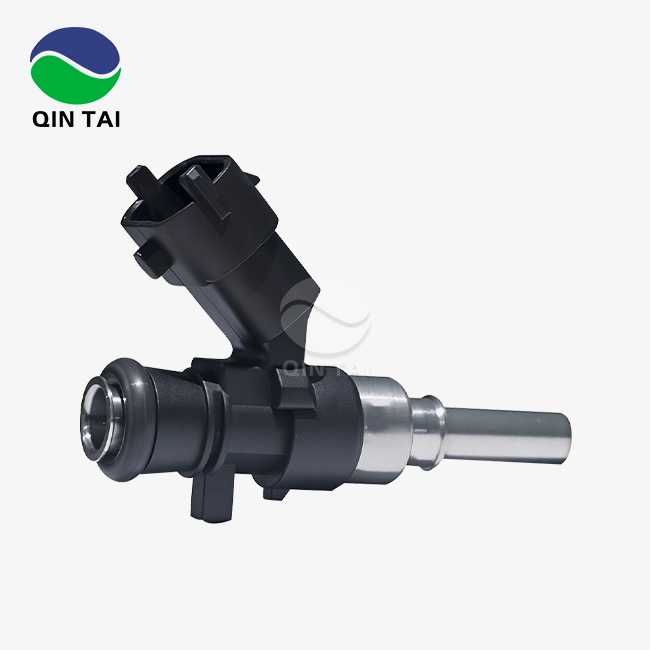
Qintai specializes in pressure sensing systems that are carefully developed and manufactured to meet the needs of challenging commercial vehicle uses. Our large store has DEF pressure sensors from top manufacturers. These sensors are compatible with a wide range of heavy-duty systems and meet strict quality standards. As a well-known provider of DEF pressure sensors, we keep a large collection on hand to cut down on wait times and keep your fleet running.
Before it ships, every part goes through a lot of tests. You can get help from our technical support team at info@qt-sensor.com or through the manufacturer's warranty. Fleet owners who manage multiple units can get reasonable prices through bulk buying programs, and sample evaluation lets you confirm that the sensor works well in your specific application setting. Get in touch with our experts right away to talk about your needs and find out how Qintai's buying knowledge can improve your maintenance strategy with confidence and measurable results.
References
1. Society of Automotive Engineers. "Recommended Practice for Diesel Exhaust Fluid Pressure Sensor Performance Standards." SAE Technical Paper Series J2912, 2019.
2. Environmental Protection Agency. "Heavy-Duty On-Board Diagnostics: Requirements for Diesel Exhaust Fluid System Monitoring." EPA-420-R-18-003, 2018.
3. Anderson, K.M. & Stevens, R.J. "Failure Mode Analysis of SCR System Pressure Sensors in Commercial Vehicles." Journal of Automotive Engineering Technology, Vol. 47, No. 3, 2021, pp. 189-204.
4. International Organization for Standardization. "Road Vehicles – Pressure Sensor Specifications for Urea-Based SCR Systems." ISO 22241-6:2020.
5. Technology & Maintenance Council. "Best Practices for Diesel Exhaust Fluid System Maintenance and Diagnostics." TMC Recommended Practice RP356A, American Trucking Associations, 2022.
6. Chen, L., Martinez, P., & Williams, D. "Long-Term Reliability Assessment of Pressure Transducers in Corrosive Fluid Applications." Sensors and Actuators: Physical Applications, Vol. 298, 2020, pp. 111-125.

Our customers’ satisfaction speaks for our quality — contact us to experience the same reliable service.