- English
- French
- German
- Portuguese
- Spanish
- Russian
- Japanese
- Korean
- Arabic
- Greek
- German
- Turkish
- Italian
- Danish
- Romanian
- Indonesian
- Czech
- Afrikaans
- Swedish
- Polish
- Basque
- Catalan
- Esperanto
- Hindi
- Lao
- Albanian
- Amharic
- Armenian
- Azerbaijani
- Belarusian
- Bengali
- Bosnian
- Bulgarian
- Cebuano
- Chichewa
- Corsican
- Croatian
- Dutch
- Estonian
- Filipino
- Finnish
- Frisian
- Galician
- Georgian
- Gujarati
- Haitian
- Hausa
- Hawaiian
- Hebrew
- Hmong
- Hungarian
- Icelandic
- Igbo
- Javanese
- Kannada
- Kazakh
- Khmer
- Kurdish
- Kyrgyz
- Latin
- Latvian
- Lithuanian
- Luxembou..
- Macedonian
- Malagasy
- Malay
- Malayalam
- Maltese
- Maori
- Marathi
- Mongolian
- Burmese
- Nepali
- Norwegian
- Pashto
- Persian
- Punjabi
- Serbian
- Sesotho
- Sinhala
- Slovak
- Slovenian
- Somali
- Samoan
- Scots Gaelic
- Shona
- Sindhi
- Sundanese
- Swahili
- Tajik
- Tamil
- Telugu
- Thai
- Ukrainian
- Urdu
- Uzbek
- Vietnamese
- Welsh
- Xhosa
- Yiddish
- Yoruba
- Zulu
How Does Urea Solution Work In The Truck?
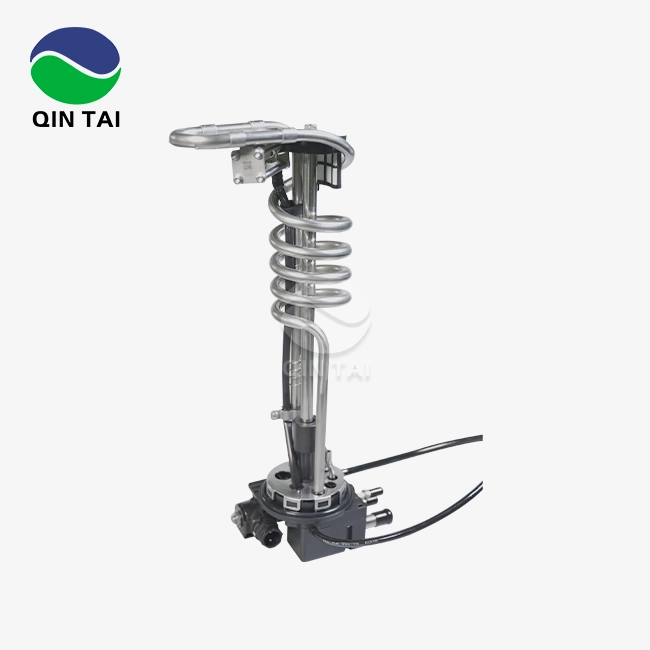
Through Selective Catalytic Reduction (SCR) technology, diesel exhaust fluid, also known as AdBlue or urea solution, changes dangerous nitrogen oxides (NOx) into safe nitrogen and water vapor. The urea solution is kept in a special tank inside the truck. It is then sent to the exhaust system by a dosing pump, where it mixes with hot exhaust gases. The urea pressure sensor is an important part of this process because it constantly checks the pressure in the line between the pump and injection. This real-time input makes sure that the right amount of fuel is used, that the pressure doesn't get too high, and that the SCR control unit is aware of any leaks or problems in the system. This keeps the emissions under control and the engine running at its best.
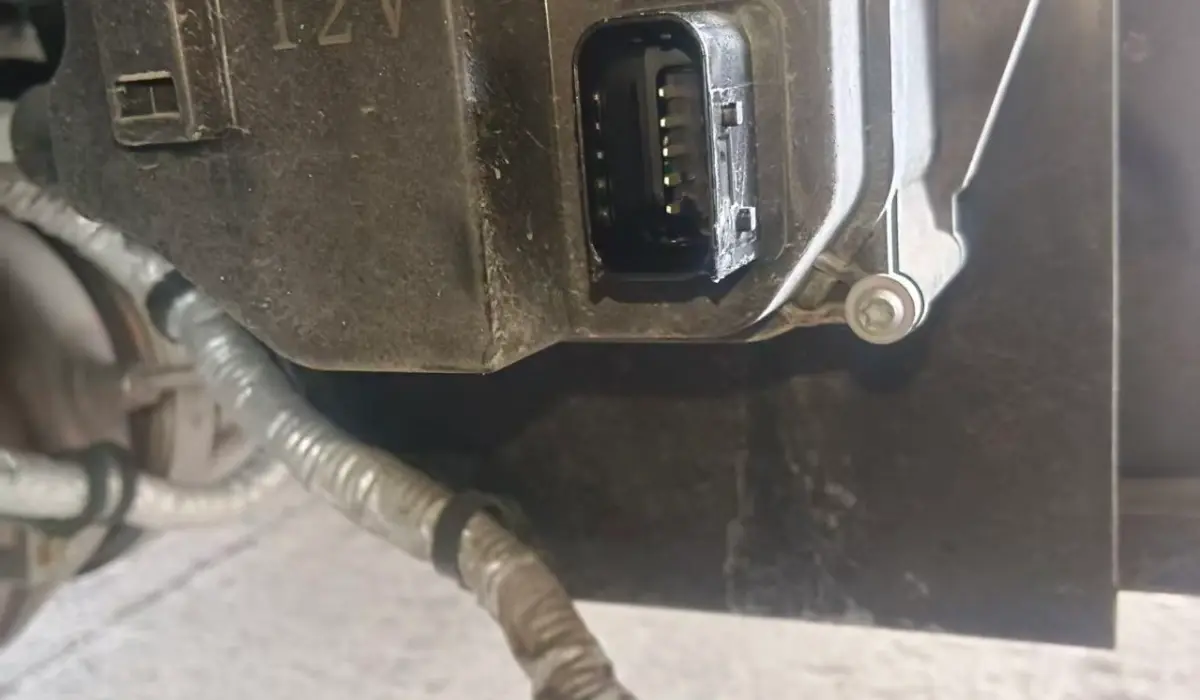
Understanding the Role of Urea Solution in Modern Trucks
The car business is under more pressure than ever to meet strict emission rules. The Environmental Protection Agency (EPA) in the US sets strict NOx pollution limits for heavy-duty diesel engines. These rules are very similar to the Euro VI standards that are used around the world. It has become clear that diesel exhaust fluid is the best way to meet regulations without losing fuel economy or engine life.
What Is Diesel Exhaust Fluid and Why Does It Matter?
Diesel exhaust fluid is made up of 67.5% deionized water and 32.5% high-purity urea. This exact recipe is not made up on the spot; it refers to the eutectic point, the point at which the solution stays stable over a wide range of temperatures and doesn't crystallize under normal working conditions. When the urea is added to the exhaust stream, the heat breaks it down into ammonia. The ammonia then mixes with NOx in the SCR catalyst to make nitrogen and water.
There are big benefits for the environment. Industry research shows that SCR technology can cut NOx pollution by as much as 90%, making it the best aftertreatment option available. In addition to following the rules, using DEF correctly makes motors more fuel efficient by letting them run at higher temperatures, which increases power while reducing particulate matter.
The SCR System Architecture and Component Integration
To understand how urea solution works, you need to know about the whole SCR system. The pump and syringes are inside the dosing module, which works with temperature sensors, NOx sensors, and pressure measuring devices. The engine control unit (ECU) gets information from these sensors and figures out the exact amount of DEF that is needed by looking at the NOx percentage, exhaust temperature, and engine load.
A lot of integration problems happen at the sensor level. Pressure tracking devices have to be able to handle being exposed to urea, which is toxic, temperatures ranging from -11°C to 70°C, and the mechanical shaking that comes with heavy-duty use. It's very important to choose the right materials. Housings made of stainless steel and special diaphragm seals protect the electronics while keeping the accuracy of the measurements over millions of injection cycles.
How Does a Urea Pressure Sensor Work?
The pressure tracking part of SCR systems is a complex use of sensor technology that has been made to work in harsh car settings. These gadgets do more than just measure pressure; they also protect the security of the system and help it work better.
Core Operating Principles and Sensor Technologies
Piezoresistive or capacitive detecting elements are often used in modern dosing pressure sensors. Piezoresistive sensors use strain gauges built into a silicon plate that bends when pressure is put on it. This changes the electrical resistance based on the force that is being applied. Capacitive sensors are able to tell when the capacitance between two plates changes because of pressure. One plate moves relative to the other plate.
Choosing between analog and digital output types has a big effect on how the system is built. The ECU has to figure out what the steady voltage signals from analog sensors mean. Digital sensors with built-in microprocessors send standardized pressure readings through CAN bus protocols, which lowers signal noise and lets the sensors do more advanced diagnostics. Digital sensors can keep data about calibration, test themselves, and send problem codes straight to the car's diagnostic system.
In some situations, wireless sensor technology is starting to be used, but wired links are still the most common because they are more reliable and use less power. There are some special problems with wireless communication in the car setting, like electromagnetic interference from engine parts and the need for constant real-time data with no latency.
Installation Best Practices and Maintenance Protocols
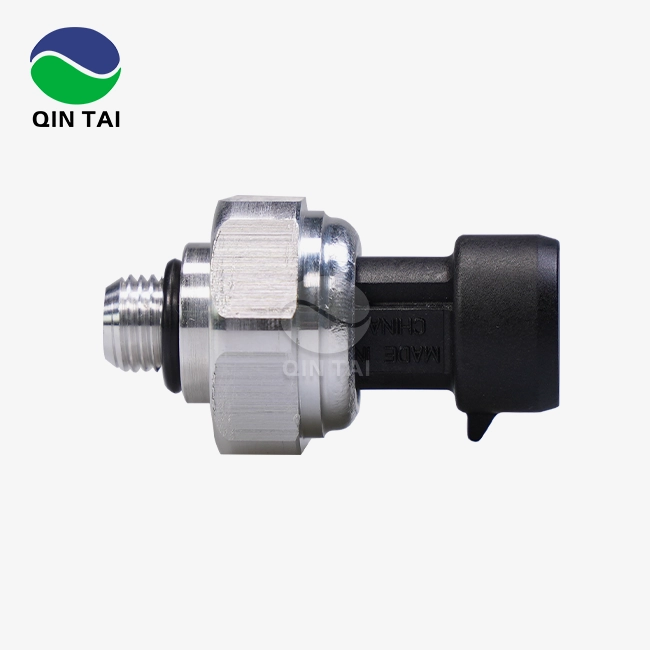
Installing sensors correctly has a direct effect on how accurate measurements are and how long they last. The urea pressure sensor should be put in the line that goes from the dosing pump to the injector. The measuring element should be placed so that air pockets don't get stuck. Orientation is important—many sensors need to be mounted at a certain angle to keep crystals from building up on the diaphragm. It's important to stick to the torque specs; too much torque can damage the sensor body, and too little torque can cause leaks.
Regular repair keeps sensors working longer and stops expensive system breakdowns. Checking the output signs to make sure they match known pressure standards should be done once a year or as directed by the maker. As part of the cleaning process, deionized water is used to flush the system and remove urea crystal deposits. This is especially important for cars that operate in cold areas where freeze-thaw cycles speed up crystallization. When looking at the sensor housing visually, you should look for rust at the electrical connections and damage to the housing itself.
Environmental factors have a big effect on how well sensors work. Both the viscosity of the urea solution and the electronics in the sensor are affected by changes in temperature. Good sensors have temperature compensation methods built in, but if it gets too cold, the DEF can freeze, so you need warm dosing systems and sensors that don't get damaged by temperature changes. Diesel fuel or water can contaminate urea, which can cause pressure numbers to be all over the place and even cause sensors to fail.
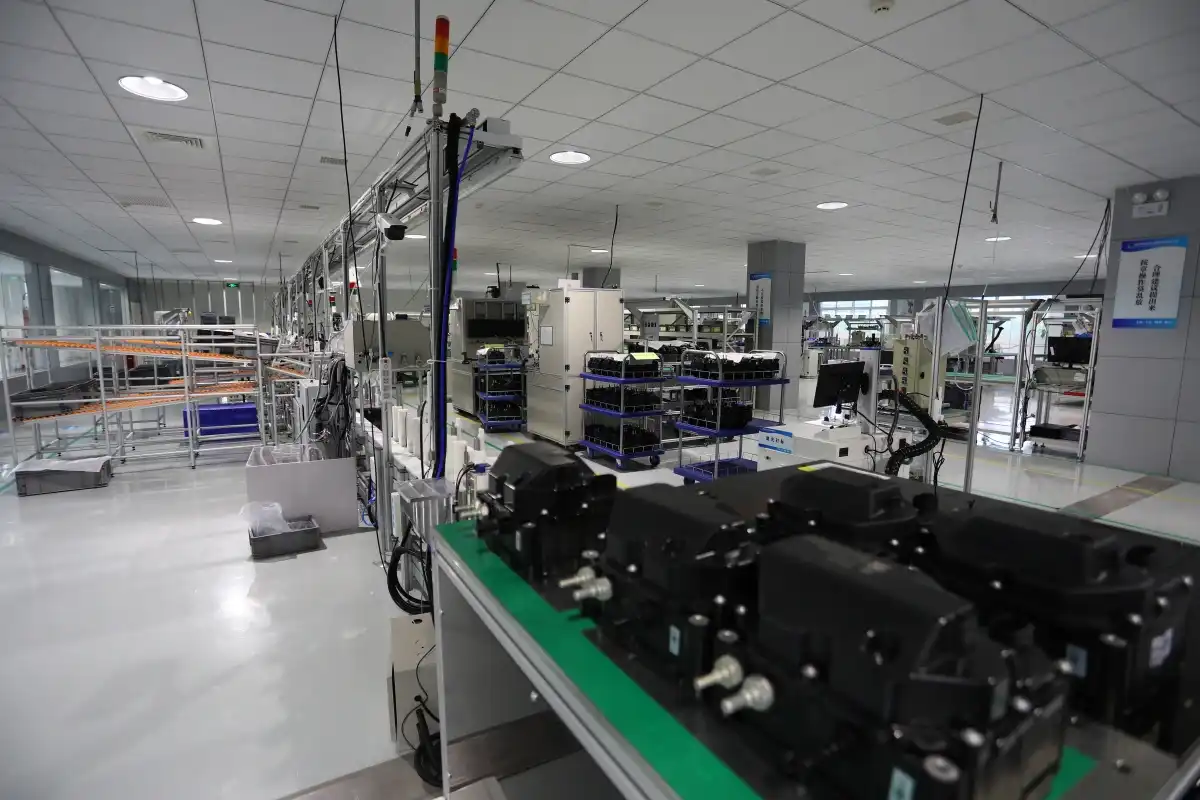
Comparing Urea Pressure Sensors: Making the Right Choice for Your Fleet
When choosing the right pressure tracking parts, you have to think about technical specs, cost, and how reliable they will be in the long term. The choice affects not only the starting cost of the system, but also the costs of repairs, warranty claims, and car uptime over the life of the equipment.
Key Performance Characteristics and Brand Comparisons
The basic requirement is the pressure range. Most car SCR systems work between 3 and 10 bar, but sensors tuned to 15 bar may be needed for high-flow situations. For good devices, accuracy is usually within ±2% of full scale, which is good enough for controlling doses. Response time is important when moving in dynamic situations where the load changes quickly and DEF injection rates need to be changed right away.
The biggest producers deal with these problems in different ways. Bosch focuses on strong engineering design using tested automotive-grade materials, and their sensors work well with the rest of their SCR system. Continental focuses on high-tech gadgets that use complex data processing to make diagnostics easier. Denso has experience from working in the heavy-duty business, where long-lasting performance in harsh situations is very important. Knowing about these design ideas helps you match sensors to the needs of a specific application.
There are different pros and cons to both wired and cellular setups. Wired sensors are reliable and have low lag. They get their power from the car's electrical system, so you don't have to worry about the battery. Routing rules make installation more difficult, but fixing is easy when there are direct electrical links. Wireless sensors are easier to install in upgrade situations and can be put in places where wiring isn't possible. However, they can't always communicate properly and need to have their batteries topped off or energy collected on a regular basis.
Temperature Sensors and Pressure Sensors: Complementary Technologies
While both types of sensors are very important for managing SCRs, they do different things and face different problems. Temperature sensors check the state of the DEF and the temperature of the exhaust gas. This tells the control strategy when the best time is to add the fuel. The urea pressure sensor makes sure there is enough flow and finds leaks or blockages. A well-thought-out system combines both types of sensors and uses the information they give to precisely control emissions.
Response traits are very different. Most temperature sensors have thermal lag, which means it takes seconds for them to pick up changes. Pressure sensors, on the other hand, respond almost instantly to changes in flow. This difference in timing affects control algorithms, which have to take into account the time it takes for temperature sensors to confirm proper vaporization in the exhaust stream after changes in pressure show that demand has risen.
Procurement Guide for Urea Pressure Sensors
Choosing a supplier affects more than just the unit price. It also affects the total cost of ownership, how reliable the supplier is, and how easy it is to get professional help. Supply chain experts and procurement managers have to look at a lot of different factors to find relationships that will help their businesses succeed in the long run.
Evaluating Suppliers and Certification Requirements
Standards for certification are the basis for evaluating suppliers. ISO 9001 shows basic quality management skills, while IATF 16949 focuses on the needs of the automotive industry, covering things like process control, traceability, and procedures for ongoing growth. If the product is meant for a certain market, it may need extra licenses like EPA approval or CARB compliance for emission-critical parts.
Automotive-grade urea pressure sensor units cost between $45 and $120 each in 2024, based on how complicated the technology is, the output format, and the number of units ordered. The cheaper analog sensors only do basic things, while the more expensive digital sensors that have built-in diagnostics and CAN bus connection charge a lot more. When you buy more than 500 units, you can get big volume discounts. For example, some manufacturers offer 15–25% discounts for yearly contracts that include more than 5,000 units.
Lead times are very different between providers. Standard requirements can be met in two to four weeks by well-known makers with local stock, but custom configurations or special materials may take eight to twelve weeks. For production planning to work, it's important to build smart inventory gaps, especially when buying from other countries or when the supply chain is interrupted.
Warranty Policies and After-Sales Support Structure
The terms of the warranty show how confident the maker is in the product's trustworthiness and have a big effect on the total cost of ownership. Most standard guarantees last for 12 to 24 months or 150,000 miles, whichever comes first. Premium goods may come with longer guarantee periods, which can go up to 5 years in stationary uses like generator sets where conditions are more closely monitored.
When troubleshooting complicated system interactions, sellers are differentiated by how quickly they respond to technical help requests. Leading makers have specialized engineering teams that can be reached by phone, email, or web portals. These teams can help with installation issues, troubleshooting, and problems with integrating their products. Response time goals should be set during contract talks. For important issues, the best practice in the industry is to acknowledge them the same day and solve them within 72 hours.
For international fleet owners or OEMs that make things all over the world, being able to ship goods all over the world is important. Logistics costs and shipping times can be cut by suppliers with warehouses in North America, Europe, and Asia. These suppliers can also offer technical help in local languages and time zones. Customs paperwork knowledge keeps things running smoothly at international borders, which is especially important for goods that contain materials that can't be brought in from other countries.
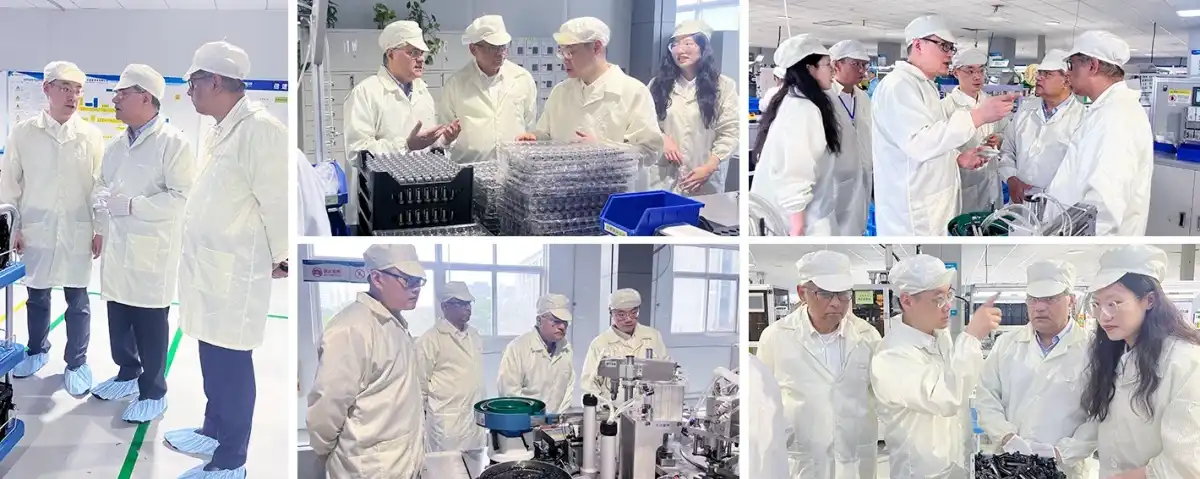
Troubleshooting Common Issues and Ensuring Longevity
Even with good parts and proper installation, SCR systems sometimes break down, which needs testing skills and organized ways to fix the problem. Understanding common failure causes speeds up the repair process and cuts down on car downtime.
Identifying Faulty Sensor Symptoms and Diagnostic Procedures
When pressure levels are off, they often show up as changing gauge numbers or inconsistent DEF usage rates. The ECU might record trouble codes that show urea pressure sensor range mistakes or signal conditions that don't make sense. Before rejecting the sensor, mechanics should check the electrical links for corrosion or loose wires. Measuring the resistance between the sensor's inputs can make sure that the electrical connection is correct, and testing the voltage output under known pressure conditions can make sure that the sensor works.
System warning messages about low DEF pressure even though the tank has enough DEF hint that there are blockages between the tank and injector. The most common reason is crystallization in the supply lines or filters. This happens most often when cars sit still for a long time, letting leftover urea dry out and harden. Usually, these problems can be fixed by flushing the system with warm deionized water instead of replacing parts. If the pressure stays low after flushing, the dose pump may have broken and needs to be replaced along with checking the sensors.
Complete sensor failure typically triggers warning lights and may activate engine derate strategies to enforce emission compliance. Today's troubleshooting tools can read sensor data streams in real time and compare actual pressure readings to values that should be there based on pump speed and injection directions. A big difference in readings means that a sensor isn't working right, but workers have to make sure that the pressure problems aren't really caused by technical problems before they replace the sensors.
Proactive Maintenance Strategies and Real-World Performance Data
The correctness of a urea pressure sensor lasts longer as long as it is regularly calibrated and checked. Field calibration isn't always possible for car sensors, but drift can be found by comparing them to known standards during regular maintenance checks, before they cause problems. Many automakers say that the sensors should be checked every 12 months or 100,000 miles, and the ECU correction factors should be changed if the differences are within acceptable ranges. If the mistakes are too high, the sensors should be replaced.
Cleaning rules stop damage from buildup. Using deionized water to flush the system once a month gets rid of any urea that is still in the feed lines, filters, and sensor ports. When working in cold weather, extra care needs to be taken. For example, heating dose systems should be checked to make sure they work before winter, and DEF tanks should be kept above half-full to keep them from absorbing water, which speeds up the freezing process.
To protect against mechanical damage, you need to look for signs of vibration fatigue or contact damage in the mounting mounts and supply lines. Sensors that are placed close to suspension parts or in weak spots on the chassis can be protected by covers or moved to safer places. Electrical connectors need to be checked for moisture entry on a regular basis, and corrosion can be avoided in harsh settings by applying dielectric grease.
A major fleet provider saw big gains after they started doing full maintenance on their sensors. Before the program, sensors were failing at a rate of about 8% per year, and each failure cost about $350 in parts and work and caused $180 in lost time. Failure rates dropped to 2.5% after they set up quarterly inspections and yearly verification processes. This cut their annual repair costs by over $47,000 across their 200-car fleet. More importantly, pollution compliance got better. Over two years, the number of NOx test fails dropped from 12 to 2.

SENSOR+TEST, June 9 – 11, 2026
We look forward to your visit,warmly welcome to our booth 1-526!
Get your free ticket online now:
https://www.sensor-test.de/service/ticket/?52790
Conclusion
The best way to lower NOx pollution from diesel engines is to use urea solution technology, which relies on components like the urea pressure sensor to let them follow stricter environmental rules while keeping engine performance and fuel economy the same. The pressure tracking parts in SCR systems make sure that the right amount of DEF is used, that the system stays intact, and that it works well for a long time. When procurement managers, engineers, and fleet workers know how sensors work, how to choose the right ones, and how to keep them in good shape, they can make choices that are better for the environment and the bottom line. As emission standards change and technology improves, it will still be important for fleet operations to invest in high-quality parts and set up strong repair schedules.
FAQ
What happens if the urea pressure sensor fails in a diesel truck?
When a urea pressure sensor fails, the engine usually sends out warning lights and may use torque derate techniques to limit the vehicle's efficiency in order to meet emission standards. Either the ECU doesn't get a signal or it gets data that doesn't make sense, which stops correct DEF doses. This leads to more NOx being released into the air, which could be against the law, and in the worst cases, the engine could be shut down. Diagnostic work needs to be done right away to confirm the sensor fault and get the SCR working properly again before emission levels go over legal limits.
How often should urea pressure sensors be replaced?
Under normal conditions, good sensors should last between 150,000 and 200,000 miles. However, tough settings or dirty DEF can shorten this lifespan. Instead of changing sensors based on how long they've been used, most maintenance programs replace them based on their state. Sensors are replaced when diagnostic tests show that their accuracy is decreasing or when fault codes show that an electrical or mechanical failure has occurred. Every year, verification checks help find sensors that are getting close to the end of their useful lives before they break. This way, they can be replaced during regular maintenance, instead of having to be fixed on the side of the road, which can be expensive.
Can I use any brand of urea pressure sensor in my SCR system?
Even though replacement sensors might fit mechanically, connectivity goes beyond that. The electrical specs, outgoing signal formats, and calibration factors must all match what the ECU expects. Using sensors that haven't been allowed can lead to contact problems, wrong dosing, and problems with the guarantee on other parts of the system. OEM-approved sensors or sensors that meet specific technical standards for your car model will work well and be easy to install. Before replacing parts, you should always check the manufacturer's instructions.
Partner with Qintai for Reliable SCR Solutions
Qintai Automotive Emission Technology Co., Ltd. has worked with SCR aftertreatment systems and precision sensors for more than twenty years and brings that knowledge to the world diesel engine business. We are the leading urea pressure sensor supplier in China, and some of the biggest OEMs we work with are Weichai Power, Yuchai Power, and Quanchai Power. We provide parts that meet the strictest emission standards, from China VI to Euro VI and EPA rules.
Our independent research and development team has been awarded 58 idea patents and is always working to improve sensor technology to make it more accurate, long-lasting, and able to adapt to different environments. Our dedication to quality and following the rules is shown by our many certificates, such as ISO9001, IATF16949, REACH, and RoHS. We offer OEM/ODM services that are open and can be customized to fit your needs, whether you need them for heavy trucks, building equipment, farm equipment, or generator sets.
We have a foothold in more than 60 countries around the world, thanks to quick expert help and effective logistics networks. Contact Qintai at info@qt-sensor.com if you need a urea pressure sensor manufacturer that offers low prices, reliable products, and full after-sales service. Let us help you meet pollution standards while also improving the performance of your products and the ease of your supply chain.
References
1. Diesel Technology Forum. (2023). Selective Catalytic Reduction Systems: Technology Overview and Performance Standards. Washington, DC: Diesel Technology Forum Publications.
2. Environmental Protection Agency. (2022). Heavy-Duty Highway Compression-Ignition Engines and Urban Buses—Exhaust Emission Standards. EPA-420-B-22-001. Washington, DC: United States Environmental Protection Agency.
3. Johnson, T.V. (2021). Review of Selective Catalytic Reduction Technologies for NOx Reduction in Diesel Engines. SAE International Journal of Engines, 14(5), 687-704.
4. Society of Automotive Engineers. (2020). Diesel Exhaust Fluid Quality Standards and Testing Protocols. SAE J2906. Warrendale, PA: SAE International.
5. Zhang, L., & Wang, H. (2023). Advanced Sensor Technologies for Automotive SCR Systems: Performance Analysis and Reliability Assessment. International Journal of Automotive Technology, 24(3), 891-908.
6. Continental AG Powertrain Division. (2022). Urea Dosing Systems: Technical Design Guidelines for Commercial Vehicle Applications. Regensburg, Germany: Continental Automotive GmbH.


Our customers’ satisfaction speaks for our quality — contact us to experience the same reliable service.