- English
- French
- German
- Portuguese
- Spanish
- Russian
- Japanese
- Korean
- Arabic
- Greek
- German
- Turkish
- Italian
- Danish
- Romanian
- Indonesian
- Czech
- Afrikaans
- Swedish
- Polish
- Basque
- Catalan
- Esperanto
- Hindi
- Lao
- Albanian
- Amharic
- Armenian
- Azerbaijani
- Belarusian
- Bengali
- Bosnian
- Bulgarian
- Cebuano
- Chichewa
- Corsican
- Croatian
- Dutch
- Estonian
- Filipino
- Finnish
- Frisian
- Galician
- Georgian
- Gujarati
- Haitian
- Hausa
- Hawaiian
- Hebrew
- Hmong
- Hungarian
- Icelandic
- Igbo
- Javanese
- Kannada
- Kazakh
- Khmer
- Kurdish
- Kyrgyz
- Latin
- Latvian
- Lithuanian
- Luxembou..
- Macedonian
- Malagasy
- Malay
- Malayalam
- Maltese
- Maori
- Marathi
- Mongolian
- Burmese
- Nepali
- Norwegian
- Pashto
- Persian
- Punjabi
- Serbian
- Sesotho
- Sinhala
- Slovak
- Slovenian
- Somali
- Samoan
- Scots Gaelic
- Shona
- Sindhi
- Sundanese
- Swahili
- Tajik
- Tamil
- Telugu
- Thai
- Ukrainian
- Urdu
- Uzbek
- Vietnamese
- Welsh
- Xhosa
- Yiddish
- Yoruba
- Zulu
Why Urea Injection Pressure Sensor Gives Incorrect Readings
Most of the time, a Urea injection pressure sensor will give you the wrong reading because of calibration drift, contamination in the dosing line, electrical problems like connector rust, or damage from high and low temperatures and shocks. These sensors keep an eye on the AdBlue pressure in SCR systems. If the pressure changes, it can affect how well NOx is reduced, how well the engine runs, and how well it meets government standards. When fleet managers and procurement workers know what causes readings to be off, they can target troubleshooting and choose sensor solutions that can handle the harsh conditions of diesel engines.
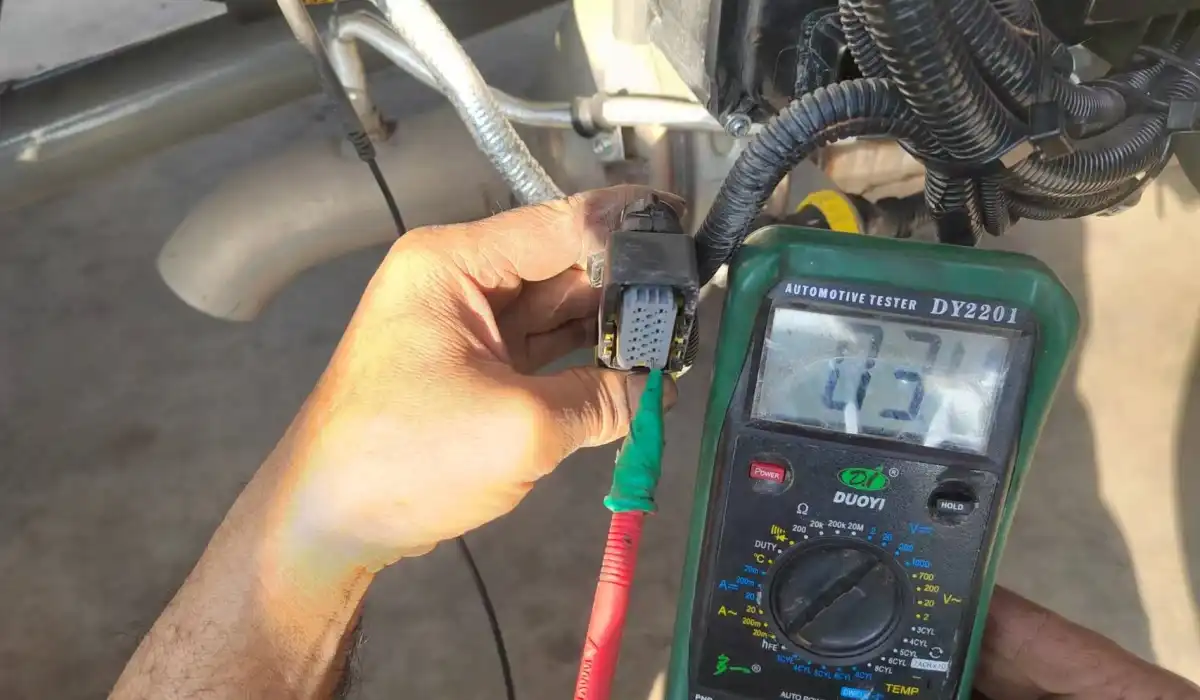
Understanding the Urea Injection Pressure Sensor
Role in Selective Catalytic Reduction Systems
The Urea injection pressure sensor is an important part of SCR technology for providing feedback. This tool checks the pressure of the AdBlue solution as it moves from the dosing pump to the injection tip. The sensor sends data to the engine control unit in real time, which lets the flow rates of urea be precisely changed. Correctly controlling NOx emissions depends on accurate dosing, which has a direct effect on meeting pollution standards like EPA Tier 4 and Euro VI. Sensors can diagnose problems like leaks, blockages, and pump failures before they become major problems that need expensive fixes or downtime.
Operating Principles and Environmental Tolerance
To turn changes in pressure into electrical data, most current sensors use either piezoresistive or capacitive technology. As AdBlue moves through the system, the diaphragm deforms, causing changes in resistance that are equal to the pressure. The control unit can change dosing rates on the fly using these signals, which are usually between 0.5 and 4.5 volts. When sensors are used in places with temperatures ranging from -40°C to 120°C, urea solutions that are acidic, and engine noises, they have to deal with a lot of different problems. Choosing materials like ceramic diaphragms and housings made of stainless steel makes the measurement more stable and long-lasting in these tough conditions.
Integration with Engine Management Systems
For sensor integration to work well, it needs to be compatible with certain engine types and SCR systems. The control unit constantly checks the real pressure numbers against the values that should be there based on the duty cycles of the pump and injectors. Deviations cause diagnostic trouble codes, which require upkeep work to be done. Closed-loop control is used in more advanced systems. This means that the sensor can make instant changes to keep the goal pressure even when engine loads and ambient factors change. This smooth merging makes sure that the right amount of reductant is delivered, which saves fuel and cuts down on dangerous emissions while the car is running.
Common Causes of Incorrect Readings in Urea Injection Pressure Sensors
Calibration Errors and Installation Issues
Measurement errors are often caused by change in the calibration. Sensors may change from how they were set at the plant if they are exposed to pressure cycles, high temperatures, or mechanical shocks for a long time. Technicians who don't follow torque specs during installation make these problems worse by putting too much stress on the mounting, which changes sensor readings. If the sensor orientation isn't lined up correctly with the flow direction, it can lead to wrong measurements, especially in systems with complicated wiring.
When connection points aren't sealed properly, air can get in. This causes changes in pressure that show up as odd sensor outputs. Recalibrations should be done on a regular basis, usually every 12 to 24 months based on how often the Urea injection pressure sensor is used. This helps keep its accuracy over its entire service life.
Environmental and Operational Stressors
Working in harsh conditions has a big effect on how reliable sensors are and how accurate measurements they can make. Here are the main external factors that cause sensors to break down:
- Extreme temperatures make sensor parts expand, which changes the calibration settings and causes measurement drift that builds up over time
- Mechanical movements from running the engine cause tiny cracks to form in solder joints and electronic parts, which can cause signal failures or total sensor breakdown
- Chemical pollution from impurities in AdBlue liquids leaves behind crystalline leftovers on diaphragms that make them less flexible and less sensitive to changes in pressure
- Moisture getting in through broken seals ruins the electronics inside, messing up signals and generating unstable voltages that make control units lose their bearings
Electrical Faults and Signal Interference
The stability of the electrical system has a direct effect on how well sensors work and how reliable the data is. When wetness gets into circuit housings, it causes corrosion in the connectors. This causes resistance to rise, which changes signal levels. Damaged wire harnesses, which are common in heavy-duty uses, cause short circuits or open circuits that happen from time to time, which makes results hard to predict.
Noise in sensor readings can be caused by electromagnetic interference from nearby high-current parts like starting motors or alternators, especially in setups that don't have enough shielding. When there are multiple grounding spots, ground loop problems happen. These cause voltage offsets that look like consistent measurement mistakes. Systematic electrical tests with multimeters and oscilloscopes can find these problems, allowing focused repairs that fix sensor accuracy without having to replace parts that aren't needed.
Troubleshooting and Maintenance Guide for Accurate Sensor Readings
Systematic Diagnostic Approach
Methodical inspection procedures that identify specific failure modes are the first step in solving problems. Damage that can be seen, like cracked housings, corroded joints, or damaged wire insulation, is clear. By using a diagnostic reader to get trouble codes, you can find out if the control unit picks up pressure numbers that aren't within the normal range. Checking the voltage at the sensor's ends makes sure that the power source and signal output areas are correct.
By comparing real pressure readings to measures from a mechanical gauge, you can be sure that the Urea injection pressure sensor is accurate when it is not moving. Testing with different engine loads and temperatures can find occasional problems that might not show up in bench testing. Writing down each diagnostic step makes useful maintenance records that help with future troubleshooting and guarantee claims when part flaws show up.
Calibration Best Practices
To keep measurements accurate, you need to stick to tried-and-true testing plans and methods. National standards should be used to make sure that calibration equipment stays accurate within 0.5% of readings for reference pressure values. During the calibration process, known pressures are applied across the sensor's working range while output voltages are recorded. Then, internal settings are changed to match what is expected. When calibrating sensors, the temperature changes how they respond, so the environment is very important.
Calibration methods that are done at working temperature give more accurate results than those that are done at ambient temperature. How often you should recalibrate depends on how often you use it. Heavy-duty uses need to be checked more often than light-duty ones. Keeping track of calibration dates, weather conditions, and adjusting values allows for trend analysis, which predicts how drift will happen in the future and helps schedule maintenance more efficiently.
Preventive Maintenance Strategies
Regular repair makes sensors last longer and stops them from breaking down when they're least expected, which can stop activities. Here are some important maintenance tasks that keep sensors working well:
- Regular cleaning of sensor ports removes crystallized urea crystals that stop the diaphragm from moving, using pure water and soft brushes to protect the surface
- Connector check every six months finds early signs of rust so that dielectric grease can be used to stop it before higher resistance affects signal quality
- Monitoring vibrations by checking fixing hardware on a regular basis makes sure that bolts stay properly torqued, avoiding stress buildsups that lead to early failure
- Visual inspection and pressure decay tests are used to check the integrity of seals and find damaged gaskets before water gets in and damages electronics inside
How to Choose the Best Urea Injection Pressure Sensor for Your Diesel Engines
Compatibility Assessment and Technical Specifications
To choose the right sensors, you need to carefully look at the system's needs and the engine's setup. The pressure range must meet the working parameters of the SCR system. For most diesel applications, this range is 5 to 10 bar. The electrical specs, like supply voltage, output signal type, and connection arrangement, need to match up with the engine control systems that are already in place. Installing things in engine areas with limited space is affected by their physical size and mounting styles.
Leak-proof links that can handle temperature changes and shaking depend on the thread type and sealing method used. Response time standards affect the security of the control loop. For example, a high-quality Urea injection pressure sensor that responds faster allows more precise dosing adjustments when engine conditions change quickly. Environmental grades, like IP67 or IP69K, show how well something protects against getting wet or dusty, which are important for long-term dependability in tough working conditions.
Brand Comparison and Quality Evaluation
Different major sensor manufacturers give different levels of performance and support, which affects the choice of what to buy. Because Bosch sensors are known for being precisely calibrated and having gone through a lot of OEM evaluation, they are a good choice for European engine systems. Denso goods focus on temperature stability and long-term drift protection, which are important qualities for high-duty-cycle uses. Continental sensors have advanced monitoring features that work well with current control units and make it easier to find problems.
Specifications for accuracy usually fall between ±0.5% and ±2% of full scale, with tighter limits costing more. Warranty terms range from 12 to 36 months, which shows that the maker is confident in the reliability of the part. OEM availability makes sure that it works with original specs, but private options may be cheaper once testing proves that they are technically the same.
Business Considerations and Supplier Evaluation
Strategies for buying things have to balance technology needs with business concerns that have an impact on the total cost of buying things. Unit prices vary a lot depending on the amount of specification. For example, high-accuracy sensors cost 30% to 50% more than normal ones. When you buy more than 50 units, you can get a volume price, which makes consolidated purchasing appealing for fleet owners. Lead times range from being able to get standard part numbers right away to having to wait 12 weeks to get special combinations.
In addition to the price of the parts, supplier support services like expert advice, application engineering, and handling warranties add a lot of value. Having ties with more than one supplier lowers the risks in the supply chain and allows for open bidding, which lowers the cost of buying things. Checking for quality certifications like ISO 9001 and IATF 16949 on suppliers gives you peace of mind that their manufacturing processes are reliable and that there will be few defects and fails in the field.
Case Studies – Real-World Examples of Incorrect Readings and Solutions
Calibration Drift Affecting Heavy-Duty Trucks
A transport company that had 150 heavy-duty cars had problems with the engines losing power over and over again. Diagnostic scans showed that several cars were having SCR system problems because the urea pressure wasn't high enough, even though the dosing pumps had just been repaired. After 18 months of heavy use, a thorough study showed that the Urea injection pressure sensor setting had changed more than 15% from what the manufacturer had specified.
This drifted faster when the temperature changed quickly from very cold during winter operations to very hot from the engine room being exposed. Instead of watching for signs of failure, the problem could be fixed by setting up regular recalibration every 12 months rather than waiting for failure symptoms. This proactive method cut down on power derating incidents by 85%, increased fuel efficiency by 3%, and lowered variations in NOx emissions, making sure that the whole fleet followed the rules.
Environmental Contamination Requiring Replacement
A person who works with construction equipment noticed that several excavators that were working in a dusty quarry had occasional SCR flaws. Sensors gave inconsistent pressure readings, which led to too much urea use and some shutdowns of the emission system. Fine dust particles were found getting into sensor housings through broken wire entry seals when the sensors were inspected. Contaminants changed electrical signals by creating resistance routes. This led to measurement mistakes that made control systems less reliable.
The problems stopped happening after broken sensors were replaced with newer ones that had better IP69K sealing. Putting secure boots around the links between the cables made them even harder for the environment to get into. The availability of equipment went up by 12%, and the amount of urea used returned to standard levels, which greatly reduced running costs.
Signal Transmission Faults in Agricultural Equipment
A farm equipment dealer had to deal with insurance claims about new tractors that didn't always work right with the SCR. During troubleshooting, it was found that electromagnetic interference was caused by sensor wiring that wasn't placed properly and ran next to high-current starter lines. Noise in the signal caused voltage changes that showed up on the control unit as quick changes in pressure.
The interference was fixed by moving the sensor wire away from high-current routes and adding ferrite cores to stop electromagnetic pickup. Voltage offsets that caused measurement mistakes were taken care of by better grounding techniques. These changes didn't cost much but made the system much more reliable, which cut down on repair costs and made customers happier with how well the emission control system worked.
Conclusion
To keep the SCR system working well, meet emission standards, and keep the diesel engine running well, you need an accurate Urea injection pressure sensor. Readings that aren't right can be caused by calibration drift, environmental contamination, electricity problems, or bad fitting. Using structured troubleshooting methods, sticking to calibration plans, and doing preventative maintenance can cut down on measurement mistakes by a large amount. Long-term working reliability is ensured by choosing sensors that meet technical requirements while also looking at the name of the maker, the terms of the guarantee, and the support offered by the supplier. Case studies from real life show that proactive sensor management has real benefits, such as less downtime, lower running costs, and uniform regulatory compliance across a wide range of diesel uses.

SENSOR+TEST, June 9 – 11, 2026
We look forward to your visit,warmly welcome to our booth 1-526!
Get your free ticket online now:
https://www.sensor-test.de/service/ticket/?52790
FAQ
What symptoms indicate a faulty pressure sensor?
Check engine lights that come on and show SCR-related trouble codes, engine power loss or poor performance while running, AdBlue use that is too high or too low compared to normal usage, crystallization around the sensor body that shows leaks, and pressure readings that aren't consistent on diagnostic tools are all common warning signs. Problems that show up sometimes when the engine is cold but go away when it warms up are often a sign of temperature sensitivity problems. Having more than one sign at the same time usually means that a Urea injection pressure sensor is broken, not another part of the SCR system.
Can I install the sensor myself or should I hire a specialist?
How hard an installation is depends on the type of car and the technician's experience. To change basic sensors, you need to know how to use torque wrenches correctly and have some mechanical understanding. Paying attention to orientation, making sure the terminals fit securely, and moving the wires away from heat sources are all important parts of electrical connections. For calibration after installation, diagnostic tools and software that can only be accessed by approved service centers are often needed. Professional installation is best for commercial fleet uses because it makes sure that the promise is followed and the system is properly set up.
How often should I calibrate the pressure sensor?
The frequency of calibration relies on how hard the task is and the conditions outside. For normal job cycles, standard advice says that the adjustment should be done every 18 to 24 months. Twelve-month intervals are best for heavy-duty uses like long-haul trucks, building equipment, and farm machinery that works in tough conditions. Sensors that are exposed to high temperatures, vibrations that don't go away, or known measurement shift need to be checked on more often. Manufacturers give specific instructions based on the type of sensor and how it will be used. By keeping records of calibrations, predictive maintenance strategies can be used to find the best times for inspections based on real performance trends instead of making up random plans.
Partner with Qintai for Reliable Urea Injection Pressure Sensor Solutions
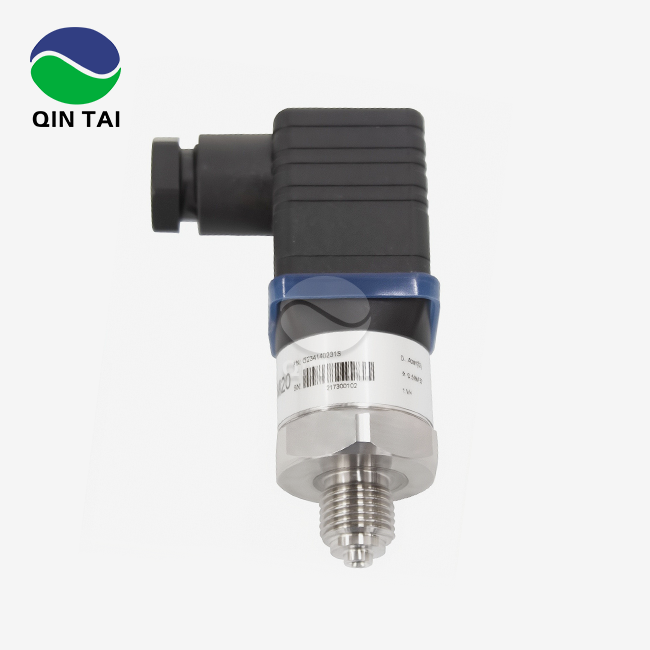
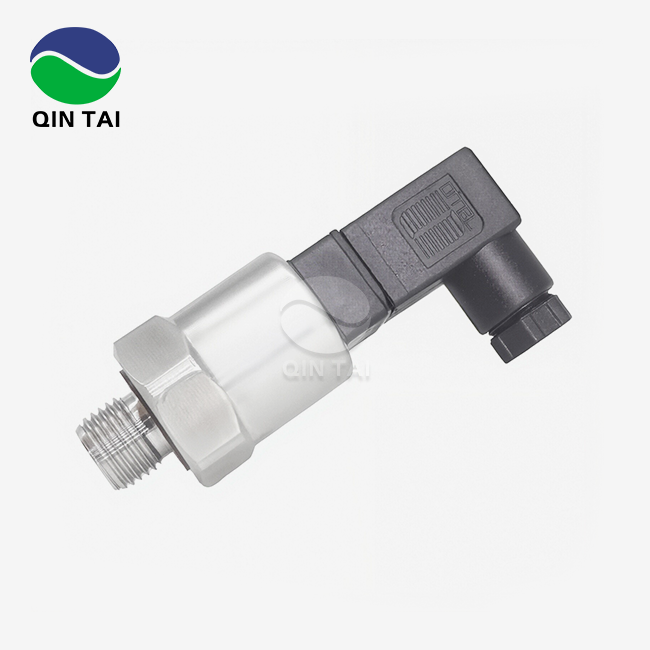
China's Qintai company makes high-precision AdBlue dose sensors that are designed for tough diesel uses. Our goods use modern piezoresistive technology and strong materials that can handle high and low temperatures, chemicals, and mechanical stress. Every Urea injection pressure sensor goes through strict factory calibration and weather testing to make sure it stays accurate over long periods of time between service intervals. We help people who buy things for other businesses by offering competitive prices, flexible volume discounts, and technical advice services that make it easier to choose sensors for a wide range of SCR systems.
As a well-known company that makes these sensors, we keep a lot of them in stock so that wait times are kept to a minimum and pressing replacements can be sent out quickly. Get in touch with our team at info@qt-sensor.com to talk about your unique application needs and get prices that match your budget and technical requirements. You can look at our full line of sensors and get detailed information that will help you make smart purchasing choices by going to qt-sensor.com.
References
1. Johnson, M. & Williams, R. (2021). Selective Catalytic Reduction Systems: Design, Operation, and Maintenance. SAE International Publishing.
2. European Commission Joint Research Centre (2020). Heavy-Duty Vehicle Emissions: Monitoring and Compliance Strategies. Publications Office of the European Union.
3. Zhang, L., Kumar, P. & Thompson, D. (2022). "Pressure Sensor Reliability in Automotive Urea Dosing Systems," Journal of Automotive Engineering, 236(8), 1847-1862.
4. National Highway Traffic Safety Administration (2019). Diesel Exhaust Aftertreatment System Performance and Durability. U.S. Department of Transportation Technical Report.
5. Anderson, K. & Schmidt, H. (2023). "Calibration Drift Mechanisms in Piezoresistive Pressure Sensors Under Thermal Cycling," Sensors and Actuators A: Physical, 348, 113-127.
6. International Organization for Standardization (2021). ISO 15500-3: Road Vehicles — Compressed Natural Gas Fuel System Components — Part 3: Pressure Sensors. ISO Standards Catalogue.
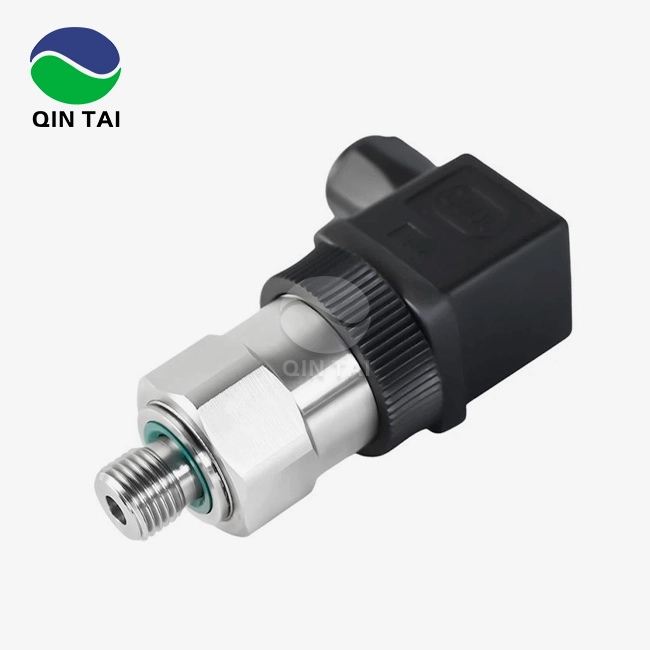

Our customers’ satisfaction speaks for our quality — contact us to experience the same reliable service.