- English
- French
- German
- Portuguese
- Spanish
- Russian
- Japanese
- Korean
- Arabic
- Greek
- German
- Turkish
- Italian
- Danish
- Romanian
- Indonesian
- Czech
- Afrikaans
- Swedish
- Polish
- Basque
- Catalan
- Esperanto
- Hindi
- Lao
- Albanian
- Amharic
- Armenian
- Azerbaijani
- Belarusian
- Bengali
- Bosnian
- Bulgarian
- Cebuano
- Chichewa
- Corsican
- Croatian
- Dutch
- Estonian
- Filipino
- Finnish
- Frisian
- Galician
- Georgian
- Gujarati
- Haitian
- Hausa
- Hawaiian
- Hebrew
- Hmong
- Hungarian
- Icelandic
- Igbo
- Javanese
- Kannada
- Kazakh
- Khmer
- Kurdish
- Kyrgyz
- Latin
- Latvian
- Lithuanian
- Luxembou..
- Macedonian
- Malagasy
- Malay
- Malayalam
- Maltese
- Maori
- Marathi
- Mongolian
- Burmese
- Nepali
- Norwegian
- Pashto
- Persian
- Punjabi
- Serbian
- Sesotho
- Sinhala
- Slovak
- Slovenian
- Somali
- Samoan
- Scots Gaelic
- Shona
- Sindhi
- Sundanese
- Swahili
- Tajik
- Tamil
- Telugu
- Thai
- Ukrainian
- Urdu
- Uzbek
- Vietnamese
- Welsh
- Xhosa
- Yiddish
- Yoruba
- Zulu
Why Aftertreatment Urea Pressure Sensor Needs Replacement
The aftertreatment urea pressure sensor is an important part of diesel exhaust fluid (DEF) delivery systems because it measures the pressure of the urea solution to make sure that the right amount of DEF is added to reduce emissions. If this sensor breaks down, it makes it harder for the Selective Catalytic Reduction (SCR) system to control nitrogen oxide pollution. This can lead to problem codes, worse performance, and even possible legal violations. When internal parts rust, electrical links break, or accuracy moves too far from the calibration limits, repairs aren't enough to fix the problem. Replacement is the only option. Fleet workers can stay in compliance and avoid costly downtime by knowing when and why to change this part.
Understanding the Aftertreatment Urea Pressure Sensor
Core Function Within SCR Systems
The SCR system needs exact amounts of urea to turn dangerous NOx emissions into harmless nitrogen and water vapor. The aftertreatment urea pressure sensor sends real-time data to the engine control unit (ECU) by constantly checking the pressure between the dosage pump and injection nozzle. This feedback process lets the system change the injection rates based on how much the engine is being used, the temperature of the exhaust, and the pollution standards. The ECU can't tell if the system is delivering enough urea solution without correct pressure readings. This means that NOx conversion is incomplete, and pollution tests fail.
Commercial diesel engines work in tough situations where changes in temperature and sound stress affect how well sensors work. The aftertreatment urea pressure sensor can usually handle working pressures between 5 and 10 bar and keep their measurements accurate within ±2%. Any departure from these specs could mean that sensors are losing their quality, which could lead to the whole system failing.
Working Principle and Signal Processing
These days, aftertreatment urea pressure sensors use piezoresistive or capacitive sensing parts to turn mechanical pressure into electrical data. As the urea solution moves through the dose line, pressure acts on a diaphragm that is linked to detecting elements. By changing the electrical resistance or capacitance, this mechanical deformation sends a voltage signal that is proportional to the pressure that was recorded. The ECU reads this analog output and compares it to factors that have already been coded to control how the pump works and when the injections happen.
Keeping the signal paths and sensitive elements clean is important for the sensor to be able to give continuous, accurate input. Signal noise or even loss of contact can be caused by crystalline urea deposits, moisture getting in, or electrical junction rust. Because of these factors, a lot of aftertreatment urea pressure sensor failures show up as occasional error codes before they become lasting problems.
Installation Locations Across Vehicle Platforms
The aftertreatment urea pressure sensor is placed in the dosing module at key places so that manufacturers can get accurate data while limiting its exposure to exhaust heat. The sensor is usually mounted right on the housing of the dose unit, next to the pump exit, on most heavy-duty trucks. The sensor can measure pressure right after the pump in this spot, giving accurate information about the transport conditions before the urea solution gets to the injection.
Some light business cars put the aftertreatment urea pressure sensor inside the DEF tank assembly. This makes a single module that can do more than one detecting job. Figuring out how your car is set up helps you find the right new part and guess how much work will be needed to install it. To make sure that sensors work with a variety of fleets, procurement teams should check the mounting style, type of electrical connection, and pressure range specs.
Common Symptoms Indicating the Need for Replacement
Dashboard Warning Codes and System Alerts
Dashboard malfunction warning lights and diagnostic trouble codes (DTCs) are the most clear signs that a sensor isn't working right. Codes that have to do with measuring aftertreatment urea pressure, like P20E8 (SCR system pressure too low) or P20EE (SCR system pressure too high), directly point to problems with the sensor or faults in the system that the sensor senses. Technicians often think that these codes mean that the pump is broken when the real problem is that the sensors are giving the control system wrong information.
Advanced onboard diagnostic systems keep track of sensor problems that happen from time to time but may not instantly set off warning lights. During regular checks, fleet maintenance managers should look at diagnostic records to find recurring aftertreatment urea pressure sensor problems before they cause vehicles to slow down or stop. By noticing these early warning signs, replacements can be planned for times when upkeep is planned, instead of having to be done on the side of the road in an emergency.
Physical Damage and Environmental Degradation
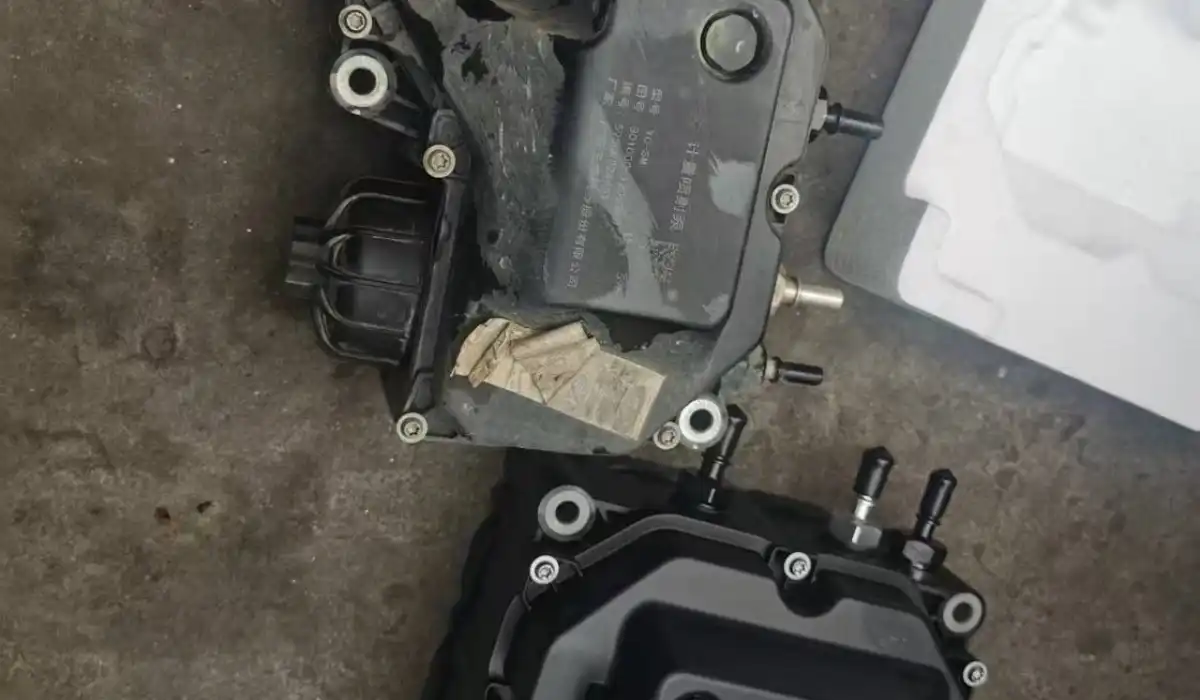
No matter if trouble codes show up or not, a visual check shows that the aftertreatment urea pressure sensor needs to be replaced because of physical damage. When urea crystallizes around the sensor body, it means that the seal has broken. This lets DEF get into the electrical lines and cause rust. Usually, white crystals build up on connecting pins and sensor threads, which makes the electrical resistance higher and messes up signal transfer. Once crystallization starts, cleaning doesn't usually fix it because damage to the internal seal lets infection happen again and again.
Thermal stress or collision damage can cause sensor housings to crack, breaking the barrier that keeps sensitive electronics away from the harsh conditions under the hood. Stainless steel parts rust faster when they are exposed to road salt, especially during winter repair work. When used in heavy-duty situations like building equipment or long-haul trucks traveling through different temperatures, sensors wear out faster and have shorter service lives than when used in lighter duty situations.
Performance Issues Without Clear Fault Codes
Some aftertreatment urea pressure sensor degradation shows up as operating symptoms instead of clear error numbers. Because the ECU is putting limits on "limp mode" because of bad pressure readings, drivers may notice less power output. When DEF use goes up without engine load going up at the same time, it means the system is trying too hard to make up for low pressure by injecting too much to meet emissions goals.
If the reaction time to changes in engine load is slow, this is a sign of sensor lag, which means that the pressure reading doesn't match up with real-time system conditions. Because of this delay, the ECU uses old data, which leads to wrong doses during brief operation. This kind of performance loss usually happens slowly, which makes it hard to spot without diagnostic data that shows the sensor reaction time has gotten worse from the baseline specifications.
Why Replacement Is Often the Optimal Solution
Limitations of Repair and Recalibration Attempts
Technicians sometimes try cleaning or recalibration methods to get aftertreatment urea pressure sensors to work again, especially when they are short on money or parts are taking too long to arrive. These methods rarely work because when sensors fail, they usually do so because internal parts are breaking down in a way that an outside service can't fix. Cleaning crystallized layers off of connecting pins might briefly restore electrical connection, but the seal failures that are causing this continue to let contamination in, which leads to more failures.
When you recalibrate, you're assuming that the sensing element is still basically fine but has moved away from the original specs. The truth is that most aftertreatment urea pressure sensors in business vehicles are protected and aren't made to be calibrated in the field. To properly reset these devices, you need specialized equipment that costs more than the units themselves. This means that repairs are not cost-effective unless you have very expensive specialized equipment. Fleet operations that use patched sensors are more likely to have unexpected problems that leave cars stuck and throw off supply plans.
Service Life Expectations Under Real Operating Conditions
Manufacturers usually say that an aftertreatment urea pressure sensor will last between 400,000 and 500,000 miles under normal conditions. However, the real lifespan depends a lot on how harsh the job cycle is. Sensors in delivery trucks that go from city to city experience more temperature changes and vibrations than sensors used on highways. This makes soldering connections and mechanical parts wear out faster. When sensors are exposed to dirty DEF that has particles or algae growth, they lose their usefulness because the abrasive materials hurt the closing surfaces and diaphragms.
Extreme temperatures can make sensors less reliable, especially in places where winters are very cold and summers are very hot. When temperatures rise and fall, they put stress on the materials used in housing and the links between the wires. This causes tiny cracks that let water in. If wetness gets into sensor electronics, rusting happens quickly, even if the weather gets better outside. By understanding these environmental factors, procurement teams can predict when replacements will be needed and make sure they keep enough extra parts on hand to match the working profiles of their fleets.
Quality Differences Between OEM and Aftermarket Products
Original equipment maker sensors go through a lot of validation testing to make sure they work with the SCR system calibrations for each car. Most of the time, these sensors are made with higher-quality materials that don't corrode when exposed to urea, tighter manufacturing tolerances, and quality assurance methods that lower the number of defects. The higher price is because of the costs of research and development as well as the safety issues that come with guarantees that cover emissions compliance.
There is a wide range of quality among aftermarket aftertreatment urea pressure sensors, from high-end ones made to OEM specs that cost less to cheaper ones with designs that cut costs. Reliable aftermarket makers put out detailed sheets with specs, lists of compatible products, and guarantee terms that make it easy to compare their products to OEM ones. When sensors fail, cheap options that don't come with paperwork or only offer limited warranties pose a big risk because they can lead to expensive diagnostic procedures, repeated part replacements, and possible emissions violations during inspection times.
How to Choose the Right Replacement Sensor: A Procurement Perspective
Compatibility Verification and Technical Specifications
To change an aftertreatment urea pressure sensor correctly, you must first make sure that it works with your car's make, model, year, and engine type. There are different working pressure ranges, signal output types, and mounting setups for SCR systems that need to be perfectly matched. To make reordering easier and make sure purchases are made correctly, purchasing teams should keep thorough records of fleet equipment that include engine serial numbers, emission system specs, and existing part numbers.
Some important technical specs to check are the pressure range (usually between 0 and 10 bar for diesel uses), the type of output signal (analog voltage or digital CAN bus connection), and the response time. To avoid having to make changes that could affect reliability, the configurations of electrical connectors must match the configurations of current wire harnesses. Thread size and attachment position decide whether sensors fit properly without any clearance problems or if they need extra hardware changes.
Evaluating Supplier Credentials and Product Certification
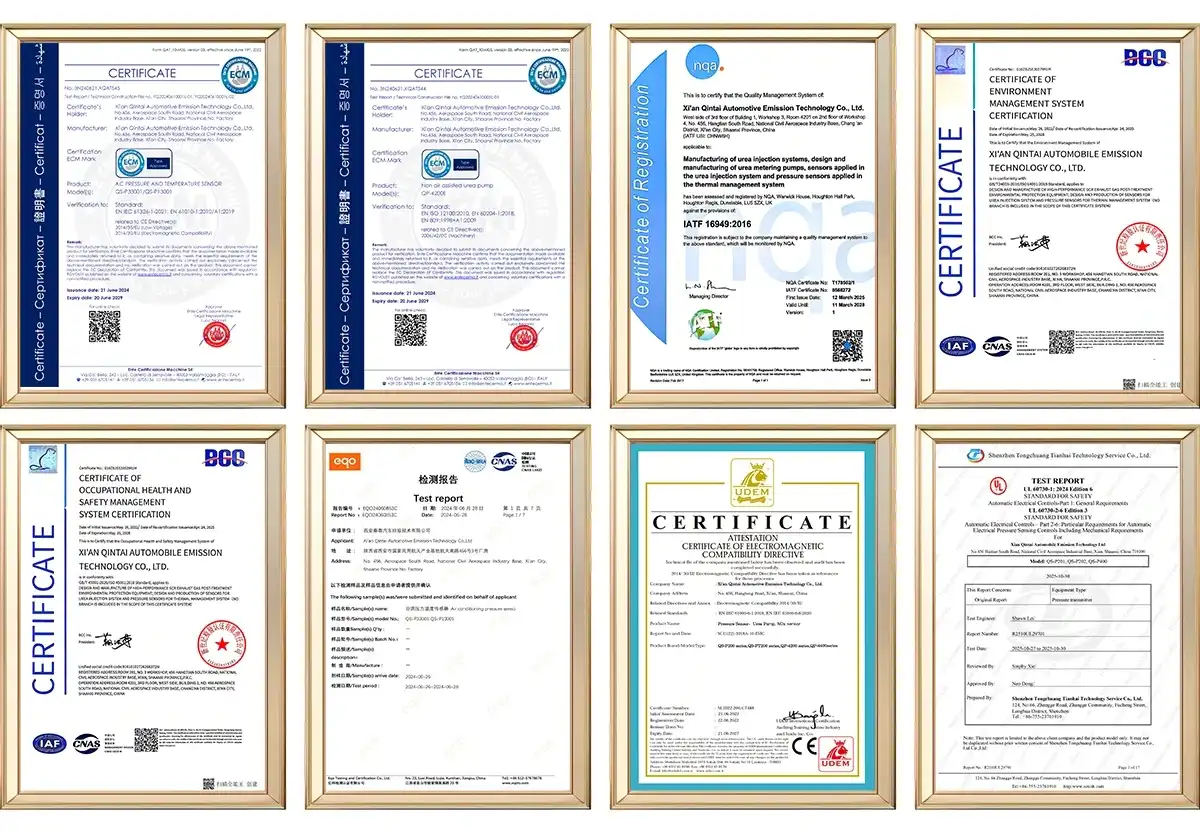
Sensor providers you can trust will give you a lot of information about their products, like detailed drawings, performance certifications, and statements that say the aftertreatment urea pressure sensors meet all the necessary standards. If a provider has ISO 9001 certification, it means they have quality management systems with written methods for validating designs, keeping an eye on the manufacturing process, and keeping track of products. Products that are approved to meet the strict quality standards set by IATF 16949 for the car industry show that the manufacturing process can meet those standards.
The name of the supplier is very important when buying aftermarket aftertreatment urea pressure sensors because a lot of fake and low-quality goods get into the distribution routes from sources that aren't authorized. Getting in touch with approved resellers or manufacturers directly lowers the chance of getting wrongly labeled or broken parts. If batch quality problems show up in more than one unit, you can take action by asking for lot tracking information and keeping the packaging paperwork.
Procurement Channels and Bulk Purchase Strategies
Setting up recommended supplier deals that ensure consistent prices, priority allocation during supply shortages, and expert support for application questions can help large fleet owners. When you deal directly with a maker, you can often get bulk savings and customized packing choices that lower the cost of handling during storage distribution to repair facilities. Cutting down on the number of providers you buy from makes managing them easier and may also help you get better payment terms.
Smaller businesses may get better deals from heavy-duty truck parts wholesalers who negotiate better prices from makers by combining the needs of many customers. These distributors usually keep stock on hand right away so that aftertreatment urea pressure sensors can be delivered the next day. This avoids the lead time delays that come with buying directly from the maker. Looking at the total cost of purchase, which includes freight costs, minimum order requirements, and the cost of keeping goods on hand, can help you figure out the best way to buy things for your business and how much you buy.
Maintaining Sensor Performance and Extending Service Life
Preventive Maintenance Practices
Many aftertreatment urea pressure sensor problems can be avoided by checking the DEF quality on a regular basis to make sure the urea solution stays within the required concentration and purity levels. Fluid that is contaminated adds particles that speed up sensor wear and cause crystallization problems in units that are otherwise working properly. Using a simple refractometer to test DEF every time it's time to refill makes sure that the concentration stays within the needed 32.5% urea range. This keeps sensors from getting damaged and keeps the SCR system running smoothly.
Diagnostic Code Interpretation
Technicians can tell the difference between sensor failures and real system pressure problems by understanding the specific diagnostic codes that go with aftertreatment urea pressure sensors. This lets them take different steps to fix the problems. When the engine is running in certain ways, codes that show pressure numbers that are outside of normal ranges may mean that the pump isn't working right instead of the sensors. During functional testing, comparing live sensor data to known good parameters proves whether the sensor correctly tracks changes in pressure or gives static readings that show an internal failure.
Intermittent codes that appear under certain conditions—cold starts, high ambient temperatures, or extended idle periods—suggest environmental factors stressing marginal sensors approaching end of service life. Writing down patterns of code occurrence helps figure out the best time to change something before it breaks completely and forces unplanned car downtime.
Installation Best Practices
Installing aftertreatment urea pressure sensors correctly has a big effect on how reliable they are and how long they last. When you get new sensors, they should come with caps that protect the pressure ports and electrical connections. These caps should only be taken off right before installation to avoid contamination during handling. Threads need to be clean and free of old thread glue or DEF crystals that get in the way of proper fitting and make ways for leaks to happen.
Chemical compatibility problems that break down sealing compounds and contaminate the sensing element can be avoided by using thread seals that are recommended by the maker and are safe for urea contact. When electrical plugs are fully engaged, you can hear clicks that show the locking devices are working properly. When you leave connectors partly seated, they create intermittent contact points that send out false trouble codes that look like sensors are failing when there are only problems with the connections.

SENSOR+TEST, June 9 – 11, 2026
We look forward to your visit,warmly welcome to our booth 1-526!
Get your free ticket online now:
https://www.sensor-test.de/service/ticket/?52790
Conclusion
Changing the aftertreatment urea pressure sensor at the right times keeps the SCR system working and stops expensive fails to meet emissions standards. Damage to sensors is usually caused by being exposed to the environment, urea contamination, and regular wear and tear that fixes can't fix. To keep the fleet running as much as possible, procurement teams make sure that high-quality new sensors come from reputable sources with clear quality standards. Proactive maintenance methods, such as DEF quality control and regular electrical link checking, make sensors last longer. Recognizing fault codes early lets replacements happen during planned maintenance. Knowing about these technical and practical factors helps you make smart buying choices that balance the need for reliability with the cost.
FAQ
How often should urea pressure sensors be replaced?
When to replace them depends on how they are being used, but under normal job cycles, the aftertreatment urea pressure sensor should last between 400,000 and 500,000 miles. In severe situations where there is a lot of thermal cycling, contact to polluted DEF, or extreme weather conditions, the filters may need to be replaced more often. Instead of using set driving plans, it's better to keep track of the past of diagnostic codes and do eye checks during regular maintenance to figure out when to replace the car.
Can a faulty urea pressure sensor damage the engine?
Even though the sensor doesn't hurt engine parts directly, using the engine for a long time with a broken sensor can cause problems with the SCR system that shut down the engine or lower its power. Incorrect pressure readings can lead to incorrect urea doses, which releases too many NOx emissions that speed up the clogging of diesel particulate filters and raise the stress on the exhaust gas recirculation system. This has a secondary effect on the longevity of the engine and the emissions components.
Are aftermarket sensors reliable for commercial fleets?
Quality replacement sensors from well-known brands can often be used instead of OEM parts and are just as reliable, but cost less. Fleet managers should make sure that aftermarket providers offer clear specs, valid warranties, and proof of quality certificates. Budget options that don't come with technical paperwork or aren't made to vehicle quality standards have a higher chance of breaking down, which could cancel out any initial cost savings through more repairs and replacements.
Partner With Qintai for Reliable SCR System Components
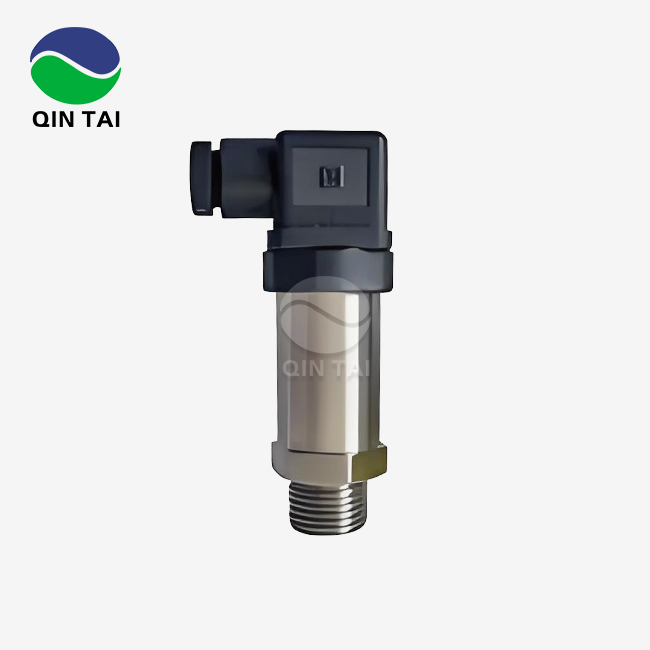
To keep pollution standards and fleet efficiency up, you need to get reliable aftertreatment urea pressure sensors from companies that know what business vehicles need. Qintai specializes in precision-engineered pressure sensors made for heavy-duty SCR uses. These sensors use corrosion-resistant materials and proven piezoresistive sensing technology to keep their accuracy over long periods of time between service intervals. Our production methods follow ISO 9001 quality standards, which make sure that every sensor meets strict performance requirements before it is sent out.
Qintai offers flexible purchasing options that can be adjusted to your specific needs, whether you run a mixed fleet that needs a variety of sensor types or you need large amounts for preventative maintenance programs. We help aftermarket aftertreatment urea pressure sensor providers by offering them reasonable prices, a reliable supply of goods, and technical information that makes it easier to check for compatibility. Email our team at info@qt-sensor.com to talk about your unique application needs and find out how our sensor solutions can improve the efficiency of your fleet's emission control while lowering the total cost of ownership.
References
1. Johnson, M. R., & Williams, P. T. (2021). "Selective Catalytic Reduction Systems in Heavy-Duty Diesel Engines: Component Reliability and Maintenance Strategies." Journal of Commercial Vehicle Engineering, 45(3), 112-128.
2. Environmental Protection Agency. (2020). "Heavy-Duty Highway Compression-Ignition Engines and Urban Buses: Exhaust Emission Standards." EPA Regulatory Document EPA-420-B-20-001.
3. Chen, L., Zhang, H., & Kumar, R. (2022). "Pressure Sensor Failure Modes in Automotive Urea Dosing Systems: Analysis and Prevention." Sensors and Actuators B: Chemical, 358, 131456.
4. Society of Automotive Engineers. (2019). "Recommended Practice for Diesel Exhaust Fluid Quality Requirements." SAE Standard J2906.
5. Thompson, A. K., & Rodriguez, E. F. (2023). "Life Cycle Cost Analysis of OEM versus Aftermarket Emission Control Components in Commercial Fleets." Fleet Maintenance Management Quarterly, 18(2), 67-84.
6. International Organization for Standardization. (2018). "Road Vehicles – Pressure Sensors for Automotive Applications – Performance Requirements and Test Methods." ISO 16750-2:2018.
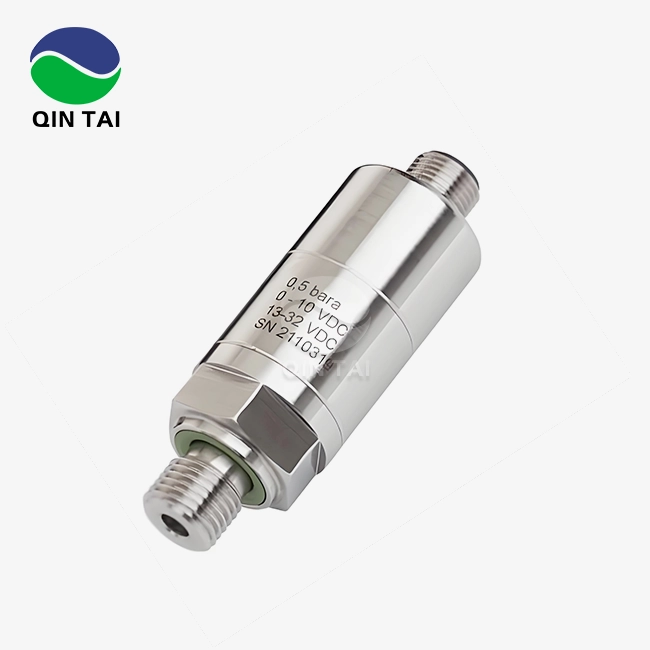
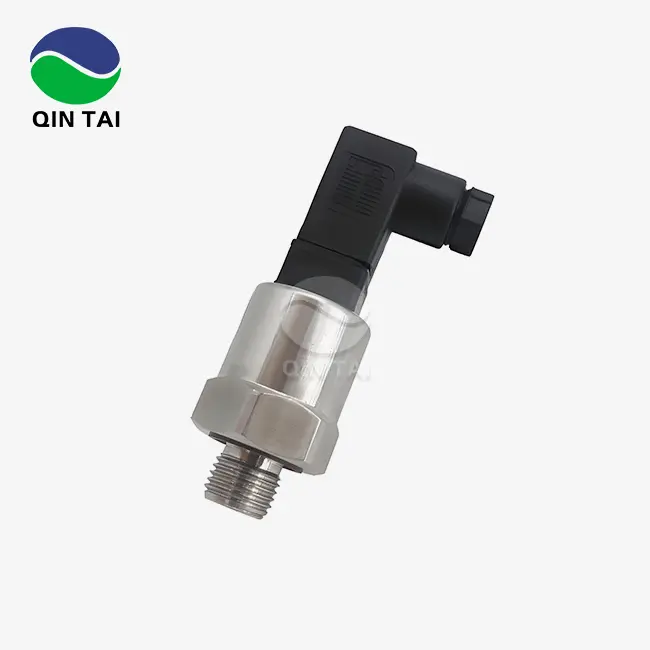
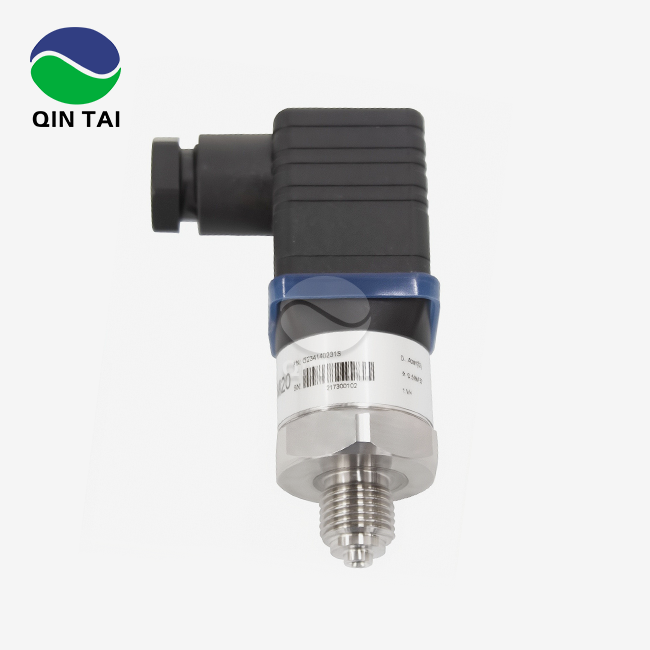

Our customers’ satisfaction speaks for our quality — contact us to experience the same reliable service.