- English
- French
- German
- Portuguese
- Spanish
- Russian
- Japanese
- Korean
- Arabic
- Greek
- German
- Turkish
- Italian
- Danish
- Romanian
- Indonesian
- Czech
- Afrikaans
- Swedish
- Polish
- Basque
- Catalan
- Esperanto
- Hindi
- Lao
- Albanian
- Amharic
- Armenian
- Azerbaijani
- Belarusian
- Bengali
- Bosnian
- Bulgarian
- Cebuano
- Chichewa
- Corsican
- Croatian
- Dutch
- Estonian
- Filipino
- Finnish
- Frisian
- Galician
- Georgian
- Gujarati
- Haitian
- Hausa
- Hawaiian
- Hebrew
- Hmong
- Hungarian
- Icelandic
- Igbo
- Javanese
- Kannada
- Kazakh
- Khmer
- Kurdish
- Kyrgyz
- Latin
- Latvian
- Lithuanian
- Luxembou..
- Macedonian
- Malagasy
- Malay
- Malayalam
- Maltese
- Maori
- Marathi
- Mongolian
- Burmese
- Nepali
- Norwegian
- Pashto
- Persian
- Punjabi
- Serbian
- Sesotho
- Sinhala
- Slovak
- Slovenian
- Somali
- Samoan
- Scots Gaelic
- Shona
- Sindhi
- Sundanese
- Swahili
- Tajik
- Tamil
- Telugu
- Thai
- Ukrainian
- Urdu
- Uzbek
- Vietnamese
- Welsh
- Xhosa
- Yiddish
- Yoruba
- Zulu
Urea pressure sensor with improved sealing
Today's diesel engines need to be precise, last a long time, and meet ever stricter pollution standards. The urea pressure sensor is an important part of Selective Catalytic Reduction (SCR) systems that makes sure the right amount of diesel exhaust fluid (DEF or AdBlue) is added to cut down on dangerous nitrogen oxide emissions. With better sealing technologies, these sensors are now the most reliable in harsh working conditions. OEMs, aftermarket sellers, and system developers who want long-term performance and regulatory compliance can't do without them.
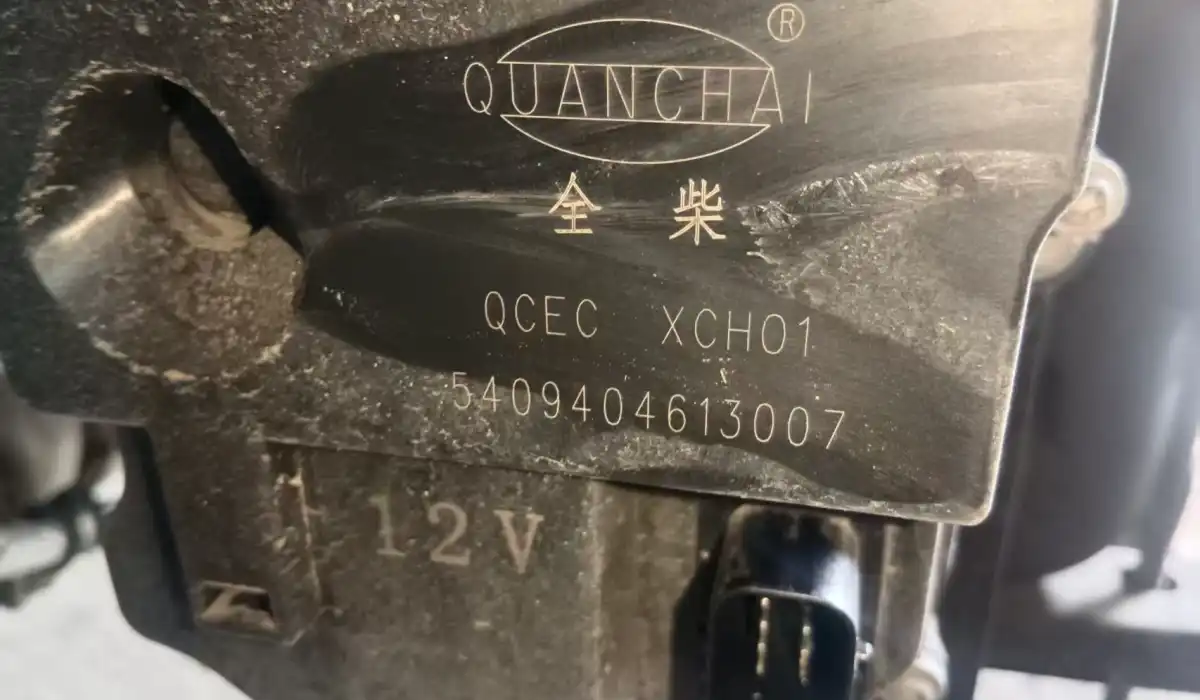
Understanding Urea Pressure and Temperature Sensors
The flow and transport of DEF solution from the pump to the injection nozzle are monitored by urea pressure sensors in SCR aftertreatment systems. They send input to the engine control unit in real time, which lets it precisely dose urea in a way that reduces NOx as efficiently as possible. Temperature sensors help with this job by making sure the DEF stays within normal operating levels. This keeps it from freezing or crystallizing, which could damage the system.
The Role of Sensors in SCR Systems
SCR technology depends on controlled chemical processes between exhaust fumes and ammonia, which is made from urea. If you measure pressure correctly, you can be sure that the trigger gets the right amount of DEF at the right time. If you don't have accurate sensing, dosing mistakes can happen, which can cause incomplete NOx conversion, damage to the catalyst, or diagnostic trouble codes that stop the car from running. Temperature tracking adds to the system's safety by turning on heaters when temperatures drop below freezing. This keeps the viscosity of the fluid stable and stops jams from happening.
Why Improved Sealing Matters
Because DEF is toxic and diesel exhaust settings are very harsh, traditional sensors often fail before they should. When urea solution is exposed to air, it crystallizes. Changes in pressure and temperature also put stress on mechanical parts. Using special elastomers, multi-layer diaphragms, and corrosion-resistant metals like urea-grade stainless steel, advanced sealing technologies make strong shields against chemical attack and thermal expansion. This new engineering idea makes sensors last longer, cuts down on warranty claims, and lowers the total cost of ownership for fleet owners and companies that make equipment.
Features and Functionality of Urea Pressure and Temperature Sensors
Today's urea pressure sensors have small, durable housings that can hold multiple measuring functions and are made for use in industrial and vehicle settings. Knowing what they're made of helps buying teams match up technical requirements with business needs.
Key Functions in Dosing Systems
Urea pressure sensors constantly check the pressure in the DEF supply line, which is usually between 0 and 10 bar, and send voltage or current signs to the control module. This feedback loop allows closed-loop control, which changes the pump speed to keep the goal pressure even if the engine load or outdoor temperature changes. Combined temperature tracking gets rid of the need for different parts, which makes installation easier and lowers the number of places where leaks could happen. The two-parameter design makes diagnosis more accurate by letting control systems tell the difference between problems with pressure and problems with temperature.
Comparison of Sensor Technologies
Digital sensors with built-in microprocessors are more accurate and come with built-in diagnostics. They talk to each other using CAN bus protocols, which make the design of the car network easier to understand. Analog versions are still useful in low-cost situations because they provide stable 0-5V or 4-20mA signals that work with older systems. OEM-grade parts from well-known companies go through strict validation tests to make sure they work with unique SCR platforms and meet warranty standards. Aftermarket alternatives are a cheap way to replace something, but buyers should check the material specs and make sure the product meets all licensing requirements to avoid failure too soon.
There are measurable benefits to advanced urea pressure sensor sealing that have a direct effect on working efficiency and upkeep funds. Here are the main advantages these tools give us:
- Extended Service Life: Multi-layer diaphragm seals don't break down when exposed to urea, and fluorocarbon O-rings stay flexible at temperatures ranging from -40°C to 125°C. Field data from heavy-duty truck uses shows that sensors that are properly protected can last for more than 500,000 kilometers before they need to be serviced, compared to 150,000 kilometers for standard designs.
- Enhanced Measurement Precision: Sealed pressure tanks keep media clean and zero-point drift from happening, so the sensor stays accurate to within 1.5% throughout its lifetime. This makes sure that the NOx conversion rate stays above 95%, which helps carriers meet EPA Tier 4 Final and Euro VI emission limits without having to deal with derating events.
- Reduced Maintenance Costs: Strong sealing gets rid of common failure modes like diaphragm rupture, connection rust, and clogs caused by crystallization. When fleet managers upgrade to better sealing technologies, they report 60% fewer sensor repairs and the work costs that come with them. This saves a lot of money over the course of multi-year service contracts.
Together, these benefits meet the main concerns of buying managers and technical engineers, providing real improvements in dependability, compliance, and cost control that make it worthwhile to change specifications or switch suppliers.
How to Choose the Right Urea Pressure and Temperature Sensor: A Decision Support Approach
To choose the right urea pressure sensor sensing options, you have to weigh technical performance, legal compliance, and total lifetime costs against the needs of the application and the supply chain.
Defining Critical Selection Criteria
The accuracy specs tell you if the sensor can help you meet your pollution compliance goals. For fast dose changes to be tracked, most SCR systems need pressure readings that are within ±2% of full scale and reaction times of less than 50 milliseconds. Sealing strength should be at least IP67 or IP69K, which means it can withstand high-pressure wash-down environments that are popular in building and farming equipment. Material compatibility is a must—wet parts must be able to prevent rust caused by urea, which means they must have at least 316L stainless steel housings and PTFE-coated diaphragms.
Evaluating Supplier Capabilities
Check the supplier's technical help and customization options in addition to the part specs. Leading makers offer application engineering help that includes custom connection pinouts, mounting setups, and calibration tables that make it easier to combine sensors into complex dosing designs. When going from a prototype to full production, the ability to make a lot of units at once is important. Make sure that your providers keep enough supplies on hand and have the right quality certifications, such as IATF 16949 for car uses and ISO 9001 for industrial equipment.
Cost-Effectiveness Analysis
Even though premium sensors cost more per unit, their longer life and lower failure rate often make their total purchase costs cheaper. Compare choices by figuring out how often they need to be replaced, how much it will cost to install, and how long the car might be out of commission. Warranty terms show how confident the maker is in the product. Look for coverage that lasts at least two years and covers problems in the field that aren't caused by regular wear and tear. Volume deals and consignment inventory programs can help make buying budgets even more efficient while still making sure that production lines or service networks have the supplies they need at the right time.
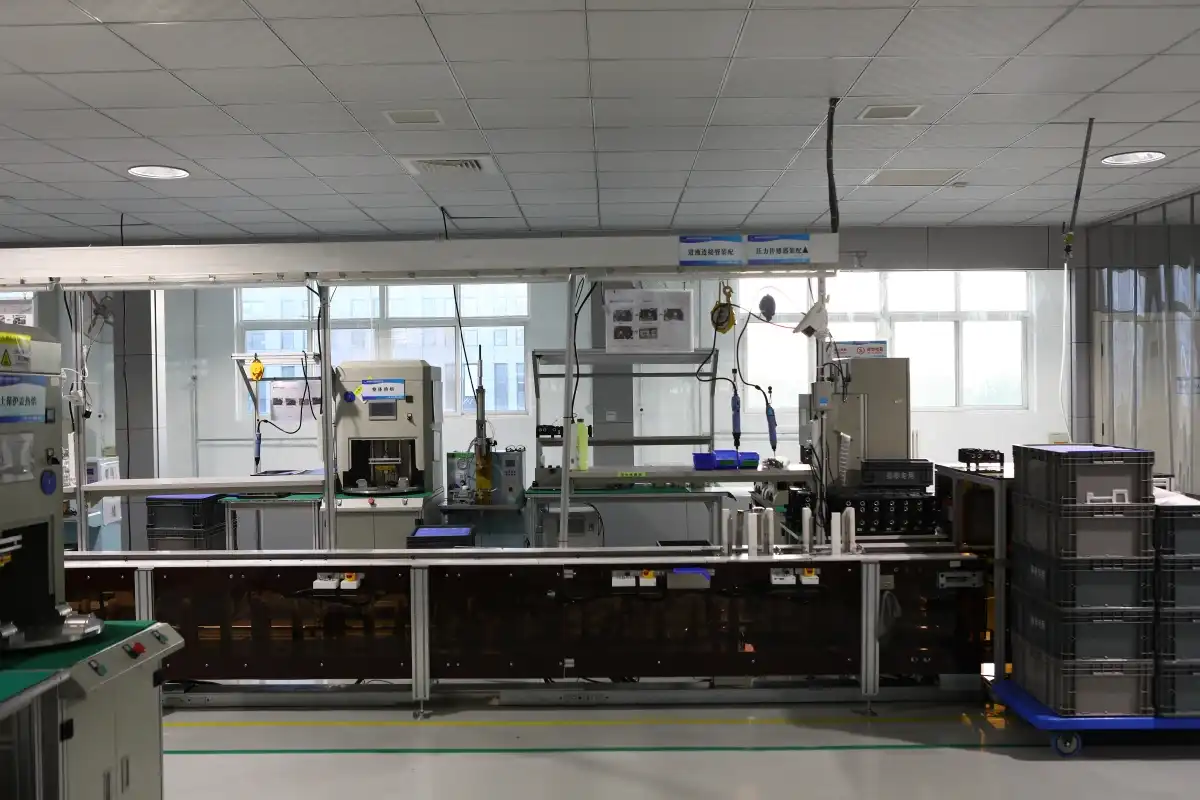
Installation, Calibration, and Troubleshooting of Urea Pressure Sensors
The setting up, checking, and fixing of urea pressure sensors requires correct construction methods and regular repair schedules to improve sensor performance and keep systems from breaking down in harsh working conditions.
Best Practices for Sensor Installation
Place sensors in places where they won't be affected by vibrations from the engine or pump system. If needed, use isolation washers or flexible mounting clips to do this. Tighten the fittings to the manufacturer's specs, which for M12 threaded links is usually between 15 and 25 Nm. This will make sure the seal stays intact without damaging the threads or crushing the O-rings. Keep electrical cables away from high-temperature exhaust parts and secure them with chafe-resistant sleeving, making sure to stick to the minimum bend radii given in the installation instructions. To keep connecting connections from rusting in places with a lot of humidity, put dielectric grease on them before mating.
Calibration and Verification Procedures
Before they can be used for the first time, new urea pressure sensors need to be zero-point calibrated. This can only be done when the dose system is depressurized and at room temperature. To verify, standardized test equipment is used to apply known pressure references and make sure that the output signals match lookup tables within error bands. Plan to recalibrate every 12 months or after any repair on the dose system that needs the sensors to be taken off. This preventative step finds drift early so that it can be fixed before accuracy loss causes diagnostic codes or emissions test fails.
Common Issues and Diagnostic Approaches
Fault codes that show a problem with a pressure sensor circuit are usually caused by corroded connectors, broken wires, or failed internal seals. A visual check shows that there are crystallized DEF layers around the fittings, which means that there are leak paths that need to be fixed right away with new gaskets. If the pressure values are off during steady-state operation, it means that the diaphragm is damaged or contaminated, and the sensor needs to be replaced. If the heater circuit fails, it shows up as a DEF freezing code below 0°C. Before you throw out the sensor, check the power source voltage and resistance values against the specs. For example, contact cleaner should be used to clean the connectors on a regular basis, and the mounting torque should be checked to make sure it doesn't loosen from temperature cycles.
Future Trends and Innovations in Urea Pressure and Temperature Sensor Technology
The urea pressure sensor business keeps getting better thanks to advances in materials science, digital integration, and predictive analytics that change how systems are built and how they are maintained.
Next-Generation Sealing Materials
More gains in longevity are expected from research into new plastics and ceramic coatings. Graphene-enhanced elastomers are 40% more resistant to chemicals than regular fluorocarbons. Atomic layer deposition methods make very thin barrier films that stop ions from moving through closing surfaces. The goal of these improvements is to make repair intervals longer, up to more than 1 million kilometers, for heavy-duty uses. This will lower lifecycle costs and help with sustainability efforts by lowering the number of times parts need to be replaced.
Smart Sensor Integration
Connecting measurement devices to the internet of things turns them from inactive devices into smart system points. Modern sensors have microprocessors built in that look at signal patterns and find oddities that point to potential failures days or weeks before they happen. Cloud-based platforms collect data from entire fleets, spotting problems that happen more often across groups of vehicles and letting you return parts or update software before they break. With this forecast capability, maintenance moves from fixing things when they break down to doing things on a schedule during planned downtime. This makes equipment more available and cuts down on emergency service calls.
Market Drivers and Regulatory Landscape
The rules for global emissions are getting stricter. For example, the EPA is requiring off-road equipment to reduce NOx even more, and CARB has set zero-emission goals that still need SCR for technologies that aren't fully developed yet. Because of these needs, there is a high demand for more accurate sensors that can work with more complex dose methods. As OEMs use unique SCR calibrations to make their products stand out, customization needs rise. This means that sensor providers need to offer a range of interface choices and quick prototype cycles. When manufacturers put money into developing application-specific sensors, they get an edge in competitive bid processes and can secure long-term supply deals with big diesel engine makers.
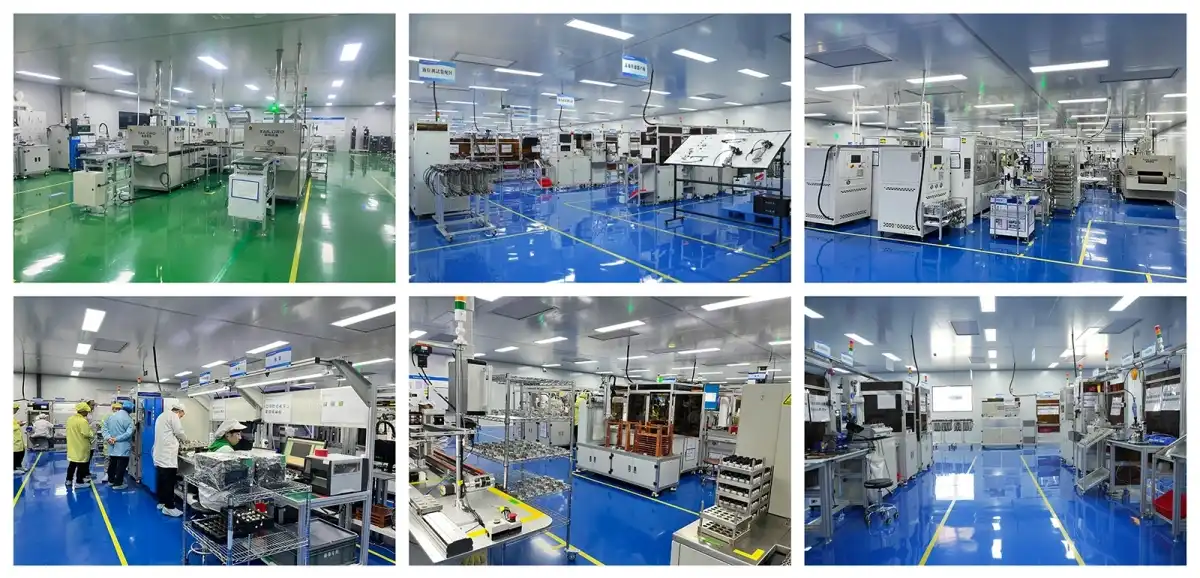
Conclusion
In current diesel powertrains, urea pressure sensors and temperature sensors with better sealing are necessary for meeting emissions standards, being reliable, and keeping up with upkeep costs. When making a purchase choice, you should look at the technical specs that meet the needs of the application, the supplier's ability to handle both mass production and customization, and the lower lifetime costs that come from strong engineering. As government rules get stricter and fleet owners try to get the most downtime, buying tested sensor technologies from reputable companies becomes essential for staying competitive and keeping customers happy.
FAQ
What lifespan can I expect from sensors with improved sealing?
In heavy-duty truck uses, urea pressure sensors with improved sealing technologies can usually last between 500,000 and 800,000 kilometers under normal conditions. Industrial equipment that stays in one place and is kept at a fixed temperature may have more than 10,000 working hours. The actual lifespan relies on things like how often the temperature is changed, the quality of the DEF, and how well the device is maintained. Service times are extended by checking the system regularly and sticking to the calibration plans.
How can I verify sensor accuracy before purchase?
Ask for testing certificates that can be linked to national standards and show that the device is accurate within certain limits across the entire range of pressure and temperature. Test results from reputable providers show measures of linearity, hysteresis, and reliability. Before making large purchases, you might want to order sample units to test for validity in your lab or on research cars and compare their performance to that of reference instruments.
Will upgraded sensors integrate with existing SCR systems?
It is possible for most enhanced-sealing sensors to work with normal mechanical and electrical links. Make sure that the connector's pinouts, mounting measurements, and signal output forms are all the same as what you need. Some digital sensors can be set up in a number of different ways using software settings that let them work with different control module protocols. Talk to the technical support teams to make sure that everything works together and to find out what tuning changes need to be made for a smooth integration.

SENSOR+TEST, June 9 – 11, 2026
We look forward to your visit,warmly welcome to our booth 1-526!
Get your free ticket online now:
https://www.sensor-test.de/service/ticket/?52790
Partner with a Trusted Urea Pressure Sensor Manufacturer
Leading diesel engine makers trust Qintai's tried-and-true sensing solutions for big trucks, building equipment, farm equipment, and generator sets. Our line of urea pressure sensors uses advanced multi-layer sealing technology that is carefully designed to work in DEF settings that are corrosive and with high temperature changes. We are China's top OEM seller and have 58 idea patents and IATF 16949 certification. We have more than 20 years of experience in aftertreatment and offer open customization options and quick technical support.
Our engineering team works together to make sure that the sensors in your SCR systems work as well as possible, whether you need large orders for production lines or unique variations for specific uses. Contact us at info@qt-sensor.com right away to talk about your needs and find out how Qintai's quality-certified sensors can help you meet emissions standards, lower your customers' maintenance costs, and make sure your products will work reliably for a long time.
References
1. Johnson, M. & Thompson, R. (2022). "Advanced Sealing Technologies for Automotive Fluid Sensors," Journal of Automotive Engineering, Vol. 236, pp. 1847-1863.
2. European Commission Directorate-General for Internal Market (2021). Euro VI Heavy-Duty Vehicle Emissions Standards: Technical Implementation Guide, Publications Office of the European Union.
3. Chen, L., Wang, H. & Zhang, Y. (2023). "Durability Assessment of Urea-Compatible Materials in SCR Dosing Systems," Materials Science and Engineering: A, Vol. 867, Article 144102.
4. Society of Automotive Engineers (2022). SAE J1939 Network Communications for Diesel Engine Control, SAE International Standards.
5. Miller, P.D. (2021). "Predictive Maintenance Strategies for SCR System Components in Commercial Fleets," International Journal of Heavy Vehicle Systems, Vol. 28(4), pp. 412-438.
6. U.S. Environmental Protection Agency (2023). Diesel Emission Control Technology: Technical Guidance for Selective Catalytic Reduction Systems, EPA Office of Transportation and Air Quality.
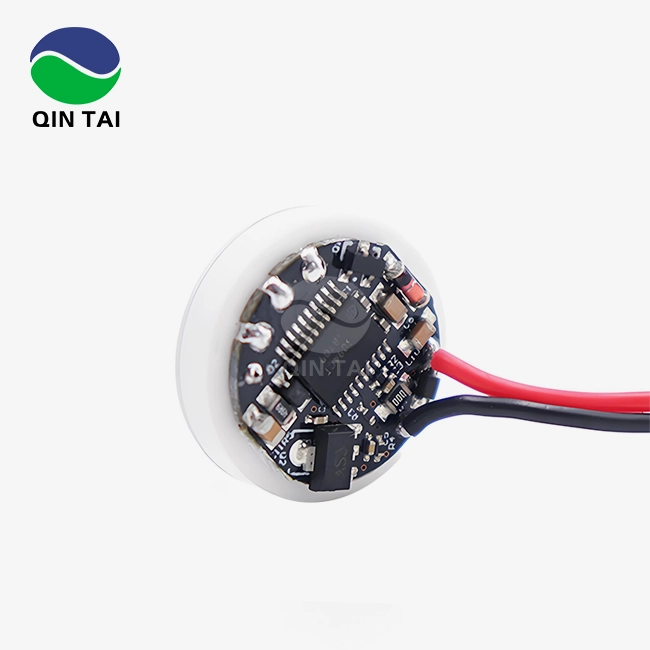
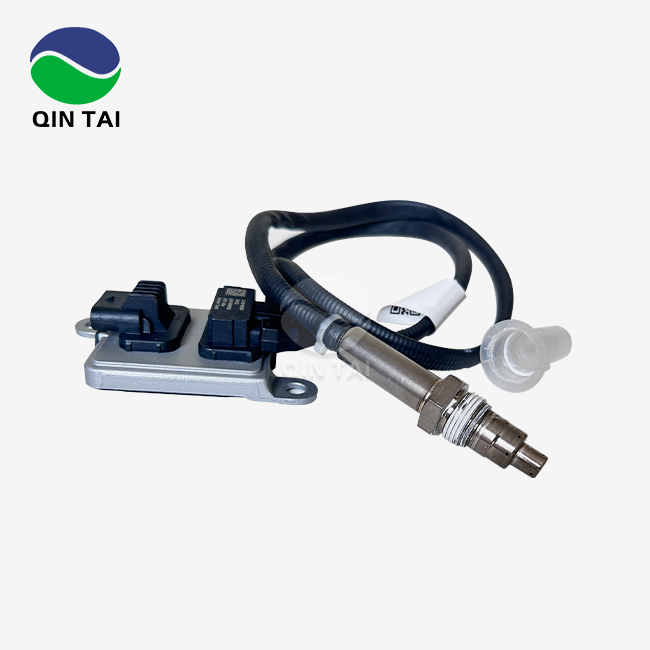
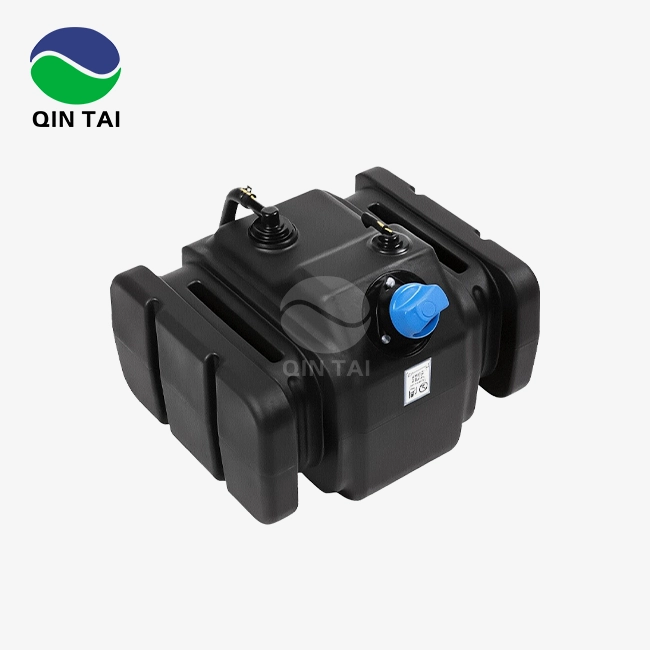
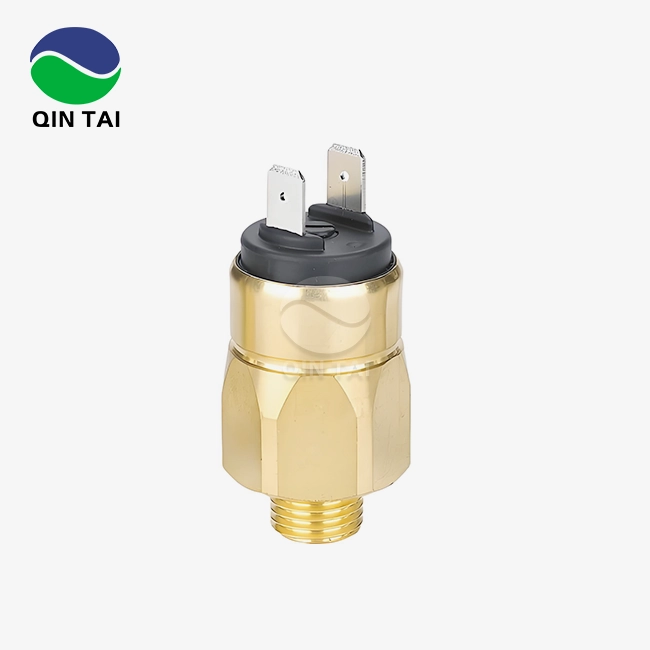

Our customers’ satisfaction speaks for our quality — contact us to experience the same reliable service.