- English
- French
- German
- Portuguese
- Spanish
- Russian
- Japanese
- Korean
- Arabic
- Greek
- German
- Turkish
- Italian
- Danish
- Romanian
- Indonesian
- Czech
- Afrikaans
- Swedish
- Polish
- Basque
- Catalan
- Esperanto
- Hindi
- Lao
- Albanian
- Amharic
- Armenian
- Azerbaijani
- Belarusian
- Bengali
- Bosnian
- Bulgarian
- Cebuano
- Chichewa
- Corsican
- Croatian
- Dutch
- Estonian
- Filipino
- Finnish
- Frisian
- Galician
- Georgian
- Gujarati
- Haitian
- Hausa
- Hawaiian
- Hebrew
- Hmong
- Hungarian
- Icelandic
- Igbo
- Javanese
- Kannada
- Kazakh
- Khmer
- Kurdish
- Kyrgyz
- Latin
- Latvian
- Lithuanian
- Luxembou..
- Macedonian
- Malagasy
- Malay
- Malayalam
- Maltese
- Maori
- Marathi
- Mongolian
- Burmese
- Nepali
- Norwegian
- Pashto
- Persian
- Punjabi
- Serbian
- Sesotho
- Sinhala
- Slovak
- Slovenian
- Somali
- Samoan
- Scots Gaelic
- Shona
- Sindhi
- Sundanese
- Swahili
- Tajik
- Tamil
- Telugu
- Thai
- Ukrainian
- Urdu
- Uzbek
- Vietnamese
- Welsh
- Xhosa
- Yiddish
- Yoruba
- Zulu
Where to Import High-Quality Ceramic Pressure Sensors?
Procurement managers have a lot of choices on global markets when they want to buy high-quality ceramic pressure sensors from trusted sources. Leading makers and wholesalers are mostly located in Germany, Japan, South Korea, and China. They make a wide range of products, from sensors for cars to pressure sensors for factories. These ceramic pressure sensors are very long-lasting and accurate, making them perfect for use in gas engines, building equipment, and systems that keep an eye on the environment. To get the best buying results from strategic sourcing, you need to look at the certifications, professional skills, and after-sales help of your suppliers.
Understanding Ceramic Pressure Sensors: Fundamentals and Key Advantages
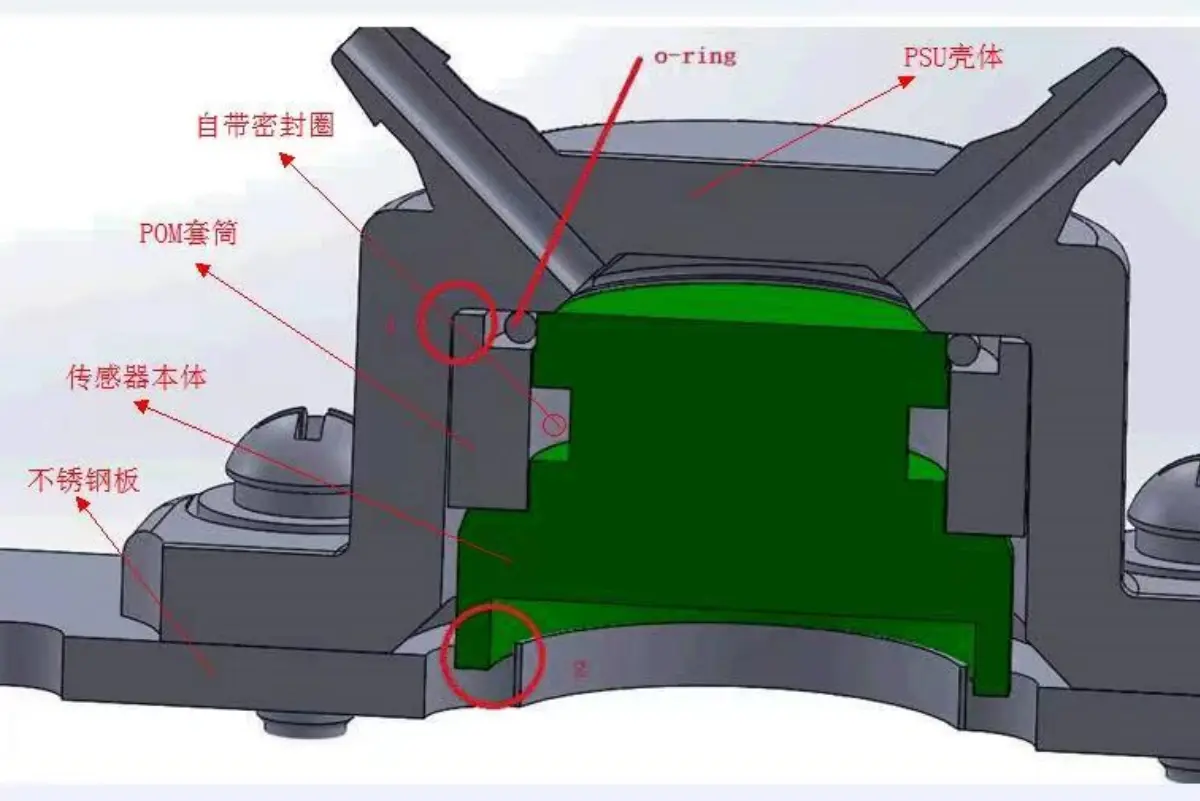
Piezoelectric and capacitive principles are used by ceramic pressure sensors to work, which makes them very good at working in harsh industrial settings. The core ceramic material, which is usually made of alumina, is very stable even when temperatures change a lot and it is acidic, which would break down other sensor technologies.
How Ceramic Pressure Sensors Function?
Ceramic diaphragms that change shape very small when pressure is applied are what make the basic mechanism work. When pressure from the outside works on the ceramic disc, it causes electrical changes that can be measured. These changes can be caused by piezoelectric effects or changes in capacitance. When this happens, voltage changes are made, which are then turned into accurate pressure readings by complex electronics. The clay material is naturally stable, so the data output stays the same over long periods of time.
Today's ceramic capacitive pressure sensors don't use any liquid transfer devices. Instead, the process pressure acts directly on the ceramic diaphragm. With this direct touch design, you get better accuracy while still having great overload safety. When there is too much pressure, the diaphragm touches the base electrode without getting damaged. This keeps expensive sensor failures from happening.
Superior Performance Characteristics
Ceramic pressure sensors are much better than traditional silicon and metal alternatives in a wide range of performance factors. Stability at temperatures ranging from -40°C to 150°C means that it can be used in harsh car and industrial settings where other sensor technologies would break down when exposed to temperature changes. Corrosion resistance lets sensors come into direct touch with active media without affecting the accuracy of measurements or the length of time they last.
The lifetime of high-quality ceramic sensors is much longer than that of standard options. This means that they need less upkeep and cost less to own overall. Impact strength and high elasticity make it possible for effective operation in places where vibrations are common, like heavy machines. Because they work better, ceramic sensors are the best choice for SCR aftertreatment systems, diesel engine tracking, and controlling industry processes.
Criteria for Choosing the Best Ceramic Pressure Sensors for Industrial Use
To choose the best ceramic pressure sensors, you need to carefully look at their technical specs and make sure they meet your unique working needs. To make long-lasting buying plans, people who work in procurement must find a balance between performance factors and cost factors.
Technical Specification Assessment
The main factor used to choose ceramic pressure sensors is how well they work in different environments. The required chemical protection, operating temperature ranges, and pressure measuring ranges must all be exactly what the application calls for. Depending on how important the application is and how much money you have, accuracy requirements are usually between ±0.25% and ±0.5% full scale.
Electrical interface compatibility makes sure that the new system works with current control systems and aftertreatment units without any problems. Different installation needs can be met by output signals, connection types, and mounting setups that can be changed. When dynamic pressure tracking is used, where quick changes in pressure need to be picked up right away, response time traits become very important.
Cost-Performance Analysis Framework
To figure out the total cost of ownership, you have to add up the initial purchase price, the cost of installation, the cost of calibration, and the frequency of planned upkeep. It costs more up front to buy premium ceramic sensors, but they are more reliable and last longer, which lowers your long-term running costs. For large uses, the economics of buying can be greatly improved by ordering in bulk and forming partnerships with original equipment manufacturers (OEMs).
Warranty coverage and the ability to provide help after the sale have a direct effect on business risk and planning for upkeep. Suppliers who give full expert support, quick replacements, and testing services add value above and beyond the quality of the product itself. These support skills are especially useful in global supply chains where there may not be a lot of technical experts in one place.
Where and How to Import High-Quality Ceramic Pressure Sensors?
To buy ceramic pressure sensors around the world, you need to carefully consider how well different regions can make them and form partnerships with suppliers. When you know where your suppliers are strong and what their geographical benefits are, you can make better choices about where to buy things that balance quality, cost, and supply chain reliability.
Regional Manufacturing Centers and Expertise
European companies, especially German ones, are very good at precise engineering and making automotive-grade ceramic sensors that meet strict rules for controlling emissions. Most of the time, these providers offer better technical paperwork and certification that meets Euro VI and other similar legal standards. Japanese companies focus on advanced materials science and reduction technologies that make it possible to put high-performance devices in small spaces.
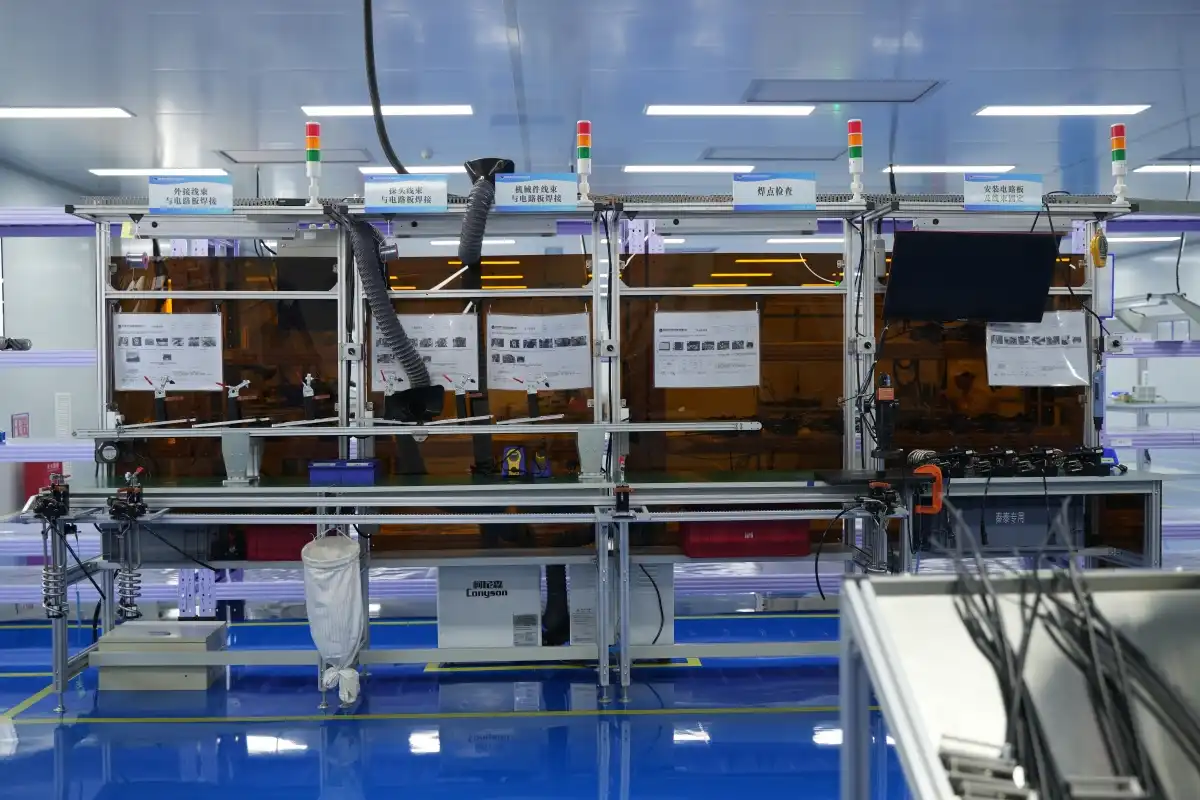
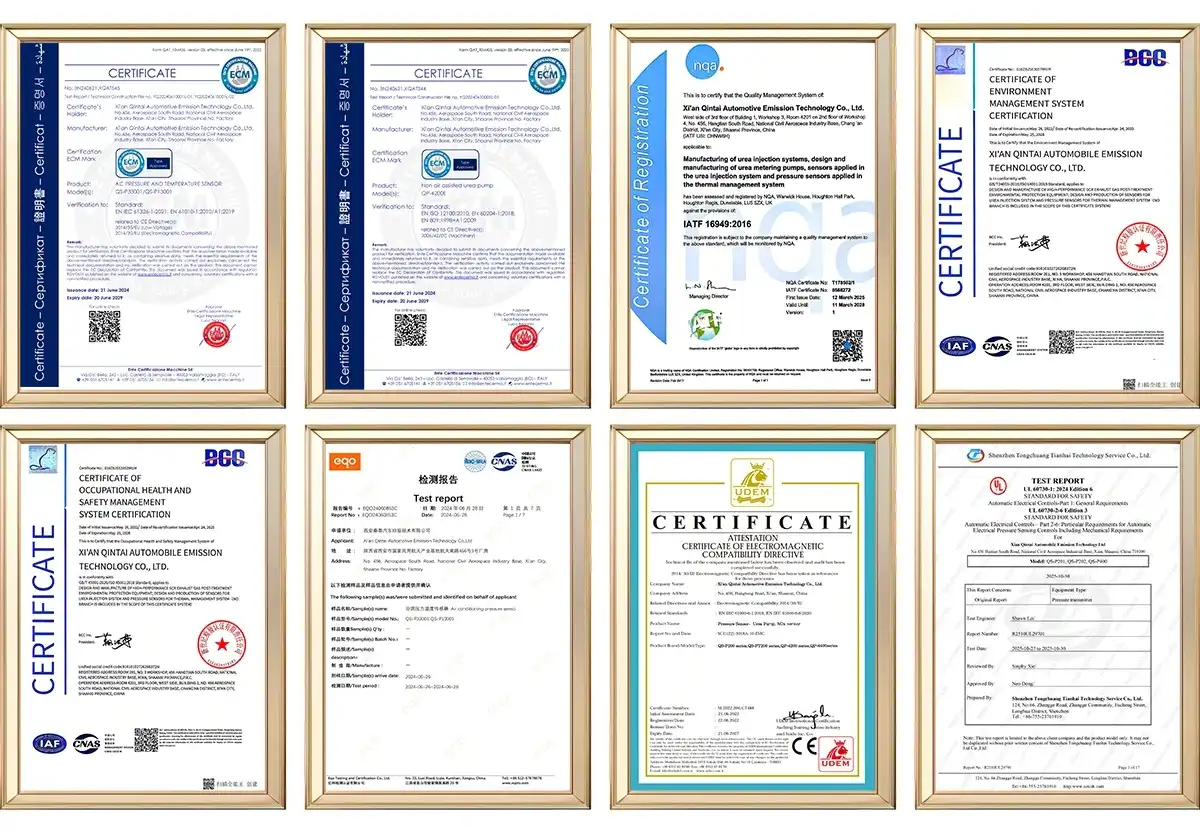
As a result of lower prices and higher quality standards, Chinese companies have become major players in the ceramic pressure sensor market. Companies like Xi'an Qintai Automotive Emission Technology have gotten foreign standards like ISO9001 and IATF16949 while keeping their costs low by making in China. Korean providers are experts in working with cars and do a great job of integrating SCR and DPF aftertreatment systems.
Import Logistics and Documentation Requirements
To successfully import clay pressure sensors, you need to know a lot about how to follow the rules and get the right certifications. Quality badges, such as ISO standards, RoHS compliance, and industry-specific approvals, show that a product is real and follows the rules. Full sets of technical paperwork make it easier to clear customs and speed up the process of evaluating technical issues within the company.
Managing lead times becomes very important when organizing when sensors are delivered with production plans. Established sellers usually keep extra stock on hand and offer faster shipping choices for customers who need them quickly. Building ties with several area providers gives you extra security in your supply chain and gives you more power when negotiating better business terms.
Supplier Evaluation and Partnership Development
As part of the due research process, audits of the manufacturing site, reviews of the quality system, and reviews from previous customers should all be included. Suppliers who spend in research and development (R&D) and work on ongoing improvement programs show that they want the partnership to work for a long time. Help with application engineering and customization services, along with other technical help options, are very useful for complicated integration needs.
Comparison of Ceramic Pressure Sensors with Alternative Technologies
Knowing the pros and cons of ceramic pressure sensors compared to other technologies helps you make smart buying choices based on the needs of your individual application. Depending on the working conditions and performance goals, each sensor technology has its own benefits.
Ceramic vs. Silicon Pressure Sensors
When used in safe conditions, silicon pressure sensors are very sensitive and inexpensive, but they aren't strong enough for tough industrial settings. In high-temperature settings, ceramic sensors work better than silicon sensors, which would lose their effectiveness or break. Because they are chemically compatible, ceramic sensors can work in toxic settings where silicon-based sensors would break after only a short time of use.
The ability to protect against overload shows big differences between these systems. When pressure levels exceed the design specs, silicon sensors usually get permanently damaged. Ceramic sensors, on the other hand, keep working thanks to mechanical contact safety mechanisms. This advantage in longevity means lower replacement costs and better system stability in tough situations.
Performance Advantages Over Metal Sensors
Metal pressure sensors are strong mechanically, but they have problems with thermal expansion that makes them less accurate across a wide range of temperatures. Ceramic materials are very good at keeping their shape even when they are heated and cooled many times, which is useful in industrial and automobile settings. Ceramic sensors can handle millions of pressure cycles without losing their effectiveness because they are resistant to fatigue.
Another big benefit of clay sensors in electrically noisy industrial settings is that they don't get affected by electromagnetic interference. EMI effects can mess up measurements in metal-based sensors, but ceramic materials don't have those problems because of how they are electrically made. This immunity is very helpful when working with generator sets and big machines where electrical noise levels are high.
Ensuring Quality and Performance: Calibration and After-Sales Support
To get the most out of a ceramic pressure sensor, it needs to be calibrated properly and have expert help available throughout its entire operational lifecycle. These quality control steps have a direct effect on how accurate measurements are and how reliable they are over time.
Calibration Procedures and Standards
To do a proper calibration, you must first know how the sensor works and what conditions it needs to work in. Accuracy across the whole pressure range is guaranteed by multi-point testing using approved reference standards. Temperature compensation methods take into account how temperature changes affect the output of a sensor, so accuracy is maintained across a wide range of working temperatures.
Calibration intervals rely on how important the application is and how it is used. Usually, they range from once a year for safe settings to three times a year for harsh industrial ones. Calibration certificates, traceability records, and performance trend analysis are some of the things that must be documented in order to find possible drift problems before they affect daily performance.
Strategic Supplier Relationships
Long-term relationships with suppliers give you access to advanced technical help, the chance to work together on product development, and better business terms. Suppliers who offer full warranties show that they are confident in the quality of their products and lower the risk for their customers. Technical training classes help customer service reps get the most out of sensors and fix common problems quickly.
Rapid reaction for emergency replacements and technical help keeps output from stopping when sensor problems happen. Support is easier to get from global sellers with regional service centers than from centralized support methods. As sensor applications spread to more rural areas and important production processes, these service features become more crucial.
Conclusion
When you want to import high-quality ceramic pressure sensors, you need to carefully look at the technical specs, the supplier's skills, and the needs for long-term support. Ceramic technology's better performance qualities, like longer sturdiness, accuracy, and dependability, make the higher costs worth it. Strategic relationships between suppliers and authorized makers make sure that customers can get the newest sensing technology at prices that are competitive. Aligning sensor specs with application needs and building relationships with providers who offer full technical support and quality assurance programs are key to success.

SENSOR+TEST, June 9 – 11, 2026
We look forward to your visit,warmly welcome to our booth 1-526!
Get your free ticket online now:
https://www.sensor-test.de/service/ticket/?52790
FAQ
Q1: What makes ceramic pressure sensors superior to other sensor types?
A: Ceramic pressure sensors are better than silicon and metal ones because they are more stable at high temperatures, don't rust, and last longer mechanically. The clay material stays accurate from -40°C to 150°C and doesn't break down chemically when exposed to harsh media. Overload protections keep lasting damage from happening during pressure spikes, so they are reliable for a long time in tough situations.
Q2: How do I verify the quality of imported ceramic pressure sensors?
A: To check the quality, you need a lot of paperwork, like ISO licenses, calibration certificates, and reports that say the product meets the standards for the business. A physical check should be done to make sure the package is correct, the labels are correct, and the connectors are solid. Before implementation, measurement accuracy and reaction characteristics are checked using approved reference standards as part of functional testing.
Q3: What are the typical lead times for ceramic pressure sensor imports?
A: Standard ceramic pressure sensors usually take 4 to 8 weeks to arrive from well-known manufacturers, but this depends on how they are customized and how many are ordered. Lead times may go up to 8 to 12 weeks for custom sensors that need to be mounted in a certain way or have a certain electrical link. Orders that are emergencies are often processed faster, but the shipping costs are higher.
Partner with Qintai for Premium Ceramic Pressure Sensors
Qintai is the best ceramic pressure sensor maker in China, and they offer top-notch quality and dependability to OEM customers around the world. Our extensive research and development (R&D) skills and ISO9001 and IATF16949 certifications guarantee consistently high-quality products for use in automobile, industrial, and environmental settings. We have unique technical know-how and manufacturing power thanks to our 58 invention patents and partnerships with big Chinese engine makers.
For SCR aftertreatment systems, diesel engine tracking, and industrial process control, our ceramic pressure sensors work better than others. Customization lets you make solutions that fit the needs of each individual customer while keeping prices low by using efficient manufacturing methods. Get in touch with our technical team at info@qt-sensor.com to talk about your ceramic pressure sensor needs and feel the Qintai quality edge.
References
1. Johnson, M. et al. "Advanced Ceramic Materials in Pressure Sensing Applications: Performance Analysis and Industrial Implementation." Journal of Industrial Sensors, Vol. 45, 2024.
2. Thompson, R. "Global Supply Chain Management for Precision Sensors: Strategic Sourcing and Quality Assurance." International Procurement Review, 2024.
3. Liu, W. and Anderson, K. "Comparative Performance Analysis of Ceramic vs. Silicon Pressure Transducers in Automotive Applications." Automotive Engineering International, 2024.
4. European Standards Organization. "Pressure Sensor Certification Requirements and Testing Protocols for Industrial Applications." ESO Technical Publication 2024-15.
5. Zhang, H. "Manufacturing Excellence in Ceramic Pressure Sensor Production: Quality Systems and Process Control." Industrial Manufacturing Quarterly, Vol. 18, 2024.
6. International Association of Sensor Manufacturers. "Global Market Analysis: Ceramic Pressure Sensor Technology Trends and Future Outlook." IASM Annual Report, 2024.
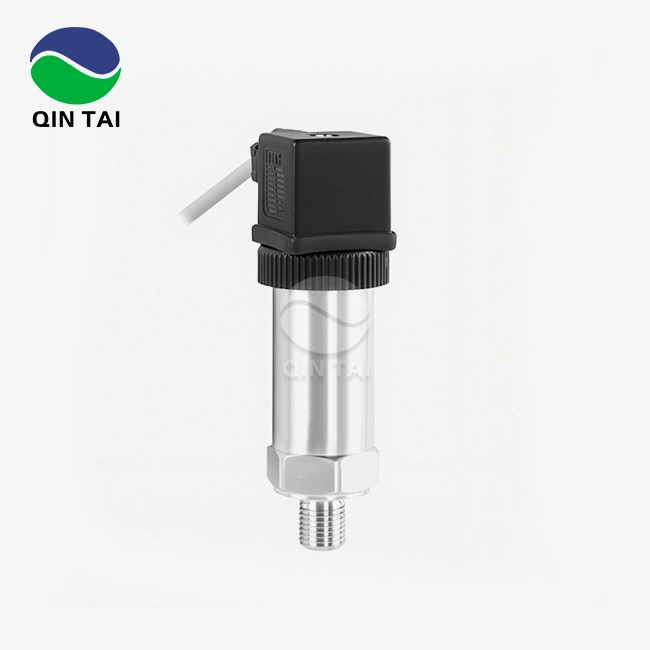
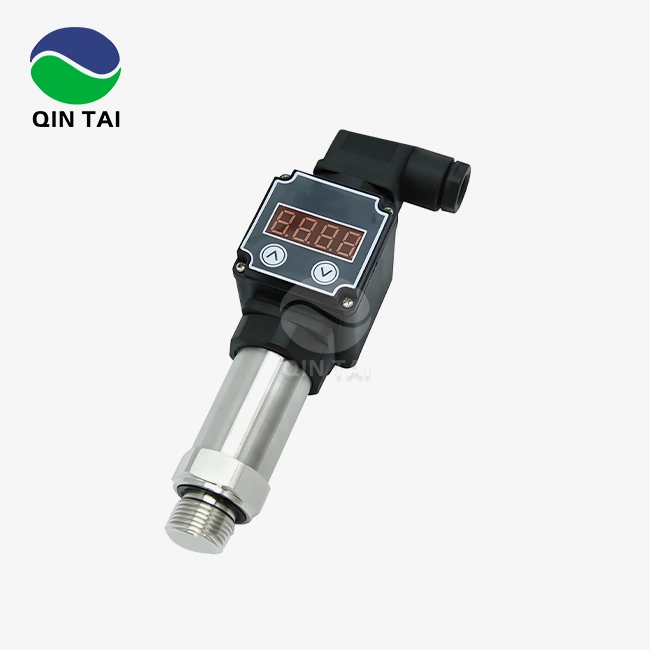
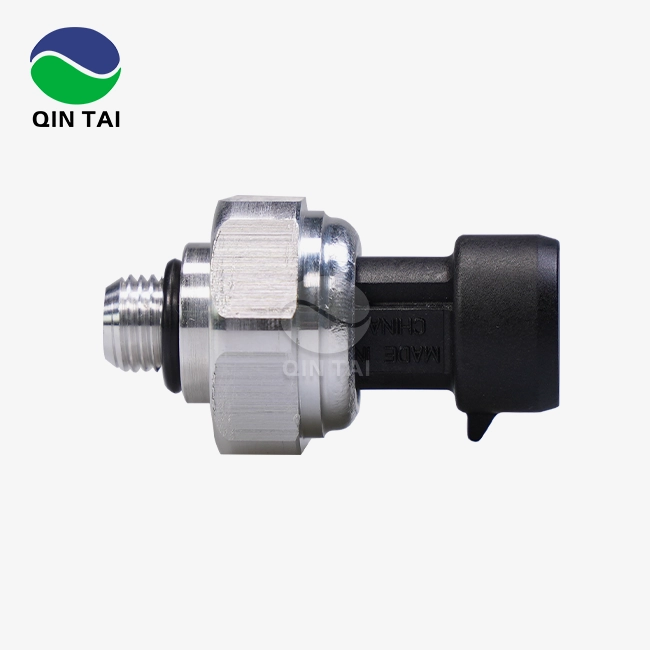


Our customers’ satisfaction speaks for our quality — contact us to experience the same reliable service.