- English
- French
- German
- Portuguese
- Spanish
- Russian
- Japanese
- Korean
- Arabic
- Greek
- German
- Turkish
- Italian
- Danish
- Romanian
- Indonesian
- Czech
- Afrikaans
- Swedish
- Polish
- Basque
- Catalan
- Esperanto
- Hindi
- Lao
- Albanian
- Amharic
- Armenian
- Azerbaijani
- Belarusian
- Bengali
- Bosnian
- Bulgarian
- Cebuano
- Chichewa
- Corsican
- Croatian
- Dutch
- Estonian
- Filipino
- Finnish
- Frisian
- Galician
- Georgian
- Gujarati
- Haitian
- Hausa
- Hawaiian
- Hebrew
- Hmong
- Hungarian
- Icelandic
- Igbo
- Javanese
- Kannada
- Kazakh
- Khmer
- Kurdish
- Kyrgyz
- Latin
- Latvian
- Lithuanian
- Luxembou..
- Macedonian
- Malagasy
- Malay
- Malayalam
- Maltese
- Maori
- Marathi
- Mongolian
- Burmese
- Nepali
- Norwegian
- Pashto
- Persian
- Punjabi
- Serbian
- Sesotho
- Sinhala
- Slovak
- Slovenian
- Somali
- Samoan
- Scots Gaelic
- Shona
- Sindhi
- Sundanese
- Swahili
- Tajik
- Tamil
- Telugu
- Thai
- Ukrainian
- Urdu
- Uzbek
- Vietnamese
- Welsh
- Xhosa
- Yiddish
- Yoruba
- Zulu
Using OEM Pressure Sensors in Vehicles
Using OEM pressure sensors in vehicles represents a critical advancement in automotive engineering, enabling precise monitoring and control across multiple systems. A pressure sensor detects force exerted over an area, converting physical changes into electrical signals that inform engine management, brake systems, and emission control mechanisms. These devices provide real-time data essential for optimizing performance, ensuring regulatory compliance, and extending equipment lifespan. Modern diesel engines, heavy trucks, construction machinery, and generator sets rely on accurate pressure measurements to maintain operational efficiency and meet stringent emission standards like China VI and Euro VI, making sensor selection a strategic procurement decision that directly impacts production quality and cost management.
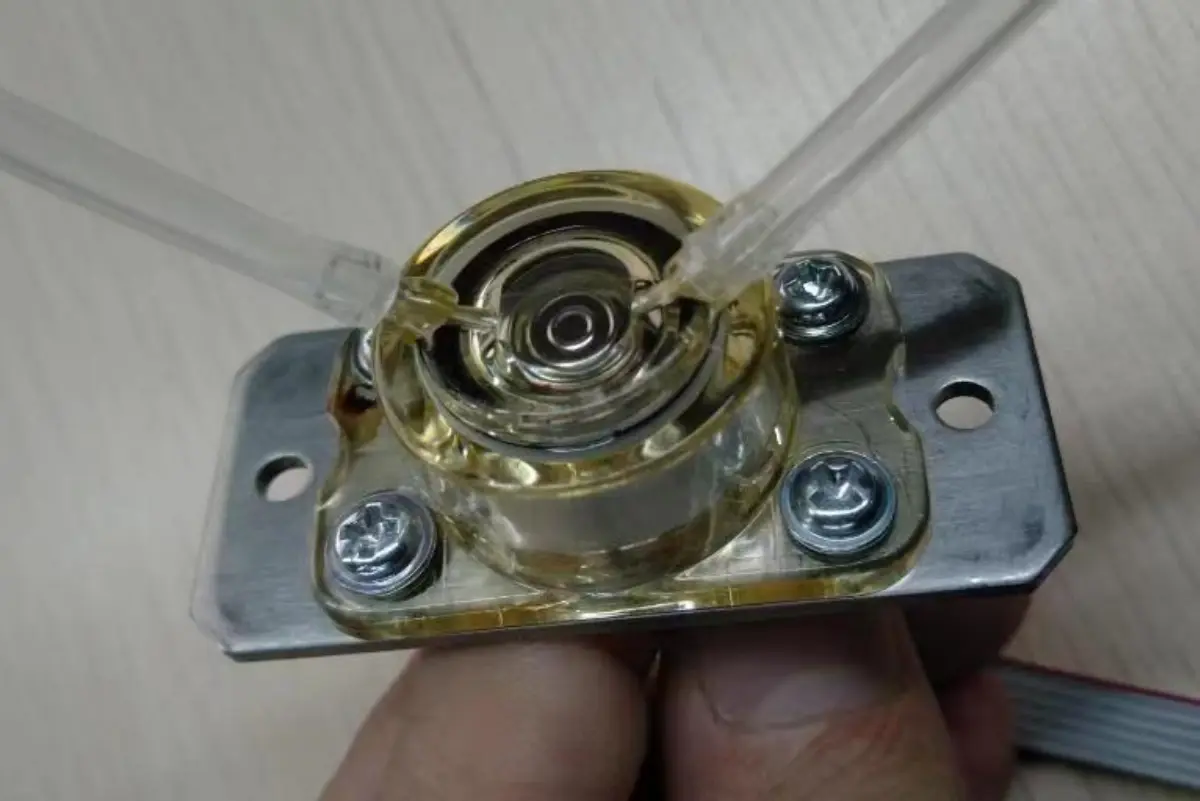
Understanding OEM Pressure Sensors in Vehicles
OEM pressure sensors are the senses that keep modern car systems working. They turn changes in mechanical pressure into information that can be used. These gadgets keep an eye on important factors in the engine oil circuits, fuel delivery systems, exhaust aftertreatment routes, and hydraulic brake parts. When there are changes in pressure, the sensor's internal system sends out electrical signals that are interpreted by the vehicle's control units and used to make dynamic changes to the working parameters.
Core Sensor Technologies in Automotive Applications
There are three main types of sensors used in the car business. Each has its own benefits for different uses. Piezoelectric sensors use solid materials that produce voltage when put under mechanical stress. They have very fast reaction times that make them perfect for finding sudden changes in fuel injection system pressure.
Capacitive sensors measure pressure by changing the capacitance between electrodes that are divided by a flexible diaphragm. These sensors give stable readings over a wide temperature range, which is especially useful for tracking the recirculation of exhaust gases. Piezoresistive sensors use semiconductors whose electrical resistance changes depending on how much pressure is applied. This makes them very accurate for checking engine oil pressure and controlling transmissions.
Critical Applications Across Vehicle Systems
Pressure monitoring is used all over modern cars to support many systems that are all linked to each other. Absolute pressure data from the intake manifold are used by engine management to figure out the best time and amount of fuel to pump, which has a direct effect on how efficiently the engine burns fuel and how much pollution it puts out.
Differential measurements that show how fast soot builds up set off cleaning routines in diesel particulate filters before limits make them less effective. To keep NOx conversion efficiency high while lowering urea use, selective catalytic reduction systems need exact doses based on exhaust backpressure data. Brake safety systems constantly check the integrity of the hydraulic circuit and warn drivers if fluid loss could make stopping less effective.
R&D engineers and buying managers can better understand why sensor quality can't be reduced if they know about these basic uses. Heavy trucks, farm equipment, and building vehicles all use equipment that is subject to high vibrations, temperature changes from -40°C to 150°C, and acidic fluids that make sensors last less long. We have witnessed how bad sensors can lead to fake diagnostic codes, downtime that isn't needed, and warranty claims that cost many times more than the initial cost savings.
How to Choose the Right OEM Pressure Sensor for Vehicle Applications
To choose the right pressure sensors, you need to use a methodical evaluation process that matches technical requirements with the facts of the supply chain. It can be hard for procurement managers to find solutions that meet the needs of engineers while also staying within budget and making sure that production plans don't get thrown off.
Technical Specification Alignment
The measurement range is the most important part of the specification because sensors have to be able to correctly pick up pressures ranging from almost nothing in intake manifolds (0.2 bar absolute) to high-pressure fuel lines topping 2000 bar in common rail diesel systems. Different tasks need different levels of accuracy. For example, readings that depend on emissions need to be accurate to within ±1% of the full scale, while tracking that isn't required by law can handle errors up to ±2%. In dynamic applications where pressure changes in milliseconds, response time is very important. To record brief events without signal distortion, sensors need bandwidths greater than 1 kHz.
Long-term dependability depends on how well a sensor works in harsh environments that put stress on its materials and technology. The temperature adjustment circuits keeps the accuracy of the measurements over the whole ambient range, stopping drift that causes false trouble codes. Testing to ISO 16750 standards for vibration resistance guarantees mechanical integrity when placed on engine blocks that are vibrating in more than one direction. For media compatibility, diaphragm materials must be able to withstand diesel fuel, engine oil, coolant, and exhaust vapor without breaking down or failing too soon.
Distinguishing Sensor Classifications
Different types of pressure measurements are used for different tasks in car systems. Absolute sensors take readings and compare them to a perfect vacuum. This gives data that isn't changed by changes in the air, which is needed for altitude adjustment in engine mapping. Gauge sensors measure in relation to the air pressure around them, which makes installation easier in situations like checking tires where absolute numbers don't add anything useful. Differential sensors measure the pressures at two different ports. This lets turbocharger systems find particulate filters that are full and control the boost.
The language used for components often makes specifications hard to understand. Sensors pick up on real events and send out raw signs that need to be amplified and conditioned. Transducers have signal processing built in that gives them standard outputs like 0-5V analog or digital CAN bus protocols that work directly with car control units. Switches send out binary on/off signals at set levels. They can be used for simple alarm tasks but don't have the accuracy needed for closed-loop control.
Evaluating Supplier Capabilities
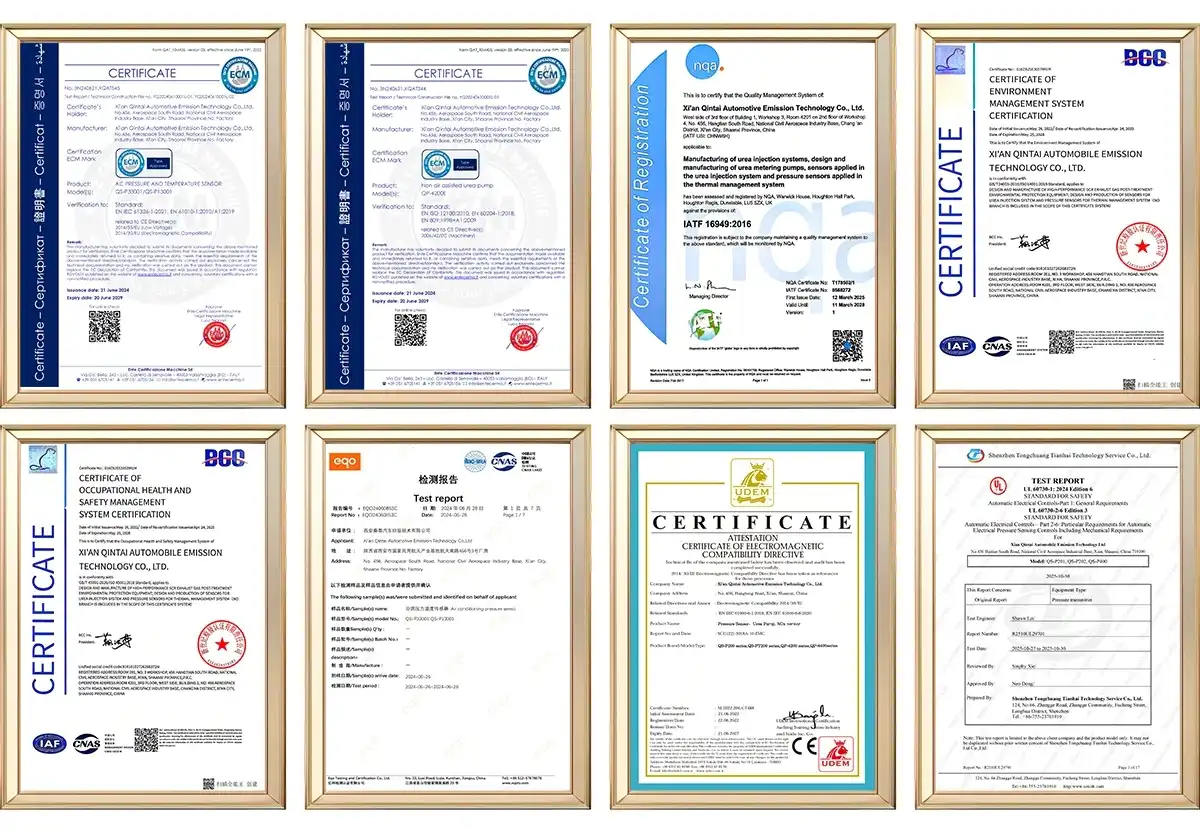
Beyond the specifications of the parts, evaluating the seller is what determines the success of the purchase and the long-term viability of the relationship. Certifications like ISO9001 quality systems, IATF16949 vehicle standards, and UL/CE safety approvals give you peace of mind that the quality of the product will be consistent. When you look at a supplier's intellectual property portfolio, you can see how innovative they are. Suppliers with a lot of patents are technically leading and consistently investing in R&D, rather than just reselling common parts.
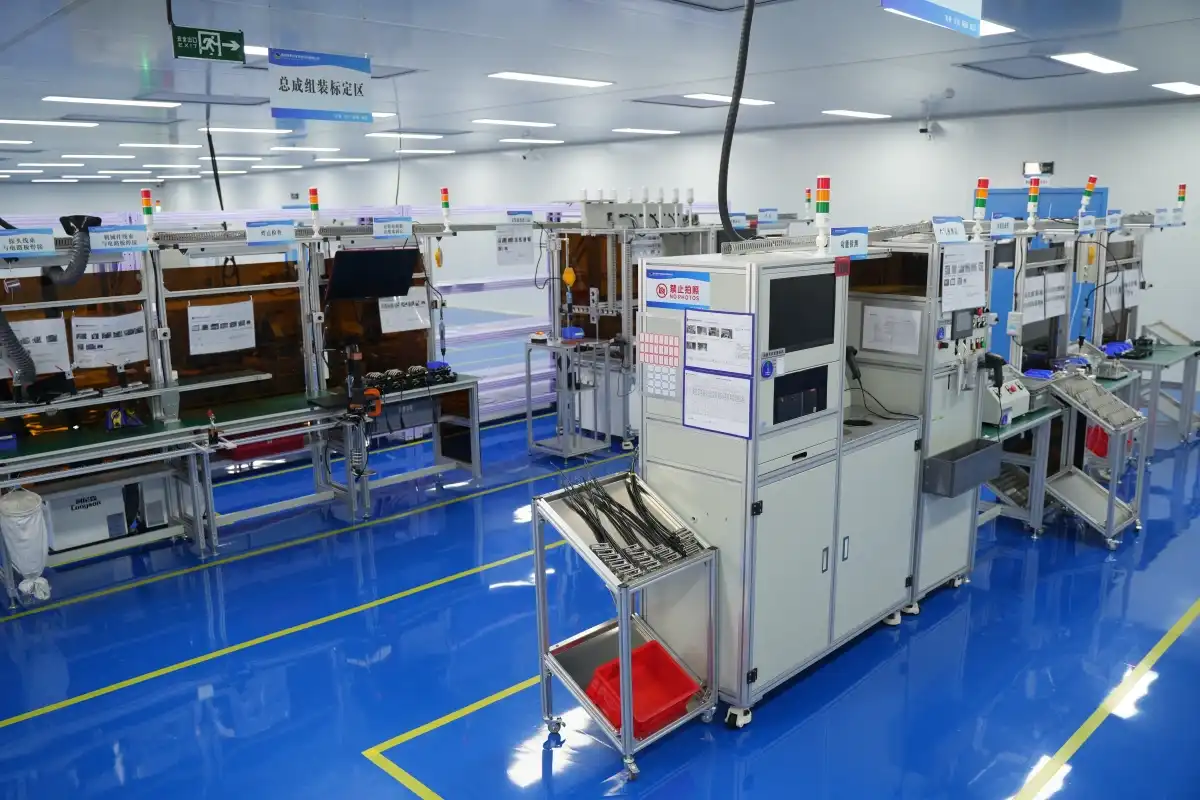
Scale of production has a direct effect on the stability of supplies. When suppliers work with big OEM customers, they usually keep up production levels that can support millions of units per year and have set up supply chains for raw materials and parts. This size allows prices to be affordable by keeping enough supplies to protect against sudden increases in demand. We suggest checking customer references from tier-one automakers because getting these kinds of relationships requires going through strict screening processes that check for technical skill and business stability.
When standard store goods don't perfectly meet application needs, customization becomes very important. When suppliers let you change parameters like pressure ranges, electrical connections, mounting setups, and output signals, you can get the best integration without having to wait for expensive redesigns. Technical support, such as application engineering help and quick after-sales service, speeds up fixing and cuts down on the time it takes to create a product.

Best Practices for Integrating and Calibrating OEM Pressure Sensors in Vehicles
The performance of pressure sensors is best when they are installed correctly and kept up to date throughout the vehicle's service life. Even high-quality parts don't work as well when they're mounted in a way that causes stress clusters or when electrical connections aren't properly shielded against electromagnetic interference from nearby electric motors and ignition systems.
Installation Guidelines for Optimal Performance
Choosing where to mount something takes careful thought of a number of things. Sensors should be placed so that they measure the average pressure while staying away from areas of rapid flow that make readings unstable and speed up wear. Putting sensing diaphragms in a position where they are not directly hit by fluid jets keeps them from getting damaged during pressure spikes. When temperatures near sensor housings are higher than what is recommended, thermal isolation is needed. This can be done with threaded adapters that form thermal barriers or by sending pressure lines through cooler zones before they reach sensor ports.
Using the right amount of force to secure sensors stops them from coming loose from vibrations and from being overtightened, which bends the housings and changes the calibration. Thread sealants that are suitable with the measured media stop leaks and keep sensor chambers from getting dirty. Electrical connections work better with high-quality mating that keeps the contact solid even when the temperature and pressure change. Twisted-pair protected wires also keep electromagnetic interference from messing up signals going to control units to a minimum.
Calibration Methods and Maintenance Intervals
To keep measurements accurate over time, they need to be checked against known reference standards on a regular basis. Factory calibration sets the original performance, but mechanical wear, thermal stress, and chemical contact change the sensor's traits over time in the field. Setting calibration intervals, which can be anywhere from 12 to 24 months based on the severity of the application, balances the cost of upkeep against the increase in measuring uncertainty.
As part of the calibration process, sensor outputs are compared to either precision deadweight testers or air calibrators across the whole measurement range and at several test points. Recording variations gives numbers to drift rates that help with planning replacement tactics. When accuracy goes outside of acceptable ranges, sensors need to be replaced instead of being adjusted in the field because changes to internal parts can't be safely fixed without access to zero-pressure references and temperature compensation circuits.
Fixing common operating problems stops wrong diagnoses and replacing parts that don't need to be replaced. Signal drift is usually caused by moisture getting in through connectors that aren't sealed well enough, not by problems with the sensors themselves. This can be fixed by sealing the connections better and adding safety boots. Noisey readings could mean that the electrical grounding isn't good or that signal lines are being routed near high-current circuits. This can be fixed by giving each sensor its own ground return and keeping it away from sources of interference. Knowing about these problems helps support teams make fixes that don't cost too much and don't mess up production plans.
Trends in sensor data are used by predictive maintenance methods to plan repairs before they happen. By keeping an eye on pressure signal patterns, you can spot signs of gradual degradation like rising noise levels or slower reaction times that happen before total failures. This proactive method cuts down on unplanned downtime by letting parts be replaced during planned maintenance times instead of having to be fixed in an emergency.
Case Studies: Successful OEM Pressure Sensor Implementations in Automotive Industry
Real-life examples show that choosing the right pressure sensors strategically can lead to measured performance gains and cost savings. These case studies show how to make decisions that match technical needs with seller abilities, leading to long-lasting partnerships that work well.
Engine Efficiency Enhancement Through Advanced Sensing
It was hard for a major heavy truck maker to meet Euro VI emission standards while also meeting fuel economy goals. The old intake manifold pressure sensors drooped when the temperature changed, which led to mistakes in the control system's correction, which led to less-than-ideal air-fuel ratios during cold starts and temperature changes. The engineering team asked for new sensors that could work accurately within ±0.5% from -40°C to 125°C and had a temperature coefficient of less than 0.1% per 10°C.
When looking at different sources, it was found that capacitive ceramic technology was more stable at high temperatures than piezoresistive options. The chosen provider made special mounting flanges that fit the engine's current mounting points and CAN bus output protocol, so there was no need for extra interface hardware. In field tests with 50 pre-production cars, 2.3% less fuel was used and 15% less NOx was released compared to baseline setups. Despite 30% higher unit costs compared to earlier sensors, production implementation went ahead with agreed-upon volume price that paid for itself in 18 months.
Safety System Reliability in Construction Equipment
A company that makes building equipment got insurance claims for hydraulic brakes that didn't work, and an investigation found that the problems were caused by faulty pressure switches. Vibrations and contaminated hydraulic fluid getting into inexpensive switches meant to tell workers of problems in the hydraulic system caused them to fail early. Replacement switches often failed to close, so alarms didn't go off until there was a massive loss of pressure. This created safety risks and regulatory compliance issues.
The purchasing team worked with a sensor maker that made ruggedized transducers with built-in defenses against contamination and vibration approval to ISO 20957 heavy equipment standards. Instead of just having on/off switches, the new system had constant pressure tracking that let predictive algorithms find small leaks that caused pressure to drop before it reached critical levels. When used across all product lines, it cut repair costs for brakes by 67% in just two years while also making operators safer. The supplier's quick technical help made integration go more smoothly by creating custom firmware that worked with current machine control systems.
These examples show that carefully evaluating suppliers and working together on technology can create value above and beyond the cost of the parts. Getting manufacturers involved early in the development process allows for co-engineering, which improves sensor specs for specific uses while keeping cost and manufacturing feasibility goals in mind.
Future Trends in Automotive OEM Pressure Sensors
New technologies and changes in regulations are always changing the pressure sensor business by changing what products can do and what the market wants. Procurement teams can make decisions that extend the duration of solutions and keep their competitive edge by staying up to date on new trends.
Technological Advancements Reshaping Sensor Capabilities
Micro-electromechanical systems (MEMS) technology makes sensor parts smaller while also making them more effective and lowering the cost of making them. MEMS methods make silicon detecting structures with tiny details that make them more sensitive and lower their thermal mass. This lets them respond faster and use less power. These benefits are especially helpful for hybrid and electric cars, since reducing the energy load increases battery range and lowers the need for cooling.
Microprocessors are built into the housings of smart sensors so that they can do local signal processing, self-diagnostics, and digital communication protocols. Instead of sending unprocessed analog signals that can get messed up or lost over long wire runs, smart sensors send calibrated pressure values through strong serial interfaces such as CAN, LIN, or vehicle Ethernet. Built-in diagnostics constantly check the signal quality, finding problems like shorted wires or sensing element wear before they completely break down. This makes condition-based maintenance strategies possible.
Connecting sensors to the internet of things lets them send data to cloud-based analytics tools that can be used to look at data from whole teams of vehicles. By looking at the pressure patterns of thousands of cars, we can find new ways that things can go wrong and make the control algorithms better without having to physically return the vehicles. Because they are connected, sensors are no longer just measuring tools; they are now parts of larger communities for managing assets.
Regulatory Influences Driving Design Evolution
Around the world, stricter pollution rules require more accurate control of the exhaust aftertreatment process. This directly raises the accuracy and dependability requirements for sensors. New rules that focus on particulate number instead of mass will need differential pressure tracking with stricter rules to find filter efficiency loss faster. Manufacturers are forced to use sensors that have been tested and shown to be reliable for more than 500,000 kilometers and 10,000 hours of use in real-world situations by longer warranty periods and standards for longevity demonstrations.
Sustainability issues affect how sensor lifetime management is done. The European RoHS directive and other rules that limit dangerous chemicals require gadgets and designs that don't use lead or mercury. Requirements for recycling at the end of life support modular building, which makes it easier to separate and recover materials. Environmental qualifications and sustainable manufacturing practices of suppliers should be looked at by procurement teams as these issues have a bigger impact on the image of OEM brands and their ability to follow the rules.
Conclusion
How well you choose and use OEM pressure sensors has a big effect on how well your car works, how well it follows the rules, and how much it costs to run. Procurement pros and R&D engineers can choose solutions that will last for a long time by learning about sensor technologies, carefully reviewing suppliers, and following best practices for integration. As cars get better, cleaner, and more connected, they need pressure sensing systems that combine tried-and-true dependability with new features like digital connectivity and predictive diagnostics. Companies that work with experienced providers that offer full technical support, large production volumes, and the ability to come up with new ideas can meet present needs while also being able to adapt to changes in regulations and technology in the future.

SENSOR+TEST, June 9 – 11, 2026
We look forward to your visit,warmly welcome to our booth 1-526!
Get your free ticket online now:
https://www.sensor-test.de/service/ticket/?52790
FAQ
What distinguishes pressure sensors from pressure transducers in automotive contexts?
Changes in pressure are picked up by pressure sensors, which then send out raw electrical signals that need to be processed and amplified by outside systems before they can be used by car control systems. Transducers have built-in signal processing electronics that send out regulated, standard signals that can be easily connected to the inputs of a control unit. Transducers are often used in automotive applications because they are better at blocking noise and are easier to integrate, though these words are often used equally in the industry.
How frequently should automotive pressure sensors be calibrated?
Calibration intervals rely on how important the application is and how bad the operation is. Emission-related sensors in diesel aftertreatment systems usually need to be checked once a year to stay in line with regulations. For non-critical tracking uses, the time between checks can be extended to 24 months. Extreme temperatures, high vibrations, and corrosive surroundings are all examples of harsh working conditions that call for more frequent checks. Data-driven interval improvement is possible by setting a standard for performance and keeping an eye on drift trends.
Which OEM pressure sensor brands are recognized for reliability?
Bosch, Continental, and Sensata Technologies are just a few of the well-known companies that have been supplying cars for decades. They serve both European and North American markets. Japanese OEM supply lines are dominated by Asian companies like Denso and Hitachi. Xi'an Qintai Automotive Emission Technology Co. Ltd has become China's biggest supplier, with a majority share of the market thanks to agreements with Weichai Power, Yuchai Power, and Quanchai Power. Its goods are IATF16949-certified and are sent to more than 60 countries.
Partner with Qintai for Reliable Pressure Sensor Solutions
Xi'an Qintai Automotive Emission Technology Co. Ltd offers complete pressure sensor options for companies that make diesel engines and integrate aftertreatment systems and want to make sure they are compliant, reliable, and work well. We are China's top OEM pressure sensor seller and have both IATF16949 and ISO9001 certifications. We have 20 years of experience in R&D and can make a lot of sensors for heavy trucks, building equipment, and generator sets around the world.
Our independent engineering team has 58 idea patents and can fully customize to meet your special interface needs and measurement needs. Email our technical experts at info@qt-sensor.com to talk about your application needs, get full datasheets, or look into OEM/ODM partnership possibilities. Visit qt-sensor.com to learn how our tested sensor technology and quick customer service can help you make your product faster while also making sure you have a reliable supply chain for the long run.
References
1. Johnson, M. R., & Williams, K. T. (2021). Automotive Pressure Sensing Technologies: Principles and Applications in Modern Vehicles. SAE International Press.
2. Chen, L., & Schmidt, H. (2020). Emission Control Systems for Diesel Engines: Sensor Integration and Calibration Strategies. Springer Automotive Engineering Series.
3. Patel, S. V. (2022). MEMS Sensors in Automotive Applications: Design, Manufacturing, and Reliability Considerations. IEEE Press.
4. Anderson, D. P., & Martinez, C. A. (2019). Heavy-Duty Vehicle Systems Engineering: Component Selection and Integration. John Wiley & Sons.
5. Thompson, R. J. (2023). Predictive Maintenance in Commercial Vehicles: Leveraging Sensor Data for Fleet Optimization. Transport Research Publications.
6. Liu, X., & Weber, F. (2020). Pressure Measurement in Harsh Environments: Sensor Technologies for Off-Highway Equipment. Industrial Press Inc.
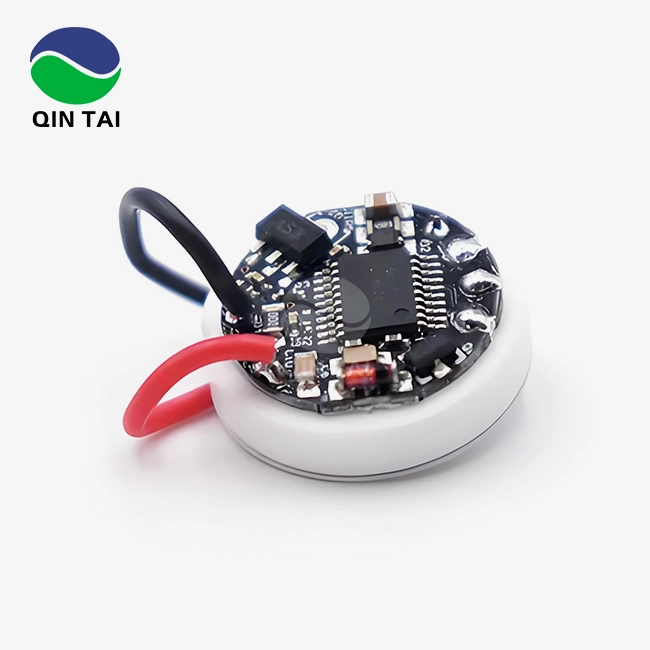
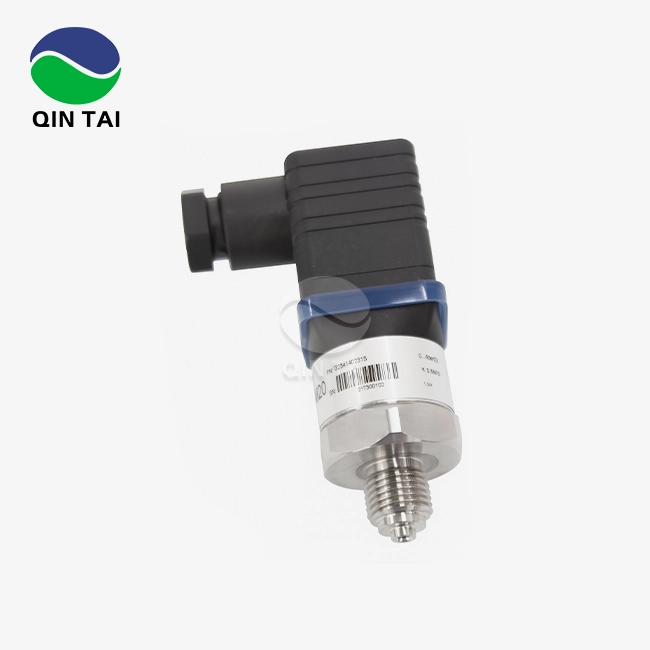
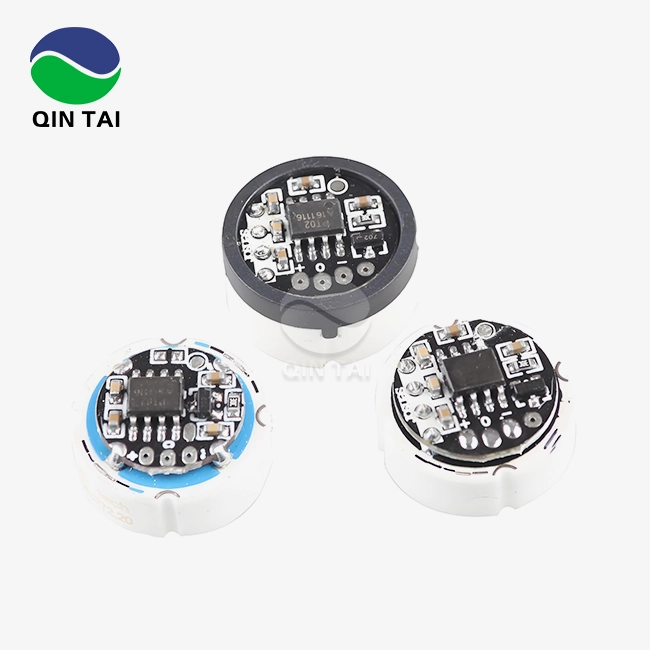
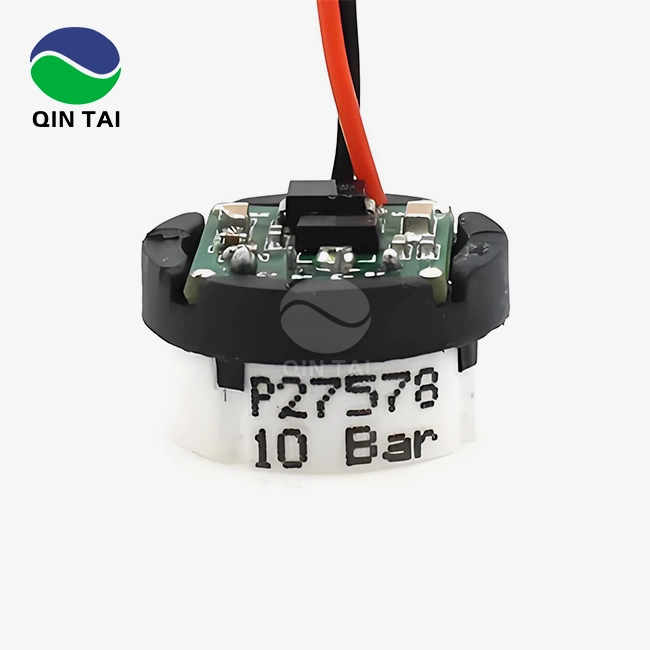

Our customers’ satisfaction speaks for our quality — contact us to experience the same reliable service.