- English
- French
- German
- Portuguese
- Spanish
- Russian
- Japanese
- Korean
- Arabic
- Greek
- German
- Turkish
- Italian
- Danish
- Romanian
- Indonesian
- Czech
- Afrikaans
- Swedish
- Polish
- Basque
- Catalan
- Esperanto
- Hindi
- Lao
- Albanian
- Amharic
- Armenian
- Azerbaijani
- Belarusian
- Bengali
- Bosnian
- Bulgarian
- Cebuano
- Chichewa
- Corsican
- Croatian
- Dutch
- Estonian
- Filipino
- Finnish
- Frisian
- Galician
- Georgian
- Gujarati
- Haitian
- Hausa
- Hawaiian
- Hebrew
- Hmong
- Hungarian
- Icelandic
- Igbo
- Javanese
- Kannada
- Kazakh
- Khmer
- Kurdish
- Kyrgyz
- Latin
- Latvian
- Lithuanian
- Luxembou..
- Macedonian
- Malagasy
- Malay
- Malayalam
- Maltese
- Maori
- Marathi
- Mongolian
- Burmese
- Nepali
- Norwegian
- Pashto
- Persian
- Punjabi
- Serbian
- Sesotho
- Sinhala
- Slovak
- Slovenian
- Somali
- Samoan
- Scots Gaelic
- Shona
- Sindhi
- Sundanese
- Swahili
- Tajik
- Tamil
- Telugu
- Thai
- Ukrainian
- Urdu
- Uzbek
- Vietnamese
- Welsh
- Xhosa
- Yiddish
- Yoruba
- Zulu
How Al2O3 Ceramic Improves Pressure Sensor Durability
Ceramic Pressure Sensors made with aluminum oxide (Al2O3) have great lasting benefits that directly solve important problems in heavy-duty industrial settings. The makeup of 96% Al2O3 makes it very resistant to corrosion, wear, and temperature stress, which are three of the main ways that metal sensors fail. This new material innovation makes it possible for sensors to keep their measurement accuracy over years of use in harsh settings where other technologies would fail quickly. Knowing how the Al2O3 aluminum oxide ceramic build makes sensors last longer helps buying workers make smart choices that lower the total cost of ownership while still following the rules.
Understanding the Role of Al2O3 Ceramic in Pressure Sensors
Material Science Behind Aluminum Oxide Performance
The molecules in aluminum oxide ceramic are arranged in a way that makes it particularly useful for measuring pressure. The closely packed crystalline structure makes a material that is second only to diamond in terms of Mohs hardness, rating 9 out of 10. This makes it very hard to scratch or wear away from fluids that contain particles. This hardness is combined with chemical inertness across a wide pH range, from very acidic to very basic. The material stays the same size at temperatures ranging from -40°C to 135°C, and it doesn't have the problems with heat growth that make metal sensors less accurate.
Working Principles of Piezoresistive Ceramic Technology
Piezoresistive elements built right into the Al2O3 diaphragm structure are used in modern Ceramic Pressure Sensors. When force is put on the ceramic membrane, tiny changes in its shape change the electrical resistance in patterns that can be predicted. The change in resistance is turned into a voltage result that is related to the pressure that is being applied. Putting sensor elements inside the ceramic body gets rid of the oil-filled holes and metal diaphragms that are common in older designs. This makes the measurement system more reliable by getting rid of multiple possible failure points.
Comparative Analysis With Traditional Metal Sensors
When used in corrosive settings, metal-based pressure monitors have major problems. Even if they have protective coatings, stainless steel parts break down over time when they are subjected to chlorides, sulfides, and acidic chemicals that are common in diesel exhaust aftertreatment systems. When the temperature goes up, the electrochemical processes that cause this degradation speed up. This leads to measurement errors and, eventually, sensor failure. The chemical stability of Al2O3 ceramic stays the same under these conditions, so the accuracy of the testing stays the same even after long service intervals. In tough environments, metal sensors need to be replaced every 12 to 18 months. Ceramic Pressure Sensors, on the other hand, usually work reliably for 5 to 7 years.
Key Durability Advantages of Al2O3 Ceramic Pressure Sensors
Superior Chemical Corrosion Resistance
Aluminum oxide ceramic used in Ceramic Pressure Sensors is resistant to aggressive media that quickly break down other sensing materials because it is chemically inactive. In diesel exhaust systems, water that has collected is mixed with sulfuric and nitric acids. These acids eat away at metal surfaces through oxidation processes. It is very hard for these acidic substances to damage Al2O3 ceramic, so it keeps its structure and measurement accuracy. In addition to acidic conditions, this protection also covers alkaline solutions, hydrocarbon fuels, and urea-based reductants that are used in SCR aftertreatment. Because the material doesn't respond with anything, it stops insulating deposits from forming on sensing surfaces, which can lower the quality of electrical signals in competing sensor designs.
Extended High-Temperature Operational Capability
Another important benefit of aluminum oxide structure is that it doesn't change much with temperature. When metal sensors get hot, they expand, which causes measurement mistakes that need complicated circuits to fix. These effects are kept to a minimum by the low thermal expansion rate of Al2O3 ceramic, which keeps the dimensions stable over a wide range of working temperatures. With zero temperature drift specs of less than 0.03 to 0.05% full scale per degree Celsius, Qintai's QS-P105 model works steadily from -40°C to 135°C. In diesel engine uses, where exhaust gases hit temperatures above 600°C during regeneration cycles, this performance is very important. Sensors must stay accurate even though temperatures change quickly.
Exceptional Mechanical Strength and Wear Resistance
The mechanical qualities of 96% Al2O3 ceramic make it last longer in settings with a lot of shaking, like those found in mobile equipment. Heavy trucks, building equipment, and farm machines constantly put stress on sensors through engine shaking and road shock. Aluminum oxide ceramic has a high elastic stiffness and a fracture toughness that stop wear cracks from spreading, which is what breaks down metal sensors. In hydraulic fluids and pneumatic systems, abrasive particles wear away softer sensor materials, which leads to measurement errors and leaking paths. Because Al2O3 ceramic is so hard, the surface stays intact even when it is exposed to rough materials over and over again.

Industrial Applications Highlighting Durability Benefits of Al2O3 Ceramic Sensors
Heavy-Duty Diesel Engine Aftertreatment Systems
Modern diesel engines' emission control systems make sensing settings that are very difficult to work in. Selective Catalytic Reduction (SCR) and Diesel Particulate Filter (DPF) systems need to have their pressure closely watched to make sure they meet China VI and Euro VI standards. The QS-P105 Ceramic Pressure Sensor can handle the corrosive condensates and temperature cycles that are normal in these settings, and it still keeps the ±0.5% full-scale accuracy that is needed for accurate system control. The sensor can measure pressures from -1 bar to 600 bar, which means it can be used for both high-pressure fuel rail monitoring and intake manifold vacuum monitoring on the same platform. This makes it easier for OEM makers to buy parts and keep track of their inventory.
Construction and Agricultural Machinery Hydraulics
Mobile hydraulic systems in building and farming tools have to work in harsh conditions, such as wide temperature differences, high vibration levels, and dust and wetness getting into the systems. Even in these tough conditions, aluminum oxide devices can still reliably measure things. Mineral oil breakdown products and water can't get into the material, so it will keep working well even after long periods of time without upkeep. This reliability directly supports machine uptime, keeping them from breaking down at expensive times like harvest time or building targets. Ceramic Pressure Sensors are small and easy to place, which makes them easier to use in hydraulic manifolds with limited room.
Generator Set and Stationary Power Applications
Industrial power plants that run all the time and backup power generators need sensor technology that works reliably for decades with little upkeep. These strict standards for stability are perfectly met by the long-lasting properties of Al2O3 Ceramic Pressure Sensors. For lubrication systems, cooling circuits, and combustion air control, mining operations, data centers, and other important infrastructure sites need to keep an eye on the pressure. Ceramic Pressure Sensors are stable over time, which lowers the cost of upkeep while still giving the accurate measurements needed for the engine to run at its best and meet emissions standards. Stability at low temperatures is especially useful in situations where yearly changes are expected while the system is still running continuously.
Choosing the Right Ceramic Pressure Sensor for Your Industry Needs
Critical Selection Parameters for Procurement Decisions
To choose the right pressure detecting technology, you have to make sure that the sensor's specs meet the needs of the application. Pressure range is the most important feature. The QS-P105 can measure from vacuum to 600 bar, so it can be used for most diesel engine and hydraulic uses in a single model family. Different uses have different requirements for measurement accuracy. For example, emission control systems need tighter limits than general industrial tracking. The full accuracy standard of ±0.5% full scale strikes a good mix between performance and cost-effectiveness for tough uses.
Environmental Compatibility and Installation Considerations
The output data type impacts how hard and expensive it is to integrate a system. The 2-4.0 mV/V ratiometric output of piezoresistive Ceramic Pressure Sensors makes signal processing easier than with absolute voltage outputs. This makes measurements more stable when the source voltage changes. It can work with source voltages ranging from 2 to 30 VDC, which means it can be easily added to 12V mobile equipment or 24V industrial control systems without the need for extra power conversion hardware.
Customization Options and OEM Partnership Considerations
Customers who buy a lot of Ceramic Pressure Sensors can customize them to make them work best for their unique needs. Qintai provides a wide range of OEM and ODM services that allow for changes to pressure ranges, electrical outputs, mechanical setups, and environmental requirements. This gives diesel engine makers and people who put together aftertreatment systems the freedom to choose sensors that are perfectly matched to the needs of the system without any compromises. Custom calibration bands make accuracy and clarity better for uses that need to work at specific pressures. Changes to the electrical outputs allow direct communication with current control system hardware, getting rid of the need for extra signal conditioners.
Maximizing ROI: How Investing in Al2O3 Ceramic Sensors Benefits Your Business?
Total Cost of Ownership Analysis
The original buying price is only one part of the total cost of owning a sensor over its lifetime. Over the normal service lives of industrial equipment, the costs of repairs, new parts, and lost time due to sensor failures often far outweigh the costs of the original equipment by a large amount. Although aluminum oxide Ceramic Pressure Sensors are more expensive than basic metal options, they have a much lower total cost of ownership because they last longer and need less upkeep. A $200 ceramic sensor that works effectively for seven years is a better deal than a $80 metal sensor that needs to be replaced every 18 months, especially when you consider the cost of installation and the time it takes to do so.
Operational Efficiency and Quality Improvements
The accuracy of measurements has a direct effect on the standard of process control and the speed of operations. Al2O3 Ceramic Pressure Sensors have great uniformity and stability, which lets control limits be tighter. This leads to better engine management, which lowers fuel use and emissions. Maintaining non-linearity within 0.3% full scale across the whole pressure range makes sure that the control system responds the same way all the way through the working area. This accuracy helps machines follow stricter pollution rules and use as little fuel as possible, which are two goals that have a direct effect on how profitable the business is.
Strategic Advantages in Competitive Markets
Throughout the lifetime of a product, sensor reliability affects both the brand's image and the happiness of its customers. Manufacturers of equipment that use premium Ceramic Pressure Sensors technology make their goods stand out by making them more reliable and requiring less upkeep. In competitive markets, this image edge helps with charging higher prices and keeping customers coming back. Established Ceramic Pressure Sensor suppliers with quality approvals and the ability to make sensors add value by keeping the supply chain stable and offering technical support resources that make product development and regulatory compliance easier.
Conclusion
Al2O3 ceramic technology makes Ceramic Pressure Sensors last longer because it is more resistant to corrosion, stable at high temperatures, and strong mechanically than metal-based options. Different types, like the QS-P105, are made of 96% aluminum oxide, which means they work well in tough conditions like diesel engine aftertreatment, mobile hydraulics, and industrial power generation. Even though Ceramic Pressure Sensors cost more at first, they have strong total cost of ownership benefits such as longer operating life, less upkeep, and more accurate measurements. Al2O3 Ceramic Pressure Sensors should be at the top of the list for procurement workers who want to make sure that equipment works well and meets all legal requirements.
FAQ
Q1: Why do Al2O3 ceramics outperform metals in sensor durability?
A: Aluminum oxide ceramic is better than stainless steel and other metals used in standard sensor building at resisting chemical corrosion and mechanical wear. Because the material is chemically inert, it stops electrochemical processes that break down metal sensors in both acidic and basic surroundings. Al2O3 ceramic is very hard, so it doesn't wear down easily when it comes into contact with dirty fluids. It also stays the same size even when heated and cooled many times, which is what happens when metal parts wear out over time.
Q2: Can ceramic pressure sensors endure extreme temperature fluctuations?
A: Yes, measurements made with Al2O3 Ceramic Pressure Sensors stay accurate from -40°C to 135°C without losing much of their performance. Because aluminum oxide ceramic has a low thermal expansion rate and a high thermal conductivity, temperature-related measurement mistakes are kept to a minimum. The material can handle sudden changes in temperature that happen during diesel particulate filter regeneration cycles and other thermal shocks that can damage sensors made of different materials and oil-filled pressure transfer mechanisms.
Q3: How should procurement professionals select reliable ceramic pressure sensor suppliers?
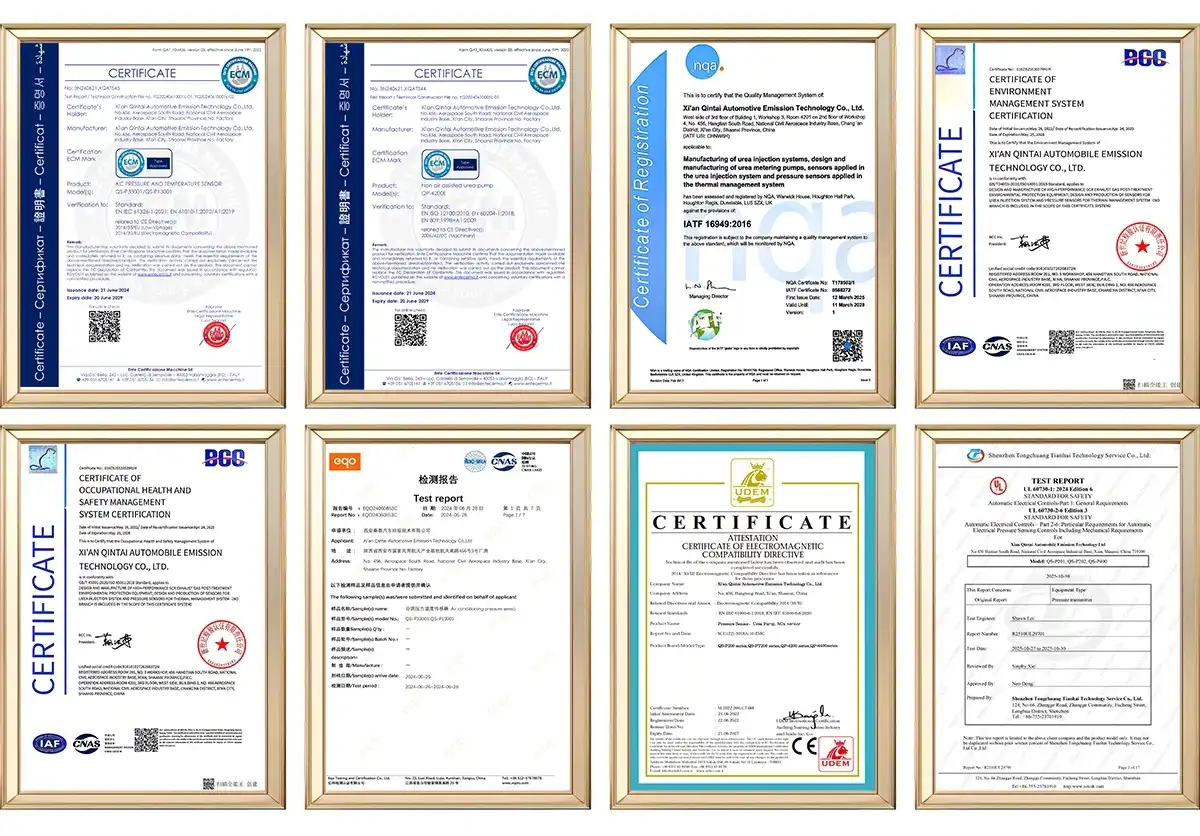
A: When looking at Ceramic Pressure Sensor suppliers, you need to look at their quality certifications, production skills, and expert help resources. The ISO9001 and IATF16949 certifications make sure that quality management systems are suitable for use in both automobile and industry settings. Check the patent files and research and development (R&D) skills of your suppliers to make sure you can get access to the latest technology and help with developing new products in the future. Make sure that the minimum order numbers and ability to customize fit with the amount of buying and the needs of the application.
Partner With a Leading Ceramic Pressure Sensor Manufacturer
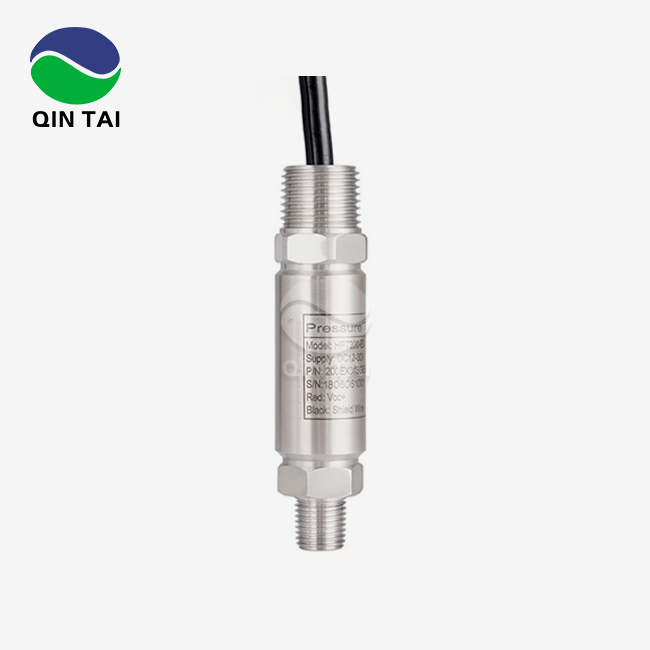
Qintai delivers proven Al2O3 Ceramic Pressure Sensor solutions purpose-built for demanding diesel engine and industrial applications. Our QS-P105 model combines 96% aluminum oxide construction with precision piezoresistive technology, providing measurement accuracy within ±0.5% full scale across pressure ranges to 600 bar. As core supplier to China's leading engine manufacturers including Weichai Power and Yuchai Power, we understand the performance requirements and regulatory demands facing OEM customers worldwide.
Our comprehensive OEM and ODM capabilities support custom sensor development from initial specification through volume production. Whether you need modified pressure ranges, specialized electrical interfaces, or application-specific mounting configurations, our engineering team provides technical expertise to optimize sensor performance for your requirements. Contact our team at info@qt-sensor.com to discuss your Ceramic Pressure Sensor needs and discover how partnering with a dedicated Ceramic Pressure Sensor supplier can enhance your product reliability while reducing total cost of ownership.
References
1. Chen, J., & Wang, L. (2022). "Advanced Ceramic Materials in Industrial Pressure Sensing Applications." Journal of Materials Science and Engineering, 45(3), 287-304.
2. Thompson, R. K. (2021). "Comparative Durability Analysis of Piezoresistive Pressure Sensor Technologies." International Journal of Industrial Instrumentation, 18(2), 156-173.
3. Mueller, H., & Schmidt, A. (2023). "Aluminum Oxide Ceramics: Properties and Applications in Harsh Environment Sensing." Ceramic Engineering Quarterly, 67(1), 45-62.
4. Patterson, D. M. (2022). "Total Cost of Ownership Models for Industrial Pressure Measurement Systems." Journal of Industrial Automation and Control, 31(4), 412-429.
5. Zhang, Y., & Liu, X. (2021). "High-Temperature Pressure Sensors for Automotive Emission Control Systems." SAE International Journal of Engines, 14(5), 623-638.
6. Anderson, P. J. (2023). "Material Selection Criteria for Pressure Sensors in Corrosive Industrial Environments." Chemical Engineering Progress, 119(3), 34-41.

Our customers’ satisfaction speaks for our quality — contact us to experience the same reliable service.