- English
- French
- German
- Portuguese
- Spanish
- Russian
- Japanese
- Korean
- Arabic
- Greek
- German
- Turkish
- Italian
- Danish
- Romanian
- Indonesian
- Czech
- Afrikaans
- Swedish
- Polish
- Basque
- Catalan
- Esperanto
- Hindi
- Lao
- Albanian
- Amharic
- Armenian
- Azerbaijani
- Belarusian
- Bengali
- Bosnian
- Bulgarian
- Cebuano
- Chichewa
- Corsican
- Croatian
- Dutch
- Estonian
- Filipino
- Finnish
- Frisian
- Galician
- Georgian
- Gujarati
- Haitian
- Hausa
- Hawaiian
- Hebrew
- Hmong
- Hungarian
- Icelandic
- Igbo
- Javanese
- Kannada
- Kazakh
- Khmer
- Kurdish
- Kyrgyz
- Latin
- Latvian
- Lithuanian
- Luxembou..
- Macedonian
- Malagasy
- Malay
- Malayalam
- Maltese
- Maori
- Marathi
- Mongolian
- Burmese
- Nepali
- Norwegian
- Pashto
- Persian
- Punjabi
- Serbian
- Sesotho
- Sinhala
- Slovak
- Slovenian
- Somali
- Samoan
- Scots Gaelic
- Shona
- Sindhi
- Sundanese
- Swahili
- Tajik
- Tamil
- Telugu
- Thai
- Ukrainian
- Urdu
- Uzbek
- Vietnamese
- Welsh
- Xhosa
- Yiddish
- Yoruba
- Zulu
How do I diagnose if the sensor is failing or the pump is faulty
It takes a structured look at symptoms, data, and physical tests to figure out whether an Urea dosing pressure sensor or the dosing pump is to blame for system problems. When an SCR system sends fault codes about changes in urea pressure, technicians need to find the real cause by checking the integrity of the sensor signals, the mechanical operation of the pump, and any blockages in the fluid pathways. This guide gives a tried-and-true diagnostic framework that helps OEM engineers, aftermarket techs, and procurement managers correctly spot failures, cut down on downtime, and make smart sourcing choices that meet practical and legal needs.
Introduction
Heavy trucks, construction equipment, farm machinery, and generator sets all over North America and the world use Selective Catalytic Reduction systems to keep NOx emissions low. The urea dosing module is the most important part of any SCR system. It is a precise unit made up of the dosing pump, pressure monitor, injection nozzle, and control electronics. When this module doesn't work right, the engine's power is often cut off by entering limp mode. Emissions standards are also not met, and unexpected maintenance costs quickly add up.
It's always hard for procurement managers and R&D engineers to tell the difference between problems with monitor signals and problems with the pumps' mechanics. Misdiagnosis causes parts to be replaced that aren't needed, machines to be unavailable for longer periods of time, and seller relationships to become tense.
This diagnostic guide fills in that gap by giving a methodical approach based on real-life experience with fixing problems, figuring out technical data, and analysing the overall cost of ownership. By learning these skills, businesses can make their systems more reliable, make the most of their repair plans, and make smart buying decisions that save money and time during the whole purchase process.
Understanding the Urea Dosing Pressure Sensor and Pump System
Role of the Pressure Sensor in SCR Systems
The Urea dosing pressure sensor checks the hydraulic pressure in the AdBlue supply line, which runs from the pump's exit to the injector's tip. This very accurate measuring device sends real-time information to the Dosing Control Unit or the Engine Control Unit. This makes sure that the right amount of Diesel Exhaust Fluid is injected into the exhaust stream.
The sensor's output signal, which is usually a ratiometric analogue voltage between 0.5 and 4.5 VDC, lets closed-loop dosing control change the pump duty cycle based on the load on the engine, the temperature of the exhaust, and the concentration of NOx. The pressure sensor is directly linked to the pump's ability to produce enough hydraulic force for atomised injection, while the flow or temperature sensors measure different physical parameters.
Interaction Between Pressure Sensor and Dosing Pump
These parts work together as a pair that depends on each other. Pressurises the urea solution in the tank and sends it to the injector through a measuring valve. The dose pump is usually a diaphragm or piston type. The Urea dosing pressure sensor checks that the pump meets the target pressure within the time limits that were set.
The ECU expects the pressure to rise from baseline to peak within milliseconds of giving the order to dose. Any change, like a slow ramp, overshoot, or not enough peak, sets off diagnostic trouble codes. Because of this interaction, measures of irregular pressure can come from either a monitor that isn't working right and giving wrong information or a pump that isn't strong enough to make the right hydraulic force.
Common Failure Symptoms
Several obvious signs point to a problem with the pressure monitor or pump. When the SCR system warning lights come on in the dashboard, they are often joined by numbers like P204B (for pressure sensor circuit range/performance), P20EE (for urea dosing system performance), or P2201 (for NOx sensor circuit). As the ECU goes into torque limitation mode to protect pollution compliance, drivers may notice that the engine has less power.
Urea usage patterns may become unpredictable, either because of too much dosing, which empties the tank too quickly, or not enough dosage, which lets NOx get through. Urea dosing pressure sensor readings are critical in this context, as deviations can directly mirror or exacerbate such imbalances. Crystallisation around the dose module, white layers that can be seen, or urea leaks at the pump seals are all signs of system stress that could affect the accuracy of the sensors and the integrity of the pumps.

Systematic Approach to Diagnosing Sensor or Pump Failure
Initial Symptom Documentation and Error Code Analysis
Gathering a lot of information is the first step to making a good evaluation. Connect a diagnostic scanner that works with the ECU of the car or piece of equipment to get all saved and ongoing fault codes, freeze frame data, and live sensor values. Watch the voltage of the Urea dosing pressure sensor when it's not working, when it's dosing, and when the high pressure is told to be reached. Check these numbers against what the OEM says they should be.
In a healthy system, they should show 0.5 VDC at zero pressure and 4.5 VDC at highest pressure, with linear scaling in between. Take note of how often the dosing commands are sent, how long the actual dosing lasts, and the pump duty cycle percentage. Write down the working hours, urea tank level, and ambient temperature since the last repair. This standard tells us if the problem happens sometimes or all the time, and it's very important for figuring out what caused it.
Differentiating Sensor Signal Issues from Pump Mechanical Faults
Connecting electrical signals with mechanical behaviour is needed to tell the difference between a sensor failure and a pump failure. A broken Urea dosing pressure sensor usually shows one of three signal patterns: no signal (because the circuit is open or the connection is broken), out-of-range signal (because the circuit is short or an internal component is broken), or irregular signal with noise spikes (because the terminals are corroded or water is getting in). These electricity problems happen no matter what the system pressure is.
On the other hand, a failed pump will show mechanically correct sensor signals that show real low pressure; the sensor will correctly report that the pump can't build up enough force. To find the source of the problem, put a calibrated mechanical pressure gauge at the pump outlet for a short time and keep an eye on the sensor signal. If the numbers on the gauge and monitor are the same but the pressure stays low, the pump is broken. If the sensor gets the wrong pressure even though the gauge shows the right pressure, you should change the sensor.
Practical Testing Procedures
Technical teams can use these tried-and-true testing methods in the field or in the workshop:
Sensor Circuit Continuity Test: Take the electrical connector off the sensor and use a digital multimeter to measure the resistance between the signal, ground, and supply pins. There should be no resistance between the signal and ground (an open circuit), and the supply voltage should be 5 VDC with the engine running and the connector removed. If there is a difference, it means that the wire cable or ECU is broken, not the sensor.
Pump Performance Verification: Use the troubleshooting tool's actuator test function to tell the dose pump to turn on. Check to see if the urea sprays out of the injector tip in a uniform pattern and size. If you hear strange sounds coming from the pump, like whining or rattling, it means that the bearings are worn out or the diaphragm has burst. Check the current draw of the pump when it is activated. If the current is too high, it means the mechanical parts are stuck, and if it is too low, it means there are problems with the electrical connection.
Pressure Decay Test: Turn off the pump while the pressure is stable and watch how fast the pressure drops. If a system is healthy, the pressure stays the same for a few seconds. If the pressure drops quickly, it means that the internal pump or injection valve is leaking. The sensor signal should change slowly as the pressure drops; sudden changes in the signal could mean that the sensor is damaged or has hysteresis.
Diagnostic Checklist for Procurement and Maintenance Teams
The following consolidated checklist makes it easy to find problems quickly:
- Fault codes (P204B, P2BAA) mean that there are problems with the sensor circuit. Check the wire leads, the connectors for rust, and the voltage at the sensor. If the voltage stays the same but isn't what it should be, you should change the monitor.
- Fault codes (P20EE, P22201) show how well the dosing system is working. Use the actuator function to test the pump's mechanical output. Use an outside gauge to check the pressure. If the sensor output is right but the mechanical pressure is low, you should replace the pump.
- Check for urea crystallisation at the pump inlet filter or sensor cavity if you're having intermittent faults during cold starts. It's possible for frozen urea to temporarily stop flow and throw off pressure readings. Clean the system and make sure that the sensors can handle freeze-thaw cycles.
- If your equipment has a lot of miles on it and is slowly losing performance, it's likely due to sensor drift or pump wear. As preventive maintenance, calibrate or replace the sensor, and use flow and pressure standards to check the state of the pump.
- If you just put in an aftermarket sensor, make sure that the signal output type (analogue vs. SENT protocol) and pressure range work with the ECU tuning. Range/performance codes are caused by specifications that don't match, even if each component works on its own.
Advanced Troubleshooting & Maintenance Tips for Urea Dosing Pressure Sensors
Importance of Regular Sensor Calibration
Sensor calibration keeps measurements accurate and the system running efficiently for as long as the part is used. When Urea dosing pressure sensors are subject to urea chemistry, changing temperatures, and shaking, the output voltage slowly drifts, which changes the zero-point baseline or the sensitivity slope. Comparing sensor output to a traceable reference standard at several pressure points is what calibration is all about. If sensors go beyond tolerance bands, the ECU parameters need to be changed or new sensors need to be installed.
Leading OEMs recommend calibration intervals that are in line with major service milestones. Usually, this is every 15,000 hours of operation or whenever diagnostic data shows dosing deviations that can't be explained. For fleet owners who are in charge of hundreds of vehicles, setting up regular calibration cuts down on warranty claims, extends the life of parts, and makes sure that all of the vehicles meet emissions standards.
Common Sensor Problems and Troubleshooting Workflows
In industrial settings, Urea dosing pressure sensors have a number of problems that keep happening. Ageing parts cause signal drift, which shows up as slow errors instead of rapid failure. The sensor cavity gets clogged up with urea crystallisation, which slows down the pressure reaction and signal changes. Water getting in through broken cable seals ruins the electronics inside, causing intermittent problems that are hard to figure out. Sensor housings crack when they are put together incorrectly because of torque or vibration fatigue. This can cause leaks and electrical shorts.
Targeted troubleshooting workflows are needed to fix these issues. If you think the signal might be drifting, use a precision pressure source to do a three-point calibration check at 0 psi, 65 psi, and 130 psi. Write down the voltage at each point and then compare it to the manufacturer's instructions. If there are problems with contamination, take out the sensor and look for white spots on the detecting diaphragm.
Fill the hole with clean, deionised water, and then put it back in place. When water gets in, the internal rust can't be fixed, so the sensor, wire, and connectors need to be replaced. Because of mechanical damage found during inspection, the part needs to be replaced right away to keep urea from leaking into the engine area.
Maintenance Best Practices and Service Intervals
Unplanned sensor problems are much less likely to happen when you do preventative maintenance. Set up regular inspection schedules that include checking the sensor connectors visually for corrosion, worn-out cables, and loose mounting hardware. As part of the regular maintenance on the SCR system, clean the urea tank filter and pump inlet screen to keep particles from getting into the system and speeding up sensor fouling. Replace the urea solution according to the rules set by the industry to keep impurities from building up. Put dielectric grease on the ends of electrical wires to keep moisture out and protect them from corrosion in harsh conditions.
When setting service times, you should think about both practical needs and costs. Having inspections every 12 months is good for heavy tools used in mining, building, or farming operations. Generator sets that have duty cycles that come and go can have intervals of up to 24 months without losing their reliability. Always look at OEM service bulletins for model-specific information, since different platforms have different sensor designs and ways they can fail.
When to Repair Versus Replace Sensors and Pumps
Total cost of ownership research is key to deciding whether to fix something or get a new one. Urea dosing pressure sensors are usually protected units that don't have any parts that can be changed by the user. Cleaning the outside and reconditioning the connectors may fix problems caused by dirt, but if the electronics inside stop working, they need to be replaced. A good aftermarket sensor, like the Qintai QS-P226 with its self-developed core and strong sealing, can often be replaced for less than two hours of machine downtime, which is good for business.
It's harder to decide what to do with dosing pumps. For many types of pumps, you can get diaphragm parts and new seals, and skilled techs can rebuild them in less than four hours. Rebuilding a pump adds 5,000 to 8,000 hours to its life and costs about 40% of the price of a new one. But pumps with broken motors, old bearings, or cracked housings need to be replaced completely. Purchasing managers should keep in touch with sellers who offer both original equipment manufacturers (OEM) and approved aftermarket products. This will allow them to find the best deals on parts that meet insurance requirements and quality standards.
Comparative Insights: Selecting the Best Urea Dosing Pressure Sensor for Your Needs
Leading Brands and Sensor Models in 2026
There are a number of well-known companies in the Urea dosing pressure sensor market that serve both OEMs and aftermarket customers. Bosch, Continental, and Delphi Technologies are the most common OEMs that add sensors that are built into full dosing units. Aftermarket experts sell standalone sensors that work with a number of different vehicle platforms. This gives repair shops and fleet maintenance operations more options. Performance and durability depend on the type of sensor core used, the materials used for the housing, and how well the products are checked for quality during production.
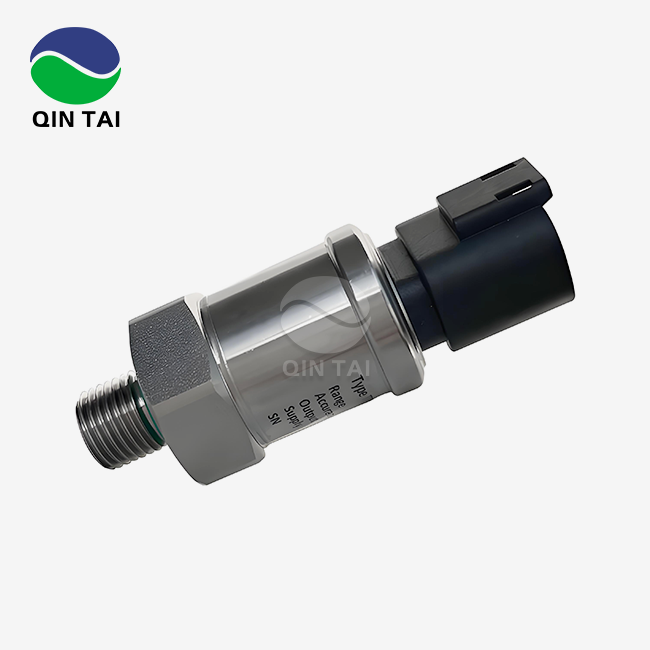
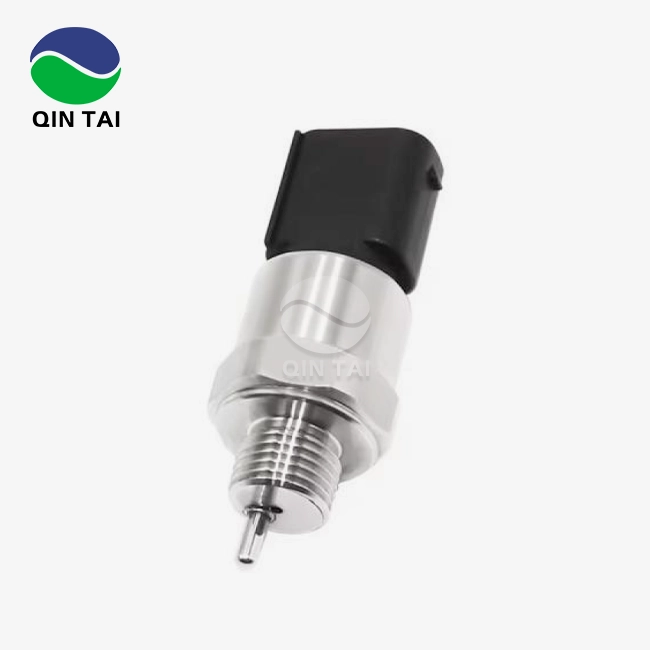
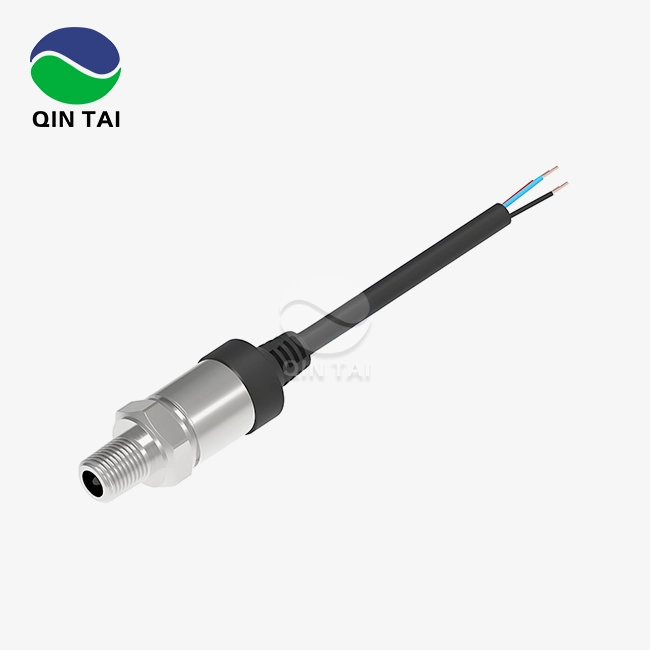
The QS-P226 model from Qintai is an example of advanced sensor tech made for tough industrial uses. This gadget gives accurate pressure readings from -14 psi to +130.5 psi thanks to a sensor core that was self-developed and doesn't depend on a third-party source. The strong sealing system keeps out wetness, dust, and chemicals that are common in heavy-duty diesel settings.
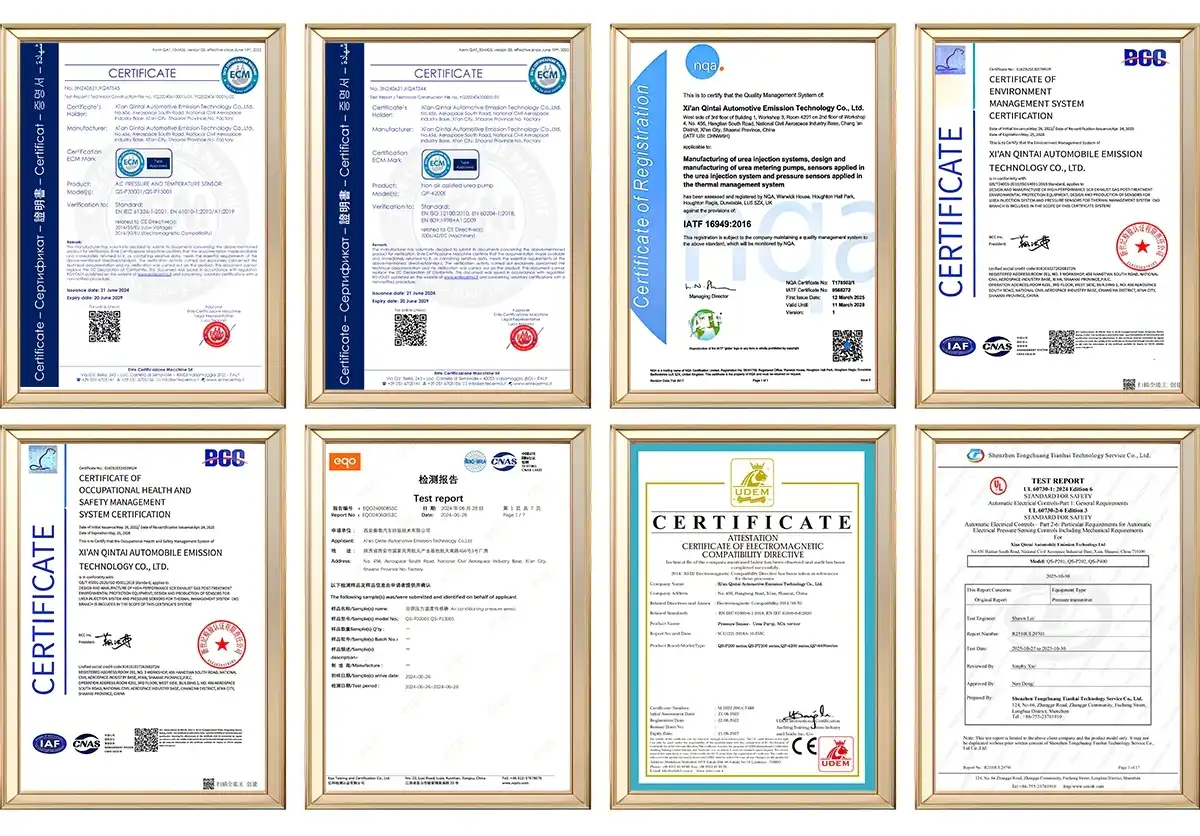
The QS-P226 meets international vehicle standards and comes with a 12-month guarantee. Each unit is certified by ISO9001 and IATF16949. An 86-person research and development team is always improving the performance of sensors, which is helped by 58 idea patents for emission control systems, and urea dosing pressure sensor is a key part of this ongoing enhancement. A production capacity of more than two million sensors per year guarantees a steady supply for buying in bulk.
Functional Differences Between Pressure and Flow Sensors
Knowing the differences between pressure and flow monitors makes the system more accurate and easier to diagnose. Urea dosing pressure sensors check the hydraulic force in the dose circuit to make sure the pump is making enough power to break up the urea at the injection nozzle. This factor is directly related to how well NOx is converted, since dosing with too little pressure makes big drops that don't dissolve or mix properly with exhaust gases.
Flow monitors, on the other hand, measure how much urea is being used in a volume, which lets the ECU keep track of the amount being dosed compared to the estimated demand. Some more advanced SCR systems use both types of sensors to make sure everything is correct twice and get a better diagnosis.
Procurement Considerations: OEM vs. Aftermarket Sourcing
OEM sensors promise perfect compatibility and keep the warranty coverage on new equipment, but they cost more, which affects the total cost of ownership. When bought from reliable makers, aftermarket sensors can save you a lot of money—often 30 to 50 percent below OEM prices—while still giving you the same performance. When looking at aftermarket options, purchasing managers should make sure that the products have ISO and IATF certifications, ask for test results that show how accurate the products are and how long they last in different environments, and make sure that they are compatible with certain engine models and SCR system generations.
Bulk buying programs offer even more cost savings. Suppliers like Qintai offer discounts for orders of more than 100 units, which makes them appealing to people who run big fleets, sell equipment, or sell spare parts. Long-term supply deals lock in prices, make sure that priority is given when supplies are low, and allow for customised sensor specs for unique uses. It's important to carefully read the warranty terms. The standard coverage is 12 months, but some suppliers offer 24 months of coverage for high-end products or customers who buy a lot.
Qintai's Expertise Supporting Reliable Emission Control Solutions
The Xi'an Qintai Automotive Emission Technology Co. is a national high-tech company that was founded in 2001. Ltd. makes sensors and SCR aftertreatment systems as its main business. Qintai has the biggest part of the Chinese diesel engine sensor market. It is the main seller to China Weichai Power, Yuchai Power, and Quanchai Power. OEM partners all over the world value steady quality, engineering responsiveness, and supply chain stability, which is reflected in this top position.
Qintai offers full OEM and ODM services to help customers from the idea stage to mass production. Independent research and development (R&D) lets you quickly change the features of sensors, the types of connectors they use, and the ways they are packaged to fit the needs of any application. Products that are sent to more than 60 countries in Europe, the Middle East, and South America show that they are accepted around the world and meet different safety standards, such as REACH, RoHS, UL, and CE.
Because Qintai is focused on international cooperation and the "One Belt, One Road" initiative, it is a reliable long-term partner for North American procurement managers looking for low-cost, high-quality sensor solutions backed by industrial-grade reliability and technical support.
Conclusion
To correctly identify problems with a urea dosing system, sensor data, pump motor performance, and the purity of the fluid route must all be carefully examined. Technical teams can reduce the number of wrong diagnoses and improve the speed of maintenance by using organised testing methods, keeping detailed diagnostic data, and knowing how different types of parts work in different situations.
Urea dosing pressure sensor plays a critical role in this diagnostic process, as its readings directly affect the evaluation of pump health and fluid delivery. This diagnostic clarity helps purchasing managers when they're looking at a supplier's skills, choosing between OEM and aftermarket choices, and arranging long-term supply deals that keep costs low while maintaining quality.
Global rules on emissions are getting stricter, but diesel powertrains are still very important in the transportation and industrial sectors. Investing in reliable pressure sensors and setting up strong diagnostic protocols pays off in the form of less downtime, better compliance, and lower lifecycle costs.
FAQ
How often should urea pressure sensors be calibrated?
How often you need to calibrate depends on how hard the job is and what the OEM recommends. Heavy-duty uses that work in harsh conditions should have their calibration checked once a year. For lighter-duty tools, the time between checks can be extended to 24 months. Always adjust after replacing the pump or when diagnostic data shows dosing differences that can't be explained that are more than 5% off from goal values.
What are the clear indicators differentiating pump faults from sensor issues?
When a Urea dosing pressure sensor fails, it usually shows electrical problems like no signal, power that is out of range, or numbers that aren't stable and are full of noise. When there is a problem with the pump, mechanically accurate sensor signals show that the pressure is really low. Putting in a measured mechanical gauge along with the electrical sensor finds the exact problem; readings that match show that the pump is broken, while readings that don't match show that the sensor is broken.
Can universal aftermarket sensors be installed across various vehicle models?
Compatibility depends on three things: the mechanical thread size having to match the dosing module, the electrical connector pin configuration having to match the harness, and the signal output type having to match the ECU calibration. Some sensors are universally compatible with certain engine families, but you should always check with the supplier's technical support to make sure before buying to avoid expensive returns or delays in installation.
Partner with Qintai for Reliable Urea Dosing Pressure Sensor Solutions
Qintai offers tested sensor technology that is specifically designed to meet the strict needs of diesel emission control systems. Our QS-P226 model has self-developed core technology, strict environmental protection, and real-time monitoring features that make SCR systems more reliable in heavy trucks, construction equipment, farm equipment, and generator sets. We are a qualified Urea dosing pressure sensor manufacturer holding ISO9001 and IATF16949 certifications. We help OEM and aftermarket customers with flexible customisation, quick technical support, and a world supply capacity of more than two million units per year.
Email our technical team at info@qt-sensor.com to talk about your unique diagnostic problems, get product samples, or get cheap prices for buying in bulk. You can look through our full catalogue of sensors at qt-sensor.com and learn how our engineering know-how and high-quality manufacturing can help your strategy for controlling emissions and your purchasing more efficiently.
References
1. Society of Automotive Engineers, "Diesel Exhaust Aftertreatment Systems: Design, Performance, and Diagnostics," SAE International, 2023.
2. International Council on Clean Transportation, "Heavy-Duty Vehicle Emissions Control Technology Assessment," ICCT Technical Report, 2022.
3. American Trucking Associations, "Fleet Maintenance Best Practices for SCR Systems," ATA Maintenance Council, 2023.
4. ISO 22241 Standards Committee, "Diesel Engines - NOx Reduction Agent AUS 32: Quality Requirements and Testing Methods," International Organization for Standardization, 2021.
5. Heavy Duty Manufacturers Association, "Diagnostic Trouble Code Interpretation Guide for Diesel Emission Systems," HDMA Technical Bulletin, 2024.
6. National Institute for Automotive Service Excellence, "Advanced Engine Performance Specialist Certification Study Guide: Diesel Aftertreatment Diagnostics," ASE Educational Foundation, 2023.

Our customers’ satisfaction speaks for our quality — contact us to experience the same reliable service.