- English
- French
- German
- Portuguese
- Spanish
- Russian
- Japanese
- Korean
- Arabic
- Greek
- German
- Turkish
- Italian
- Danish
- Romanian
- Indonesian
- Czech
- Afrikaans
- Swedish
- Polish
- Basque
- Catalan
- Esperanto
- Hindi
- Lao
- Albanian
- Amharic
- Armenian
- Azerbaijani
- Belarusian
- Bengali
- Bosnian
- Bulgarian
- Cebuano
- Chichewa
- Corsican
- Croatian
- Dutch
- Estonian
- Filipino
- Finnish
- Frisian
- Galician
- Georgian
- Gujarati
- Haitian
- Hausa
- Hawaiian
- Hebrew
- Hmong
- Hungarian
- Icelandic
- Igbo
- Javanese
- Kannada
- Kazakh
- Khmer
- Kurdish
- Kyrgyz
- Latin
- Latvian
- Lithuanian
- Luxembou..
- Macedonian
- Malagasy
- Malay
- Malayalam
- Maltese
- Maori
- Marathi
- Mongolian
- Burmese
- Nepali
- Norwegian
- Pashto
- Persian
- Punjabi
- Serbian
- Sesotho
- Sinhala
- Slovak
- Slovenian
- Somali
- Samoan
- Scots Gaelic
- Shona
- Sindhi
- Sundanese
- Swahili
- Tajik
- Tamil
- Telugu
- Thai
- Ukrainian
- Urdu
- Uzbek
- Vietnamese
- Welsh
- Xhosa
- Yiddish
- Yoruba
- Zulu
How can pressure sensors be protected from overpressure surges?
Pressure sensors are very vulnerable to overpressure surges, which are rapid spikes that are higher than what the sensors are designed to handle. To keep these devices safe, you need to use a combination of mechanical safeguards, like snubbers and release valves, electrical safeguards, like signal processing circuits, and well-thought-out system design. Choosing sensors that can handle overpressure, installing them correctly, and making sure they are calibrated on a regular basis are the building blocks of good security. Diesel engine makers and system designers can keep measurement accuracy high, make sensors last longer, and avoid expensive equipment breakdowns in tough industrial settings by using these strategies.
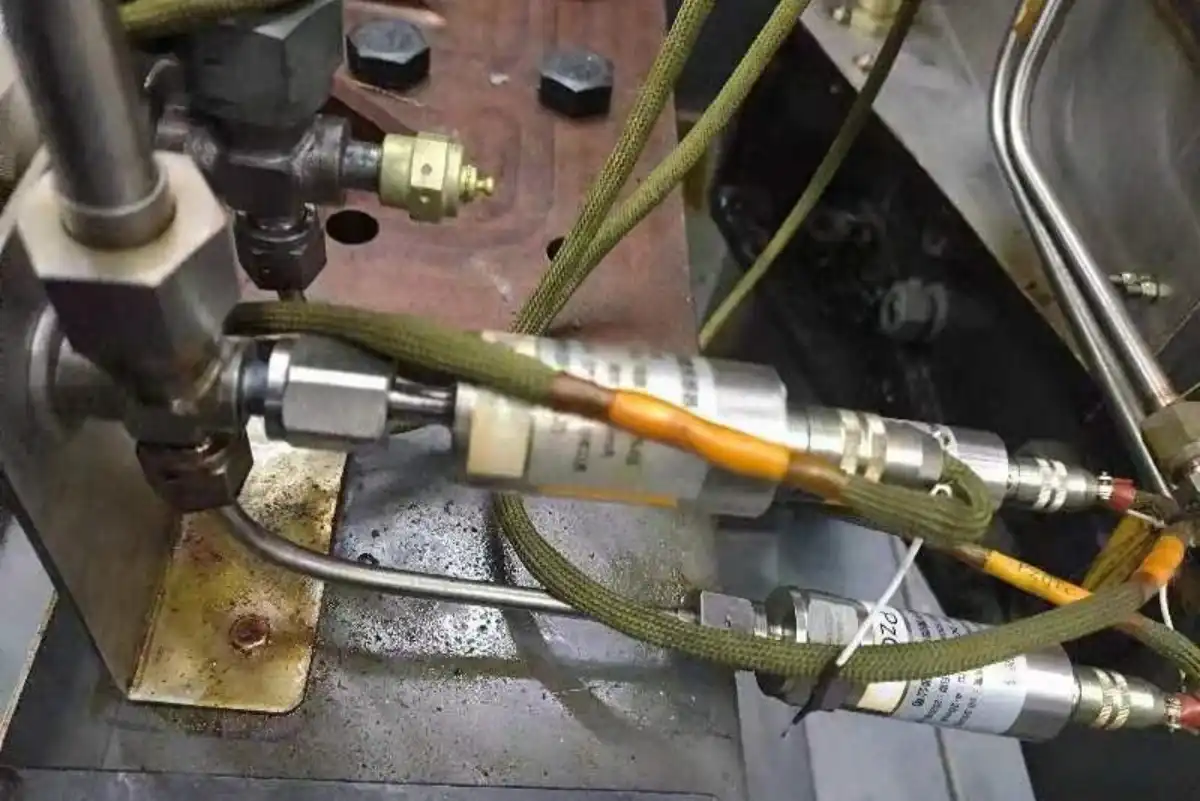
Understanding Overpressure Surges and Their Impact on Pressure Sensors
Overpressure bursts are short-lived pressure spikes that happen in industrial processes without warning. These rapid rises usually happen when valves are being used, when pumps are being turned on, or when hydraulic systems are experiencing water hammer effects. Even though the spikes only last a few milliseconds, they can cause pressures that are two to five times higher than usual.
What Causes Sensor Damage During Overpressure Events
The sensing element inside a pressure sensor is put under a lot of mechanical stress when overpressure spikes happen. The diaphragm, which changes shape when the pressure changes, can move more than its elastic limit. This lasting deformation changes how the sensor is calibrated, which means that results are wrong. In the worst cases, the diaphragm could crack or break, making the gadget useless.
Types of Pressure Sensors and Their Vulnerability
When there is too much pressure, different types of sensors react in different ways. When you bond strain gauges to a diaphragm and use piezoresistive sensors, they usually have better overpressure tolerance because the gauge can bend without breaking. As the diaphragm moves, capacitive sensors measure how far apart two electrodes are. These gadgets are more easily damaged by big bends, which can lead to wire contact and long-lasting damage. Micro-Electro-Mechanical Systems (MEMS) sensors use silicon-based detecting parts that have built-in mechanical stops that limit the diaphragm's movement. This protects against overpressure up to certain limits.
Real-World Consequences of Inadequate Protection
We've seen many examples of diesel engine aftertreatment systems losing sensors because of overpressure spikes that weren't secured. One company that makes big trucks said that 15% of sensors failed in the first year of use because they weren't properly protected. The failures caused fake diagnostic codes, which caused repair visits that weren't needed and made customers unhappy. In SCR (Selective Catalytic Reduction) systems, wrong pressure readings led to incorrect DEF (Diesel Exhaust Fluid) pumping rates, which could lead to problems with emissions compliance and possible fines from regulators. These situations show why procurement managers must put overpressure safety at the top of their list when choosing sensors for tough jobs.
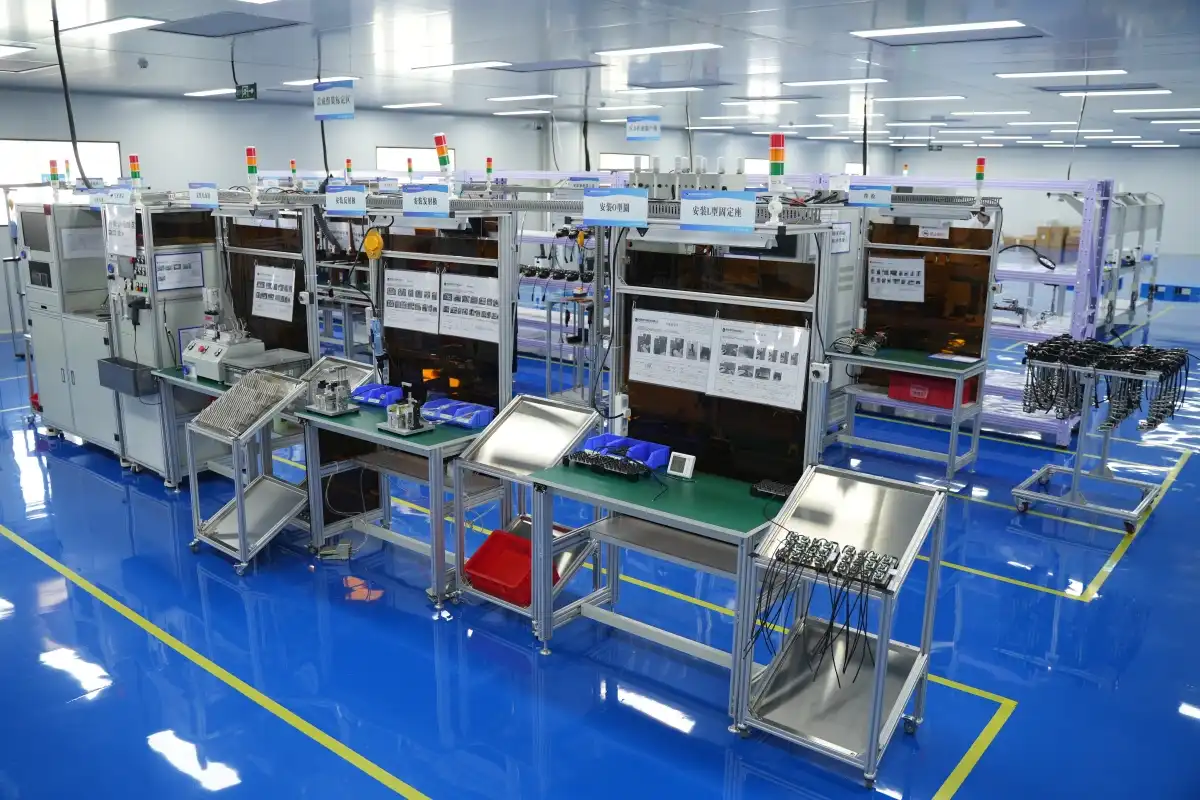
Causes and Factors Contributing to Overpressure in Industrial Systems
There are many places where pressure spikes can happen in industrial settings, which can damage pressure sensors. When engineers know these underlying causes, they can make better protection plans that are tailored to specific working situations.
Process-Related Pressure Spikes
Some of the worst overpressure events happen when valves are opened and closed. When a valve quickly closes, the kinetic energy of the fluid changes into pressure energy. This makes a surge that moves through the system. In hydraulic systems, this effect is called "water hammer," and it can cause pressure spikes that are more than 10 times the usual working pressure. As flow rates change quickly, pump starts and stops also cause sudden pressure waves. In diesel engines, pulses of combustion pressure and pulses of exhaust gas from each cylinder fire event cause repeated changes in pressure that put stress on detecting elements over time.
Environmental and Installation Factors
Extreme temperatures have more than one effect on overpressure safety. When diaphragm materials are heated, their mechanical strength goes down. This makes them more likely to permanently bend. On the other hand, things become brittle and easy to crack when it is very cold outside. Overpressure impacts are made worse by putting sensors in the wrong place.
If you put a sensor right at the point where a valve or pump discharges, it will be hit by pressure spikes full force, with no protection. When sensors are placed in areas with rough flow, the pressure changes quickly, which can lead to wear failures even when high pressures stay within the recommended limits.
Sensor Technology Sensitivity Variations
Most of the time, piezoresistive sensors are better at dealing with overpressure than other types. This is because their thick-film or joined foil strain gauges can handle more mechanical stress before they break. Most of the time, these devices can handle up to three times their full range of pressure. Capacitive sensors are more likely to break, and their overpressure limits are usually only 1.5x to 2x their estimated range.
Because they need to be very thin for high sensitivity, the diaphragms can touch other sensors when they bend very far. Some types of MEMS sensors have mechanical stops that keep the diaphragm from moving too much. This protects them from overpressure up to 5x or even 10x their measuring range. Because MEMS technology is naturally strong, it is a good choice for diesel engines and building equipment where pressure jumps happen a lot.
Core Principles and Methods to Protect Pressure Sensors from Overpressure Surges
Multiple safety measures must be combined for overpressure prevention to work well. If sensors only use one way of protection, they could be hit by failure modes that get around that defense. A complete plan includes mechanical parts, electrical safety features, and thoughtful system design to protect pressure sensors from too much pressure.
Mechanical Protection Devices
The first line of defense against overpressure spikes is physical obstacles. Before they hit the sensor's sensitive detecting element, these devices stop pressure spikes. Snubbers are devices that make the pressure source and the sensor less flexible. They have a small hole or porous part inside that slows down sudden changes in pressure while still letting steady-state pressures pass through. It takes longer for the pressure to rise because of the restriction. This gives the diaphragm time to react without going beyond its mechanical limits. Snubbers work especially well against water hammer and bursts caused by valves. They do, however, add a small measurement lag that might not be acceptable in situations where fast response times are needed.
As pressure limiters, relief valves and break plates do their job. When pressure goes above a certain level, a release valve opens instantly and lets the extra pressure out in a safe place. The pressure spike can't get to the sensor because of this. Rupture discs are one-time-use parts that break at a certain pressure, creating a vent path that stays open. Relief valves can be changed and keep you safe, but they make things more complicated and could lead to leaks. It's easier and cheaper to protect with rupture discs, but they need to be replaced after activation.
Pressure dampers are chamber devices with a gas-filled tank or a piston that is loaded with springs that absorb pressure spikes. When there is a sudden rise in pressure, the damper contracts, briefly holding energy and then slowly releasing it. This gets rid of short-term peaks while keeping the accuracy of the reading for steady pressures. Dampers work well in systems where the pressure changes a lot, like gasoline fuel injection systems and reciprocating turbines.
Electrical Protection and Signal Conditioning
Electrical safeguards keep measurements accurate and allow early fault discovery, while mechanical devices protect the actual sensor. Signal filtering circuits take out high-frequency noise and short-lived spikes from the output signal of the sensor. A low-pass filter lets steady-state pressure data through but stops fast voltage changes that are caused by interference from electricity or very short pressure spikes. This makes sure that the control system gets clean, accurate data even in places with a lot of electricity noise.
Overload monitoring and alarm systems check the output of sensors for numbers that are too high or too low for the system to handle. When the system finds a strange signal that could mean overpressure, it sends out a message so that repair teams can look into it before any permanent damage happens. More advanced systems can keep track of overpressure events, which builds a past that can be used to find bad working conditions or equipment that needs to be adjusted.
Selecting Robust Sensor Models
Choosing sensors that are made to handle high pressures protects you automatically. When compared to other systems, MEMS sensors with built-in mechanical stops have better overpressure rates. Most of the time, these devices can handle forces up to five times their rated range without breaking. When buying sensors for diesel engines, purchasing managers should look for models that have been tested and proven to work in tough conditions and can handle high pressures.
For more difficult tasks, ceramic capacitive sensors are another choice. The ceramic material used for the diaphragm is very stable at high temperatures and doesn't react badly with chemicals. It can also handle high pressures well. One electrode is the diaphragm, which makes a capacitor with a set electrode. The capacitance changes when the pressure changes because the diaphragm deforms. Because they are made of strong ceramic, these sensors can withstand overpressure events that would destroy metal diaphragm designs.
Proper Installation Practices
Even the most durable sensor will not work if it is not placed correctly. The best place for sensors is where the pressure is steady, away from sources of turbulence and direct contact with surges. Put sensors after the calming devices or in branch lines instead of the main flow paths. This placement lets the pressure waves spread out a bit before they hit the sensor. When sensors need to be put in places that could be affected by vibration, temperature changes, or physical effects, they should be put in safe housings. These housings protect the sensor body while still letting air flow through the right holes.
When working with particles or condensation, the direction of the pressure sensor is important. Particles can build up on the diaphragm and cause measurement drift or mechanical damage. Mounting sensors horizontally or at small upward angles keeps this from happening. When diesel exhaust systems are set up correctly, soot and condensation don't build up on the sensing element.
Calibration and Maintenance Protocols
Throughout the life of the device, regular tuning is necessary to keep sensor accuracy. More often than in stable settings, pressure sensors that are subject to overpressure events should be calibrated. Usually, calibrations are done every six to twelve months, but in difficult situations, they may need to be done every three months. Technicians use known pressures and check that the sensor's output fits the predicted values within acceptable ranges during calibration. Deviations mean that the diaphragm is wearing out, the electronics are drifting, or there is some other problem that needs fixing. Keeping track of calibration results over time shows patterns that can tell you when something is about to break, so you can replace it before it does something terrible.

SENSOR+TEST, June 9 – 11, 2026
We look forward to your visit,warmly welcome to our booth 1-526!
Get your free ticket online now:
https://www.sensor-test.de/service/ticket/?52790
Evaluation of Market Solutions and Selecting the Best Protection Strategy
There are many overpressure safety options on the market, and each one has its own pros and cons. To choose the best method, you have to weigh a lot of things, like technical ability, cost, and how well it works with other systems when buying a pressure sensor.
Specialized Sensor Models with Integrated Protection
Pressure sensors now come with built-in safety features for overpressure. These sensors have mechanical stops, diaphragms that are strengthened, or dual-range sensing elements that keep working even when they are temporarily overloaded. The integrated method makes system design easier by getting rid of the need for different protection devices and the work that goes along with installing them.
Leading makers' MEMS sensors are made with a silicon-on-insulator structure and cut mechanical limiters that stop the diaphragm from moving too far. Most of the time, these devices protect against overpressure up to 5 times the recommended pressure while still responding quickly and accurately. The small size makes it possible to use in places with limited space, like diesel engine aftertreatment systems that don't have a lot of room for fitting.
External Protection Accessories
When current sensors can't handle enough overpressure, an easy and inexpensive way to improve them is to add external safety devices. Snubber parts screw straight onto sensor ports and stop pressure spikes right away, so you don't have to replace the whole sensor. This method works well for setups done after the fact, where buying new sensors would be too expensive.
Relief valve manifolds are put in place between the pressure source and the sensor. They relieve pressure and mount the sensor all in one piece. These valves make fitting easier and protect against overpressure in a variety of ways. Setting the relief pressure just above the normal working pressure but below the damage level of the sensor makes a safety margin that can handle spikes that come up out of the blue.
Selection Criteria for Industrial Procurement
Procurement managers have to look at security options from a lot of different angles. Acceptable damping values are set by the accuracy standards. Heavy damping adds lag that can't be handled by applications that need quick responses, like checking the pressure of diesel fuel injection. Instead of external snubbers, these conditions need sensors that can handle overpressure on their own. Expectations of durability affect the choice of material. Mobile equipment sensors have to deal with vibrations, changes in temperature, and physical shocks, so their housings need to be tough and their links need to be stronger. Less robust designs may be used for stationary setups like generator sets in controlled settings to save money without lowering reliability.
Lifecycle costs go beyond the price of the original buy. Even though sensors with built-in protection cost more at first, they get rid of the need for different protection devices, make installation faster, and make upkeep easier. The most cost-effective choice can be found by dividing the total cost of ownership by the expected service life. In some situations, environmental suitability is important. Diesel exhaust sensors have to be able to handle soot buildup, corrosive exhaust fumes, and temperatures above 600°C. In these harsh conditions, life is guaranteed by building made of stainless steel or ceramic with the right coatings. Hydraulic sensors need to be able to work with different kinds of fluids, like mineral oils, manmade fluids, and mixes of water and glycol.
Working with Experienced Suppliers
For adoption to go well, providers who understand the needs of the industry must work together. Reliable makers give thorough specs, such as overpressure ratings, burst pressure limits, and safety specs for short-term events. They offer application tech support to help choose the best security measures based on how the system is actually used. Suppliers who have worked with diesel engines and big tools for a long time can teach you a lot about how they usually break down and how to keep them safe.
They can suggest sensor models that have worked well in similar situations, which lowers the chance of suggesting solutions that don't work. With access to customization services, you can change the pressure ranges, electrical outputs, and mechanical connections of sensors to fit the needs of a particular application.
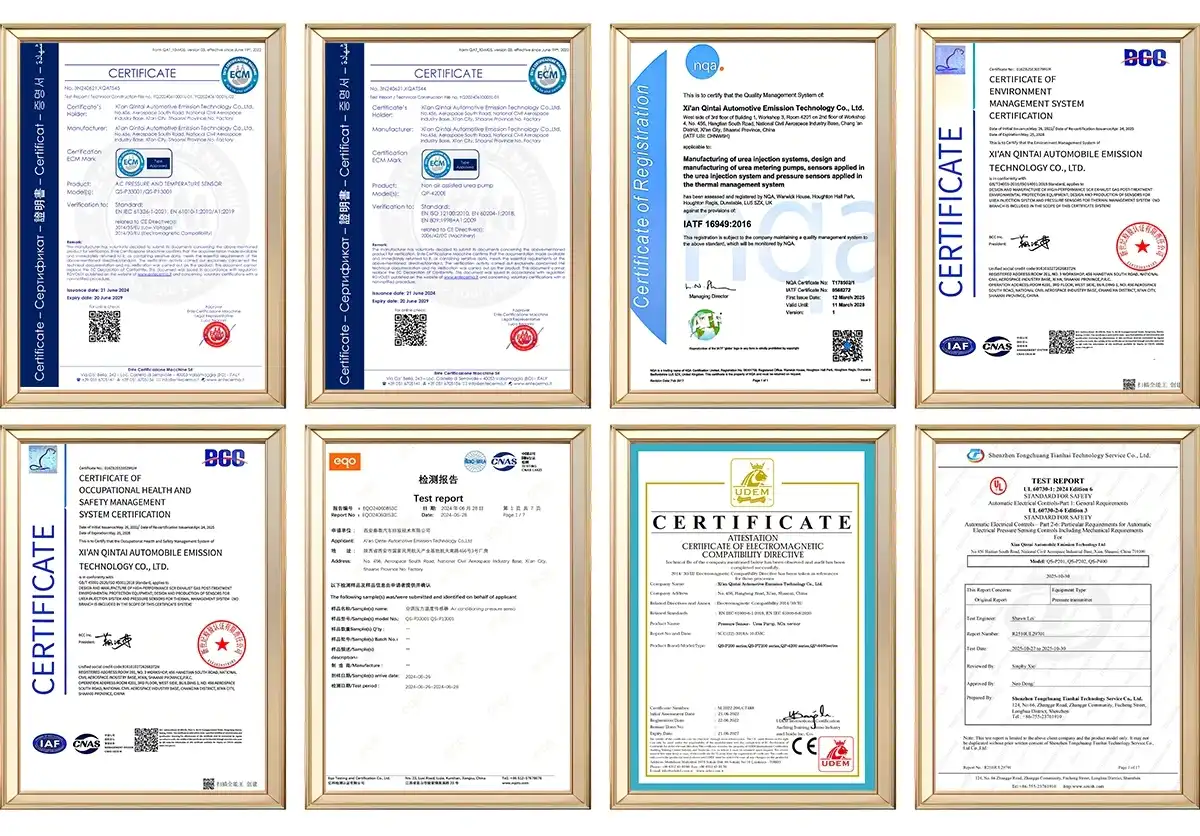
OEM makers need to be able to order in bulk because their production lines need a steady flow of parts. Established providers keep enough stock on hand and offer big discounts that make the project more cost-effective. Certification paperwork, like ISO 9001, IATF 16949, and emissions compliance papers, proves that quality management systems and rules are being followed.
Best Practices for Long-Term Pressure Sensor Protection
To keep measuring pressure sensor data accurately over many years of use, you have to strictly follow safety rules and repair procedures. When companies use all-around safety methods, sensors fail less often, maintenance costs go down, and process reliability goes up.
Implementing Layered Protection Strategies
Multiple defenses are more effective than a single one when it comes to protecting people. To begin, choose sensors that can handle overpressure naturally and are suitable for the job. In places where strong waves are likely to happen, add mechanical safety devices like snubbers or dampers. Use electrical signal filtering to get rid of transients and find problems. Using multiple layers of safety makes sure that if one doesn't work, the others will step in to help.
Establishing Rigorous Maintenance Schedules
Regular testing keeps you from missing small changes in accuracy. Set the time between calibrations based on how hard the environment is. For example, environments that are harsh and have a lot of pressure changes need more checks more often than environments that are stable. Systematically write down the results of calibration and keep track of changes over time to see which sensors are getting close to the end of their useful life before they break.
Optimizing System Design
Careful system layout reduces the risk of overpressure. It is best to avoid sharp turns and quick changes in width for pressure lines because they can cause turbulence and pressure waves. Put in separation valves that let you take out sensors for maintenance without having to depressurize the whole system. Allow enough air flow to keep pressure from building up while the machine is turned off.
Partnering with Trusted Suppliers
Building ties with well-known sensor makers gives you access to good items and technical know-how. Global names that have been used in industrial settings for a long time and have a reputation for stability justify their higher prices by having lower failure rates and longer service lives. Suppliers who have a lot of different certifications show that they are dedicated to quality control and following the rules. Look for companies that offer long guarantees and helpful technology support. When problems come up out of the blue, having direct access to application experts who can troubleshoot and suggest answers cuts down on downtime. When suppliers care about their customers' success, they build long-term relationships that are good for everyone.
Conclusion
To keep pressure sensors safe from overpressure spikes, you need to use a combination of mechanical devices, electrical protection, strong sensor selection, and correct installation methods. Surge protection devices like snubbers, release valves, and dampers keep surges from happening, and signal processing and overload detection keep measurements accurate. Choosing sensors that can handle overpressure naturally, especially MEMS designs with mechanical stops, is the most basic way to protect yourself.
Accuracy is kept up over time with regular upkeep and testing. Managers and engineers in industrial procurement who use thorough safety strategies can make sensors last longer, keep measurements accurate, and cut down on unplanned downtime. Companies can be sure of long-term success in tough areas like diesel engines and heavy equipment hydraulics by working with experienced providers and sticking to tried-and-true methods.
FAQ
How Often Should Pressure Sensors Be Calibrated in Harsh Environments?
Calibration times depend on how hard the operation is. In normal workplace settings, testing needs to be done every six to twelve months. Extreme temperatures, frequent changes in pressure, or contact to corrosive media are all examples of harsh conditions that call for more frequent adjustment, maybe even every three or four months. Diesel engine exhaust sensors that are exposed to high temperatures and particles should be calibrated every three months. Keeping track of tuning trends helps figure out the best times for different uses for your pressure sensor.
Do Different Sensor Technologies Require Different Protection Methods?
Overpressure sensitivity varies between kinds of pressure transducers. Most piezoresistive sensors can handle higher overpressures and can often last up to three times their rated range without damage. Because capacitive sensors are more fragile, they need stronger defense. When MEMS sensors have built-in mechanical stops, they can handle more overpressure better, so sometimes you don't need any extra safety. Protective tactics should be tailored to the type of sensor and the seriousness of the application.
What's the Difference Between Pressure Range and Overpressure Rating?
The normal working range for the sensor, where it can give correct readings, is called its pressure range. The overpressure number tells you how much pressure the sensor can take before it breaks. It might lose accuracy for a short time during the event, though. What the burst pressure tells you is the pressure at which the sensor completely fails. Make sure that regular working pressures, including expected surges, stay well below the overpressure limit at all times.
Partner with Qintai for Reliable Pressure Sensor Solutions
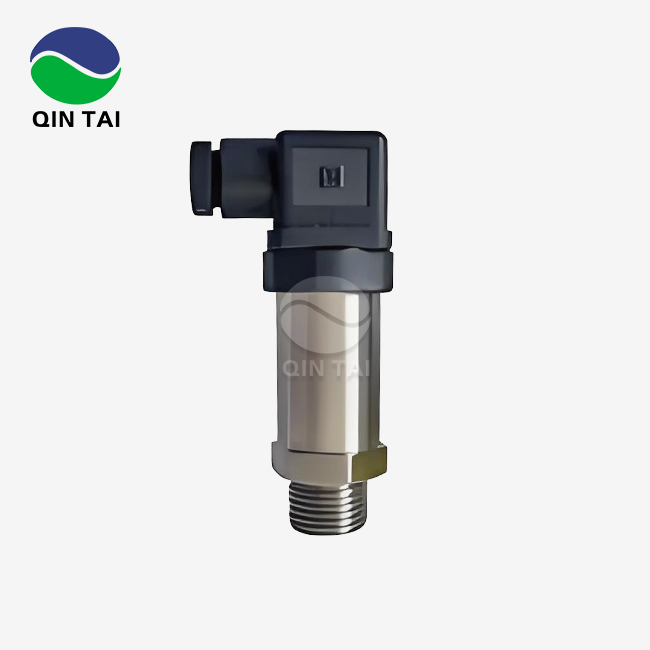
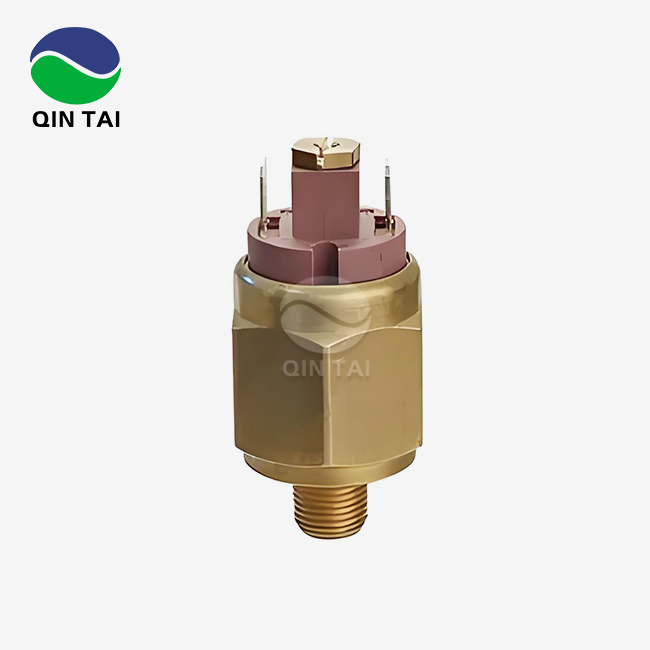
Xi'an Qintai Automotive Emission Technology has a wide range of pressure sensor options that are made to work with diesel engines and big machinery. Weichai Power, Yuchai Power, and Quanchai Power are just a few of the big companies in China that we supply OEM pressure sensors to. Our sensors have strong overpressure safety and meet strict emission standards like China VI and Euro VI. We have ISO9001, IATF16949, and other foreign certifications that show we can meet the quality needs of mass production.
Our separate research and development team is always coming up with new ways to make sensors more reliable and last longer. We allow you to completely change the interfaces, features, and security settings to fit the needs of your application. Email our technical team at info@qt-sensor.com to talk about large orders, get access to full datasheets, and look into OEM/ODM possibilities. Let us help you put in place effective overpressure safety plans that will keep your measurements accurate and your tools reliable over time with a high-quality pressure sensor.
References
1. Johnson, M.R. (2021). Industrial Pressure Measurement: Principles and Applications. Technical Publishing Group.
2. Williams, K.T. & Chen, L. (2020). "Overpressure Protection Strategies for MEMS Pressure Sensors in Automotive Applications." Journal of Sensor Technology, 15(3), 142-158.
3. Anderson, P.J. (2022). Hydraulic System Design and Pressure Transient Analysis. Engineering Press International.
4. Schmidt, R. & Zhou, H. (2019). "Failure Modes and Protection Methods for Capacitive Pressure Sensors in Harsh Environments." International Journal of Industrial Electronics, 28(4), 376-391.
5. Thompson, D.L. (2023). Sensor Selection Guide for Heavy-Duty Diesel Engine Systems. SAE Technical Publications.
6. Martinez, C.A. & Lee, S.H. (2020). "Comparative Analysis of Pressure Sensor Technologies for Aftertreatment System Applications." Automotive Engineering Review, 12(2), 89-104.


Our customers’ satisfaction speaks for our quality — contact us to experience the same reliable service.