- English
- French
- German
- Portuguese
- Spanish
- Russian
- Japanese
- Korean
- Arabic
- Greek
- German
- Turkish
- Italian
- Danish
- Romanian
- Indonesian
- Czech
- Afrikaans
- Swedish
- Polish
- Basque
- Catalan
- Esperanto
- Hindi
- Lao
- Albanian
- Amharic
- Armenian
- Azerbaijani
- Belarusian
- Bengali
- Bosnian
- Bulgarian
- Cebuano
- Chichewa
- Corsican
- Croatian
- Dutch
- Estonian
- Filipino
- Finnish
- Frisian
- Galician
- Georgian
- Gujarati
- Haitian
- Hausa
- Hawaiian
- Hebrew
- Hmong
- Hungarian
- Icelandic
- Igbo
- Javanese
- Kannada
- Kazakh
- Khmer
- Kurdish
- Kyrgyz
- Latin
- Latvian
- Lithuanian
- Luxembou..
- Macedonian
- Malagasy
- Malay
- Malayalam
- Maltese
- Maori
- Marathi
- Mongolian
- Burmese
- Nepali
- Norwegian
- Pashto
- Persian
- Punjabi
- Serbian
- Sesotho
- Sinhala
- Slovak
- Slovenian
- Somali
- Samoan
- Scots Gaelic
- Shona
- Sindhi
- Sundanese
- Swahili
- Tajik
- Tamil
- Telugu
- Thai
- Ukrainian
- Urdu
- Uzbek
- Vietnamese
- Welsh
- Xhosa
- Yiddish
- Yoruba
- Zulu
What is a pressure sensor used for in industrial applications?
Pressure sensors are important measuring tools that find mechanical force and turn it into electrical signs in a wide range of industrial settings. These gadgets check changes in pressure in steam, liquids, and gas systems. They give workers real-time information that helps them keep the process running smoothly, keep equipment from breaking down, and make sure they're following safety rules. Pressure sensor technology provides the accurate measurements that modern businesses rely on every day, from watching hydraulic systems in building equipment to tracking exhaust backpressure in diesel engines. Because they can work nonstop in harsh environments, predictive maintenance methods and automated control systems can't work without them.
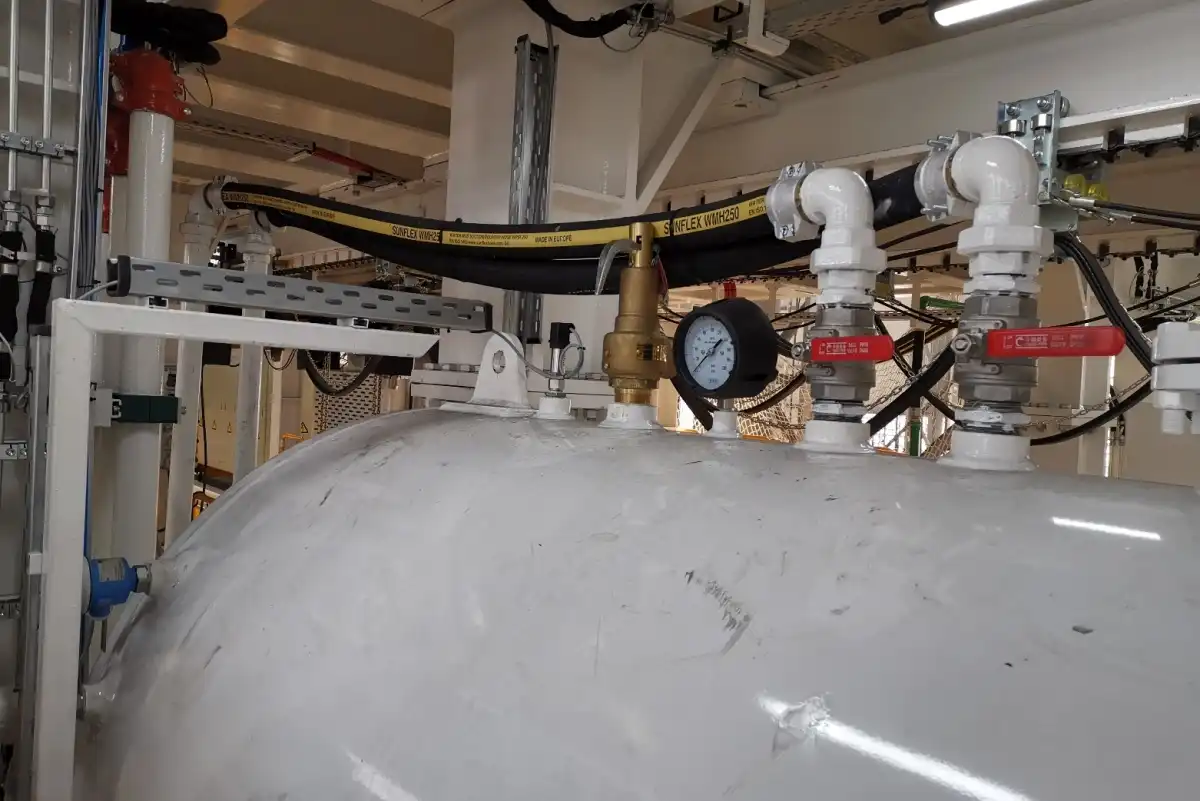
Understanding Pressure Sensors and Their Key Industrial Functions
Core Technologies Behind Modern Pressure Sensors
Industrial pressure sensor measuring tools today are powered by a number of basic technologies. Piezoresistive sensors use materials whose electrical resistance changes when they are put under stress. This technology is very sensitive and works well across a wide range of pressures. This makes it ideal for diesel engine uses where monitoring exhaust backpressure is needed to make sure the aftertreatment system works properly. The strain gauge concept turns changes in the shape of a body part into voltage changes that signal processing systems can understand.
Capacitive pressure sensors work in a different way. One end is a ceramic diaphragm, and the other is a solid element. Together, they make a capacitor. When pressure is put on the diaphragm, it changes shape, which changes the distance between the wires and the capacitance. This change in capacitance is turned into a proportional electrical output by measurement electronics. This technology works great in situations that need to be very accurate and stable over time, like in hydraulic systems where exact control is important.
MEMS-based sensors are a younger technology that combines tiny mechanical parts with electrical circuits on silicon substrates. These small gadgets have quick response times, great accuracy, and don't use much power. Their small size makes them perfect for setups with limited room, but in harsh industrial settings, they need to be sealed against the environment.
Industrial Sensor Types and Output Configurations
Analog output sensors send out constant voltage or current readings that are related to the pressure they are measuring. The 4-20 mA current loop is still very popular because it doesn't pick up electrical noise over long wire runs. This is especially helpful in industrial settings where motors and power systems can cause electromagnetic interference. These sensors work perfectly with the control systems that are already in place in older buildings.
Digital output sensors can talk to each other using custom interfaces or standards like CAN bus and Modbus. They send not only pressure readings but also troubleshooting information, which lets repair plans be planned ahead of time. Generator set makers really like this feature because it lets them keep an eye on multiple sensors at different spread power production sites from afar.
Sensors are divided into groups based on their pressure range usefulness. Low-pressure instruments, which can read from a few millibars to several bars, are good for checking the air input and for light pneumatic systems. High-pressure sensors can handle hundreds of bar of pressure and are necessary for hydraulic circuits in building tools and common rail fuel injection systems. To choose the right sensor, you need to make sure that its rated range matches the normal working pressure of the application plus a safety cushion.
Applications Across Industrial Sectors
Pressure tracking is a key part of systems that keep an eye on fluids. Diesel engine aftertreatment systems are a great example of this use case. To find soot buildup, SCR systems need difference pressure sensors placed across the DPF. The engine control unit starts recovery processes when backpressure goes above certain levels. Accurate measurement stops both partial regeneration and fuel waste during efforts to regenerate too quickly.
Pressure sensor technology is used in industrial HVAC systems to check the state of filters, manage fan speeds, and even out airflow distribution. When sensors allow variable-speed drive control that matches air handling to real demand rather than running constantly at full capacity, manufacturing plants can save a lot of energy.
Throughout the production process, pressure sensors are used in the auto industry. For uniform making quality, hydraulic presses need to keep an eye on the pressure all the time. To keep overspray under control, paint booth systems keep exact pressure differences. Pneumatic tools used on an assembly line need controlled air pressure to give the right amount of force.
The most important type of application is probably safety tools. Pressure sensor technology is used in a variety of applications, including boiler overpressure safety, hydraulic system burst prevention, and emergency shutdown triggers. In these kinds of safety-critical situations, regulatory rules in many places demand two sets of pressure measurements.
How Pressure Sensors Solve Industrial Challenges — A Systematic Deconstruction Approach
Common Measurement Problems in Harsh Environments
Conditions that industrial pressure sensor devices have to work in would quickly break down lab tools. Extreme temperatures put stress on computer parts and change the way materials work. Vibration makes links loose and wears out structure parts. Fuels, hydraulic fluids, and exhaust fumes can contain chemicals that damage sealing materials and rust metal. When these environmental factors come together, they make stability problems that need careful engineering answers.
Calibration drift is a problem that keeps happening. When sensors are subject to high temperatures or changes in pressure for a long time, their output changes over time. After months of use, a sensor that gave accurate results at first may start to make offset mistakes or lose its sensitivity. This shift can make it hard to control the process or send out fake maintenance alerts if it isn't checked often.
surprisingly many sensor problems are caused by mistakes during installation. When you overtighten the mounting threads, you create mechanical force that bends the detecting element. If the threads aren't engaged enough, vibrations can break the link, which can lead to pressure leaks. In some cases, the way the sensor is mounted is important. This is especially true for sensors with oil-filled holes, where gravity can change the fill fluid. Technicians can avoid these problems if they have clear installation paperwork, but many maintenance organizations still have training holes.
Technological Solutions and Best Practices
Modern sensor systems have many features to deal with problems in tough environments. Temperature adjustment circuits changes the output automatically to take into account how the temperature affects the sensing element. Some designs have sensors for both temperature and pressure in one package. This lets the computer processor use accurate correction methods. This method keeps its accuracy from -40°C to +125°C, which is a normal temperature range for big equipment.
Media separation keeps harmful fluids from getting to the sensing device. The process medium is separated from the sensor's oil fill by a thin metal plate. Pressure moves through the diaphragm without letting acidic exhaust vapors or dirty hydraulic oil touch the electronics that are being protected. The choice of material for this diaphragm strikes a mix between resistance to rust and mechanical flexibility.
Buyers can be sure that sensors will work well because they have been certified to international standards. ISO 9001 quality control makes sure that the way things are made is always the same. IATF 16949 talks about the unique needs of the automotive business for preventing defects and always getting better. Certifications for dangerous locations, such as ATEX in Europe or Class I Division 1 in North America, let sensors be used in environments with explosives. Before getting into technical talks with sellers, these certifications should be checked.
Case Study Insights from Real Applications
A company that makes building equipment had problems with DPF sensors that kept failing on loaders that were used in dusty mines. An investigation showed that the mounting position let dirt and water into the sensor link when the equipment was washed. Moving the sensor and choosing connections with an IP69K rating cut failure rates by 87% and made the regeneration control more accurate. This case shows how evaluating the surroundings during the planning phase can help avoid expensive problems in the field.
Generator set workers at remote telecom sites had a hard time with fake pressure alarms that caused service calls that weren't needed. Extreme changes in temperature between day and night led to short-term changes in the cooling system's pressure that went beyond what set off the alarms. The problem was fixed by using sensors that can better compensate for temperature changes and changing the alarm setpoints to take thermal expansion into account. The answer needed both better hardware and help with application engineering, which shows how important it is to have technical knowledge from a source.
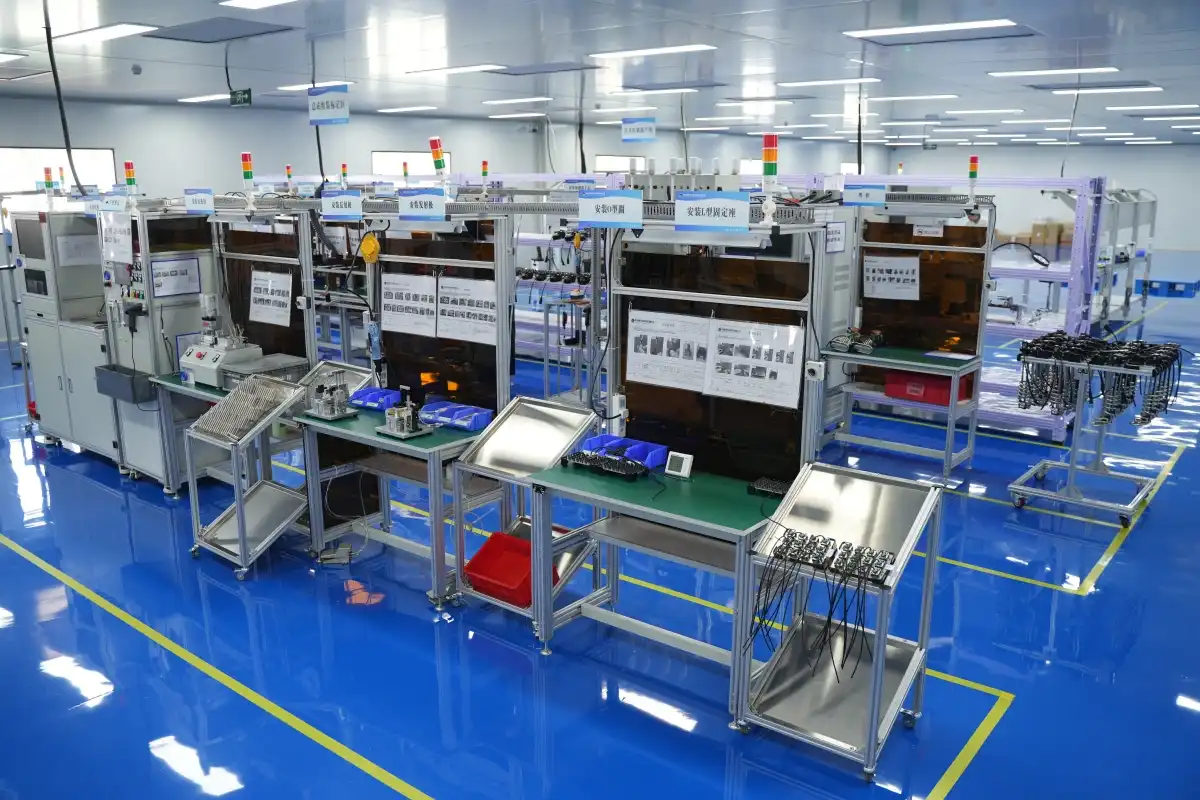
Comparing Pressure Sensor Solutions for Industrial Use — Rational Choice Approach
Technology Comparison and Selection Criteria
When a sturdy design, middling accuracy, and low cost are needed, piezoresistive sensors are the best choice. Because they are solid-state, they can handle shock and vibration well, which makes them good for mobile tools. Most of the time, accuracy is between 0.5% and 2% of full scale, which is good enough for most control purposes. Response time is in the millisecond range, which is good for controlling diesel engines but might be too short for some study uses.
Capacitive sensors are very accurate, usually within 0.1% to 0.25% of full scale, and they stay stable for a long time. They work great in situations where exact measurements are worth the extra cost. Because they are sensitive to changes in temperature, they need compensation circuits, but current systems do this well. Because they are mechanical, they are a little more likely to break from shock than piezoresistive options. The best way to use them is in process control uses in permanent setups.
With an accuracy of 0.5% to 1% of full scale, MEMS technology is small and doesn't use a lot of power. Even though there are complex ways to make things, unit costs stay low thanks to mass production methods. More and more, these sensors are being used in cars, where limited room forces designers to make choices about how to build them. Their quick response times make them good for dynamic measurements, but they need to be carefully sealed against the environment during integration.
Environmental Suitability Assessment
The operating range is set by the temperature ratings. Standard industrial pressure sensor models can usually handle temperatures between -40°C and +125°C, which makes them suitable for most outdoor tools and installs under the hood of a car. Extended-range devices can handle temperatures of up to 150°C for fitting on exhaust systems, but they are much more expensive. Cold-temperature performance is important for equipment that works in northern areas where changes in oil viscosity and humidity make measurements more difficult.
Pressure range matching stops both dangerous overpressure and not using enough of the system. By choosing a sensor rated at twice the highest predicted pressure, you can keep the working point in the linear response region, which is where accuracy is highest. Sensors rated for 500 bar should be used in hydraulic systems running at 250 bar. This method also increases the life of the sensor by lowering the mechanical stress on the detecting element.
To check if two media are compatible, wet materials must be compared to the fluids that are used. Most hydraulic oils and gasoline fuel can't damage diaphragms made of stainless steel. Chemicals that are very harsh may need rare metals or ceramics. You can choose based on the manufacturer's compatibility charts, but it's still best to test with real application fluids in real-world conditions if you have any doubts.
Industry-Specific Technology Preferences
Most of the time, diesel engine makers use piezoresistive sensors because they are the best mix of price, performance, and longevity. Sensors with CAN bus output are preferred by SCR system providers for seamless engine control network interaction. Extreme cost pressure in the automotive supply chain drives ongoing optimization, which makes choices with reasonable prices from qualified providers appealing as long as they meet technical requirements.
Generator set makers tend to choose choices with higher accuracy because optimizing engine efficiency rests on accurate pressure readings in the intake and exhaust systems. Long service intervals and placements in remote areas make it worth it to buy sensors with long calibration cycles and a history of reliability. When getting to a service is hard, industrial-grade specs are more important than the original cost.
Builders of construction and farming equipment have to balance efficiency with the need for extra support. Sensors that service networks can easily obtain are needed for equipment that operates globally. This factor sometimes favors well-known global sellers over specialized makers with slightly better specs but smaller distribution networks.
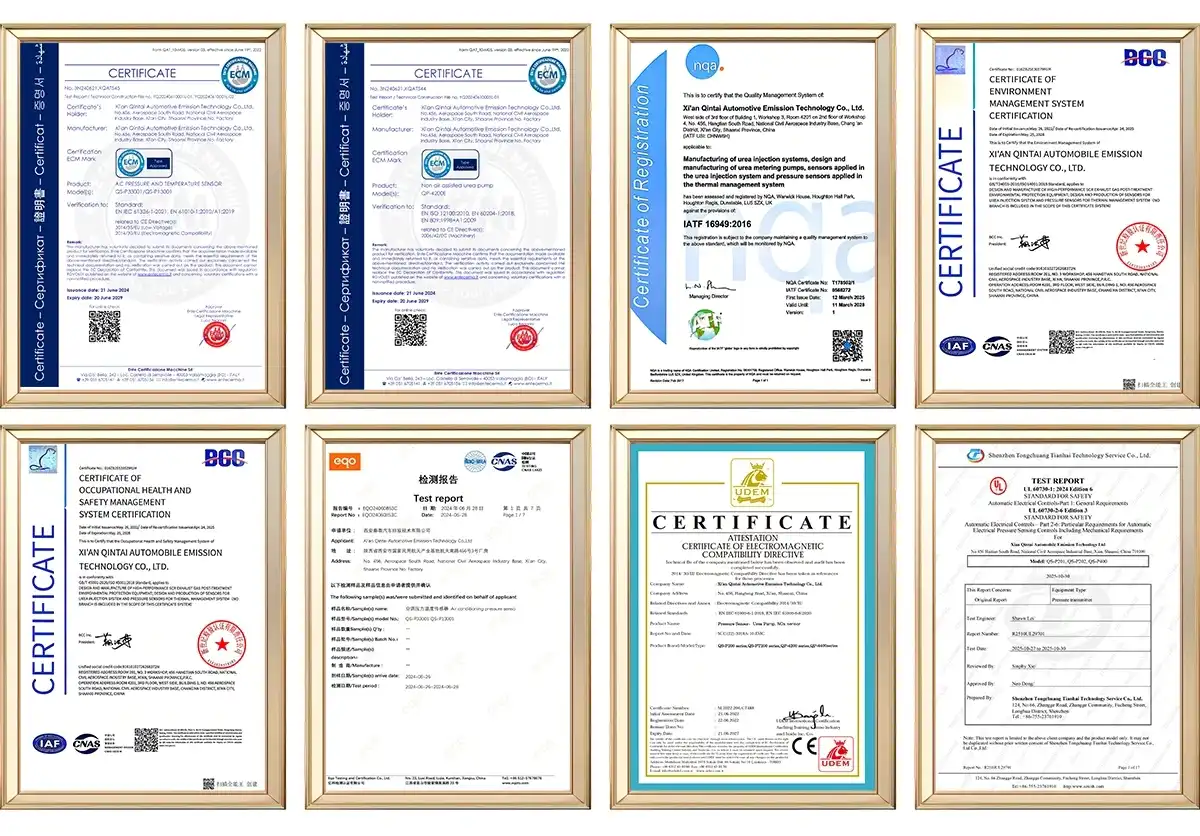
Procurement and Supply Chain Insights for Industrial Pressure Sensors
Sourcing Strategies for Volume Buyers
When you buy a lot of pressure sensor components, you have to weigh the unit cost against the risk of the supply chain. A lot of the time, annual contracts with volume agreements get better prices and make sure that production capacity is used. This method works well for OEM makers whose production plans are stable. Putting together different types of sensors into one deal increases the total amount, which gives you more power in negotiations.
Dual buying lowers the risk of supply failure. If you qualify two sellers for key sensors, production can still go on even if one source has problems with quality or capacity. The plan needs more money and work to make sure it works, and it makes keeping track of goods more complicated, but it protects against supply problems that could stop production lines. This protection is especially important to equipment makers who work with key infrastructure.
Strategic relationships with companies that make sensors can give you benefits that go beyond price. Being involved in the early stages of product development lets sensor capabilities affect system design instead of pushing designs to fit components that are already on hand. Co-development agreements can lead to customized solutions that work best for certain uses, which can help a business stand out from its competitors. Both people in these relationships have to be committed for them to last, but they are worth it in the long run.
Custom Manufacturing Considerations
Standard stock sensors work well for about 80% of industrial uses, but sometimes specific needs call for custom development. Customized solutions may be needed because of unusual mounting arrangements, electrical connections, or harsh weather conditions. Companies that make sensors and have their own engineering teams can change current systems or come up with completely new ones.
Minimum order numbers change based on how complicated the customization is. Small changes, like changing the connectors or making unique pressure ports, might only need a few hundred units a year. When there are major redesigns that include new sensing elements or electronics packages, it may take thousands of pieces to justify the costs of making the tools and testing them. Talking to possible sources early on helps you figure out what acceptable MOQs are for the changes you want to make.
When doing custom programming, you should think about intellectual property issues. Disputes can be avoided by making clear decisions about who owns plans, drawings, and test data. OEM customers usually want to own the intellectual property that comes from their goods so that providers can't sell similar ones to rivals. Finding a balance between this need and sharing development costs is not easy, especially when the provider provides a lot of engineering tools.
Supplier Evaluation Framework
Verification of a supplier's certification collection is the basis of evaluating them. ISO 9001 shows that you know how to run a simple quality system. IATF 16949 confirms the abilities of the car business. Industry-specific approvals, such as UL listing or CE marking, show that a product meets safety standards in that area. Checking the validity and scope of a certificate ahead of time keeps qualification checks from being a surprise. As a normal business practice, well-known companies keep their certifications up to date, but younger sellers may not have all the necessary paperwork.
Beyond product specifications, providers are differentiated by their technical help skills. Having application engineers on hand who know a lot about diesel engine aftertreatment systems or hydraulic controls is very helpful for integrating and fixing problems. When questions come up, quick technical help keeps work from being held up. Taking a look at the level of support during the first talks can help you understand how the working relationship will work.
An evaluation of the supplier's manufacturing ability makes sure that they can meet demand throughout the span of the product. Factory surveys show how much can be made, how quality is controlled, and how capacity planning works. Knowing the supplier's other customers can help you figure out whether your number is a big deal or a small account that might not get as much attention when decisions are being made about sharing.
Infrastructure for after-sales help is important, especially in aftermarket outlets. Equipment uptime is affected by how easy it is to get new sensors through transportation networks. The supplier's trust in the stability of the product is shown by their warranty policies and failure analysis help. When problems do happen, they are easier to handle when there are clear return processes and quick claim handling.

SENSOR+TEST, June 9 – 11, 2026
We look forward to your visit,warmly welcome to our booth 1-526!
Get your free ticket online now:
https://www.sensor-test.de/service/ticket/?52790
Conclusion
Industrial pressure sensor uses include those for diesel engines, hydraulic systems, process control, and safety. Because they can change mechanical pressure into electrical signals, modern industry can automate, plan for upkeep, and direct processes very precisely. Technical standards like precision and pressure range are used along with practical factors like resistance to the environment, certification compliance, and the ability of the provider to provide support. Procurement workers can better match sensor features to application needs when they know about the different technologies that are available, such as piezoresistive, capacitive, and MEMS.
Setting up maintenance schedules with regular calibrations and debugging steps increases sensor dependability and lowers costs over its lifetime. Systematic review of suppliers that takes into account certifications, expert help, and supply chain stability is good for the buying process. As rules on emissions get stricter and equipment gets more complicated, the quality and dependability of pressure sensors become more and more important to the success of operations.
FAQ
How do I select the right pressure sensor for my diesel engine application?
To choose the right sensors, you have to make sure that the specs fit the working conditions. Exhaust backpressure sensors need to be able to handle high temperatures (usually above 125°C) and pressures from 0 to 5 bar. Intake pipe sensors work at lower temperatures and have to be able to handle vibrations and dirt. It's important that the output link works with your engine control unit. CAN bus integration makes wiring easier than with analog data. Reviewing the licensing requirements makes sure that area emission standards are met, similar to the EPA rules in the US.
What calibration intervals should we implement?
How often you need to calibrate depends on how accurate you need to be and how rough the operation is. Applications that are safety-critical should be checked every year. General control applications typically extend to 18 and 24 month intervals. Equipment that works in harsh conditions or is often contaminated may need more frequent checks. Keeping records of calibrations allows data-driven interval optimization based on the real drift rates seen in your pressure sensor application setting.
Can sensors be customized for unique mounting requirements?
There are a lot of companies that offer customization, from easy changes to the connectors to full mechanical redesigns. Most of the time, minimum order amounts of 500 to 1000 units per year are needed for minor changes. For engineering investments and tooling costs to be worth it, large special developments may need orders for several thousand pieces. Talking about needs with possible suppliers early on in the planning phase makes it clearer whether the idea is possible and when it will be ready for market.
Partner with Qintai for Reliable Industrial Pressure Sensor Solutions
Xi'an Qintai Automotive Emission Technology Co. Ltd has been making pressure sensor models for diesel engine aftertreatment systems and other industry uses for more than twenty years. As China's top OEM pressure sensor provider, we offer solutions that are approved to ISO 9001, IATF 16949, and foreign standards like UL, CE, and RoHS to heavy truck makers, construction machinery builders, and generator set makers around the world. Our separate research and development team has been awarded 58 invention patents and is always improving sensor technology to meet changing emission rules, such as the China VI and Euro VI standards.
Qintai provides industrial-grade dependability whether you need help integrating an SCR system, long-lasting sensors for generator sets, or low-cost repair options that work with a lot of different systems. Email our technical team at info@qt-sensor.com to talk about your particular needs, get full datasheets, or get quotes for buying a lot of pressure sensors. You can look at all of our products at qt-sensor.com and find out how our knowledge can help your supply chain.
References
1. Webster, J.G. (2017). The Measurement, Instrumentation and Sensors Handbook: Spatial, Mechanical, Thermal and Radiation Measurement. CRC Press.
2. Norton, H.N. (2014). Handbook of Transducers. Prentice-Hall, Inc.
3. Fraden, J. (2016). Handbook of Modern Sensors: Physics, Designs, and Applications (5th ed.). Springer International Publishing.
4. Society of Automotive Engineers. (2019). Pressure Sensors for Automotive Applications: Standards and Best Practices. SAE Technical Paper Series.
5. Bao, M. & Wang, W. (2020). Future of Microelectromechanical Systems (MEMS) Pressure Sensors in Industrial Applications. Journal of Microelectromechanical Systems, 29(1), 115-128.
6. International Organization for Standardization. (2018). ISO 9001:2015 Quality Management Systems—Requirements and Implementation in Sensor Manufacturing. ISO Standards Catalogue.
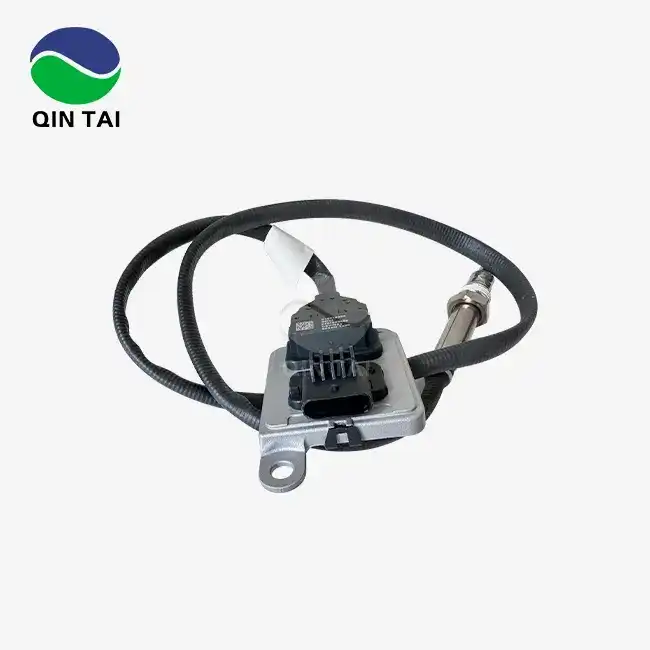
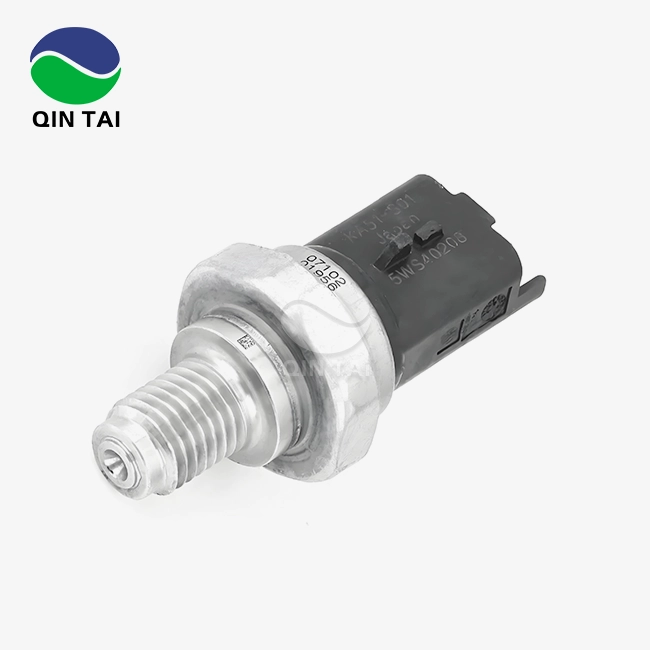
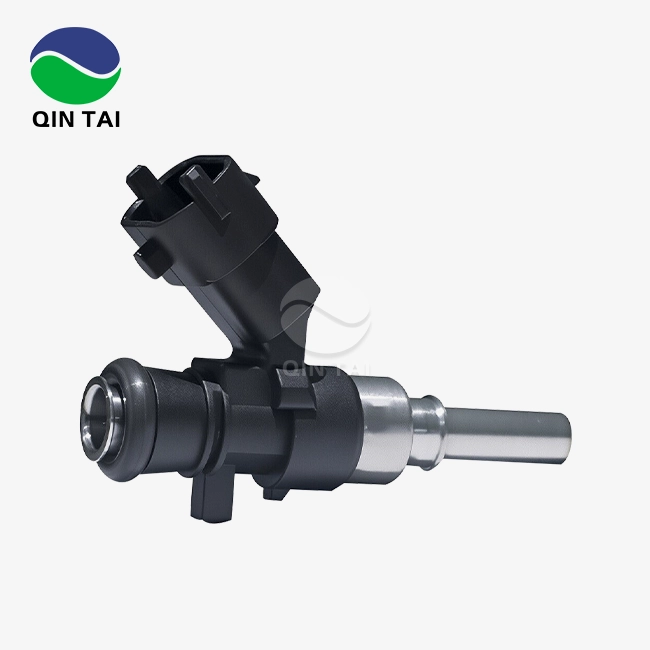
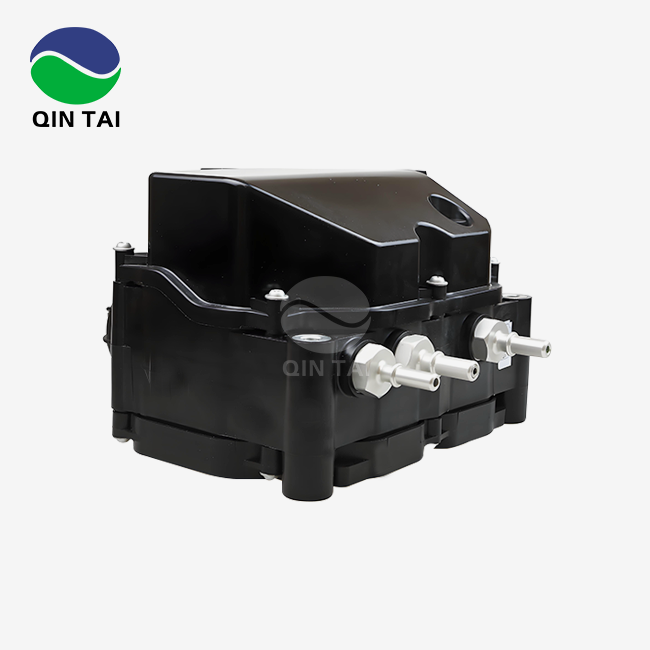

Our customers’ satisfaction speaks for our quality — contact us to experience the same reliable service.