- English
- French
- German
- Portuguese
- Spanish
- Russian
- Japanese
- Korean
- Arabic
- Greek
- German
- Turkish
- Italian
- Danish
- Romanian
- Indonesian
- Czech
- Afrikaans
- Swedish
- Polish
- Basque
- Catalan
- Esperanto
- Hindi
- Lao
- Albanian
- Amharic
- Armenian
- Azerbaijani
- Belarusian
- Bengali
- Bosnian
- Bulgarian
- Cebuano
- Chichewa
- Corsican
- Croatian
- Dutch
- Estonian
- Filipino
- Finnish
- Frisian
- Galician
- Georgian
- Gujarati
- Haitian
- Hausa
- Hawaiian
- Hebrew
- Hmong
- Hungarian
- Icelandic
- Igbo
- Javanese
- Kannada
- Kazakh
- Khmer
- Kurdish
- Kyrgyz
- Latin
- Latvian
- Lithuanian
- Luxembou..
- Macedonian
- Malagasy
- Malay
- Malayalam
- Maltese
- Maori
- Marathi
- Mongolian
- Burmese
- Nepali
- Norwegian
- Pashto
- Persian
- Punjabi
- Serbian
- Sesotho
- Sinhala
- Slovak
- Slovenian
- Somali
- Samoan
- Scots Gaelic
- Shona
- Sindhi
- Sundanese
- Swahili
- Tajik
- Tamil
- Telugu
- Thai
- Ukrainian
- Urdu
- Uzbek
- Vietnamese
- Welsh
- Xhosa
- Yiddish
- Yoruba
- Zulu
What is a Pressure Sensor and How it Works in Industrial Systems
A pressure sensor is a machine that reads and records changes in the pressure of gases and liquids by turning the mechanical force into an electrical signal that can be used for analysis. In industrial systems like diesel engines and exhaust aftertreatment, these sensors collect important real-time data that controls the process, makes sure that regulations are followed, and lets repair be planned ahead of time. OEMs, system integrators, and maintenance teams can avoid equipment failures, improve working efficiency, and meet strict emission standards like China VI and Euro VI by using pressure sensors to correctly measure fluid and gas pressures.
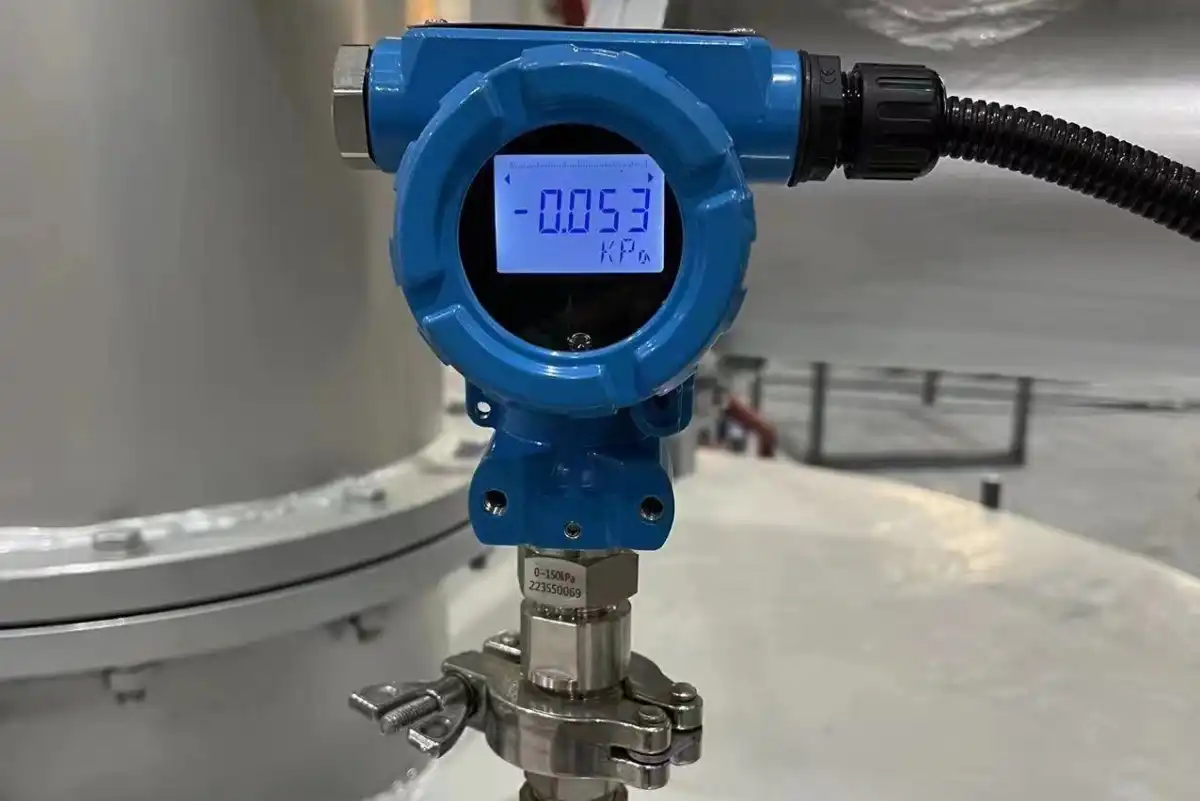
What is a Pressure Sensor? Understanding the Basics
A pressure sensor's main job is to measure the force that fluids or gases put on a certain area. For industrial use, sensors must accurately turn physical pressure into electrical signals that computer systems can understand. These signals can be voltage, current, or digital outputs. This change makes it possible for reactions to be automated, data to be stored, and alarms to go off when pressure falls outside of safe working areas.
Core Sensing Technologies Explained
A number of tried-and-true methods are used in modern pressure sensors. Piezoresistive sensors use semiconductors whose electrical resistance changes when they are put under mechanical stress. These sensors are very sensitive and respond quickly, making them perfect for readings that happen in real time. Capacitive sensors are very stable and accurate for static uses because they measure pressure by changing the capacitance between a plate that can bend and an electrode that stays in place. Piezoelectric sensors make an electric charge when put under pressure.
This makes them good for tracking how quickly pressure changes in combustion engines. Strain gauge sensors use connected resistive elements to pick up on changes in mechanical stress, so they can work well in tough industrial settings. Each technology has its own benefits when it comes to sensitivity, temperature tolerance, and cost-effectiveness, which helps buying teams choose the best option.
Distinguishing Sensors, Transducers, and Transmitters
In B2B buying, terminology is important. A "transducer" is both the sensor and the signal processing hardware that turns the raw sensor output into a standard electrical signal. A "pressure sensor" is just the sensing element itself. A "transmitter" boosts this signal even more and sends it to control systems over longer distances. By knowing these differences, you can be sure that the specs you get for parts for SCR aftertreatment systems, diesel engines, or industrial exhaust control are correct. This will help you avoid costly mistakes and delays in integration.
Operational Principles in Industrial Contexts
Pressure sensors keep an eye on important factors like exhaust backpressure, differential pressure across DPF screens, and urea dosing system pressure in diesel engines and aftertreatment systems. ECUs can change the speed of fuel input, manage regeneration cycles, and make sure emissions standards are met when measurements are accurate. Integrity of the sensor's output has a direct effect on how well the system works, how much fuel it uses, and how often it needs to be serviced. For OEMs and aftermarket providers, dependability and consistency are very important.
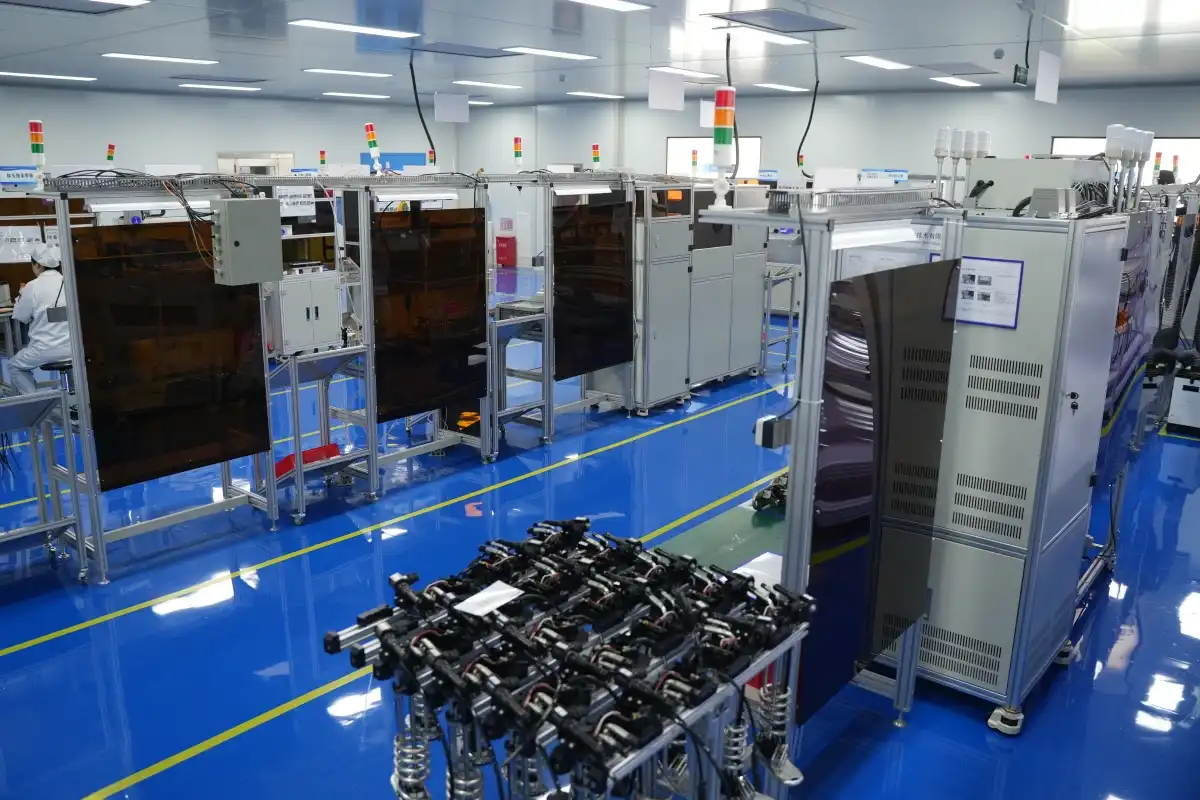
Types of Pressure Sensors and Their Industrial Applications
Choosing the right type of sensor relies on the needs of the application, such as the pressure range, the surroundings, and the need for integration. Different types of pressure sensor are used in industrial systems to deal with different working problems.
Piezoresistive Pressure Sensors for Dynamic Measurement
Applications that need a quick reaction and high accuracy are dominated by piezoresistive technology. Examples include tracking diesel engine cylinder pressure and controlling hydraulic systems. These sensors are very linear and can handle the vibrations and shocks that big trucks and building equipment can cause. Because they are made of semiconductors, they can be made smaller and fit into small areas in engine blocks or aftertreatment housings.
Capacitive Sensors for High Stability and Precision
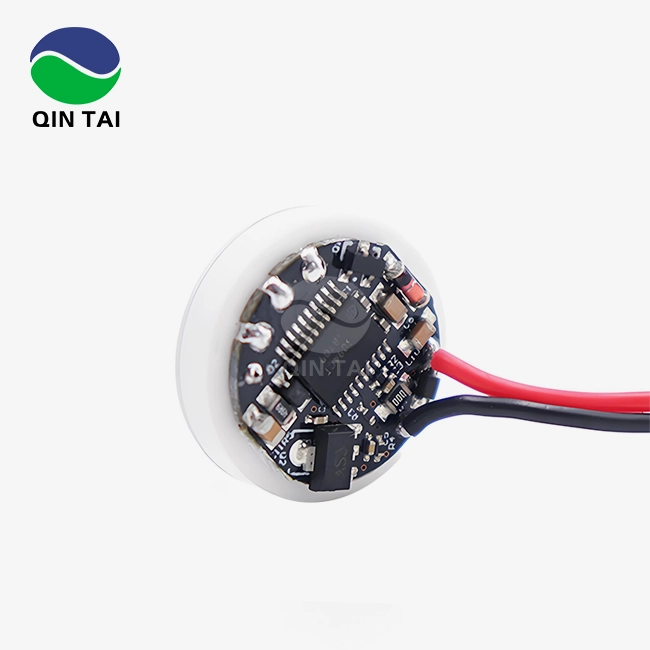
Capacitive pressure sensors are great at reading low pressures and finding small differences in pressure, which is important for keeping an eye on the DPF filter and giving the right amount of urea to the SCR system. Because the ceramic diaphragm design doesn't rust in exhaust gases and urea solutions, the sensor lasts longer in tough chemical conditions. This technology offers long-lasting stability with little drift, which lowers the need for recalibration and the overall costs for service providers in the aftermarket.
Piezoelectric Sensors in High-Temperature Combustion Environments
Because they can work in temperatures above 1000°C, piezoelectric sensors are essential for measuring the combustion pressure in diesel engines in real time. Their dynamic reaction picks up short-lived pressure spikes during ignition and power strokes. This lets engine managers use advanced methods to make engines more efficient and cut down on NOx emissions. These sensors, on the other hand, need special charge amps and work best in R&D or high-end OEM setups.
Digital vs. Analog Sensor Outputs
Digital pressure sensors include communication standards like CAN, LIN, and I2C and signal processing right in the sensor box. This makes wiring easier and improves noise immunity in industrial settings with a lot of electrical noise. Analog sensors send out voltage or current readings that are related to the pressure. This makes them easy to use and compatible with older control systems. Digital solutions allow for improved setup and diagnostics through software, which makes them appealing to system designers who want to be flexible and ready for the future. In aftermarket uses, analog sensors are still a good value for simple monitoring jobs.
Material Selection and Durability
The sensor case and wet materials have a big effect on how well it works and how long it lasts. In building equipment and naval generator sets, stainless steel housings protect well against mechanical pressure and corrosion. Ceramic sensor elements don't get damaged by exhaust gases, urea, or hydraulic fluids, so they stay accurate for longer periods of time between service. Silicon-based sensors are cheaper, but they need to be protected with coverings or kept away from aggressive media. Material prices must be weighed against how long sensors are expected to last and how easy they are to maintain.
Pressure Sensor Performance: Accuracy, Calibration, and Sensitivity
Accuracy is how well the pressure sensor can tell real pressure numbers, and sensitivity is how small of a change in pressure can be felt. In emission-critical uses, both factors have a direct effect on how reliable the system is and how well it meets regulatory requirements.
Factors Affecting Measurement Accuracy
Changes in temperature, humidity, and vibrations in the environment can cause measurement mistakes that need to be fixed. Temperature coefficient of offset and span show how the sensor output changes over the temperature range it works in, which is usually -40°C to 125°C for industrial and vehicle uses. High-quality sensors have temperature adjustment circuits or characterization data saved in digital memory, so they stay accurate even when the temperature is very high or very low. If you don't install something correctly, like by overtightening the mounting threads or misaligning the ports, mechanical stress can preload the sensing element, which can throw off baseline readings and require recalibration.
Essential Calibration Processes and Standards
Calibration connects sensors to national standards and checks their accuracy against approved reference tools. Calibration in industry usually follows the rules set by ISO 9001 and IATF 16949. Calibration times, environmental conditions, and acceptance standards are all written down. Known forces are applied across the sensor's range, and output variations are recorded. Offset and span are then changed as needed. Multi-point testing finds nonlinearity, and temperature cycling tests make sure that the correction is correct. To keep measurements accurate, procurement specifications should require calibration certificates and set recalibration intervals, such as once a year for important safety uses and every two years for process control.
Routine Maintenance for Extended Sensor Life
Preventive maintenance cuts down on unexpected downtime and increases the life of sensors. Common failure modes can be avoided by checking the electrical links for rust, the pressure ports for contamination, and the mounting force. In DPF and SCR systems, sensors that get soot and urea buildup need to be cleaned or replaced on a regular basis, as suggested by the maker. By using CMMS platforms to track drift trends and reaction times for condition monitoring, predictive maintenance strategies can be used to replace sensors before they stop working, which cuts down on the costs of emergency purchases and faster shipping.

SENSOR+TEST, June 9 – 11, 2026
We look forward to your visit,warmly welcome to our booth 1-526!
Get your free ticket online now:
https://www.sensor-test.de/service/ticket/?52790
How to Choose the Best Pressure Sensor for Industrial Use
To choose the best pressure sensor, you have to compare technical specs to application needs and think about cost, availability, and the supplier's skills.
Critical Selection Criteria
• Pressure range must encompass normal working pressures plus safety limits. For example, diesel engine exhaust systems usually have a range of 0 to 10 bar, while hydraulic systems can go over 500 bar.
• Environmental conditions including things like temperature changes, chemical exposure, and shaking levels determine the materials used for building and the ways they are sealed.
• Accuracy requirements align with process control tolerances and emission approval limits. For example, SCR systems need accuracy within ±1%, while general tracking can handle accuracy within ±3%.
• Response time matters in dynamic situations where millisecond-level recognition is needed for sudden changes in pressure.
• Output signal type—analog voltage, current loop, or digital bus—needs to fit the sources of the control system.
Comparing Sensor Technologies for Application Fit
Piezoresistive sensors work well for OEM setups with a lot of parts that need to make accurate readings at moderate temperatures at a low cost. Capacitive technology works well in high-stability, low-pressure situations like filter difference tracking. Digital sensors are better for system programmers who need diagnostic and flexible setup options, while analog sensors are better for the aftermarket because they can be used as drop-in replacements with little integration work. The comparison looks at the total cost of ownership, which includes the price of the sensor, the work to install it, how often it needs to be calibrated, and how long it is expected to last.
Leading Pressure Sensor Manufacturers and Market Positioning
With a wide range of licenses and expert support, global names like Honeywell, Bosch, and TE Connectivity lead the luxury OEM market. For mid-level uses, regional manufacturers offer reasonable prices and the ability to make changes. China-based suppliers, especially national high-tech companies with ISO 9001, IATF 16949, and Ex certifications, offer great value because they can combine quality, flexibility, and large-scale production. When you evaluate a seller, you look at their list of certifications, their producing skills, and how quickly they respond to requests for help after the sale.
Procurement Tips for Cost Control and Supply Chain Efficiency
Cost and supply risks can be reduced by negotiating bulk discounts, setting up blanket purchase orders, and checking out more than one provider. Lead times range from just a few days for stock items to eight to twelve weeks for special sensors that need to be made and molded. By sharing estimates, suppliers can keep extra stock on hand and set output priorities. Integration risks are lower when samples are asked for before full orders are placed. Setting up technical support agreements makes it clear what the guarantee covers, how to get a repair, and how to get help with field applications.
Practical Guide: Integrating Pressure Sensors into Industrial Systems
To make sure that the pressure sensor works reliably and for a long time, it needs to be installed mechanically, connected electrically, and set up in software.
Installation Best Practices and Environmental Protection
Threaded ports (NPT, BSPP, and metric) or flanges are used to place pressure sensors. The makers specify the mounting force that should be used so as not to damage the sensing elements. Putting sensors away from sources of shaking and changes in temperature makes measurements more stable. In exhaust systems, sensors are shielded from high temperatures by capillary tubes or cooling adapters. Waterproof grades (IP67, IP69K) keep electronics and outdoor systems safe from water and washing. When positioned correctly—venting or removing condensate—liquid doesn't build up and freeze or corrode detecting elements.
Wiring Standards and Signal Integrity
Deutsch, AMP, or M12 plugs that can handle vibration and changes in temperature are used for electrical links. Ignition systems and motor drives can cause electromagnetic interference, but shielded wires keep it to a minimum. To keep the signal strong, follow the wire color codes (power, ground, signal) and keep the line away from high-current conductors. Strategies for grounding stop ground loops that add noise to electronic signals. To keep the bus reliable, digital sensors that use CAN or RS485 need to have the right termination resistors and twisted-pair cables.
Integrating Sensor Data with Industrial Control Systems
PLCs and SCADA platforms take the outputs of sensors, run control code, and store data so that it can be analyzed later. I/O devices set up to scale in engineering units (psi, bar, kPa) let analog sensors join. Digital sensors talk to each other using industrial standards. They send not only pressure readings but also diagnostic data like temperature, error flags, and device state, which lets you plan ahead for maintenance. Setting warning limits makes sure that abnormal pressures are dealt with right away, which prevents damage and keeps people safe. Data trending shows that performance is slowly getting worse, which helps schedule repairs before problems happen.
Case Study: Diesel Engine Aftertreatment System Optimization
A company that makes generator sets put capacitive pressure sensors across the entry and exit ports of the DPF to keep an eye on the difference in pressure while soot builds up. Real-time data was sent to the engine's ECU, which set off regeneration processes exactly when the filter's load hit 70%. This balanced the amount of fuel used with the filter's lifespan. Over the course of a year, the approach cut fuel use by 8%, increased the time between DPF service intervals by 25%, and got rid of unplanned downtime caused by too much backpressure. The maker said that the accuracy and steadiness of the sensors were key to this improvement, which shows how important it is to choose good measuring tools.
Conclusion
Pressure sensors are very important for measuring things in industrial systems because they turn real pressure into data that can be used to control processes, keep people safe, and make sure that emissions rules are followed. Understanding sensor technologies like piezoresistive, capacitive, and piezoelectric, along with performance factors like precision, calibration, and environmental tolerance, helps procurement professionals make choices that meet practical needs.
When choosing sensors for diesel engine OEMs, aftertreatment system integrators, or aftermarket service providers, putting stability, compatibility, and supplier support at the top of the list is the best way to lower the total cost of ownership and improve system performance. When sensors are properly integrated into control systems, they allow for predictive maintenance and efficiency gains that show a clear return on investment (ROI). As automation and communication improve in industrial systems, working with seasoned pressure sensor makers guarantees access to the latest technology, quick expert support, and production capacity that can be expanded as needed.
FAQ
What distinguishes a pressure sensor from a pressure transducer?
A pressure sensor is the part that measures pressure, while a transducer is made up of both the sensor and the signal shaping hardware that turns the output of the sensor into a standard electrical signal that control systems can use. Reviewing the product specs makes it clear what inputs and outputs are included because some makers use the terms in the same way.
How often should industrial pressure sensors be calibrated?
How often you need to calibrate depends on how important the application is, how bad the surroundings is, and what the rules say. Diesel engines with emission-critical parts usually need to be calibrated once a year to keep their safety approval. If drift tracking shows steady performance, process control applications may increase the time between checks to 18 to 24 months. When sensors are exposed to high temperatures or media that is acidic, they need to be checked more often to catch degradation early.
Which pressure sensor type works best in high-temperature environments?
Piezoelectric sensors can work in temperatures above 1000°C, which makes them perfect for measuring the pressure in a burning chamber. Temperatures of up to 300°C can be handled by piezoresistive sensors that are isolated by ceramic. When capacitive sensors are paired with cooling devices or capillary tubes, the temperature ranges that can be used grow. By choosing sensors with the right temperature values and thermal protection, you can be sure that they will work reliably and not break down too soon.
Partner with Qintai for Reliable Pressure Sensor Solutions
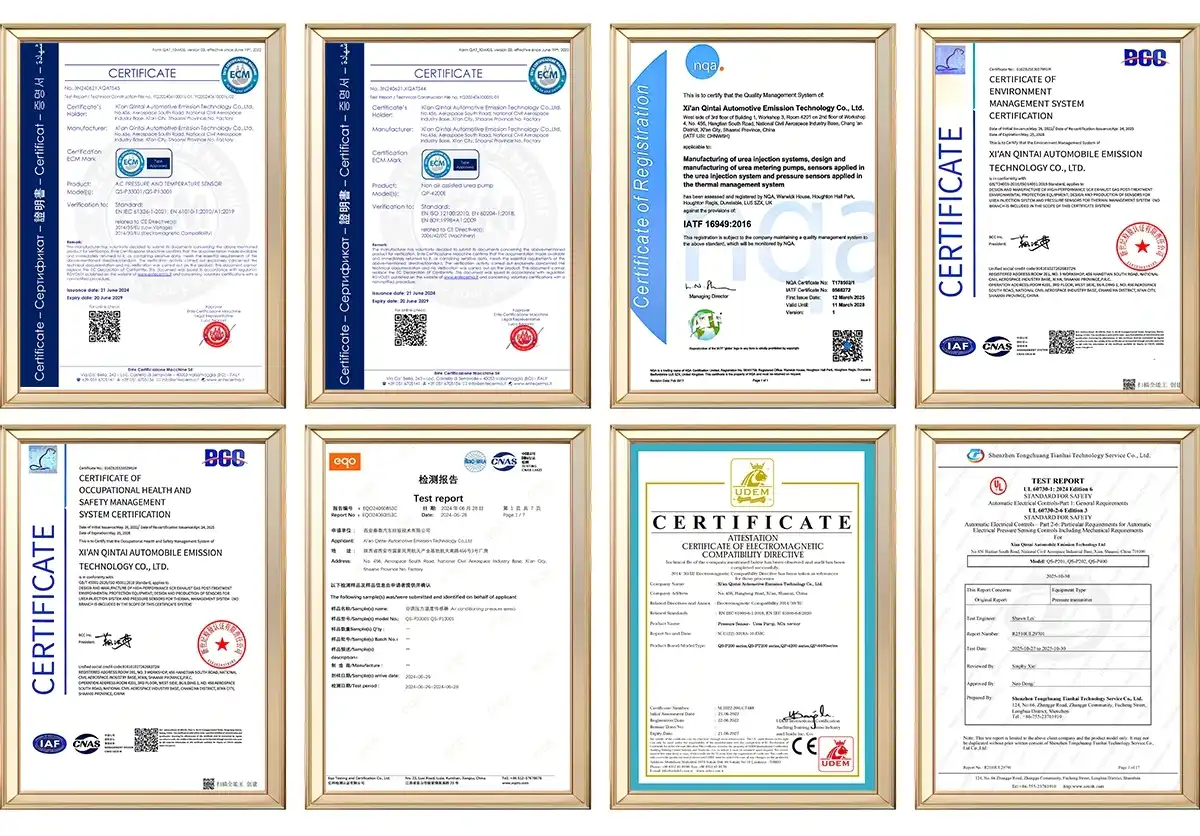
Industrial procurement teams looking for reliable pressure sensor sources will like that we have a history of working with diesel engine OEMs and aftertreatment system developers in over 60 countries. Qintai is a national high-tech company that was founded in 2001. Its main products are SCR aftertreatment systems and industrial sensors, and it has certificates from ISO 9001, IATF 16949, CMC, Ex, UL, CE, REACH, and RoHS. Our independent research and development team has applied for 58 idea patents and is always improving sensor performance to keep up with changing emission rules and business needs.
We serve core clients like Weichai Power, Yuchai Power, and Quanchai Power as the number one OEM provider in China. This shows that we can produce a lot of things with steady quality. We provide full OEM/ODM services that allow customization from the very beginning of the design process all the way through mass production, making sure that the sensors you buy meet your specific interface needs, working conditions, and budget goals. Email our technical experts at info@qt-sensor.com to talk about your application needs, get full product datasheets, or get prices that are fair for your next purchase. Discover why top companies choose Qantai as their reliable pressure sensor maker for long-term business partnerships.
References
1. Webster, J. G. (2019). The Measurement, Instrumentation and Sensors Handbook. CRC Press.
2. Morris, A. S., & Langari, R. (2020). Measurement and Instrumentation: Theory and Application. Academic Press.
3. Fraden, J. (2016). Handbook of Modern Sensors: Physics, Designs, and Applications. Springer.
4. Norton, H. N. (1989). Sensor and Analyzer Handbook. Prentice Hall.
5. Bao, M. H. (2012). Analysis and Design Principles of MEMS Devices. Elsevier Science.
6. Soloman, S. (2009). Sensors Handbook. McGraw-Hill Professional.
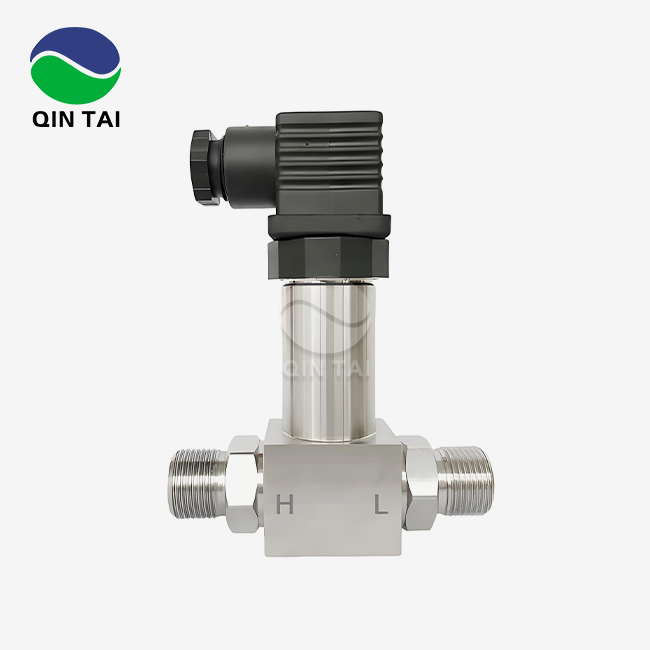
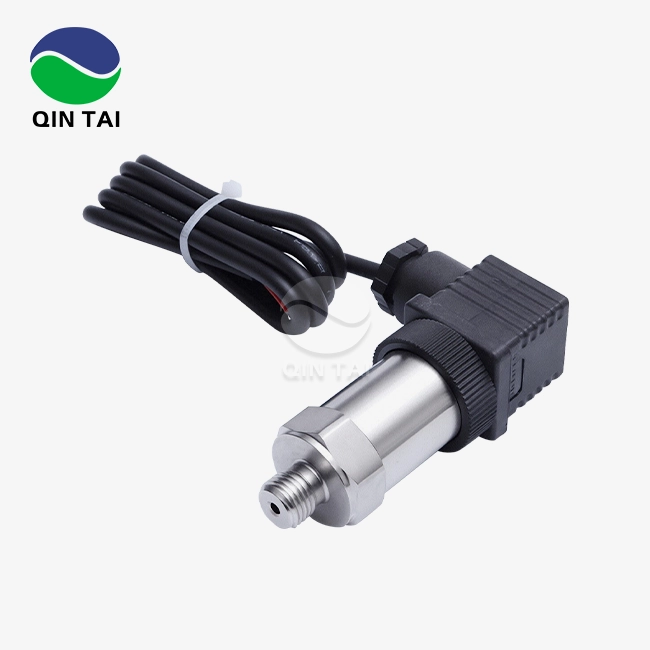
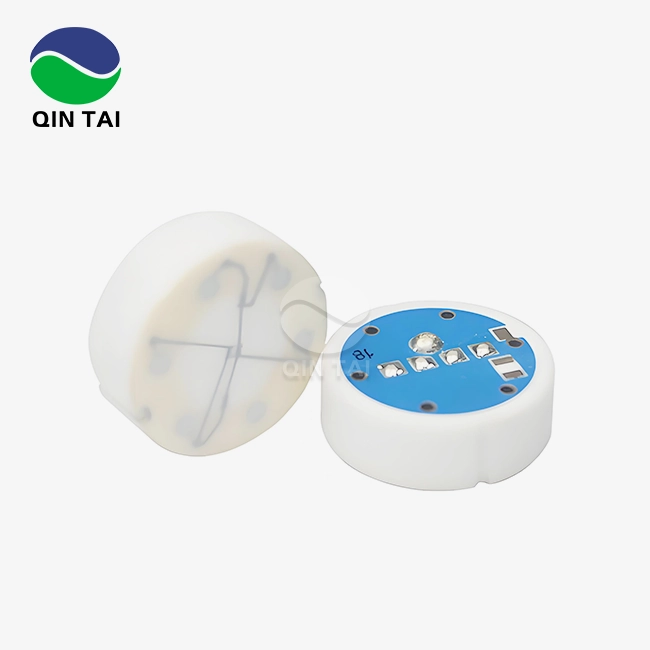

Our customers’ satisfaction speaks for our quality — contact us to experience the same reliable service.