- English
- French
- German
- Portuguese
- Spanish
- Russian
- Japanese
- Korean
- Arabic
- Greek
- German
- Turkish
- Italian
- Danish
- Romanian
- Indonesian
- Czech
- Afrikaans
- Swedish
- Polish
- Basque
- Catalan
- Esperanto
- Hindi
- Lao
- Albanian
- Amharic
- Armenian
- Azerbaijani
- Belarusian
- Bengali
- Bosnian
- Bulgarian
- Cebuano
- Chichewa
- Corsican
- Croatian
- Dutch
- Estonian
- Filipino
- Finnish
- Frisian
- Galician
- Georgian
- Gujarati
- Haitian
- Hausa
- Hawaiian
- Hebrew
- Hmong
- Hungarian
- Icelandic
- Igbo
- Javanese
- Kannada
- Kazakh
- Khmer
- Kurdish
- Kyrgyz
- Latin
- Latvian
- Lithuanian
- Luxembou..
- Macedonian
- Malagasy
- Malay
- Malayalam
- Maltese
- Maori
- Marathi
- Mongolian
- Burmese
- Nepali
- Norwegian
- Pashto
- Persian
- Punjabi
- Serbian
- Sesotho
- Sinhala
- Slovak
- Slovenian
- Somali
- Samoan
- Scots Gaelic
- Shona
- Sindhi
- Sundanese
- Swahili
- Tajik
- Tamil
- Telugu
- Thai
- Ukrainian
- Urdu
- Uzbek
- Vietnamese
- Welsh
- Xhosa
- Yiddish
- Yoruba
- Zulu
What are pressure sensors used for in industrial maintenance?
Pressure sensors are very important for industrial repair because they pick up on changes in gas and liquid pressure systems and turn them into electrical signals that can be measured. By putting these devices on tanks, pipes, and other pressured equipment, maintenance teams can be notified right away if the pressure drops below certain levels. This lets them fix small problems right away, before they become major problems that cost a lot to fix. A normal pressure sensor detects changes in the shape of things due to changes in pressure, calibrates these changes, and sends useful information to centralized tracking systems. This feature changes maintenance from fixing problems after they happen to improving systems before they happen. This cuts down on downtime and increases the life of equipment in heavy machinery, diesel engines, and industrial automation settings.
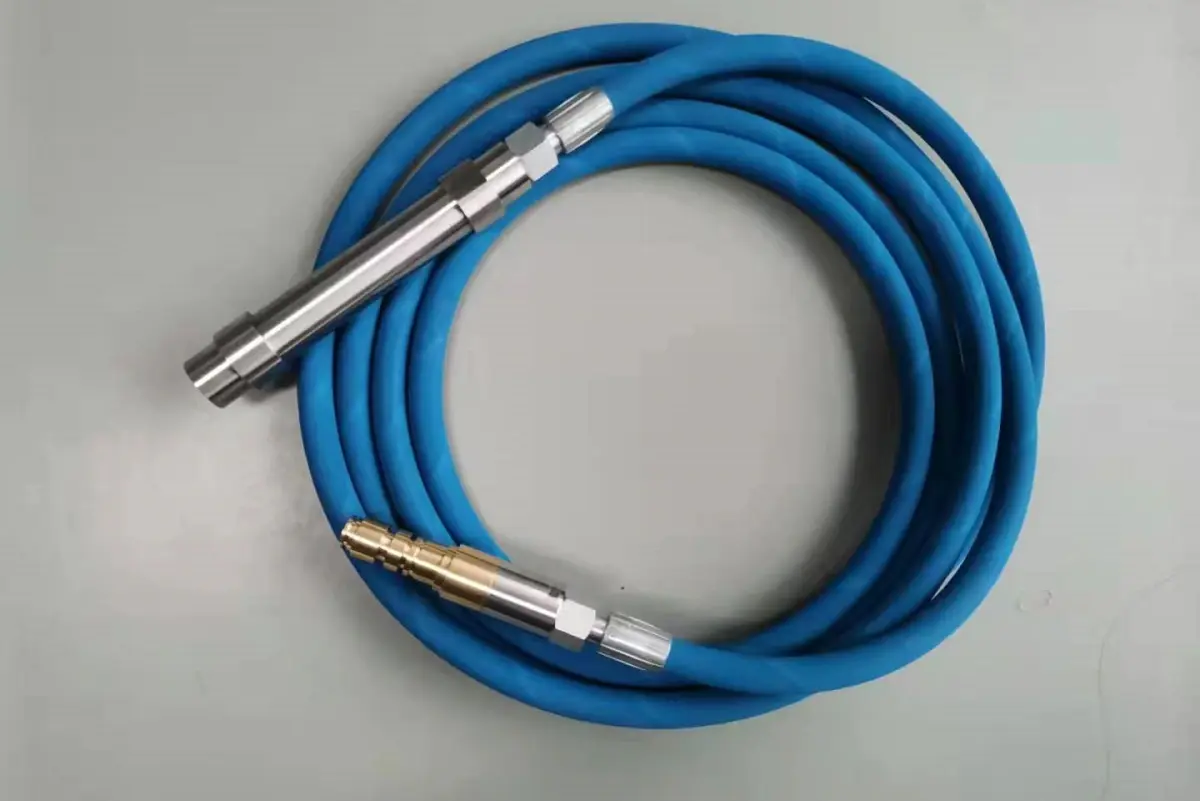
Understanding Pressure Sensors in Industrial Maintenance
How Pressure Measurement Technology Works
Industrial pressure measurement depends on special transduction devices that turn physical force into electrical signs that can be measured. When there are changes in pressure in a system, sensing elements pick up on them and send out voltage or current to match. The most common method uses strain gauges, which are mechanical devices that expand and contract slightly when the pressure changes. These changes in shape are recorded, corrected, and turned into voltages that show certain pressure levels.
Key Components and Signal Processing
The pressure sensor design is made up of three main parts that work together. The sensing element reacts directly with the pressurized medium and picks up changes by the diaphragm displacement or the piezoelectric crystal deformation. Depending on the type of sensor, the transduction system uses different physical principles to change mechanical force into electrical data. The raw signals are then filtered and formatted by signal conditioning circuits, which gets them ready for use with display systems or programmable logic controllers and data collection systems.
When connecting sensors to CMMS platforms or industrial control systems, it's especially important to understand how signals are processed. The strength of the electrical signals changes depending on the pressure that the receiving element is feeling. Readings are taken often to catch sudden changes in pressure. These constant streams of data are sent to central tracking hubs, where maintenance teams can keep an eye on many assets at once, setting pressure baselines and finding strange patterns before they cause damage to equipment.
Sensor Types and Selection Considerations
Several different sensor systems are used in industrial settings, and each has its own benefits. Piezoelectric sensors are great for measuring dynamic pressure because they can quickly adapt to changes in hydraulic systems and engine cylinders. Capacitive sensors, such as ceramic diaphragm types, are very stable and accurate for checking the standing pressure in tanks and other vessels. Because piezoresistive sensors work well across a wide range of temperatures, they can be used in mining and building tools where conditions are harsh.
Choosing between analog and digital outputs has a big impact on how hard it is to integrate the system and how accurate the measurements are. Analog sensors give off constant voltage or current readings that are related to pressure. They are easy to use and work with standard control systems. Digital sensors have microprocessors built in that turn pressure data into standard communication protocols like CANbus or Modbus. This makes it easier to do advanced diagnostics and keeps the signal strong over long wire runs.
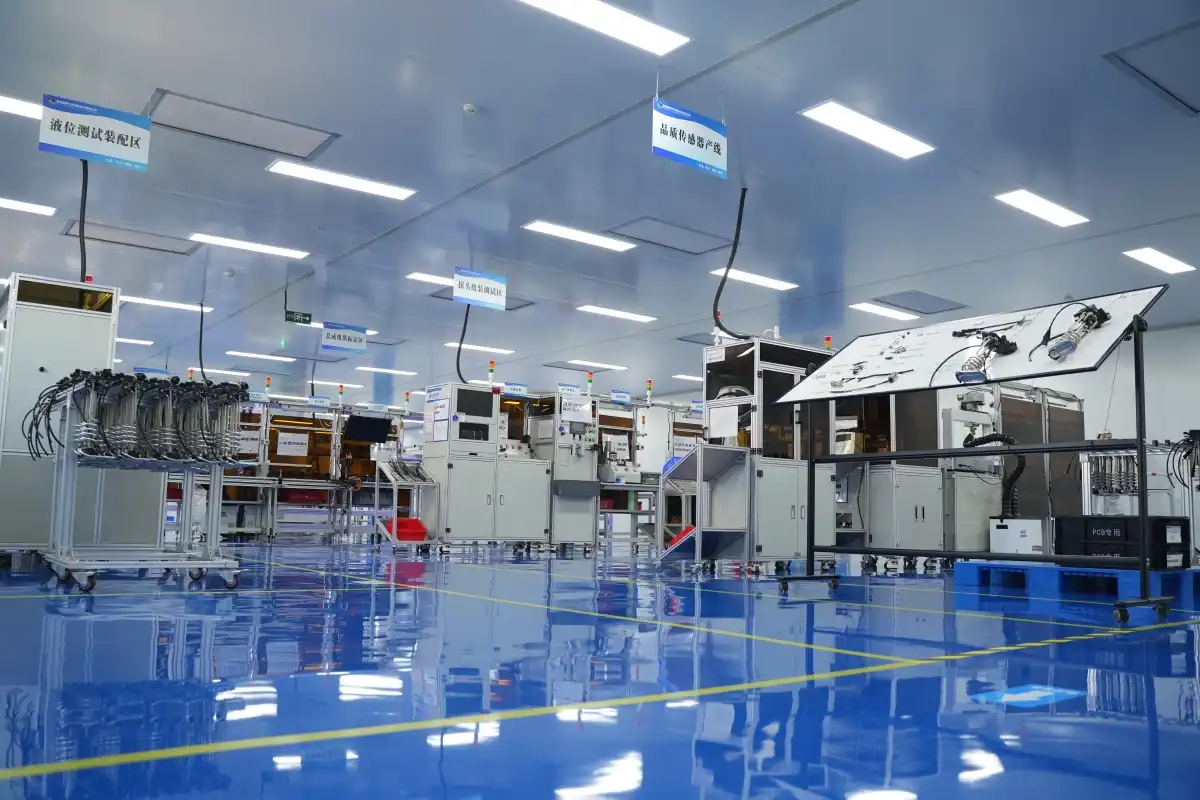
Key Industrial Applications of Pressure Sensors in Maintenance
Predictive Maintenance and Early Fault Detection
Monitoring pressure is an important part of current predictive maintenance plans because it lets you see the health of a machine all the time. These devices find problems that are getting worse by recognizing patterns. For example, they can pick up on slow drops in pressure that mean a seal is wearing out or sudden rises in pressure that mean hydraulic lines are clogged. Maintenance teams can look at past pressure data to figure out what the normal working ranges are. They can then set alert levels that let them know when readings don't match the expected values.
One of the most useful uses is finding leaks, especially in pipes that are under pressure and hydraulic systems. It's possible for pressure sensors to pick up on even small leaks long before an eye check would show what's wrong. This early notice feature stops secondary damage, saves energy by keeping the compressor from working too hard, and gets rid of the safety risks that come with pressurized fluid leaks in places where people are working.
Process Control and Automation Integration
Accurate pressure input is needed to keep automated manufacturing processes running at their best. In HVAC systems, pressure sensors control how airflow is distributed and check the state of the filters. If the difference pressure goes above certain limits, they send out replacement alerts. Continuous pressure tracking is used in hydraulic systems to control the speed of the actuator, keep the force constant during industrial processes, and keep pumps from cavitation damage that can happen when there isn't enough inlet pressure.
Integration with PLCs and microcontrollers makes it possible to use complex control methods that adapt to changing conditions on the fly. When pressure tests show that performance isn't as good as it could be, control systems can change the speed of the pumps, open release valves, or turn off the equipment before damage happens. This level of automation makes the process more consistent while reducing the operator's work load. This is especially helpful for generator sets that need to be used in rural areas or for backup power needs that can't be watched.
Emission Control and Environmental Compliance
To meet strict pollution rules, diesel engine aftertreatment devices depend on being able to measure pressure correctly. SCR systems keep an eye on the backpressure of the exhaust to make the catalyst work better and find out when the DPF needs to be regenerated. Differential pressure sensors put in place before and after particulate filters give accurate information on how much soot is building up. These sensors set off regeneration processes at the best times to keep the engine running well while using as little fuel as possible while the filters are being cleaned.
In these situations, the environment has a big effect on how well sensors work and how long they last. Exhaust systems that are exposed to high and low temperatures need sensors made of special materials and with temperature adjustment features. Humidity and exhaust gases that are corrosive need protected coats and sealed housings to keep measurements from drifting and parts from breaking down too soon. Knowing about these environmental factors helps procurement teams choose the right sensor types and set repair schedules that are reasonable.
How to Choose the Right Pressure Sensor for Industrial Maintenance
Assessment of Measurement Requirements
Before choosing the right pressure sensor, it's important to carefully look at the factors that are specific to the application. The pressure range needs to be able to handle both normal operation and possible overpressure events. To make sure there are enough safety gaps, sensors are usually rated at 150% to 200% of the highest pressure that is predicted. Response time is very important in dynamic situations like hydraulic controls or engine tracking, where sensors need to be able to respond in milliseconds or less to changes in pressure.
When setting accuracy requirements, it's important to think about the whole measurement chain, not just the sensor specs. A sensor that is accurate to within ±0.5% isn't very useful if signal conditioning adds more mistakes or if placement stress damages the sensing element. Understanding the difference between accuracy, repeatability, and long-term stability helps procurement workers figure out the total cost of ownership. This is because sensors with better stability traits need to be calibrated less often and perform more consistently over their service life.
There are more than just temperature values that go into environmental compatibility. In mobile equipment like building equipment and big trucks, where constant mechanical shock can wear out sensing elements or loosen electrical connections, vibration protection is very important. Media compatibility means matching the materials that are wet on the sensor to the fluid being measured, like hydraulic oil, truck exhaust, or toxic industrial gases. This keeps the chemicals from breaking down, which lowers the accuracy of the measurement and shortens the life of the sensor.
Evaluating Supplier Capabilities and Support
Sensor makers and end users have a connection that goes far beyond the purchase of a sensor. The quality of technical help has a direct effect on how well sensors are integrated, especially when installation problems need to be fixed or signal conditioning circuits need to be optimized. When suppliers provide full datasheets with specs, dimensional drawings, and electrical interface diagrams, engineering teams can check for compatibility before making big purchases.
As tool designs become more specific, the ability to customize them becomes more and more important. Standard stock sensors might not be able to handle specific installation needs, preferred electrical connectors, or pressure port arrangements. Companies that have their own research and development departments and fluid production methods can change designs to fit the needs of different applications. This makes the system simpler and more reliable by getting rid of adapters and other non-standard parts.
Procurement Strategy and Long-Term Partnership
A smart way to buy sensors is to think about both the short-term cost and the long-term value. Comparing unit prices can help, but to fully understand the costs, you need to look at things like how often they break, how much they cost, how long they are supposed to last, and whether or not there are new parts available. Even if the prices are lower at first, sensors that need to be calibrated every year may end up costing more than higher-quality devices that are guaranteed to be stable for three years.
Delivery times and the amount of goods on hand have a big impact on production planning, especially for aftermarket sellers and system designers who have to meet tight project deadlines. Building connections with makers that keep large amounts of inventory on hand and offer fast shipping choices gives you the freedom to respond to sudden increases in demand or equipment breakdowns that need replacement parts right away.
Installation, Integration, and Troubleshooting in Industrial Environments
Proper Mounting and Wiring Techniques
For accurate pressure readings, fitting details that have a big effect on pressure sensor performance must be paid close attention to. Mounting direction affects sensor output in devices with fluid-filled cavities, so it's important to follow the manufacturer's instructions about whether to place the device vertically or horizontally. Impulse lines that connect sensors to pressure sources should have as little dead volume as possible and shouldn't be set up in a way that traps air bubbles or lets sediment build up, as both of these things can change results and make reaction times longer.
Electrical lines need the same level of care to keep signals from getting messed up and electromagnetic waves from interfering. Shielded wires are very important for protecting electrical equipment that is near motor drives and welding machines. When you ground something correctly, you get rid of ground loops that cause measurement mistakes. Also, routing cables away from power lines lowers capacitive coupling. Vibration-induced wire breakage is a common failure cause in mobile equipment uses. To stop this, terminal connections should have strain relief.
Signal Conditioning and Data Acquisition
Signal conditioning hardware that boosts, filters, and converts electrical signals is needed because raw sensor outputs don't always match the input needs of control systems and data loggers. Amplification steps raise low-level sensor outputs to voltage levels that can be used with analog-to-digital processors. This makes the signal-to-noise ratios and resolution better. Filtering gets rid of high-frequency noise without slowing down reaction time. To find the right mix, you need to know about both the sensor's bandwidth and how the application works.
Datasheets have important details for making good signal conditioning circuits, like the output impedance, load resistance needs, and suggested power source designs. If the electrical connections don't match, it can lead to big mistakes, damaged sensors, or shaky operation. Careful study of the datasheets during the design phase keeps expensive repairs and changes to the equipment in the field from having to be made after it has been deployed.
Common Issues and Diagnostic Approaches
To fix problems with measuring pressure, you need to use organized methods that can tell the difference between sensor faults and bigger system problems. Signal noise, which shows up as quick changes on top of data that are otherwise steady, is usually caused by electrical interference instead of real changes in pressure. When you test sensors with battery-powered signs away from control systems, you can tell if the problems are with the sensor itself or with how it's being integrated.
Calibration drift shows up as small changes over time in the output numbers. These changes can be found by regularly checking the outputs of sensors against reference standards. Too much drift can happen when there is mechanical stress during installation, when temperatures change more than what is recommended, or when sensor elements are introduced to media that is not compatible. Knowing the trends of drift helps repair workers decide if recalibrating is enough or if the sensors need to be replaced.
If the reaction time to changes in pressure is slow, it could be because of electrical filtering that is set too strongly in signal processing circuits or mechanical damping from impulse lines that are too short. By using standardized test tools to compare sensor reaction times to datasheet specs, the root cause can be found. When sensors meet stated specs but still don't work well enough for an application, system needs may be higher than what sensors can handle, so faster devices need to be chosen.
Future Trends and Innovations Impacting Industrial Pressure Sensors
Smart Sensors and IoT Connectivity
Pressure tracking is changing from a simple measurement to full asset management as pressure sensor technology and digital communication methods come together. Smart sensors with microprocessors and standard communication ports give you more than just pressure data. They also give you diagnostic information, like the health state of the sensor, when it was calibrated, and how many hours it has been running. This ability to watch itself makes condition-based maintenance strategies possible, in which sensors are managed assets instead of just idle measuring tools.
The Internet of Things (IoT) makes sensors useful for more than just local control systems. They can also be used in cloud-based analytics tools that handle data from fleets of distributed equipment. By collecting pressure data from hundreds of diesel engines or hydraulic systems, makers can find flaws in the design, make maintenance plans more effective, and predict failures by looking for patterns across whole product groups. Because of these insights, both sensor technology and the tools they watch are always getting better.
Artificial Intelligence and Predictive Analytics
When applied to pressure sensor data, machine learning algorithms find small links between measurement trends and upcoming failures that human researchers miss. AI systems that have been trained on failure data from the past can recognize warning signs days or weeks before something terrible happens. This gives people more time to plan maintenance rather than calling for emergency fixes. This feature comes in very handy in important situations like power plants and mines, where unplanned downtime can cost a lot of money.
Advanced analytics also find the best places for sensors and the best ways to measure things. They do this by finding tracking points that are being used twice and showing where current sensor arrays lack coverage. Approaches to designing sensor networks that are based on data make systems more reliable while keeping monitoring costs low. This means that investments in technology are better used.
Sustainability and Energy Efficiency
Environmental factors are becoming more and more important in the design and choosing of sensors. Low-power sensor designs use less energy in battery-powered systems and wireless tracking systems. This makes operation more flexible and lowers the cost of running the system. Self-powered sensors that use energy harvesting technologies don't need to be charged or replaced with batteries, which makes upkeep easier and reduces electrical waste in remote sites.
To answer worries about sustainability throughout sensor lifecycles, changes are being made to the materials used and the ways they are made. Manufacturers are cutting down on dangerous materials, making it easier to recycle, and making products last longer by making them more durable. These changes to the environment are in line with larger efforts to make businesses more sustainable. They also have real benefits, such as lowering the total cost of ownership and making it easier to follow the rules.

SENSOR+TEST, June 9 – 11, 2026
We look forward to your visit,warmly welcome to our booth 1-526!
Get your free ticket online now:
https://www.sensor-test.de/service/ticket/?52790
Conclusion
Technology for measuring pressure is an important part of modern industrial repair plans because it connects mechanical systems to digital control infrastructure. Continuously checking pressure, spotting problems before they become fails, and improving processes through automated feedback control all have measured benefits in a wide range of situations, from managing diesel engine emissions to controlling hydraulic systems.
For pressure sensor deployment to go well, technical specs, environmental compatibility, provider skills, and long-term assistance needs must all be carefully thought through. As smart sensors, IoT connections, and AI-driven analytics get better, they will be able to do more. This will turn simple pressure tracking systems into full asset management systems.
FAQ
How often should industrial pressure sensors be calibrated?
How often you need to calibrate depends on how important the application is, how it's being used, and any rules or regulations that apply. In diesel engine aftertreatment systems, emission-critical sensors usually need to be checked once a year to keep their compliance certification. In general, industrial tracking uses may work every two to three years. Sensors that are exposed to high or low temperatures, toxic media, or mechanical shock should be checked more often. Using condition-based calibration plans that keep track of measurement drift instead of just time intervals makes the best use of upkeep resources and makes sure that measurements are accurate.
What distinguishes pressure sensors from pressure switches?
Pressure sensors give off constant analog or digital signs that are related to the pressure they are measuring. This lets you keep an eye on things and control them precisely across the whole measurement range. When pressure levels are crossed, pressure switches send out simple on/off signs, acting as limit monitors instead of measuring tools. True sensors are needed for applications that need proportional control, trend analysis, or integration with data gathering systems. Switches, on the other hand, are often used for simple overpressure safety or pump control because they are cheaper and easier to set up.
Are pressure sensors suitable for hazardous environments?
Specialized sensors designed for hazardous locations incorporate explosion-proof housings, intrinsically safe electrical circuits, and certifications meeting regional safety standards like ATEX or IECEx requirements. These devices keep flammable atmospheres from catching fire while keeping measurements accurate and reliable. It is important to choose sensors that are properly approved in chemical handling, oil and gas activities, and any other place where flammable gases or dusts might be present to keep people safe and follow the rules.
Partner with Qintai for Industrial-Grade Pressure Sensor Solutions
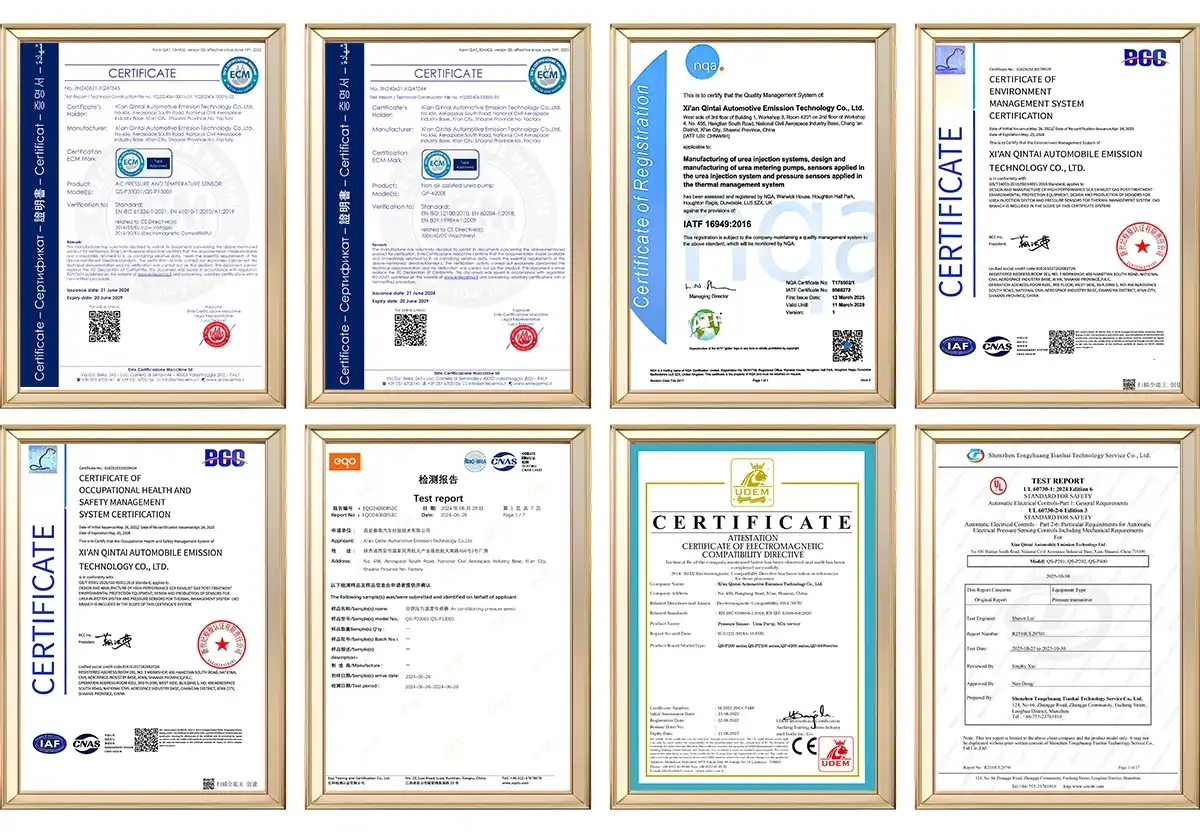
Maintenance challenges in diesel engines, construction equipment, and industrial automation demand measuring tools that are accurate, long-lasting, and easy to integrate into other systems. Qintai Automotive Emission Technology is able to do these things because it has spent 20 years developing pressure sensors that are specifically made for industry and pollution control systems. Our ISO9001 and IATF16949-certified manufacturing methods guarantee stable quality even when large quantities are produced. Our extensive certification portfolios, which include CMC, Ex, UL, CE, REACH, and RoHS, show that we are dedicated to meeting all global regulatory requirements.
We understand the exact needs of heavy-duty uses because we are the main OEM pressure sensor seller to China's top diesel engine makers, such as Weichai Power, Yuchai Power, and Quanchai Power. Our separate research and development team has been awarded 58 invention patents, showing that they are always coming up with new ideas in sensor technology, data processing, and protecting the environment. This technical basis lets you make a lot of changes to the sensor specs so that they fit your exact measurement needs, mounting options, and preferred electrical interfaces.
Our large inventory roles help procurement managers make sure that orders are delivered quickly, and technical teams get specialized engineering support during the selection, integration, and troubleshooting stages. Our OEM and ODM services can help with projects from the creation of prototypes to mass production, whether you need sensors for new equipment designs or reliable aftermarket parts. Email our application engineering team at info@qt-sensor.com to talk about your unique needs, get technical datasheets, or set up a sample review. Find out how working with a specialized pressure sensor maker can make your tools more reliable and help you run your business more efficiently.
References
1. Thompson, R.J. and Martinez, L.K. (2022). Industrial Pressure Measurement: Principles and Practice for Predictive Maintenance. Industrial Press Inc.
2. Chen, W. and Rodriguez, M. (2021). "Pressure Sensor Integration in Diesel Engine Emission Control Systems." Journal of Automotive Engineering, 235(8), pp. 2156-2168.
3. Anderson, P.T. (2023). Sensor Selection and Application in Hydraulic and Pneumatic Systems. McGraw-Hill Professional Engineering.
4. European Commission Joint Research Centre (2022). Best Available Techniques for Emission Monitoring in Heavy-Duty Diesel Applications. Publications Office of the European Union.
5. Williams, K.R. and Zhang, H. (2021). "Predictive Maintenance Strategies Using Real-Time Pressure Monitoring in Industrial Equipment." Maintenance Engineering and Reliability, 47(3), pp. 89-104.
6. International Society of Automation (2023). ISA Standards for Pressure Sensor Installation and Calibration in Industrial Environments. ISA Publications.
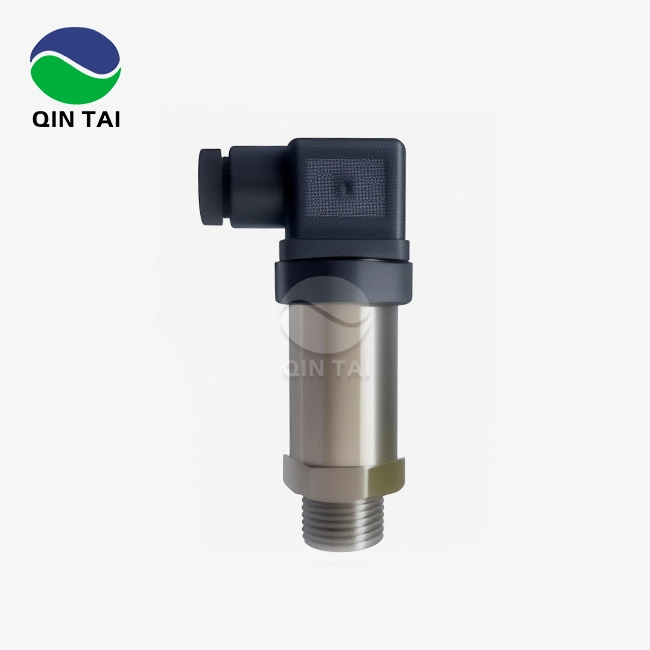
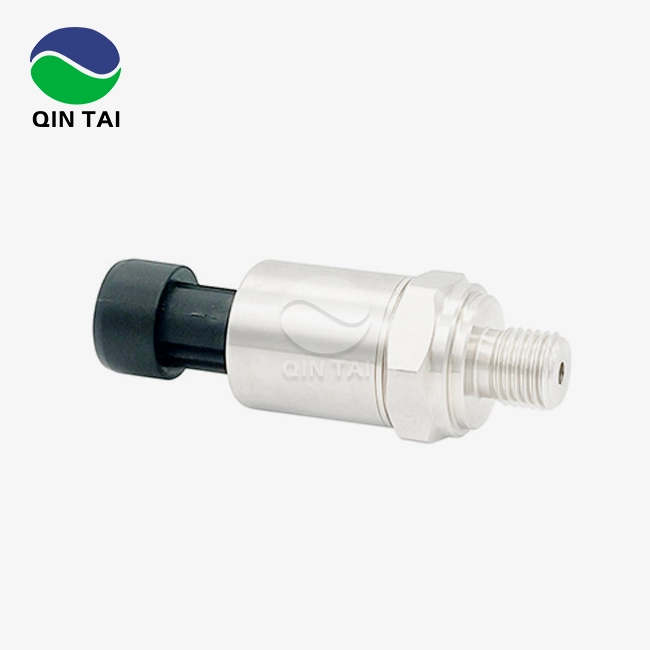
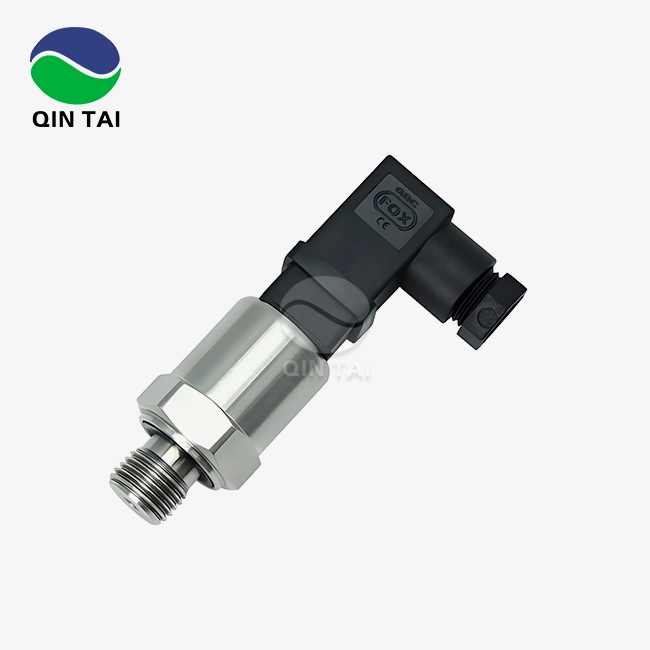
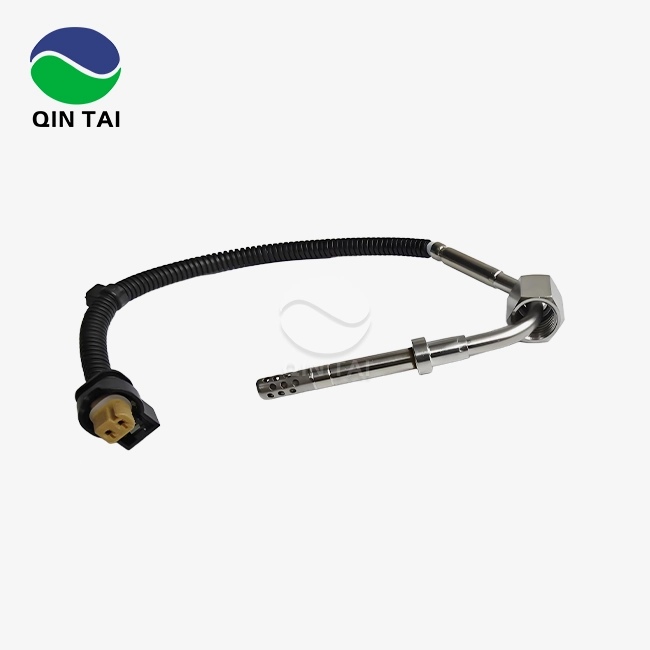

Our customers’ satisfaction speaks for our quality — contact us to experience the same reliable service.