- English
- French
- German
- Portuguese
- Spanish
- Russian
- Japanese
- Korean
- Arabic
- Greek
- German
- Turkish
- Italian
- Danish
- Romanian
- Indonesian
- Czech
- Afrikaans
- Swedish
- Polish
- Basque
- Catalan
- Esperanto
- Hindi
- Lao
- Albanian
- Amharic
- Armenian
- Azerbaijani
- Belarusian
- Bengali
- Bosnian
- Bulgarian
- Cebuano
- Chichewa
- Corsican
- Croatian
- Dutch
- Estonian
- Filipino
- Finnish
- Frisian
- Galician
- Georgian
- Gujarati
- Haitian
- Hausa
- Hawaiian
- Hebrew
- Hmong
- Hungarian
- Icelandic
- Igbo
- Javanese
- Kannada
- Kazakh
- Khmer
- Kurdish
- Kyrgyz
- Latin
- Latvian
- Lithuanian
- Luxembou..
- Macedonian
- Malagasy
- Malay
- Malayalam
- Maltese
- Maori
- Marathi
- Mongolian
- Burmese
- Nepali
- Norwegian
- Pashto
- Persian
- Punjabi
- Serbian
- Sesotho
- Sinhala
- Slovak
- Slovenian
- Somali
- Samoan
- Scots Gaelic
- Shona
- Sindhi
- Sundanese
- Swahili
- Tajik
- Tamil
- Telugu
- Thai
- Ukrainian
- Urdu
- Uzbek
- Vietnamese
- Welsh
- Xhosa
- Yiddish
- Yoruba
- Zulu
Key Specifications for Pressure Sensor Selection
To pick the right pressure measuring device, you need to carefully consider technical factors that have a direct effect on how well and how reliably the system works. A pressure sensor takes the mechanical force from gases or liquids and turns it into electrical signals that can be measured. This lets many different industrial uses watch things in real time. The working pressure range, precision class, environmental tolerance, output signal compatibility, and certification compliance are some of the most important characteristics. By knowing these factors, buying managers and research and development engineers can match the sensor's abilities with the needs of a specific application, like for diesel engine aftertreatment systems, hydraulic machinery, or industrial automation. Specification matching cuts down on failures, makes sure that regulations are followed, and lowers long-term operating costs.
Understanding Pressure Sensor Fundamentals
Modern industrial tracking systems are built around pressure measurement technology, which turns physical force into data that can be used to make choices about operations. These gadgets measure the force that is applied over a certain area and send that information to control systems as electrical signs that they can understand. The numbers used are pounds per square inch (psi) or Pascals (Pa).
Working Principles of Pressure Sensing Technology
Depending on the design layout, pressure sensors work in a number of different ways. In business settings, the strain gauge method is still the most common way to do things. When pressure puts force on a diaphragm, the strain gauge that is connected to it changes shape slightly. These changes to the gauge's mechanics change its electrical resistance in a way that depends on how much pressure is being applied. As a result, changes in voltage are directly related to changes in pressure strength, allowing for accurate readings in real time.
Another tried-and-true way is capacitive sensing, which works especially well for low-pressure situations. When the pressure changes, a ceramic diaphragm bends, which changes the capacitance between electrodes that are stable and electrodes that are mobile. This change in capacitance is turned into measured electrical messages. Capacitive designs work well in places that need to be very stable and have little temperature change, which makes them useful for precise uses in emission control systems.
Common Sensor Technologies and Application Contexts
Based on working needs, different business situations call for different sensor technologies. Piezoelectric sensors can react very quickly to changes in dynamic pressure. This makes them perfect for studying burning and for diesel engines with fast changes in dynamic pressure. These tools create an electric charge that is related to the mechanical stress that is applied, and they don't need any outside power to do it. However, they can't measure static pressure.
When you mix the benefits of semiconductor technology with strain gauge sensitivity, you get piezoresistive sensors that are very accurate over a wide range of pressures. Modern computer control units can work with them, which makes them perfect for car aftertreatment systems that need to integrate SCR and DPF technologies.
In real life, it's used for everything from tracking the emissions of big trucks to hydraulics on farm equipment. In building tools, sensors check the pressure in the hydraulic system to keep parts from breaking and to get the most power to them. Generator set makers depend on these gadgets to keep backup power systems running smoothly, and aftertreatment system designers need sensors with flexible connections so that ECUs can talk to each other easily.
Core Specifications to Consider When Selecting Pressure Sensors
Making choices about what to buy depends on how well the pressure sensor specs match the needs of the application. Throughout the lifetime of a product, each technical element affects how reliable measurements are, how hard it is to integrate systems, and the total cost of ownership.
Pressure Range and Overpressure Protection
The measurement range between the lowest and highest numbers that can be found is set by the operating pressure range. Accuracy and clarity are better when you choose a range that closely fits your needs. The exhaust system of a diesel engine usually works between 0 and 10 bar, so sensors tuned within this range are needed instead of devices rated for 0 to 100 bar, which give up precision for a wider range.
Overpressure tolerance is very important for protecting against pressure spikes that are higher than normal working conditions. Good sensors can handle pressure spikes that are 150 to 200% higher than their rated maximum without getting permanently damaged or losing their calibration. This standard is especially important in hydraulic systems and combustion uses where pressure peaks happen quickly. Built-in safety margins in sensor choices keep them from breaking down too soon and cut down on the number of times they need to be serviced, which directly affects working uptime.
Accuracy, Sensitivity, and Resolution Requirements
The difference between the measured and real pressure numbers is called accuracy. It is usually given as a percentage of full-scale output. In industrial settings, accuracy needs to be within ±0.5% to ±2%, based on how important the information is. Emission control systems that meet Euro VI or China VI standards need tighter limits, usually ±0.25%, to make sure that the right amount of urea is added and that the DPF regenerator is controlled.
Sensitivity is the ratio of the change in the output signal to the change in the input pressure. Higher sensitivity lets small changes in pressure be found, which is important for predicted maintenance plans. Sensitive sensors can pick up on slow rises in pressure before they cause system problems when filter clog conditions are being monitored.
Resolution is the smallest change in pressure that can be detected. It depends on both the design of the sensor and the signal shaping circuits. For correct inventory management, high-resolution devices that pick up on slow changes in pressure are useful for tasks like tracking tank levels where pressure changes slowly.
Response Time and Environmental Durability
Response time is how quickly a sensor responds to changes in pressure. In dynamic uses, response time is milliseconds, and in static tracking, it is seconds. Response times of 10 to 50 milliseconds are good for tracking the hydraulic system, but response times of less than 1 millisecond are needed for combustion pressure analysis in diesel engines to pick up on quick changes in cylinder pressure.
Environmental requirements make sure that the machine will work reliably in a wide range of temperatures, humidity levels, and mechanical vibrations. For vehicle uses, the operating temperature range is usually between -40°C and +125°C, and correction circuits keep the accuracy throughout this range. In mobile equipment, where constant mechanical stress can wear out sensors or break electrical connections, vibration protection is very important. Ingress protection grades of IP67 or IP69K keep moisture and dirt out of harsh working conditions that are popular in building and farming tools.
Output Signal Types and Communication Interfaces
Many devices still use analog output signals like 0-5V or 4-20mA because they are easy to use and work with older control systems. Current loop outputs (4-20mA) are better at blocking noise over long wire runs, which is why they are chosen for industrial settings with a lot of electrical interference.
Digital communication methods make it easier to wire modern systems and give them better troubleshooting tools. CAN bus interfaces are most popular in car uses because they let many sensors talk to ECUs over a single network. This method simplifies the wiring and makes it easier to share complicated data, such as watching sensor health and reporting errors. Other industrial protocols, such as Modbus and IO-Link, are used for specific automation and process control needs where sensor setup freedom and data on preventative maintenance are important.
Comparing Pressure Sensor Types and Their Specifications
Depending on the needs of the application, each pressure sensor technology has its own set of performance traits. When you know about these differences, you can make smart purchasing choices that combine price, performance, and dependability.
Piezoelectric Versus Piezoresistive Technologies
When mechanical force is put on piezoelectric sensors, they produce an electrical charge without an external power source. Because they respond so quickly, they are very useful for measuring dynamic pressure in combustion research and impact tests. But they can't measure static pressure and need special charge amplifiers to work, which means they can't be used for ongoing tracking.
When put under pressure, piezoresistive sensors change their electrical resistance. This lets them measure both standing and moving pressure very accurately. Because they work with common signal filtering electronics, it's easier to add them to control systems that are already in place. These devices work well in diesel engine aftertreatment systems that keep an eye on the exhaust pressure all the time to schedule regeneration cycles and figure out why filters are getting clogged.
Capacitive and Resistive Sensor Comparison
When high steadiness and little drift over long amounts of time are needed, capacitive pressure sensors work great. Because their ceramic diaphragms can handle corrosive media and high temperatures, they can be used in tough chemical settings and for controlling industrial processes. The technology works very well at low pressures but costs more when the pressure goes up because the diaphragm needs to be stiffer, which makes the making process more complicated.
Resistive sensors that use strain gauge technology can detect the widest range of pressures and work well in harsh mechanical settings. They have been improved and made cheaper over many years, which is why they are reliable in car and heavy equipment uses. Modern correction methods make this problem less of a problem, but resistive designs are still more likely to change in temperature than capacitive designs.
Understanding Sensors, Transducers, and Switches
The language used to talk about pressure measuring devices often makes it hard to buy them. Pressure sensors are any gadget that can turn pressure into an electrical signal. Pressure transducers are specific devices that send out standard electrical signals that are related to the pressure that is applied. These devices usually have circuits built in to improve the signals.
Pressure switches do something different: when pressure goes above or below certain levels, they turn on or off electrical connections. These devices work well for simple on/off control tasks, like low-pressure warnings or overpressure safety circuits, but they don't give you constant measurement data. By choosing the right device group, you can avoid design mismatches that slow down projects and cost more money.
Specialty Sensors for Demanding Applications
Advanced production methods and high-quality materials are used to make high-accuracy sensors that can achieve accuracy levels of ±0.1% or better. These tools help with important measuring jobs in calibration labs and precision process control, where errors in measurements have a direct effect on the quality of the product or on following the rules.
Low-pressure sensors that are made to measure pressures below 1 bar use special diaphragm shapes that make them as sensitive as possible while still providing enough overpressure safety. HVAC systems, medical tools, and environmental tracking are some examples of uses.
Ruggedized sensors can handle harsh mechanical shocks, changes in temperature, and chemical contact that happen a lot in industrial processing and mobile equipment. Wetted parts made of stainless steel or titanium are resistant to corrosive media, and the welding construction eliminates any possible leak tracks. Because these devices are so strong, they need less upkeep and last longer in harsh working conditions.
Calibration, Accuracy Factors, and Troubleshooting Tips
To keep measuring accurately for as long as a pressure sensor is working, it needs to be regularly calibrated and people need to be aware of things that cause performance to drop over time.
Factory Calibration Versus Field Calibration
Factory calibration is done in a lab with controlled settings and known standards. Manufacturers usually give testing certificates that show how well the sensor works across the stated temperature and pressure range. This first calibration sets the standard level of accuracy, but over time, external factors and getting older will change how well it works.
Field calibration, which can be done at the placement site or during regular repair periods, makes up for movement and weather effects. Due to limits in the tools, field methods are not as accurate as factory calibration, but they are accurate enough between big service times. The regularity of calibration relies on how important the application is and how good the sensor is. For example, in precision applications, checks are done every three months, while in general industrial use, they are done once a year.
According to government rules, sensors that are part of emission control systems need to be calibrated. Compliance with Euro VI and China VI often requires annual checks against verified pressure references, with records kept for auditing reasons. Modern control systems have automated calibration methods that make this process easier by comparing sensor results to known reference conditions while the system is running normally.
Factors Affecting Long-Term Accuracy
The most common cause of measurement mistake is shift caused by temperature. Even though sensors have circuits that adjust for temperature, temps that are too high or change too quickly can be beyond what the circuits can handle. It is more accurate to mount sensors away from direct heat sources and let them cool down before taking important readings.
Mechanical stress from bad fitting or too much shaking leads to zero-point drift and worn-out diaphragms. Using vibration damping bolts when needed and following the manufacturer's torque specs when installing sensors will make them last longer. Pressure pulses that are too fast for the sensor to handle can also cause it to fail early, which is why high-frequency uses need pulse filters.
As electronics and mechanical parts are used for years, they slowly lose their functionality. Since drift usually happens slowly, checking the alignment on a regular basis is a good way to stop it. Higher-quality sensors made by well-known companies have lower shift rates because they use better materials and make them in better ways.
Troubleshooting Common Sensor Issues
Electrical noise disturbance or poor grounding are common causes of results that don't make sense. Shielded wires that are properly grounded reduce electromagnetic interference. This is especially true in places where there is a lot of electrical noise, like near motors and generators. These common problems can be fixed by making sure the power source is stable and the signal filtering circuit works.
When there are zero offset mistakes, it means that the sensor reads pressure that is not zero when the pressure is outside. Most of the time, this problem is caused by changes in temperature, mechanical stress on the sensor body, or drift that needs to be fixed. By comparing results to a known standard, you can be sure that recalibration fixes the issue.
Complete signal loss means that there is a problem with the electrical link, the wires are broken, or the sensor element has failed. Most electrical problems can be found by checking the source voltage, wire continuity, and connector health. When sensors are subject to pressure surges that are higher than their overpressure limit, they may get permanently damaged and need to be replaced.
Unexpected breakdowns can be avoided by using sensor diagnostic data in predictive maintenance methods. These days, digital sensors send diagnostic data like the number of working hours, the highest and lowest temperatures, and the number of pressure cycle counts. By looking at these factors, you can tell when sensors are getting close to the end of their useful life, so you can change them during regular maintenance windows instead of having to make repairs right away.

SENSOR+TEST, June 9 – 11, 2026
We look forward to your visit,warmly welcome to our booth 1-526!
Get your free ticket online now:
https://www.sensor-test.de/service/ticket/?52790
How to Choose the Right Pressure Sensor: Procurement Criteria and Best Practices
When choosing pressure sensors strategically, technical needs, supplier skills, and total cost of ownership are all taken into account. This gives the best value throughout the lifespan of the product.
Defining Application-Specific Requirements
A thorough description of requirements is the first step to a successful purchase. Write down what your application needs in terms of the pressure range, accuracy class, weather conditions, and output interface. Manufacturers of diesel engines that want to comply with Euro VI standards need sensors that meet certain standards for accuracy and sturdiness. Aftermarket sellers, on the other hand, focus on making sensors that are cost-effective and work with other sensors.
The operating setting has a big effect on the choice of sensor. Wide changes in temperature, constant shaking, and being exposed to water and dirt are all things that construction equipment has to deal with. When generator sets are used in mines or other outdoor sites, they face the same problems, plus the risk of dangerous atmospheres that require ATEX or IECEx certifications. Chemical-resistant materials are needed for agricultural tools because it deals with fertilizers and poisons that are very corrosive.
Integration needs affect the choice of interface and the way the mount is set up. Sensors with suitable standards and message formats are necessary for CAN bus connection systems. Thread sizes, types of electrical connectors, and pressure port positions may have to be limited by how the device is mounted. If you make these factors clear early on, you won't have to pay a lot of money to rethink or add adapters later on.
Evaluating Supplier Credibility and Documentation
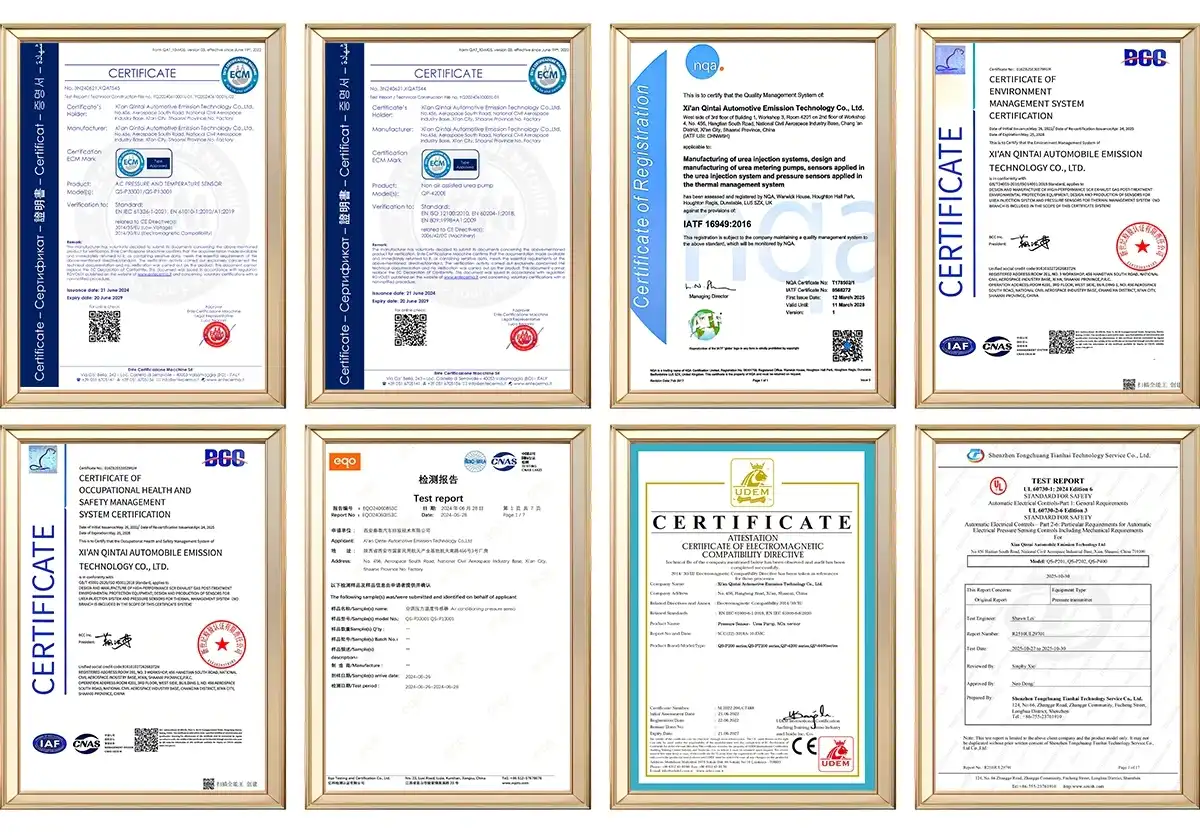
Choosing a supplier has effects that last longer than just the original buy price. Manufacturers that have been around for a while and have a track record in your business can offer you greater reliability through mature product designs and years of application knowledge. Companies that have ISO9001 and IATF16949 certifications show that they are dedicated to quality management systems that make sure that production standards are always met.
The quality of a supplier's technical paperwork shows how skilled they are and how well they can help customers. Full datasheets describe how the product works in different environments, show measurements, and have wiring diagrams. Integration examples and application notes that handle common installation problems speed up development and lower technical risk.
Getting a certification proves that you follow safety rules and regulations. For example, sensors that will be used in cars need to be homologated, and sensors that can withstand explosions can be used in dangerous places. European REACH and RoHS compliance protects the environment and allows people in controlled areas to enter the market.
Balancing Cost, Availability, and Customization
The initial buying price is only one part of the total cost of owning. The dependability of sensors has a direct effect on the prices of warranties, downtime, and customer happiness. More expensive gadgets that are of higher quality often provide better long-term value by lasting longer and failing less often.
Things to think about when it comes to availability are lead times, minimum order amounts, and how to keep track of supplies. High-volume producers benefit when their suppliers offer buffer stock and flexible order amounts that can be changed to fit changes in production. To keep customer equipment from breaking down too often, aftermarket distributors need to be able to get popular sensor types right away.
Customization lets you make products stand out and get the best performance. OEMs can meet specific needs without sacrificing time-to-market with the help of suppliers who offer changed pressure ranges, custom electrical connections, or application-specific testing. Companies like Qintai, which has been making car emission sensors for more than 20 years, offer full OEM and ODM services that cover everything from small changes to specifications to full custom sensor development.
Supplier Partnership and Technical Support
Long-term ties with suppliers are valuable for more than just buying parts. Collaborative partners take the time to understand the problems you're having with your application and will often offer ways to make it better or lower the cost. Being responsive to technical help is very important during the development process and when fixing problems in the field.
When specifications are being made, suppliers with application engineering teams offer useful advice. Their experience in many different industries helps them see possible problems and ways to make things better that internal teams might miss. This consultative method shortens the time it takes to build something and makes the design more reliable.
How well problems are fixed depends on the system for after-sales help. Suppliers who keep local expert agents on staff and keep spare parts on hand keep production interruptions to a minimum. Failure analysis services and warranty policies show that you care about your customers' success and are always trying to get better.
Xi'an Qintai Automotive Emission Technology is a great example of this kind of partnership because it does its own research and development, is certified to international standards like ISO9001 and IATF16949, and has long-term relationships as the main OEM supplier to major Chinese diesel engine manufacturers. Because they can make changes easily and have a foothold in more than 60 countries, they are a trusted pressure sensor manufacturer for a wide range of industrial uses.
Conclusion
To find pressure sensors that work with your application, you need to carefully look at their technical specs, the surroundings, and the supplier's abilities. To make sure the system works well in the long term, important factors like pressure range, accuracy class, response time, and output ports must match what the system needs. Knowing the differences between sensor technologies helps you make smart choices that balance cost and functionality. Supplier selection is more than just looking at prices; it also looks at certifications, the level of technical help, and the supplier's commitment to a relationship.
Established makers that offer full customization, proven dependability, and quick customer service provide the best overall value. As rules on emissions get stricter and automation in factories gets better, pressure measurement technology keeps getting better at troubleshooting, digital communication, and predicting when repair will need to be done. Spending time on detailed specification creation and supplier review leads to the best solutions that improve equipment performance while keeping costs low over its entire life.
FAQ
What distinguishes a pressure sensor from a pressure transducer?
The terms are often used equally, but there are some small differences between them. Pressure transducers turn pressure into standard electrical signs that can be used in monitoring systems. Pressure sensors are any device that can sense changes in pressure. Signal conditioning hardware in transducers creates measured outputs like 4-20mA or 0-5V, while basic sensors may produce raw signals that need more processing. It's easier to avoid confusion during the buying process if it's made clear whether the specs call for a full transducer with conditioned output or just a basic sensing element.
How frequently should industrial pressure sensors undergo calibration?
How often a pressure sensor needs to be calibrated depends on how important the application is, the quality of the sensor, and government rules. Usually, emission control systems that meet Euro VI or China VI standards need to be checked against traceable references once a year. General industrial uses of good sensors work effectively with calibration checks every 12 to 24 months. Applications that need a lot of accuracy or sensors that work in harsh conditions may need to be checked every three months. Manufacturers' suggestions give you a starting point, and data on past drift from your individual application helps you find the best periods.
Which sensor types suit harsh industrial environments with extreme temperatures and vibration?
Piezoresistive sensors with joint construction and diaphragms made of stainless steel last a very long time in harsh circumstances. They are useful for heavy tools because they can record both static and dynamic pressure over a wide temperature range. In situations where chemical contact is a worry, capacitive ceramic sensors are very stable and don't rust. Designs that are toughened up with vibration-damping fastening options and IP69K protection work well in settings with mobile machinery. By choosing sensors that are rated for your specific temperature ranges and pressure levels, you can keep them from breaking down too soon.
Partner with Qintai for Reliable Pressure Sensor Solutions
If you want to improve your diesel engine systems or integrate aftertreatment, you need pressure sensors that have been shown to be reliable, meet legal requirements, and work well with other systems. Qintai makes high-performance sensors and has been doing so for over 20 years. They have a lot of licenses, such as IATF16949, ISO9001, and international environmental standards. We know what heavy trucks, building equipment, farming equipment, and generator sets need because we are the main supplier of pressure sensors to major Chinese OEMs.
Our sensors can be customized to fit your exact needs, and our world presence means that we can provide quick technical help. Email our engineering team at info@qt-sensor.com to talk about your needs, get full technical datasheets, or set up a trial sample. OEMs and system developers looking for reliable, approved parts for industrial and emission control uses are welcome to work with us on a business-to-business basis.
References
1. Smith, J. & Anderson, R. (2021). Industrial Pressure Measurement: Technologies and Applications. Technical Publishing International.
2. European Commission (2020). Emission Standards Reference Guide for Heavy-Duty Vehicles. Official Journal of the European Union.
3. Miller, D. (2022). Sensor Selection Criteria for Automotive Aftertreatment Systems. SAE Technical Papers Series.
4. Zhang, L. & Chen, W. (2021). Pressure Sensor Calibration Methods in Industrial Applications. Journal of Industrial Instrumentation, 45(3), 112-128.
5. Thompson, K. (2023). Predictive Maintenance Strategies Using Pressure Sensor Diagnostics. Maintenance Engineering Quarterly, 18(2), 67-82.
6. International Organization for Standardization (2019). ISO 9001:2015 Quality Management Systems - Requirements for Manufacturing Industries. ISO Standards Publication.
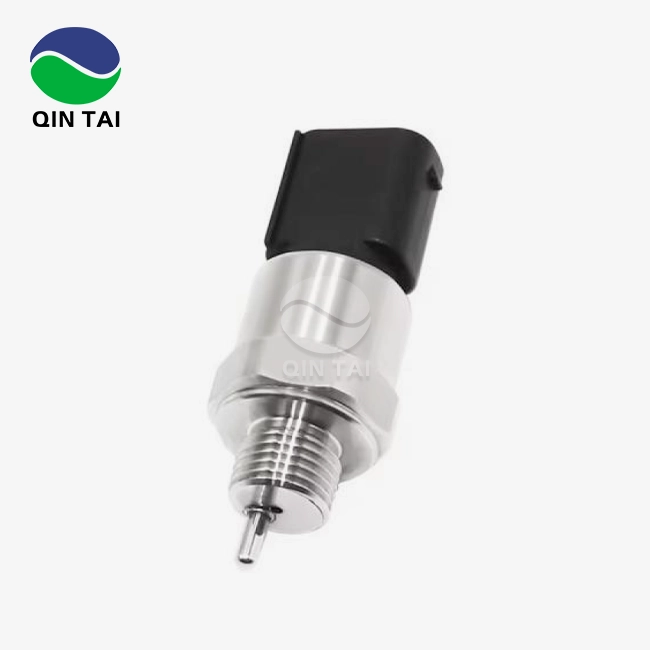
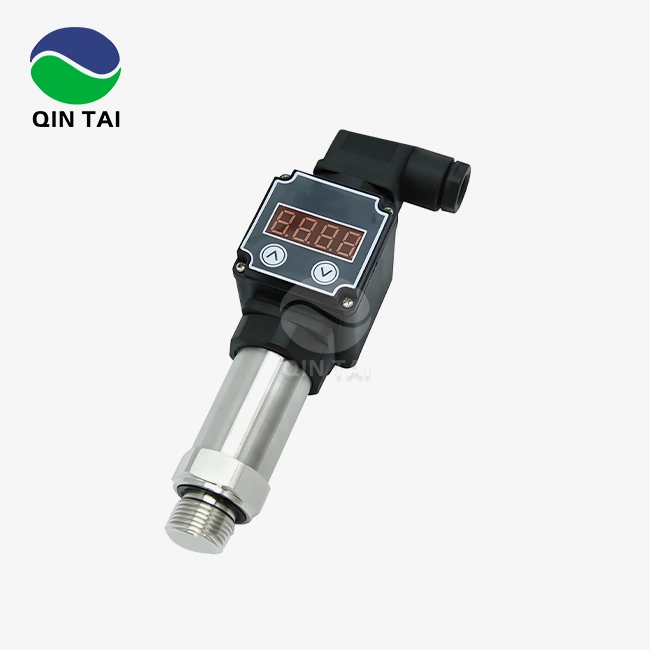
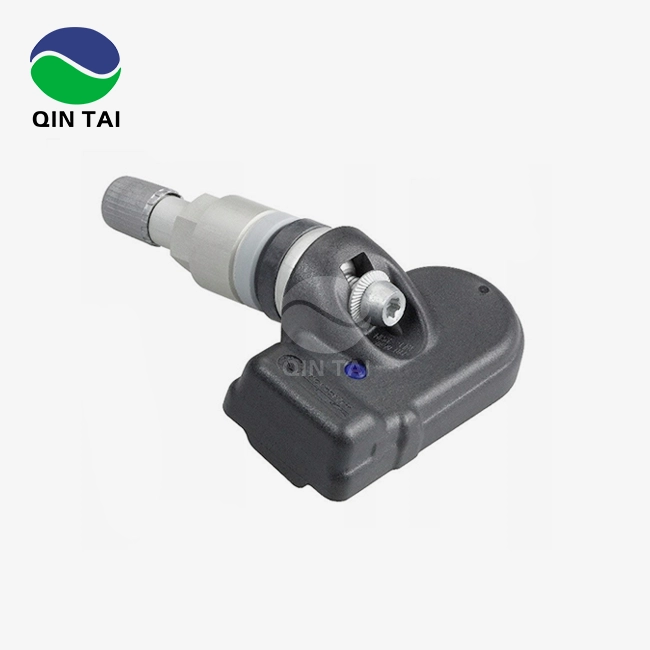

Our customers’ satisfaction speaks for our quality — contact us to experience the same reliable service.