- English
- French
- German
- Portuguese
- Spanish
- Russian
- Japanese
- Korean
- Arabic
- Greek
- German
- Turkish
- Italian
- Danish
- Romanian
- Indonesian
- Czech
- Afrikaans
- Swedish
- Polish
- Basque
- Catalan
- Esperanto
- Hindi
- Lao
- Albanian
- Amharic
- Armenian
- Azerbaijani
- Belarusian
- Bengali
- Bosnian
- Bulgarian
- Cebuano
- Chichewa
- Corsican
- Croatian
- Dutch
- Estonian
- Filipino
- Finnish
- Frisian
- Galician
- Georgian
- Gujarati
- Haitian
- Hausa
- Hawaiian
- Hebrew
- Hmong
- Hungarian
- Icelandic
- Igbo
- Javanese
- Kannada
- Kazakh
- Khmer
- Kurdish
- Kyrgyz
- Latin
- Latvian
- Lithuanian
- Luxembou..
- Macedonian
- Malagasy
- Malay
- Malayalam
- Maltese
- Maori
- Marathi
- Mongolian
- Burmese
- Nepali
- Norwegian
- Pashto
- Persian
- Punjabi
- Serbian
- Sesotho
- Sinhala
- Slovak
- Slovenian
- Somali
- Samoan
- Scots Gaelic
- Shona
- Sindhi
- Sundanese
- Swahili
- Tajik
- Tamil
- Telugu
- Thai
- Ukrainian
- Urdu
- Uzbek
- Vietnamese
- Welsh
- Xhosa
- Yiddish
- Yoruba
- Zulu
Pressure Sensors: Types, How They Work and Industrial Applications
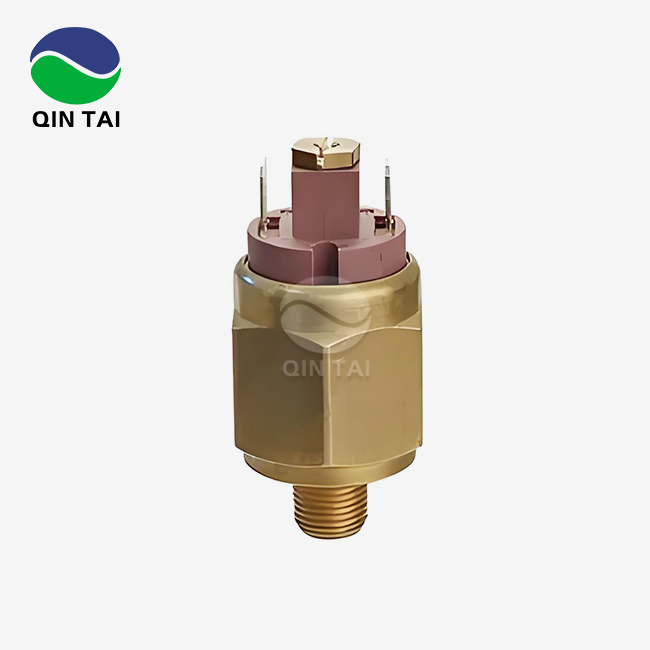
Pressure sensors are special tools that find and measure the force that gases or liquids apply across a certain area. They then turn these physical readings into electrical signs that can be used for control and tracking. By collecting data in real time, these important tools help businesses keep exact working parameters, plan for equipment failures, and use predictive maintenance strategies. In diesel engine aftertreatment systems, heavy machinery, and industrial automation, pressure sensor technology is very important. Accurate pressure readings have a direct effect on emissions compliance, system efficiency, and equipment life in a wide range of settings.
Understanding Pressure Sensors: What They Are and How They Work
In today's business world, accurate measuring tools that work reliably in tough situations are essential. In this case, a pressure sensor is useful because it turns mechanical force into data that engineers and repair teams can use right away.
Core Functions and Definition
At its core, a pressure sensor connects real things to computer systems that store information. The device finds changes in the force that fluids or gases are putting out. Depending on local standards, it measures this force in pounds per square inch (psi), Pascals (Pa), or bar. In diesel engine systems, these measures are very important for keeping an eye on exhaust backpressure, making sure the SCR system works right, and making sure that the DPF recycling cycles meet China VI and Euro VI emission standards.
When force is applied, the sensor part changes shape mechanically and reacts. This change in the real world causes an electrical output that can be understood by computerized maintenance management systems (CMMS) or engine control units (ECUs). With this technology, maintenance teams can stop making fixes when something goes wrong and start fixing problems before they happen. This cuts down on costly downtime and makes equipment last longer.
Working Principles and Signal Processing
When hydraulic fluid, exhaust gas, or air from the atmosphere touches the sensor device, the measurement process starts. The most common way to measure something is with a strain gauge. The gauge is made up of a metallic strip or a semiconductor material that is arranged in a way that allows it to expand and shrink very small amounts when the pressure changes. The electrical resistance inside the gauge changes because of this mechanical deformation. This causes voltage changes that are proportional to the force that is being applied.
These changes in voltage are sent to signal processing hardware, which amplifies, filters, and converts them from analog to digital. The improved electrical signal is then sent to display systems, data loggers, or combined control units so that workers can see real-time pressure readings. In SCR aftertreatment uses, this constant tracking makes sure that the urea injection happens at the right pressure, which keeps the NOx reduction efficiency high and stops crystallization problems that hurt catalyst performance.
The connection between the electrical output and the real pressure is set by calibration processes. Reference standards put known pressure levels on the sensor, and techs record the output signs that match them. This calibration data makes a transfer function that turns electrical readings into correct pressure readings in the future. Advanced sensors include temperature adjustments to keep their accuracy even when the temperature changes. This is especially important for generator sets that work in mines or other outdoor areas where temperature changes can have a big effect on measurement accuracy.
Factors Influencing Measurement Accuracy
How accurately a transducer gives pressure readings depends on a number of factors. Hysteresis is the term for when a sensor gives different results when the pressure goes up and down, even when the pressure stays the same. This effect is lessened by careful material choice and production control in high-quality manufacturing processes.
Response time shows how quickly the gadget notices changes in pressure and sends a report about them. Sensors with millisecond-range response powers are required for applications involving fast pressure changes, such as common rail fuel systems or pneumatic brake circuits. On the other hand, tracking systems in bulk storage tanks can handle slower response times without affecting how well they work.
Long-term dependability is affected by things like shaking, electromagnetic interference, and media compatibility in the environment. Diesel exhaust has toxic chemicals, particles, and high temperatures that make it necessary to build strong structures out of materials that can handle chemicals. Ceramic sensing elements, diaphragms made of stainless steel, and housings that are tightly sealed protect the sensor's internal parts and keep measurements accurate for as long as the sensor is used.
Types of Pressure Sensors and Their Industrial Uses
Different measurement methods are used for different types of situations, from precise lab work to harsh industry settings. Knowing about these differences helps procurement managers choose a pressure sensor that meets performance goals and stays within budget.
Piezoelectric Pressure Transducers
When put under mechanical force, piezoelectric devices make an electric charge. This trait is found in quartz crystals or certain types of ceramics. They produce a voltage output that is proportional to the applied force without needing any extra power for the detecting element itself. These sensors are great at tracking changes in dynamic pressure, like when diesel tanks burn or when building equipment's hydraulic shock waves happen.
The technology has great frequency response and can pick up changes in pressure that happen in microseconds. During dynamometer testing, engine development experts use piezoelectric transducers to look at how combustion works and find the best time for fuel injection. But these sensors can't properly measure static pressure for long periods of time, so they can only be used in situations where the pressure changes.
Capacitive and Ceramic Capacitive Sensors
A movable diaphragm is placed close to a set electrode to make a variable capacitor. This is used to measure capacitive pressure. The gap between the sensors changes when pressure changes the shape of the diaphragm. This changes capacitance in a way that can be measured. In ceramic capacitive types, a ceramic diaphragm is both the detecting element and one of the electrodes. It is very strong and stable over time.
This group of sensors is very accurate; measurements are often accurate to within 0.1% of full scale. The technology can measure both steady and moving pressure, so it can be used for many things, from measuring the manifold absolute pressure (MAP) in the intake manifold to keeping an eye on the hydraulic system. Ceramic construction doesn't rust from diesel exhaust condensation and can handle the high and low temperatures that are common in aftertreatment systems. The electrical connections can be changed to fit different controller designs, which is appreciated by manufacturing facilities that make SCR systems.
Strain Gauge Based Devices
Because they are flexible, reliable, and affordable, strain gauge sensors are the most common type of sensor used in industry. When pressure bends a diaphragm, a thin metal plate stuck to it goes through mechanical strain. This strain changes the foil's electrical resistance, which causes a voltage change across a Wheatstone bridge circuit. This voltage change is then turned into a standard output signal by amplification hardware.
These sensors can handle pressures ranging from vacuum to thousands of pounds per square inch (psi). They are used in heavy truck air brake systems, hydraulic digger circuits, and generator set lubricating oil systems. When built correctly, the technology has great predictability and temperature stability. Manufacturers can fine-tune the diaphragm's thickness, choice of material, and gauge design to get performance qualities that meet the needs of an application.
Differential, Absolute, and Gauge Pressure Measurement
Transducers sort things based on their reference point, which is different from sensor technology. Gauge pressure sensors measure in relation to the air pressure around them, and they show a zero output when they are in normal circumstances. These gadgets are good for keeping an eye on pressure systems like air blowers or cooling circuits where a reference to the outside world is useful.
Absolute pressure sensors start from a vacuum and state that the pressure in the air at sea level is about 14.7 psi (101.3 kPa). Barometric compensation and uses that are sensitive to altitude need absolute measurements. For example, engine control systems use manifold absolute pressure sensing to figure out air mass for fuel supply calculations.
Differential sensors check the difference in pressure between two places. They can measure the difference in pressure across DPF filters to find out how much particulate matter is in the air or keep an eye on the pressure drop across SCR catalyst bricks. This way of measuring lets you use condition-based maintenance plans, which change filters based on how much they limit flow instead of just picking any old time.
Practical Selection Guide for B2B Applications
When purchasing managers look at different sensor choices, they should make sure that the technical specs match the business needs. The following things should help you make the right choice:
• Application environment defines the building needs. For measuring exhaust gases, you need materials that can withstand temperatures above 650°C (1200°F) and don't rust. To handle short-term pressure spikes, hydraulic uses need burst pressure ratings that are much higher than the normal working pressure.
• Accuracy requirements weigh the cost of accurate measurements against their usefulness. For lab tools, high-end sensors with a 0.05% accuracy level may be fine, but for aftermarket repair uses, 1% accuracy devices that work well for a lot less money are usually fine.
• Output signal format affects how hard it is to integrate the system. Analog voltage outputs (0-5V or 0-10V) are good for easy display uses, and 4-20mA current loops keep noise out of long cable runs that are typical in generator setups. Digital protocols, like CANbus or LIN bus, make it easier for electrical control units in modern machines and cars to talk to each other.
• Pressure range and overpressure protection make sure that the sensor will work even when things go wrong. The typical working range for devices should be in their middle performance band. The devices should also be able to handle occasional overpressure events without breaking or changing their calibration.
Industrial Applications of Pressure Sensors Across Sectors
Using measurement technology in the real world shows how a pressure sensor can solve specific practical problems in a wide range of industries. Knowing about these uses helps buyers see ways to make their own systems better.
Diesel Engine Aftertreatment Systems
Selective Catalytic Reduction (SCR) and Diesel Particulate Filter (DPF) systems need accurate pressure readings to work right and figure out what's wrong. DPF differential pressure sensors measure the limit across the particle trap to keep an eye on how full the filter is. As soot builds up, the pressure drop rises, which starts regenerative processes that burn off the particulates and make the filter work again.
To meet the NOx reduction goals required by pollution rules, SCR systems need to use exact amounts of urea. Monitoring the supply pressure makes sure that the dosing system always has the right amount of pressure for mixing and atomization. The measurement of exhaust backpressure keeps engines from being too restricted, which could harm turbochargers or lower power output.
For these uses, sensors must be able to handle toxic exhaust, temperature changes from room temperature to 600°C during recovery, and vibrations higher than 20g in mobile equipment. Qintai has a lot of experience working with Weichai Power, Yuchai Power, and Quanchai Power. This has helped us better understand their strict needs, which has led to sensors that always meet China VI emission standards and give OEM makers the stability and regularity they need.
Heavy Truck and Construction Machinery
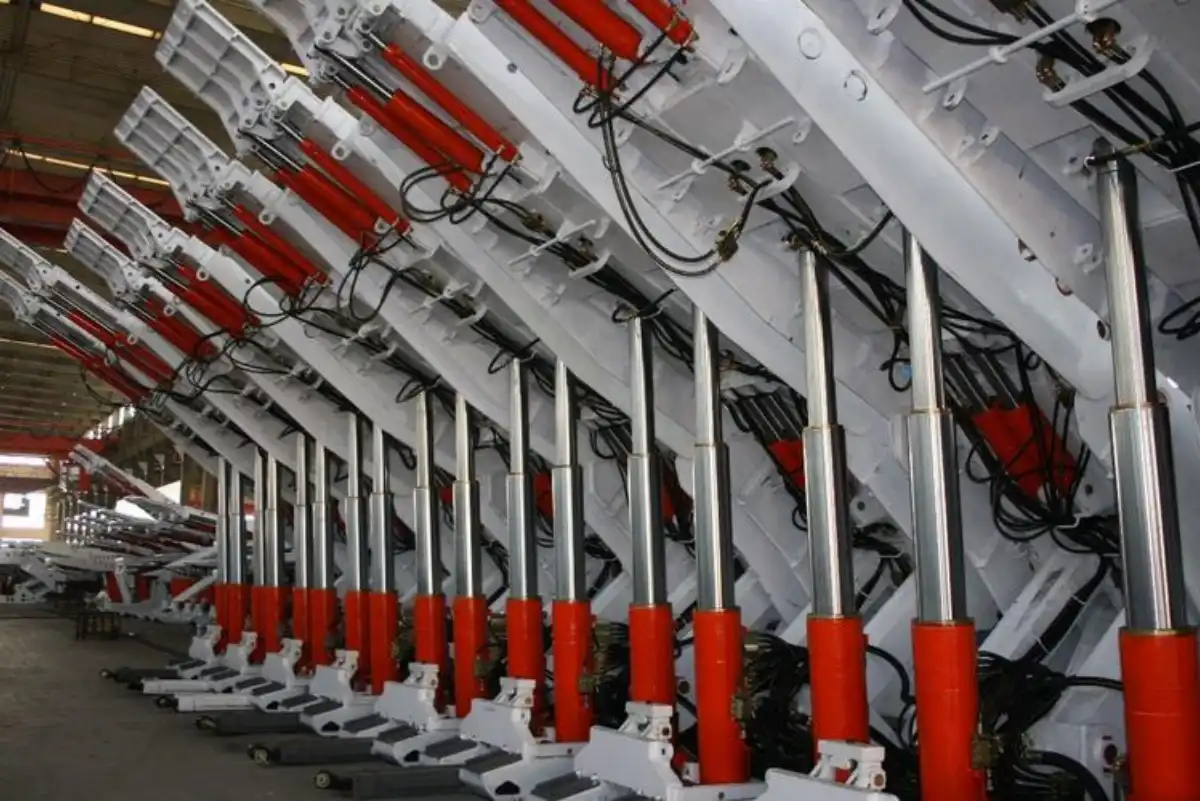
Monitoring pressure is important for making sure that hydraulic systems that power digger arms, bulldozer blades, and crane booms work well and keep people safe. Installing transducers at the pump outlets, cylinder ports, and accumulator places lets workers and control systems see the state of the system at all times.
Load-sensing hydraulic systems change the output of the pump based on the pressure demand. This cuts down on parasitic losses and makes the fuel economy better. Electronic controls can exactly change the speed and force of an actuator with the help of pressure input. This makes operation smooth, which makes the operator more comfortable and increases productivity. Overload safety keeps equipment from breaking by keeping system pressure below the ratings of individual parts. This keeps fixes and breaks from being too expensive.
Heavy trucks with air brakes have pressure sensors that check the application pressure, reservoir levels, and feed lines for the trailer. These data are fed into brake control systems that make stopping better while keeping the vehicle stable. Antilock brake systems (ABS) need sensors that can respond in less than 5 milliseconds so they can support high-frequency valve cycles and quick changes in pressure.
Generator Set Monitoring and Control
Multiple pressure measurement points are built into stationary and mobile generator sets that provide backup power, electricity to rural sites, or main power in places that are not connected to the power grid. Monitoring the engine oil pressure keeps expensive powertrains from breaking down because the bearings aren't well oiled. Supervision of the coolant pressure finds leaks or situations where the engine is burning before they cause major damage.
Fuel system pressure control makes sure that the engine burns evenly even when the load and temperature change. Natural gas generators keep an eye on the pressure of the incoming gas to change the amounts of air and fuel. This keeps the emissions in line and stops knocking, which speeds up engine wear. Long-term stability and industrial-grade reliability are important for these uses because generator sets often work alone for long amounts of time in harsh places like mines, building sites, and remote phone offices.
Vibration separation and electromagnetic compatibility are two problems that generator uses have to deal with in special ways. The magnetic fields of the alternator and the places where sensors are placed on the engine subject them to interference and mechanical stress that are higher than what is normally found in an automobile. Strong building and careful grounding practices make sure that the system works reliably for many years between repair intervals.
HVAC and Pneumatic System Control
Systems that heat, cool, and ventilate business and industrial buildings use pressure sensors to measure airflow and keep the systems balanced. Differential pressure across air filters lets you know when they need to be replaced, which keeps the air quality inside high while also saving you money on energy costs. These measures are used by building control systems to change the speeds of fans, which keeps things comfortable while keeping costs low.
Continuous pressure tracking is helpful for pneumatic control systems that run process equipment, pneumatic moving systems that move large amounts of material, and compressed air distribution networks. Leak discovery through pressure decay testing finds problems in the system before they get worse and cause production problems or safety risks.
Medical and Environmental Monitoring
Medical tools and environmental security systems are two growing areas of use that aren't our main focus. Small pressure sensors are built into breathing machines, infusion pumps, and diagnostic tools. These transducers accurately record blood pressure, breath pressure, and the rate at which fluids are delivered.
For weather predictions, environmental monitoring systems keep an eye on the pressure in the atmosphere. They also measure the pressure of stack gases in systems that clean industrial waste and keep an eye on groundwater levels by measuring hydrostatic pressure. For these uses, approvals that include intrinsically safe scores for installation in dangerous areas are common. This means that the technical requirements go beyond just measuring performance.

SENSOR+TEST, June 9 – 11, 2026
We look forward to your visit,warmly welcome to our booth 1-526!
Get your free ticket online now:
https://www.sensor-test.de/service/ticket/?52790
How to Choose and Procure Pressure Sensors for Your Business Needs?
To buy a pressure sensor successfully, you need to find a mix between technical needs, quality standards, cost limits, and the supplier's abilities. A structured review method lowers risk and makes sure that deployed devices work as intended for the whole time they are in use.
Critical Selection Criteria
• Measurement accuracy directly impacts how well a system works. To make sure they follow the rules, emission control systems need to be calibrated to be accurate within ±1% of the number. For less important tasks, like checking the level of a tank, a ±2% error is fine. This lowers the cost of the parts without affecting their functionality.
• Operating temperature range for the sensor must include all of its possible situations. Exhaust gas uses often see temperatures of 650°C, so they need sensors that are made to work in high temperatures. Under the hood of an automobile, the temperature ranges from -40°C to +125°C. On the other hand, climate-controlled industrial settings have cooler temperatures.
• Pressure range and media compatibility are based on the pressure range and the suitability of the media. Corrosive media, such as truck fumes, hydraulic fluids, and industrial chemicals, break down materials that don't work well with them. When stainless steel is wet, it doesn't let most fluids pass through it. Specialized coatings or unusual alloys are used for conditions that are very harsh.
• Electrical connectivity affects the cost of installation and the dependability over time. Connectors that are sealed and have secure locking systems stop water from getting in and vibrations from breaking the connection. Standardized connector types cut down on the need for extra parts and make field repair easier.
• Response time fits the behavior of the sensor to the needs of the application. Industry monitoring reaction times are usually recorded in tens of milliseconds, but reaction times in the microsecond range are needed for combustion analysis and active control systems.
Evaluating Supplier Capabilities
Honeywell, Bosch, and other well-known global makers are examples of established sellers that offer wide ranges of products backed by decades of engineering experience. Their gadgets usually have higher prices because they spend a lot of money on study, test them thoroughly, and get them certified in a lot of areas. These sellers are great for situations where certain agency approvals are needed or when design resources would rather choose from a catalog than make something special.
Specialized makers focus on certain groups of customers and become very good at making specific products. This narrow method often leads to goods that are best for certain uses and have low prices because of lower overhead costs. Qintai is a good example of this model because we focus on diesel engine aftertreatment and related sensor uses. Our 58 invention patents and partnerships with China's top engine makers have shown that we can do these things well.
When evaluating possible sellers, you have to look at more than just the product specifications:
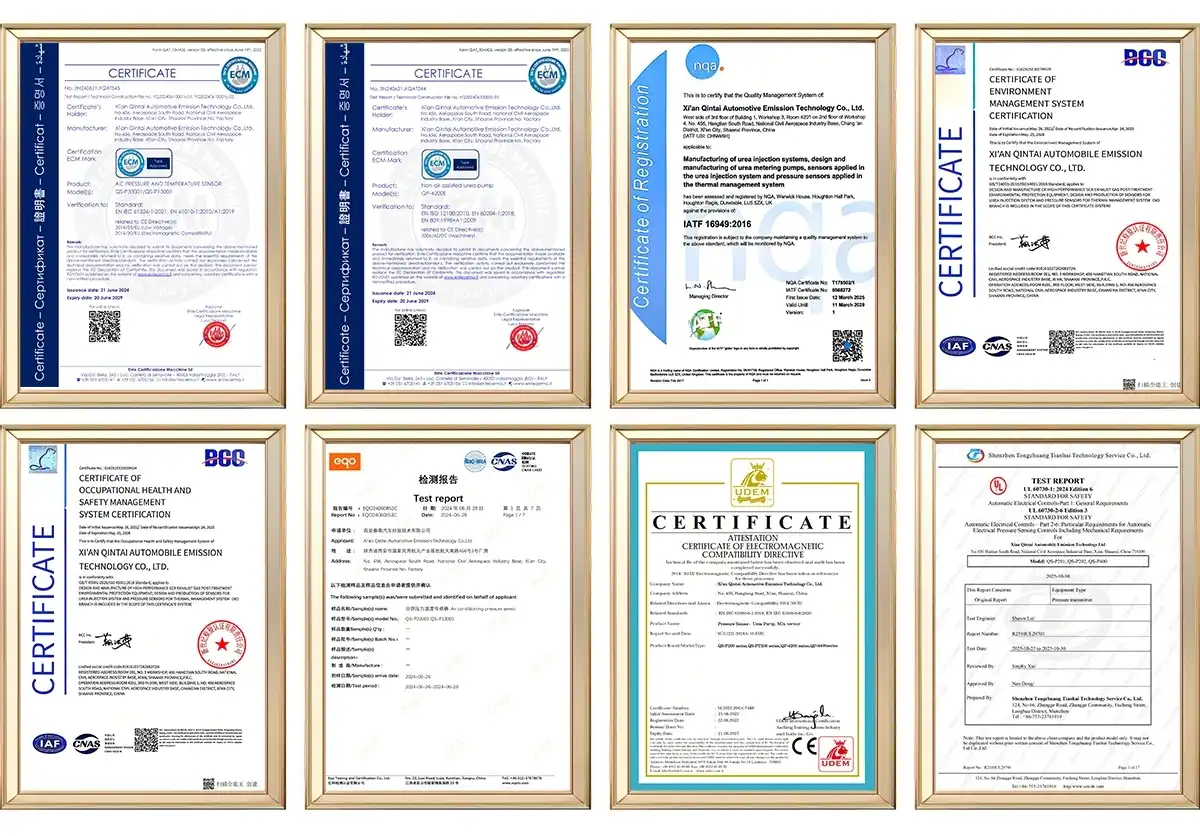
• Quality management systems that are certified by ISO9001 and IATF16949 show that a company is dedicated to consistent production methods and ongoing growth. These models cut down on differences between production batches, so sensors bought today will work the same way as ones bought years from now.
• Testing and certification show that you meet business norms and government rules. Electronic parts used in cars usually need to be certified to AEC-Q200 standards, while parts installed in dangerous areas need to be certified to ATEX or IECEx standards. Following the rules for RoHS and REACH is important for protecting the environment and getting goods into markets in the European Union.
• Technical support capabilities is what sets apart sellers who see relationships with customers as long-term partnerships from those who only see sales as transactions. Responding engineering teams help solve installation problems, make sense of datasheet specs, and suggest changes to products that meet the special needs of each application. This help is especially helpful when making a new product and there are questions about how to integrate sensors.
• Customization and flexibility make it possible to meet non-standard needs without adding too much time or cost. If a manufacturer has their own tooling, assembly, and testing capabilities, they can change the mounting setups, electrical connections, or pressure ranges with acceptable wait times. This flexibility helps equipment makers make unique goods or aftermarket providers help with a wide range of repair needs.
Order Considerations and Logistics
• Minimum order quantities affect the planning for buying. Dedicated manufacturing runs that optimize unit prices are good for high-volume OEM production, but they usually need pledges of thousands of pieces. Aftermarket sellers need to be able to buy in smaller amounts and still keep prices low so they can meet customer service standards while investing in inventory.
• Lead time management makes sure that the availability of parts matches the plan for output. Catalog items from major sellers usually ship within a few weeks, but special configurations may take several months from the time the order is placed until it arrives. Establishing kanban or consignment inventory plans takes away the need for lead time fluctuations for high-volume uses, but they need accurate predictions of future demand.
• Global shipping and logistics make things more complicated when buying from other countries. Knowing Incoterms makes it clear who is responsible for freight costs, security, clearing customs, and paying import taxes. Experienced sellers offer delivered price that makes planning easier and takes care of logistics details like export paperwork and transportation plans.
Conclusion
In diesel engine systems, heavy machinery, generator sets, and industrial buildings, a pressure sensor is an important part of the infrastructure. Learning about measurement rules, available technologies, and application needs helps you make smart buying choices that balance the need for performance with the reality of your budget. The right choice makes sure that regulations are followed, that repair plans work best, and that technology stays reliable over longer service lives.
Best practices for installation and regular testing keep the accuracy high, and knowing how to fix problems quickly and easily cuts down on downtime when they happen. Working with experienced providers who offer technical support, quality standards, and the ability to customize products makes the supply chain more reliable and gives you access to constantly improving products that are driven by industry knowledge.
FAQ
How often should pressure sensors be calibrated?
How often you calibrate depends on how important the program is and how it is being used. Automotive sensors that are important for emissions control are usually calibrated at the factory and never need to be adjusted in the field. This is because they are built to last and have stable parts. In industrial process uses, calibration cycles may be set to once a year, while laboratory reference standards need to be checked every three months.
What determines pressure sensor lifespan?
There are many things that affect practical life. Pressure cycling wears down diaphragm materials over time, especially at very high and very low pressures. Differential thermal expansion speeds up this age process when temperatures change. Chemical attack on wet surfaces is affected by the compatibility of the media; strong fluids eat away at materials that aren't properly covered. Electrical overstress from voltage spikes hurts equipment used for conditioning.
Can one sensor type work across multiple applications?
Adjustable pressure ranges, user-configurable outputs, and sturdy construction make versatile sensor designs suitable for a wide range of uses. Wetted parts made of stainless steel on strain gauge sensors work effectively in hydraulic, pneumatic, and liquid level applications. But optimizing performance for specific situations leads to better results. For example, exhaust sensors need to be able to handle high temperatures, which isn't needed for hydraulic tracking, and precision laboratory tools can support levels of accuracy that are higher than what's needed in industry.
Partner with a Trusted Pressure Sensor Manufacturer
Qintai makes engineered pressure sensor solutions that meet the tough needs of heavy machinery, diesel engine aftertreatment systems, and other industry uses. We have been the China No. 1 OEM supplier to Weichai Power, Yuchai Power, and Quanchai Power for more than 20 years, so we know how hard it is for procurement managers to find the right balance between following the rules, getting accurate measurements, and saving money.
Our separate research and development team has come up with 58 idea patents for sensors that can work in harsh conditions like exhaust gas corrosion, temperature changes, and high levels of shaking while still staying calibrated and meeting China VI and Euro VI emission standards. Our dedication to quality control and global market access is shown by our ISO9001, IATF16949, and environmental approvals such as REACH and RoHS.
We offer creative customization for OEM uses and keep stock for aftermarket distribution, so we can handle both large production orders and smaller repair market sales. Technical support teams help choose the right sensors, guide installation, and fix problems, making sure that the system works well and reliably for a long time. Get in touch with our experts at info@qt-sensor.com to talk about your needs and find out how Qintai's expertise can enhance your equipment performance and reliability.
References
1. Webster, J.G., Eren, H. (2014). Measurement, Instrumentation, and Sensors Handbook: Spatial, Mechanical, Thermal, and Radiation Measurement. CRC Press.
2. Fraden, J. (2016). Handbook of Modern Sensors: Physics, Designs, and Applications (5th ed.). Springer International Publishing.
3. Wilson, J.S. (2005). Sensor Technology Handbook. Elsevier/Newnes.
4. Bressmer, T., Scholl, G. (2012). Pressure Sensors in Automotive Applications. Proceedings of IEEE Sensors Conference, 1-4.
5. Kularatna, N., Sudantha, B.H. (2017). Modern Component Families and Circuit Block Design. Springer Publishing.
6. Tilli, A., Montanari, M., Babbini, M. (2007). Pressure Sensor Fault Detection in Diesel Engine Common Rail Systems. SAE International Journal of Fuels and Lubricants, 116(4), 2232-2241.
 Sensor.webp)

Our customers’ satisfaction speaks for our quality — contact us to experience the same reliable service.