- English
- French
- German
- Portuguese
- Spanish
- Russian
- Japanese
- Korean
- Arabic
- Greek
- German
- Turkish
- Italian
- Danish
- Romanian
- Indonesian
- Czech
- Afrikaans
- Swedish
- Polish
- Basque
- Catalan
- Esperanto
- Hindi
- Lao
- Albanian
- Amharic
- Armenian
- Azerbaijani
- Belarusian
- Bengali
- Bosnian
- Bulgarian
- Cebuano
- Chichewa
- Corsican
- Croatian
- Dutch
- Estonian
- Filipino
- Finnish
- Frisian
- Galician
- Georgian
- Gujarati
- Haitian
- Hausa
- Hawaiian
- Hebrew
- Hmong
- Hungarian
- Icelandic
- Igbo
- Javanese
- Kannada
- Kazakh
- Khmer
- Kurdish
- Kyrgyz
- Latin
- Latvian
- Lithuanian
- Luxembou..
- Macedonian
- Malagasy
- Malay
- Malayalam
- Maltese
- Maori
- Marathi
- Mongolian
- Burmese
- Nepali
- Norwegian
- Pashto
- Persian
- Punjabi
- Serbian
- Sesotho
- Sinhala
- Slovak
- Slovenian
- Somali
- Samoan
- Scots Gaelic
- Shona
- Sindhi
- Sundanese
- Swahili
- Tajik
- Tamil
- Telugu
- Thai
- Ukrainian
- Urdu
- Uzbek
- Vietnamese
- Welsh
- Xhosa
- Yiddish
- Yoruba
- Zulu
What are the standards for pressure sensors?
Understanding pressure sensor standards is essential for ensuring compliance, accuracy, and long-term dependability when choosing parts for diesel engine aftertreatment systems or industrial tracking equipment. These standards set the benchmarks for how well sensors should work in a wide range of demanding situations, from heavy-duty cars that need to meet China VI emission rules to generator sets that need to work in harsh conditions. A pressure sensor finds the force acting on an area and turns it into electrical signals. This lets repair teams and control systems keep an eye on important factors in real time. Standards have been made by international groups like ISO, IEC, and SAE. These standards cover things like accuracy limits, testing procedures, resistance to environmental factors, and material requirements. Following these standards will make sure that your sensors always work the same way and meet the rules in all global markets.
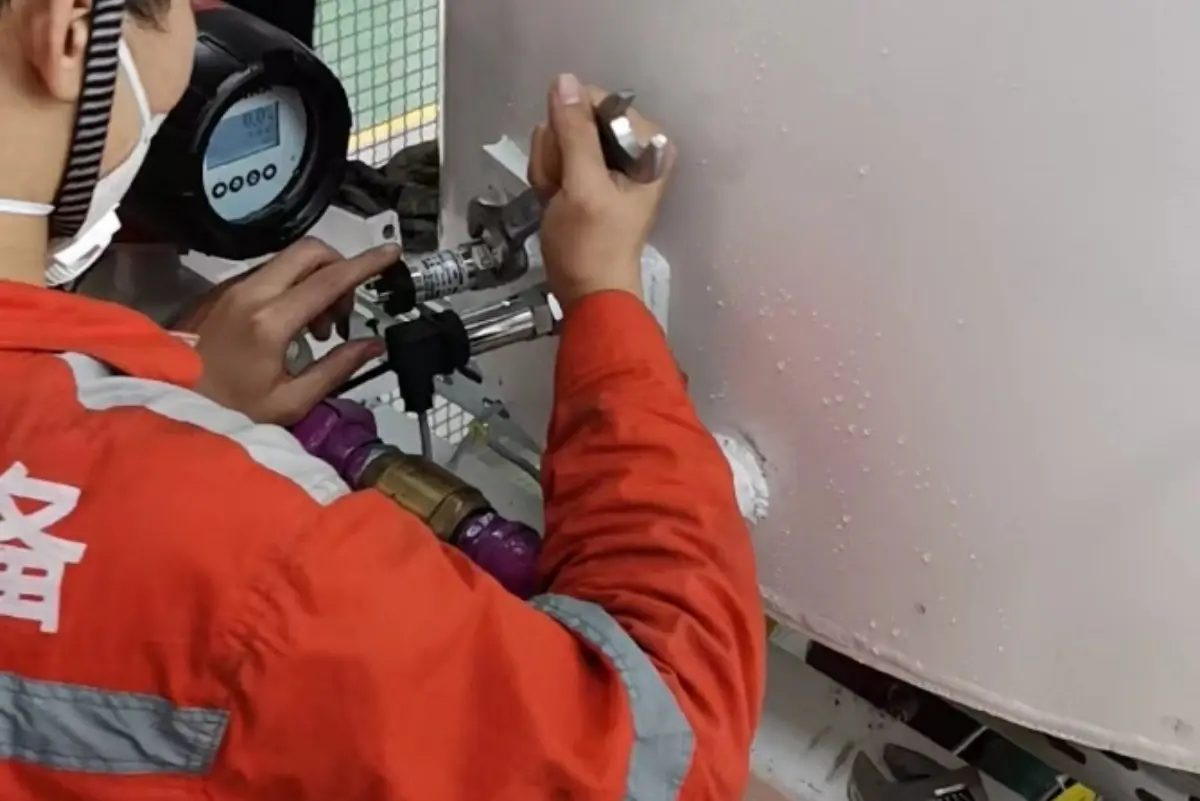
Understanding Pressure Sensor Standards: A General Overview
There are standards for pressure measurement devices so that makers, system developers, and end users can all talk the same language. These detailed standards are made by groups like the Society of Automotive Engineers (SAE), the American National Standards Institute (ANSI), the International Organization for Standardization (ISO), and the International Electrotechnical Commission (IEC). Their rules cover everything, from how sensors should be tried while they are being made to how well they work when they are under stress, such as when they are exposed to vibrations, high temperatures, or substances that are acidic.
ISO/TS 16949 and IATF 16949 are very important to the automotive industry because they set quality control standards that are special to making cars. These standards make sure that the pressure sensor used in SCR aftertreatment systems are accurate enough to accurately dose urea and control emissions. IEC 60770 talks about electrical pressure and differential pressure sensors and is used in industrial process control. If you know which standards apply to your application, you can better judge the licenses of suppliers and lower the risk of choosing parts that don't work together.
Why Standards Matter in Industrial Applications?
Standards have a direct effect on working safety and efficiency in fields where broken equipment has big effects. If you don't have exact readings of the exhaust pressure of a diesel engine, it might not work as well or not meet pollution standards. Generator sets that power important structures need sensors that can stay calibrated for long periods of time without drifting. For construction equipment to work in dusty, high-vibration areas, the sensors must meet strict entry protection rates.
These technology platforms also make it easier for parts made by different companies to work together. If the SCR system integrator finds sensors that work with SAE J1939 communication standards, they know that the device will connect correctly with current engine control units. This compatibility cuts down on the time and money needed for integration and fixing during system building.
Certification Verification and Supply Chain Confidence
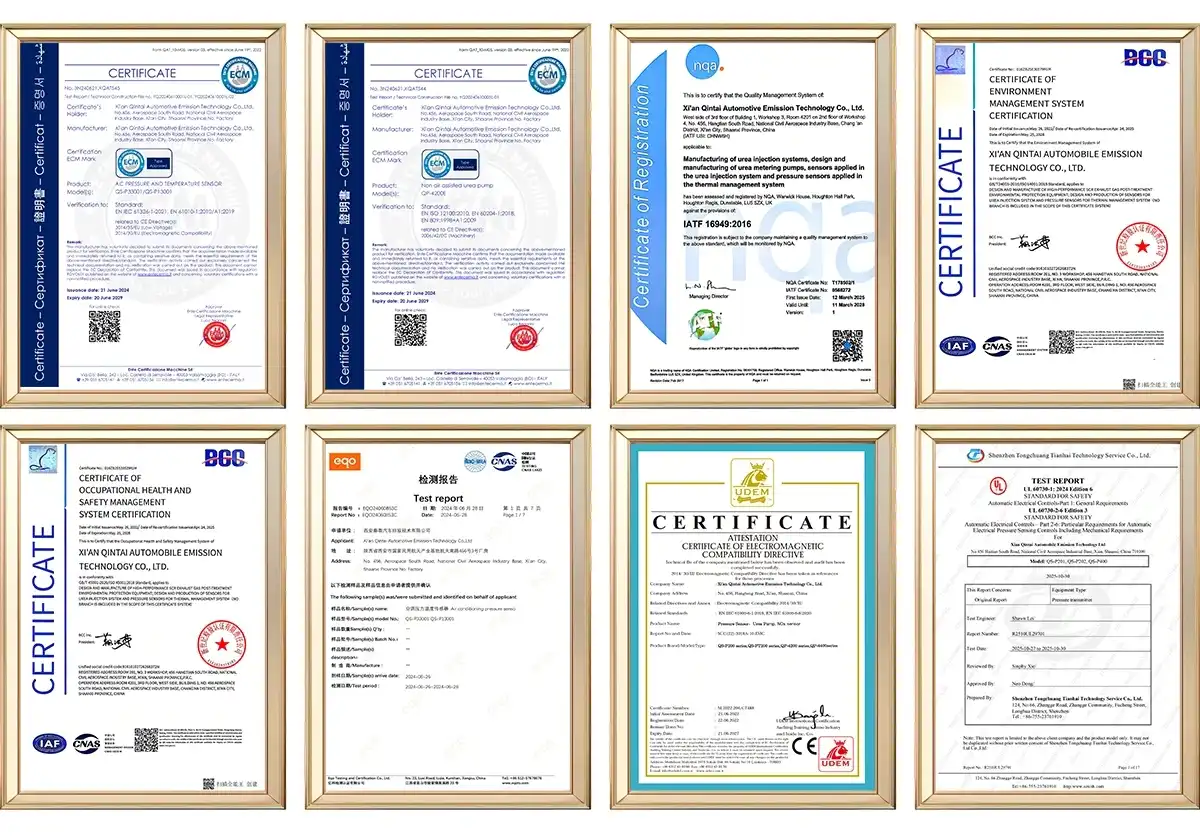
When purchasing managers look at possible sources, they should make sure that the companies have the right certifications instead of just saying they are compliant. Certificates from recognized organizations show that production methods are regularly checked and goods meet the requirements given. Qintai has many certificates, such as ISO9001, IATF16949, CMC, Ex, UL, CE, REACH, and RoHS. These show that we are dedicated to making high-quality products for foreign markets. With these certificates, you can be sure that every sensor that leaves our plant was made under strict supervision and after being checked for quality.
Core Dimensions of Pressure Sensor Standards: Accuracy, Calibration, and Measurement Units
How close a sensor's output is to the real pressure number being recorded is called its accuracy. Most standards use ranges of percentages, like ±0.1%, ±0.25%, or ±0.5% of full scale, to describe how accurate something is. A pressure sensor with an accuracy grade of ±0.25% that measures a 10 bar range would have an error of no more than 0.025 bar in all of its working situations. This standard is very important in situations like DPF differential pressure tracking, where small differences can cause regeneration cycles that aren't needed or miss the real problem of a clogged filter.
Temperature effects are another important factor in accuracy. Temperature changes and changes in the material's properties can cause measurement mistakes in pressure sensors. As a result of standards, makers know how to list temperature compensation ranges and thermal drift traits. Quality sensors made for diesel engines usually stay accurate over a wide temperature range, from -40°C to 150°C, which includes cold starts and long periods of high load.
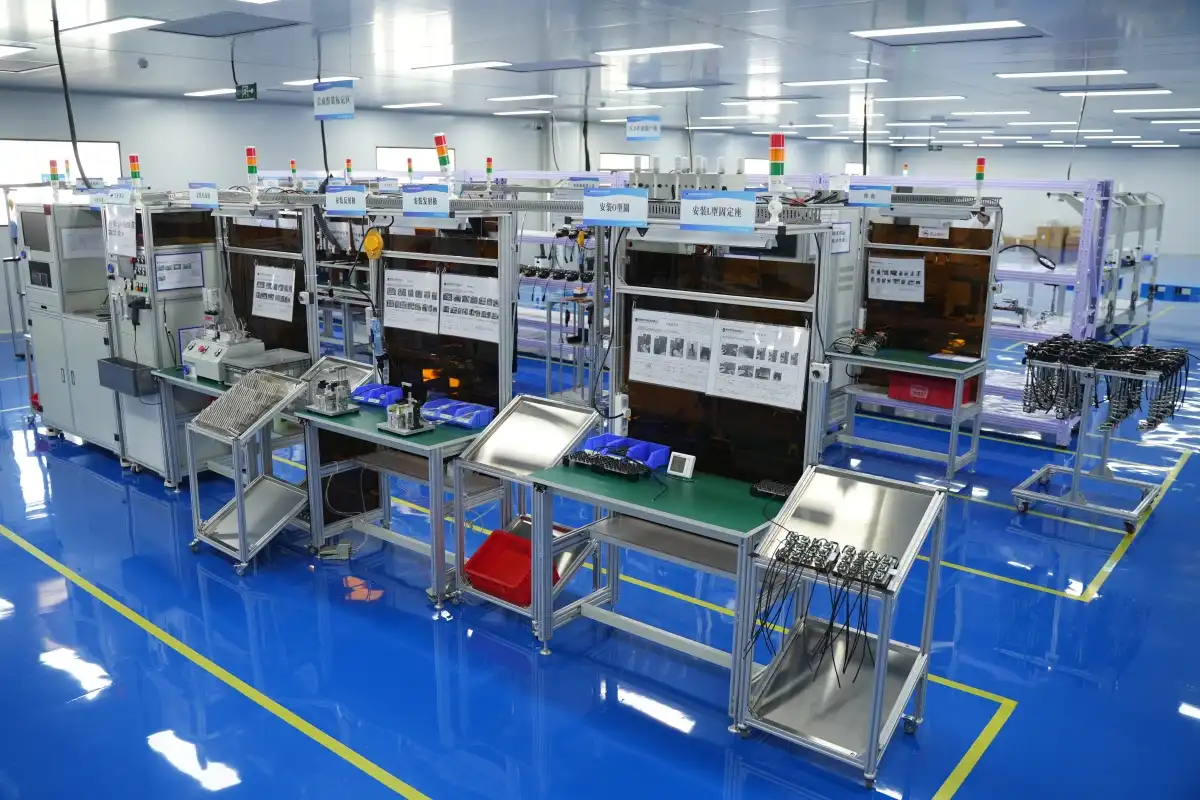
Calibration Protocols and Traceability
Calibration figures out how the electrical output of a sensor affects the pressure that is being applied. The standards set by ISO 17025 for calibration laboratories make sure that the equipment used for calibration has been checked against national or foreign standards. You can be sure that data from anywhere in the world can be compared thanks to this line of traceability.
There should be multiple data points on the calibration certificate that show uniformity and hysteresis properties across the sensor's range. Hysteresis is the difference in output when approaching a pressure number from above and below. A sensor that has been properly adjusted has very little hysteresis. When to recalibrate depends on how hard the application is, but industrial sensors usually need to be checked once a year or after being exposed to overpressure events that could affect their performance.
Standardized Measurement Units and Conversion
Different pressure units used in different industries are recognized by international norms. The SI base unit is the Pascal (Pa), and the kilopascal (kPa) and megapascal (MPa) are popular multiples of it. In North America, businesses often use pounds per square inch (psi), while in Europe, they usually use bar. Knowing these ratios can help you avoid making mistakes that cost a lot of money. For example, 100 psi is equal to about 6.89 bars, or 689 kPa.
When using differential pressure to measure filter limits or flow rates, you need to be very careful about which number you choose. A DPF system might keep an eye on difference pressures between 0 and 50 kPa, so it needs pressure sensor that can handle the lower end of this range. If you choose a sensor that is set for a wider range, you will lose measurement accuracy where it means the most.
Types of Pressure Sensors and Their Relevant Standards
Different sensing methods are better for different uses, and guidelines take into account the unique aspects of each method. Strain gauge sensors are most often used in industry because they are strong and can measure a wide range of pressures. A thin-film resistive element is used in these devices. This element changes its electrical resistance when pressure is put on it. The rules that guide strain gauge sensors cover things like the type of material used for the elements, how they are bonded, and how the bridge circuit is set up.
Capacitive sensors find changes in capacitance between an electrode that stays in place and a cushion that moves back and forth. Because the ceramic capacitive method is very stable and resistant to chemicals, these sensors can be used in places where exhaust gases are toxic. Their guidelines put a lot of weight on the qualities of dielectric materials and how stable capacitance is over time when temperatures change.
Technology-Specific Compliance Requirements
When mechanical stress is put on piezoelectric sensors, they produce an electrical charge. This makes them very good at measuring sudden changes in pressure. These devices are great at watching combustion pressure, but they need electronics to boost the charge. Standards for piezoelectric sensors spell out the qualities of the crystal material, the amount of fixing force needed, and how well the sensor can handle thermal shock.
Piezoresistive sensors are very sensitive and come in small sizes because they use both semiconductor strain gauges and silicon diaphragm structures. Their standards cover things like the accuracy of semiconductor processing and long-term drift traits. This is especially important for generator set uses that need to be stable for years without having to be re-calibrated.
Digital versus Analog Output Standards
The style of the output signal has a big effect on how hard it is to integrate the system. Standards define voltage accuracy, current loop resistance, and electrical noise immunity for analog sensors that send 0-5V or 4-20mA data. Digital sensors that talk to each other through the CAN bus, I2C, or other protocols must follow rules that make sure messages arrive at the right time, errors are caught, and the sensors can communicate with each other electromagnetically.
Heavy-duty cars use the SAE J1939 system, which tells pressure sensors how to format and send data over the CAN network. Standardization makes it possible for engine control units from different companies to correctly understand sensor information without having to be programmed from scratch. When looking at sensors to be added to an aftertreatment system, making sure they are compatible with the protocol saves a lot of money on redesign work that needs to be done during installation.
Practical Application of Pressure Sensor Standards in Procurement and Quality Control
To turn technical standards into choices about what to buy, supplier paperwork needs to be carefully looked over. Instead of just showing performance specs, sensor datasheets should make it clear that they meet all important standards. A good datasheet has details about the accuracy, working conditions, temperature range, reaction time, pressure media compatibility, and proof pressure values that show the highest safe overpressure.
Ratings for environmental security based on IP (Ingress Protection) standards show how resistant something is to dust and water getting in. Sensors on building and agricultural equipment usually need to be rated IP67 or IP69K to ensure they work reliably even when they are wet or under a lot of pressure. For use in possibly explosive environments, mining generator uses may need sensors that are certified by ATEX or IECEx.
Supplier Evaluation and Quality Assurance
Checking a possible pressure sensor supplier's quality control systems and testing skills is part of evaluating them. Manufacturers who follow IATF 16949 use statistical process control, improved quality planning, and methods for approving production parts. These systems cut down on differences between runs of production, which is very important for OEMs that need thousands of sensors that all work the same way.
Asking for Production Part Approval Process (PPAP) paperwork gives you information about how consistent the production process is. This complete set comes with process flow maps, material certificates, performance test results, and records on measurements. Before agreeing to large-volume sales, reviewing PPAP submissions can help you find possible quality risks.
Installation Best Practices Guided by Standards
The accuracy and life of a sensor are directly affected by how well it is installed. Standards suggest mounting positions that keep pressure media from pooling in connection holes and put the least amount of stress on sensor elements. When sealing threaded ports, make sure to use the right amount of force. Tightening too much can preload the sensor diaphragm, which can cause zero offset mistakes.
When connecting electrical parts, it's important to protect them from electromagnetic interference. This is especially important in diesel engine areas where generator noise and spark interference can mess up analog signals. By following the installation standards for grounding and wire routing, you can avoid measurement mistakes that could be mistakenly blamed on broken sensors.

SENSOR+TEST, June 9 – 11, 2026
We look forward to your visit,warmly welcome to our booth 1-526!
Get your free ticket online now:
https://www.sensor-test.de/service/ticket/?52790
Leading Standards-Compliant Pressure Sensor Solutions for Industrial Applications
To choose the right sensor technology, you have to match the needs of the application with the options that are accessible. Heavy-duty truck makers who want to use China VI emission systems need sensors that are reliable enough for cars and durable enough for use in factories. In these uses, sensors are constantly vibrating, their temperatures change from cold starts to long highway runs, and they may be exposed to condensed water and acidic exhaust droplets.
Different generator set uses come with their own problems, especially for backup power systems that may not be used for months at a time before they need to run at full capacity. In these setups, the pressure sensor must not move while they are being stored and must remain accurate as soon as they are turned on. Because remote power generation usually has long service gaps, the equipment needs to be very stable. For example, if a sensor fails in a mine or telecommunications site, it can lead to expensive repair calls and service interruptions.
Qintai's Standards-Based Engineering Approach
At Qintai, our engineering team makes pressure sensor products that are perfect for the tough needs of industrial tracking and diesel engine aftertreatment. Our development method starts with a thorough review of all the standards. This makes sure that every design choice is in line with the rules that apply. Our ceramic capacitive sensors for the SCR aftertreatment market are a good example of this method because they have both the chemical resistance needed for exhaust gas contact and the accuracy needed for exact emission control.
We are the top original equipment manufacturer (OEM) provider to China's biggest engine makers, like Weichai Power, Yuchai Power, and Quanchai Power. This shows that we can meet strict quality and performance standards on a large scale. We're at the top of the market because we keep investing in testing infrastructure and process control. This lets us make sensors that meet IATF 16949 standards while keeping prices low enough for mass production.
Customization Within Standardized Frameworks
Even though guidelines set the minimum requirements, many applications work better with solutions that are specifically designed for their needs. Our engineering team works with system integrators to add application-specific features to standard sensor platforms, such as different electrical connectors to make installation easier, wider temperature ranges for harsh environments, or custom pressure ranges that make resolution better for certain monitoring tasks. These changes make sure that core standards are still met while also meeting specific customer needs that can't be met by off-the-shelf options.
Our ODM services go beyond simple setting changes and include full custom sensor creation. Generator makers who want to track both pressure and temperature at the same time can work with our team to make combination sensors that make the system easier to install and lower the costs of doing so. OEMs of construction tools that need ruggedized housings that can withstand high levels of shaking can ask for mechanical designs that are best for the way they will be mounted.
Conclusion
Procurement workers can make smart choices that balance performance, safety, and cost when they know about pressure sensor standards. These technical standards, set by ISO, IEC, SAE, and other groups, make sure that sensors give accurate, reliable readings in a wide range of difficult industrial settings. To choose the right sensor, you need to compare its accuracy specs, calibration procedures, environmental rates, and approval paperwork to the needs of the application. Working with makers who have complete quality systems and the right certifications lowers the risk of buying and guarantees the reliability of the supply chain over the long run. Even though emission rules are always changing and industrial technology is getting better, pressure measuring that meets standards is still very important for making sure that diesel engines, power plants, and mobile machines work efficiently and follow the rules.
FAQ
How often should pressure sensors be recalibrated to maintain standards compliance?
How often you need to calibrate varies on the seriousness of the application and the rules that apply. For industrial process control uses, recalibration against known standards is usually needed once a year. Emission control systems in cars may only ask for a recalibration if diagnostic trouble codes show sensor drift or after a part has been replaced. In harsh settings with temperature changes, pressure spikes, or toxic media, checks should be done more often, maybe every three or six months.
What distinguishes sensor standards from transducer and transmitter standards?
A lot of the time, "sensor," "transducer," and "transmitter" are used to refer to the same thing, but standards sometimes make a difference between them. A sensor picks up changes in the physical pressure; a transducer turns these changes into an electrical signal; and finally, an emitter cleans up and boosts the signal so it can be sent over long distances to control systems. Standards for basic sensors focus on the features of the sensing elements, while standards for transmitters focus on the accuracy of signal filtering, the stability of the output, and agreement with communication protocols.
Do all certified manufacturers automatically produce standards-compliant sensors?
Company-level qualifications like ISO9001 or IATF 16949 show that the company has a good quality management system, but they don't promise that all of their products meet certain performance standards. Teams in charge of buying things should ask for proof that each type of a pressure sensor has been tried against the necessary standards. This level of product-level verification is done with type approval papers, PPAP paperwork, and test results from a third party.
Partner with Qintai for Certified Pressure Sensor Solutions
Qintai is ready to help you buy pressure sensors by offering approved solutions that meet the strictest standards in both industry and automobiles. As a national high-tech company that has been specializing in diesel engine aftertreatment systems for more than 20 years, we bring a lot of application knowledge to every job we do for a customer. Our independent research and development team has been awarded 58 idea patents and is always improving sensor technology to meet new performance and emission standards. We use IATF 16949 quality systems to make sensors, which gives OEMs the stability and dependability they need for mass output.
Our full range of OEM and ODM services help customers from the first design advice to mass production and support after the sale. Our tech team works together to come up with the best specifications, whether you need standard sensors right away or custom solutions that solve problems in a way that is specific to your application. As the top supplier of pressure sensors for diesel engines in China, we can offer reasonable prices that represent the large number of sensors we make while still meeting the quality standards needed by markets around the world.
Technical inquiries and sample requests receive prompt attention from our experienced application experts response quickly. You can email us at info@qt-sensor.com to talk about your unique needs, or you can visit qt-sensor.com to see all of our products. We can't wait to show you how Qintai's standards-compliant sensors can improve the performance of your system and help you meet regulatory requirements.
References
1. International Organization for Standardization. "ISO 17025:2017 General requirements for the competence of testing and calibration laboratories." Geneva: ISO, 2017.
2. International Electrotechnical Commission. "IEC 60770-1:2010 Transmitters for use in industrial-process control applications – Part 1: Methods for performance evaluation." Geneva: IEC, 2010.
3. Society of Automotive Engineers. "SAE J1979 E/E Diagnostic Test Modes Surface Vehicle Standard." Warrendale: SAE International, 2020.
4. European Committee for Standardization. "EN 61298-1:2008 Process measurement and control devices – General methods and procedures for evaluating performance." Brussels: CEN, 2008.
5. American National Standards Institute. "ANSI/ISA-37.12.01-2012 Specifications and tests for strain gage pressure transducers." Research Triangle Park: International Society of Automation, 2012.
International Automotive Task Force. "IATF 16949:2016 Quality management system requirements for automotive production and relevant service parts organizations." Detroit: IATF, 2016.
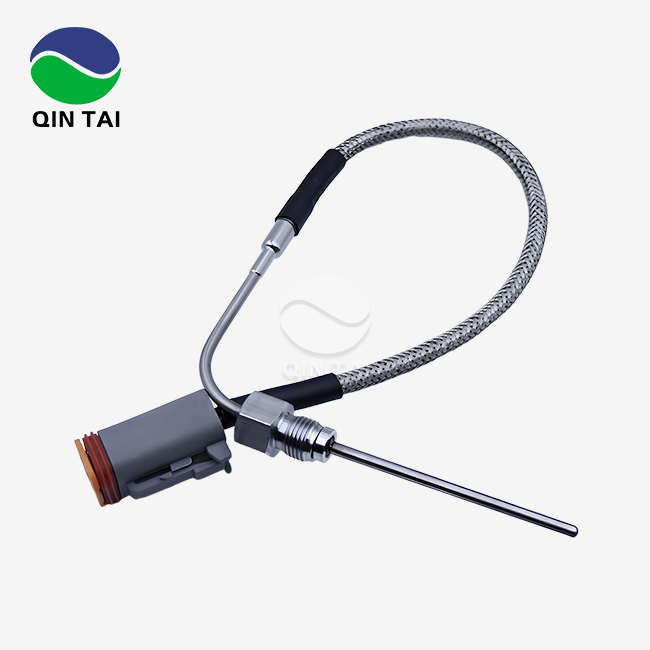
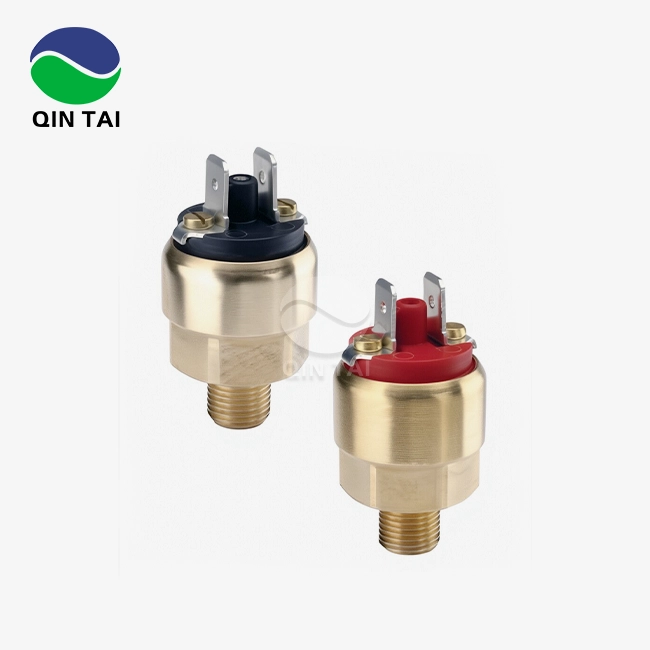
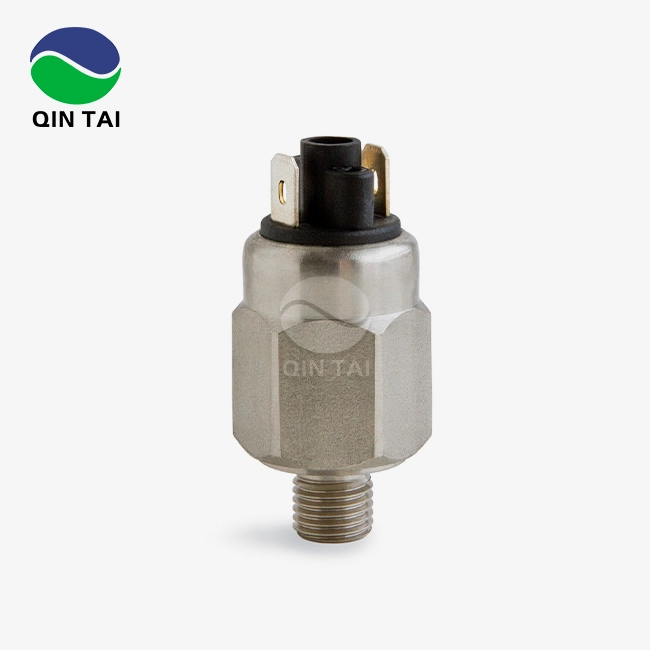
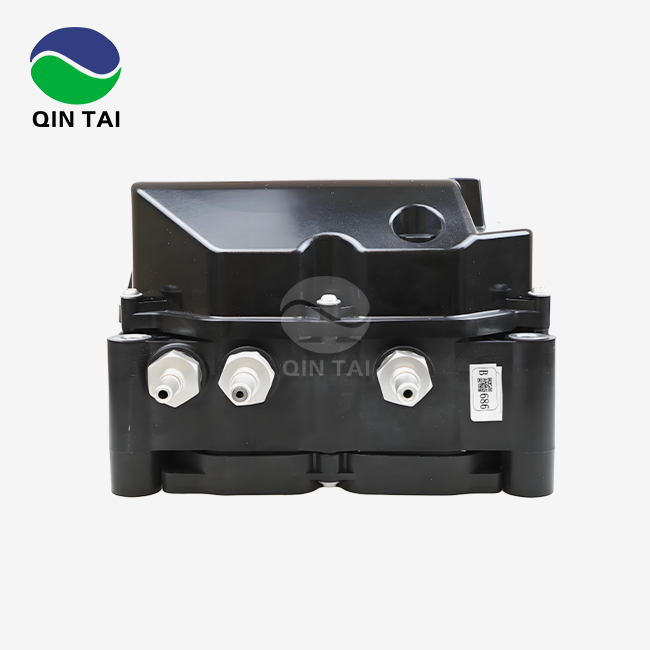

Our customers’ satisfaction speaks for our quality — contact us to experience the same reliable service.