- English
- French
- German
- Portuguese
- Spanish
- Russian
- Japanese
- Korean
- Arabic
- Greek
- German
- Turkish
- Italian
- Danish
- Romanian
- Indonesian
- Czech
- Afrikaans
- Swedish
- Polish
- Basque
- Catalan
- Esperanto
- Hindi
- Lao
- Albanian
- Amharic
- Armenian
- Azerbaijani
- Belarusian
- Bengali
- Bosnian
- Bulgarian
- Cebuano
- Chichewa
- Corsican
- Croatian
- Dutch
- Estonian
- Filipino
- Finnish
- Frisian
- Galician
- Georgian
- Gujarati
- Haitian
- Hausa
- Hawaiian
- Hebrew
- Hmong
- Hungarian
- Icelandic
- Igbo
- Javanese
- Kannada
- Kazakh
- Khmer
- Kurdish
- Kyrgyz
- Latin
- Latvian
- Lithuanian
- Luxembou..
- Macedonian
- Malagasy
- Malay
- Malayalam
- Maltese
- Maori
- Marathi
- Mongolian
- Burmese
- Nepali
- Norwegian
- Pashto
- Persian
- Punjabi
- Serbian
- Sesotho
- Sinhala
- Slovak
- Slovenian
- Somali
- Samoan
- Scots Gaelic
- Shona
- Sindhi
- Sundanese
- Swahili
- Tajik
- Tamil
- Telugu
- Thai
- Ukrainian
- Urdu
- Uzbek
- Vietnamese
- Welsh
- Xhosa
- Yiddish
- Yoruba
- Zulu
How Capacitive Pressure Sensors Improve Measurement Accuracy
Capacitive pressure sensors improve the accuracy of measurements by using changes in capacitance that happen when pressure changes. These small changes are then turned into very accurate electrical signals. Capacitive pressure sensor designs, on the other hand, reduce hysteresis and drift, so readings are accurate even when the sensors are used in a variety of situations. Because they can find very small changes in pressure with great accuracy, they are essential in systems that control emissions, keep an eye on wastewater treatment, and automate factories, where even small mistakes can make it harder to follow rules and run efficiently.
Introduction
Precision measurement is an important part of modern industry, especially for companies that make diesel engines and install aftertreatment systems and have to follow strict pollution standards. The capacitive pressure sensor has become a game-changing device because it is so accurate and stable in places where other sensors don't work as well. This guide looks at how capacitive pressure sensor technology improves measurement accuracy. It addresses the concerns of purchasing managers and research and development engineers who need trustworthy, approved solutions for mass production.
We look at how these sensors work, what features make them more accurate, and how they can be used in real life to make them the best choice for heavy-duty tasks. This resource gives decision-makers the tools they need to choose devices that meet both short-term performance needs and long-term relationship goals. It does this by comparing technical specs and giving real-world examples. When procurement teams know these basic measurement rules, they can easily evaluate providers and make sure that investments meet quality standards, cost goals, and legal requirements.
Understanding Capacitive Pressure Sensors and Their Working Principle
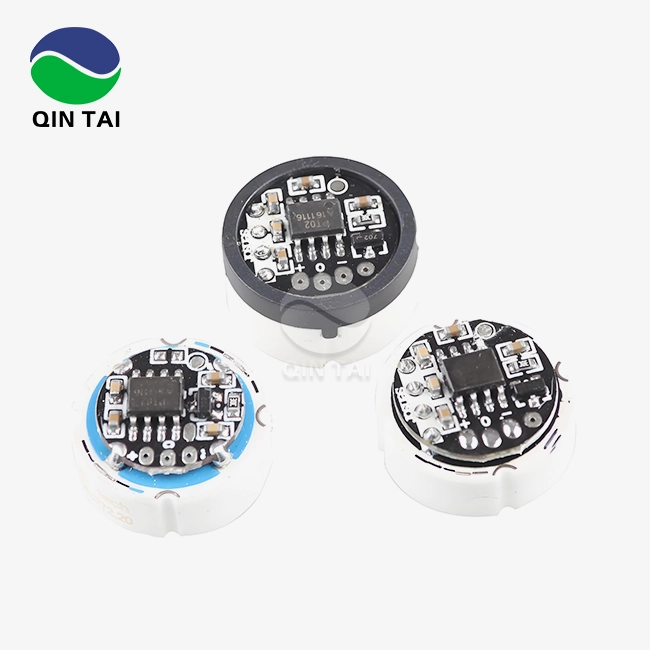
Capacitive pressure sensor sensing works on a simple but clever idea: when pressure causes bending, the distance between two electrodes changes in a way that can be measured and predicted. This changes the capacitance. At the center of the sensor is a clay diaphragm that acts as an electrode and is placed across from a set reference electrode to make a capacitor. When pressure from outside the device works on the diaphragm, it bends and changes the space between the electrodes, which directly impacts the capacitance value. Integrated electronics turn this change in capacitance into an electrical signal, which gives off an output that is related to the pressure that is being applied.
High Sensitivity Through Structural Design
Because it is made of ceramic, the diaphragm can pick up on very small changes in pressure, even as little as 0.01 bar in the best versions. In low-pressure situations, where signal-to-noise ratios decide whether a measurement can be made, this natural sensitivity is better than piezoelectric alternatives. Because capacitive pressure sensor sensing doesn't involve touching anything, it doesn't have the mechanical wear points that happen in resistive strain gauges. This means that the calibration stays accurate even after millions of pressure cycles. Modern capacitive pressure sensors have temperature-compensating parts built right into the structure of the sensor. This stops the effects of thermal expansion that cause drift in designs that don't have these parts.
Minimal Noise Interference and Stability
Capacitive pressure sensor measurement circuits are very good at blocking electromagnetic interference. This is very helpful in diesel engine settings that have generator noise, ignition transients, and high-frequency switching from electronic control units. The dielectric materials that separate the electrodes stay fixed across a wide range of temperatures. This helps keep the output constant even when the temperature changes from -40°C to 135°C. This stability means that calibrations don't need to be done as often, which lowers the total cost of ownership for fleet operators and OEM production lines. Advanced signal filtering built into sensor housings gets rid of even more electrical noise, leaving only clean analog or digital outputs that can connect directly to current engine control modules.

Core Factors Affecting Measurement Accuracy in Capacitive Pressure Sensors
The accuracy of a measurement depends on a number of interconnected factors that must all be improved in order to meet the given accuracy requirements. Sensor sensitivity controls how well small changes in pressure are turned into measurable signal changes, and temperature adjustment keeps readings from being messed up by external factors. Calibration steps set the connection between the real pressure and the sensor output, which serves as a guide for all future readings.
Sensitivity and Its Impact on Resolution
The Qintai QS-P105 type has an output range of 2 to 4 mV/V and is an example of an improved sensitivity design. This level of sensitivity gives the signal enough strength for accurate detection while still using little power. This is important for tracking systems that run on batteries in remote generator sets or mobile building equipment. Higher sensitivity lets you see smaller changes in pressure, which lets you find slow changes in the backpressure of the SCR system that could mean the DPF filter is getting full. Engineers need to find a balance between circuit noise floors and sensitivity standards. They should choose amplification levels that improve resolution without adding unwanted signals from outside sources.
Temperature Compensation Techniques
The biggest problem with measuring pressure accurately is thermal drift, which happens because both sensing elements and circuit parts behave differently depending on the temperature. This is taken care of by the QS-P105, which has zero temperature change below 0.03% FS/°C for ranges up to 50 bar thanks to its choice of materials and adjusting network design. This level of performance guarantees accuracy maintenance over the full range of temperatures that are common in hydraulic circuits, engine exhaust systems, and transmission housings. It is important for procurement managers to carefully look over drift standards because not enough compensation can lead to measurement mistakes that make emission control strategies less effective or require frequent recalibration.
Calibration Practices for Consistent Performance
Factory calibration sets the initial accuracy, but processes for field proof keep the measurements accurate over time. Multi-point calibration across the working range picks up nonlinearity traits, creating correction coefficients that are kept in electronics or control modules that go with the device. The QS-P105 has a 0.3% FS non-linearity specification, which means it has great natural linearity and doesn't need as many correction methods. Drift can be found before it affects process control when standards are checked regularly. This is especially helpful when replacing sensors needs production to stop or the system to be depressed.
Comparing Capacitive Pressure Sensors with Other Sensor Technologies for Enhanced Accuracy
The choice of technology has a big effect on the accuracy, dependability, and total cost of execution of measurements. In some situations, capacitive pressure sensor designs are better than piezoelectric, piezoresistive, and strain gauge options. This is especially true when long-term stability and resistance to tough environments are important.
Operational Principle Differences
Piezoelectric sensors make a charge that changes with changes in dynamic pressure, but they can't measure static pressure. This means they can't be used for steady-state tracking, which is popular in emission control systems. Piezoresistive strain gauge sensors measure pressure by changing the resistance in silicon elements. They are very accurate and are more sensitive to temperature changes than ceramic capacitive pressure sensor designs. The capacitive pressure sensor method combines the ability to measure static pressure with very little temperature drift. This makes it perfect for long-term stability and dynamic reaction in ongoing monitoring applications. Strain gauge sensors that are attached to metal diaphragms are tough, but they are less sensitive than capacitive pressure sensors, especially when the pressure is less than 10 bar.
Durability and Environmental Adaptability
The 96% alumina ceramic diaphragm in Qintai's QS-P105 is very resistant to rust in harsh chemical environments like diesel exhaust condensates, hydraulic fluids, and other fluids used in industrial processes. This ceramic design works better than metal diaphragms in acidic environments because it stops surface pitting and chemical attack from affecting accuracy. In capacitive pressure sensor designs, temperature cycle resistance is better because ceramic materials stay the same size even after being heated over and over, which would wear down metal parts. The 200% FS safety overload rating stops harm from pressure spikes that could happen when the system starts up or when the valve is actuated. This keeps the system accurate and avoids having to replace parts too soon.
Real-World Performance Scenarios
When SCR dosing control applications switch from strain gauges to capacitive pressure sensors, aftertreatment system designers say the accuracy goes up by a measured amount. Because there is less temperature drift, there are no more correction mistakes during DPF renewal cycles, when exhaust temperatures rise very quickly. Manufacturers of generator sets that work in mine settings can use capacitive pressure sensors instead of piezoresistive sensors because they can handle vibrations better and keep their calibration even when they are constantly hit by mechanical shocks. OEMs of agricultural equipment like the QS-P105's wide source voltage tolerance (2 to 30 VDC), which makes it easier to integrate across different electrical designs without needing separate voltage control.
Selecting the Best Capacitive Pressure Sensor for Industrial Applications
When making a procurement choice, technical requirements, supplier skills, and total cost must all be carefully considered. During the decision process, accuracy metrics, environmental compatibility, and integration needs should be given the most weight. At the same time, seller skills that ensure a steady supply and expert help over the long term should also be looked at.
Interpreting Critical Datasheet Parameters
Non-linearity, hysteresis, repeatability, and temperature effects are all part of full accuracy requirements and add to the overall measurement error. The QS-P105's ≤±0.5% FS comprehensive accuracy standard includes these error sources, giving procurement managers a practical idea of what kind of performance to expect. The pressure range should include both normal working pressures and short-lived spikes. The sensor's 200% overload capacity protects it from damage in these cases. Because the QS-P105 has a zero output specification of ±0.2 mV/V at 23°C, this shows the sensor's natural offset, which control systems must cancel out through calibration processes or software correction.
Bridge resistance values (11±30% kΩ) for a capacitive pressure sensor affect both power consumption and signal amplitude. Higher resistances in the capacitive pressure sensor reduce current draw but may increase noise susceptibility over long cable runs. In aftertreatment applications, the operating temperature range of the capacitive pressure sensor is critically important, as sensors may experience exhaust gas temperatures exceeding 600°C at mounting locations—requiring specialized thermal management strategies for the capacitive pressure sensor. A properly specified capacitive pressure sensor must maintain measurement accuracy despite these extreme thermal conditions, whereas an improperly selected capacitive pressure sensor will drift or fail prematurely. Procurement teams should verify that the capacitive pressure sensor includes appropriate heat shielding or remote mounting options when specified for high-temperature exhaust system integration.
Customization and Bulk Ordering Advantages
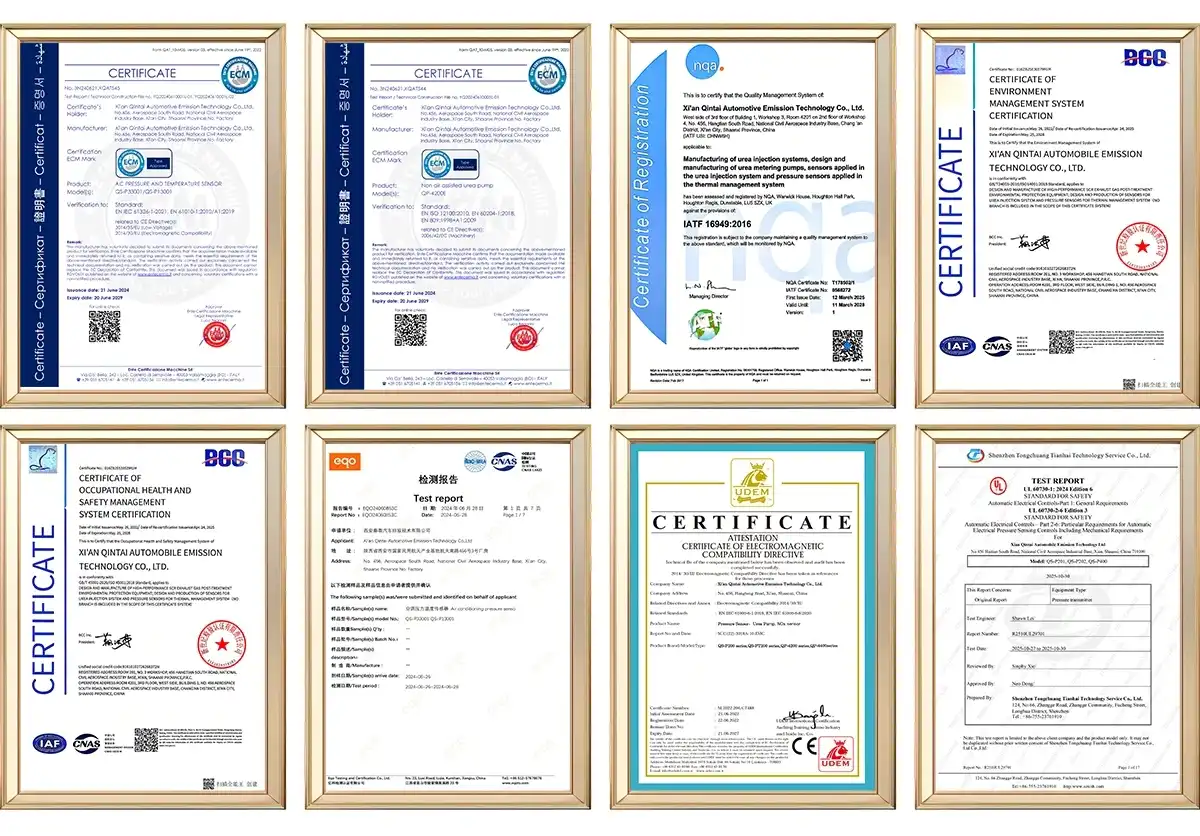
For industrial OEM uses, it's common to need custom pressure ports, electrical connections, or mounting shapes that are made to fit certain engine platforms. These needs can be met by Qintai's OEM/ODM services, which allow design changes that get rid of connector parts and make installation easier. When you buy in bulk, you can save money by getting better prices for larger quantities, and you can be sure that the sensors will have the same properties across all production batches, which is important for keeping the tuning regularity in mass-produced engine systems. Suppliers that have been around for a while and have ISO 9001 and IATF 16949 licenses show that they can control the process so that differences between batches are kept to a minimum. This lowers the cost of testing and warranties.
Supplier Reputation and Support Infrastructure
Suppliers who work with major diesel engine makers like Weichai Power and Yuchai Power have experience working in tough production settings and know how to meet quality standards that alternative suppliers might miss. UL, CE, REACH, and RoHS compliance certifications make the regulatory approval process easier, especially for exports to places with strict safety and environmental rules. The total cost of ownership, which includes expert hotlines, field application engineering, and the availability of replacement parts, is based on more than just the original purchase price. Qintai has been a specialist in emission control sensors for more than 20 years, giving them application-specific knowledge that general component sellers don't have. This speeds up the process of integrating and fixing problems.
Practical Guide to Implementing Capacitive Pressure Sensors in Your Systems
To successfully integrate a sensor, you need to pay attention to more than just meeting the specifications. You also need to make sure that the installation process, electrical design, and environmental protection methods keep the measurement accuracy over the life of the sensor.
Circuit Design and Power Management
The large supply voltage range (2-30 VDC) works with a variety of system designs, from car 12V to 24V industrial and battery-powered monitoring. Wireless sensor networks let you keep an eye on equipment from afar, and they use little power, so the batteries last longer and the measurements are more accurate. Signal conditioning circuits should have filtering that works with the pressure signal frequency, which is usually less than 100 Hz for static process tracking and up to several kilohertz for combustion pressure analysis. For electromagnetic compatibility, shielded wiring is needed in places with a lot of noise, and using the right grounding methods will stop ground loops that cause measurement mistakes.
Environmental Protection Strategies
In harsh industrial settings, sensors need to be well protected against shaking, dirt, and temperature changes. Sensors should be mounted in a way that keeps them away from direct sources of vibration. This can be done by using compliant connectors or putting them remotely and sending pressure through rigid tubes. The QS-P105 can work in temperatures ranging from -40°C to 135°C, which is normal for most uses. However, if it comes into direct contact with exhaust gas, it needs heat sinks, cooling fins, or insulating standoffs to keep its body temperature within the acceptable range. Filtering or draining features are needed when particles or condensates get into the pressure port. This is especially important in compressed air systems or exhaust uses where soot buildup could block sensing passageways.
Future-Proofing and Scalability
Modular system designs use standard pressure ports and electrical interfaces that can work with newer versions of sensors so that technology can be updated without having to completely rebuild the system. Digital output choices (although analog is still the most common in car uses today) offer better noise immunity and allow setup from a distance, which helps with predictive maintenance strategies by keeping an eye on sensor health. Procurement plans should look at supplier roadmaps and promises to backward compatibility. This will make sure that parts will always be available for existing systems and give new designs better performance.
Conclusion
For diesel engines and other industrial uses, capacitive pressure sensors offer measurement accuracy benefits that are essential to pollution compliance, system reliability, and operating efficiency. Their built-in steadiness, low temperature drift, and strong construction make them perfect for tracking aftertreatment, controlling hydraulics, and automating processes. The QS-P105 is a great example of these abilities because it meets all the accuracy requirements and can withstand harsh environments, making it suitable for heavy-duty use. Understanding the technical factors that affect accuracy is helpful for procurement workers because it helps them choose suppliers wisely and make confident design decisions. Working with well-known companies that offer customization options, certification portfolios, and tried-and-true OEM supply chains is the best way to make sure that integration goes smoothly and measurements stay accurate over time.
FAQ
How Often Should Capacitive Pressure Sensors Be Calibrated?
How often you calibrate depends on how important the program is and how it is being used. Emission control systems that need to be checked by the government usually have to be checked once a year, but for less important systems, the checks can be done every 24 to 36 months. More frequent checks should be done on sensors that are exposed to temperature cycling, shaking, or corrosive media. Because the QS-P105 is more stable than less stable technologies, it can be calibrated more often, which makes upkeep easier.
What Causes Measurement Errors in Capacitive Sensors?
Some common causes of errors are not compensating for temperature properly, putting too much stress on the mounting during installation, electrical noise linking into signal lines, and contamination of the pressure port. Rapid changes in temperature can cause thermal shock, which can temporarily change readings until thermal balance is restored. By following the manufacturer's instructions for placement and wire routing, these problems can be kept to a minimum and the sensor's accuracy is maintained.
Can These Sensors Operate in Extreme Temperatures?
The QS-P105 can work in temperatures ranging from -40°C to 135°C, which is wide enough for most commercial uses. This includes cold starts in the winter and high temperatures in enclosed engine rooms during the summer. Specialized high-temperature versions make direct exhaust fitting possible in more situations, but for harsh thermal conditions, remote mounting with a pressure coupling is often a more cost-effective option.
Partner with Qintai for Superior Capacitive Pressure Sensor Solutions
Xi'an Qintai Automotive Emission Technology Co. Ltd has specialized in diesel engine aftertreatment sensors since 2001, accumulating over two decades of engineering expertise serving China's leading engine manufacturers. Our QS-P105 capacitive pressure sensor manufacturing skills deliver the measurement accuracy, environmental resilience, and certification compliance your emission systems demand. We maintain comprehensive quality certifications including ISO 9001, IATF 16949, and international approvals (UL, CE, REACH, RoHS) that streamline your regulatory approval processes. Our independent R&D team supports customization for OEM applications, adapting pressure ranges, electrical interfaces, and mounting configurations to your specifications. Contact our technical sales team at info@qt-sensor.com to discuss your pressure sensing requirements and receive detailed datasheets, sample units, and volume quotations tailored to your procurement needs.
References
1. Webster, J.G. (2020). The Measurement, Instrumentation and Sensors Handbook: Spatial, Mechanical, Thermal and Radiation Measurement. CRC Press, Boca Raton, FL.
2. Bao, M. (2019). Analysis and Design Principles of MEMS Devices. Elsevier Science, Amsterdam, Netherlands.
3. Fraden, J. (2021). Handbook of Modern Sensors: Physics, Designs, and Applications (6th ed.). Springer International Publishing, Cham, Switzerland.
4. Norton, H.N. (2018). Sensor and Analyzer Handbook. Prentice Hall, Upper Saddle River, NJ.
5. Wilson, J.S. (2022). Sensor Technology Handbook. Newnes-Elsevier, Burlington, MA.
6. Pallas-Areny, R., & Webster, J.G. (2019). Sensors and Signal Conditioning (3rd ed.). John Wiley & Sons, Hoboken, NJ.
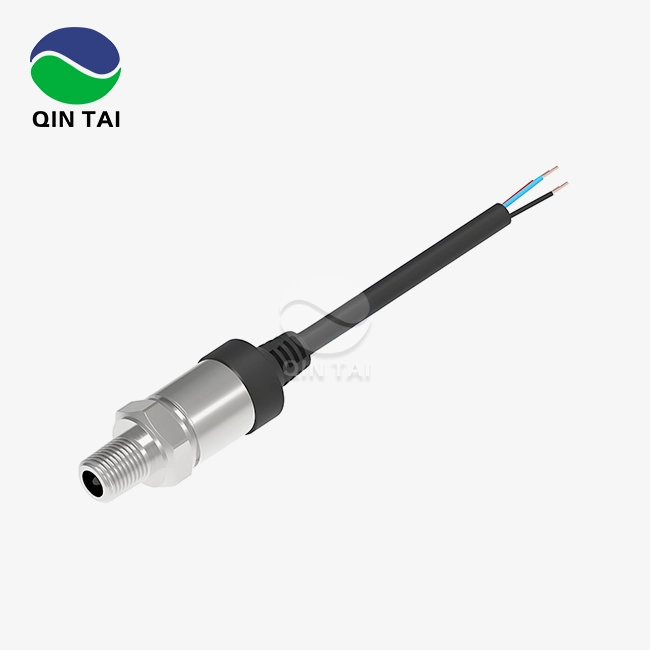

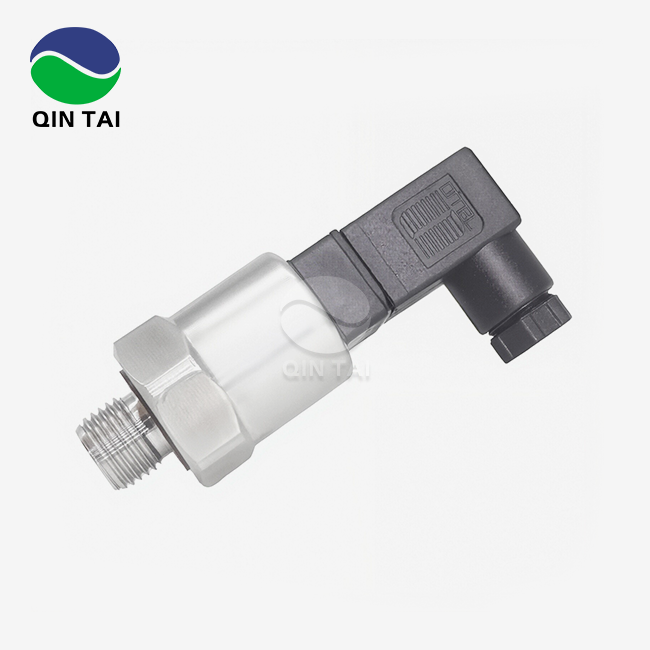

Our customers’ satisfaction speaks for our quality — contact us to experience the same reliable service.