- English
- French
- German
- Portuguese
- Spanish
- Russian
- Japanese
- Korean
- Arabic
- Greek
- German
- Turkish
- Italian
- Danish
- Romanian
- Indonesian
- Czech
- Afrikaans
- Swedish
- Polish
- Basque
- Catalan
- Esperanto
- Hindi
- Lao
- Albanian
- Amharic
- Armenian
- Azerbaijani
- Belarusian
- Bengali
- Bosnian
- Bulgarian
- Cebuano
- Chichewa
- Corsican
- Croatian
- Dutch
- Estonian
- Filipino
- Finnish
- Frisian
- Galician
- Georgian
- Gujarati
- Haitian
- Hausa
- Hawaiian
- Hebrew
- Hmong
- Hungarian
- Icelandic
- Igbo
- Javanese
- Kannada
- Kazakh
- Khmer
- Kurdish
- Kyrgyz
- Latin
- Latvian
- Lithuanian
- Luxembou..
- Macedonian
- Malagasy
- Malay
- Malayalam
- Maltese
- Maori
- Marathi
- Mongolian
- Burmese
- Nepali
- Norwegian
- Pashto
- Persian
- Punjabi
- Serbian
- Sesotho
- Sinhala
- Slovak
- Slovenian
- Somali
- Samoan
- Scots Gaelic
- Shona
- Sindhi
- Sundanese
- Swahili
- Tajik
- Tamil
- Telugu
- Thai
- Ukrainian
- Urdu
- Uzbek
- Vietnamese
- Welsh
- Xhosa
- Yiddish
- Yoruba
- Zulu
Industrial Temperature Transmitters Built for Tough Conditions
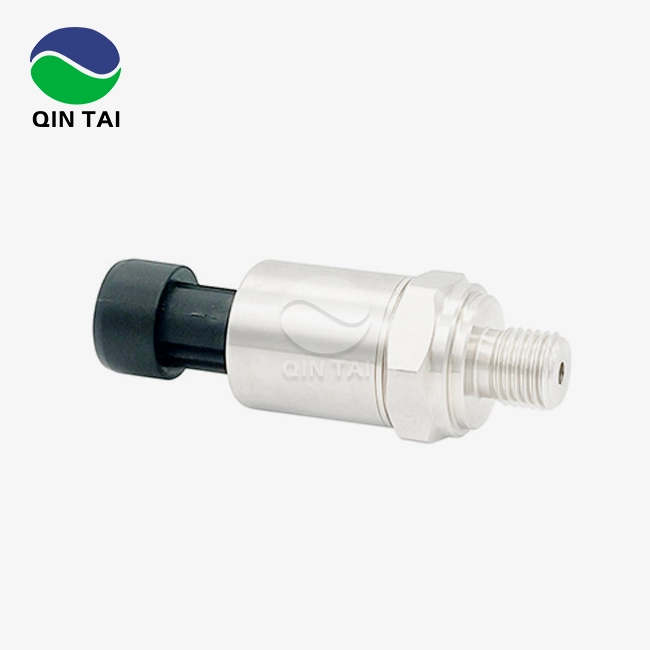
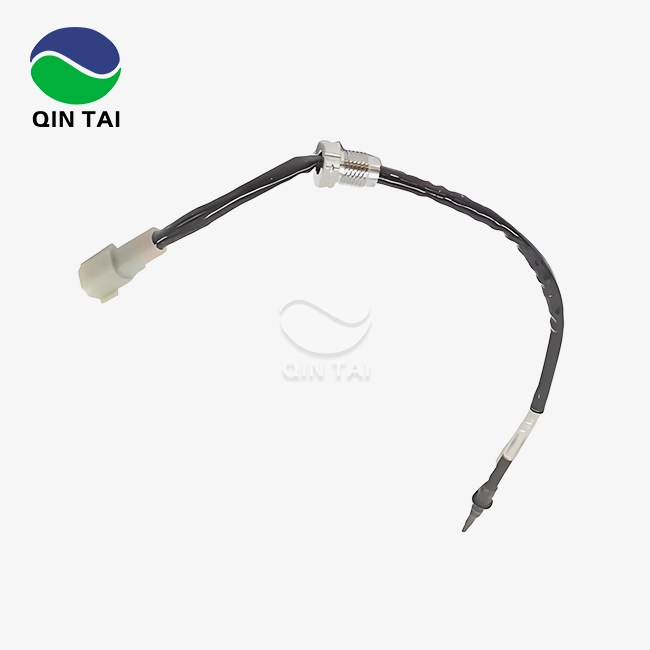
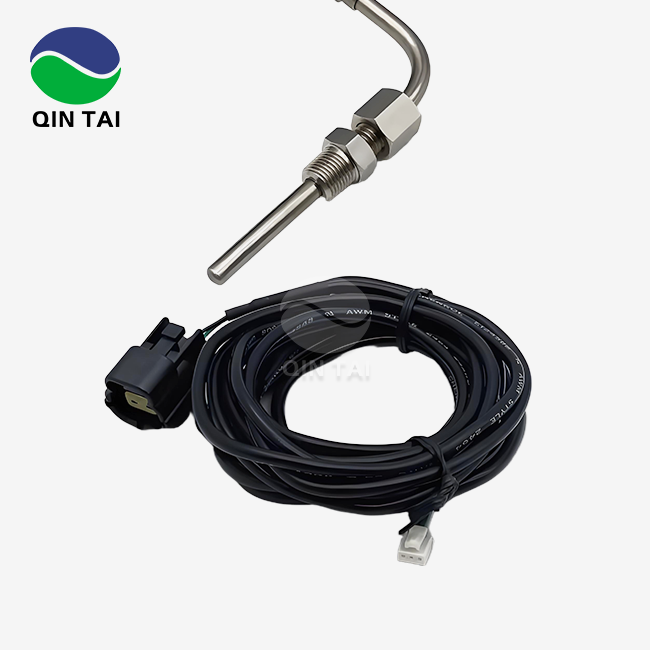
Accurate temperature readings are critically important when machinery operates in harsh conditions—hot diesel exhaust streams, freezing construction sites, or dusty agricultural fields. A heavy duty temperature transmitter serves as an industrial guardian angel, ensuring systems operate safely, engines meet emissions standards, and costly downtime is avoided. Because heavy-duty temperature transmitter units are engineered to withstand vibration, thermal shock, and corrosive environments, they deliver reliable data even when conventional sensors fail, making them indispensable for heavy trucks, construction equipment, power generation, and emissions control applications.
A properly specified heavy-duty temperature transmitter will maintain calibration accuracy across extreme temperature ranges, while a standard transmitter exposed to the same conditions would drift or fail completely. Procurement managers should verify that each heavy-duty temperature transmitter includes appropriate ingress protection ratings and thermal isolation features for the intended deployment environment, as these specifications directly determine whether the heavy-duty temperature transmitter achieves its expected service life or becomes a recurring replacement cost.
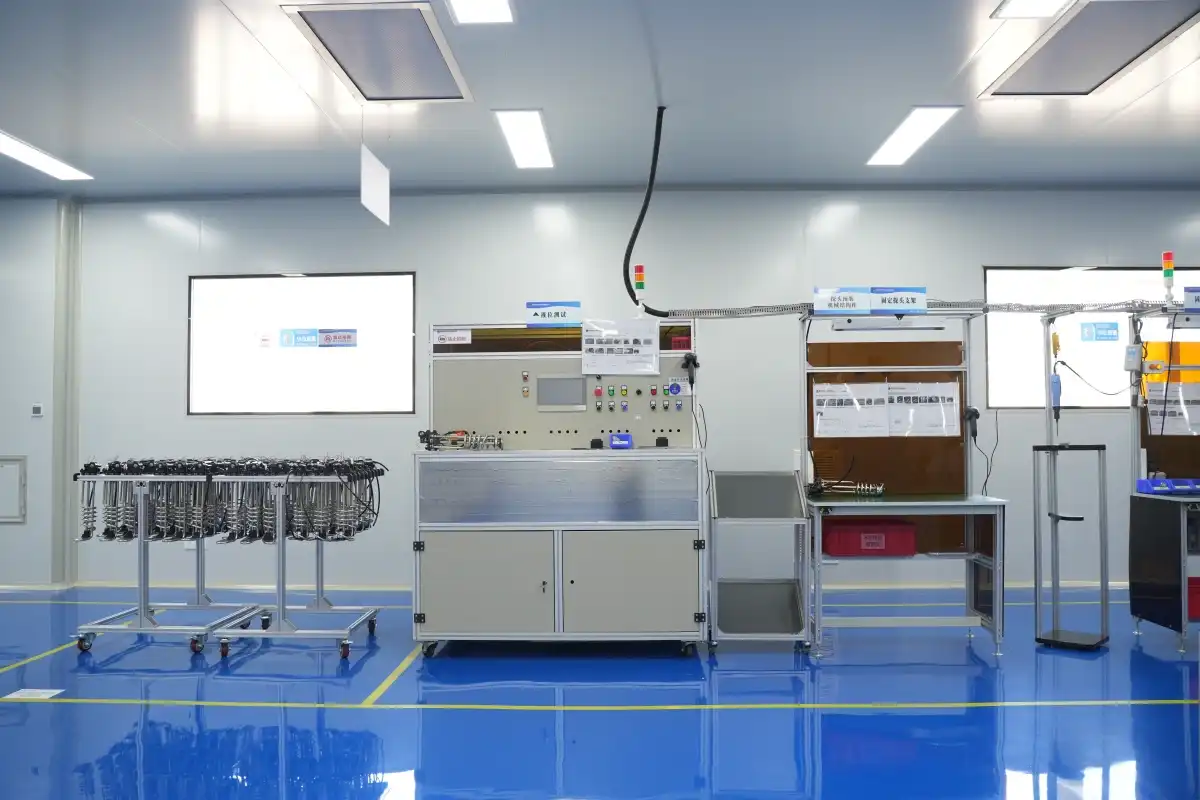
Understanding Heavy Duty Temperature Transmitters
What Makes Industrial Temperature Sensors Heavy Duty?
Industrial temperature sensors made for harsh environments have tough housings made of stainless steel or special alloys that don't rust or corrode and keep dust and water out. Heavy-duty temperature transmitters are different from regular ones because they have stronger wire openings, hermetic seals, and mounting designs that absorb shock. Their sensor parts, which are usually platinum RTDs or thermocouples, stay calibrated over a wide range of temperatures, usually from -40°C to +850°C. This means that they can give accurate readings even when temperatures change quickly, which happens a lot in diesel aftertreatment systems.
Core Functionalities and Signal Outputs
These days, receivers take in raw sensor data and turn them into standard analog outputs (4-20 mA) or digital protocols (HART, Modbus, and CANbus). This makes it easier to connect to PLCs, engine control units, and SCADA systems that are common in SCR and DPF aftertreatment uses. Dual-output types let you see both the local display and the remote tracking at the same time, which is very helpful for fixing problems with emission compliance. Smart receivers have advanced diagnostics built in that find sensor drift or wire problems before they break. This cuts down on unnecessary maintenance for fleets and generator setups.
Critical Certifications for Hazardous Environments
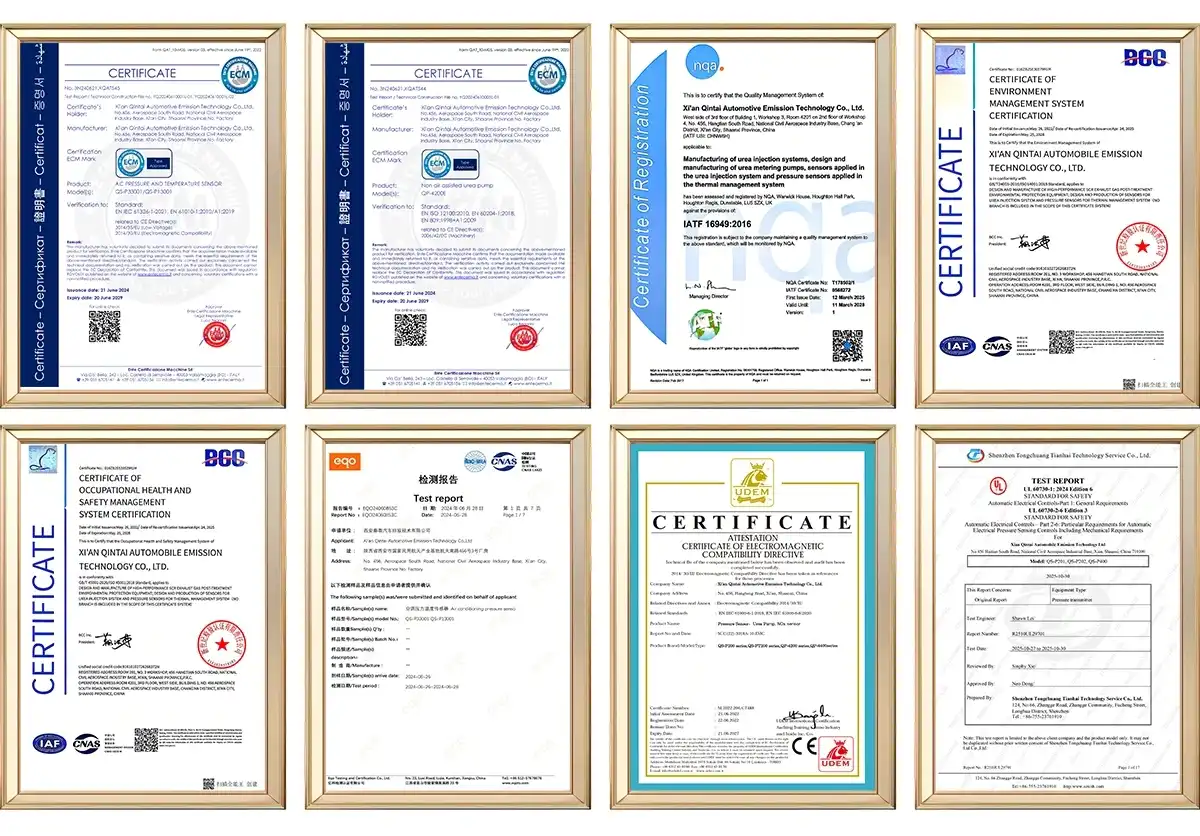
Explosion-proof approvals, such as ATEX, IECEx, UL, and Ex marks, let you work safely in places where there are flammable gases or dust that can catch fire. These places include chemical plants and power plants. Following the quality standards set by ISO 9001 and IATF 16949 guarantees stability during mass production, which is important for diesel OEMs that sell to markets around the world. EMC immunity ratings keep receivers safe from electromagnetic interference (EMI) caused by high-power electrical systems. This keeps heavy machines and generator sets running smoothly without signal loss.
Applications Across Demanding Industries
Heavy duty temperature transmitter devices in SCR aftertreatment systems monitor urea injection and catalyst bed temperatures to ensure China VI and Euro VI emissions compliance. They prevent hydraulic overheating and long-term engine damage in construction equipment. Generator set manufacturers rely on these ruggedized transmitters to maintain cooling during backup power missions where reliability is paramount. Farm equipment uses them to track engine performance across all four seasons—from frigid winter start-up to continuous summer harvest operation. A properly specified heavy-duty temperature transmitter maintains calibration accuracy despite extreme thermal cycling, vibration, and chemical exposure, whereas standard sensors would drift or fail within months under identical operating conditions.
Procurement teams should verify that each heavy-duty temperature transmitter includes appropriate ingress protection (IP) ratings and thermal isolation features for the intended deployment environment, as these specifications directly determine whether the heavy-duty temperature transmitter achieves its expected service life of 10,000+ operating hours or becomes a recurring replacement cost that erodes maintenance budgets.

Choosing the Right Heavy Duty Temperature Transmitter for Your Needs
Evaluating Environmental and Operational Challenges
Before choosing the right heavy-duty temperature transmitter, you should think about the worst situations it will have to work in. For diesel exhaust aftertreatment to work, sensors must be able to handle high-speed gas flows and temperature shocks. For generator installs in the ocean, you need shelters with an IP68 rating that can handle humidity and saltwater spray. Mining equipment works in rough dust clouds, so sensor heads need to be covered and have wells to protect them. By making sure that the transmitter's ingress protection, shaking tolerance, and temperature range are all right for the site, you can keep measurements accurate throughout the product's lifetime and avoid premature failures.
System Compatibility and Communication Protocols
Integration with current control systems makes setting up and starting up more efficient. Integrators of after-treatment systems look for transmitters with a variety of connection options, such as analog for older systems and digital standards for networked diagnostics. One transmitter model can be used for many purposes because it has adjustable factors like damping time, sensor type, and measurement range. This makes stocking simpler. When fast delivery plans force buyers to make choices, compatibility with common PLCs and engine ECUs speeds up project timelines.
Comparing Heavy Duty Models to Standard Transmitters
Heavy strength receivers are worth the extra money because they last longer and cost less to own overall. Standard models break down quickly, but reinforced construction can handle mechanical stress and extreme weather conditions, so they don't need to be replaced as often. Better EMC protection stops false readings in places with a lot of electrical noise, like diesel engines and industrial machines. When calibration stability is wider, repair times are shorter, which lowers lifecycle costs. Even though the starting cost is higher than for basic sensors, OEMs and aftermarket providers that serve demanding applications get a better return on their investment because of less downtime and warranty claims.
Leading Manufacturers and Technology Trends
Well-known names are reliable because they have been around for a long time and have all the necessary certifications. When looking at suppliers, research and development (R&D) skills are important. Businesses with their own development teams are always improving sensor materials, signal processing methods, and production processes to meet new emission rules. As Industry 4.0 changes temperature tracking, manufacturers with large patent portfolios show that they are stars in innovation and make sure that customers can access the newest technologies. For mass production needs, supply chain security is ensured by working with suppliers who allow customization and uphold strong quality systems such as IATF 16949.
Installation, Maintenance, and Troubleshooting Guide for Heavy Duty Temperature Transmitters
Installation Best Practices for Optimal Performance
The best place to install a heavy duty temperature transmitter ensures accurate measurement and long service life. Position transmitters so they properly represent process conditions without direct exposure to exhaust impingement or hydraulic fluid spray. In high-pressure or high-velocity applications, use thermowell assemblies to protect sensor elements while maintaining acceptable response time. To prevent signal corruption, route wiring away from high-voltage ignition systems and electromagnetic sources. Verify proper shielding and ground connections, particularly on mobile equipment where vibration can loosen terminations. After installation, calibrate transmitters using traceable reference standards to establish an accuracy baseline.
Preventive Maintenance Strategies
Regular inspections that are based on how harsh the operation is can increase the life of a device. Check the openings for cables and the seals around the case for cracks or rust that could lower the IP rating. Clean the sensor tips and thermowells to get rid of carbon deposits or scale buildup that stops the detecting element from working properly and slows it down. Calibration should be checked once a year in important emission control situations where precise measurements are needed to meet regulations. Keep track of readings and look at how they change over time to spot slow shift before it disrupts processes or leads to compliance issues. Keep important extra parts on hand to cut down on downtime when they need to be replaced.
Troubleshooting Common Performance Issues
Signal drift is usually caused by water getting in, broken wires, or a dirty sensor element, not by a problem with the transmitter's electronics. Check the links between the terminals for rust and find out how resistant the insulation is to ground. Readings that aren't lining up straight may be caused by electromagnetic radiation. To fix this, move the wires or add shielding. Temperature readings that don't match changes in the process could mean that a sensor element is broken or there are problems with the thermowell contact. When troubleshooting goes beyond what's possible in-house, get in touch with technical support right away with specific accounts of the symptoms, pictures of the installation, and a history of recent maintenance to speed up the resolution process and get operations back up and running.
Procurement Considerations for Heavy Duty Temperature Transmitters
Supplier Reliability and Lead Time Management
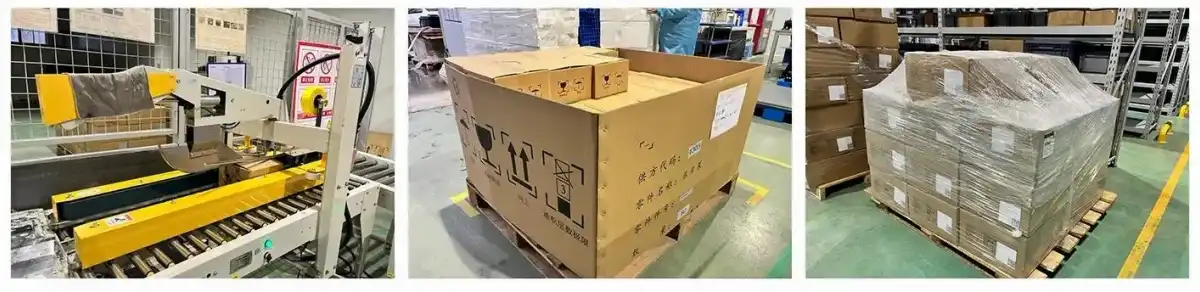
Partners in global supply chains need to keep enough goods on hand and keep their shipping promises. Importers who depend on logistics from other countries can't reply as quickly to pressing orders as well-established manufacturers who have production sites in the United States and area distribution centers. Check that the provider can handle large amounts of production—this is very important when expanding new engine platforms or aftertreatment systems. Ask for examples from people who have used similar products and made similar amounts of them. Long-term partnerships with financially stable sources lower the chances of products becoming obsolete or support being cut off, which can mess up established product lines and make extended service harder for the heavy-duty temperature transmitter.
Customization and Bulk Procurement Benefits
Standard store items don't always meet all of an application's needs perfectly. Customization services let suppliers change things like cable lengths, communication methods, and calibration ranges to fit customers' needs without having to rethink whole sensing systems. When you buy in bulk, you get better prices, dedicated expert help, and first-choice production slots. Talk about framework deals that protect stable prices and allow flexible call-offs that work with production plans. Bulk orders also allow for unique testing methods and documents that are made to fit internal quality standards or customer requirements, which makes the product stand out more.
Lifecycle Cost Analysis and Total Value Assessment
The purchase price is only one part of the total cost of owning. When comparing providers, look at the terms of the guarantee, the availability of calibration services, and how quickly the technical support team responds. Longer calibration times on transmitters cut down on the cost of repair work and downtime. A lot of paperwork and training materials help technicians fix problems faster and with fewer mistakes during installation. Suppliers who keep spare parts in stock for 10 years or more protect customer happiness and aftermarket income streams. When figuring out a product's real value, you should look at how often it fails, how long it usually lasts between failures, and how much new parts cost. Keep in mind that higher-quality products usually have lower total costs over their useful life.
Future Trends and Innovations in Heavy Duty Temperature Transmitters
Industry 4.0 Integration and Predictive Analytics
Smart heavy duty temperature transmitter units with onboard processors analyze measurement trends to predict maintenance needs before failures occur. For mining machinery or offshore generator sets, wireless connectivity enables remote diagnostics and configuration changes without physical access to the heavy-duty temperature transmitter. Cloud-based platforms aggregate data across multiple installations, revealing performance patterns that guide design improvements and scheduled maintenance. Integration with asset management systems automates compliance documentation and calibration scheduling, reducing administrative burden while ensuring regulatory readiness across all heavy-duty temperature transmitter installations.
Advanced Materials and Enhanced Safety Features
New sensor materials increase their chemical resistance and temperature range, which makes them more useful in harsh settings like waste gas treatment systems. Better sealing technologies get IP69K ratings, which means they can handle high-pressure, high-temperature washdown processes that are popular in making food and medicines. Functional safety standards, such as SIL2, let receivers be a part of safety-instrumented systems that keep people and equipment safe. More EMC protection is needed because electric powertrains and high-frequency switching power sources are becoming more common in modern industrial equipment.
Sustainability and Energy Efficiency Initiatives
Recycling programs and energy-efficient production methods are two ways that eco-friendly industrial processes lower their impact on the environment. Low-power emitter designs use the least amount of energy possible in tracking systems that run on batteries. RoHS and REACH compliance makes sure that goods don't contain any harmful materials, which makes reusing and throwing them away easier. When manufacturers invest in green technologies, they set their customers up to meet their companies' climate goals while still meeting performance standards. Longer product lives due to strong design and repairability lower trash, which is in line with the circular economy ideas that are becoming popular across all industries.
Conclusion
When it comes to diesel engines, emissions systems, and heavy machinery, effective process control depends on industrial temperature sensors engineered for harsh conditions. Selecting the right heavy duty temperature transmitter requires balancing operational challenges against technical specifications, supplier capabilities, and total lifecycle costs. As emissions regulations tighten and Industry 4.0 transforms industrial operations, partnering with innovative manufacturers offering certified quality, customization options, and responsive support becomes increasingly critical. Investing in a proven heavy-duty temperature transmitter protects process integrity, ensures regulatory compliance, and ultimately delivers competitive advantage through operational excellence.
FAQ
What temperature range should transmitters handle for diesel aftertreatment applications?
To keep an eye on the temperatures of the SCR catalyst beds and DPF recycling, diesel exhaust aftertreatment systems usually need sensors that can handle temperatures between -40°C and +850°C. This range can handle cold starts and very high or very low temperatures during active regeneration processes without affecting the accuracy of the measurements.
How do explosion-proof certifications affect transmitter selection?
Explosion-proof licenses, such as ATEX and IECEx, let you work safely in dangerous areas where there are flammable gases or dust. For these licenses to be valid, building standards, testing procedures, and marking requirements must be met. For safety reasons, transmitters that are properly approved must be used in chemical plants, refineries, and food handling facilities.
What maintenance intervals ensure optimal transmitter performance?
In important situations, accuracy is kept up by verifying the calibration once a year and recalibration completely every two years. By doing physical checks every three months, you can find wire damage, seal decay, and contamination early on. In harsh settings, checks may need to be done more often, while stable setups inside can wait longer between checks. Always do what the maker says and write down what you do for repair so that you can be audited for compliance.
Partner with Qintai: Your Trusted Heavy Duty Temperature Transmitter Manufacturer
Qintai Automotive Emission Technology Co., Ltd. Ltd brings more than 20 years of experience making sensors straight to your supply chain. We know how hard it is for diesel engine makers and aftertreatment integrators every day because we are China's top OEM provider and work closely with Weichai Power, Yuchai Power, and Quanchai Power. Our heavy-duty temperature sensors are fully certified by ISO 9001, IATF 16949, Ex, UL, CE, REACH, and RoHS. They are also backed by 58 idea patents, which show that they are always getting better.
We can make solutions that are exactly what you need, from sensor inputs to communication protocols, because we do our own research and development and offer full OEM/ODM services. We can do this while keeping our mass production capacity and prices low. Get in touch with us at info@qt-sensor.com to talk about your temperature measuring needs and find out how Qintai's industrial-grade stability and quick technical support can help you make more money and grow your business.
References
1. International Society of Automation (2019). "Industrial Temperature Measurement: Principles and Practice for Process Control Applications." ISA Technical Report TR102.3.
2. Smith, R.J. & Chen, L. (2021). "Sensor Technologies for Diesel Emission Control Systems: Design, Calibration, and Reliability Analysis." SAE International Journal of Engines, 14(3), 287-304.
3. European Committee for Standardization (2020). "Temperature Transmitters for Industrial Process Measurement: Performance Requirements and Testing Methods." EN 60770-2:2020 Standards Document.
4. Johnson, M.K. (2022). "Predictive Maintenance Strategies for Industrial Instrumentation in Harsh Environments." Instrumentation & Measurement Magazine, 25(2), 45-58.
5. American Petroleum Institute (2021). "Recommended Practices for Installation and Maintenance of Temperature Sensors in Hazardous Locations." API RP 551 Standard, Third Edition.
6. Zhang, W.H., Kumar, S., & Peterson, D.L. (2023). "Industry 4.0 Integration of Smart Temperature Transmitters: Case Studies in Heavy Manufacturing and Power Generation." Journal of Industrial Information Integration, 31, 100421-100435.

Our customers’ satisfaction speaks for our quality — contact us to experience the same reliable service.