- English
- French
- German
- Portuguese
- Spanish
- Russian
- Japanese
- Korean
- Arabic
- Greek
- German
- Turkish
- Italian
- Danish
- Romanian
- Indonesian
- Czech
- Afrikaans
- Swedish
- Polish
- Basque
- Catalan
- Esperanto
- Hindi
- Lao
- Albanian
- Amharic
- Armenian
- Azerbaijani
- Belarusian
- Bengali
- Bosnian
- Bulgarian
- Cebuano
- Chichewa
- Corsican
- Croatian
- Dutch
- Estonian
- Filipino
- Finnish
- Frisian
- Galician
- Georgian
- Gujarati
- Haitian
- Hausa
- Hawaiian
- Hebrew
- Hmong
- Hungarian
- Icelandic
- Igbo
- Javanese
- Kannada
- Kazakh
- Khmer
- Kurdish
- Kyrgyz
- Latin
- Latvian
- Lithuanian
- Luxembou..
- Macedonian
- Malagasy
- Malay
- Malayalam
- Maltese
- Maori
- Marathi
- Mongolian
- Burmese
- Nepali
- Norwegian
- Pashto
- Persian
- Punjabi
- Serbian
- Sesotho
- Sinhala
- Slovak
- Slovenian
- Somali
- Samoan
- Scots Gaelic
- Shona
- Sindhi
- Sundanese
- Swahili
- Tajik
- Tamil
- Telugu
- Thai
- Ukrainian
- Urdu
- Uzbek
- Vietnamese
- Welsh
- Xhosa
- Yiddish
- Yoruba
- Zulu
SCR System Optimization Tips for Better NOx Emission Control
Selective Catalytic Reduction (SCR) technology is still the most important part of current diesel emission control methods. This is especially true for big trucks, farm equipment, and power plants. When set up correctly, SCR emission control systems cut nitrogen oxide (NOx) emissions by more than 90%. This helps OEMs and fleet operators follow strict US EPA rules. To get this level of performance, you need to do more than just add standard parts. You also need to pay close attention to the precise dose of urea, the health of the catalyst, the accuracy of the sensors, and the integration of the whole system. We will look at optimization methods that can be used to make NOx reduction more effective while also increasing component life and lowering operating costs.
Understanding SCR Emission Control and Its Optimization Potential
Core Components of SCR Systems
A catalyst module is at the heart of any SCR system. This is where ammonia mixes with NOx to make nitrogen and water vapor, which are safe. The diesel urea tank holds the AdBlue solution, which is a carefully balanced mix of 32.5% urea and 67.5% deionized water. When this solution is added to the exhaust stream, it turns into ammonia. The SCR dosing system, which has sensors and a high-precision pump, decides how much urea goes into the catalyst based on the conditions of the exhaust in real time. A urea tank system has quality sensors to make sure the solution stays within ISO 22241 standards, level sensors to keep an eye on the amount of AdBlue in the tank, and temperature sensors to keep the solution from freezing in cold places.
Critical Operational Factors
The reaction temperature is very important for how well an SCR works. In general, catalysts work best when they are heated to between 250°C and 450°C. It is possible for urea to not fully break down below this range, which could cause ammonia to slip and deposits to form. Dosing correctly is also very important. If you inject too much AdBlue, the catalyst could get clogged, and if you inject too little, the NOx won't be reduced enough. The quality of the urea solution has a direct effect on how reliable the system is. AdBlue that is contaminated or broken down can hurt injectors and sensors, which can cost a lot to fix.
Common Challenges in Real-World Applications
The catalyst slowly breaks down because of heat, sulfur contact, and the buildup of ash from engine oil use. Sensors and pumps wear out faster in harsh working conditions, like mines, building sites, or places with extreme weather. Changes in temperature that happen when delivery trucks in cities start and stop often can make catalysts less effective. Knowing about these problems helps buying teams plan for repair needs and choose parts that have been shown to last.
Key Optimization Strategies for SCR System Efficiency
Evaluating Current System Performance
For SCR emission control, the starting point is to use advanced monitoring tools for a complete diagnostic assessment. Modern monitoring systems maintain real-time logs of NOx conversion rates, urea consumption, and exhaust temperature profiles for the SCR emission control system. Pressure sensors in the urea tank and dosing lines provide immediate alerts for issues such as blockages or leaks within the SCR emission control hardware. By analyzing this data, you can determine whether your SCR emission control system operates within design parameters or exhibits performance gaps requiring corrective action.
Identifying and Resolving Bottlenecks
A number of ongoing problems make SCR less effective. When sulfur or hydrocarbon crystals affect the catalyst, the active surface area goes down. Uneven NOx reduction is caused by injector valves that are worn out or that are not calibrated correctly. Catalytic converter light-off is affected by temperature changes caused by exhaust gas recirculation (EGR) or bad pollution control. To fix these problems, tailored actions are needed instead of replacing all the parts.
Best Practices for Enhanced Efficiency
To calibrate the urea injection system, the electronic control unit (ECU)'s dosing maps need to be changed to match the engine's real load patterns. Using ammonia slip readings to check the health of the catalyst on a daily basis helps figure out how long it will last before it needs to be replaced. Software tuning of control methods improves the time and amount of injection, especially when the engine is changing conditions quickly. Together, these steps reduce NOx as much as possible while using as little AdBlue as possible. A recent case study from a logistics company in Texas showed that changing the dosing settings cut NOx pollution by 15% and AdBlue costs by 12% over six months. These are real benefits that can be seen and measured.
Comparing SCR with Other NOx Reduction Technologies for Informed Procurement
Operating Principles and Effectiveness
SCR devices use ammonia as a reducing agent to chemically change NOx. When properly kept, they can achieve conversion efficiencies of over 90%. Exhaust Gas Recirculation (EGR) lowers the temperature of burning to stop NOx from forming in the engine cylinder. This usually results in a 30–50% decrease, but it comes at the cost of more particulate matter and more fuel use. The Diesel Particulate Filters (DPF) catch soot but don't directly deal with NOx pollution. To meet strict emission guidelines, many current diesel engines use all three methods at the same time.
Cost-Benefit Analysis for Decision-Makers
The cost of catalysts, dosage units, urea tank systems, and control electronics are all things that need to be paid for up front for SCR systems. But SCR systems use less gas than EGR-only ones because they let engines run more efficiently without dropping the temperature of the combustion process. Following the rules keeps you from getting fined or having your operations limited, which is why SCR is so important for trucks that operate in California and northeastern states with strict emission zones. When you use high-quality AdBlue that is ISO 22241 approved and do regular checks, SCR system maintenance costs stay low.
Selection Criteria for Procurement Teams
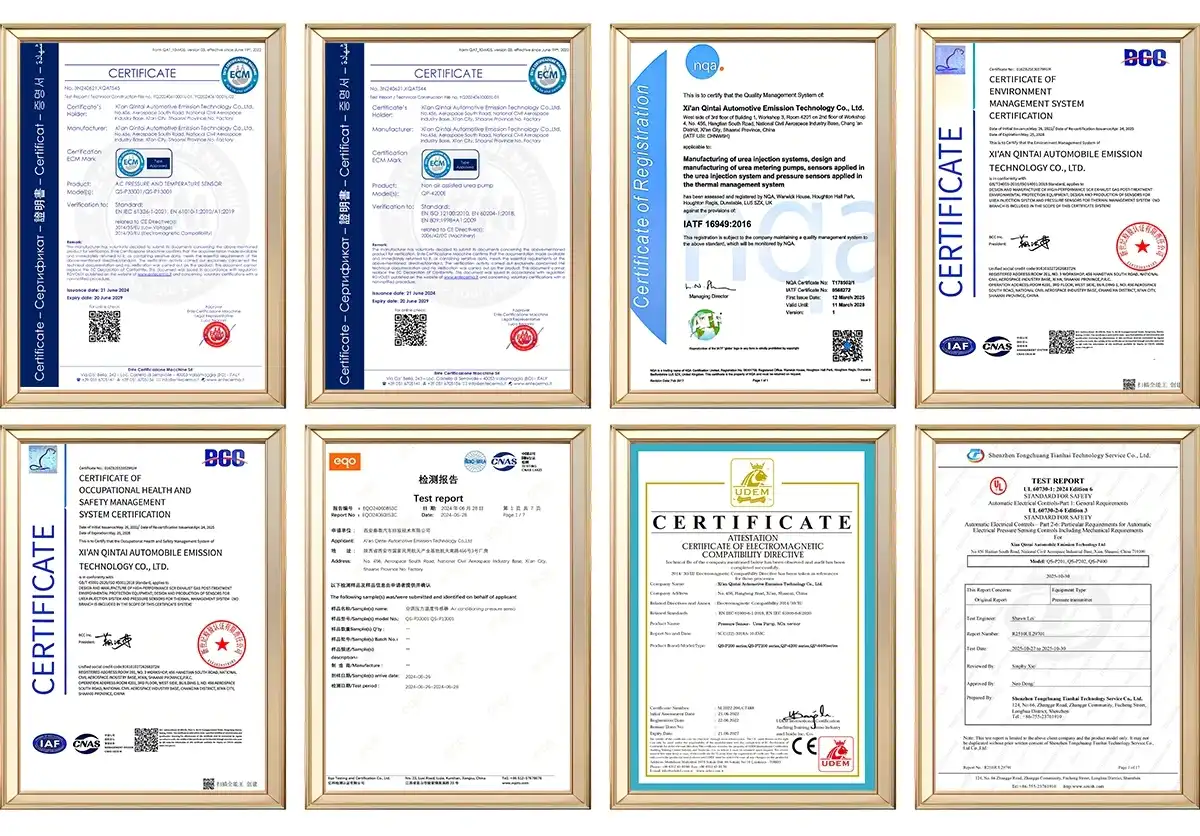
To make sure the SCR system works with the engine, the waste flow rates and temperatures must be checked. Regional pollution guidelines are different. For example, the US EPA rules from 2010 and 2024 set different NOx levels. Credibility of the supplier is very important. Working with manufacturers who have ISO9001, IATF16949, or other related certifications guarantees stable quality and the ability to track products. These factors help make sure that the technologies chosen meet both short-term operating needs and long-term goals for sustainability.
Selecting and Procuring the Best SCR System Components and Solutions
Evaluating Key Components
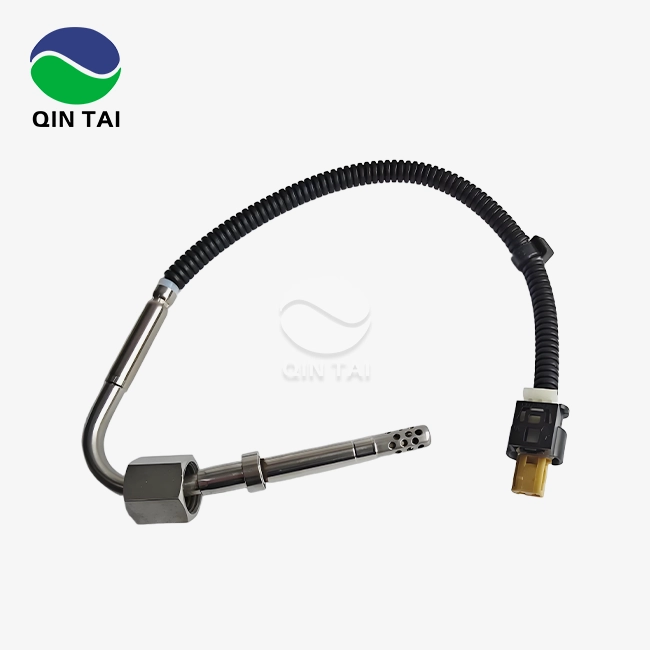
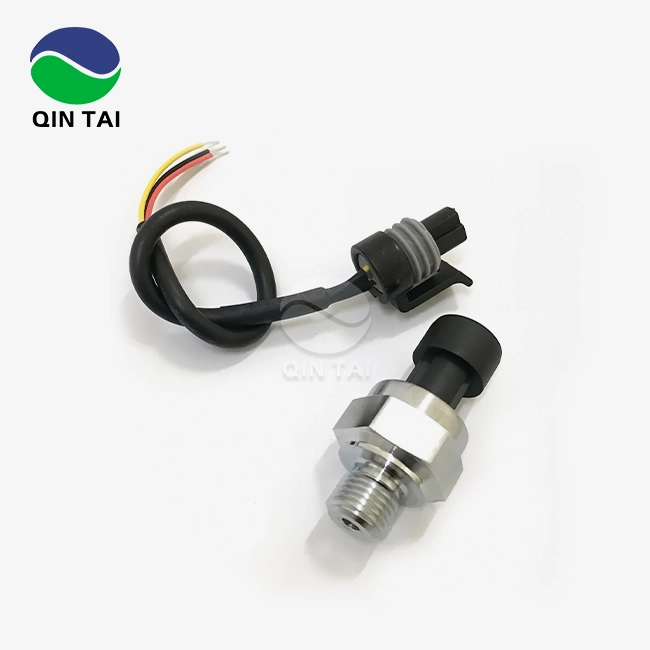
For SCR emission control systems to function, catalysts are essential. Vanadium-based catalysts operate across broad temperature ranges, while zeolite catalysts offer superior high-temperature durability. The urea dosing unit controls injection precision and must be ruggedly constructed to withstand thermal cycling and vibration. Reliable sensors—including NOx sensors, temperature probes, and diesel urea tank pressure sensors—provide accurate data to the ECU for SCR emission control optimization. Control modules serve as the system's intelligence, processing sensor inputs and executing injection strategies that determine SCR emission control efficiency and compliance with emissions regulations.
OEM Versus Aftermarket Options
OEM parts usually come with long warranties and are proven to work with other parts, but they cost more. When they have certifications that are the same as OEM standards, aftermarket providers can offer low prices without lowering quality. Technical specs, test results, and data from actual use should help procurement managers decide which aftermarket choices to choose. Testing by independent third-party laboratories verifies the performance claims in a fair way.
Building Reliable Supplier Partnerships
Certified placement makes sure that SCR systems work the way they're supposed to from the start. Over the lifetime of the system, ongoing maintenance help, such as access to spare parts and expert troubleshooting, saves your investment. Downtime and organizational risk can be cut down by working with providers who offer flexible customization, fast shipping, and quick after-sales service. Clear conversation about wait times, quality control methods, and warranty terms is the key to working together for a long time.
Best Practices for SCR System Maintenance and Troubleshooting
Essential Maintenance Protocols
Crystallization that stops spray patterns can be avoided by washing urea injectors on a regular basis. Regular checks of the urea fuel tank, which include checking the seals and monitor readings, keep the system working properly. Keeping AdBlue in clean, sealed packages and checking that it meets ISO 22241 standards with each refill are part of managing its quality. These easy steps stop most speed problems before they happen.
Addressing Common Malfunctions
Faulty injections are often caused by needles that are clogged or pump units that have stopped working. Catalyst wear shows up slowly as a drop in NOx conversion efficiency. When sensors fail, either because they are dirty or because of an electrical problem, they send wrong information to the ECU and set off danger lights. Systematic tests with scan tools that read fault codes and real data streams are needed to find the root cause. Changing only the broken part instead of whole units saves money and cuts down on car downtime.
Integrating Predictive Maintenance Technologies
Telematics systems receive real-time data from temperature sensors, pressure sensors, and control modules. This lets fleet-wide SCR function be monitored from afar. Predictive algorithms find problems before they get worse, which lets maintenance teams plan fixes for when they are supposed to happen. This proactive method increases working efficiency, extends the life of parts, and lowers the number of emergency breakdowns—all important things to think about when handling big fleets or critical power generation assets.
Conclusion
To make SCR systems work better, you need a complete plan that includes technical accuracy, high-quality parts, and regular upkeep. You can get better NOx reduction while keeping costs down by adjusting urea dosing correctly, choosing certified sources, and using predictive tracking. Procurement workers can make decisions that meet regulatory standards and operational goals when they know how catalysts, injectors, sensors, and the urea tank system work together. Investing smartly in high-quality SCR emission control parts protects your fleet from compliance risks and has real benefits for the environment.
FAQ
How often should I replace the SCR catalyst to maintain NOx control?
How often the catalyst needs to be replaced depends on how it is being used and the quality of the fuel. Every 400,000 to 500,000 miles, heavy-duty uses need to be replaced. Monitoring performance on a regular basis helps find cases of decreasing conversion efficiency before emissions get too high.
What are the warning signs of SCR system underperformance?
Higher NOx sensor values, higher AdBlue use without a matching drop in emissions, and a lot of warning lights all point to possible problems. Lower exhaust temperatures or white spots that can be seen around the urea injector are also signs of problems that need to be fixed right away.
Can I retrofit SCR technology on older diesel trucks?
Many diesel engines made before 2010 can be retrofitted, but the whole system has to be integrated, which includes installing the catalyst, putting the urea tank, setting the ECU, and integrating the sensors. Talking to expert providers is the best way to make sure that systems that have been modified meet current emission standards and work reliably.
Partner with Qintai for Reliable SCR Emission Control Solutions
Xi'an Qintai Automotive Emission Technology Co. Ltd. sells tried-and-true SCR emission control parts that are backed by more than 20 years of research and development and top-notch making. Weichai Power, Yuchai Power, and Quanchai Power all use our cutting-edge sensors, dosing systems, and urea tank solutions, which are approved to ISO9001, IATF16949, and other foreign standards. We are China's top OEM provider. Because they are separate, our engineering team can make any changes needed to fit your engine systems and operational needs. Our in-stock collection means that we can deliver quickly and make sure that everything works together smoothly, whether you need full SCR systems or precise pressure sensors for dosing control. Get in touch with our technical experts at info@qt-sensor.com to talk about custom SCR emission control provider agreements that meet strict US EPA rules and reduce the total cost of ownership.
References
1. Johnson, T. V. (2020). Review of Selective Catalytic Reduction (SCR) and Related Technologies for Mobile Applications. SAE International Journal of Engines, Vol. 13, Issue 4.
2. Environmental Protection Agency. (2021). Heavy-Duty Highway Compression-Ignition Engines and Urban Buses—Exhaust Emission Standards. EPA Office of Transportation and Air Quality.
3. Smith, H., & Chen, L. (2019). Optimizing Urea Dosing Strategies for Improved NOx Conversion in SCR Systems. International Journal of Automotive Technology, Vol. 20, No. 3.
4. Ballinger, T., et al. (2018). Advances in SCR Catalyst Technology: Performance and Durability Improvements. Catalysis Today, Vol. 320.
5. Manufacturers of Emission Controls Association. (2022). Best Practices for Diesel Emission Control System Maintenance and Troubleshooting. MECA Technical Report Series.
6. Zhang, R., & Kumar, A. (2021). Comparative Analysis of NOx Reduction Technologies in Heavy-Duty Diesel Engines: SCR, EGR, and Integrated Systems. Journal of Cleaner Production, Vol. 289.

 Sensors.webp)

Our customers’ satisfaction speaks for our quality — contact us to experience the same reliable service.