- English
- French
- German
- Portuguese
- Spanish
- Russian
- Japanese
- Korean
- Arabic
- Greek
- German
- Turkish
- Italian
- Danish
- Romanian
- Indonesian
- Czech
- Afrikaans
- Swedish
- Polish
- Basque
- Catalan
- Esperanto
- Hindi
- Lao
- Albanian
- Amharic
- Armenian
- Azerbaijani
- Belarusian
- Bengali
- Bosnian
- Bulgarian
- Cebuano
- Chichewa
- Corsican
- Croatian
- Dutch
- Estonian
- Filipino
- Finnish
- Frisian
- Galician
- Georgian
- Gujarati
- Haitian
- Hausa
- Hawaiian
- Hebrew
- Hmong
- Hungarian
- Icelandic
- Igbo
- Javanese
- Kannada
- Kazakh
- Khmer
- Kurdish
- Kyrgyz
- Latin
- Latvian
- Lithuanian
- Luxembou..
- Macedonian
- Malagasy
- Malay
- Malayalam
- Maltese
- Maori
- Marathi
- Mongolian
- Burmese
- Nepali
- Norwegian
- Pashto
- Persian
- Punjabi
- Serbian
- Sesotho
- Sinhala
- Slovak
- Slovenian
- Somali
- Samoan
- Scots Gaelic
- Shona
- Sindhi
- Sundanese
- Swahili
- Tajik
- Tamil
- Telugu
- Thai
- Ukrainian
- Urdu
- Uzbek
- Vietnamese
- Welsh
- Xhosa
- Yiddish
- Yoruba
- Zulu
How Modern SCR Systems Achieve Higher NOx Conversion Rates
Modern diesel SCR systems convert NOx at much higher rates thanks to better catalyst mixtures, precise urea dose technologies, and smart sensor integration. By managing temperature and chemical reaction dynamics in the best way possible, these systems turn over 95% of dangerous nitrogen oxides into safe nitrogen and water vapor. Today's diesel SCR systems are much better at meeting strict EPA 2010 and Euro VI emission standards than older models because they use high-precision sensors and complex electronic control units to make sure uniform performance under different loads.
Understanding the Fundamentals of Diesel SCR Systems
The selective catalytic reduction method is a major step forward in the technology used to control emissions. This method is based on a chemical process that changes NOx into harmless substances before it leaves the exhaust pipe.
The Chemical Process Behind NOx Reduction
When diesel engines are running, the high temperatures during burning make nitrogen fumes, which pollute the environment. As the reduction agent, the SCR catalyst uses a fluid based on urea, which is often called AdBlue or DEF (Diesel Exhaust Fluid). According to ISO 22241 guidelines, this solution is made up of 32.5% urea and 67.5% deionized water. When the urea is added to the hot exhaust stream, it breaks down into ammonia, which mixes with NOx molecules on the surface of the catalyst. Nitrogen gas and water mist are the byproducts, which are both naturally found in the air.
Critical Components That Drive Performance
How well an SCR system works is determined by a number of linked factors. The catalyst base usually has valuable metals in it, like vanadium or zeolite, that make the chemical change easier. The dosing tool precisely controls the release of urea by milliseconds, taking into account the current state of the exhaust. Sensors constantly check the temperature, NOx levels, and ammonia slip to make sure the conversion process works as efficiently as possible. The diesel urea tank has sensors that check the amount, keep an eye on the temperature to keep it from freezing, and make sure the AdBlue solution stays in good quality. Each part must work reliably because a problem in one area hurts the performance of the whole system.
Temperature Management Requirements
In a diesel SCR system, maintaining exhaust temperatures within specific bands is critical for conversion efficiency. Most modern catalysts in a diesel SCR system operate optimally between 250°C and 450°C. Below this range, chemical reaction rates decrease significantly. Above it, ammonia oxidation accelerates while NOx reduction efficiency declines. Engineers design exhaust routing and thermal insulation strategies for the diesel SCR system to retain heat, particularly during idle or low-load operation when exhaust temperatures naturally drop and the diesel SCR system would otherwise fall below its effective operating window.
Challenges in NOx Reduction and How Modern SCR Systems Overcome Them
There are some problems with traditional ways of controlling emissions that can be fixed with newer tools and creative engineering methods.
Comparing SCR With Alternative Technologies
Exhaust Gas Recirculation (EGR) devices lower the temperature of burning to stop NOx from forming. However, they often make more particles and use more fuel. Diesel Particulate Filters (DPF) are great at removing soot, but they need to be regenerated on a regular basis, which uses fuel. SCR technology reduces NOx better than other methods without having a big effect on fuel economy. Studies from major automakers show that when SCR systems are set up correctly, they cut NOx emissions by 90–98% while keeping the engine's performance traits that fleet owners value.
Overcoming First-Generation Limitations
In the beginning, SCR systems had problems with uneven urea spread, catalyst deactivation, and sensor drift. Modern systems use air-assisted pumping tubes to break up AdBlue into smaller drops. This makes sure that the exhaust is completely mixed before it gets to the catalyst. New types of catalysts don't get sulfur poisoned or aged by heat, so they can last longer than 400,000 miles in heavy-duty uses. Smart algorithms can tell when sensors are losing their accuracy early on, so they can be calibrated before the accuracy drops enough to break emissions rules.
Real-World Validation Data
Cummins said that their newest model of SCRs converts 97% of NOx over 95% of normal duty cycles. Bosch reported similar results from field tests in Europe, where systems stayed compliant for guarantee periods longer than 500,000 kilometers. Tighter manufacturing standards, better quality control during catalyst production, and better software programs that change dosing methods based on driving patterns are what made these improvements possible. Manufacturers of heavy equipment that use these modern systems always meet China VI and EPA emission standards without having to pay extra for fuel economy.
Optimizing SCR System Performance for Long-Term Efficiency
To keep emission control working well, you need to pay attention to practical details that affect the health of the system over long repair intervals.
Essential Maintenance Procedures
For a diesel SCR system, regular urea quality verification prevents crystallization and deposits that block flow or damage injection nozzles. The urea tank assembly includes filters requiring replacement per manufacturer intervals—typically every 50,000 miles for on-highway vehicles. Catalysts undergo physical damage or contamination inspection during regular service intervals to ensure conversion efficiency remains above legal limits. Sensor calibration verification ensures accurate data reaches the engine control module, preventing over-dosing or under-dosing of DEF that wastes fluid or breaches emissions regulations.
Troubleshooting Common Issues
The SCR system stops working when the urea fuel tank is empty. This sets off limp mode routines that lower engine power to avoid pollution violations. Dashboard alerts tell users they need to refuel with AdBlue before derate situations happen. Most of the time, incorrect dosing is caused by jammed syringes, air in the supply lines, or broken pumps. Technicians who know how to do SCR diagnostics can use internal diagnostic codes and thorough component testing to find the source of a problem. Taking care of problems quickly keeps expensive catalysts from getting damaged again.
Preventive Strategies That Extend Service Life
Setting strict DEF replenishment plans helps fleet managers avoid the problems that come with tanks running out of fuel. Failures due to poor quality that void contracts can be avoided by using approved ISO 22241 AdBlue. Keeping DEF in the right place, out of direct sunlight and high temperatures, keeps the solution stable. Finding new sensors and dose parts from trustworthy sellers makes sure that they will work with the original equipment and be reliable. These steps protect the big investment that aftertreatment systems are and cut down on unplanned downtime.
Comparative Analysis of Modern SCR Systems and Alternative Emission Control Technologies
When making decisions about what to buy, it helps to know how different ways of controlling emissions stack up in terms of important performance factors.
Performance and Cost Considerations
SCR technology reduces NOx emissions very well for a modest starting cost, but it adds to operational costs by using more DEF. EGR systems don't need any consumables, but they can hurt fuel economy by up to 6%, based on the type of engine. DPF systems are good at getting rid of particulate matter, but they need to be regenerated on a regular basis, which uses fuel. Integrated systems that use both DPF and SCR can handle both NOx and particulates. This is the setup that most makers use to meet Euro 6 and EPA standards. When emissions compliance, fuel consumption, and maintenance costs are all given similar weight, total cost study over a normal vehicle's lifecycle always favors platforms with SCR.
Regulatory Compliance Factors
To meet EPA 2010 guidelines, NOx levels must be reduced significantly, and only diesel SCR system technology achieves this without excessive fuel efficiency penalties. Euro VI regulations impose even stricter requirements, demanding conversion efficiencies above 95% across a wide operational range. China VI standards mirror Euro VI requirements, pushing domestic manufacturers toward proven diesel SCR system solutions. Companies like Xi'an Qintai Automotive Emission Technology Co., Ltd. support OEM partners by supplying certified components that meet these stringent requirements while maintaining the consistency necessary for high-volume production.
OEM Versus Aftermarket System Selection
Original equipment makers design SCR systems to work best with certain types of engines by making sure that the calibration and coupling are perfect. While aftermarket options may be cheaper, they may not be as accurate when it comes to dosing control or sensors. There are big differences in the types of warranties that are offered. OEM systems usually come with full support through approved service networks, but support for aftermarket goods varies a lot. When purchasing managers look at potential sellers, they should check to see if they have the right certifications, if they can handle large orders, and if they have quick technical help when problems arise with integration.

How to Select and Procure the Best SCR System for Your Business Needs?
Strategic sourcing means combining a lot of different factors that affect both the success of the implementation right away and the happiness in the long run.
Defining Your Procurement Criteria
First, make sure you know what pollution standards your equipment needs to meet, such as EPA, Euro VI, China VI, or other area standards. Check the necessary production numbers to make sure that providers have the right manufacturing capacity and inventory management skills. Check to see if there is professional help available, especially for troubleshooting during the integration process or when there is a need for field service. Think about the total cost of ownership, which goes beyond the initial purchase price. This includes how much DEF is used, how often it needs to be maintained, and how long parts are expected to last. Compatibility with current engine control systems and diagnostic infrastructure affects how hard it is to install and how easy it is to service in the future.
Evaluating Global Solution Providers
There are well-known sellers in the SCR market with decades of experience in development and wide range of products. Bosch has a large partner network in both Europe and North America that lets them sell systems for both light-duty and heavy-duty uses. Cummins builds SCR technology right into their engines, so they can work with new tools without any problems. Denso specializes in small systems that can be installed in places with limited room. Delphi Technologies specializes in high-tech monitor and control systems that improve the accuracy of doses. Faurecia offers a fully integrated exhaust system that includes heat control. Regional providers like Qintai offer specialized parts that can be customized and are priced competitively, which makes them appealing to buyers who want to save money.
Implementation and Support Considerations
For SCR operation to go smoothly, it's not enough to just choose the right parts; installation procedures, training, and service after the sale are also important. Startup problems are less likely to happen if the supplier provides full installation instructions. Maintenance workers get training to make sure they know how to fix problems and figure out what's wrong. The warranty terms should make it clear how long the service lasts, how often it should fail, and how to get a new one. When you buy in bulk, you can often get better prices and make sure that parts are always available for production or service. Customization services let you change the control settings, mounting arrangements, or sensor inputs to fit the needs of a specific application.
Conclusion
In conclusion, modern diesel SCR system technology achieves remarkable NOx conversion rates through advanced catalyst formulations, precise dosing strategies, and adaptive control algorithms that respond to real-world operating conditions. Compliance with increasingly stringent emissions standards can only be maintained by understanding the underlying science of the diesel SCR system, recognizing application-specific challenges, and committing to systematic maintenance. When making procurement decisions for a diesel SCR system, stakeholders should weigh performance capabilities against total ownership costs while also verifying supplier credentials and support infrastructure.
As technology keeps getting better, things like more accurate sensors, longer-lasting catalysts, and better system interaction make it possible for environmental performance to get better. Companies that buy tried-and-true SCR solutions from reputable companies set themselves up to meet current rules and get ready for future ones.
FAQ
What is the purpose of a urea fuel tank in diesel engines?
AdBlue solution is kept in the fuel urea tank. It is used in SCR systems to lower nitrogen oxide pollution. AdBlue is added to exhaust gases, where it helps turn toxic NOx into nitrogen and water. This makes it possible to meet environmental standards like Euro 6 and EPA 2010.
What happens if the urea fuel tank runs empty?
When the urea tank runs out, the SCR system stops working properly. This usually puts the engine into "limp mode," which lowers power to avoid pollution violations. Warning lights on the dashboard tell workers to add more AdBlue before derate conditions happen.
How does the urea fuel tank communicate with the SCR system?
Several sensors connect the SCR tank system to the dose controls. A level sensor checks the amount of AdBlue, a temperature sensor keeps the solution from freezing in cold weather, and a quality sensor makes sure the solution concentration stays within the limits set by ISO 22241. With these inputs, the control module can carefully control the dosage rates.
What is the recommended AdBlue solution for the urea fuel tank?
The mix that was given has 67.5% deionized water and 32.5% urea. To keep your guarantee valid and keep your system from getting damaged, you must use AdBlue that is ISO 22241 approved.
What is the typical capacity of a urea fuel tank?
Tanks on commercial vehicles and heavy-duty trucks usually hold between 10 and 50 liters of AdBlue. The tank's volume depends on the type of vehicle and how much AdBlue is expected to be used between service times.
Partner With Qintai for Reliable Diesel SCR System Solutions
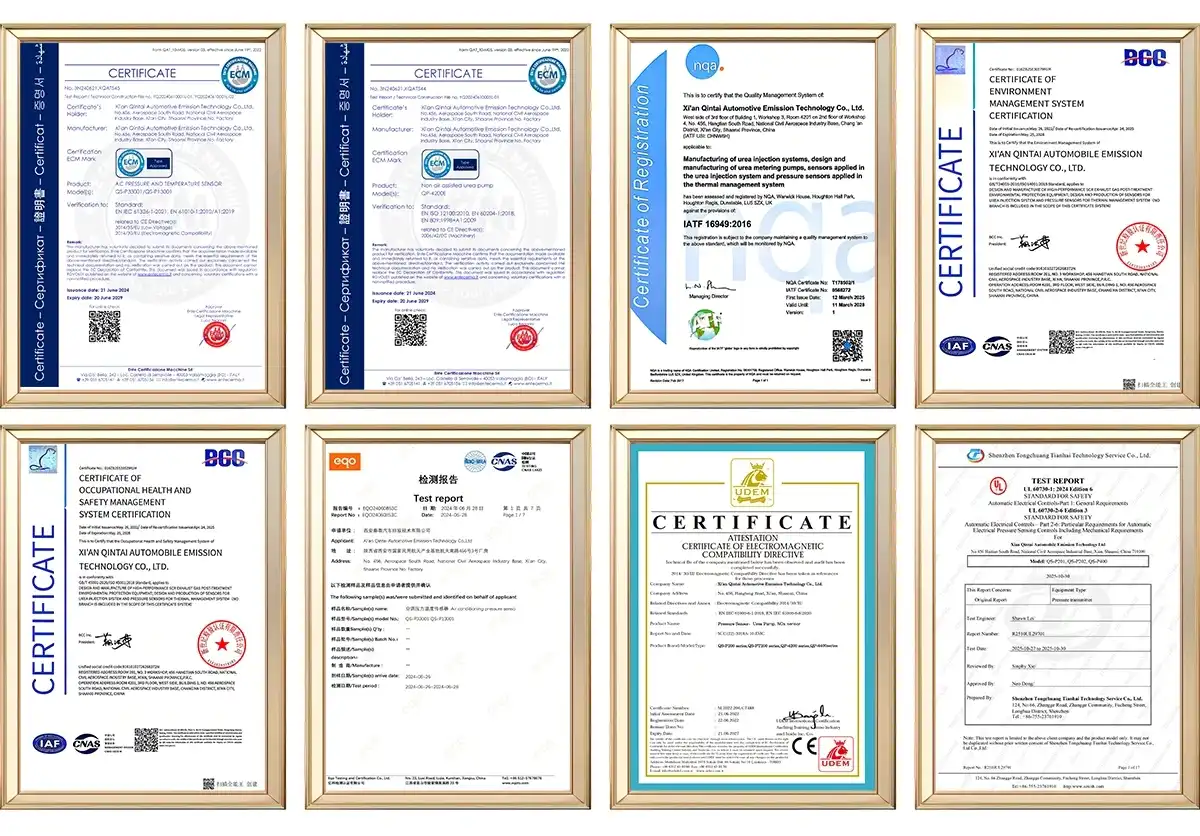
If procurement managers are looking for a reliable diesel SCR system maker, Qintai is the only one that can offer both technical excellence and business dependability. Our company has been a national high-tech leader since 2001, specializing in complete SCR aftertreatment solutions. We have 58 idea patents, ISO9001, and IATF16949 certifications to back up our dedication to innovation.
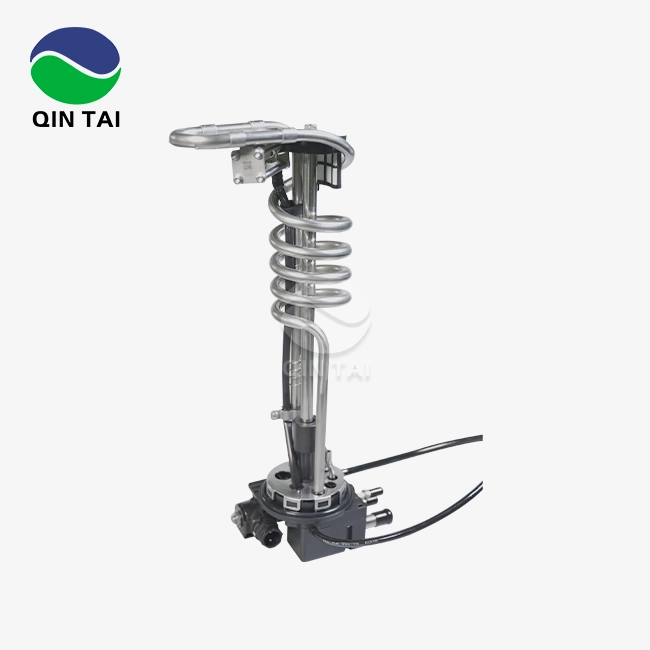
Our independent research and development team is always improving the performance of our products while keeping costs low, which is important for large-scale production projects. We are the top OEM provider to Weichai Power, Yuchai Power, and Quanchai Power, and we have the biggest share of the Chinese market. We can bring our proven production skills to foreign companies. We offer flexible OEM and ODM services from the first planning phase through mass production, with choices for customization to meet the needs of each application. Our urea tank systems have high-tech sensors that check the quality, control the temperature, and keep an eye on the amount. This makes sure that the DEF gets delivered reliably in harsh conditions. Get in touch with our technical team at info@qt-sensor.com to talk about how our diesel SCR system options can help you meet your emission compliance goals while also staying within your budget and delivery dates.
References
1. Johnson, Timothy. "Diesel Emission Control in Review." SAE International Journal of Engines, vol. 9, no. 2, 2016, pp. 1258-1295.
2. Koebel, Markus, et al. "Urea-SCR: A Promising Technique to Reduce NOx Emissions from Automotive Diesel Engines." Catalysis Today, vol. 59, no. 3-4, 2000, pp. 335-345.
3. Majewski, W. Addy, and Magdi K. Khair. "Diesel Emissions and Their Control." SAE International, 2006.
4. Nova, Isabella, and Enrico Tronconi. "Urea-SCR Technology for deNOx After Treatment of Diesel Exhausts." Springer, 2014.
5. Sluder, C. Scott, et al. "Low Temperature Urea Decomposition and SCR Performance." SAE Technical Paper Series, 2005.
6. Worldbank Group. "Emission Standards for Heavy-Duty Diesel Vehicles: Global Comparison and Best Practices." International Finance Corporation, 2018.
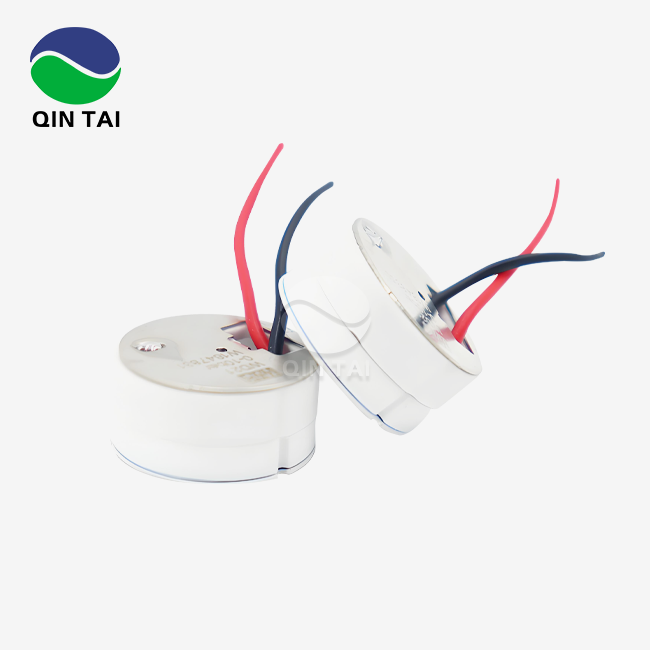
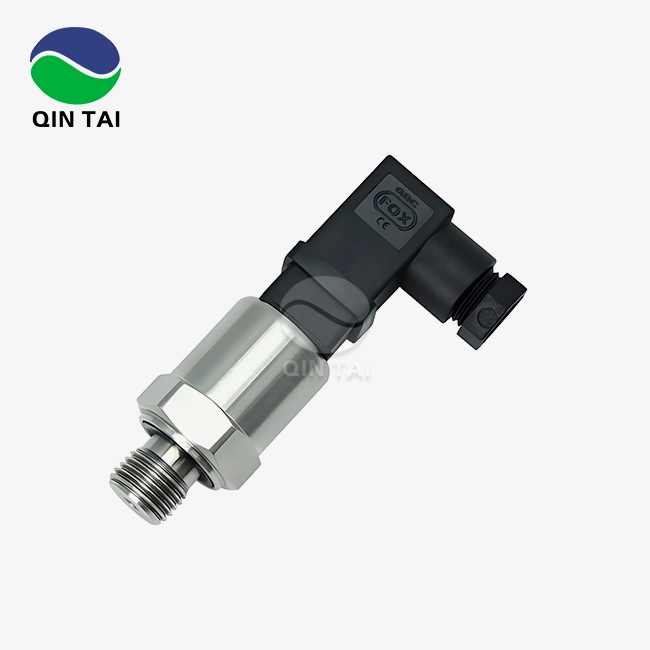
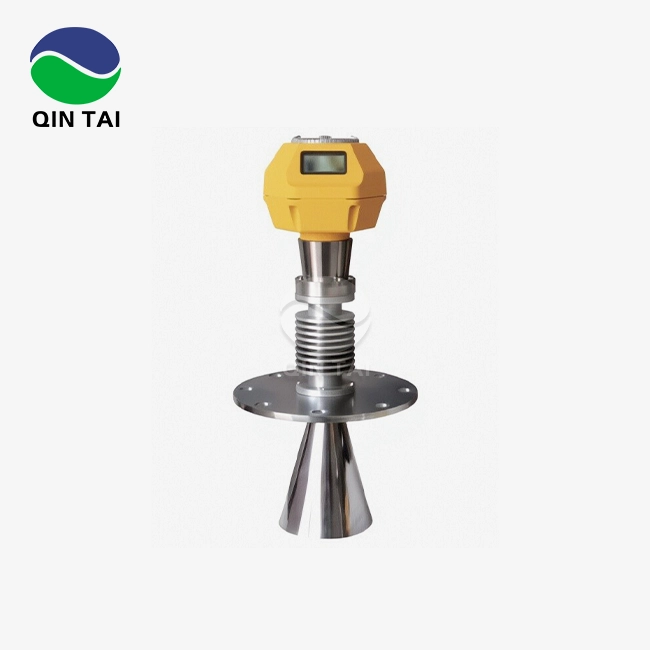

Our customers’ satisfaction speaks for our quality — contact us to experience the same reliable service.