- English
- French
- German
- Portuguese
- Spanish
- Russian
- Japanese
- Korean
- Arabic
- Greek
- German
- Turkish
- Italian
- Danish
- Romanian
- Indonesian
- Czech
- Afrikaans
- Swedish
- Polish
- Basque
- Catalan
- Esperanto
- Hindi
- Lao
- Albanian
- Amharic
- Armenian
- Azerbaijani
- Belarusian
- Bengali
- Bosnian
- Bulgarian
- Cebuano
- Chichewa
- Corsican
- Croatian
- Dutch
- Estonian
- Filipino
- Finnish
- Frisian
- Galician
- Georgian
- Gujarati
- Haitian
- Hausa
- Hawaiian
- Hebrew
- Hmong
- Hungarian
- Icelandic
- Igbo
- Javanese
- Kannada
- Kazakh
- Khmer
- Kurdish
- Kyrgyz
- Latin
- Latvian
- Lithuanian
- Luxembou..
- Macedonian
- Malagasy
- Malay
- Malayalam
- Maltese
- Maori
- Marathi
- Mongolian
- Burmese
- Nepali
- Norwegian
- Pashto
- Persian
- Punjabi
- Serbian
- Sesotho
- Sinhala
- Slovak
- Slovenian
- Somali
- Samoan
- Scots Gaelic
- Shona
- Sindhi
- Sundanese
- Swahili
- Tajik
- Tamil
- Telugu
- Thai
- Ukrainian
- Urdu
- Uzbek
- Vietnamese
- Welsh
- Xhosa
- Yiddish
- Yoruba
- Zulu
Best Urea Pressure Sensor for Harsh Automotive Environments
When looking for the best urea pressure sensor for tough car uses, procurement managers and engineers should put an emphasis on devices that are made to withstand harsh conditions. Every day, sensors in SCR systems have to deal with urea solutions that are acidic, physical stress, changes in temperature, and water getting in. This is the best sensor because it can measure pressure accurately and is built to last for thousands of hours of use without losing its tuning accuracy. For OEMs, aftermarket providers, and system developers working with heavy-duty diesel applications, the best devices are those that meet strict emission standards and provide reliable closed-loop input to engine control units.
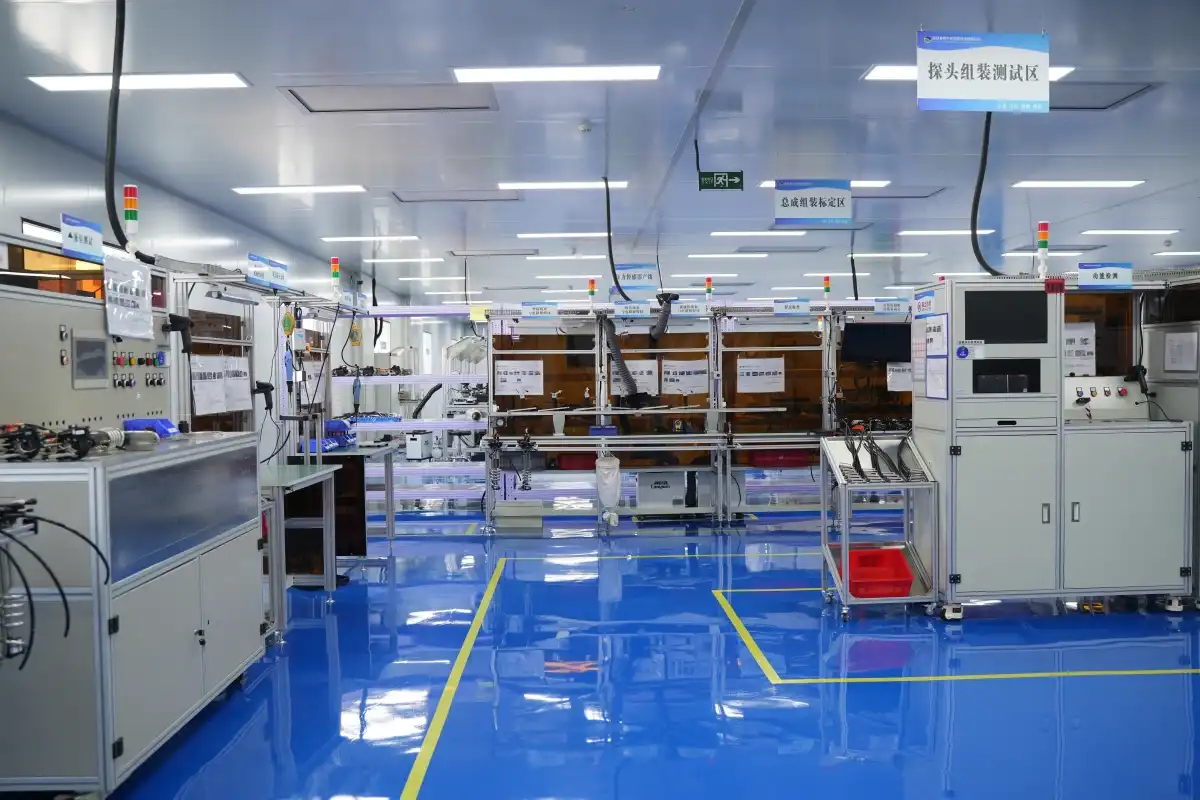
Understanding Urea Pressure Sensors and Their Role in Automotive SCR Systems
Modern diesel engines need Selective Catalytic Reduction (SCR) technology to meet the pollution standards set by the EPA and Euro VI. The urea pressure sensor is the most important part of this device. It checks the AdBlue or DEF fluid conditions during the dosing cycle.
How Pressure Sensors Enable Accurate Emissions Control?
These sensors take readings of the hydraulic pressure and turn them into electrical signs that the Dosing Control Unit can understand. They make exact volumetric injection of urea into the exhaust stream possible by giving constant feedback. This closed-loop control makes NOx reduction work better while avoiding either too much dosing, which loses fluid, or too little dosing, which leads to compliance problems. The measurement range usually includes vacuum conditions during system priming all the way up to maximum dosing pressures, covering the whole operating area from cold starts to full loads.
Critical Functions Beyond Basic Measurement
Beyond simple pressure monitoring, these urea pressure sensors also help with diagnosis and protect expensive SCR parts. Pressure drops mean there might be leaks or air getting in, while overpressure means the AdBlue is frozen or the valve isn't working right. Trending pressure data helps find problems with a pump's performance before they break down completely. When an injector blockage happens, it causes odd pressure patterns that call for help right away. This diagnostic feature cuts down on unexpected downtime and increases the service life of parts in business trucks.
Environmental Challenges in Automotive Applications
Commercial cars are used in a wide range of conditions, from mine sites that get very hot to northern areas where it gets below zero in the winter. Vibrations and shock loads happen all the time in construction equipment. Agricultural tools can get dirty from dust and water. Generator sets need to be able to run nonstop for years without being able to be serviced. For each use, sensors must be designed to withstand certain environmental stresses while still keeping the level of accuracy needed to meet legal requirements.
Comparing Urea Pressure Sensors: Criteria for Selecting the Best Sensor for Harsh Conditions
It's important to think about a lot of technical and business factors that affect long-term performance and the total cost of ownership when choosing the right urea pressure sensor.
Measurement Accuracy and Range Requirements
Precision has a direct effect on how well pollution controls work and how well components are protected. High-quality sensors are accurate to within ±0.5% across their entire working range. This means that results can be trusted in all dosage situations. The measurement range needs to be able to handle negative pressures during priming processes and system pressures that are higher than 130 psi at their highest point. If sensors don't have enough range, they send out false trouble codes. By matching sensor specs to real system needs, you can avoid both over-engineering, which raises costs, and under-specification, which leads to problems with how the system works.
Material Selection and Chemical Compatibility
Urea solutions make conditions that are acidic, which breaks down cheap materials over time. Wet parts need to be made of stainless steel or a special metal that can't be damaged by chemicals. When AdBlue dissolves around fitting surfaces, it causes crystallization that sealing elements must be able to handle. Smooth shape reduces dead volumes where fluid sits still and crystallizes, which is good for internal flow lines. Gold-plated electrical connections stop the corrosion that leads to signal drift, which shows up as P204B trouble codes. The choice of material is what makes the difference between devices that last 15,000 hours and those that break down early.
Analog versus Digital Output Considerations
Analog sensors that send out 0.5–4.5 VDC ratiometric signals are easy to use and work with a lot of different ECUs. They show the pressure all the time without having to deal with complicated communication methods. Digital sensors that use the SENT or CAN standards can better block noise and do diagnostics, but they need control units that are suitable. Digital connections are better for settings with a lot of vibration or systems that need advanced diagnostics, while analog outputs are fine for most business uses. Figuring out what the control unit needs helps you choose the right signal format when you're buying it.
Brand Comparison and Supplier Evaluation
Well-known names like Bosch and Continental charge more because they are more reliable and have been validated by OEMs for a long time. Tier-one providers like Denso and Delphi find a good mix between performance and low prices. When properly checked, new makers whose products are IATF 16949 certified can be good options. Warranty coverage that lasts between 12 and 24 months shows that the maker trusts the product and covers the money spent on it. When evaluating providers, you need to look at their certifications, their ability to handle large orders, and how quickly they can respond to technical help requests.
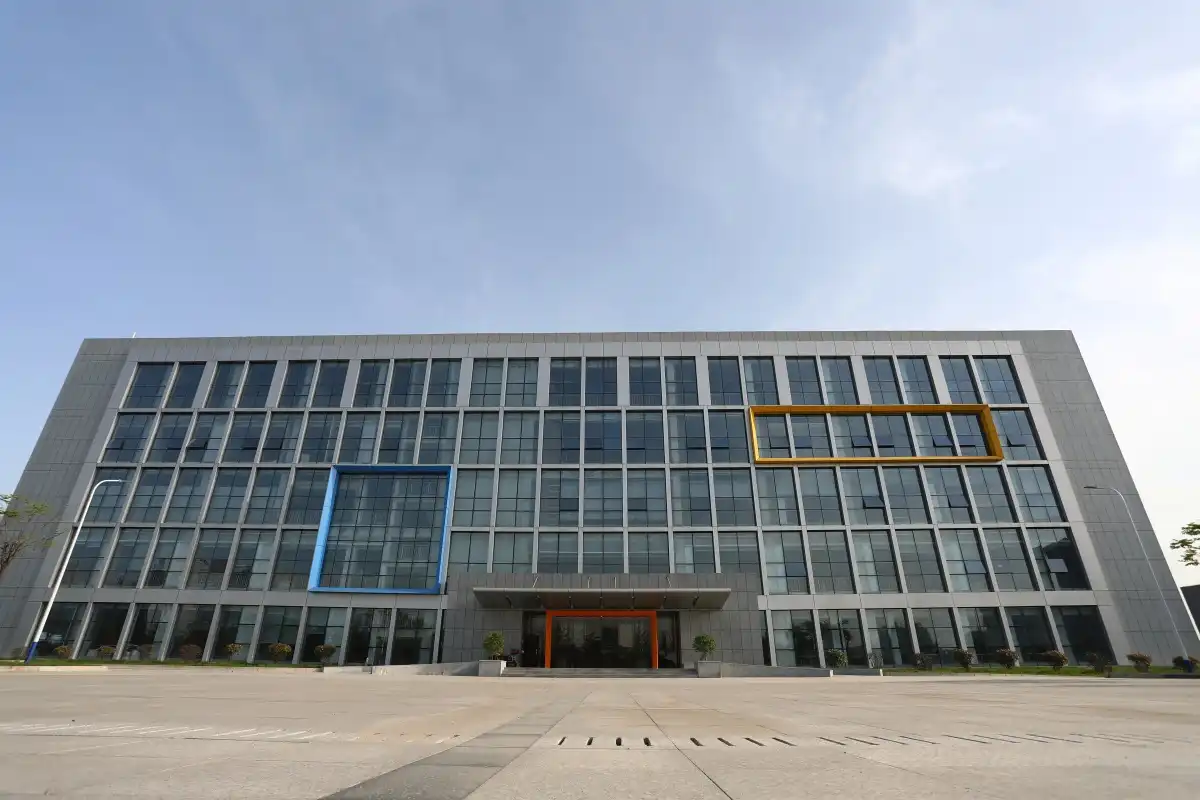
Installation, Calibration, and Maintenance for Optimal Sensor Performance
Whether sensors last as long as they're supposed to or break down early because of bad fitting depends on how they were put together.
Installation Best Practices for Harsh Environments
Where you mount the sensor affects how long it lasts and how accurately it measures. Putting sensors away from sources of extreme heat stops thermal stress while keeping pressure data accurate. When you route wire cables with the right strain relief, vibrations don't damage the connectors. To keep setups clean and free of leaks, thread protectors must be able to work with urea. When it comes to sensors with internal fluid lines, orientation is important. If they are mounted incorrectly, air pockets can form that lead to inaccurate readings. Following the manufacturer's instructions during installation prevents 70% of problems in the field.
Calibration Procedures and Validation
Factory testing is usually enough to make sure sensors last a long time, but validation makes sure the system works right. Pressure simulators make sure that the output of the sensor fits the predicted voltage over the whole measurement range. By comparing results from new and reference sensors, drift can be found before it affects the performance of the emissions system. Degradation is caught early with annual proof during planned maintenance. Knowing the standard working pressures for a given application helps technicians figure out when readings are off, which usually means there are problems further up the line and not with the sensor.
Recognizing Early Warning Signs
Intermittent signal loss is a sign that a connection is corroded and needs to be cleaned or replaced. Readings that stay at the lowest or highest levels mean that an internal monitor is broken. Gradual drift over months could mean that the diaphragm is breaking down or that contaminants are building up. Sudden pressure jumps that have nothing to do with dosing orders are a sign of electrical noise that needs better shielding. Using internal diagnostics to keep track of how well sensors are working lets predictive maintenance swap sensors before they stop working and shut down the system or fail emission tests.
Qintai QS-P226: Engineered for Demanding SCR Applications
Our QS-P226 model is the result of twenty years of experience in emission control being used to solve real-world operational problems that business diesel uses face. This urea pressure sensor picks up on small changes in pressure that mean problems are starting to form before they happen.
Technical Specifications Designed for Reliability
The QS-P226 works with a standard 5V supply power that works with the electrical circuits in most vehicles. Its analog output sends ratiometric signals between 0.5 and 4.5 VDC that work perfectly with engine control units made by well-known companies. Maintaining an accuracy of ±0.5% across the full pressure range allows for exact dosing control that maximizes NOx reduction while minimizing AdBlue use. This precise amount meets the strict emission standards for Euro VI and EPA Tier 4 Final uses. During production, every unit is tested to make sure it works before it is shipped.
Performance Benefits in Real Operating Conditions
The Dosing Control Unit can change the timing and amount of injections in real time thanks to closed-loop input from continuous pressure tracking. This sensitive control accounts for changes in fluid temperature, pump wear, and injector properties. The sensor helps find system leaks that lower pressure, blocks that cause too much pressure, worn-out pumps that lower flow rates, and injector problems that change spray patterns. These troubleshooting tools keep expensive SCR parts safe while still meeting emission standards. Chemical resistance built into sensor materials lets them handle urea rust and crystals, maintaining accuracy even when AdBlue is contaminated.
Procurement Guide: How to Source High-Quality Urea Pressure Sensors for Your Needs?
Strategic sourcing strikes a balance between technical needs and business factors that have an impact on the success of a project and the long-term dependability of the urea pressure sensor supply chain.
OEM versus Aftermarket Component Decisions
OEM sensors promise compatibility and performance that has been proven by a lot of testing on vehicles. They come with technical paperwork to help with troubleshooting and come with maker guarantees that cover premature failures. Aftermarket choices can save you 20 to 40 percent on costs, but you need to be very careful to make sure they are of good quality. Reputable aftermarket companies with IATF 16949 approval show that their quality systems are getting closer to OEM levels of development. Before making large purchases, you need to read test results, look over guarantee terms, and make sure that the products work with certain car platforms.
Volume Procurement Strategies
Fleet managers and system developers can use economies of scale to their advantage when they buy in bulk, especially for urea pressure sensor components. Dealing directly with manufacturers cuts out markups for distributors and makes sure that products are distributed when supplies are low. Setting up blanket purchase orders with planned releases strikes a mix between the costs of keeping inventory and the benefits of buying in bulk. Different manufacturers have different minimum order amounts for urea pressure sensor products. Knowing these levels helps buyers plan their purchases so they get the best prices without having to keep too much inventory on hand.
Supplier Qualification and Risk Management
Doing research on possible suppliers saves procurement investments and work plans. Looking at ISO 9001 and IATF 16949 standards proves that the quality management system is mature. Suppliers can grow without lowering quality by looking at how much they can produce compared to how many orders they get. Looking at where things are located helps you figure out how reliable lead times are and how much transportation cost. Asking for customer references can give you information about how quickly technical help responds and how insurance claims are handled.
Custom Development for Specialized Applications
Standard sensors can handle 80% of uses, but joint engineering can help with special needs. Custom pressure ranges make resolution work best for certain dose methods. Connectors that have been changed work with custom wire setups. Mounting configurations can be changed to fit setups with limited room. Specific control units work with outgoing signals that are tailored to them. Manufacturers that offer OEM/ODM services bring application engineering skills that speed up development and keep redesigns from being too expensive.
Future Trends and Innovations in Urea Pressure Sensor Technology
As technology progresses, sensors' abilities keep getting better, and new industry needs for sustainability and business efficiency are being met.
Advanced Materials and Protective Technologies
Next-generation coats are better at stopping crystallization than current materials, which means they don't need to be maintained as often. Nanostructured surfaces make it harder for contaminants to stick to them, which stops measurement shift. Better sealing materials can handle a wider range of temperatures, so they can be used in the Arctic and the desert. The goal of these material improvements is to get a 25,000-hour service life, which is the same as the time between big engine overhauls.
Smart Diagnostics and Predictive Maintenance
Sensors with built-in intelligence look at patterns of pressure to see when parts will fail before they do. Machine learning systems that have been taught over millions of hours of use can spot small signs that problems are starting to happen. Wireless connection lets you check on the health of your fleet of sensors from afar, so you can replace them during regular maintenance instead of having to fix them on the side of the road. In business operations, these features cut down on unplanned downtime costs that are many times higher than the cost of sensors.
Regulatory Drivers and Sustainability Initiatives
As emission rules get stricter around the world, dose controls need to be tighter, which means urea pressure sensors need to be more accurate. California's Low NOx guidelines and the European Commission's plans for requirements after Euro VI are both at the cutting edge of technology. At the same time, makers are working on sensors that use less material and can be recycled better because of pressure to leave less of an impact on the earth. Next-generation product development in the emission control supply chain is shaped by finding a balance between performance needs and environmental goals.
Conclusion
Finding the best urea pressure sensor for harsh automotive settings means combining technical requirements, the sensor's ability to handle the environment, and cost. Devices that are accurate to within ±0.5% over a wide range of pressures allow for exact pollution control that meets strict regulatory needs. Long-term dependability in tough industrial settings depends on chemical resistance, temperature stability, and resistance to vibration. When you do strategic buying, you look at OEM vs. aftermarket choices, build relationships with suppliers that can meet your volume needs, and think about custom solutions for unique situations.
FAQ
How often should pressure sensors be calibrated in commercial diesel applications?
Factory calibration usually keeps the sensor working for a long time, but confirmation once a year during routine maintenance makes sure it stays accurate. Six-month validation times are good for systems that work in hard conditions or show emission test results that are close to the limits for compliance. When pressure models compare sensor output to known standard pressures, they find drift that means the sensor needs to be replaced before it stops emitting.
What differences matter when choosing between analog and digital pressure sensors?
Analog sensors that send out signals between 0.5 and 4.5 VDC are easy to use and work with a wide range of ECUs, making them perfect for most commercial uses. Digital sensors that use the SENT or CAN standards can better block noise in places with a lot of vibration and allow for more advanced analysis. The choice depends on how well the control unit works with the system and whether the extra complexity of digital technology is needed for the job.
How can fleet operators identify failing sensors before emission compliance issues develop?
Checking the internal sensors for random pressure readings shows that there are problems with the connectors that need to be fixed. Tracking how much AdBlue is used helps find dose errors caused by sensor drift. When you compare the pressure values of similar cars in a fleet, you can find outliers that could mean the urea pressure sensors are wearing out. Roadside failures and emission test failures during government checks can be avoided by replacing parts before they break down.
Partner with Qintai for Reliable Urea Pressure Sensor Solutions
Qintai Automotive Emission Technology Co., Ltd. has more than 20 years of experience with SCR systems and can help you with your emission control problems. Our urea pressure sensor manufacturer skills include self-developed sensor core technology and IATF 16949 approved production methods that make sure quality is the same for all large orders. We know what heavy-duty diesel uses need because we are the main OEM provider to Weichai Power, Yuchai Power, and Quanchai Power.
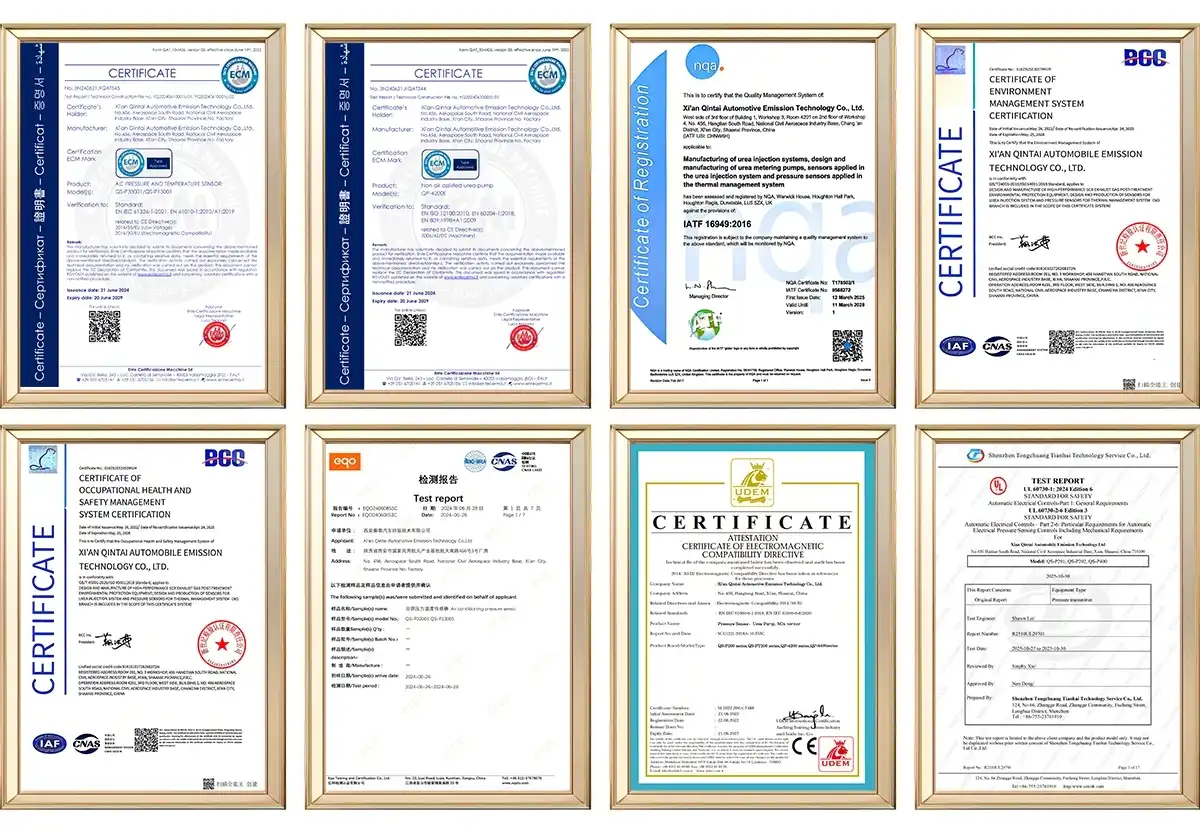
We can customize OEM/ODM products to meet the needs of specific applications, such as changing the pressure ranges or making custom connections that fit your wire harnesses. We are committed to meeting world quality standards, as shown by the many certifications we have, such as ISO9001, IATF16949, UL, CE, REACH, and RoHS. With 58 idea patents and ongoing investments in research and development, we are always making sensor technology better, which means that it works better and is more reliable.
Email our technical support team at info@qt-sensor.com to talk about your particular needs. We offer quick quotes, sample units for testing to make sure they work, and technical help to make sure the integration goes smoothly.
References
1. Johnson, M.R. (2022). "Selective Catalytic Reduction Systems: Design, Operation, and Maintenance for Commercial Diesel Engines." SAE International Technical Paper Series, Journal of Emission Control Technology, Volume 8, Issue 3, pp. 145-167.
2. Zhang, L. & Schmidt, K. (2021). "Sensor Technologies for Automotive Emission Control: Performance Requirements and Reliability Assessment." International Journal of Automotive Engineering, Volume 42, Number 6, pp. 892-915.
3. European Commission Joint Research Centre (2023). "Heavy-Duty Vehicle Emissions: Technology Assessment and Regulatory Framework for Euro VI Standards." Publications Office of the European Union, Luxembourg, Technical Report JRC-2023-HDV-47.
4. Williams, T.P. (2022). "Chemical Compatibility and Material Selection for Diesel Exhaust Fluid Systems." Corrosion Science and Engineering Quarterly, Volume 29, Issue 4, pp. 234-251.
5. National Renewable Energy Laboratory (2021). "Advanced Sensor Technologies for Clean Diesel Programs: Assessment of Commercial Availability and Performance Characteristics." U.S. Department of Energy Technical Report NREL/TP-5400-79243.
6. Chen, H., Rodriguez, A., & Patel, S. (2023). "Predictive Maintenance Strategies for SCR System Components in Commercial Vehicle Fleets." Transportation Research Part D: Transport and Environment, Volume 115, Article 103589, pp. 1-18.
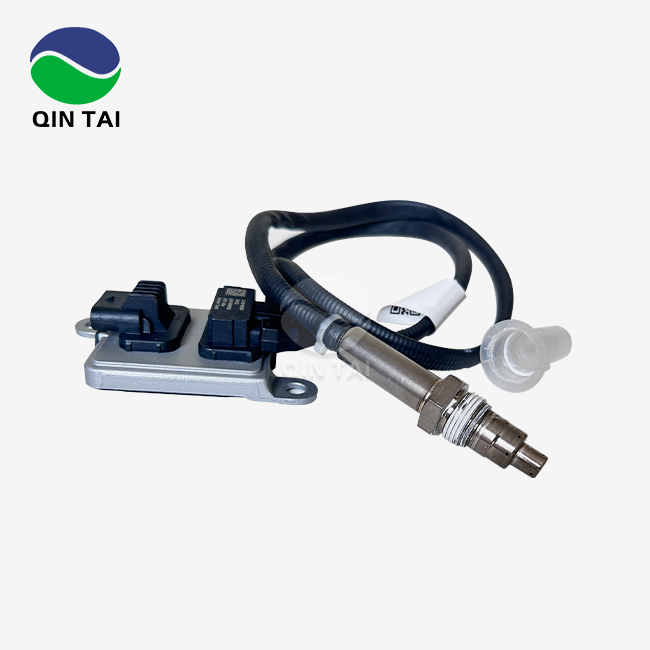
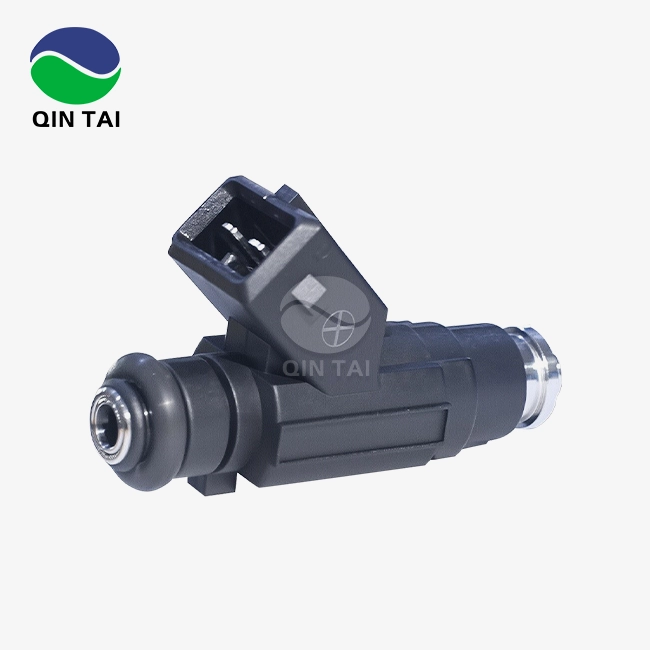
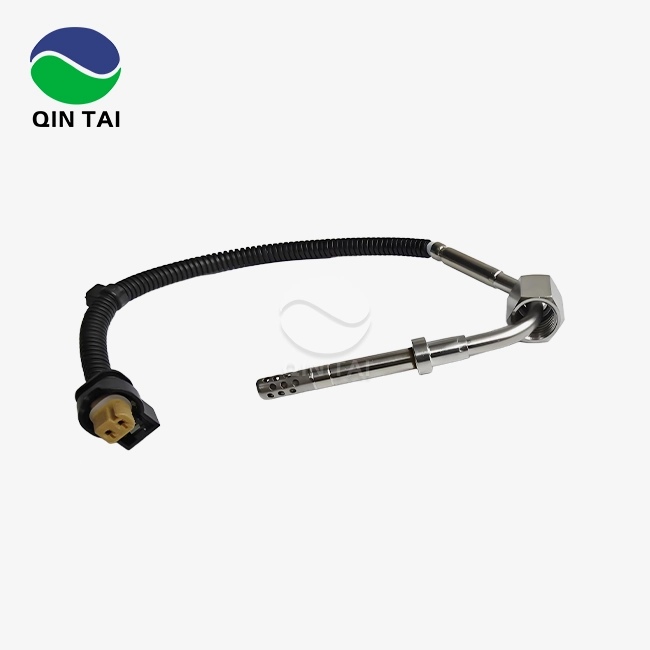
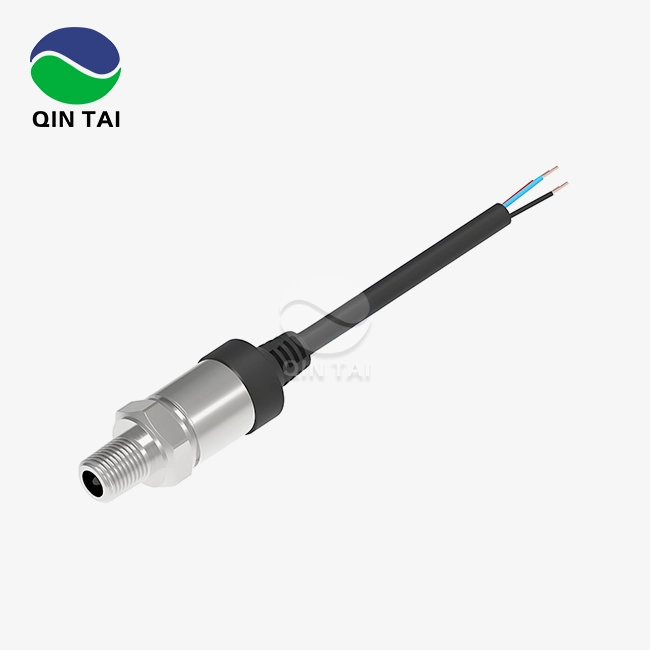

Our customers’ satisfaction speaks for our quality — contact us to experience the same reliable service.