- English
- French
- German
- Portuguese
- Spanish
- Russian
- Japanese
- Korean
- Arabic
- Greek
- German
- Turkish
- Italian
- Danish
- Romanian
- Indonesian
- Czech
- Afrikaans
- Swedish
- Polish
- Basque
- Catalan
- Esperanto
- Hindi
- Lao
- Albanian
- Amharic
- Armenian
- Azerbaijani
- Belarusian
- Bengali
- Bosnian
- Bulgarian
- Cebuano
- Chichewa
- Corsican
- Croatian
- Dutch
- Estonian
- Filipino
- Finnish
- Frisian
- Galician
- Georgian
- Gujarati
- Haitian
- Hausa
- Hawaiian
- Hebrew
- Hmong
- Hungarian
- Icelandic
- Igbo
- Javanese
- Kannada
- Kazakh
- Khmer
- Kurdish
- Kyrgyz
- Latin
- Latvian
- Lithuanian
- Luxembou..
- Macedonian
- Malagasy
- Malay
- Malayalam
- Maltese
- Maori
- Marathi
- Mongolian
- Burmese
- Nepali
- Norwegian
- Pashto
- Persian
- Punjabi
- Serbian
- Sesotho
- Sinhala
- Slovak
- Slovenian
- Somali
- Samoan
- Scots Gaelic
- Shona
- Sindhi
- Sundanese
- Swahili
- Tajik
- Tamil
- Telugu
- Thai
- Ukrainian
- Urdu
- Uzbek
- Vietnamese
- Welsh
- Xhosa
- Yiddish
- Yoruba
- Zulu
Pressure and Temperature Transmitters in Oil and Gas Industry
Pressure and Temperature transmitters are the foundation of tracking and control systems in oil and gas sites, providing important measurement data that keeps activities safe and improves performance. These devices can track both factors at the same time using precision sensing technologies. This makes installation easier and improves measurement correlation. Whether you're in charge of upstream mining sites or downstream processing processes, knowing how these devices work and how they can be used directly affects the safety and efficiency of your operation.
Understanding Pressure and Temperature Transmitters in Oil and Gas
The Core Technology Behind Dual-Function Sensing
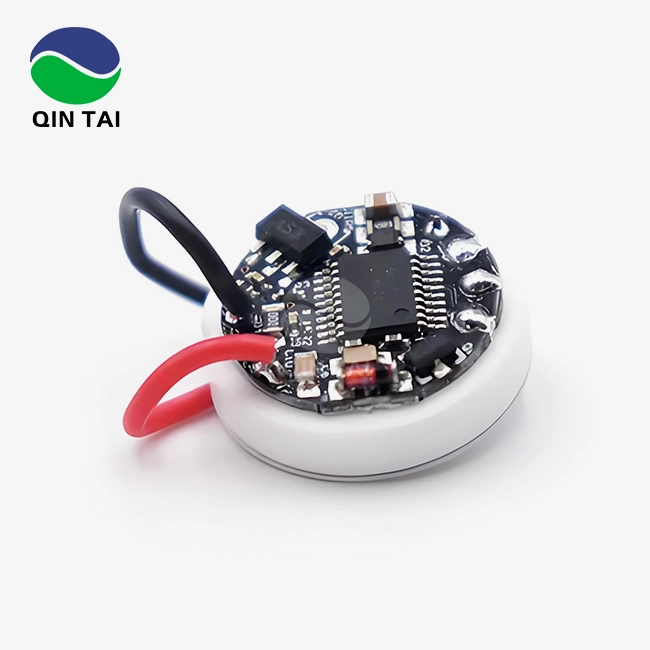
These days, receivers combine two different types of measurement technology into one body. For measuring temperature, resistance temperature monitors or thermistors are used, which change electrical properties when the temperature changes. For measuring pressure, ceramic or piezoresistive elements are used, which turn mechanical force into electrical signs. This combination gets rid of the measurement lag and location differences that come with using multiple instruments. It also gives you synchronized data that you need to figure out things like fluid density or superheat conditions in real-time process settings.
Working Principles of Combined Measurement Systems
The pressure part changes the force that the process media (like crude oil, natural gas, or hydraulic fluids) applies into a proportional voltage output. This is done by changing the capacitance or movement of the strain gauges or the measuring diaphragms. The temperature element measures thermal energy at the same time by keeping an eye on changes in resistance in precision-wound metal films or thermistors with a negative temperature coefficient. Modern versions have digital adjustment methods that take into account how temperature and pressure readings can affect each other. This makes the devices more accurate over a wide temperature range (-40°C to 130°C), which is what is needed in an oil field.
Key Transmitter Types for Industrial Deployment
The current standard is smart transmitters with digital communication methods. These transmitters can be set up remotely and have self-diagnostic features that cut down on maintenance downtime. Wireless versions get rid of the need for cables in repair situations or dangerous places where installing explosion-proof wiring would be too expensive. Differential models find the changes in pressure between filter elements or flow limits. This gives important information for keeping an eye on the health of equipment. In older systems, analog output versions are still popular because 0.5-4.5V or 4-20mA signals work well with current control designs and don't require expensive infrastructure changes.
Benefits and Industrial Applications of Pressure and Temperature Transmitters in Oil and Gas
Operational Advantages Driving Adoption
Putting both measurement functions into one device cuts down on installation time and the number of parts needed by a large amount. A single process link point cuts down on possible leak lines, which is very important when working with volatile fuels under pressure. In custody transfer applications, where measurement accuracy directly affects income accounting, synchronized readings make it possible to accurately calculate compensated flow rates and BTU content. The design that saves room is very useful on crowded offshore platforms or skid-mounted equipment packages, where every inch is important for safety and repair access.
Real-World Applications Across the Value Chain
Pipeline workers put these tools at compression stations and meter runs to keep an eye on transmission conditions and find problems that could lead to disasters before they happen. They are used by refinery process units to keep product quality standards within tight ranges by controlling the pressures and temperatures in distillation columns. Wellhead sites depend on ruggedized versions to handle the corrosive effects of produced water and sand damage while still giving accurate data to algorithms that improve production. For emissions compliance and thermal safety, generator set makers build them into engine control systems. This is especially important as environmental rules for fixed power units get stricter.
Addressing Harsh Environment Challenges
In oil and gas activities, instruments are put through harsh conditions like changing temperatures, constant vibrations from equipment that moves back and forth, and chemically aggressive media with sulfur compounds or salt water. Good receivers protect against these dangers by using strong 304 stainless steel, circuits that are hermetically sealed, and process connections that are made to handle pressure spikes that are more than ten times normal working levels. Explosion-proof grades like ATEX or IECEx make sure that equipment can be used safely in classified dangerous areas where flammable atmospheres may be present. This helps buying teams meet regulatory compliance requirements when they are looking for instruments.

How to Choose the Right Pressure and Temperature Transmitters for Oil and Gas?
Critical Selection Criteria for Procurement Success
Proper picking starts with matching the measuring range to the needs of the application. For high-pressure hydraulic systems, an 0-40 Bar Pressure and Temperature transmitter works well, while a 0-5 Bar emitter is enough for tracking atmospheric storage tanks. Specifications for accuracy need to be carefully looked at. Tolerances of ±1% for full scale uniformity, hysteresis, and repeatability are enough for most process control needs, but tighter tolerances may be needed for financial measurement purposes. Total error band numbers take temperature into account when showing how accurate something is, showing real performance across a range of temperatures instead of just ideal lab conditions.
Evaluating Interface and Integration Requirements
The types of connections used for the process must meet the infrastructure that is already in place. G1/4 and M12x1.5 threads are popular in Europe and Asia, respectively. You can connect electrical devices using pigtail wire or industry-standard connections, which make replacements faster during repair periods. The formats of output signals need to be compatible with the instruments that receive them. For example, analog voltage outputs work well with straight PLC analog input modules, and smart emitters that use HART or Modbus protocols let you configure and query them remotely through existing control networks. Power source specs are important, especially in intrinsically safe systems where voltage and current can't go beyond certain limits.
Comparing Available Solutions and Vendor Capabilities
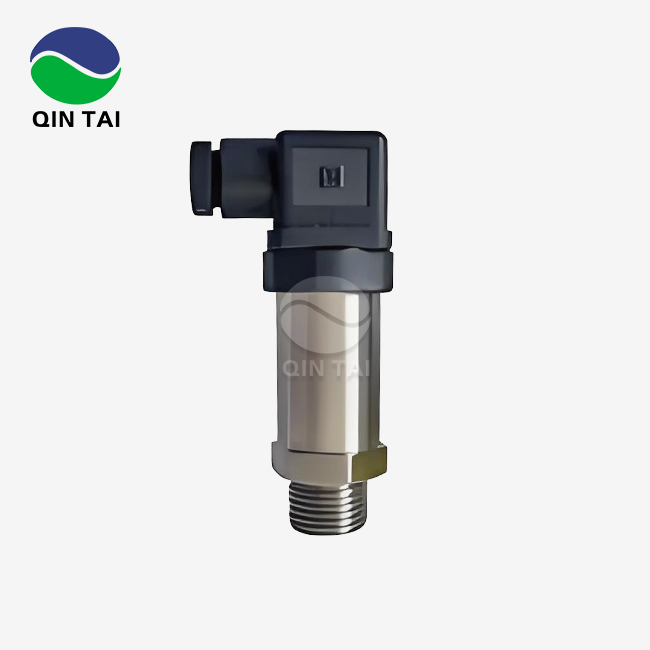
The Qintai QS-PT225 is a great example of a device that was specifically made for tough jobs. It uses ceramic pressure sensor technology, which doesn't have the media compatibility problems that come with metal diaphragm designs. The small size of its dual output configuration lets you get data for both pressure and temperature, making installation easier than with different sensor arrangements. This type can be used for a wide range of tasks, from checking HVAC refrigerant to industrial hydraulic systems. It has pressure ranges that can be changed from 0 to 40 Bar and process links that can be made to fit the mounting needs of the device. The built-in NTC thermistor provides ±1.0% temperature accuracy that matches the precision of the pressure channel. This lets you do accurate superheat calculations for cooling tasks or adjusted flow measurements in custody transfer situations.
Understanding Total Cost Beyond Purchase Price
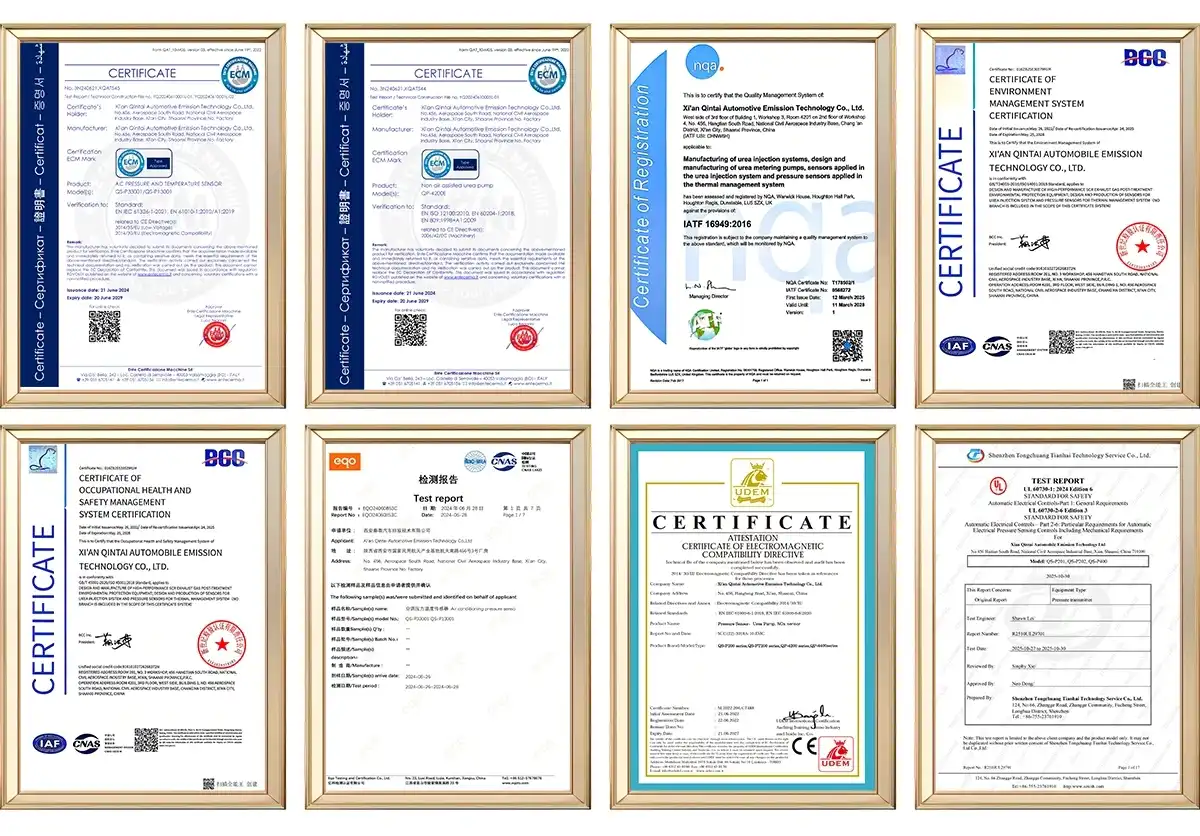
When buying something, if you only look at the original unit cost, you might miss lifetime costs that are much higher than the component price. Installation work for two different sensors is more than installation work for a single unit because it requires more process penetrations, wiring runs, and setup time. Calibration service calls add up to maintenance costs because lining up readings from different instruments takes the time and special tools of a skilled expert. Different makers' levels of reliability affect how often parts need to be replaced and how much it costs for unplanned downtime. By making bulk purchases with well-known companies like Qintai, who has ISO9001 and IATF16949 certifications, you can be sure of the quality of the goods and get good deals on things that you need to buy over and over again for different sites or product lines.
Installation, Calibration, and Troubleshooting Best Practices
Mounting and Connection Protocols
When the sensor is oriented correctly, measurement mistakes caused by process media buildup or air pockets at the detecting surfaces are avoided. Best practices in the industry say to mount emitters so that the process lines face downward when they are used with liquids and upward when they are used with gases. For threaded joints, the torque range is usually between 10 and 20 N-m. This is done to balance the risk of damaging the threads with the risk of damaging the seal. Even in protected designs, electrical wiring needs to be done with care to avoid polarity issues. However, quality Pressure and Temperature transmitters like the QS-PT225 have reverse voltage safety features that keep damage from happening during installation mistakes. When installed near variable frequency drives or high-power switching equipment, shielded wires reduce the amount of electrical noise that gets in the way.
Maintaining Accuracy Through Regular Calibration
The amount of time between calibrations depends on how important the application is and how fast the measurements are drifting. For most process tracking uses, once a year is a good starting point. Calibration rounds may need to be done every three or six months for custody transfer and safety-critical uses. Professional testing services use reference standards that can be traced back to NIST to check both the pressure and temperature channels at several places across the measurement range. Smart transmitters with remote calibration make service cheaper because technicians can check the zero and span settings without taking the devices out of service. However, sensors still need to be physically checked against reference standards on a regular basis to find damage that electronic adjustments can't fix.
Diagnosing Common Performance Issues
Signal drift usually means that the sensing element is breaking down because of contact to process media or mechanical stress. This means that the sensor needs to be replaced instead of being re-calibrated. Electrical noise coupling into signal lines is a common cause of results that don't match up. This can be fixed by installing insulated cables or better grounding. If there is no signal at all, it means that the power supply or links have failed, not the sensors. Checking the voltage at the transmitter position quickly separates supply problems from device failures. When faults happen, smart receivers with built-in diagnostics report them through status bits in digital communication protocols. This lets maintenance take care of problems before they affect operations or product quality.
Future Trends and Innovations in Pressure and Temperature Transmitters for Oil and Gas
Smart Technology and Predictive Analytics Integration
As battery technology improves, more and more wireless Pressure and Temperature transmitters are being used. This is because batteries now last longer than ten years in many situations, which means that expensive conduit work isn't needed for brownfield building updates. These gadgets send diagnostic and measurement data to centralized tracking systems. This lets condition-based maintenance strategies work, which are cheaper than fixed-interval service plans. AI programs look at past performance data to guess when calibration will change and when a failure will happen. They then schedule repair work for planned shutdowns instead of having to deal with unplanned outages that mess up production schedules and income streams.
Advanced Materials and Ruggedization
Ceramic sensor elements last longer than metal diaphragms because they don't rust or wear down as easily. This is helpful in sour gas situations with hydrogen sulfide or produced water with high salt concentrations. New polymer materials used in connector bodies can handle higher temperatures and harsh chemicals while keeping their shape, which lowers the number of failures that happen in tough conditions. These improvements in materials meet the growing need for instruments that stay accurate over long periods of time between calibrations. This lowers the cost of upkeep and raises the reliability of operations throughout the span of the equipment.
Procurement Strategies for Digital Transformation
Successful buyers of tools are judging sellers more and more by how well their products work with digital ecosystems, not just by their technical specs or unit prices. Suppliers who offer full support, such as application engineering help, the ability to accept large orders, and quick expert support after the sale, are more valuable than relationships that only focus on supplying parts. With over 20 years of experience in manufacturing and foreign certifications such as ISO9001, IATF16949, and CE compliance, companies like Xi'an Qintai Automotive Emission Technology offer the quality guarantee and technical depth that long-term partnerships need. Their OEM supply ties with major diesel engine makers show that they can produce and maintain quality on a large scale, which allays buyers' worries about the dependability and performance of their suppliers.
Conclusion
Pressure and Temperature transmitters are important inputs in infrastructure that affect the safety, effectiveness, and revenue of oil and gas activities. To choose the right devices, you have to weigh technical requirements against prices over their lifetime, the skills of the vendor, and the need to integrate them into current control architectures. Putting both measurement functions into small, reliable packages makes installation easier and improves measurement association for projects like process optimization and predictive maintenance. As the industry moves faster toward digital change, buying choices need to take into account not only the needs of present applications, but also the future scalability and ecosystem compatibility that new technologies require.
FAQ
What differentiates integrated transmitters from separate pressure and temperature sensors?
Integrated units combine both measurement functions into a single body that shares a single process connection point. This makes installation easier and ensures measurement correlation because both sensors are monitoring the same process variables at the same place. Separate devices need two process penetrations and two sets of wiring infrastructure. They may also give different readings if they are placed in different places with different slopes, which makes it harder to figure out superheat or density compensations.
How do I select appropriate transmitters for offshore platform applications?
Offshore sites need certifications that say they can't explode, like ATEX or IECEx ratings. They also need materials that don't rust, like 316 stainless steel for saltwater settings, and building that can handle constant shaking from waves and spinning equipment. Wireless versions cut down on the cost of wiring and get rid of ignition lines in restricted places. Because it can be hard to get to faraway platforms for repair or warranty service, vendor support skills are very important.
What warranty terms and calibration services should procurement teams expect?
Reputable makers offer guarantees that cover material flaws and problems with the workmanship for at least one year. For larger purchases, warranties that cover more years are available. There are many types of calibration services, ranging from plant recertification programs where devices are sent back to be checked against traceable standards to on-site calibration help for large installed bases. Smart Pressure and Temperature transmitters that can be configured remotely lower service costs by letting you do basic checks without having to physically reach the instruments.
Partner with a Trusted Pressure and Temperature Transmitter Manufacturer
Qintai has been providing diesel engine OEMs and industrial equipment makers around the world with high-quality sensing systems for over twenty years. Our QS-PT225 Pressure and Temperature transmitter is made of strong stainless steel and ceramic sensing technology, so it can handle the tough needs of oil and gas uses while still being cost-effective enough for large-scale purchase. We are China's top OEM provider and have full international approvals and IATF16949 certification. We can customize pressure ranges, process links, and output setups to meet the needs of your particular application. Get in touch with our technical team at info@qt-sensor.com to talk about buying in bulk, technical requirements, and how our production skills can help you meet your long-term instrumentation needs as a dependable Pressure and Temperature transmitter provider.
References
1. Smith, J.R. (2022). "Advanced Instrumentation for Upstream Oil and Gas Operations," Petroleum Engineering Journal, Vol. 45, No. 3, pp. 78-92.
2. Chen, L. & Wang, M. (2021). "Sensor Technology Integration in Industrial Process Control," International Journal of Measurement Science, Vol. 18, No. 2, pp. 134-149.
3. Thompson, R.D. (2023). "Predictive Maintenance Strategies for Oil Field Instrumentation," Oil & Gas Facilities Magazine, Vol. 12, No. 4, pp. 56-67.
4. Martinez, A. (2022). "Materials Selection for Corrosive Service in Petrochemical Applications," Materials Performance and Characterization, Vol. 11, No. 1, pp. 245-260.
5. Anderson, K.P. & Liu, H. (2021). "Wireless Sensor Networks in Hazardous Area Monitoring," IEEE Transactions on Industrial Electronics, Vol. 68, No. 9, pp. 8345-8356.
6. Roberts, G.M. (2023). "Total Cost of Ownership Analysis for Process Instrumentation Procurement," Chemical Engineering Progress, Vol. 119, No. 5, pp. 42-51.


Our customers’ satisfaction speaks for our quality — contact us to experience the same reliable service.