- English
- French
- German
- Portuguese
- Spanish
- Russian
- Japanese
- Korean
- Arabic
- Greek
- German
- Turkish
- Italian
- Danish
- Romanian
- Indonesian
- Czech
- Afrikaans
- Swedish
- Polish
- Basque
- Catalan
- Esperanto
- Hindi
- Lao
- Albanian
- Amharic
- Armenian
- Azerbaijani
- Belarusian
- Bengali
- Bosnian
- Bulgarian
- Cebuano
- Chichewa
- Corsican
- Croatian
- Dutch
- Estonian
- Filipino
- Finnish
- Frisian
- Galician
- Georgian
- Gujarati
- Haitian
- Hausa
- Hawaiian
- Hebrew
- Hmong
- Hungarian
- Icelandic
- Igbo
- Javanese
- Kannada
- Kazakh
- Khmer
- Kurdish
- Kyrgyz
- Latin
- Latvian
- Lithuanian
- Luxembou..
- Macedonian
- Malagasy
- Malay
- Malayalam
- Maltese
- Maori
- Marathi
- Mongolian
- Burmese
- Nepali
- Norwegian
- Pashto
- Persian
- Punjabi
- Serbian
- Sesotho
- Sinhala
- Slovak
- Slovenian
- Somali
- Samoan
- Scots Gaelic
- Shona
- Sindhi
- Sundanese
- Swahili
- Tajik
- Tamil
- Telugu
- Thai
- Ukrainian
- Urdu
- Uzbek
- Vietnamese
- Welsh
- Xhosa
- Yiddish
- Yoruba
- Zulu
How Do Urea Injection Systems Compare With Other Emissions Solutions?
When evaluating emissions control technologies, the Urea Injection System stands out as one of the most effective solutions for reducing nitrogen oxides (NOx) from diesel engines. Unlike passive systems, urea-based Selective Catalytic Reduction (SCR) actively converts harmful emissions through a precise chemical reaction, delivering superior NOx reduction—often exceeding 90%—while maintaining fuel efficiency.
Compared to alternatives like Exhaust Gas Recirculation (EGR) or standalone Diesel Particulate Filters (DPF), SCR systems equipped with urea dosing strike a balance between regulatory compliance, operational cost, and long-term reliability, making them the preferred choice for OEMs and fleet operators targeting stringent emissions standards such as EPA Tier 4 Final and Euro VI.
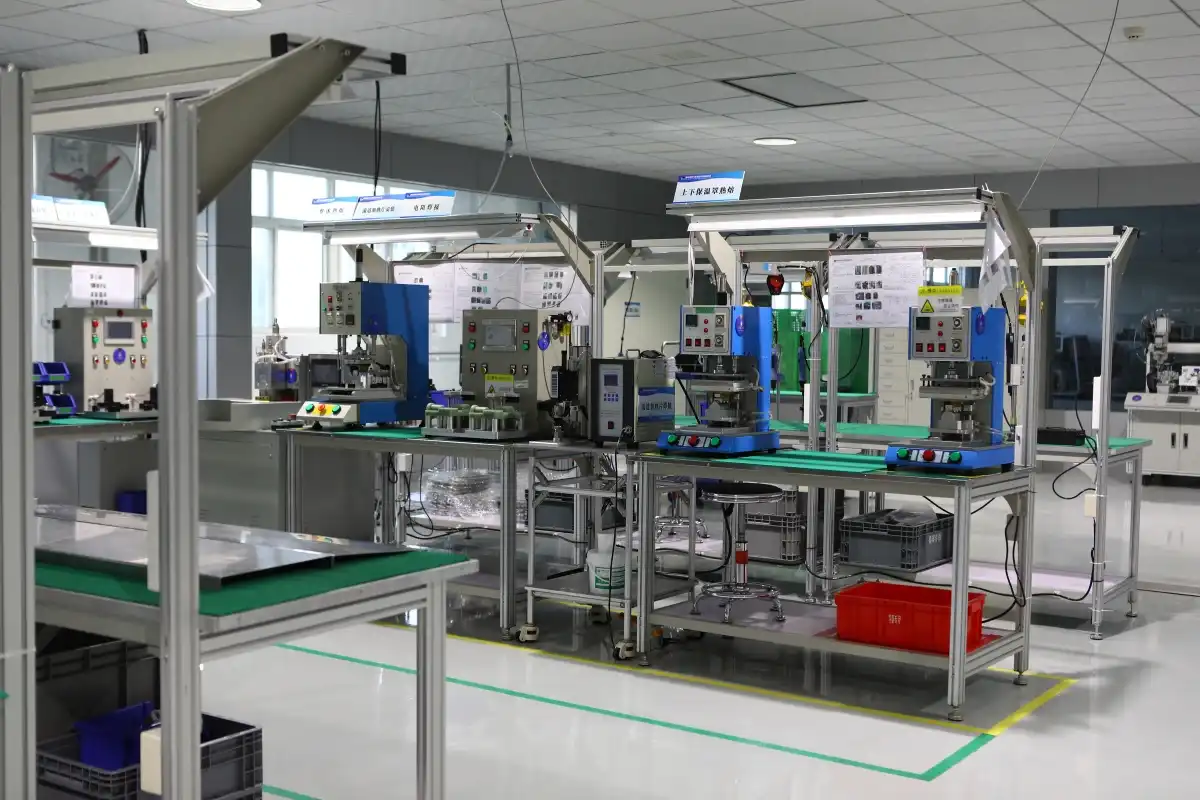
Introduction to Urea Injection Systems and Emissions Control Technologies
Diesel engines power many important businesses, such as heavy-duty trucks, building equipment, farm tools, and backup power plants. Still, the damage these engines do to the environment, especially the NOx they release, has led to stricter rules all over the world. Purchasing managers and research and development experts are under more and more pressure to meet China VI, Euro VI, and EPA compliance standards. It is important for them to know how the different methods used to control emissions compare.
Understanding SCR Technology and Urea's Role
The Urea Injection System, which is an important part of SCR technology, is at the heart of modern diesel emissions control. Diesel Exhaust Fluid (DEF) is a 32.5% aqueous urea solution that is defined as AUS32 (ISO 22241) in most situations. This method exactly measures how much DEF goes into the exhaust stream. Ammonia (NH₃) is made when urea breaks down thermally and hydrolytically at high temperatures. The ammonia then reacts with NOx over a catalyst, turning the pollutants into nitrogen gas and water vapor that are safe to breathe. This is a simpler way to describe the chemical process:
NH₂ + CO(OH)2 → NH₃ + CO
4NO + 4NH₂ + O₂ → 4N₂ + 6H₂O
This reaction is beautiful because it is very specific: it only reacts with NOx and doesn't affect particulate matter control or fuel economy.
Overview of Alternative Emissions Solutions
Aside from SCR, there are other technologies that deal with different aspects of diesel emissions:
Diesel Oxidation Catalyst (DOC) breaks down carbon monoxide and unburned fuels, but it doesn't change NOx much.
Diesel Particulate Filter (DPF) physically filters out soot and other particles, but it needs to be regenerated every so often to burn off the particles that have built up.
Exhaust Gas Recirculation (EGR) sends some of the exhaust gasses back into the combustion chamber. This lowers the peak combustion temperature and stops NOx from forming at the source, but it often comes at the cost of less fuel economy and more soot production.
Each technology focuses on a different part of emissions, but none of them can match SCR's ability to reduce NOx. Modern aftertreatment designs usually use more than one system, like DOC, DPF, and SCR, to fully control emissions. Urea dosing is the most important part of NOx management.
Comparative Analysis of Urea Injection Systems vs Other Emissions Solutions
It is important to know the functional differences between SCR-based Urea Injection Systems and other technologies in order to make smart decisions about where to get your supplies. A lot of engineers get DEF mixed up with urea at first, but DEF is just the carrier solution; urea is still the active agent.
Functional Differences and Complementary Roles
The way SCR systems with urea doses work is very different from how EGR systems work. While EGR stops NOx from forming during combustion, SCR cleans up NOx after it has been produced. EGR usually makes engines less efficient because it reduces the amount of oxygen available and raises the temperature of the waste gas. SCR, on the other hand, lets engines run at their best, which saves fuel and reduces emissions further down the line.
DPF devices only work on particulate matter, like collecting soot particles, but they don't reduce NOx. DOC units are good at getting rid of hydrocarbons and carbon monoxide, but they are still bad at getting rid of nitrogen oxides. In reality, these technologies work best when used together: DOC cleans the exhaust by oxidizing residual hydrocarbons, DPF collects particulates, and Urea Injection System enables the SCR catalyst to convert NOx into harmless nitrogen and water, so the overall system with SCR and urea dosing effectively gets rid of NOx.
Knowing how these roles work together helps procurement teams avoid spending money on things that aren't needed and set up aftertreatment architectures that work best for each engine platform and meet regulatory standards.
Performance Matrix: Efficiency, Economy, and Cost
In terms of performance, SCR systems are much better than EGR, which only reduces NOx by 40 to 50 percent and often raises particulate emissions. They usually convert NOx at an efficiency of 85 to 95 percent across a wide range of working conditions. Also, SCR is better for fuel economy. Engines with SCR can run at higher efficiency levels, which saves 3–5% of fuel compared to EGR-dominant designs.
The picture that operational costs paint is not simple. SCR systems need to keep getting DEF, which adds to the cost of consumables. However, this cost is balanced by lower engine wear, longer DPF renewal times (because less soot is made), and less fuel use. EGR systems, on the other hand, need more frequent oil changes because soot gets into them and makes maintenance more difficult.
Installing SCR parts like urea tanks, dosing modules, injectors, and sensors can cost more up front than installing simpler DOC or DPF parts. Total cost of ownership (TCO) study, on the other hand, always favors SCR when fines from the government, fuel savings, and durability are taken into account. Leading global OEMs like Cummins, Volvo, and Weichai Power have chosen SCR as their main NOx control strategy, which proves that it is the best option in terms of both cost and technology.

Core Components and Operation of Urea Injection Systems
A full knowledge of system design makes it easier to evaluate suppliers and plan for integration. Urea Injection Systems are made up of several important parts that work together perfectly to control emissions.
Essential System Components
The urea tank holds DEF. It is usually made of corrosion-resistant polymers and can hold anywhere from 20 to 100 liters, depending on the vehicle. Integrated heating elements keep the crystals from forming at temperatures below -11°C, so it can be used all year in a variety of climates.
The dosing control unit (DCU) is the brain of the system. It figures out the best urea dosing rates by using real-time data from NOx sensors, exhaust temperature sensors, and engine control units. Modern DCUs use complex formulas to find the right mix between how well they reduce NOx and how much ammonia slips out without reacting, which is bad for the environment.
The urea injection nozzle is probably the most technically demanding component. At pressures ranging from 5 to 9 bar, these high-precision electromagnetic motors break down DEF into very small drops (usually 50 to 150 microns) so that they evaporate quickly and mix evenly in the fast-moving exhaust stream. To get the same atomization even when exhaust temperatures (250–600°C) and flow rates change, you need advanced materials engineering and tight production tolerances. This is where the quality differences between providers become clear.
Pressure sensors, temperature sensors, and NOx sensors form the feedback loop, continuously monitoring system performance and enabling adaptive dosing strategies. Accuracy of the sensors has a direct effect on pollution compliance; even a 5% dosing mistake can lead to NOx overages or expensive ammonia leaks.
Chemical and Mechanical Process Flow
Exhaust gasses leave the combustion chamber when the engine is running and go thru the DOC, where hydrocarbons are broken down. The hot exhaust then goes into the DPF, where it traps the dirt. When the DEF goes into the SCR catalyst chamber, it is exactly measured and poured upstream thru the dosing nozzle. The drops that were inserted quickly evaporate and break down, giving off ammonia. This ammonia moves across the porous structure of the catalyst, which is usually made of vanadium, zeolite, or iron. It then reacts specifically with NOx molecules, finishing the change into nitrogen and water.
It is very important to have precise control over the timing, amount, and pattern of the spray. If you do not use enough DEF, ammonia could leak out, and you will not meet your carbon goals. Modern systems use closed-loop control to change dose rates based on feedback from NOx sensors further downstream. This makes it possible to achieve amazing accuracy even when the load changes quickly.
Installation and Maintenance Best Practices
For OEM applications, integration starts with the design phase, where the Urea Injection System is placed in the exhaust flow path so that the urea injector is positioned for optimal mixing and residence time before the catalyst. When doing an aftermarket retrofit, you need to carefully consider the room you have, the temperature of the exhaust, and the compatibility of the current sensors.
The main goal of maintenance is to stop urea crystallization, which is the main cause of failure. Crystallized crystals can block injectors, which lowers the quality of the atomization and sets off trouble codes. This risk is lower when the system is regularly cleaned, especially when it is shut down for long periods of time. Usually, injector valves need to be checked every 200,000 kilometers, and for high-quality parts, they need to be replaced every 400,000 kilometers.
Technicians should keep a close eye on the quality of DEF. If DEF is contaminated or broken down, it speeds up crystallization and catalyst poisoning. Using ISO 22241-approved fluid and keeping DEF in the right place (out of direct sunlight, at controlled temperatures) will keep the system working for a long time.
Procurement Considerations for Urea Injection Systems in B2B Markets
When you strategically source SCR parts, you have to find a balance between quality, cost, the stability of the supply chain, and regulatory compliance, all while making sure that the parts work well with current engine platforms.
Evaluating Global Suppliers and OEM vs Aftermarket Solutions
Bosch, Denso, Continental, and Cummins are some of the well-known leaders in the global aftertreatment market. They all offer complete SCR systems that have been used successfully in large-scale production. These tier-one suppliers offer strong warranty coverage, a lot of technical documentation, and help with integration, all of which are very important for large OEM programs.
New sellers from places like China, like Qintai, which is known as the main original equipment manufacturer (OEM) provider to Weichai Power, Yuchai Power, and Quanchai Power, offer competitive options that combine lower prices with better technology. With 58 idea patents and IATF 16949 and ISO 9001 certifications to back it up, Qintai's collection shows that their engineering is mature enough for demanding uses.
Managers in charge of buying things have to compare OEM-quality parts to private options. OEM parts guaranty consistency and protect warranties, but they cost more. High-quality aftermarket solutions offer similar performance at a lower price, making them especially appealing for replacement and retrofit markets. When working with new suppliers, the risks are lower when you do strict supplier audits that check their manufacturing capabilities, quality systems, and compliance certifications.
Cost-Benefit and Warranty Analysis
The total cost analysis should include the prices of the parts, the labor needed to install them, the amount of DEF used, and the expected service life. Premium injectors may cost 20–30% more at first, but they last longer between repair visits and produce more consistent atomization, which means fewer long-term operating problems.
Warranty terms are very different. Tier-one suppliers usually cover you for two years or 200,000 kilometers, but competitive suppliers cover you for three years or 300,000 kilometers to build trust in the market. It's just as important to look at how to file a warranty claim, how readily available parts are, and how quickly technical support responds as it is to the length of the warranty.
Supply Chain Reliability and Compliance
Supply chain problems are very dangerous for fleet owners who are in charge of hundreds or thousands of cars. Having a variety of providers in different areas and legally getting extra stock helps protect against sudden shortages. Downtime during unplanned repair is kept to a minimum by suppliers who offer regional warehousing and fast delivery (usually 72 hours for standard parts).
Regional rules on pollution must be followed at all times. Check to see if potential providers have the right certifications, such as EPA clearance for U.S. markets, E-marking for Europe, and China VI homologation for use in China. Components that don't follow the rules could lead to fines, vehicle recalls, and damage to the brand's reputation, all of which cost a lot more than the savings made on the purchase.
Case Studies and Future Trends in Emissions Control Solutions
Real-world deployments show how well SCR systems work and how much money they make, which helps with future purchasing decisions.
Real-World Deployment Success Stories
As emissions rules changed, a big North American trucking company with 5,000 Class 8 trucks retrofitted them with SCRs and a fully integrated Urea Injection System to meet the new rules. Over 24 months, the fleet saw a 92% drop in NOx, a 4.2% rise in fuel economy, and a 30% drop in the number of times the DPF had to be regenerated. DEF use was about 2.5% of diesel fuel use on average. This was a manageable operational cost that was offset by fuel savings and fines saved. Within 18 months, the total return on investment (ROI) reached zero, and it is expected that each vehicle will continue to save $1,200 each year.
In the same way, a Chinese company that makes construction equipment worked with Qintai to add advanced Urea Injection Systems to its line of excavators. Custom sensor interfaces, the best placement of injectors for small engine bays, and short development cycles were all made possible by working together. This allowed China VI compliance six months ahead of schedule. After the launch, data on dependability showed failure rates below 0.3%, which set a standard for players in the aftermarket.
Innovations Shaping Next-Generation Systems
As technology improves, SCR's speed and usefulness keep getting better. Closed-loop control and predictive algorithms improve the accuracy of dosing, which cuts DEF use by up to 10% without affecting emissions performance. Digital tracking tools include telematics, which lets you do remote diagnostics, get tips for preventative maintenance, and look at the performance of your whole fleet. This turns reactive maintenance into proactive management.
SCR can reach a bigger market because it can make parts smaller, which supports new uses in small machines and light-duty cars. Catalyst formulations have improved to make them last longer and lower the light-off temperature. This makes cold-start emissions better, which is a problem that always comes up in northern climates.
Regulatory Outlook and Integrated Strategies
In the future, rules about emissions will make NOx limits even stricter and include more real-world driving emissions (RDE) tests. Systems that do well in the lab but not so well in real life will be punished. Next-generation platforms will mostly use integrated aftertreatment strategies that combine advanced EGR, SCR, and optimized combustion tuning.
Harmonization of regulations across regions makes compliance easier for global OEMs, but differences still exist between regions. The U.S. Environmental Protection Agency (EPA) is focusing on onboard diagnostics (OBD) and emissions durability over full useful life (FUL). This requires strong sensor reliability and long-lasting parts, which are clear places where source quality differs.
Conclusion
As an important part of SCR technology, Urea Injection Systems are the best and most cost-effective way to control NOx pollution in diesel engines. SCR has better emissions performance, keeps fuel efficiency, and has a lower total cost of ownership compared to options like EGR and standalone DPF systems.
When engineers and purchasing teams know about system design, maintenance needs, and procurement strategies, they can make choices that are in line with regulations and practical goals. As technology improves and global pollution standards get stricter, SCR with precise urea dosing will continue to be the core of diesel aftertreatment strategies. This will be made possible by new suppliers who are dedicated to quality, dependability, and building partnerships with customers.
FAQ
What are the environmental advantages of urea injection systems?
SCR-based Urea Injection Systems cut NOx pollution by 85–95% by using catalytic reactions to turn dangerous nitrogen oxides into harmless nitrogen and water vapor. This huge drop helps operators meet strict EPA, Euro VI, and China VI standards, which means they have less of an impact on the environment and don't get fined by the government. Unlike EGR, SCR doesn't lower fuel efficiency or raise particulate emissions. Instead, it makes the exhaust cleaner without affecting how the engine works.
How often should urea injection systems be maintained?
Every 100,000 to 200,000 kilometers, the car usually gets routine maintenance that includes checking the injectors, calibrating the sensors, and purging the system to keep crystallization from happening. Premium parts make the intervals last up to 400,000 kilometers. Every time the DEF is refilled, its quality should be checked to make sure it meets ISO 22241 standards and keeps the catalyst clean and the injectors from getting clogged.
Can older diesel engines be retrofitted with urea injection systems?
Adding SCR systems to older engines is technically possible and is becoming more popular to meet new pollution rules. For retrofits to work, the exhaust temperature profiles, the amount of mounting space available, and the ability to work with existing engine control units must all be carefully considered. Aftermarket kits with standard interfaces make installation easier, but a professional calibration is still the best way to make sure performance and compliance.
What safety protocols apply when handling urea solutions?
DEF is safe because it is non-toxic and breaks down naturally. Standard safety measures include staying away from skin contact for long periods of time, which can cause mild irritation, and keeping DEF from getting contaminated with fuels or lubricants, which lowers its quality. It is best to keep DEF in sealed, opaque containers that are out of direct sunlight and away from extreme temperatures. Handling fluids correctly keeps them working well and increases the life of system parts.
Partner With Qintai for Certified Urea Injection System Solutions
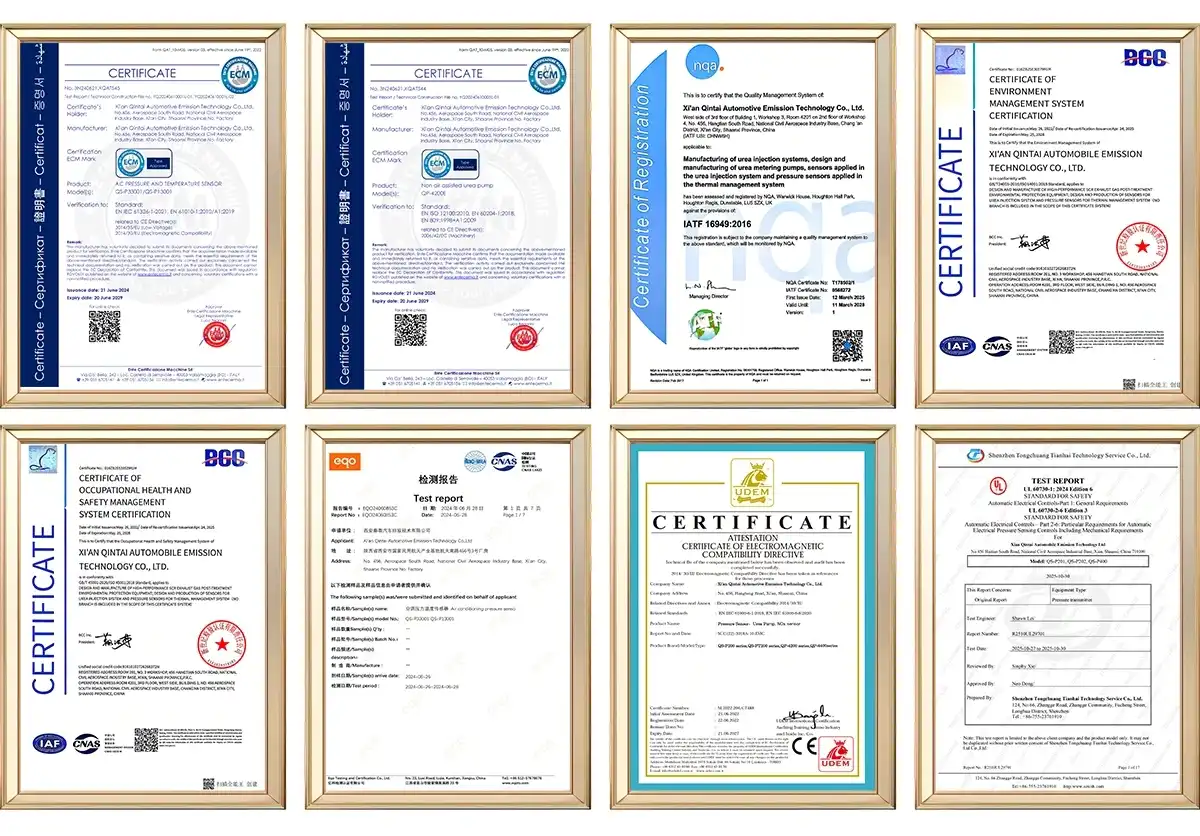
Xi'an Qintai Automotive Emission Technology Co. Ltd stands ready to support your emissions control objectives with world-class SCR components and comprehensive engineering services. As China's leading Urea Injection System supplier to Weichai Power, Yuchai Power, and Quanchai Power, we bring over two decades of specialized expertise, 58 invention patents, and full compliance with ISO 9001, IATF 16949, and international safety standards including UL, CE, and RoHS.
Our capabilities extend beyond standard components: we provide customizable sensor interfaces, rapid prototyping for OEM partnerships, and flexible production scaling to meet your mass production requirements. Whether you're launching a new engine platform, upgrading existing fleets, or entering new markets, Qintai delivers precision-engineered dosing valves, injectors, pressure sensors, and control units designed for long-term reliability and regulatory compliance.
Reach out to our technical team at info@qt-sensor.com to discuss your specific application requirements, request custom quotes, or arrange on-site consultations. Visit qt-sensor.com to explore detailed product specifications, installation guides, and verified customer success stories demonstrating our commitment to quality and partnership. Let's collaborate to build cleaner, more efficient diesel solutions for tomorrow's challenges.
References
1. Johnson, Timothy. "Diesel Emission Control Technology Review." SAE International Journal of Engines, Vol. 8, No. 3, 2015, pp. 1366-1384.
2. Koebel, Markus, et al. "Urea-SCR: A Promising Technique to Reduce NOx Emissions from Automotive Diesel Engines." Catalysis Today, Vol. 59, No. 3-4, 2000, pp. 335-345.
3. Majewski, W. Addy, and Magdi K. Khair. "Diesel Emissions and Their Control." SAE International, Warrendale, PA, 2006.
4. United States Environmental Protection Agency. "Diesel Exhaust Fluid (DEF) Quality Requirements for Selective Catalytic Reduction (SCR) Systems." EPA Technical Report, 2010.
5. European Automobile Manufacturers Association. "ACEA Position on Euro VI Heavy-Duty Emission Standards and SCR Technology Implementation." Brussels, Belgium, 2012.
6. Zhang, Lei, and Wang Jianxin. "Development and Application of Urea-SCR Systems in Chinese Heavy-Duty Diesel Engines." Chinese Journal of Automotive Engineering, Vol. 6, No. 2, 2016, pp. 89-102.
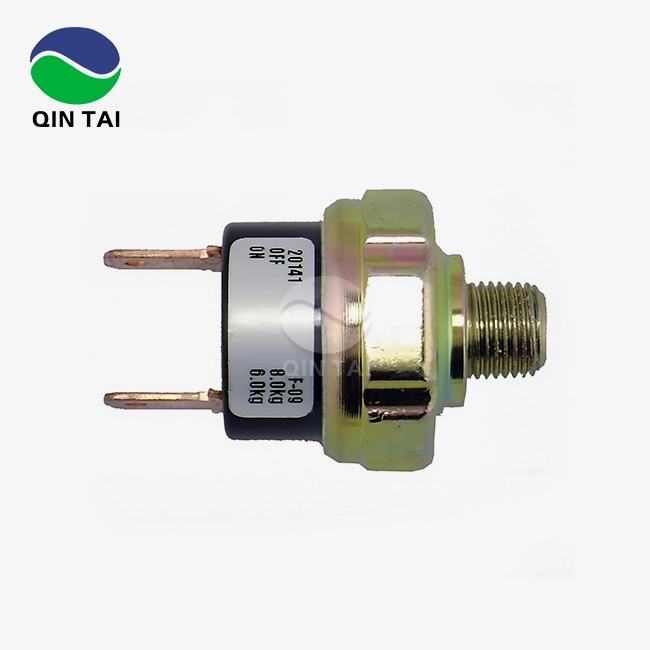
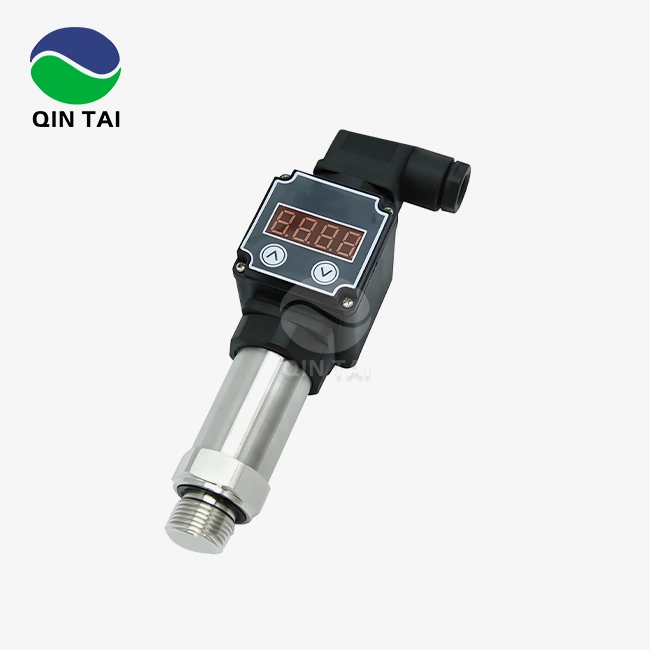
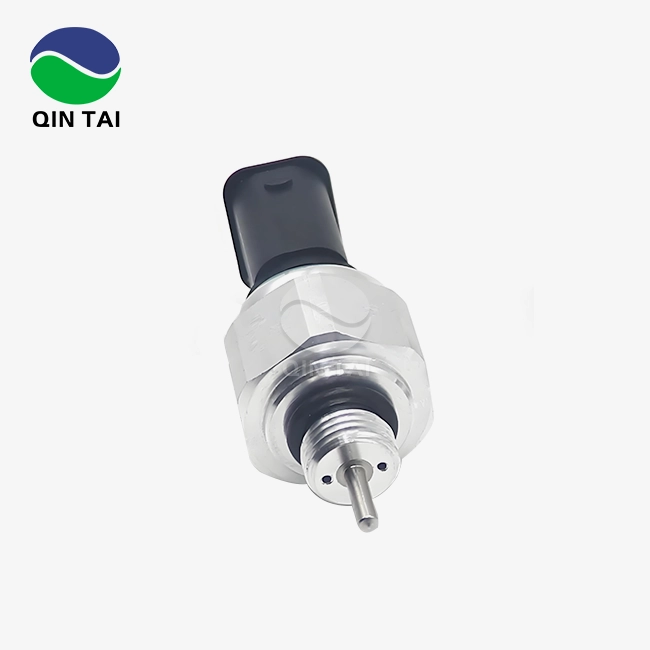
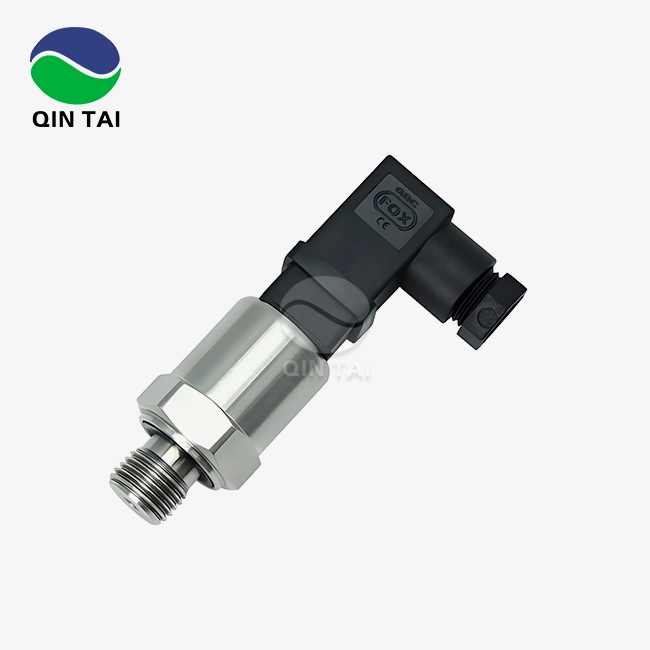

Our customers’ satisfaction speaks for our quality — contact us to experience the same reliable service.