- English
- French
- German
- Portuguese
- Spanish
- Russian
- Japanese
- Korean
- Arabic
- Greek
- German
- Turkish
- Italian
- Danish
- Romanian
- Indonesian
- Czech
- Afrikaans
- Swedish
- Polish
- Basque
- Catalan
- Esperanto
- Hindi
- Lao
- Albanian
- Amharic
- Armenian
- Azerbaijani
- Belarusian
- Bengali
- Bosnian
- Bulgarian
- Cebuano
- Chichewa
- Corsican
- Croatian
- Dutch
- Estonian
- Filipino
- Finnish
- Frisian
- Galician
- Georgian
- Gujarati
- Haitian
- Hausa
- Hawaiian
- Hebrew
- Hmong
- Hungarian
- Icelandic
- Igbo
- Javanese
- Kannada
- Kazakh
- Khmer
- Kurdish
- Kyrgyz
- Latin
- Latvian
- Lithuanian
- Luxembou..
- Macedonian
- Malagasy
- Malay
- Malayalam
- Maltese
- Maori
- Marathi
- Mongolian
- Burmese
- Nepali
- Norwegian
- Pashto
- Persian
- Punjabi
- Serbian
- Sesotho
- Sinhala
- Slovak
- Slovenian
- Somali
- Samoan
- Scots Gaelic
- Shona
- Sindhi
- Sundanese
- Swahili
- Tajik
- Tamil
- Telugu
- Thai
- Ukrainian
- Urdu
- Uzbek
- Vietnamese
- Welsh
- Xhosa
- Yiddish
- Yoruba
- Zulu
Thin Film Pressure Sensor Benefits for Harsh Industrial Environments
When operating diesel engines, aftertreatment systems, or heavy machinery under extreme conditions, choosing the right pressure measurement technology can mean the difference between uninterrupted productivity and costly downtime. Thin film pressure sensors stand out as the preferred solution for harsh industrial environments due to their exceptional durability, precision, and reliability.
Unlike conventional sensors, thin film technology leverages ultra-thin sensing layers molecularly bonded to substrates, eliminating vulnerabilities from adhesives or seals that typically fail under thermal cycling, vibration, or corrosive exposure. This monolithic construction withstands temperatures ranging from -40°C to 150°C, pressure spikes exceeding 500 bar, and millions of pressure cycles without performance degradation—making them indispensable for emission control systems, hydraulic machinery, and critical industrial processes.
Understanding Thin Film Pressure Sensors in Industrial Applications
We at Qintai have been designing pressure sensing solutions for diesel engine SCR aftertreatment systems and other industrial uses for more than twenty years. From working in more than 60 countries, we know that understanding the basics of sensors is a key part of a successful procurement process.
How Thin Film Technology Works
Thin Film Pressure Sensors use methods for making semiconductors to put strain-sensitive resistive layers right on top of ceramic or stainless steel diaphragms. When pressure is put on the diaphragm, it bends a little, which changes the resistance in the thin film elements in a way that can be measured. This change in shape turns into exact electrical signs that are related to the pressure that is being applied.
Through vacuum sputtering or vapor deposition, the diaphragm, insulator layers, and resistive patterns are all merged into a single structure that forms the sensor element. This atomic-level bonding gets rid of the creep effects and hysteresis issues that happen a lot in sensors that use adhesive assembly methods. Temperature compensation circuitry built into the sensor makes sure that readings are accurate over a wide range of temperatures. This is especially helpful for exhaust systems that work in temperatures ranging from room temperature to very high temperatures.
Critical Applications in Heavy Industry
For mission-critical measurements, sectors that work in harsh conditions depend on Thin Film Pressure Sensors. Our sensors keep an eye on the difference in pressure between the DPF filters and the urea injection systems in diesel engine aftertreatment systems that meet China VI and Euro VI emission standards. This makes sure that the NOx reduction is at its best and that the systems don't break down. When it comes to construction equipment hydraulics, sensors need to be able to handle constant shaking, contamination from hydraulic fluids, and sudden changes in pressure during boom and bucket operations.
When generator sets are used in remote mines or as backup power, they need monitors that can provide accurate data even when temperatures are very high or very low and for long periods of time without being able to be accessed for repair. Agricultural equipment has to deal with special problems, like chemicals, water, dust, and changes in temperature throughout the year. In all of these conditions, Thin Film Pressure Sensors last longer than other types of sensors.
Datasheet Interpretation for Procurement Success
When technical teams choose sensors, they should carefully look at a few key specs. Specifications for accuracy usually fall between ±0.1% and ±0.5% full scale. Tighter limits cost more but are worth it in uses that need precision. For dynamic pressure monitoring, a response time of less than 10 milliseconds works well, while for static process control, a slower response time is enough. Temperature factors show how much the output changes for every degree of temperature change.
Better Thin Film Pressure Sensor designs keep the change to ±0.02%/°C or better by using built-in correction. The burst pressure number should be higher than the maximum working pressure by at least two to one, to protect against short-term spikes. To make sure that specifications translate to real-world reliability, procurement managers who need to balance performance requirements with cost control should ask for samples to be tested in real-world working circumstances before committing to large orders.
Comparing Thin Film Pressure Sensors to Alternative Technologies
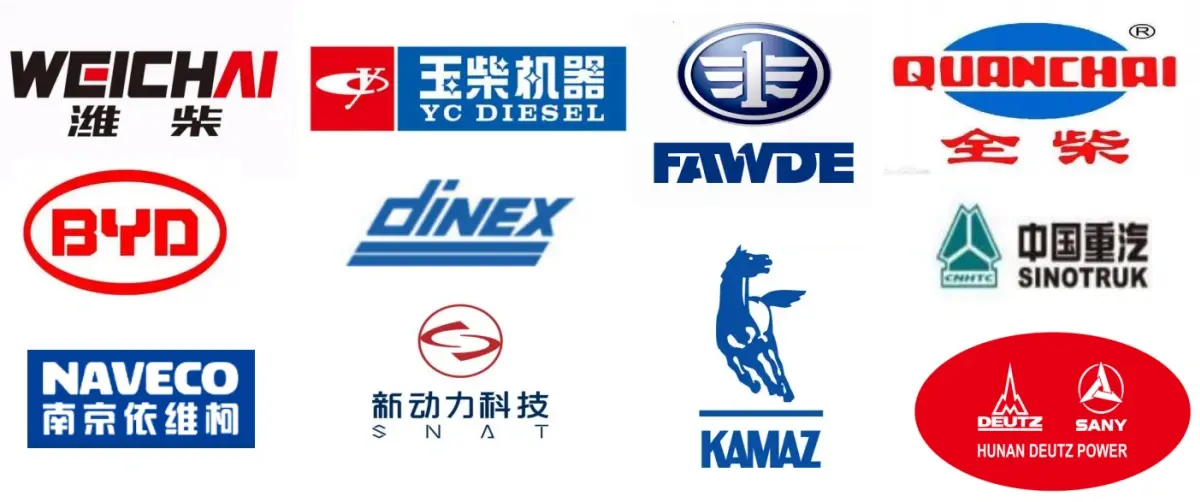
Purchasing managers often have to deal with claims that aren't backed up when they compare different technologies. Weichai Power, Yuchai Power, and Quanchai Power have all bought core sensor technology from us, which has shown us that the choice of technology has a big effect on the total cost of ownership.
Performance Advantages Over Piezoresistive Sensors
Most traditional piezoresistive sensors use silicon strain gages that are spread out or implanted. These gages are sensitive, but they are easily broken and change temperature a lot. When it comes to thermal stability, Thin Film Pressure Sensors are better because the whole detecting element goes through the same thermal expansion. This automatically balances out the effects of temperature.
In Thin Film Pressure Sensor designs, the diaphragms made of stainless steel can handle mechanical shock and overpressure events that would damage silicon-based alternatives in a way that can't be fixed. Long-term stability tests show that Thin Film Pressure Sensors stay calibrated within ±0.25% for five years of continuous use, while piezoresistive types tend to drift outside of acceptable limits in 18 to 24 months when used in harsh conditions. This longer service life lowers the cost of replacement and keeps production running as smoothly as possible during testing processes.
Why Thin Film Outperforms Capacitive Technology
Changes in capacitance between a diaphragm that bends and a fixed electrode are used by capacitive pressure sensors to measure pressure. Capacitive designs have some problems in industrial settings, even though they work well at low pressures and have great sharpness. When moisture gets into dielectric qualities, they change a lot, which leads to measurement mistakes until the material is completely dry. Capacitive signals are more easily messed up by electromagnetic radiation from motor drives, welding tools, and power transmission lines than the stable bridge outputs from Thin Film Pressure Sensors.
Temperature coefficients in capacitive sensors are usually three to five times higher than those in good Thin Film Pressure Sensor devices. This means that complex compensation algorithms are needed. Because Thin Film Pressure Sensors are hermetically sealed and welded together, they don't react to moisture inside. This means that they work the same way no matter how humid the air is, which is very important for equipment that works outside or in humid processing facilities.
Flexible Versus Rigid Thin Film Configurations
Sensor shape has a big effect on how easy it is to place and how accurate the measurements are. Rigid Thin Film Pressure Sensors have thick metal diaphragms welded into pressure ports. This gives them great mechanical strength for high-pressure hydraulic systems and a strong way to mount them in places with a lot of vibration. These arrangements work well for engine blocks, hydraulic manifolds, and long-term installations where stability is more important than space.
Flexible Thin Film Pressure Sensor types use thinner substrates that let them be mounted in a conformal way on curved surfaces or fit into small spaces inside complex assemblies. Flexible designs are very sensitive, but they need to be mounted more carefully so that stress doesn't build up and change the readings. The choice depends on the needs of the installation. At Qintai, our engineering team regularly helps customers choose the best configuration, making sure that the sensors are placed in a way that balances measurement accuracy with mechanical limitations and thermal management issues.
Selecting the Right Thin Film Pressure Sensor for Your Industrial Needs
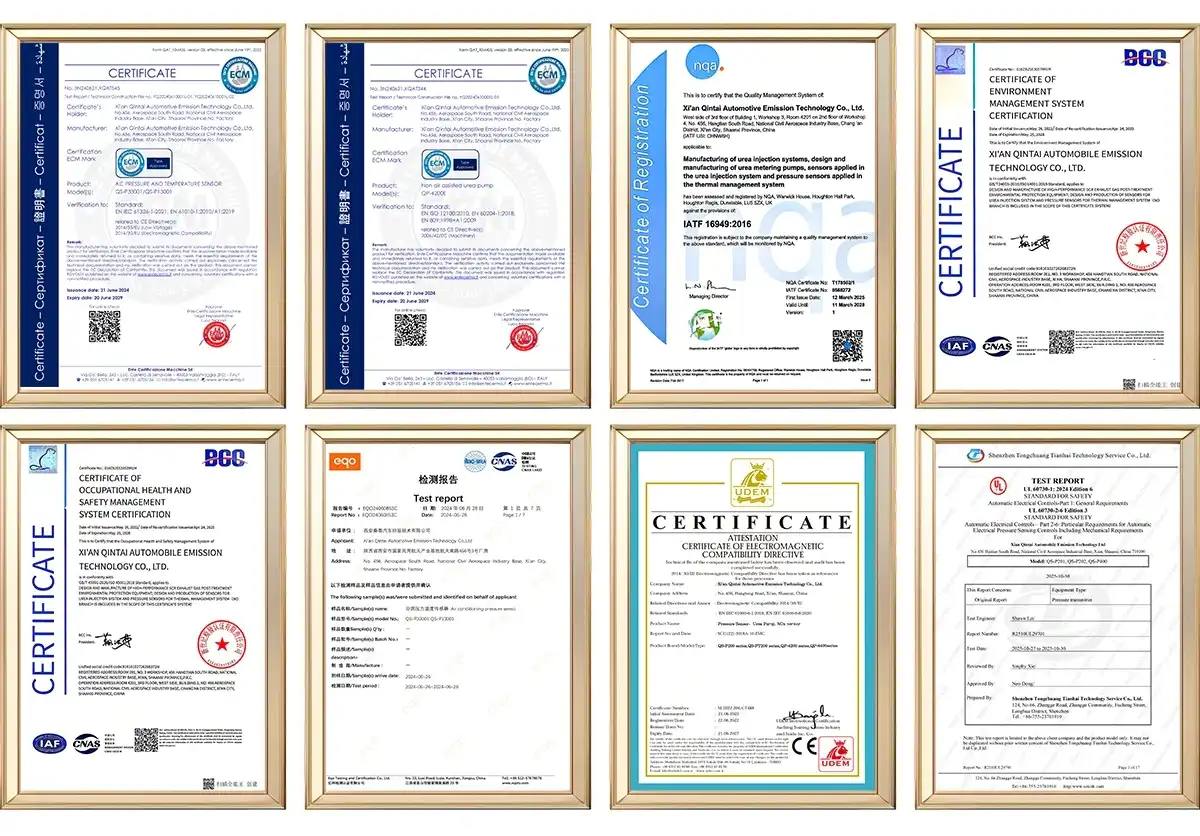
When trying to balance technical needs with budget facts and supplier skills, R&D engineers and buying managers have to make tough choices. Our 58 idea patents and IATF16949 certification show that we are dedicated to helping people make smart choices about what to buy.
Technical Criteria for Sensor Evaluation
The standards for accuracy should match the importance of the program and the needs for regulatory compliance. To keep compliance gaps, emission control systems need accuracy of ±0.25% or better, which is why high-end sensor specs are needed. General hydraulic tracking usually works fine with an error rate of ±0.5%, which lets you save money. When sensors' temperatures change by more than 30°C during operation, thermal compensation is very important. Built-in compensation hardware that keeps temperature coefficients at ±0.02%/°C provides measurement integrity without the need for external correction. In dynamic applications, response time specifications are most important.
For example, engines that change loads quickly or hydraulic systems with fast valve actuation need responses of less than 5 milliseconds. On the other hand, sensors that monitor a steady-state process can handle slower responses. Different markets have different certification needs. Our ISO9001, CMC, Ex, UL, CE, REACH, and RoHS certifications meet most global regulatory systems. However, some uses may need extra approvals that make the procurement process take longer.
Balancing Cost and Performance Requirements
When choosing sensors strategically, those who are trying to stick to a budget don't have to give up reliability. Premium sensors with an accuracy of ±0.1% and temperature coefficients of 0.01%/°C work well in important control loops where measurement error has a direct effect on safety or compliance. When compared to premium grades, mid-range sensors with an accuracy of ±0.25% and a coefficient of 0.02%/°C work very well in most industrial settings and save 30–40% on component costs. By knowing where the specification margins are in your application, you can avoid over-specifying expensive sensors when cheaper alternatives will do the job just as well.
Pricing can be negotiated based on volume commitments. As China's top OEM provider, we can offer reasonable prices to clients who sign yearly volume agreements or multi-year supply contracts. Lifecycle cost analysis should look at how often the equipment needs to be calibrated, how long it is expected to last, and how often it breaks down. For example, Thin Film Pressure Sensors that only need to be calibrated every 36 months instead of alternatives that need to be recalibrated once a year save a lot of money in maintenance labor and downtime over the life of the equipment.
OEM Customization and Manufacturing Partnerships
Working directly with manufacturers who can do OEM and ODM services opens up customization options that you can't get through distributors. Custom pressure port configurations are made to fit the needs of each mounting application. This gets rid of the need for adapter fittings, which can cause leaks and measurement errors. Customized electrical connection standards for each customer's harness designs make assembly easier and lower the complexity of the bill of materials. When you choose sensor full-scale ranges that match actual operating pressures, you get the best resolution and accuracy compared to off-the-shelf sensors with too much range.
Our independent research and development team works with customers from the idea stage all the way through mass production. They come up with new surfaces that are resistant to chemicals, different temperature ranges for harsh settings, and built-in temperature sensors when measuring both pressure and temperature at the same time is useful. Custom configurations usually have longer lead times (8–12 weeks) than standard products. This means that involving suppliers early on is very important for keeping track of the project timeline.
Trusted Brands and Suppliers for Industrial Thin Film Pressure Sensors
Supply chain managers know that choosing the right supplier affects more than just price. It also affects the availability of products, the quality of technical support, and the long-term value of the partnership.
Evaluating Manufacturer Capabilities
There are a few things that set leading pressure monitor makers apart from others. Global quality certifications, such as ISO9001 for general industry use and IATF16949 for car use, show that quality management systems are advanced. When it comes to manufacturing, history is important. Businesses that have been around for 20 years or more have seen technology changes and market cycles, and they've used that experience to make their goods stronger. The amount of money spent on research and development (R&D) is related to how much new ideas can be generated.
Companies that spend 8–12% of their income on research are always making their products work better and coming up with solutions for new uses. Having enough production capacity for mass production keeps allocation shortages from happening when demand goes up. Our facilities support volume production that meets OEM requirements from global diesel engine manufacturers while keeping delivery reliability high.
The location of a manufacturer's factory affects how resilient their supply chain is. Dual-source strategies that include Asian and European or North American suppliers lower the risk of regional disruptions, but single-source partnerships with well-capitalized manufacturers that offer inventory programs often offer better overall value.
Building Relationships With Certified Distributors
Authorized channels of distribution add value beyond just making sure that products are available. Certified distributors keep factory-fresh stock that can be fully tracked and comes with warranty support. This gets rid of the risks of fake goods that come with gray-market sourcing. Technical information like detailed datasheets, application notes, and interface guides reliably comes through the right channels, which helps engineering teams with design and troubleshooting. Having samples available for testing and evaluation speeds up product qualification compared to going through the manufacturer's bureaucracy directly.
Distribution agreements usually spell out lead times and allocation promises, which makes planning for purchases more predictable. Concerns about quality are quickly resolved by set processes that connect distributor staff directly with factory engineering resources. When looking at distributors, check to see if they are authorized on the manufacturer's website, see how good their technical help is, and ask for examples from users in the same industry as you. Technical data reliably flows through these channels, including bridge outputs from Thin Film Pressure Sensors.
Supplier Verification Best Practices
Systematic verification processes are needed to protect the security of buying. Every shipment should come with quality certificates that include material certifications, calibration records, and compliance documentation. To make sure the authenticity of these certificates, you can compare them to sensor serial numbers. Sample testing programs make sure that performance claims are true before large orders are placed. To get samples that are more like actual production lots than specially chosen units, you should ask for them to be put through stress tests in an environment that is similar to your operating conditions.
Factory audits for strategic suppliers show how well they can make things, how they check for quality, and what engineering resources they have. Virtual audits are fine for the first evaluation, but visits to the factory are required for critical suppliers before signing long-term contracts. Being honest about wait times, allocation policies, and pricing structures shows that the seller is trustworthy. If they give vague answers or refuse to give specific technical information, you should be worried and look for another supplier or do more research.
Maintenance, Calibration, and Performance Optimization in Harsh Environments
Maintenance teams and technical managers are both in charge of making sure that sensors stay accurate and available for as long as the equipment is in use. Following the right maintenance procedures will protect your sensor purchases and make sure that measurements are accurate for legal compliance and process control.
Establishing Calibration Protocols
How often you need to calibrate depends on how important the application is, what the rules say, and how fast you've seen the drift. For certification purposes, emission control systems usually need to be calibrated once a year. For general industry tracking, 24- to 36-month intervals may be okay if stable monitoring is done. As reference standards for calibration procedures, deadweight testers or precision pressure controllers that can be tracked back to national metrology institutes are used. Known pressures are applied across the sensor range while outputs are recorded.
Measured values are then compared to actual values to figure out how much error there is. The acceptable range of deviations should take into account the errors caused by both the sensors and the calibration tools. For commercial uses, this is usually ±0.5% of the total uncertainty. The environment during calibration has a big effect on the results.
If you can, do the calibrations at stable temperatures that are similar to the working conditions, or use documented Thin Film Pressure Sensor temperature factors to fix the temperature. Predictive maintenance can find sensors that are drifting faster than usual before they break by keeping track of their calibration history, adjustment records, and performance trends.
Temperature Compensation Techniques
Extreme temperature differences can cause measurement errors that need extra work to fix, even when there is built-in compensation circuitry. Choosing the right place to mount sensors reduces thermal stress by keeping them away from direct exhaust gas flow, radiant heat sources, and areas where temperatures change quickly. Thermal barriers, such as heat guards and insulated standoffs, keep sensors from getting too hot while still letting them communicate properly about pressure.
When thermal isolation isn't possible, software compensation uses correction algorithms that measure both temperature and pressure at the same time to change the readings. However, this method needs to be carefully described and proven. Our sensors have precise temperature compensation that keeps performance at ±0.02%/°C, but how they are installed has a big effect on how accurate they are. Talking to our applications engineers during system design stops thermal management problems that lower measurement quality even though the sensors have great specs.
Troubleshooting Common Performance Issues
When signal noise shows up as output fluctuations, it's usually not a sign of a broken sensor but of electromagnetic interference, poor electrical insulation, or ground loop issues. Most electrical noise problems can be fixed by keeping shielded cables away from power lines and making sure there is good grounding. Output drift past calibration intervals could be caused by mechanical stress at the mounting interfaces, contamination of the pressure port, or diaphragm corrosion from media that isn't compatible.
Many drift problems can be avoided by using inspection methods to check for proper torque application, seal integrity, and media compatibility. Connector corrosion or moisture getting into electrical terminations is a common cause of intermittent failures. Environmental sealing and conformal coating protect connections in wet or corrosive environments.
Zero offset shifts are usually caused by changes in temperature or mechanical loading, which can be fixed by remounting the part using the right installation methods. When you're trying to figure out what's wrong with a sensor, you should rule out installation and external factors first. This is because most failures in the field are caused by application conditions rather than problems with the sensor itself.
Conclusion
Thin Film Pressure Sensors are the best choice for diesel engine aftertreatment systems, heavy machinery, and difficult process uses because they are the most reliable, accurate, and long-lasting sensors on the market. Their one-piece design, better temperature stability, and resistance to shock, shaking, and toxic media make them clearly better than other technologies. To do a good job of buying, you need to know the technical requirements, find a balance between performance and cost, and work with capable makers who can offer customization and quick support.
Using the right installation and testing procedures will make sensors work better and last longer, protecting your investments and making sure the accuracy of your measurements. As rules on emissions get stricter and industrial systems get smarter, Thin Film Pressure Sensor technology keeps getting better, making it easier to use in the toughest situations.
FAQ
Why do thin film pressure sensors perform better in harsh environments than other sensor types?
Thin Film Pressure Sensors are monolithic in design, meaning that the detecting elements are bonded directly to metal diaphragms using vacuum deposition methods. This eliminates the need for glue and seals that break down when exposed to chemicals, vibrations, and temperature cycles. Extreme temperatures, pressure surges, and mechanical shocks can't affect the accuracy of this integrated design. The hermetically welded enclosure keeps out moisture and dirt, so the sensor works the same way even in corrosive or humid environments where other sensors would fail early.
Can thin film sensors be customized for specific diesel engine applications?
OEM and ODM manufacturers can change the pressure ranges, port configurations, electrical connectors, temperature requirements, and special coatings on Thin Film Pressure Sensors. Custom solutions improve performance for specific needs, such as monitoring the differential pressure of an SCR system or using high-temperature exhaust. Working with experienced suppliers during the design phase makes sure that sensors meet technical requirements and meet cost and mass production goals.
What certifications should procurement managers require for industrial pressure sensors?
Quality certifications, such as ISO9001 and IATF16949 for automotive uses, and safety approvals, such as CE, UL, and Ex ratings, make sure that the products are made well and follow the rules. Environmental compliance certifications, such as REACH and RoHS, make sure that the materials are safe. Some examples of application-specific licenses are diesel engine emission system approvals or industry standards for hydraulic or process uses. Requesting certification paperwork with every shipment makes sure that compliance is maintained.
Partner With Qintai for Reliable Thin Film Pressure Sensor Solutions
Qintai Automotive Emission Technology Co., Ltd. has been a leader in Thin Film Pressure Sensor technology for more than 20 years and has a wide range of manufacturing skills to help diesel engine OEMs, aftertreatment system integrators, and industrial equipment manufacturers all over the world. Weichai Power, Yuchai Power, and Quanchai Power are some of our main customers in China.
As the top Thin Film Pressure Sensor supplier in China, we offer proven reliability backed by IATF16949 quality systems and 58 invention patents. From the first concept to mass production, our independent research and development team works together to make custom sensor solutions that meet your exact needs. Whether you need sensors for emission compliance, hydraulic systems, or tough industrial processes, our technical experts are ready to help you right away to make sure the integration goes smoothly.
You can email our research and sales teams at info@qt-sensor.com to talk about your application needs, get technical specs, or get cheap quotes for Thin Film Pressure Sensors that are either standard or custom made. You can look at our whole line of sensors at qt-sensor.com and learn how Qintai's world-class production can give your projects the performance, reliability, and relationship value they need.
References
1. Pallas-Areny, R., & Webster, J. G. (2001). Sensors and Signal Conditioning (2nd ed.). Wiley-Interscience.
2. Barlian, A. A., heart. T., Mallon, J. R., Rastegar, A. J., & Pruitt, B. L. (2009). Review: Semiconductor Piezoresistance for Microsystems. Proceedings of the IEEE, 97(3), 513-552.
3. Tian, B., Zhao, Y., Jiang, Z., Zhang, L., & Liao, N. (2012). The Design and Analysis of Beam-Membrane Structure Sensors for Micro-Pressure Measurement. Review of Scientific Instruments, 83(4), 045003.
4. Shevchenko, M. A., Ivshin, P. A., & Chizhov, A. S. (2018). Thin-Film Pressure Sensors: Materials, Manufacturing, and Application Challenges. Sensors and Actuators A: Physical, 271, 17-31.
5. Frank, R. (2010). Understanding Smart Sensors (3rd ed.). Artech House Publishers.
6. Keil, S. (2017). Technology and Practical Use of Strain Gages: With Particular Consideration of Stress Analysis Using Strain Gages. Wilhelm Ernst & Sohn.
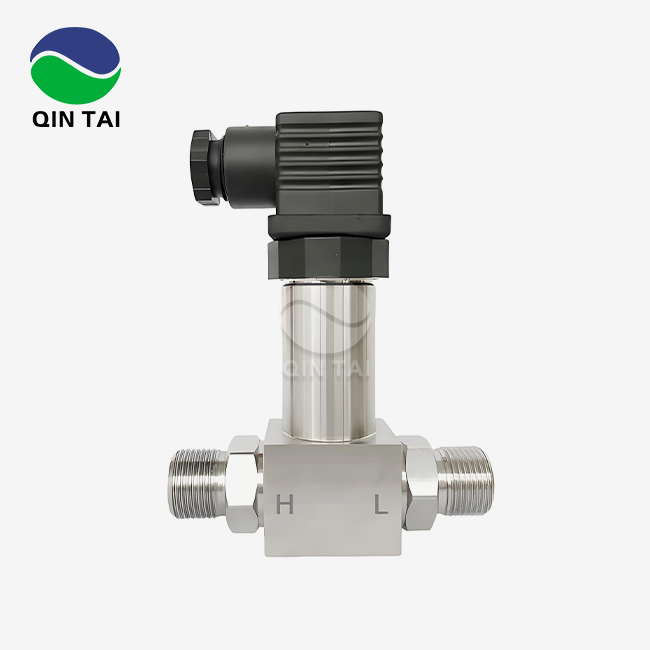
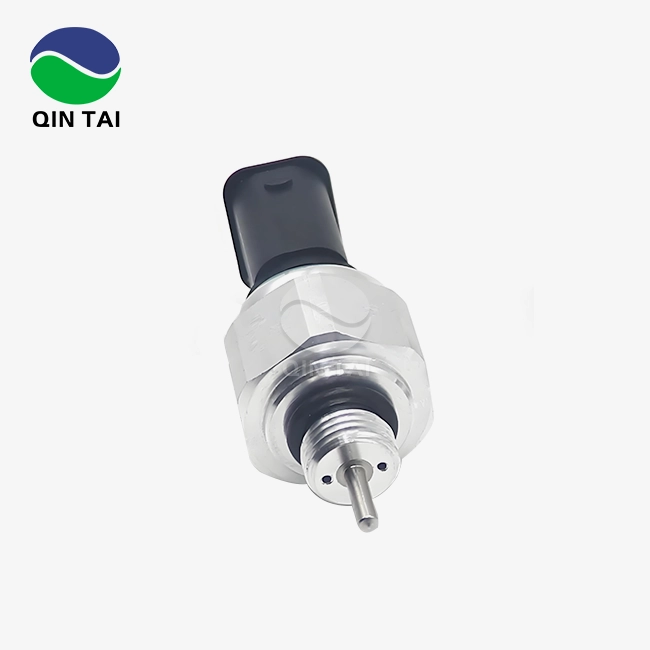
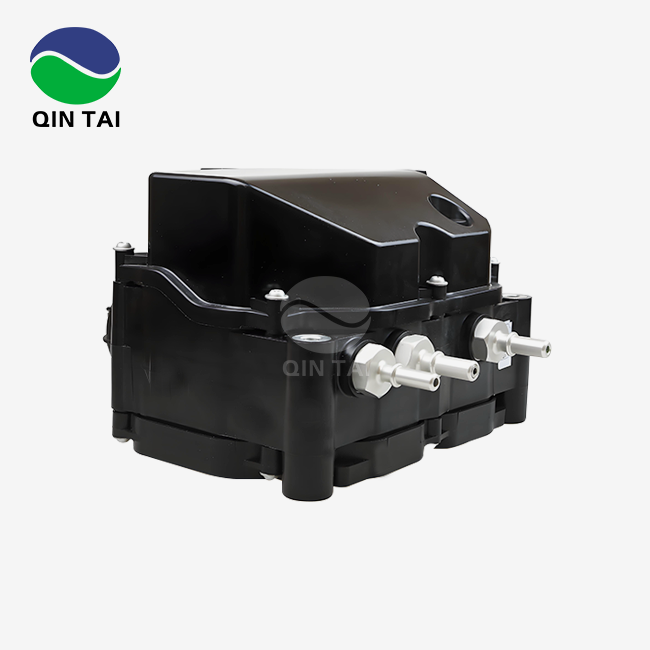
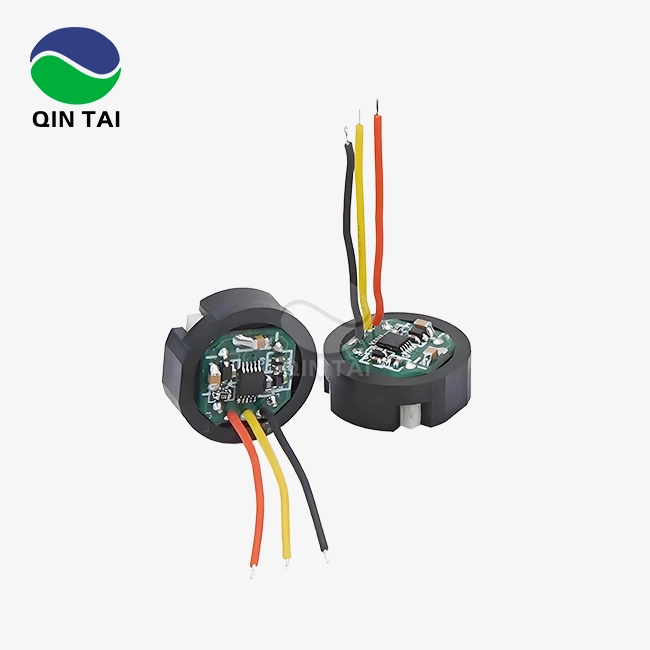

Our customers’ satisfaction speaks for our quality — contact us to experience the same reliable service.