- English
- French
- German
- Portuguese
- Spanish
- Russian
- Japanese
- Korean
- Arabic
- Greek
- German
- Turkish
- Italian
- Danish
- Romanian
- Indonesian
- Czech
- Afrikaans
- Swedish
- Polish
- Basque
- Catalan
- Esperanto
- Hindi
- Lao
- Albanian
- Amharic
- Armenian
- Azerbaijani
- Belarusian
- Bengali
- Bosnian
- Bulgarian
- Cebuano
- Chichewa
- Corsican
- Croatian
- Dutch
- Estonian
- Filipino
- Finnish
- Frisian
- Galician
- Georgian
- Gujarati
- Haitian
- Hausa
- Hawaiian
- Hebrew
- Hmong
- Hungarian
- Icelandic
- Igbo
- Javanese
- Kannada
- Kazakh
- Khmer
- Kurdish
- Kyrgyz
- Latin
- Latvian
- Lithuanian
- Luxembou..
- Macedonian
- Malagasy
- Malay
- Malayalam
- Maltese
- Maori
- Marathi
- Mongolian
- Burmese
- Nepali
- Norwegian
- Pashto
- Persian
- Punjabi
- Serbian
- Sesotho
- Sinhala
- Slovak
- Slovenian
- Somali
- Samoan
- Scots Gaelic
- Shona
- Sindhi
- Sundanese
- Swahili
- Tajik
- Tamil
- Telugu
- Thai
- Ukrainian
- Urdu
- Uzbek
- Vietnamese
- Welsh
- Xhosa
- Yiddish
- Yoruba
- Zulu
OEM AdBlue Dosing System Solutions: What Buyers Should Check
When sourcing an AdBlue dosing system for diesel engine applications, buyers face critical decisions that impact emissions compliance, operational reliability, and long-term cost control. An AdBlue dosing system injects precise quantities of Diesel Exhaust Fluid (DEF) into the exhaust stream to facilitate selective catalytic reduction (SCR), converting harmful nitrogen oxides into harmless nitrogen and water vapor. Selecting the right OEM solution requires evaluating technical specifications, supplier credentials, system compatibility, and aftermarket support to ensure your investment delivers consistent performance under stringent emission standards like EPA 2010 and Euro VI.
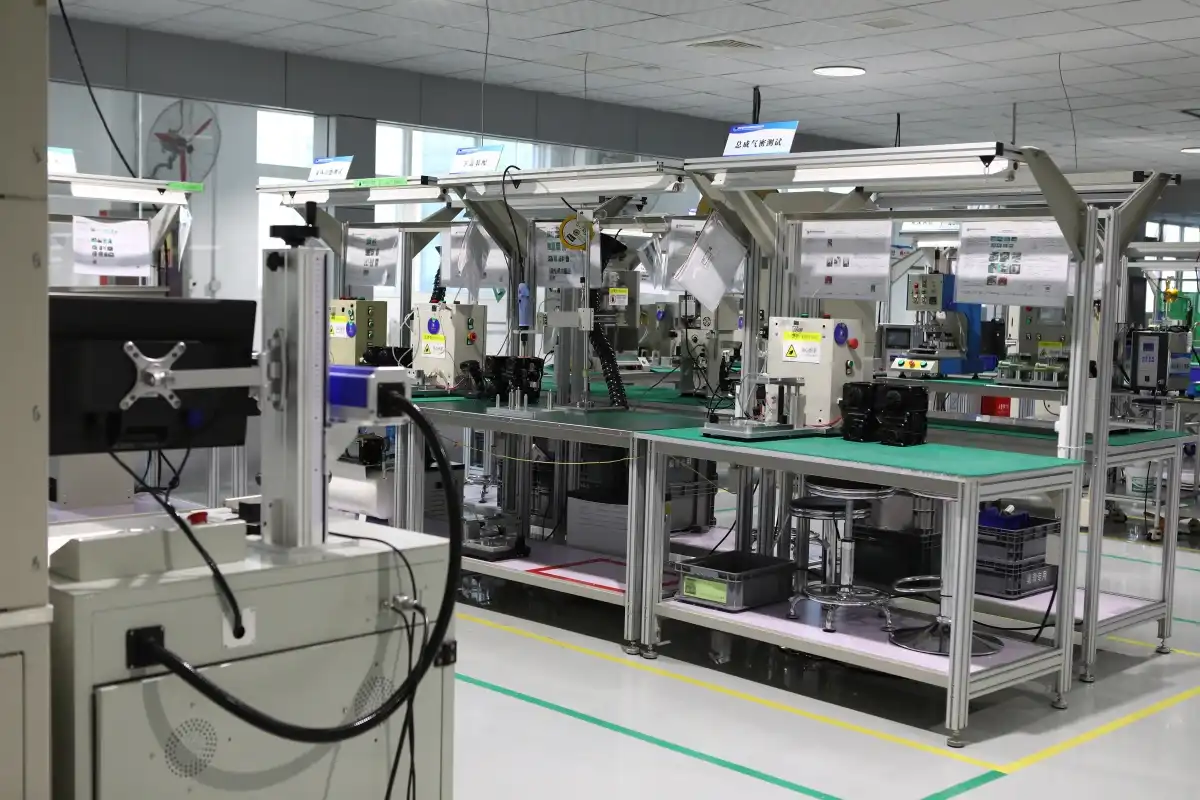
Understanding OEM AdBlue Dosing Systems: Key Components and Working Principles
SCR technology is used in modern diesel engines to meet stricter environmental rules. AdBlue Dosing System: This is the most important part of the technology; it carefully adds AdBlue to the exhaust stream. When procurement managers know how these systems work, they can make decisions that meet both operational goals and compliance requirements.
Core Components That Drive System Performance
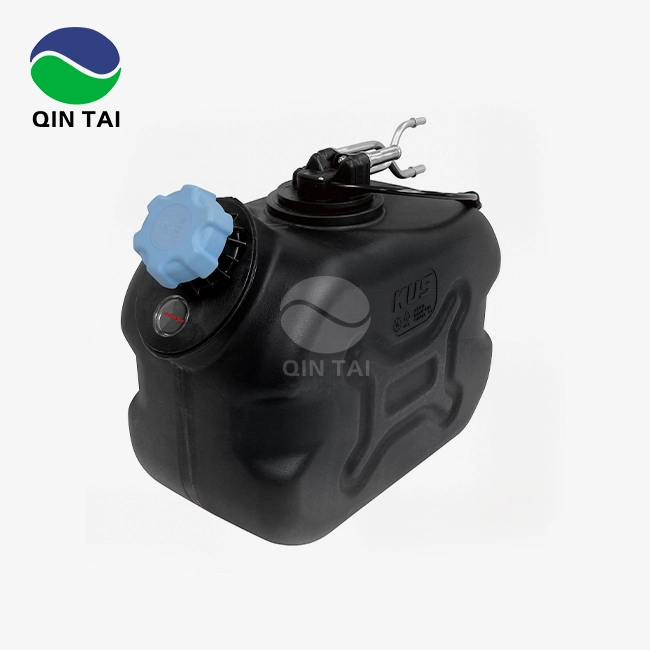
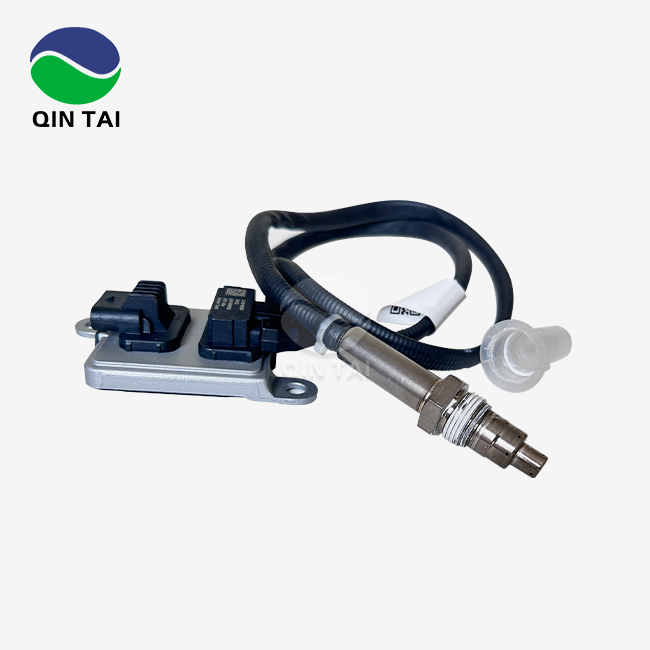
The pump, syringe, and electronic control unit (ECU) are all inside the dosage module, which is also the control center. This module gets information from NOx monitors in real time and changes the input rate based on that information. AdBlue stays at the right temperature in the storage tank because it has built-in heating elements. This keeps the liquid from freezing in cold places where the temperature drops below -11°C. High-quality filtration parts keep the injector clean, which extends the life of the parts and keeps dosing accurate.
Pressure sensors constantly check how well the system is working and let workers know about any problems before they become expensive fails. Temperature sensors make sure the fluid stays in the right ranges for operation, and level monitors stop the pump from getting dry, which could damage it. To meet the emission reduction goals set by regulatory bodies, all of the parts must work together.
Electronic vs. Mechanical Dosing Technologies
Because they are more accurate and flexible, electronic AdBlue Dosing Systems rule the OEM market. The injection rates are changed automatically by these systems based on the load on the engine, the temperature of the exhaust, and real-time NOx readings. The closed-loop control makes sure that the dose is accurate to within ±2%, which is very important for staying in compliance during emissions testing and in real life.
Even though mechanical systems aren't used as much in new projects, they are still useful in some situations where ease of use and low start-up costs are more important than accuracy. But because they can't adjust to different operating conditions, they aren't as good for uses that need to follow strict emission testing protocols. Electronic systems also work well with vehicle telematics, which lets you do remote diagnostics and planned maintenance ahead of time, which cuts down on unplanned downtime.

Critical Factors Buyers Should Check Before Procuring an OEM AdBlue Dosing System
A lot of technical and operational factors need to be carefully looked at in order to choose the right dosing solution. Buyers need to think about more than just the initial purchase price. They need to think about the total cost of ownership, which includes how hard it is to install, how much upkeep it needs, and any possible legal risks.
System Compatibility and Application Fit
Heavy-duty trucks that go on long-distance trips need AdBlue Dosing Systems that are strong and can keep working in a variety of climates and duty cycles. Construction equipment often idles and works in places with a lot of vibration, so it needs AdBlue Dosing Systems that are stable and have strong mounting. Agricultural equipment works in dusty conditions and is only used during certain times of the year. This means that it needs better filtration and storage solutions to keep it clean when it's not being used for long periods of time.
For generator sets to work continuously in mission-critical situations, they need to be very reliable. For thousands of hours of use, the AdBlue Dosing System must keep working properly without any help. By matching system specs to your unique application, you can avoid early failures and make sure compliance throughout the duration of the equipment.
Dosing Accuracy and Regulatory Compliance
AdBlue Dosing System accuracy is the most important performance metric because it has a direct effect on how well NOx is converted. Systems have to stay precise throughout the whole range of operations, from starting up from cold to running at full load for a long time. To meet EPA standards, NOx levels must be lowered by more than 90% in most situations. This can only be done with AdBlue Dosing Systems that are accurate to within ±2%.
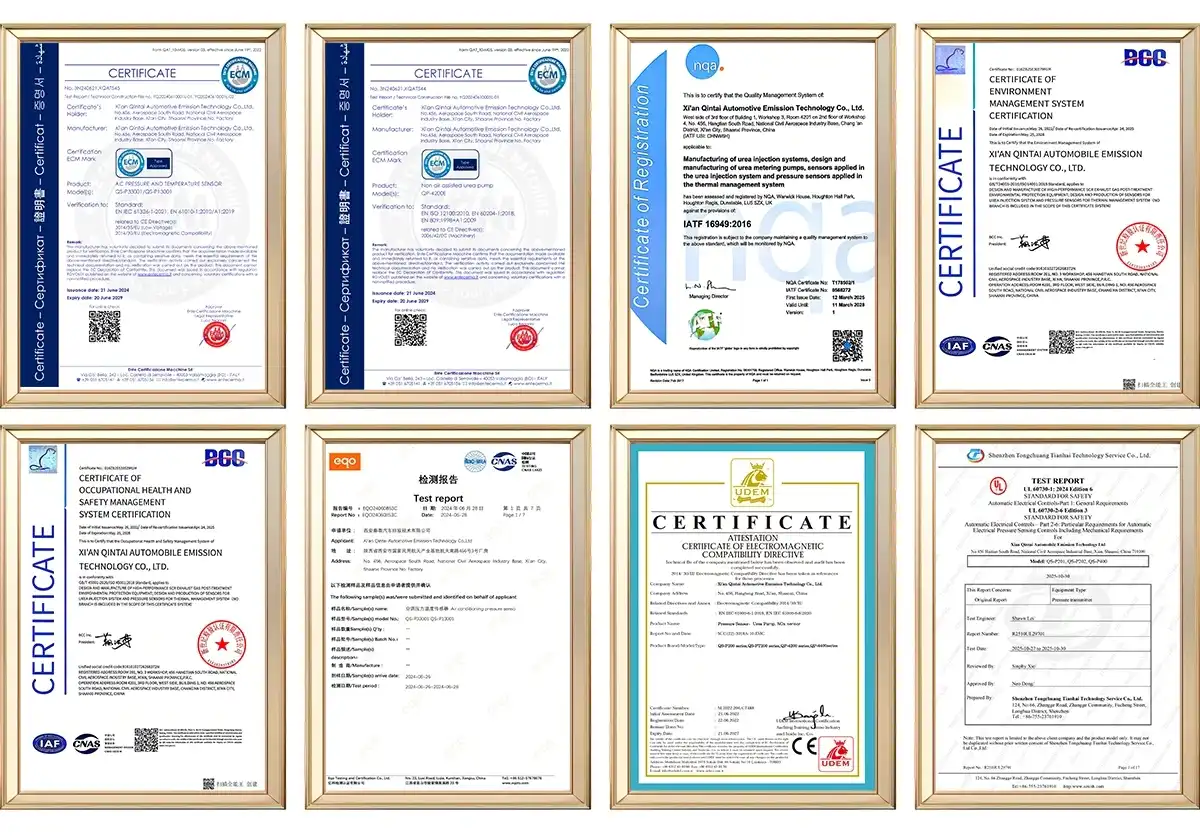
Certification paperwork shows that the system meets the standards that apply. Make sure that the supplier you're considering offers full certification packages that include ISO 22241 compliance for AdBlue quality, IATF 16949 compliance for automotive quality management, and specific EPA or CARB approvals for use in the U.S. market. Buyers who don't have the right certifications could face fines from the government and equipment recalls.
Long-term Durability and Maintenance Considerations
Testing for durability over a shorter length of time shows how well systems work after the guarantee period is over. OEM systems of good quality are tested for thermal cycling, vibration, and corrosion resistance to make sure they will work for years to come. Maintenance intervals have a direct effect on operating costs. For example, systems that need service every 50,000 miles cost a lot more over their lifetime than systems that are designed to last 200,000 miles.
How quickly you can get broken equipment back into service depends on how readily available the parts are. OEM providers that have been around for a while keep up regional distribution networks and guarantee that parts will be available for 10 years or more after production stops. Smaller providers may have good prices at first, but they may not have the means to meet long-term needs for parts, which leaves the supply chain open to risks.
Comparing Leading OEM AdBlue Dosing Systems: Brands and Models Overview
There are a number of well-known suppliers on the global market, and each one offers a different set of technical approaches and business models. Buyers can better match a supplier's skills with their unique needs when they know their relative strengths.
Major Suppliers and Their Market Positioning
By working with a lot of automakers and integrating a lot of diagnostic tools, Bosch stays strong in the market. Their systems focus on precise control and CAN bus integration that works without any problems. Continental focuses on small packages and modular designs that make fitting easier in places with limited room. Siemens focuses on heavy-duty industrial applications and has ruggedized parts that are made to handle harsh duty cycles.
New Asian suppliers offer low prices and the ability to make changes, which makes them attractive to buyers who want to save money and uses that need non-standard configurations. Before making large purchases, buyers should carefully check the company's certification status, warranty terms, and technical support. This new group of technically skilled suppliers is led by Xi'an Qintai Automotive Emission Technology, which has both ISO 9001 and IATF 16949 certifications and a lot of OEM experience working with major Chinese engine manufacturers.
Technical Feature Comparison
For light-duty uses, the dose rate runs from 5 liters per hour to 30 liters or more per hour for heavy-duty tools. To make sure the system lasts a long time, buyers should choose capacity that is 20 to 30 percent higher than the estimated highest demand. Response time affects how well emissions are controlled when conditions change quickly. High-end systems can adjust their doses correctly within two seconds of a change in demand, while cheaper options may need five or more seconds.
The operating temperature range tells you if a system can work in harsh climates. Standard systems work in temperatures ranging from -40°C to +85°C, which is good enough for most uses. For mining equipment and operations in the arctic, better systems with wider temperature ranges and extra heating elements may be needed. Filtration standards are very different. High-end systems use multiple stages of filtration that go all the way down to 5 microns to protect sensitive injector parts from crystallization and contamination.
Procurement Guide: How to Buy and Install OEM AdBlue Dosing Systems Effectively
To have successful buying, you need to do more than just choose the right technical specs, such as those for an AdBlue Dosing System; you also need to check the suppliers, plan the installation, and evaluate the aftermarket support. All of these factors together decide whether your investment gives you the success and return on investment (ROI) you expect.
Sourcing from Qualified Suppliers
Before you evaluate a supplier, check the certifications using separate databases instead of just depending on the paperwork the seller gives you. Get test reports from a third party that confirm the accuracy of the dosing, the product's durability, and its emissions performance. References from customers who have used similar products in the past can tell you a lot about how well the product works in real life and how quickly the supplier responds to warranty claims.
When it comes to the aftermarket, counterfeit and gray-market parts are big problems. Genuine OEM sellers give you numbered parts with records that show how they were made. Buying agreements should include ways to make sure that parts are authentic and ways to fix products that don't meet standards. Established sources are open to factory checks, which show how quality control works and what the factory can make.
Installation and Calibration Best Practices
Professional installation by trained experts makes sure that the system works at its best and that the guarantee is valid. The life of the system depends on where it is mounted—components need to be covered from direct road spray, too much heat, and mechanical impact. To avoid chafing and electrical problems that cause fake trouble codes, wiring cables need to be routed correctly and have strain relief.
Calibration procedures vary by system type and vehicle integration approach. Electronic systems need software configuration that matches the parameters of the engine, the characteristics of the exhaust, and the duty cycle of the vehicle. Under-dosing (compliance failures) or over-dosing (increased operating costs and possible catalyst damage) are caused by bad calibration. Documentation of calibration is very important for emissions testing and warranty claims.
Warranty Terms and After-sales Support
You can trust a supplier's quality promises when they offer warranties that cover three years or 300,000 miles. Carefully read through the warranty's restrictions. Many companies won't cover contaminated AdBlue, bad fitting, or the use of replacement filters that aren't approved by the manufacturer. Access to technical support during system troubleshooting keeps downtime from lasting too long when problems happen.
Fleet owners and original equipment manufacturers can save a lot of money by buying in bulk. When you commit to buying in bulk, you can often get better prices, dedicated technical help, and custom stocking plans that cut down on the time it takes to get things. But buyers have to weigh the benefits of lower prices against the costs of keeping goods and the risk of items becoming obsolete as technology changes.
Future Outlook and Innovations in OEM AdBlue Dosing Technologies
The main goals of dosing technology development are to improve accuracy through advanced sensing, make upkeep more predictable through connection, and make it easier to meet stricter emission standards.
Advanced Sensor Integration and Smart Diagnostics
Next-generation AdBlue Dosing Systems have more than one NOx sensor, which gives more accurate measurements and proof that the doses are working. Machine learning algorithms look at patterns in sensor data to find small drops in performance before they lead to noticeable increases in emissions. This ability to predict the future makes condition-based maintenance possible, which replaces service cycles based on time with decisions based on data. These choices lower maintenance costs while increasing reliability.
Dosing systems go from being separate parts to being combined fleet management assets when they are connected to the internet of things (IoT). Real-time data transmission makes remote diagnostics possible, which means that many fault conditions don't need to be visited by a technician. Fleet managers can see how much AdBlue each car is using and find vehicles that are using too much, which could mean they have problems with their injectors or exhaust leaks. Over-the-air software updates make sure that systems stay at their best as emission algorithms get better.
Regulatory Evolution and Technical Response
The California Air Resources Board (CARB) wants to set Low-NOx standards that will require even lower emission levels than the current EPA rules. This will push the development of AdBlue Dosing Systems toward even tighter tolerances. Systems need to provide precise input during cold starts and low-load situations, which are hard for present technologies to do. Better heating systems and better atomization in the injector are examples of technical responses that are still being worked on.
European Stage VI rules and possible future changes will keep pushing makers to use cleaner technologies. AdBlue Dosing Systems need to be able to last for a long time, as the requirements for heavy-duty use have grown to 700,000 miles. When businesses invest in tried-and-true OEM technology, they can easily adapt to new rules without having to pay for expensive upgrades or replace equipment too soon.
Conclusion
To choose the best AdBlue Dosing System, you need to think about how well it works technically, how well it follows the rules, how reliable the provider is, and how much it costs to own the whole thing. Buyers need to check the credentials of suppliers for certification, check the quality of parts, and make sure that the suppliers' technical support meets their needs. Investing in tried-and-true OEM technology ensures compliance, lowers the risk of downtime, and gives you the freedom to change as emission rules get stricter. AdBlue Dosing Systems of good quality from well-known brands are valuable assets that keep your business safe from environmental risks and help you meet your environmental responsibility goals.
FAQ
What maintenance schedule should I expect for OEM dosing systems?
Depending on the quality of the AdBlue and the environment in which the system is used, premium OEM AdBlue Dosing Systems usually need to have their filters changed every 120,000 to 200,000 miles. Injectors are checked at regular service times, but good systems may last 400,000 miles or more before they need to be replaced. In places with a lot of dirt and grime, filter cleaning needs to be done more often to protect pump parts.
Can I retrofit existing diesel engines with modern dosing systems?
Retrofitting depends on how the exhaust system is set up and how much mounting space is available. Engines that came with basic SCR can often be upgraded to more powerful computer dosing to make them run better. But engines that don't have SCR infrastructure need a lot of changes, like installing a catalyst, managing the exhaust temperature, and connecting an ECU. These changes are usually only worth it for expensive equipment because they make the equipment more valuable.
What causes most dosing system failures?
The main reason for failure is contaminated AdBlue, which introduces particles that block filters and hurt injectors. Crystallization can happen when storage isn't done right or when the heating system breaks down, blocking the system. Corrosion of electrical connectors caused by road salt causes fake trouble codes and operation that stops and starts. With the right way to handle fluids, regular filter cleaning, and safe mounting, most problems can be avoided.
Partner with Qintai for Reliable AdBlue Dosing System Solutions
Xi'an Qintai Automotive Emission Technology has been working with SCR systems for more than 20 years and is the main seller of AdBlue Dosing Systems to China's top engine makers, such as Weichai Power, Yuchai Power, and Quanchai Power. Our factory is IATF 16949-certified and makes systems that combine precise control with industrial-grade sturdiness. These systems are backed by 58 idea patents and a wide range of certifications, such as ISO 9001, CMC, UL, CE, REACH, and RoHS compliance. We offer OEM/ODM services that are flexible and can be fully customized to meet the needs of your specific application. Our technical teams in more than 60 countries are also available to help you.
Contract our engineering team at info@qt-sensor.com to talk about your dosing system needs and find out how our tried-and-true solutions can help you meet emissions standards more easily while also lowering your total cost of ownership. You can find detailed technical specifications and ask for quotes for your next project at qt-sensor.com.
References
1. Society of Automotive Engineers. (2021). Selective Catalytic Reduction Systems for Diesel Engines: Design and Performance Optimization. SAE International Technical Paper Series.
2. Environmental Protection Agency. (2020). Heavy-Duty Highway Compression-Ignition Engines and Urban Buses: Exhaust Emission Standards. EPA Regulatory Documentation.
3. International Organization for Standardization. (2019). ISO 22241-1:2019 Diesel Engines – NOx Reduction Agent AUS 32 – Part 1: Quality Requirements. ISO Standards Catalogue.
4. Johnson, T. V. (2022). "Review of Selective Catalytic Reduction (SCR) and Related Technologies for Mobile Applications." International Journal of Engine Research, 23(4), 533-572.
5. Continental Automotive GmbH. (2021). AdBlue Dosing Systems: Technical Manual for OEM Integration. Continental Technical Documentation.
6. Bosch Mobility Solutions. (2020). Diesel Systems: Exhaust-Gas Treatment for Commercial Vehicles. Robert Bosch GmbH Technical Reference.
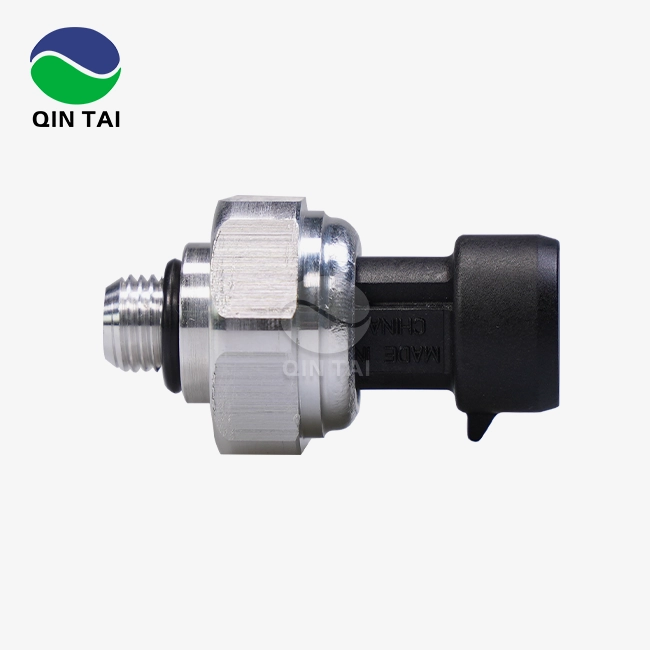
 Sensor.webp)

Our customers’ satisfaction speaks for our quality — contact us to experience the same reliable service.