- English
- French
- German
- Portuguese
- Spanish
- Russian
- Japanese
- Korean
- Arabic
- Greek
- German
- Turkish
- Italian
- Danish
- Romanian
- Indonesian
- Czech
- Afrikaans
- Swedish
- Polish
- Basque
- Catalan
- Esperanto
- Hindi
- Lao
- Albanian
- Amharic
- Armenian
- Azerbaijani
- Belarusian
- Bengali
- Bosnian
- Bulgarian
- Cebuano
- Chichewa
- Corsican
- Croatian
- Dutch
- Estonian
- Filipino
- Finnish
- Frisian
- Galician
- Georgian
- Gujarati
- Haitian
- Hausa
- Hawaiian
- Hebrew
- Hmong
- Hungarian
- Icelandic
- Igbo
- Javanese
- Kannada
- Kazakh
- Khmer
- Kurdish
- Kyrgyz
- Latin
- Latvian
- Lithuanian
- Luxembou..
- Macedonian
- Malagasy
- Malay
- Malayalam
- Maltese
- Maori
- Marathi
- Mongolian
- Burmese
- Nepali
- Norwegian
- Pashto
- Persian
- Punjabi
- Serbian
- Sesotho
- Sinhala
- Slovak
- Slovenian
- Somali
- Samoan
- Scots Gaelic
- Shona
- Sindhi
- Sundanese
- Swahili
- Tajik
- Tamil
- Telugu
- Thai
- Ukrainian
- Urdu
- Uzbek
- Vietnamese
- Welsh
- Xhosa
- Yiddish
- Yoruba
- Zulu
Top Urea Injection System Benefits for Heavy-Duty Diesel Engines
When operating heavy-duty diesel engines in demanding industrial environments, meeting stringent emission standards while maintaining operational efficiency presents a complex challenge. The Urea Injection System addresses this issue by integrating Selective Catalytic Reduction (SCR) technology to dramatically reduce nitrogen oxide (NOx) emissions. This advanced solution atomizes Diesel Exhaust Fluid (DEF or AdBlue) into the exhaust stream, facilitating a chemical reaction that converts harmful pollutants into harmless nitrogen and water vapor. As a purchasing manager or R&D engineer working with OEMs, aftertreatment integrators, or fleet operators, understanding these systems empowers you to make informed procurement decisions that balance regulatory compliance, cost control, and long-term reliability.
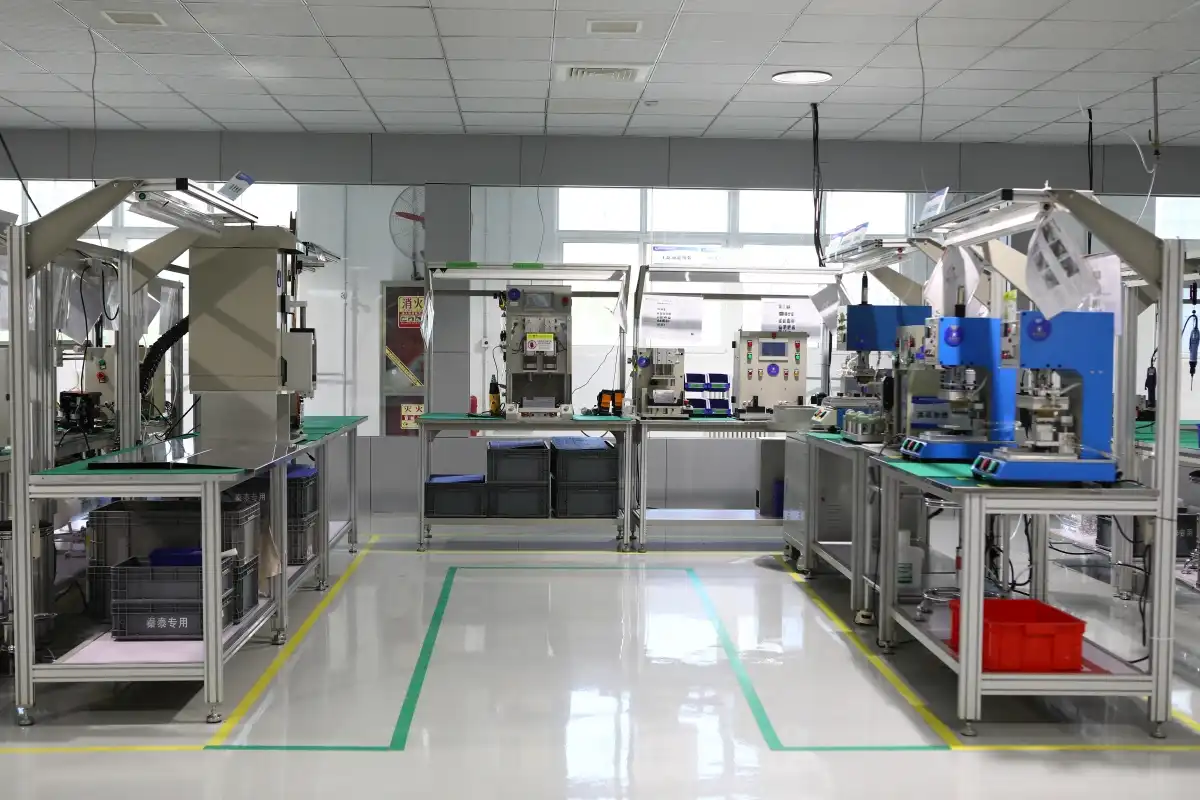
Understanding Urea Injection Systems and Their Core Benefits
To meet EPA Tier 4 Final and Euro VI standards, modern diesel engines need high-tech ways to control emissions. A exact amount of DEF is injected into the exhaust stream through special tubes for SCR systems to work. The DEF breaks down into ammonia (NH₀) when it comes into contact with the hot tailpipe. The ammonia then reacts with NOx on top of a catalyst, making nitrogen gas and water vapor that are safe for the environment.
This is how the chemical change happens: CO(NH₂)₂ + H₂O → 2NH₃ + CO₂; then 4NO + 4NH₃ + O₂ → 4N₂ + 6H₂O. For this precise process to work, it needs high-quality injection nozzles that can atomize very small amounts of material at very high speeds and temperatures.
Enhanced Fuel Efficiency and Engine Performance
When engines have well-tuned SCR systems, they can burn fuel as efficiently as possible without causing pollution. waste Gas Recirculation (EGR) systems send waste back into the combustion chamber. SCR technology, on the other hand, lets the engine run with the right amount of fuel and air. This means real fuel savings, which is especially important for fleet operators who are in charge of thousands of hours of operation each year for commercial vehicles, construction equipment, and farm machinery.
Extended Engine Longevity and Reduced Wear
SCR technology protects important engine parts from heat damage by allowing better combustion processes and lowering temperatures inside the cylinders compared to systems that depend on EGR. Pistons, rings, and cylinder walls wear out less quickly when the working temperature is lower. Manufacturers of generator sets that work in mines and power plants gain the most from this longer component life because unplanned repair shutdowns cost a lot of money.
Lower Maintenance Costs Through System Reliability
Strong electromagnetic measuring tools are built into high-quality injection nozzles so they can work in harsh conditions. In more advanced models, heating parts stop DEF from crystallizing at temperatures below -11°C (12°F), which can block valves and make doses less accurate. Many modern systems have self-cleaning features that push heated fluid through the nozzle and dissolve any crystallization that has built up without any help from a person, which is a key advantage of a well-designed Urea Injection System for cold-weather operations. This arrangement cuts down on downtime and the cost of repair workers.
Regulatory Compliance and Future-Proofing
Emission rules are getting stricter all over the world. Engines with tried-and-true SCR technology meet the requirements of the latest China VI and Euro VI standards and can also be changed to meet the needs of future regulations. This makes sure that you follow the rules, which protects your capital investment by lowering the risk of operational restrictions, fines, and equipment becoming obsolete.
Environmental Stewardship and Corporate Responsibility
In addition to following the rules, putting in place efficient pollution control shows that you care about the environment. Getting rid of NOx directly makes the air quality better in cities and factories. Stakeholders are paying more attention to how companies affect the environment, which makes documented emission performance a competitive differentiator in the buying process.

Comparing Urea Injection Systems with Alternative Solutions
Getting to know how SCR-based urea injection stacks up against other emission control technologies helps buying teams figure out the total cost of ownership and how well the technology fits the business.
SCR versus EGR Technology
EGR systems send exhaust gasses back into the intake manifold to lower the temperature of the combustion process and stop NOx from forming. Even though this method works, it lowers fuel efficiency and makes more particulate matter, which means that the diesel particulate filter (DPF) needs to be regenerated more often. After combustion, NOx is dealt with by SCR systems, which lets engines keep working at their best. Heavy truck fleets have tested SCR-equipped engines in the real world and found that they get 3 to 5 percent better fuel economy than EGR-only systems when the conditions are the same.
DEF System Integration and Terminology
In technical writing, the words "Urea Injection System" and "DEF system" are often used to refer to the same thing. DEF is the usual urea solution in water, which has a percentage of 32.5% urea and meets ISO 22241 standards for use in cars. The nozzles, dosing module, control unit, and sensors that work with them make up the injection system. They precisely measure DEF into the exhaust. Knowing about this connection makes technical details easier to understand when reviewing what different suppliers have to offer.
Evaluating Leading Component Suppliers
On the world market, there are a number of well-known companies that make SCR components. Companies like Bosch, Denso, and Cummins give complete solutions that have been tested in a wide range of situations. When comparing suppliers, don't just look at the prices of the parts themselves. Also think about things like how well the sensors work together, how well the warranties cover them, and how quickly they respond to technical questions, especially when integrating a complex Urea Injection System that must communicate seamlessly with existing engine controls. A supplier with strong research and development skills can change systems to fit the needs of different applications, whether they are for stationary generator sets or mobile building tools.
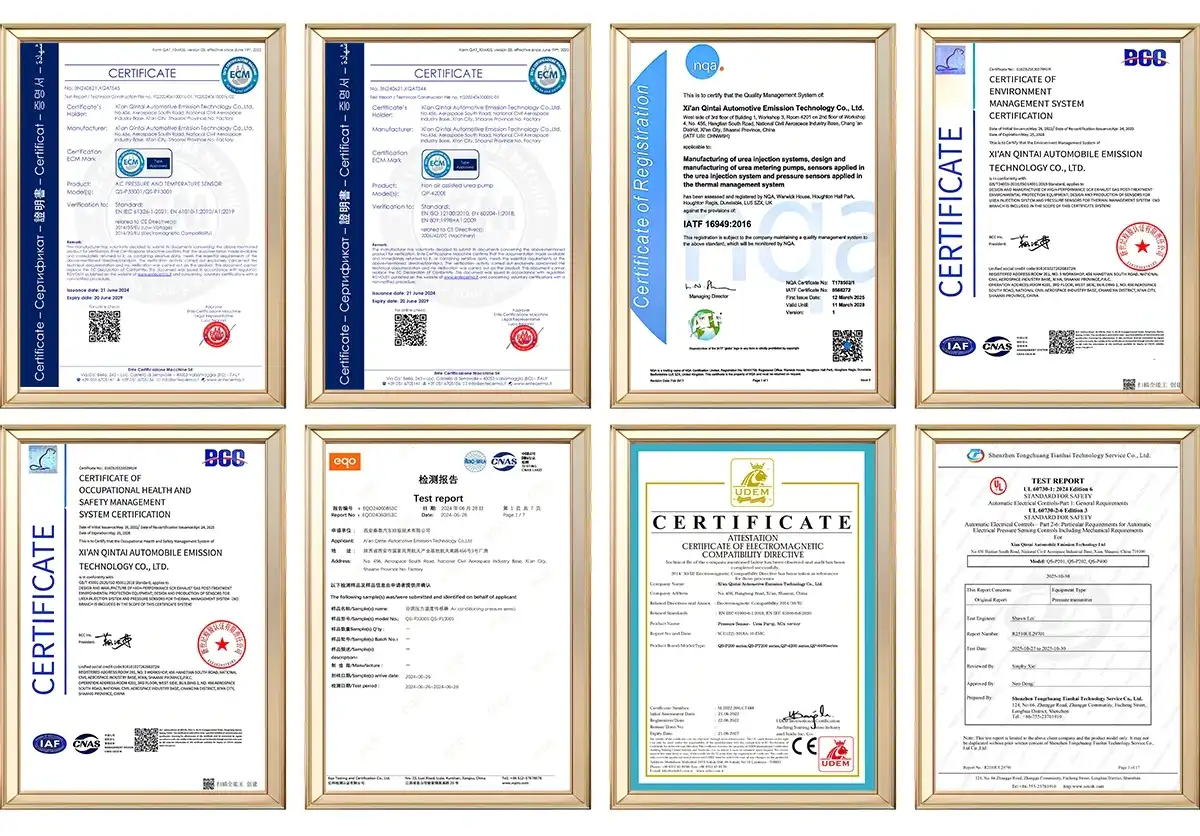
We've seen that companies that stress a wide range of certifications (ISO9001, IATF16949, REACH, and RoHS) have better quality control systems and more stable supply chains. If you need to form long-term partnerships for mass production, this is very important.
Key Considerations for Procuring Urea Injection Systems
Finding technically compliant parts is only one part of a successful procurement process. A strategic evaluation looks at the total value of an item over its whole life.
Engine Compatibility and Integration Requirements
Depending on the type of engine, the nozzles, flow rates, and control strategies need to be different. Injection nozzles usually work with pressures between 5 and 9 bars, but the exact amounts depend on the maker and the purpose. Some high-flow engines used in building and farming equipment may need different atomization properties than stationary power producing equipment. Make sure that potential suppliers can provide technical information that shows how their products will work with your specific engine models.
Total Cost Analysis Beyond Initial Purchase Price
While unit costs are important, a full cost analysis also looks at how much DEF is used, how often it needs to be maintained, how long the parts are expected to last, and the terms of the warranty. Systems that are better at atomization use less DEF while still meeting pollution standards. Figure out how much the whole thing will cost over its normal lifetime, which is usually 10,000 hours or more of use for business cars or several years for generator sets. When you buy high-quality parts at the start, you often save a lot of money in the long run because they last longer and use less fuel.
Customization Capabilities and Technical Support
OEMs and aftertreatment integrators often need connections, mounting arrangements, or control settings that are specifically made for them. Flexible ODM service providers can change standard designs to fit unique needs without having to wait a long time for lead times. This skill is especially useful when making new equipment platforms or fixing up fleets that are already in use. Check to see if possible partners have their own technical support teams that can help with problems like merging, improving calibration, and fixing issues.
Supply Chain Reliability and Production Capacity
Supplier capacity is very important for companies that want to make a lot of things or deploy a lot of fleets. Problems with getting parts can stop assembly lines or cause equipment delivery dates to be pushed back. Check out providers' production ability, how they handle inventory, and how often they've delivered on time in the past, particularly when sourcing an Urea Injection System that must be available in large volumes to support high-volume OEM production schedules. Companies that work with big OEMs like Weichai Power, Yuchai Power, and Quanchai Power have shown they can produce a lot of things at a high quality.
Installation and Maintenance Planning
The performance and longevity of a system are directly affected by how well it is installed. The orientation of the mounting affects the spray patterns of the nozzles and how well the exhaust is mixed. To avoid problems with low-temperature crystallization, the connections between heating elements need to be carefully thought out. Plan to have a professional do the work or give your repair teams thorough training. Set up clear upkeep plans that include replacing the DEF filter, diagnosing the system, and checking the nozzles on a regular basis. Understanding common failure modes, like crystallization buildup or sensor degradation, lets you do preventative maintenance instead of repairs after the fact.
Real-World Applications and Case Studies
Using these systems in real-world situations across a wide range of industries shows how useful they are.
Heavy Truck and Commercial Transportation
A major transport company with more than 500 heavy-duty trucks put SCR systems in all of their trucks. Over the course of a year, they cut NOx emissions by 18% and increased fuel efficiency by 4.2%. The mix saved the company a lot of money on running costs and made it more appealing to customers who want environmentally friendly supply chain partners. Compared to their old EGR-based platform, downtime caused by emission system problems dropped by 35%.
Construction and Mining Equipment
Off-highway equipment has to work in very tough environments, including high temperatures, vibrations, dust, and changing job cycles. A mining company put industrial-grade SCR systems in their fleet of excavators and haul trucks to make the sealing and filtering better. Even though it worked in harsh conditions for 18 months, the equipment always met pollution standards. As engine oil change times got longer, maintenance costs went down because burning byproducts weren't getting into lubrication systems as much.
Agricultural Machinery Applications
A big company that makes farm equipment added personalized injection nozzles to their line of tractors. The systems worked with seasonal duty cycles, where equipment works hard during planting and harvest times but not at all during other times. Heating elements and self-cleaning features kept crystals from forming during storage, so the machine would start up reliably every season. Dealers said they had fewer warranty claims and service visits for emission systems, which made customers happier.
Generator Sets for Critical Infrastructure
Backup power systems in places like hospitals, data centers, and phone exchanges need to be very reliable. A generator maker that serves this market chose SCR parts from sources with a lot of safety certifications. Over the course of three years of monitoring, the systems were up 99.7% of the time, and the only service interventions that were needed were planned maintenance. This track record of dependability helped the company's reputation in places where power outages directly affect people's lives and businesses. These examples show that choosing the right parts for the job can pay off in the form of higher speed, less upkeep, and higher equipment value.
Conclusion
For businesses that use heavy-duty diesel engines, investing in advanced urea injection technology is a must. When you combine following the rules, being efficient, and caring for the world, you get a lot of value that can be used in many situations, making the Urea Injection System a cornerstone of modern emission control strategies. To have a successful application, you need to carefully choose your suppliers based on their technical skills, quality control systems, and the chance of forming a long-term relationship, not just on price. As emission standards change and running costs are looked at more closely, picking tried-and-true SCR technology will help your equipment stay competitive and reliable.
FAQ
Q1: How often do urea injection nozzles require maintenance?
A: How often maintenance is done depends on how the system is working and how good the DEF is. Nozzles should be inspected every 2,000 to 3,000 working hours, as a general rule. Systems that clean themselves might be able to make this period longer. Less efficient NOx reduction, higher DEF use, or warning lights that show dosing system problems are all signs that need instant attention. Using certified DEF that meets ISO 22241 standards stops contaminants from causing wear to happen too quickly.
Q2: Can existing engines be retrofitted with SCR systems?
A: Many older engine designs can be retrofitted with SCRs, but it depends on how the exhaust system is set up and how much mounting room is available. For retrofits to work, the catalyst needs to be the right size, the output temperature needs to be managed, and the control system needs to be integrated. Talk to technical experts about how to evaluate your specific equipment. When compared to replacing all the equipment, retrofitting often ends up being cheaper, especially for specialized gear that still has a lot of life left in it.
Q3: What factors most significantly influence system costs?
A: The main things that affect costs are the quality of the parts, the level of approval, and the amount of output. High-precision needles made of modern materials cost more, but they atomize better and last longer. Systems that meet all certification requirements (IATF16949, UL, CE) show a lot of validation investment. By making production more efficient, volume agreements usually lower unit costs. Compare the initial cost to the total lifecycle value, which should include savings on fuel, lower maintenance costs, and assurance of regulatory compliance.
Partner with Qintai for Advanced Urea Injection System Solutions
Qintai Automotive Emission Technology Co., Ltd. has more than 20 years of experience in making precise sensors and SCR aftertreatment technology. As China's top OEM supplier to Weichai Power, Yuchai Power, and Quanchai Power, we've provided emission solutions that have been used for millions of hours in tough environments around the world. Our long list of certifications, which includes ISO9001, IATF16949, and 58 invention patents, shows that we are always committed to quality and new ideas.
Our experienced research and development teams work closely with your engineering departments to make sure that the system works at its best, whether you need to make a lot of things for a wide audience or make solutions that are specific to your equipment. Get in touch with our technology experts at info@qt-sensor.com to talk about your unique needs. We turn supplier relationships into strategic partnerships by giving thorough technical documentation, application engineering support, and quick after-sales service.
References
1. Johnson, M. R., & Williams, P. T. (2021). Selective Catalytic Reduction Systems for Heavy-Duty Diesel Engines: Technology Assessment and Performance Analysis. Society of Automotive Engineers Technical Paper Series.
2. Environmental Protection Agency. (2020). Emission Standards Reference Guide for Heavy-Duty and Nonroad Engines. U.S. Government Printing Office.
3. Chen, L., Zhang, H., & Kumar, S. (2022). Advanced Diesel Exhaust Fluid Injection Strategies for NOx Reduction. International Journal of Engine Research, 23(4), 612-628.
4. European Commission. (2019). Euro VI Heavy-Duty Vehicles: Regulatory Framework and Compliance Strategies. Publications Office of the European Union.
5. Martinez, A., & Thompson, K. (2023). Total Cost of Ownership Analysis for Commercial Vehicle Emission Control Technologies. Journal of Transportation Engineering and Management, 15(2), 145-162.
6. International Organization for Standardization. (2021). ISO 22241: Diesel Engines—NOx Reduction Agent AUS 32—Quality Requirements. ISO Standards Catalogue.
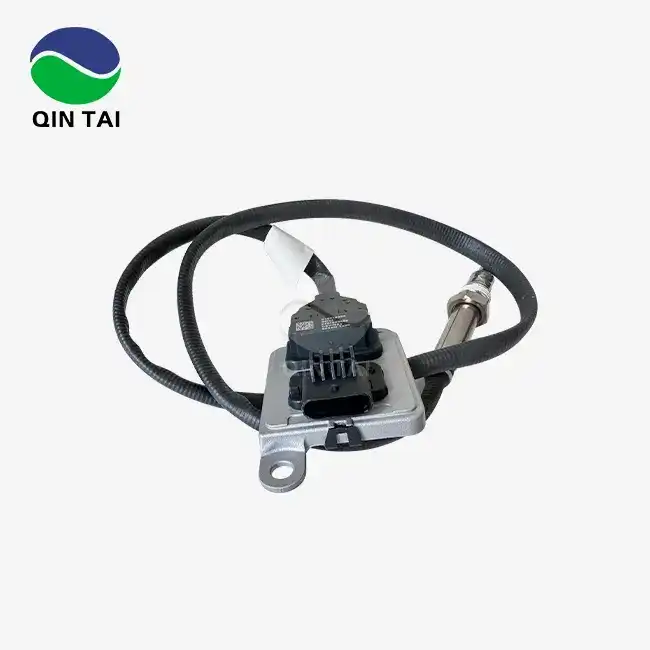
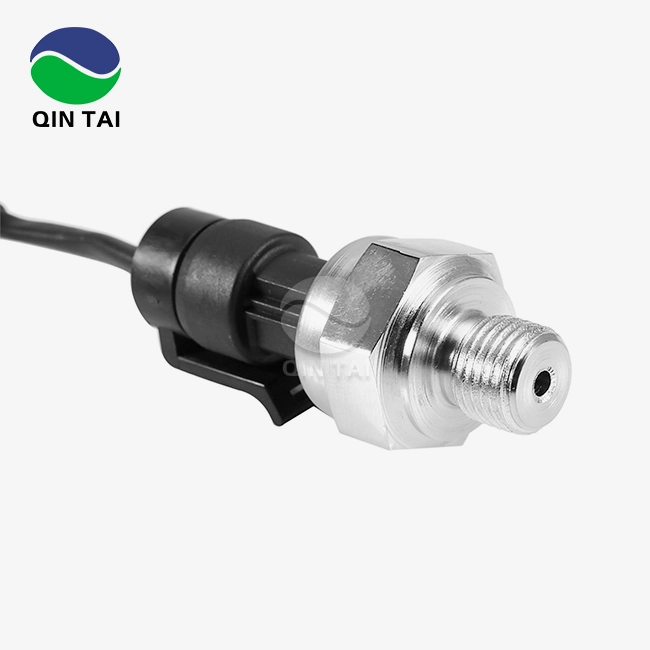
 Sensors.webp)


Our customers’ satisfaction speaks for our quality — contact us to experience the same reliable service.