- English
- French
- German
- Portuguese
- Spanish
- Russian
- Japanese
- Korean
- Arabic
- Greek
- German
- Turkish
- Italian
- Danish
- Romanian
- Indonesian
- Czech
- Afrikaans
- Swedish
- Polish
- Basque
- Catalan
- Esperanto
- Hindi
- Lao
- Albanian
- Amharic
- Armenian
- Azerbaijani
- Belarusian
- Bengali
- Bosnian
- Bulgarian
- Cebuano
- Chichewa
- Corsican
- Croatian
- Dutch
- Estonian
- Filipino
- Finnish
- Frisian
- Galician
- Georgian
- Gujarati
- Haitian
- Hausa
- Hawaiian
- Hebrew
- Hmong
- Hungarian
- Icelandic
- Igbo
- Javanese
- Kannada
- Kazakh
- Khmer
- Kurdish
- Kyrgyz
- Latin
- Latvian
- Lithuanian
- Luxembou..
- Macedonian
- Malagasy
- Malay
- Malayalam
- Maltese
- Maori
- Marathi
- Mongolian
- Burmese
- Nepali
- Norwegian
- Pashto
- Persian
- Punjabi
- Serbian
- Sesotho
- Sinhala
- Slovak
- Slovenian
- Somali
- Samoan
- Scots Gaelic
- Shona
- Sindhi
- Sundanese
- Swahili
- Tajik
- Tamil
- Telugu
- Thai
- Ukrainian
- Urdu
- Uzbek
- Vietnamese
- Welsh
- Xhosa
- Yiddish
- Yoruba
- Zulu
How Do You Install an Aftertreatment Dosing Unit Correctly in Trucks?
Installing an Aftertreatment Dosing Unit correctly in trucks involves a systematic process that begins with system verification and compatibility checks. The installation requires removing the existing dosing module, cleaning all mounting surfaces, and securing the new unit with proper torque specifications according to manufacturer guidelines. Electrical connectors must be firmly attached, and fluid lines need precise routing to prevent kinking or damage. Post-installation calibration through diagnostic software ensures accurate urea injection rates that meet stringent emission standards like EPA Tier 4 Final and Euro VI regulations.
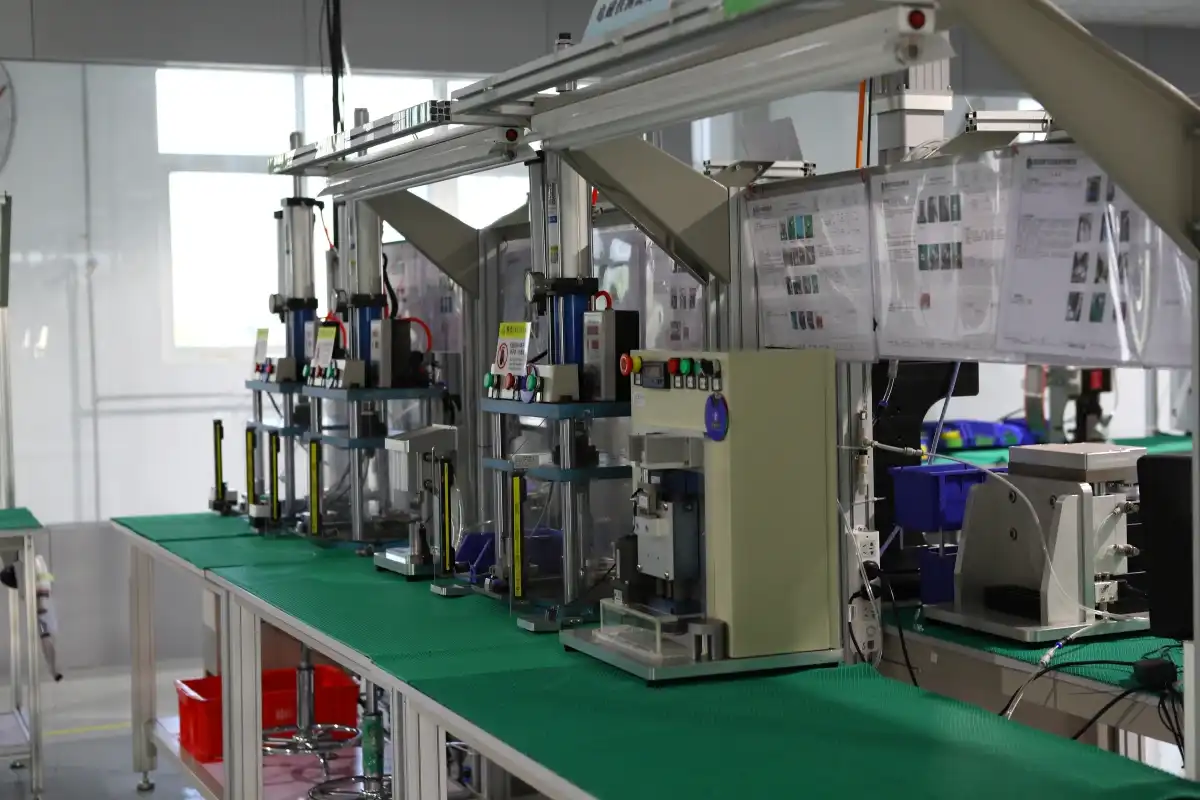
Understanding the Aftertreatment Dosing Unit and Its Importance in Truck Emissions Control
Emission rules for modern diesel engines are getting stricter all over the world. The Selective Catalytic Reduction (SCR) system's heart is the Aftertreatment Dosing Unit. It carefully adds Diesel Exhaust Fluid (DEF) to the exhaust stream to change harmful nitrogen oxides (NOx) into harmless nitrogen and water vapor. Heavy-duty trucks, building equipment, and farm tools that work in regulated markets can't do their jobs without this technology.
Core Components of the Dosing System
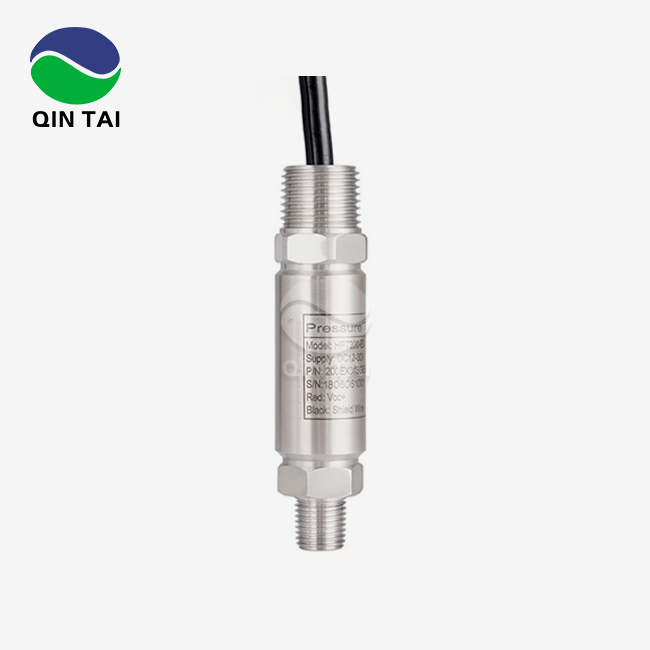
The dose system is made up of many complex parts that work together perfectly. The dosing pump takes DEF from the holding tank and pumps up the pressure to 5 to 12 bar, based on how the system is set up. The dosage injector breaks up the fluid into tiny drops, which increases the surface area so that chemical reactions can happen more easily in the catalytic converter. The Urea Dosing Pressure Sensor constantly checks the hydraulic pressure and sends real-time information to the Dosing Control Unit (DCU) or Engine Control Unit (ECU). Depending on the engine load, exhaust temperature, and NOx monitor readings, this closed-loop system changes the amount of fuel injected. This keeps emissions within legal limits even when the working conditions change.
Why Correct Installation Matters?
When installation isn't done right, problems start to pile up and affect both compliance and operational costs. When fixing angles are off, air pockets can form in fluid lines. This can cause dosing problems and "limp mode" limits that lower engine power. Signal interference from loose electrical connections makes the ECU misinterpret pressure data from sensors. When cross-threaded fittings or damaged O-rings let DEF leak, it crystallizes when it comes in touch with air, slowly blocking the exhaust passageways. We've seen that teams that have a lot of SCR-related downtime usually find that the problem is caused by installation hacks or missing calibration steps.
Preparing for Installation: Key Considerations and Pre-Installation Checks
Installations that go well and ones that don't depend on careful planning. Before setting installation work, procurement managers and technical teams need to make sure that all the parts will work together. Using parts that don't work together can cause reliability problems that only show up months later during warranty claims.
Compatibility Verification Across Platforms
There are different SCR architectures used by different truck makers, each with its own mounting arrangements and transmission protocols. Bosch systems usually talk to each other over the CAN bus using certain data frames, while Denso systems might use their own signal forms. For cold-start performance, Delphi dosing modules often have built-in heating elements that need extra electrical connections.
By looking at the original equipment manufacturer (OEM) specifications, you can be sure that the replacement unit has the same electrical connections, software protocols, and physical dimensions, which is critical when sourcing an Aftertreatment Dosing Unit that must match the host system without requiring additional adapters or reprogramming. To make buying choices easier, we suggest making a compatibility grid that links engine models, model years, and allowed dosing unit part numbers.
Essential Tools and Safety Equipment
Specialized tools keep workers from getting too close to the DEF and causing damage during installation. When torque wrenches are calibrated according to the manufacturer's instructions, they make sure that the clamping force is right without damaging the threads or housing. Thread sealant that is rated for urea environments keeps connection points from rusting. For confirmation after installation, you need diagnostic scan tools that can read SCR system data and do relearn processes. Chemical-resistant gloves and safety glasses are important pieces of personal protective equipment because concentrated DEF can irritate the skin. Safety glasses also protect against fluid spray when disconnecting pressurized lines.
Pre-Installation System Assessment
Examining the existing SCR system reveals underlying issues that new components alone cannot resolve. Using a refractometer to check the quality of the DEF ensures that it has the right 32.5% urea concentration, since dirty or diluted fluid hurts dose components and lowers the efficiency of the catalyst. By checking the DEF tank for sediment building or organic growth, you can keep the new dosing unit from getting contaminated. By looking at saved diagnostic trouble codes (DTCs), you can find problems that are connected, like NOx monitors that aren't working or DPF filters that are clogged, that need your immediate attention. This thorough evaluation method lowers the number of callbacks and raises customer satisfaction for service providers in the aftermarket.

Step-by-Step Guide to Installing an Aftertreatment Dosing Unit in Trucks
A orderly construction process cuts down on mistakes and guaranties long-term dependability. Technical teams benefit from written procedures that make sure that all technicians and service locations follow the same set of rules.
Safe Removal of the Existing Unit
To start, depressurize the dosing system according to the service instructions provided by the manufacturer. This is usually done by controlling the shutdown sequence through the diagnostic interface. To avoid electrical shorts or system start by accident, disconnect the negative wire of the battery. To lower the remaining pressure in DEF lines, carefully loosen the supply and return fittings while using absorbent materials to keep the fluid that is being pushed out in place. To keep things organized during reassembly, label all of the electrical connectors and fluid lines with their correct locations. To keep the housing from warping, remove the mounting bolts in a cross-pattern. Then, carefully remove the old dosing unit while making note of how the sealing surfaces and gaskets are arranged.
Installing the New Dosing Module
Using non-abrasive methods that protect threaded holes and sealing faces, clean all mounting surfaces well to get rid of crystallized DEF deposits, old gasket material, and corrosion. Lubricate the new seals and O-rings with DEF or an approved fitting fluid to make them easier to put together and keep them from tearing while they're being put in. Place the new dosing unit at the right angle.
If it's not positioned correctly, fluid will not drain completely and crystallization will speed up in the internal passages. Tighten the mounting bolts to the specified torque levels in a star pattern to make sure that the clamping pressure is the same all the way across the gasket interface, especially for an Aftertreatment Dosing Unit where even minor misalignment can lead to premature seal failure or uneven fluid distribution. Firmly connect the wire harnesses until you can hear the locking tabs join. Then, gently tug the connectors to make sure the pins are in touch.
Fluid Line Connection and Calibration
Don't make any sharp turns in the DEF supply and return lines, as these can stop the flow of gas or create low-pressure areas where air bubbles can form. Use flare-nut tools that grip without deforming hex surfaces to tighten line fittings to the required level. Connect the battery again and start the priming process. This usually includes cycling the ignition without starting the engine so that the dosing pump has time to fill the chambers and get rid of any air. Start the calibration process using diagnostic software. This will help the ECU learn about the flow and pressure response curves of the new dosing unit. During a controlled test run, keep an eye on live data streams to make sure that injection pulse widths, pressure readings, and flow rates are within the allowed ranges listed in the service paperwork.
Maintenance, Troubleshooting, and Troublesome Symptoms Post-Installation
Post-installation monitoring finds new problems early on, before they become big enough to need expensive fixes or legal violations. Setting up regular maintenance schedules protects fleet investments and keeps drivers confident in the dependability of equipment.
Routine Maintenance Protocols
DEF should be tested for quality on a regular basis, at times that match when the tanks need to be refilled. This will help find contamination caused by bad storage or handling methods. Dosing injector valves need to be checked for carbon buildup and crystal formation that blocks spray patterns on a regular basis. Depending on the working conditions, they need to be cleaned every 50,000 to 100,000 miles. The Urea Dosing Pressure Sensor has internal buffering structures that are meant to handle the 9% volume expansion that happens when urea freezes. However, sealing materials break down over time when they are exposed to freeze-thaw cycles. Using hot DEF tank systems in cold places makes parts last longer by stopping thermal stress cycles.
Common Malfunction Symptoms
If the pressure monitor fails, it can cause the injection to behave erratically. Signs of this include too much white exhaust smoke, which means the dose is too high, or persistently high NOx readings, which means the dose is too low. A lot of the time, diagnostic trouble codes like P204B (Urea Pressure Sensor Circuit Range/Performance) are caused by signal drift from corroded connector pins instead of a sensor failing. By checking the connector terminals for verdigris buildup and signal voltages across the operating range, electrical problems can be separated from mechanical ones. When pump performance goes down, the system usually responds slowly when the load changes quickly. This can be seen by comparing the dose rates that were supposed to be used with those that were actually used in live data streams.
Strategic Parts Replacement Considerations
To compare the prices of OEM parts with those of aftermarket options, you need to look at quality certifications and warranty terms. Premium aftermarket dosing units that meet ISO 9001 and IATF 16949 standards are just as reliable as the original equipment, but they cost less. This is especially helpful for fleet applications that use a lot of fluids.
But for important wear parts like pressure sensors, OEM sourcing is the way to go when built-in calibration data stored in component memory makes plug-and-play compatibility possible. Procurement managers should build relationships with makers that offer technical help and fast fulfillment, since dosing system failures often cause instant compliance concerns that need parts delivered quickly, especially when the Aftertreatment Dosing Unit is critical for maintaining emission levels within regulatory limits.
Choosing the Right Aftertreatment Dosing Unit for Your Fleet
Strategic selection of components strikes a balance between the prices of buying them now and their total cost of ownership over time. To make the best fleet performance and regulatory compliance decisions, technical decision-makers need to look at more than just the initial purchase price.
Evaluating Manufacturer Capabilities
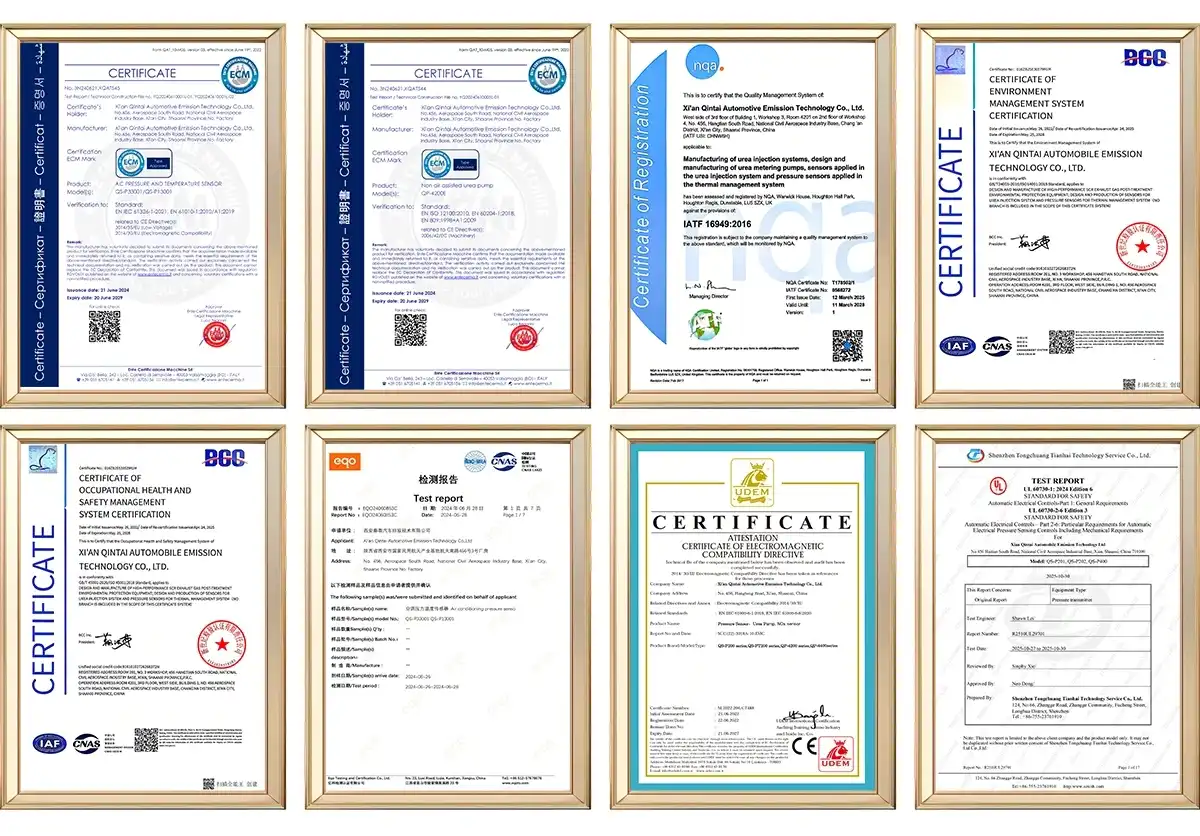
Leading makers of dosing systems show how skilled they are by having a lot of OEM relationships and passing strict testing certifications. Companies that have Euro VI and EPA approvals have put their goods through thousands of hours of tests that mimic real-life circumstances to prove that they are durable. Xi'an Qintai Automotive Emission Technology is an example of how Chinese manufacturing has come a long way in this specialized field.
Qintai was founded in 2001 and has grown into a national high-tech company with 58 idea patents and many certificates, such as ISO9001, IATF16949, CMC, Ex, UL, CE, REACH, and RoHS. As China's top original equipment manufacturer (OEM) provider to major engine makers like Weichai Power, Yuchai Power, and Quanchai Power, the company has a track record of trustworthiness in tough situations.
Technical Features That Influence Performance
More advanced dosing units have features that help with certain operational problems. IP69K grades for ingress protection make sure that devices will work reliably in high-pressure washdown environments that are typical in mining and building. Extreme climates can be handled by operating temperature ranges that go from -40°C to +125°C without affecting performance. Electromagnetic compatibility (EMC) protection stops interference from nearby electrical systems. This is especially important for machines that have a lot of computer controls. By using piezoresistive MEMS technology or ceramic thick-film strain gages separated by 316L stainless steel or special PPS (Polyphenylene Sulfide) diaphragms, it is possible to get an accuracy of within 1.5% full scale over pressure ranges of up to 12 bar.
Procurement Strategies for B2B Buyers
By making bulk purchases with makers who offer OEM and ODM services, you can get better prices and more ways to customize your order. Setting up long-term supply contracts makes sure that parts are available during the scaling up stages of production and guards against market volatility by locking in set prices. Technical collaboration during the development stages of a product lets engine manufacturers change the specifications and mounting arrangements for sensor interfaces.
This makes it easier to integrate new engine platforms. Distribution partnerships that cover more than one region provide redundant inventory and localized technical support, which are very important for multinational fleet operators who have to manage a wide range of equipment across jurisdictional boundaries with different emission standards.
Conclusion
When Aftertreatment Dosing Units are installed correctly, they protect fleet investments by making sure emissions standards are met, operations run more smoothly, and equipment lasts longer. The step-by-step plan in this guide covers important points, from making sure everything is compatible before installation to following upkeep rules after installation. Technical teams with the right procedures, diagnostic tools, and high-quality parts keep downtime to a minimum and SCR system reliability to a maximum. Strategic purchasing decisions that balance the quality of parts, the abilities of suppliers, and the total cost of ownership put fleets in a competitive position in markets that demand both operational excellence and environmental responsibility.
FAQ
Q1: How often should dosing units undergo maintenance?
A: Maintenance times for dosing units depend on how they are used and how often they are used. Every 50,000 miles or once a year, whichever comes first, checks are good for standard business uses. Applications that need to work all the time, are in dusty places, or change temperatures often need more frequent maintenance, maybe every 25,000 miles. Checking the quality of the DEF, cleaning the injectors, inspecting the electrical connectors, and checking the health of the monitoring system are all maintenance tasks.
Q2: What causes premature dosing unit failure?
A: Introducing particles that damage pump seals and clog injection ports, contaminated DEF is the main reason why parts break down early. Electrical problems, like changes in voltage and corroded connections, make sensors less accurate and make it harder for control modules to talk to each other. Installation mistakes, like wrong fitting angles or not enough force, cause vibration stresses and leaky paths for fluids to escape. When units are used outside of their design parameters, especially when they are left out in the cold for long periods of time without proper heating systems, they wear out faster and last less long.
Q3: Can different brands of dosing units interchange?
A: The ability to physically swap parts relies on how they are mounted, the threads used for connecting fluids, and the type of electrical link used. For the dosing unit and the vehicle's ECU to be functionally compatible, their communication methods and signal traits must match. Standardized threads like M10x1 or M12x1.5 are used by many brands. Output signals that range from 0.5V to 4.5V analog to SENT digital protocols need to match certain ECU calibrations. For cross-brand installations to work properly and meet emission standards, the ECU usually needs to be reprogrammed or adapter harnesses need to be used.
Partner With Qintai for Reliable Aftertreatment Dosing Unit Solutions
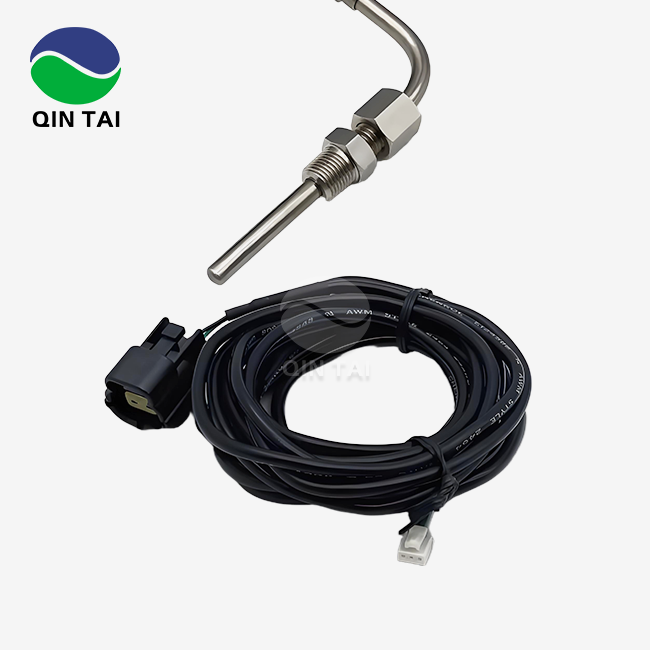
For more than 20 years, Xi'an Qintai Automotive Emission Technology has been a world leader in SCR aftertreatment systems and precise monitors. As a reputable Aftertreatment Dosing Unit company that works with major diesel engine makers, we know how hard it is for procurement managers to find the right mix between following the rules, making sure the unit works reliably, and keeping costs low. Our independent research and development (R&D) ensures that we are always coming up with new ideas, and our IATF16949 approval makes sure that our production is always consistent and meets the highest quality standards. We provide full OEM and ODM services that allow for personalization from the early stages of creation to mass production. Contact our technical team at info@qt-sensor.com to talk about your specific application needs and find out how our tried-and-true solutions can help you meet your emission compliance goals.
References
1. Society of Automotive Engineers. "Diesel Exhaust Fluid Quality Standards and SCR System Performance." SAE Technical Paper Series, 2022.
2. Environmental Protection Agency. "Heavy-Duty Highway Diesel Program: Emission Standards and Certification Requirements." EPA Regulatory Guidance Document, 2021.
3. International Council on Clean Transportation. "Real-World Performance of Selective Catalytic Reduction Systems in Commercial Vehicles." ICCT Research Report, 2023.
4. Automotive Industry Action Group. "Quality Management System Requirements for Automotive Production and Relevant Service Parts Organizations." IATF 16949:2016 Standard.
5. Diesel Technology Forum. "Advanced Emission Control Technologies: Installation and Maintenance Best Practices for Fleet Operators." Industry White Paper, 2022.
6. Journal of Engine Research. "Urea Dosing Pressure Sensor Technologies: Comparative Analysis of Durability and Accuracy in SCR Applications." Peer-Reviewed Technical Article, Volume 24, 2023.
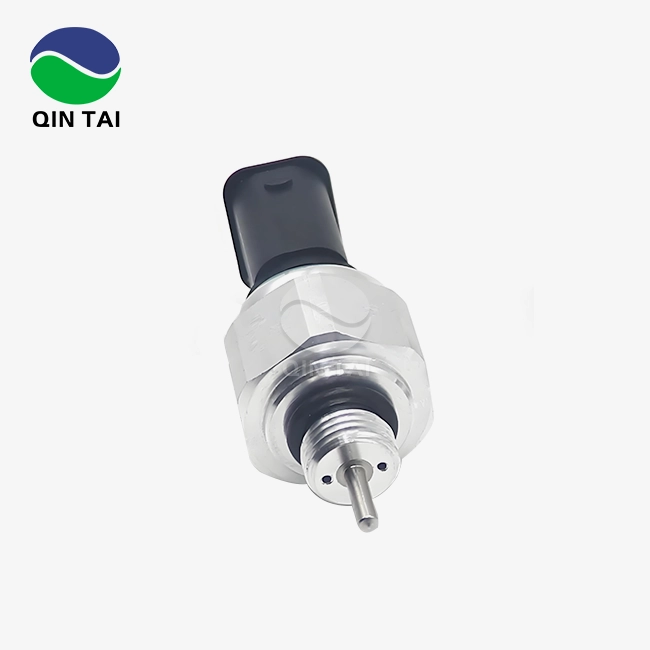
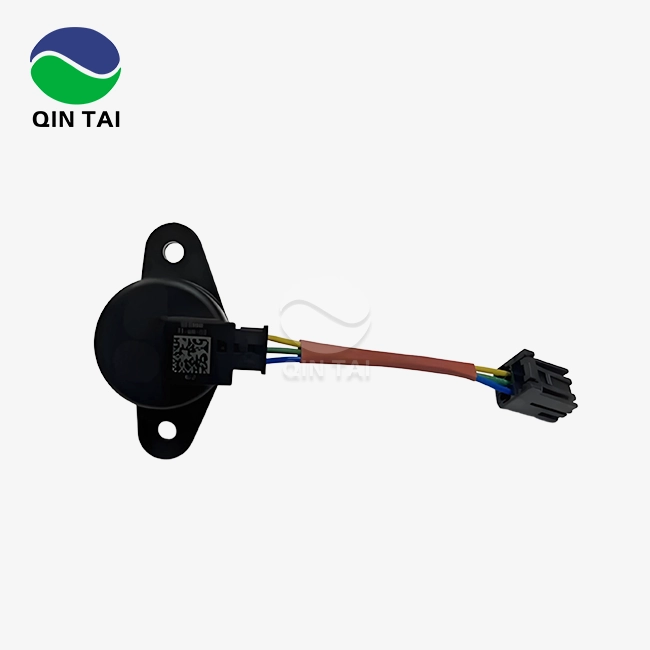

Our customers’ satisfaction speaks for our quality — contact us to experience the same reliable service.