- English
- French
- German
- Portuguese
- Spanish
- Russian
- Japanese
- Korean
- Arabic
- Greek
- German
- Turkish
- Italian
- Danish
- Romanian
- Indonesian
- Czech
- Afrikaans
- Swedish
- Polish
- Basque
- Catalan
- Esperanto
- Hindi
- Lao
- Albanian
- Amharic
- Armenian
- Azerbaijani
- Belarusian
- Bengali
- Bosnian
- Bulgarian
- Cebuano
- Chichewa
- Corsican
- Croatian
- Dutch
- Estonian
- Filipino
- Finnish
- Frisian
- Galician
- Georgian
- Gujarati
- Haitian
- Hausa
- Hawaiian
- Hebrew
- Hmong
- Hungarian
- Icelandic
- Igbo
- Javanese
- Kannada
- Kazakh
- Khmer
- Kurdish
- Kyrgyz
- Latin
- Latvian
- Lithuanian
- Luxembou..
- Macedonian
- Malagasy
- Malay
- Malayalam
- Maltese
- Maori
- Marathi
- Mongolian
- Burmese
- Nepali
- Norwegian
- Pashto
- Persian
- Punjabi
- Serbian
- Sesotho
- Sinhala
- Slovak
- Slovenian
- Somali
- Samoan
- Scots Gaelic
- Shona
- Sindhi
- Sundanese
- Swahili
- Tajik
- Tamil
- Telugu
- Thai
- Ukrainian
- Urdu
- Uzbek
- Vietnamese
- Welsh
- Xhosa
- Yiddish
- Yoruba
- Zulu
How Do You Troubleshoot an SCR Dosing System Failure in Trucks Safely?
When a truck's SCR dosing system fails, the consequences extend beyond a warning light on the dashboard. NOx emissions spike, the engine may enter limp mode, and in regulated markets like the U.S., EPA compliance becomes an immediate concern. To troubleshoot safely, you need to systematically inspect the urea pressure sensor, dosing pump, DEF injector, and wiring harness—using OEM-grade diagnostic tools to read fault codes before touching any component. This guide walks you through that process step by step, covering everything from symptom identification to smart procurement decisions.


Understanding SCR Dosing System Failures in Trucks
How the System Works
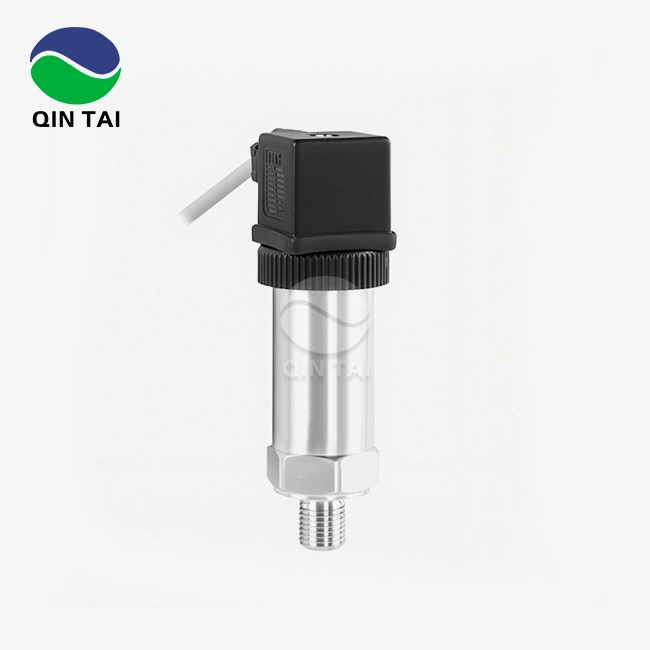
Before a catalyst, Diesel Exhaust Fluid (DEF/AdBlue) is pumped into the exhaust stream by the selective catalytic reduction system. A dosing control unit (DCU) controls when and how much to inject based on real-time information from several sensors, including the urea pressure sensor, which is the most important one. This sensor checks the hydraulic pressure inside the dosing module and sends information back to the DCU to make sure the right amount of urea is delivered and to avoid both under- and over-dosing.
Key Components That Fail
The dosing pump, the DEF injector, the urea pressure sensor, and the electrical connectors are the four parts that fail most often in the field. If the signal from the pressure monitor moves because the connections are old or dirty, fault code P204B can be set off. Loss of pressure is caused by a broken pump, and over-pressure is caused by a clogged injector. Both of these problems can be found with real-time pressure tracking.
Why Failures Happen
The three main causes of failure are mechanical wear, dirty DEF fluid, and high temperatures. When AdBlue freezes at 11°F (-11.5°C), it increases in volume by about 9%. This puts stress on sensor diaphragms and valve seats. Low-quality DEF with urea levels that are higher than the ISO 22241 norm (32.5% ± 0.7%) speeds up crystals inside the fluid and sensor fouling. These risks are not made up; they are based on real service trends seen in heavy-duty trucks.
Step-by-Step Guide to Troubleshooting SCR Dosing System Failures Safely
Step 1 — Read Fault Codes First
Plug in an OBD-II or OEM-specific diagnostic reader before you unplug anything else. Some common codes are P20EE (SCR NOx catalyst efficiency below level), P204B (urea pressure sensor circuit range/performance), and P2BAD (reductant pressure too low). With each code, you can narrow your search to a certain part, especially when diagnosing the SCR dosing system. If you clear codes without first writing them down, you may lose diagnostic history that you may need later.
Step 2 — Inspect the Urea Pressure Sensor
The engine should be turned off and the system should not be under any pressure. Check the wiring harness for the sensor for corrosion or loose pins. A sensor that is working properly sends out a voltage of 0.5V to 4.5V, or a SENT digital signal, depending on how the ECU is set up. If the readings aren't right, you should replace the sensor before you blame the pump. Any further diagnostics will be off if the pressure reading is wrong. Always wear gloves that can handle chemicals, because DEF is mildly acidic and can hurt skin.
Step 3 — Test Pump Pressure and Injector Function
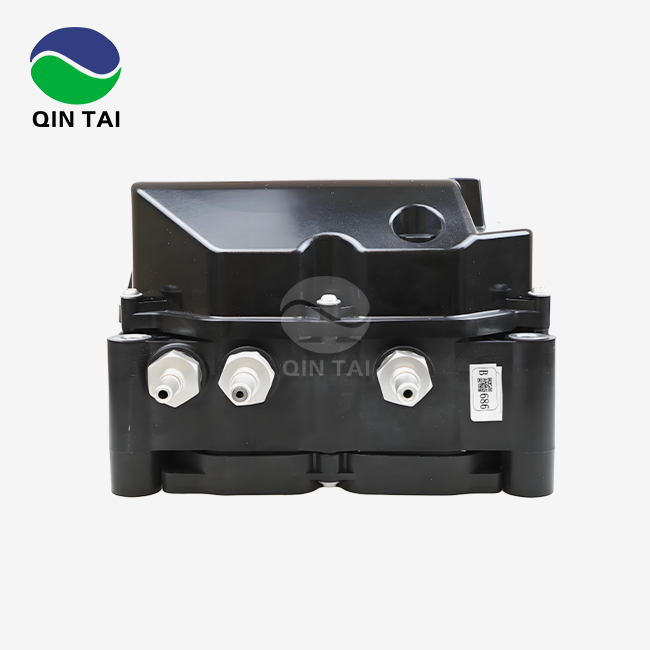
Install a calibrated pressure gage at the test port, then run the dosing pump and make sure the system pressure is within the range stated by the OEM, which for most heavy-duty platforms is between 5 and 9 bar. Low pressure means that either the pump is broken or there is a leak in the supply line. A stuck return valve or frozen AdBlue residue could be the cause of high pressure. Once the pressure is confirmed, use the diagnostic tool to turn on the injector and listen for a steady pattern of clicks. Clicks that aren't regular can mean that the injector is worn out or blocked.
Comparison of SCR Dosing System Components and Solutions for Trucks
Dosing Pumps vs. DEF Injectors
Both of these parts are very important, but they do different things. Dosing pumps raise and keep the pressure in the system, and DEF injectors break up the urea spray and send it into the exhaust stream. AdBlue freezing makes pumps more likely to break down in cold places, while ice at the nozzle tip of hot, high-cycle injectors makes them more likely to break down.
Electronic vs. Mechanical Dosing Systems
Most modern Class 8 trucks have automatic dosing systems that work with the CAN bus of the car to adjust for pressure and temperature in real time. Older or simpler mechanical systems are cheaper to buy, but they don't have the closed-loop input that stops emissions from not meeting standards. Electronic systems are necessary for fleets that have to follow EPA 2010 standards or more recent ones.
Brands and Selection Guidance
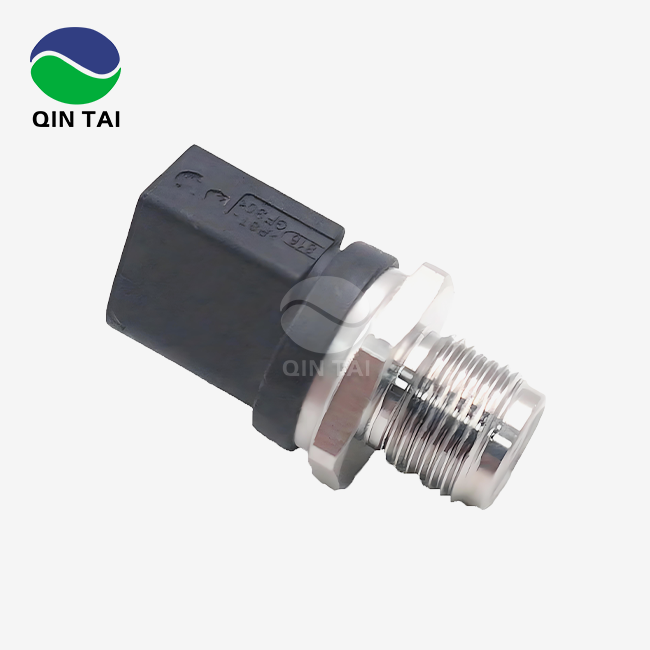
Bosch, Denso, Continental, Cummins, and Delphi are some of the most well-known OEM-level suppliers in this field, especially for the SCR dosing system. Each brand has its own guarantee terms and service coverage in different areas. European trucks often have Bosch dosing units, while North American vocational services mostly use Cummins aftertreatment systems. When choosing parts, make sure that the sensor output protocol and thread specification (usually M10×1 or M12×1.5) match your specific DCU calibration. Signals that don't match can cause fault codes to stay on even after new parts are installed.

Maintenance Tips to Prevent SCR Dosing System Failures in Trucks
DEF Fluid Quality Management
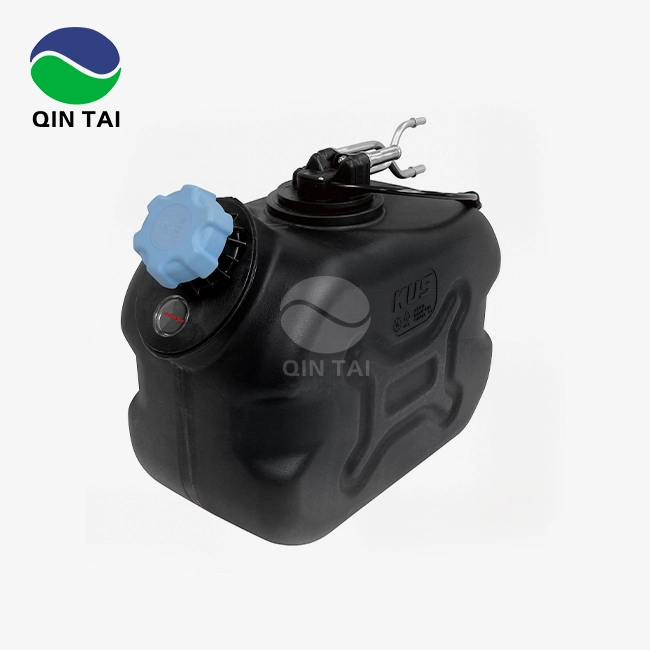
Always get DEF that has been certified by ISO 22241. One of the fastest ways to damage both the pressure sensor and the catalyst base is to use fluid that is dirty or watered down. Keep DEF in sealed containers out of direct sunlight; UV light breaks down urea concentration over time. If the truck hasn't been used in more than 12 months, the DEF in the tank needs to be replaced because the concentration starts to drop after that time.
Electrical and Sensor Checks
Sensor links should be checked every year or every 15,000 hours of use, whichever comes first. Most P204B trouble codes are caused by connections that are corroded or loose. Sensors with gold-plated terminals are much less likely to oxidize than those with tin-plated terminals. Check both the urea tank level sensor and the temperature sensor at the same time because they are both part of the system's freeze-protection logic and have a direct effect on dosing decisions.
When to Call a Professional
If pressure tests and sensor swaps don't fix the problem, it could be with the calibration of the DCU or the catalyst substrate itself. The next step should be to hire a certified emissions technician who has access to OEM-level software. Trying to change DCU parameters without the right permissions can void warranties and lead to compliance violations, which can cost fleet operators a lot of money.
Procurement and Support: Where and How to Buy Reliable SCR Dosing Systems
Verifying Supplier Credibility
Prioritize sources with IATF 16949 and ISO 9001 certifications when looking for parts for a SCR dosing system. These are not just pretty credentials; they are real proof of process controls in manufacturing. Ask for batch traceability paperwork and make sure the seller can give your DCU sensor output specs that match. For sensors and dosing units that are meant to be used in business trucks, the warranty should cover at least 15,000 to 20,000 hours of use.
Wholesale, Online, and OEM/ODM Options
There are three main ways for B2B buyers to buy things: from authorized wholesale distributors, directly from OEM-tier manufacturers, or through online industrial platforms. When you buy directly from the manufacturer, you usually get better prices and more customization options, such as the ability to change the connector pinouts, pressure ranges, and signal output types. OEM/ODM manufacturing partnerships make parts that are built to specific application needs instead of generic catalog specifications. This is helpful for fleets that don't have standard configurations, like mining equipment or stationary generator sets.
Total Cost of Ownership
Price of a part is only one of many factors that can change. Think about the length of the lead time, the warranty coverage, and whether the seller gives expert help after the sale. When a P204B fault stops a truck at a freight terminal, a sensor that was 20% cheaper but came from a supplier that wasn't certified and didn't have a technical support team can cost a lot more. Clear pricing structures from well-known brands help purchasing teams make accurate models of total costs.

Conclusion
To safely troubleshoot an SCR dosing system, you need to follow this order: read the fault codes, check the urea pressure sensor, test the pump pressure, and make sure the injector works before coming to a conclusion. The most common problems are contaminated DEF, sensor signal drift, and frozen AdBlue.
All of these problems can be avoided by keeping to regular repair schedules. When procurement teams and R&D engineers know about these failure trends, they can make better choices about where to get parts. They can choose parts that will last for hundreds of thousands of kilometers of use instead of just passing the initial bench tests.
FAQ
What are the first signs of an SCR dosing system failure?
The most common early indicators are a DEF warning light, reduced engine power (limp mode), and fault codes stored in the ECU—particularly P20EE or P204B. Some drivers also notice increased exhaust opacity or a urea smell near the exhaust outlet, which may indicate injector over-spray.
How often should I inspect the urea pressure sensor?
Inspection every 15,000 operating hours is a reasonable baseline for commercial trucks. In harsh environments—construction sites, cold climates, or high-dust operations—shorten that interval to 10,000 hours and check connector integrity at each scheduled service.
Does low-quality DEF fluid damage the dosing system?
Yes. DEF outside ISO 22241 specification introduces contaminants that foul sensor diaphragms, block injector nozzles, and accelerate pump wear. In some cases, a single tank of off-spec fluid has caused crystallization severe enough to require complete dosing module replacement.
Can I use aftermarket sensors with my existing DCU?
Physical thread compatibility (M10×1 or M12×1.5) is often standardized, but the signal output—analog 0.5V–4.5V or SENT protocol—must match your specific ECU calibration. Always confirm the signal specification with your system engineer before installation.
What is the typical lifespan of a dosing pressure sensor?
In standard commercial truck applications, a well-manufactured urea dosing pressure sensor is rated for 15,000 to 20,000 operating hours under normal operating conditions.

Partner with Qintai for Dependable SCR Dosing System Solutions
Since 2001, Qintai has been making precise sensors for diesel aftertreatment systems. They are certified by IATF 16949, ISO 9001, CE, and UL. With more than 60 countries served, Qintai works with OEM customers and trade partners. It is the top company in China for this type of business and is a main supplier to Weichai Power, Yuchai Power, and Quanchai Power. If you need an approved SCR dosing system provider for mass production or a custom sensor solution, please email us at info@qt-sensor.com or go to qt-sensor.com to get prices and specs.
References
1. Heavy Duty Trucking — 2022. "Understanding SCR System Diagnostics in Class 8 Trucks."
2. SAE International Journal of Engines — 2021. "Urea Dosing Accuracy and NOx Emission Control in Heavy-Duty Diesel Applications."
3. Diesel Progress North America — 2023. "Aftertreatment System Reliability Trends in Commercial Fleet Operations."
4. Environmental Protection Agency (EPA) Technical Bulletin — 2022. "Selective Catalytic Reduction System Compliance Requirements for Heavy-Duty Vehicles."
5. ISO 22241-1:2019 — International Organization for Standardization. "Diesel Engines — NOx Reduction Agent AUS 32 — Quality Requirements."
6. Fleet Maintenance Magazine — 2023. "DEF Fluid Quality and Its Impact on SCR Component Longevity."

Our customers’ satisfaction speaks for our quality — contact us to experience the same reliable service.