- English
- French
- German
- Portuguese
- Spanish
- Russian
- Japanese
- Korean
- Arabic
- Greek
- German
- Turkish
- Italian
- Danish
- Romanian
- Indonesian
- Czech
- Afrikaans
- Swedish
- Polish
- Basque
- Catalan
- Esperanto
- Hindi
- Lao
- Albanian
- Amharic
- Armenian
- Azerbaijani
- Belarusian
- Bengali
- Bosnian
- Bulgarian
- Cebuano
- Chichewa
- Corsican
- Croatian
- Dutch
- Estonian
- Filipino
- Finnish
- Frisian
- Galician
- Georgian
- Gujarati
- Haitian
- Hausa
- Hawaiian
- Hebrew
- Hmong
- Hungarian
- Icelandic
- Igbo
- Javanese
- Kannada
- Kazakh
- Khmer
- Kurdish
- Kyrgyz
- Latin
- Latvian
- Lithuanian
- Luxembou..
- Macedonian
- Malagasy
- Malay
- Malayalam
- Maltese
- Maori
- Marathi
- Mongolian
- Burmese
- Nepali
- Norwegian
- Pashto
- Persian
- Punjabi
- Serbian
- Sesotho
- Sinhala
- Slovak
- Slovenian
- Somali
- Samoan
- Scots Gaelic
- Shona
- Sindhi
- Sundanese
- Swahili
- Tajik
- Tamil
- Telugu
- Thai
- Ukrainian
- Urdu
- Uzbek
- Vietnamese
- Welsh
- Xhosa
- Yiddish
- Yoruba
- Zulu
How Does a Diesel NOx Sensor Measure Nitrogen Oxides Levels?
Meeting emission standards has never been more critical for diesel engine manufacturers and aftertreatment system integrators. With regulations like Euro VI and EPA 2010 tightening their grip on nitrogen oxide emissions, accurate NOx measurement isn't optional anymore—it's essential. A diesel NOx sensor stands at the heart of Selective Catalytic Reduction systems, providing the real-time data that keeps heavy trucks, construction machinery, and generator sets compliant while maintaining peak performance.
Whether you're an R&D engineer evaluating technical specifications or a purchasing manager comparing suppliers for mass production capacity, understanding how these sensors measure nitrogen oxide concentrations will directly impact your emission control strategy. This guide walks through the measurement principles, troubleshooting techniques, selection criteria, and procurement insights that matter most to OEMs, system integrators, and aftermarket professionals in today's demanding regulatory environment.
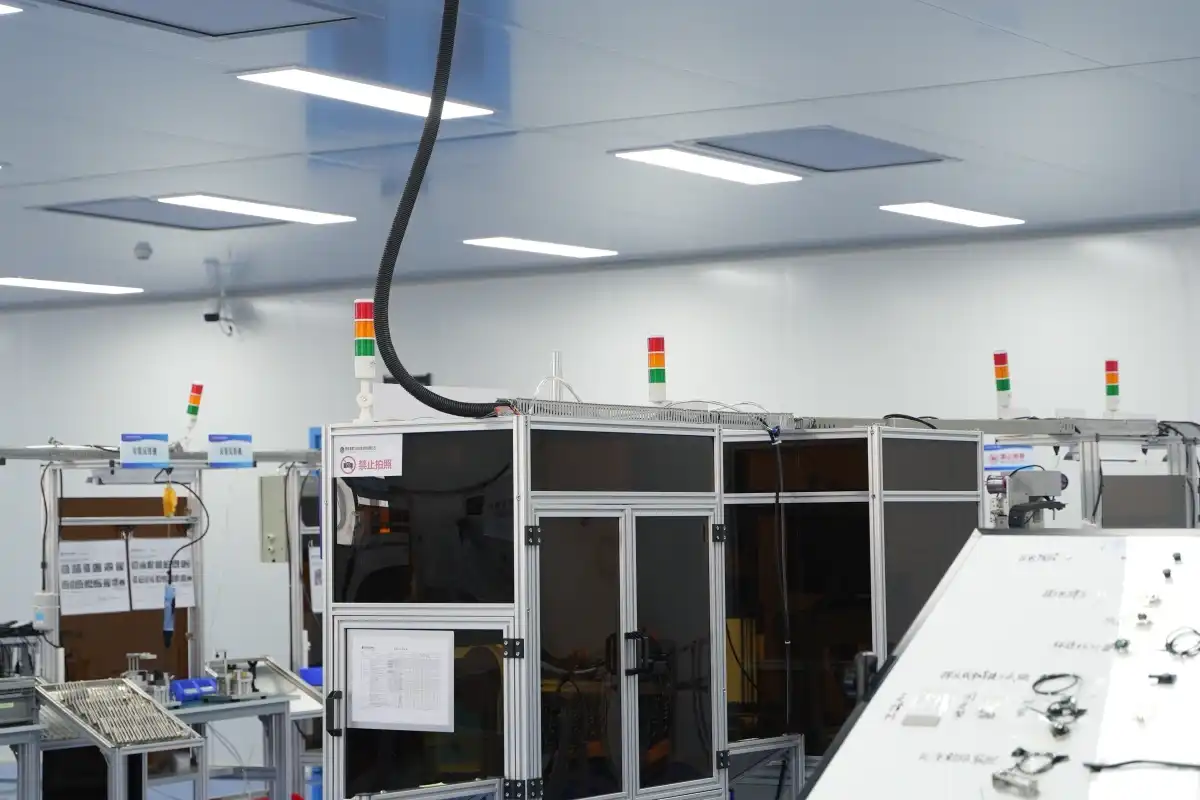
Understanding Diesel NOx Sensors and Their Measurement Principles
How NOx Sensors Detect Nitrogen Oxides?
A diesel NOx Sensor works with yttria-stabilized zirconia ceramic technology and a complex electrochemical process. When exhaust gases enter the sensor housing, they go through several measurement chambers that carefully control and record the amounts of oxygen and nitrogen oxides present. The oxygen pump cell in the sensor controls the amount of oxygen in the first chamber by moving oxygen ions in and out of the ceramic electrolyte. When the amount of oxygen in the exhaust hits a certain level, it goes into the NOx sensing chamber, where a catalyst breaks down nitrogen oxides into nitrogen gas and oxygen ions. The sensor makes an electric current that is equal to the number of oxygen ions released during the breakdown. This current is directly related to the amount of NOx in the exhaust stream, and it can measure anywhere from 0 to 2500 ppm with an accuracy of ±10 ppm at lower levels.
Core Components Enabling Accurate Measurement
Modern nitrogen gas monitors are made up of several important parts that all work together perfectly. The detecting part is made up of a zirconia ceramic cell with built-in wires that move oxygen ions around when the temperature is high. The sensor works best at temperatures between 600°C and 800°C, which is controlled by a built-in heater element. This is needed for the electrochemical processes to happen. The signal processing circuit takes the raw current information and turns it into a voltage output that the engine control unit can read. Extreme temperatures from -40°C to 200°C must not affect the purity of the signals in connectors and cable systems. High-quality sensors have sealed, waterproof designs that keep water and other contaminants that are common in diesel exhaust settings from getting into the internal parts.
Dual Sensor Strategy in SCR Systems
Diesel emission control systems usually use two NOx Sensors to make a feedback loop that makes the Selective Catalytic Reduction (SCR) work better. The upstream sensor, which is placed before the SCR catalyst and close to the turbo outlet, measures the raw NOx emissions that leave the engine. The engine control module figures out the exact amount of Diesel Exhaust Fluid (DEF) to add to the exhaust stream based on this reading. The monitor further downstream, which is after the SCR catalyst, checks how well the NOx reduction works by measuring the emissions after treatment. This setup lets the system keep changing the rates at which DEF is injected, which makes sure that the conversion works as well as possible and stops ammonia from slipping. When a sensor further down the line finds high levels of NOx or ammonia, the system sends out diagnostic trouble codes and may derate the engine to make necessary repairs.
Identifying and Troubleshooting Common NOx Sensor Issues
Recognizing Sensor Failure Symptoms
NOx Sensor decline shows up in a number of ways that can be seen and can affect how well and how safely a car operates. When the control module finds differences between predicted and real sensor readings, the engine warning lights come on. Bad emissions test results usually mean that the sensor has drifted or become contaminated, which makes the measurements less accurate. If the amount of DEF used goes up without the emissions getting better, it means that the monitor upstream is giving wrong information, which causes the system to pump too much urea. When sensor problems last longer than the set time limits, vehicles may experience engine derating or less power output. In business settings, fleet managers can see patterns of more maintenance calls or failed roadside inspections that are linked to certain vehicle units having sensor issues.
Diagnostic Procedures and Testing Methods
To effectively troubleshoot, you must first read diagnostic trouble codes using professional-grade scan tools that can read factors specific to the maker. Engineers should keep an eye on live sensor data streams and compare readings from upstream and downstream sensors in a range of working situations. To test response time, you have to see how fast the voltage at the sensors changes when the exhaust conditions change due to speeding up or changing the load. Sensitive sensors should respond within 1400 milliseconds. A visual check of the places where the sensors are mounted shows physical damage, exhaust leaks, or pollution from oil use or coolant leaks. Testing the resistance of heater circuits makes sure that the electricity works right, and checking the voltage output makes sure that the sensor sends the right signals across its measurement range.
Maintenance Practices Extending Sensor Lifespan
Regular repair has a big effect on how long sensors last and how consistently they work. Checks for the soundness of the exhaust system stop unmetered air from entering after the turbo, which could throw off sensor readings. Using good ultra-low sulphur diesel fuel lowers the amount of sulphide that damages sensing elements. Quality of DEF is very important—urea solutions that are tainted or broken down leave behind deposits that cover sensor surfaces and slow down response times. Every 100,000 miles, commercial cars should have their sensors inspected, and based on the conditions of use, they should be replaced every 150,000 to 200,000 miles. Harsh settings with a lot of soot, a lot of regeneration processes, or road salt may need to be replaced more often because they speed up the ageing process.

Comparison and Selection of NOx Sensors for Diesel Engines
Evaluating OEM Versus Aftermarket Options
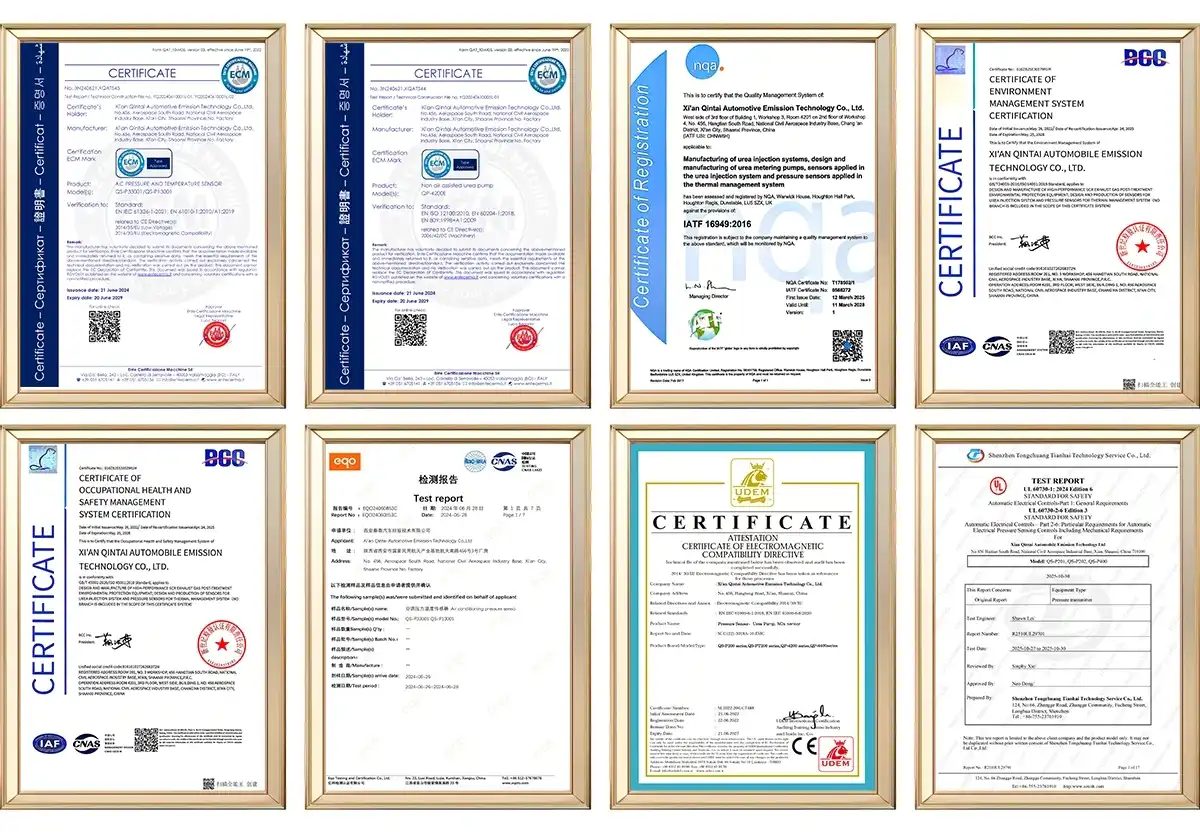
A lot of the time, purchasing decisions depend on finding the right balance between quality control and cost. Original Equipment Manufacturer (OEM) NOx Sensors are guaranteed to work with other devices and come with full warranties that last for 24 to 36 months. These units go through a lot of validation testing with certain engine models to make sure they work well with control software and communication methods. When compared to OEM parts, aftermarket options are often cheaper, cutting the cost of buying something by 30 to 40 percent. But purchasing managers need to carefully look at the certification requirements. Reliable aftermarket manufacturers have ISO 9001 and IATF 16949 certifications, which show that they have controls over the manufacturing process. The choice affects the possibility of working together in the future, since getting consistent quality from a single supplier makes quality control easier and lowers the amount of variation in how production lines are set up.
Performance Characteristics of Leading Manufacturers
There are a few major players in the diesel NOx Sensor market, and each has clear technology benefits. Bosch sensors are known for being well-made and covering a lot of vehicles. Their connectors work with a lot of different platforms. Denso units have fast light-off times; they can start working in less than 150 seconds, while the average in the business is 165 seconds or more. Continental sensors work very well in tough environments because they are very resistant to temperature changes and vibrations. When engineers look at specs, they should compare NOx measurement ranges, oxygen sensing abilities, accuracy tolerances across concentration bands, and reaction times when conditions change. It's not just physical mounting threads like M20x1.5 that need to be compatible; communication protocol support is also very important when adding sensors to existing control architectures or making new platforms.
Advantages of Advanced Sensor Technologies
When used in cold places or with a lot of start-stopping, heated sensor designs are very helpful. The built-in heating element quickly gets the sensor to working temperature, which lowers NOx emissions during cold starts, which are when they are usually the highest. This quick activation is especially useful for building tools and generator sets that have duty cycles that come and go. When exposed to contaminated fuels or problems with oil consumption, sensors with better poisoning resistance keep their reading accuracy for longer. Customisable interfaces let system designers choose the connector configurations and wire lengths that best meet their packing needs without having to change the harness. Support for many communication protocols—some manufacturers offer more than 300 protocol variants—makes integration easier across a wide range of vehicle platforms and speeds up engineering development.
Procurement Insights: Buying and Installing Diesel NOx Sensors
Identifying Reliable Supply Channels
To get real, quality-checked NOx Sensor equipment, you need to work with known distribution networks. When you work directly with makers like Xi'an Qintai Automotive Emission Technology, you can get technical help and make changes that you can't get through multi-tier distribution. Authorised wholesalers keep their stock in the right way and rotate their stock regularly so that sensor performance traits are kept. Purchasing managers should check that suppliers have the right certifications, such as ISO compliance, UL listing, and REACH conformity, to show that they are committed to quality standards.
Chinese companies have a much bigger footprint around the world. For example, Qintai, which was founded in 2001, is a major supplier to Weichai Power, Yuchai Power, and Quanchai Power and still has the biggest share of the domestic market. Through established business-to-business (B2B) relationships, their goods are sold in more than 60 countries in Europe, the Middle East, and South America.
Understanding Pricing Structures and Total Cost
Sensor prices vary a lot depending on the specifications and the number of orders. When you buy in bulk, the wholesale price is usually between $85 and $180 per unit, depending on the technical details and the manufacturer. Long-term supply deals may make it possible for OEM-level prices for large-scale production contracts to go down even more. Installation costs an extra $50 to $150 per sensor when done by trained technicians.
However, per-unit costs are lower at fleet repair facilities that do a lot of installations. Total cost analysis needs to take into account how long the sensors last. Units that last 6,000 hours instead of the usual 4500 hours cut down on replacements by 25%, which lowers overall costs even if they cost more at first. When technical problems happen, the value of after-sales support becomes clear: makers who offer quick engineering help and warranty fulfilment keep production plans on track and keep downtime costs to a minimum.
Installation Considerations and Support Requirements
Professional installation makes sure that sensors work reliably for the whole time they are supposed to. When you use the right torque, you can stop exhaust leaks and keep aluminium housing threads from getting damaged. Electrical connections need to be protected against rust and moisture entry with dielectric grease. Routing cables must avoid exposing them to too much heat and mechanical chafing against chassis parts.
System integrators benefit when manufacturers offer sensors that are already set up with the connectors and cables orientated and lengths chosen by the customer. This eliminates the need for changes to be made in the field. Maintenance staff can service equipment well when they have access to detailed technical paperwork that includes mounting instructions, electrical diagrams, and diagnostic procedures. Training programs help techs understand how sensors work, which speeds up fixing and lowers the number of wrong diagnoses that cause parts to be replaced when they aren't needed.
The Role of NOx Sensors in Emission Control and Future Trends
Meeting Stringent Regulatory Requirements
As emission standards around the world continue to get stricter, accurate NOx Sensor measurements are becoming more and more important for compliance. Heavy-duty diesel engines are limited to 0.4 grams of NOx per kilowatt-hour by Euro VI rules, and the EPA has similar rules. In addition to lab approval, driving emissions testing now takes place in the real world, which requires reliable performance in a wide range of situations and driving patterns.
NOx sensors allow for the closed-loop control that is needed to keep compliance margins high during these strict test methods. Regulatory bodies are requiring more and more on-board diagnostics that can find broken sensors. Monitoring systems that don't work will cause compliance failures no matter what the actual emission levels are. The way regulations work now makes it just as important for sensors to be reliable and able to diagnose problems as they are to be accurate at measuring.
Technological Advancements Improving Performance
Ongoing development work focuses on making sensors more useful and more durable. New ceramic versions make them less likely to harm, so they keep their accuracy even when they're exposed to contaminants. Miniaturisation makes packaging more flexible, which is especially helpful for installing small engines and making retrofits. Here are the main technical changes that are changing diesel NOx sensors:
- Enhanced Durability: Newer materials can handle higher temperatures and harsher thermal cycles, which extends the service life past 6000 hours while keeping the calibration stable during that time.
- Faster Response: Better heater designs and better sensing chamber shapes cut down on light-off times and transient reaction delays. This makes it easier to keep control when loads and speeds change, which is common in building and farming.
- Digital Integration: Connectivity to the Internet of Things lets you check on the health of sensors from afar, plan maintenance ahead of time, and track the performance of your whole fleet's emissions. This finds systemic problems before they spread and cause many problems.
Strategic Procurement for Future-Proofing Supply Chains
Long-term partnerships with new sensor makers provide security as regulations change. As tracking requirements grow and emission standards get stricter, companies that have strong research and development departments can quickly change their goods to meet new needs. With 58 invention patents and committed R&D teams, companies like Qintai show that they have the technical strength to keep coming up with new ideas. Strategies for buying things should look at how much the maker has invested in test facilities, proof tools, and engineering staff to help with requests for customisation.
Diversifying your supply sources geographically lowers your risks while keeping quality standards high. For example, Chinese makers who are approved to international standards are a great option to traditional Japanese and European suppliers. Building partnerships with manufacturers that can handle both high-volume production and specialised applications gives you the freedom to deal with a wide range of products from a single supply base.
Conclusion
Understanding how diesel NOx Sensors measure nitrogen oxide levels helps people in engineering and procurement make better choices. These devices use complex electrochemical principles to measure the makeup of exhaust gases with the accuracy needed to follow regulations and get the most out of aftertreatment systems. To choose the right sensors, you need to look at their technical specs, the capabilities of the manufacturer, and the total cost, which includes the initial purchase price. As pollution rules get stricter around the world and technology improves, it becomes more important to work with makers who can show innovation, quality control, and quick support in order to stay ahead of the competition.
FAQ
What factors affect NOx sensor replacement intervals?
When to replace a NOx Sensor relies on how it is used, the quality of the fuel, and how often it is serviced. In heavy-duty situations, like construction equipment that idles a lot, regenerates often, or is exposed to dirty fuel, sensors usually need to be replaced every 150,000 miles. If highway trucks mostly drive at steady speeds and use high-quality fuel, the sensors may last longer than 200,000 miles. Checking diagnostic data for drift trends or slow response times lets you set replacement plans based on conditions instead of just time, which lowers maintenance costs and stops failures that were not expected.
How do heated NOx sensors improve cold weather performance?
There are parts in heated sensors that quickly heat up the ceramic detecting cell so it can work, even when there is smoke. This helps a lot when starting the engine cold, when the exhaust temperature is still low. The sensor starts working in less than 165 seconds, which lets the NOx readings be accurate and the DEF injections be controlled correctly from the start of the warm-up cycle. This cuts down on cold-start emissions by a large amount and stops the system from running in modes that hurt performance or send out needless fault codes in cold areas.
Can sensors from different manufacturers be interchanged on the same vehicle?
For physical interchangeability to work, the mounting holes, connector types, and wire lengths must all be the same. In addition to fitting properly, the sensor must be able to talk to the engine control module using protocols that work with each other. Different sensors can be used in some cars without having to be programmed, but others need software updates or adaptation procedures. Technical paperwork or maker application guides should be used by purchasing managers to make sure that the two are compatible. When OEM parts are too expensive, using certified aftermarket sensors from reputable manufacturers is usually a safe alternative. This is especially true for older equipment that doesn't get as much support from the original manufacturer.
Partner with Qintai for Superior NOx Sensing Solutions
Xi'an Qintai Automotive Emission Technology offers industrial-grade NOx Sensor options and has been working with diesel engine makers and aftertreatment system developers for more than twenty years. Our sensors have response times of less than 1400 milliseconds and a service life of more than 6000 hours, which is longer than the industry standard and better at keeping accuracy in demanding uses like big trucks and power generation equipment. We are the biggest NOx sensor maker in China, and our products have been certified by ISO 9001, IATF 16949, and many other foreign organisations. We can meet both large-scale production needs and unique customer requirements.
Procurement managers can choose from a variety of connector configurations and cable lengths, and the products are compatible with more than 300 communication protocols, making it easy to use on a wide range of platforms. Our independent research and development team provides technical help for specific application problems during the product creation and mass production stages. Email our engineering team at info@qt-sensor.com to talk about your emission control needs, get full specs, or set up a trial sample.
References
1. Johnson, M. R., & Williams, P. T. (2020). Electrochemical Nitrogen Oxide Sensing Technologies for Automotive Applications. Journal of Emission Control Science, 15(3), 289-307.
2. Schmidt, H., & Chen, L. (2019). Advances in Zirconia-Based Gas Sensor Technology for Heavy-Duty Diesel Engines. International Journal of Automotive Engineering, 42(6), 1124-1139.
3. European Automobile Manufacturers Association. (2021). Emission Control System Technologies: Technical Standards and Compliance Requirements. Brussels: ACEA Publications.
4. Anderson, K. D. (2022). Selective Catalytic Reduction Systems: Component Performance and Diagnostic Strategies. SAE International Technical Paper Series, Paper No. 2022-01-0348.
5. Zhang, Y., & Patel, R. (2021). Service Life Analysis of NOx Sensors in Commercial Vehicle Applications. Proceedings of the International Conference on Automotive Emission Control, pp. 156-171.
6. United States Environmental Protection Agency. (2023). On-Board Diagnostic Requirements for Heavy-Duty Engines: Technical Implementation Guide. EPA Publication EPA-420-B-23-001.

Our customers’ satisfaction speaks for our quality — contact us to experience the same reliable service.