- English
- French
- German
- Portuguese
- Spanish
- Russian
- Japanese
- Korean
- Arabic
- Greek
- German
- Turkish
- Italian
- Danish
- Romanian
- Indonesian
- Czech
- Afrikaans
- Swedish
- Polish
- Basque
- Catalan
- Esperanto
- Hindi
- Lao
- Albanian
- Amharic
- Armenian
- Azerbaijani
- Belarusian
- Bengali
- Bosnian
- Bulgarian
- Cebuano
- Chichewa
- Corsican
- Croatian
- Dutch
- Estonian
- Filipino
- Finnish
- Frisian
- Galician
- Georgian
- Gujarati
- Haitian
- Hausa
- Hawaiian
- Hebrew
- Hmong
- Hungarian
- Icelandic
- Igbo
- Javanese
- Kannada
- Kazakh
- Khmer
- Kurdish
- Kyrgyz
- Latin
- Latvian
- Lithuanian
- Luxembou..
- Macedonian
- Malagasy
- Malay
- Malayalam
- Maltese
- Maori
- Marathi
- Mongolian
- Burmese
- Nepali
- Norwegian
- Pashto
- Persian
- Punjabi
- Serbian
- Sesotho
- Sinhala
- Slovak
- Slovenian
- Somali
- Samoan
- Scots Gaelic
- Shona
- Sindhi
- Sundanese
- Swahili
- Tajik
- Tamil
- Telugu
- Thai
- Ukrainian
- Urdu
- Uzbek
- Vietnamese
- Welsh
- Xhosa
- Yiddish
- Yoruba
- Zulu
Ceramic Pressure Sensor Buying Guide for Engineers
Selecting the right ceramic pressure sensor requires understanding both technical specifications and supplier capabilities. Ceramic pressure sensors have emerged as preferred choices for demanding industrial applications due to their exceptional durability, chemical resistance, and long-term stability. This guide addresses the critical factors engineers and procurement managers must evaluate when sourcing pressure sensors for diesel engine systems, aftertreatment applications, and industrial monitoring environments. From understanding core operating principles to navigating supplier selection, this comprehensive resource equips you with actionable insights to make informed purchasing decisions that balance performance requirements with cost considerations.
Understanding Ceramic Pressure Sensors: Principles and Advantages
How Ceramic Pressure Sensors Function?
Capacitive or piezoresistive systems are used by Ceramic Pressure Sensors. In capacitive designs, when pressure is put on a ceramic diaphragm, it changes shape. This changes the capacitance between the diaphragm electrode and a fixed electrode. This change in capacitance is directly turned into electrical data that can be measured. In piezoresistive types, ceramics are used with screen-printed conducting layers grouped in a Wheatstone bridge pattern. When the pressure changes, mechanical stress changes the electrical resistance in the same way.
Core Material Properties
The ceramic part usually has an elasticity value of around 310 GPa, which makes it very strong mechanically. Because of this, sensors can handle overpressure events up to 40 times their maximum capacity without getting permanently damaged. Because advanced ceramics are made up of crystals, they naturally don't react with acids, alkalis, and organic solvents. This means that these sensors can be used in places that are chemically harsh, like hydraulic systems and exhaust gas monitoring.
Key Performance Advantages
Ceramic sensors have a number of operational benefits that have a direct effect on the reliability of the system. Temperature stability from -40°C to +113°C makes sure that the product works the same way in engine compartments and outside. Low hysteresis levels—often less than 0.1% full scale—mean that measurements can be taken over and over again, which is necessary for emission control compliance. Long-term stability requirements usually ensure drift below 0.1% FS per year, which lowers the number of times the machine needs to be calibrated and the cost of upkeep. Signal amplification circuits built into sensor housings make sure that output signals are strong even in places with a lot of electrical noise.
Ceramic Pressure Sensors vs. Alternative Technologies: Making the Right Choice
Comparing Sensor Technologies
Understanding the specific performance traits of a material helps you make the right choice when looking at pressure sensing options. Silicon-based piezoresistive sensors are very sensitive and come in small sizes, but they can only work in a few temperature ranges and can get messed up by media. Metal diaphragm sensors can measure a lot of different pressures, but they may rust in exhaust environments that are acidic. Ceramic technologies get around these problems by making materials that are chemically neutral, stable at high temperatures, and strong.
Application-Specific Considerations
Sensors for diesel engine aftertreatment systems need to be able to handle the corrosive NOx and particulate-filled exhaust streams while still being accurate enough for SCR dosing control. In these situations, Ceramic Pressure Sensors perform better than silicon counterparts, which would break down quickly. Generator set uses that need to run all the time benefit from the long-term stability of ceramic sensors, which cuts down on unexpected repair intervals. Construction equipment's hydraulic systems use the overpressure resistance of ceramic sensors to keep working even when the pressure goes up.
Digital Integration Capabilities
Modern Ceramic Pressure Sensors increasingly have digital output standards, such as CAN bus, I2C, and RS-485 connections. These communication standards make it easier to connect directly to electronic control units, which helps with diagnosis in real time and planning for future repair needs. Digital sensors get rid of errors that happen when analogue signals are converted to digital signals, and they can be calibrated from a distance. These benefits are especially useful for fleet management and distributed power generation systems.

Key Specifications to Evaluate When Buying Ceramic Pressure Sensors
Accuracy and Pressure Range Parameters
Different types of applications need different levels of accuracy, running from 0.1% to 0.5% full scale. To stay within the legal limits, emission control systems usually need accuracy of ±0.5% or better. When choosing a pressure range, you need to think about both normal operating conditions and sudden events. Choosing sensors that are 1.5 to 2 times the peak system pressure gives you enough safety without lowering the low-pressure resolution.
Temperature Performance Criteria
The operating temperature range has a direct effect on where sensors can be placed and how flexible the system design can be. Sensors that can work in temperatures ranging from -40°C to +131°C can be used in most car and industrial settings. They can even be mounted directly on the exhaust pipe with the right thermal barriers. Specifications for temperature compensation show how well the internal hardware fixes the effects of temperature on zero point and span. Sensors that are well adjusted keep their accuracy within ±1% across their temperature range.
Environmental Durability Standards
Protection ratings tell you how well a sensor can keep out dust and water. IP67-rated sensors can handle being submerged for a short time, making them good for places where equipment is washed down and for outdoor installs. IP68 grades make sure that hydraulic and marine uses can work continuously underwater. Specifications for vibration resistance, which are usually given in g-forces across frequency ranges, show whether something is suitable for use in mobile equipment and engine-mounted installations where mechanical stress is constant.
Electrical Interface Options
The type of output signal—voltage (0-5V, 0.5-4.5V), current (4-20mA), or digital—must match the type of instrument that is receiving it. When it comes to noise immunity, current loop outputs are better than long wire runs that are widespread in stationary power generation. In small aftertreatment controls, voltage outputs make it easier to connect analogue inputs from microcontrollers. Ratiometric outputs that change with supply voltage make measurements more accurate in car electrical systems that have to deal with changing voltage.
Buying Considerations: How to Source and Procure Ceramic Pressure Sensors?
Supplier Qualification Assessment
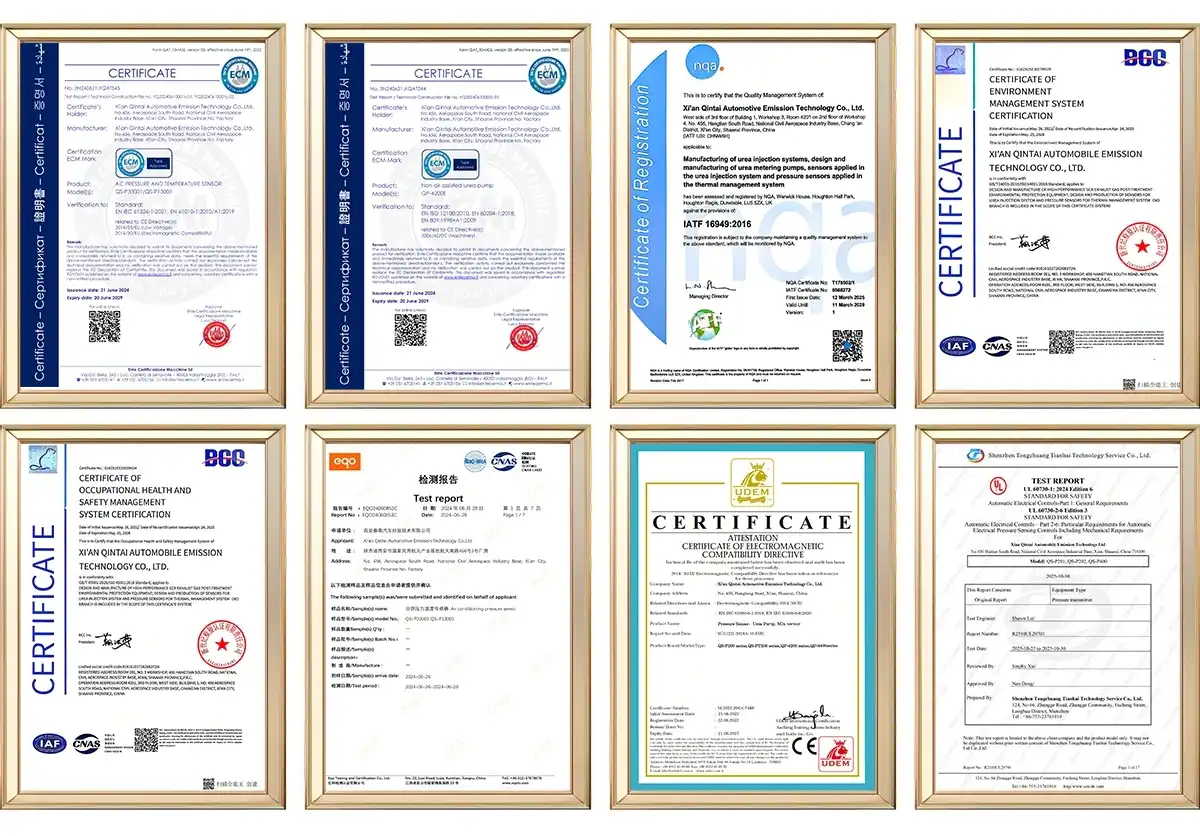
Manufacturers with a good reputation show that they follow the IATF 16949 automotive quality standards and the ISO 9001 quality management systems. These certifications show that there are established ways to check the design, keep an eye on production, and keep track of products, all of which are necessary for safety-critical applications. CE and RoHS certifications show that the product meets the standards for the European market, while CMC and UL certifications show that the product meets the standards for the Chinese and North American markets. Diesel engine OEMs should see proof that their suppliers can maintain stable supply chains and meet established production volumes.
When looking at possible partners, check out their research and development (R&D) and patent files to see how innovative they are with technology and how long their product plan will last. Companies with dedicated application engineering teams can go above and beyond what is offered in their catalogues to help customers with custom interaction needs or environmental requirements.
Cost Structure Analysis
When you own something like a Ceramic Pressure Sensor, you have to pay for more than just the price of the unit itself. There are also costs like installation labour, testing, expected service life, and repair costs if something breaks with your Ceramic Pressure Sensor. Ceramic Pressure Sensor units, which cost 20–30% more than silicon sensors, often have better lifetime economics because they don't need to be replaced as often and require less upkeep. Volume price models for Ceramic Pressure Sensor usually offer savings of 15–25% for orders of 500 or more units, and you can negotiate even more for yearly blanket orders that ensure a steady supply of Ceramic Pressure Sensor goods.
Customization and Lead Time Factors
It takes 2 to 4 weeks to ship standard catalogue sensors, but 6 to 10 weeks for sensors with custom electrical connectors, pressure ports, or calibration ranges. Suppliers who keep a lot of goods on hand can handle both fast orders and small amounts of prototypes, which is very helpful during the development phase and as production ramps up. There are a lot of different minimum order quantities. For example, established manufacturers may need at least 100 pieces for custom variants, while some suppliers offer evaluation quantities of 5–10 units to help with design validation.
How to Choose the Right Ceramic Pressure Sensor: A Step-By-Step Guide
Define Application Requirements
First, write down the ranges of system pressure, including the normal working points and the highest transient conditions. Find out what about the media—the type of hydraulic fluid, the makeup of the exhaust gas, and the surrounding conditions—affects the suitability of the materials. Set standards for accuracy based on the need for process control or the need to follow the rules set by the government. The baseline requirements framework is finished with environmental specifications such as extreme temperature ranges, vibration profiles, and the need for ingress protection.
Establish Evaluation Criteria
Put picking factors in order of importance based on how important the application is. When it comes to safety systems, proven dependability and legal certifications are more important than cost. Applications that make a lot of things stress the importance of a stable supply chain and low prices. Technical help that responds quickly and allows for customisation are important for development projects. Make weighted scoring grids that show these goals. This will let you compare various supplier offers in an objective way.
Compare Technical Specifications
Ask qualified suppliers for thorough datasheets and compare the accuracy standards, reaction times, pressure ranges, and temperature coefficients in a planned way. Check to see if the electrical link works with the control systems that are already in place. Check the mechanical dimensions against the space that is available for installation. Compare environmental scores to the conditions of the real application to make sure there are enough performance margins.
Engage Suppliers for Samples
Get in touch with the manufacturers you've chosen to ask for evaluation samples and technical advice. Talk about the unique needs of the application and look into possible customisation possibilities. Look over quality records, such as test results and certifications. Talk about sample terms and evaluation times that work with the schedules for project development. During this phase of involvement, the speed and technical skill of the provider are shown. These are important factors that have a big effect on the success of the long-term relationship.
Conclusion
The technical specs, source skills, and total cost of ownership must all be carefully considered when choosing a Ceramic Pressure Sensor. Because ceramics are resistant to chemicals, stable at high temperatures, and strong mechanically, they are perfect for use in diesel engine aftertreatment, industrial hydraulics, and power production. A good procurement process finds a balance between performance needs and budget limits, putting an emphasis on relationships with suppliers that provide reliable quality, quick expert support, and steady supply continuity. When engineers have a lot of selection criteria and ways to evaluate suppliers, they can confidently choose sensors that will improve system performance over a longer period of time.
FAQ
What factors most significantly influence ceramic pressure sensor lifespan?
Changes in temperature, chemical exposure, and shaking levels all have a direct effect on how long a sensor lasts. Longer operating life is achieved by installing things correctly so that mechanical stress and electrical transients are avoided. Good ceramic sensors show drift below 0.1% full scale every year, and in well-controlled industrial settings, they should last more than 10 years. Pressure spikes that happen a lot in hydraulic and pneumatic systems can cause sensors to fail early if you don't choose sensors with the right overpressure ratings for your Ceramic Pressure Sensor.
How do ceramic sensors perform in diesel engine exhaust applications?
Ceramic Pressure Sensors are great for tracking exhaust gases because they are very resistant to acidic condensates and particulate matter. Temperature ratings up to 135°C allow for direct exhaust mounting with thermal barriers, which helps control the SCR system and keep an eye on the DPF regeneration process. Their stability makes sure that readings are correct, which is necessary to meet China VI and Euro VI emission standards. Additionally, their overpressure resistance protects them from damage caused by changes in pressure caused by combustion.
What kinds of customisation options are there?
Electrical connectors, pressure port configurations, mounting orientations, and calibrated pressure ranges are all things that manufacturers often change. It is possible to change the transmission methods, temperature adjustment profiles, and output signal scaling to fit a certain control system. Custom variants usually have longer lead times (6–10 weeks) than standard products. The minimum order quantity varies from 50 to 500 units, depending on how complicated the change is and the manufacturer's rules.
Partner with Qintai for Industrial-Grade Ceramic Pressure Sensor Solutions
Qintai is one of China's biggest makers of Ceramic Pressure Sensors. Since 2001, they've worked with major diesel engine OEMs like Weichai Power, Yuchai Power, and Quanchai Power. Our many certifications, including ISO 9001, IATF 16949, CE, RoHS, and REACH, make sure that the quality of our products meets strict international standards. We offer custom sensor solutions for SCR aftertreatment systems, hydraulic tracking, and industrial emission control needs. We have 58 idea patents and focused research and development teams.
Whether you need standard catalogue sensors or sensors that are customised for a specific purpose, our technical experts are here to help you through design development, prototyping, and mass production. Email our team at info@qt-sensor.com to talk about your Ceramic Pressure Sensor needs and to ask for test samples. Find out why top diesel engine makers choose Qintai as their favourite sensor provider for meeting emission standards and improving performance.
References
1. Webster, J.G. & Eren, H. (2014). Measurement, Instrumentation, and Sensors Handbook: Spatial, Mechanical, Thermal, and Radiation Measurement (2nd ed.). CRC Press.
2. Hauptmann, P., Lucklum, R., Püttmer, A. & Henning, B. (2017). Ultrasonic Sensors and Systems: Theory and Application. Springer Publishing.
3. Fraden, J. (2016). Handbook of Modern Sensors: Physics, Designs, and Applications (5th ed.). Springer International Publishing.
4. Society of Automotive Engineers (SAE). (2019). Pressure Sensor Performance Requirements for Diesel Engine Applications. SAE Technical Paper J1746.
5. International Organization for Standardization. (2018). ISO 19372: Ships and Marine Technology – Internal Combustion Engines – Vocabulary of Engine Exhaust Gas Emission Characteristics. ISO Standards Catalog.
6. Chen, G., Zhao, Y. & Li, S. (2020). Reliability Analysis of Ceramic Pressure Sensors in Automotive Exhaust Systems. Journal of Mechanical Engineering Science, 234(18), 3642-3655.
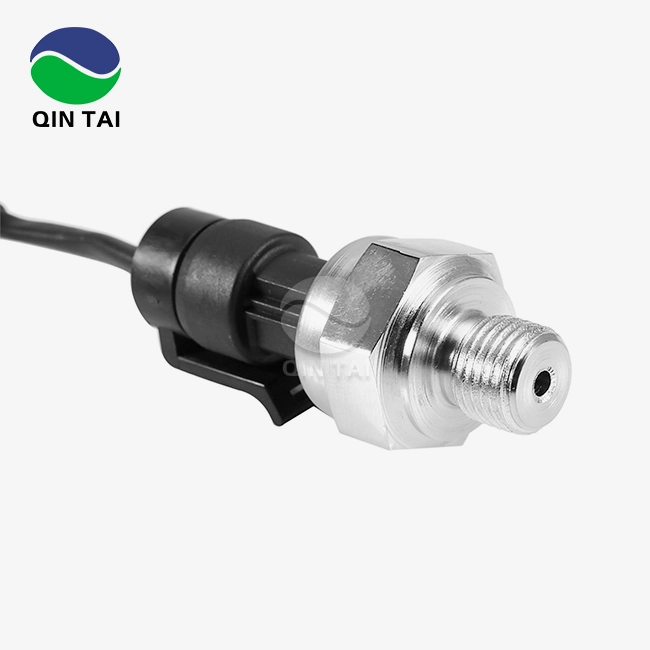
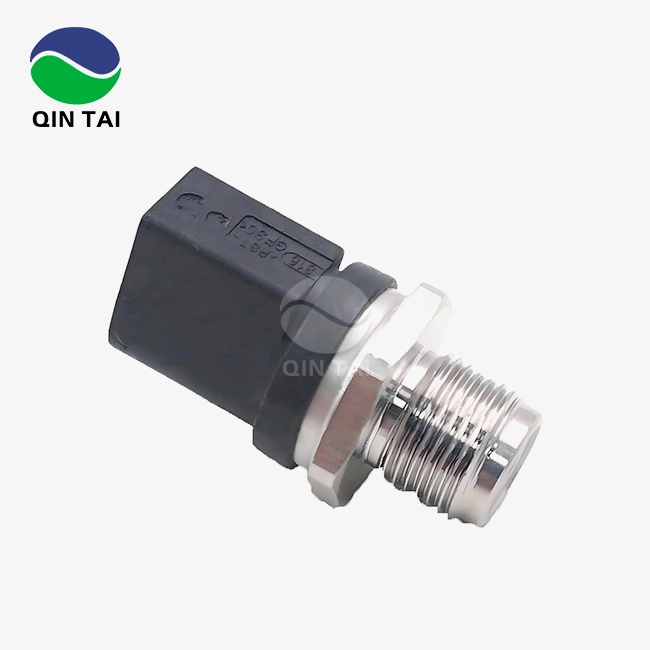

Our customers’ satisfaction speaks for our quality — contact us to experience the same reliable service.