- English
- French
- German
- Portuguese
- Spanish
- Russian
- Japanese
- Korean
- Arabic
- Greek
- German
- Turkish
- Italian
- Danish
- Romanian
- Indonesian
- Czech
- Afrikaans
- Swedish
- Polish
- Basque
- Catalan
- Esperanto
- Hindi
- Lao
- Albanian
- Amharic
- Armenian
- Azerbaijani
- Belarusian
- Bengali
- Bosnian
- Bulgarian
- Cebuano
- Chichewa
- Corsican
- Croatian
- Dutch
- Estonian
- Filipino
- Finnish
- Frisian
- Galician
- Georgian
- Gujarati
- Haitian
- Hausa
- Hawaiian
- Hebrew
- Hmong
- Hungarian
- Icelandic
- Igbo
- Javanese
- Kannada
- Kazakh
- Khmer
- Kurdish
- Kyrgyz
- Latin
- Latvian
- Lithuanian
- Luxembou..
- Macedonian
- Malagasy
- Malay
- Malayalam
- Maltese
- Maori
- Marathi
- Mongolian
- Burmese
- Nepali
- Norwegian
- Pashto
- Persian
- Punjabi
- Serbian
- Sesotho
- Sinhala
- Slovak
- Slovenian
- Somali
- Samoan
- Scots Gaelic
- Shona
- Sindhi
- Sundanese
- Swahili
- Tajik
- Tamil
- Telugu
- Thai
- Ukrainian
- Urdu
- Uzbek
- Vietnamese
- Welsh
- Xhosa
- Yiddish
- Yoruba
- Zulu
how does a nox sensor work
A NOx sensor is a precise tracking device for diesel exhaust systems. It finds the amount of nitrogen oxide by using electrochemical reactions in zirconia ceramic cells. The sensor measures NOx levels from 0 to 2500 ppm using oxygen ion conduction and sends real-time data to the engine control unit (ECU) so that the SCR system can be adjusted. This constant feedback loop helps diesel engines keep their emissions in line with rules like EPA 2010 and Euro VI standards while also getting the most out of the amounts of diesel exhaust fluid (DEF) they use.
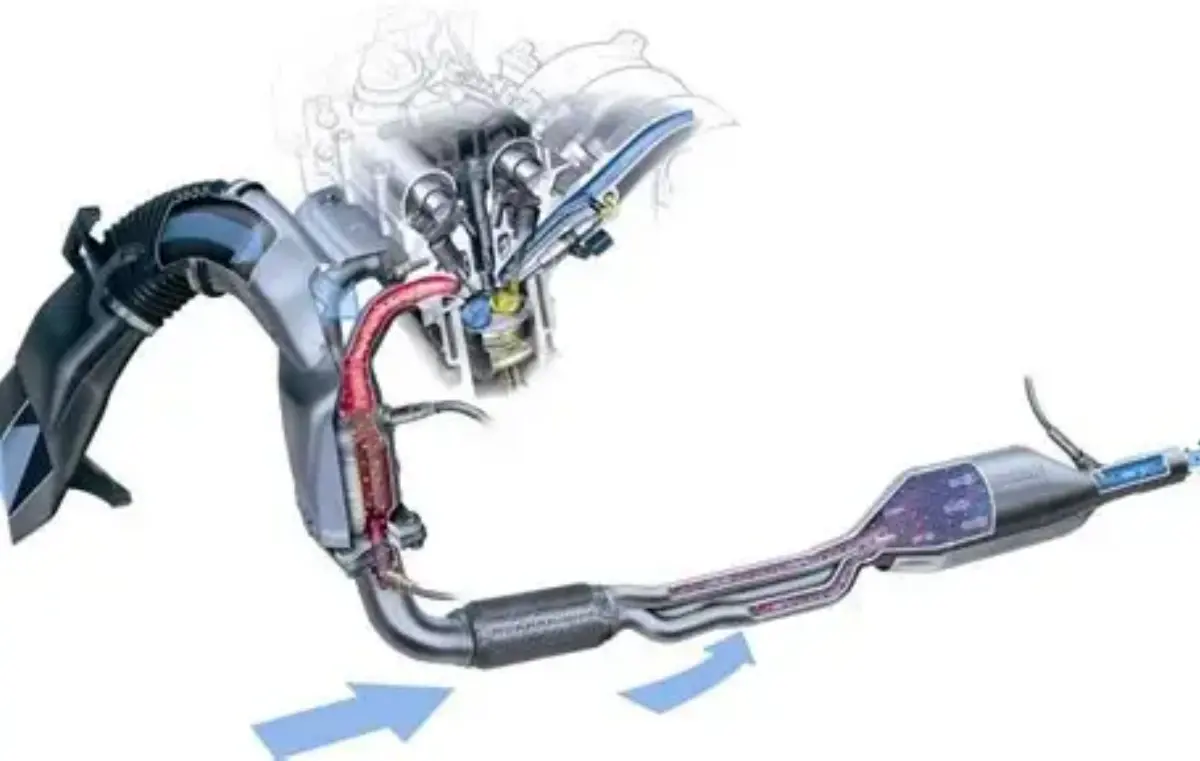
Understanding NOx Sensors: Function and Importance
NOx sensors are the building blocks of current emission control systems used in heavy-duty diesel vehicles like long-haul trucks and construction equipment. The complex machines keep an eye on the make-up of waste gases all the time, focusing on molecules of nitrogen dioxide (NO2) and nitric oxide (NO) that cause smog and are bad for your health. The Environmental Protection Agency set rules that diesel engines must lower their NOx pollution to levels below 0.2 grams per brake horsepower-hour. This means that accurate monitoring technology is a must.
Strategic Placement in Exhaust Systems
These days, cars with SCR usually have two NOx sensors placed in key spots. Before the catalytic converter, there is an upstream monitor that measures raw engine-out pollution. This information gives the ECU information about the base level of NOx production, which lets it accurately figure out how much DEF to add. The monitor further downstream, which is put in place after the SCR catalyst, checks the reduction efficiency and makes sure that the pollution goals have been met. This design with two sensors makes a closed-loop control system that can adjust to different working conditions, changes in fuel quality, and catalyst wear and tear.
Identifying Sensor Malfunction Indicators
Teams in charge of buying things and experts who work on maintenance should be able to spot typical signs that sensors are wearing out. Sensor problems are often the cause of dashboard lights that show a DEF system fault. Performance problems can show up as too much DEF use, power loss, or failed emission tests. If you look at it closely, you might find carbon buildup on the tips of the sensors, broken wire harnesses, or corrosion where the connectors join. If you find these problems early, you can avoid costly downtime and stay in line with the environmental rules that govern your fleet's operations.
How NOx Sensors Work: Principles and Mechanism
Advancements in ceramic materials and electrical methods are what make NOx sensor operation possible. A dual-chamber design with yttria-stabilized zirconia (YSZ) elements that can conduct oxygen ions at high temperatures is at the heart of every sensor.
Electrochemical Detection Process
When waste gas enters the first section of the sensor, an oxygen pump cell pumps oxygen ions into or out of the ceramic membrane to keep the oxygen level at a set reference level. After being controlled by oxygen, this gas moves into the second room, where NOx molecules meet a platinum catalyst electrode. The catalyst breaks down the chemical bonds in nitrogen oxides, letting out oxygen ions that create an electrical current that can be measured and is related to the concentration of NOx. The control module built into the sensor changes this current signal into a standard digital format that can be used with CANbus networks in vehicles.
Sensor Components and Construction
Procurement professionals can tell the difference between makers' quality and durability by looking at their internal design. The zirconia ceramic sensing element, the heater element that keeps the best working temperature between 100°C and 800°C, the signal conditioning circuits for data processing, and the integrated control module that connects to the ECU are some of the most important parts. The connector and wire harness have to be able to handle cable temperatures between -40°C and 200°C while still being sealed and waterproof in tough environments.
Integration with SCR Systems
The sensor is always talking to the engine control unit using standard protocols. More modern systems handle over 300 different types of communication to make sure they work with all car platforms. The ECU changes the DEF injection rates, the settings of the exhaust gas recirculation (EGR) valves, or the time of the fuel injection when it gets information about high NOx levels. This real-time adaptation keeps emission levels within the allowed range in a wide range of working situations, from no load to full load.
NOx Sensor Types Comparison and Selection Criteria
To choose the right NOx sensor technology, you need to know how the different choices on the market today differ. Depending on the needs of your application, different sensor designs offer different benefits in terms of accuracy, reliability, and cost-effectiveness.
OEM Versus Aftermarket Alternatives
Original equipment maker sensors offer assured compatibility and approval paperwork that is necessary to follow the rules. Most of the time, these units come with a full warranty and expert help from well-known car suppliers. Aftermarket alternatives can save you a lot of money, especially when you buy a lot of them for a fleet. However, procurement teams need to make sure that the alternatives are certified and can work with existing car communication methods. Quality aftermarket sensors are made to the same standards as OEM sensors and come with a range of connector connections and wire lengths that can be changed to fit different fitting needs.
Diesel Engine Considerations
Diesel exhaust has its own problems that can't be solved with gasoline pollution. Higher levels of particulate matter, higher sulfur levels, and big changes in temperature mean that sensors must be specially designed for industrial diesel settings. Leading companies like Bosch and Denso have come up with their own poison-resistant layers that make sensors last longer in these harsh conditions. As you look at sensors for heavy-duty diesel uses, make sure that the specs stress how resistant they are to lead and sulfide contamination, as this is a common way for lower-quality units to fail.
Brand Performance Characteristics
When global suppliers come to the market, they bring different technology skills with them. Bosch sensors are known for being very accurate over a wide range of measuring ranges, which makes them good for uses with a changing duty cycle. Fast response times and quick light-off features that work well in cold climates are emphasized in Denso products. NGK sensors use improved ceramic formulas that make them last longer in high-temperature settings like those found in generator sets. Whether their operational goals are focused on starting cost, total cost of ownership, or specific performance attributes, procurement managers should match the benefits of each brand to those priorities.

Procurement Considerations: Buying and Maintaining NOx Sensors
Comparing unit prices isn't the only thing that goes into strategic NOx sensor buying choices. Total lifecycle costs and supplier relationship factors that affect fleet downtime and regulatory compliance also come into play.
Evaluating Total Cost of Ownership
When planning your procurement tactics, you should think about how much installation work is needed, how to do the calibration, and how often you plan to replace the items. Sensors with longer service life specifications, like units rated for 6000 hours instead of the normal 5000 hours, lower the number of times they need to be serviced and the time the car is down for repairs. Figure out how much you could save by buying in bulk, especially if you run a big fleet with hundreds of cars that need regular sensor replacements. Ask for detailed guarantee terms that spell out what is covered for damage caused by contamination, temperature-related degradation, and failure before its time.
Supplier Partnership Criteria
For agreements with NOx sensor manufacturers to work, they need more than just low prices. Check to see if a seller has the right inventory, can handle shipping logistics, and provides quick expert help. When unexpected sensor failures risk compliance deadlines, suppliers who offer same-day shipping for stock orders help keep things from getting out of hand. Technical support teams that know about diesel aftertreatment systems can fix problems that come up during installation and make sure that the system is calibrated correctly. Long-term partnerships with providers that are committed to constantly improving their products make sure that you have access to new technology that meets new legal requirements.
Certification and Documentation
For business-to-business purchases, full proof of legal compliance is needed. Check that the specs for the sensors include approval to the environmental standards that apply to where you do business. Ask for test results that prove the accuracy requirements for the whole measuring range, which is from 0 to 2500 ppm. To avoid costly compatibility mistakes during installation, documentation should clearly state the working temperature ranges, supply voltage needs, and mounting thread specs.
Best Practices for NOx Sensor Installation, Maintenance, and Optimization
To get the most out of your NOx sensors' performance and lifespan, make sure you follow the right placement methods and preventative maintenance schedules that safeguard your emission control investment.
Installation Protocol Guidelines
Putting sensors in the right place affects both how well they measure and how long they last. Mount sensors according to the manufacturer's instructions for how far away they should be from exhaust pipe turns, parts that cause noise, and hot spots. Apply an anti-seize substance that works in high-temperature settings to the mounting holes. This will keep the sensor from seizing up, which makes replacing more difficult in the future. Make sure that when you make electrical connections, you use the right terminal joining tools and heat-shrink to keep wetness out. Keep wire connections away from sources of extreme heat and make sure there is enough service loop to absorb vibrations.
Preventive Maintenance Schedules
Using systematic check times stops unexpected breakdowns and keeps emission compliance going strong. Visual checks should look for exhaust leaks near where the sensors are, broken wire insulation, and rust where the connectors meet. The presence of carbon on the tips of the sensors suggests problems with incomplete burning that need more than just replacing the sensors. Track sensor performance measures using internal diagnostics to see how they are slowly losing their usefulness before they reach a level that sets off warning lights. Unplanned repair events are cut down when replacements are planned based on working hours instead of being done when something breaks.
Optimization Through Data Analysis
Fleet managers can use data from sensors to improve the performance of the whole system. By comparing NOx numbers from similar cars in your fleet, you can find outliers that need to have their fuel injection systems, turbochargers, or EGR valves checked out. By keeping an eye on the connections between sensors upstream and downstream, you can see how the catalyst is breaking down over time. This lets you do preventative maintenance on the SCR system before the emission test fails. With this analytical method, sensors are no longer just compliance devices; they are also useful diagnostic tools that help with business success.
Conclusion
NOx sensor technology is an important investment for diesel engine uses in many industries that want to follow the rules, be good to the environment, and run efficiently. Your company can choose options that meet both scientific and financial needs by learning about electrochemical detection principles, comparing different sensor architectures, and using smart procurement practices. The sensors will last longer and work more accurately as long as they are installed and maintained correctly. Environmental laws are getting tighter all the time. To make sure your fleet has long-term success, work with sensor makers who show they are innovative with technology and reliable in their supply chain.
FAQ
Q1: How often should NOx sensors be replaced in commercial vehicles?
A: Replacements are usually done every 150,000 to 300,000 miles, but this can change based on how the car is used, the quality of the fuel, and the technology specs for the NOx sensors. New sensors with a 6000-hour service life far outlast older units, so they don't need to be replaced as often and don't cost as much to maintain. Diagnostic tracking that is done on a regular basis helps find performance problems before they become total failures.
Q2: What distinguishes NOx sensors from oxygen sensors?
A: Both use zirconia ceramic technology, but oxygen sensors only measure the amount of O2 for better burning, while nitrogen oxide sensors use a dual-chamber design to measure NOx molecules more precisely. The measurement ranges, working principles, and pollution control functions of these technologies are very different, so even though they look a lot alike, they can't be used together.
Q3: Can faulty NOx sensors cause engine power reduction?
A: When sensors don't work right, they send out diagnostic trouble codes that turn on progressive engine deceleration routines that are required by emission rules. The ECU can limit the engine's power output, the fastest the vehicle can go, or some operating modes until the sensor functions again. This protects the catalyst systems and makes sure the vehicle follows the rules by limiting operations.
Partner with Qintai for Advanced NOx Sensor Solutions
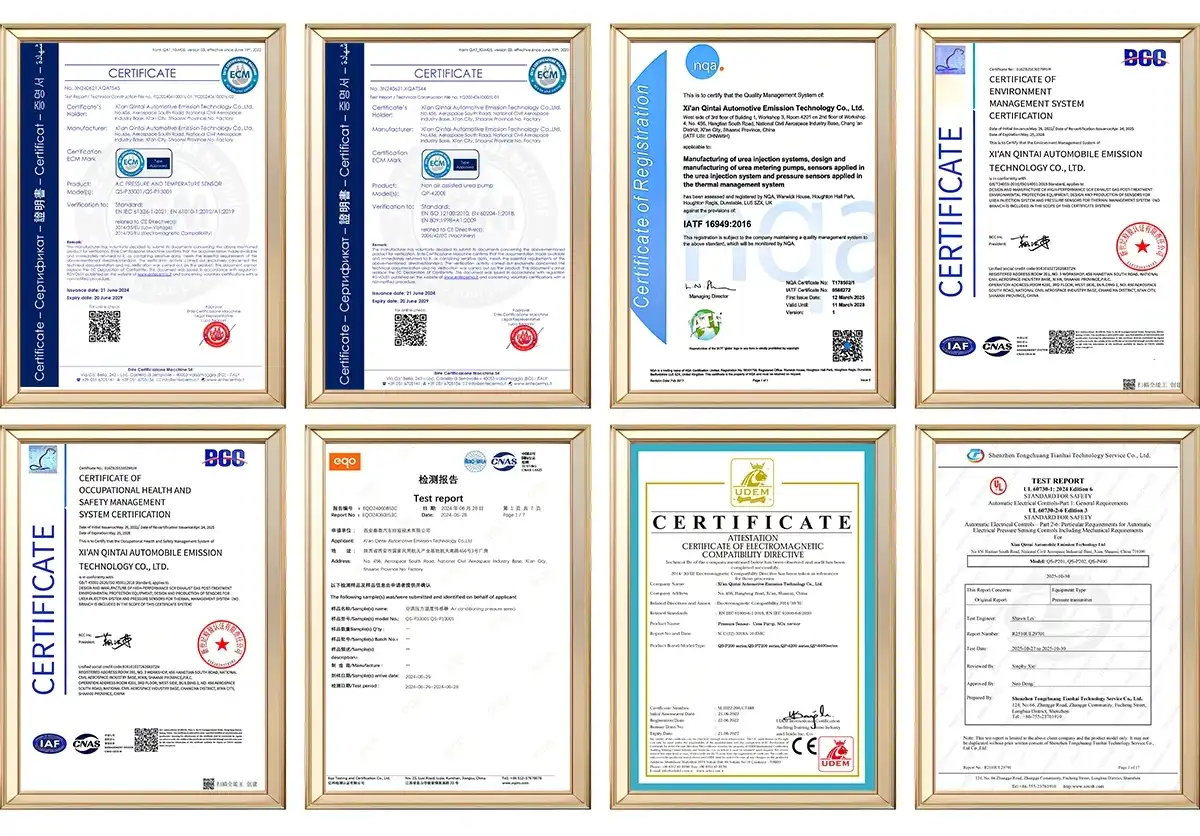
The engineers at Xi'an Qintai Automotive Emission Technology have been working on diesel engine emission control technology for more than twenty years. As the main provider of NOx sensors to China's top diesel engine makers, such as Weichai Power, Yuchai Power, and Quanchai Power, we've made sensors with response times of less than 1400ms and service life rates of 6000 hours, which are the highest in the industry. Our sealed, waterproof construction, customizable connector ports, and ability to work with over 300 communication protocols meet the needs of OEM makers, aftertreatment system installers, and business fleet operators. Email our technical team at info@qt-sensor.com to talk about buying in bulk, get full technical specs, or ask for sample units to test their performance. They are backed by ISO9001, IATF16949, and other foreign certifications that will help you meet your global compliance goals.
References
1. Society of Automotive Engineers. (2023). Diesel Exhaust Emission Control: NOx Sensor Technology and Applications. SAE International Technical Paper Series.
2. Environmental Protection Agency. (2022). Heavy-Duty Highway Compression-Ignition Engines and Urban Buses: Exhaust Emission Standards. EPA Office of Transportation and Air Quality.
3. Zhang, R., & Liu, S. (2023). Advanced Ceramic Sensors for Automotive Emission Control Systems. Journal of Materials Science and Engineering.
4. International Organization for Standardization. (2024). ISO 11992: Road Vehicles - Interchange of Digital Information on Electrical Connections Between Towing and Towed Vehicles. ISO Standards Catalogue.
5. Miller, J. W., et al. (2023). Performance Evaluation of NOx Sensors in Heavy-Duty Diesel Applications. International Journal of Engine Research, 24(3), 1156-1172.
6. Automotive Electronics Council. (2024). AEC-Q200: Stress Test Qualification for Passive Components in Automotive Applications. Component Technical Committee Publications.


Our customers’ satisfaction speaks for our quality — contact us to experience the same reliable service.