- English
- French
- German
- Portuguese
- Spanish
- Russian
- Japanese
- Korean
- Arabic
- Greek
- German
- Turkish
- Italian
- Danish
- Romanian
- Indonesian
- Czech
- Afrikaans
- Swedish
- Polish
- Basque
- Catalan
- Esperanto
- Hindi
- Lao
- Albanian
- Amharic
- Armenian
- Azerbaijani
- Belarusian
- Bengali
- Bosnian
- Bulgarian
- Cebuano
- Chichewa
- Corsican
- Croatian
- Dutch
- Estonian
- Filipino
- Finnish
- Frisian
- Galician
- Georgian
- Gujarati
- Haitian
- Hausa
- Hawaiian
- Hebrew
- Hmong
- Hungarian
- Icelandic
- Igbo
- Javanese
- Kannada
- Kazakh
- Khmer
- Kurdish
- Kyrgyz
- Latin
- Latvian
- Lithuanian
- Luxembou..
- Macedonian
- Malagasy
- Malay
- Malayalam
- Maltese
- Maori
- Marathi
- Mongolian
- Burmese
- Nepali
- Norwegian
- Pashto
- Persian
- Punjabi
- Serbian
- Sesotho
- Sinhala
- Slovak
- Slovenian
- Somali
- Samoan
- Scots Gaelic
- Shona
- Sindhi
- Sundanese
- Swahili
- Tajik
- Tamil
- Telugu
- Thai
- Ukrainian
- Urdu
- Uzbek
- Vietnamese
- Welsh
- Xhosa
- Yiddish
- Yoruba
- Zulu
How does urea affect SCR?
The thermolysis and hydrolysis of urea turn it into ammonia, which helps turn harmful nitrogen oxides (NOx) into safe nitrogen and water vapor. This has a direct effect on the performance of the SCR system. For maximum NOx conversion effectiveness while avoiding ammonia slip and catalyst contamination, it is very important to use the right amount and strength of urea. Monitoring the supply of urea with effective SCR urea level sensors makes sure that emissions standards are always met, saves aftertreatment parts, and keeps engines running well in heavy trucks, building equipment, farm equipment, and generator sets.
Introduction
Selective Catalytic Reduction technology is at the forefront of tactics used by diesel-powered businesses around the world to control emissions. As rules get stricter, like the EPA 2010 standards in the US and the China VI and Euro VI requirements, makers are under more and more pressure to make solutions that are both legal and effective. Urea, which is often sold as Diesel Exhaust Fluid (DEF) or AdBlue, is the chemical that changes dangerous nitrogen fumes into harmless substances. This is what makes SCR work.
It's more than just simple chemistry to understand how urea affects SCR devices. To choose parts that will keep the system running smoothly and in line with regulations for a long time, procurement professionals, R&D engineers, and technical managers need to understand how urea quality, dose accuracy, and SCR urea level sensor reliability all work together. There are useful tips in this guide about how to choose, install, and get these important parts. It talks about sensor technologies that can check urea levels in real time and the role that urea plays in SCR performance. Our goal is to give B2B decision-makers the technical information and source evaluation criteria they need to control emissions at the best level while also keeping costs low and supply chain risks under control.
Understanding the Role of Urea in SCR Systems
The Chemical Conversion Process
When diesel exhaust goes through the SCR catalyst, the urea that was introduced breaks down at temperatures above 160°C. The fluid breaks down into isocyanic acid and ammonia. Isocyanic acid then breaks down into more ammonia and carbon dioxide. The ammonia then mixes with NOx molecules on the surface of the catalyst to make nitrogen gas and water, which are both safe for the environment. Under ideal conditions, the conversion efficiency is usually between 90 and 95%. This makes SCR the best NOx reduction method for diesel uses.
Dosing Precision and System Efficiency
Emissions efficiency is directly linked to correct urea dose. Not enough dosing results in incomplete NOx reduction and not following the rules, while too much dosing causes ammonia slip, which releases unreacted ammonia into the air and could harm parts further down the line. Closed-loop control methods are used in modern SCR systems to change dosing rates based on air flow, temperature, and NOx percentage. To keep the stoichiometric balance needed for maximum conversion efficiency, these control algorithms depend on constant input from a number of sensors, such as those that check the amount of urea in the tank and the quality of the fluid.
Operational Challenges Affecting SCR Performance
Several things can make SCR less efficient. Urea crystallizes when the fluid disappears at injection points or in storage tanks, leaving behind solid layers that block valves and slow down flow. Extreme temperatures can also be dangerous. Freezing below -11°C can make doses impossible, and too much heat speeds up degradation. The percentage of urea can change from the normal 32.5% if it is contaminated with water, particles, or additives that don't work well together. This can mess up dosing estimates and slow down the conversion of NOx. These problems make it clear why strong tracking with good SCR urea level sensors and level indicators is an important part of any plan for implementing SCR that works.
SCR Urea Level Sensors: Types and Functions
Capacitive Sensing Technology
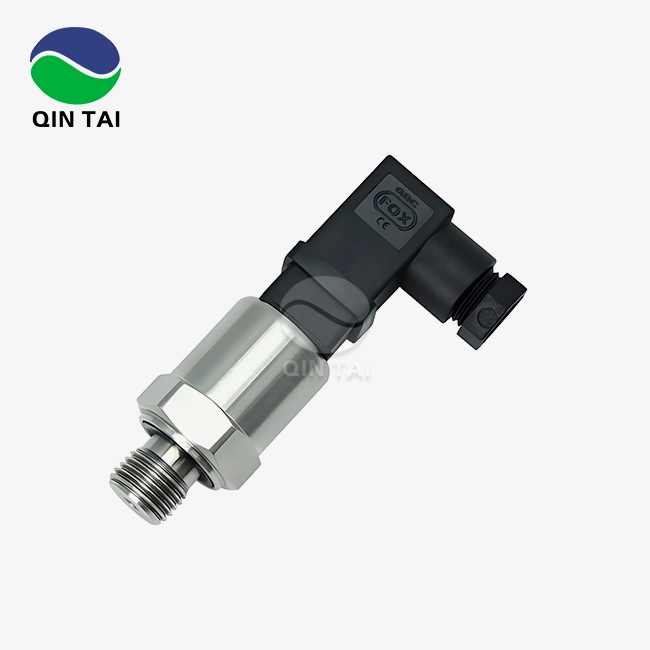
As the amount of urea in the holding tank changes, capacitive sensors pick up on changes in the insulating properties. A capacitor is made up of two electrical plates, and the fluid acts as the insulator. The capacitance value changes when the tank empties or fills up. This causes electrical signs that the control unit understands as level readings. This technology is very good at resisting changes in temperature and contamination, which makes it ideal for harsh conditions in the automobile and industrial sectors. Capacitive sensors are usually accurate to within ±5% of full scale, and they work well with common car transmission protocols like CAN bus.
Ultrasonic Measurement Principles
Ultrasonic monitors send high-frequency sound waves toward the surface of the fluid and measure how long it takes for the sound waves to return. This method doesn't involve touching anything, so there are no worries about fluid compatibility or sensor fouling. It also gives accurate readings across the entire tank depth. The accuracy of ultrasonic devices stays the same from -40°C to +85°C thanks to advanced designs that account for changes in sound rate caused by temperature. The technology works especially well for big jobs like generator sets and industrial machinery, with tanks that have complicated shapes and measurement ranges that are several meters long.
Integration With Control Systems
These days, SCR urea level sensors are an important part of larger SCR control networks. They are always talking to the engine control units and sending real-time data that helps with dose choices and lets the driver know when fluid levels are low. The sensors must meet strict car approval standards for how long they last, how well they work with electromagnetic fields, and how well they handle vibrations. During production, calibration procedures set standard values and compensation factors. During service life, onboard tools check the health of the sensor. This combination makes sure that SCR systems keep up with emissions rules while causing drivers as little trouble as possible and protecting against damage from not having enough urea.
Troubleshooting, Maintenance, and Installation of SCR Urea Level Sensors
Common Diagnostic Issues
One of the most common problems with sensors is signal drift, which is usually caused by deposits that have formed on the detecting elements or slow changes in the way the parts work. When readings don't match up with real tank amounts or become inconsistent, techs should check the area where the SCR urea level sensor is mounted for urea buildup and make sure the electrical connections are still good. Faults that are caused by temperature can show up as periodic mistakes when the engine is cold or very hot. Electromagnetic sources in the environment can also mess up sensor readings, especially in cars that have extra electronics or don't have enough grounding.
Maintenance Best Practices
Regular repair keeps measurement precision and increases the life of sensors. To get rid of crystallized urea without hurting sensing elements or seals, cleaning methods should only use solutions that have been allowed by the maker. Inspections every three months help find early signs of wear and tear, like connections that are corroded or housings that are broken. By comparing displayed levels to real readings, calibration checks make sure that sensor outputs stay within the parameters that were set. Most good sensors stay accurate for 100,000 to 150,000 kilometers in regular conditions. However, if they are used in harsh conditions, they may need to be replaced more often. Keeping track of maintenance tasks provides a performance past that helps with buying choices and warranty claims.
Installation Guidelines for Optimal Performance
Putting sensors in the right place has a big effect on their effectiveness. Places where the sensor is mounted should keep it out of direct contact with fill splashes and make sure it gets the lowest amount of fluid that is expected. The way the sensor is positioned is important. Ultrasonic sensors need to be pointed straight down, while capacitive types may have specific angle needs. To keep wetness out of electrical lines, they need to be properly sealed and routed away from heat sources. Ground loops can add noise to sensor data, so it's important to follow the grounding steps listed in the installation manual. By checking data after installation, you can be sure that the sensor works properly before putting it to use. This keeps expensive field fails and compliance issues from happening.
Choosing the Right SCR Urea Level Sensor for Your Business Needs
Application-Specific Selection Criteria
Heavy-duty truck uses need SCR urea level sensors that can handle steady shaking, changing temperatures, and possible contamination from road debris. Machines used in construction and farming need to be tough enough to handle heavy shock loads and long-term contact to particles. When installing a generator set, long-term security and low upkeep needs are usually the top priorities. Industrial-grade parts with long service intervals are often chosen. Each application has its own set of external stresses and performance requirements that must be met by the sensor. Looking at the temperature ranges, protection grades (IP67 or higher is suggested), and how well the material works with urea chemistry can help you narrow down your choices.
Technology Comparison and Trade-Offs
Because they work well and don't cost too much, capacitive sensors are useful in high-volume automotive uses. Their small sizes make them good for placements with limited room, but they may need to be calibrated more often than other technologies. Ultrasonic sensors work great in big tanks and don't have to worry about sensor fouling, but they are expensive and may not work well on foam or rough surfaces. Optical sensors are very accurate, but they are hard to use and expensive, so they should only be used in certain situations. Choosing the right technology is based on weighing these technical and economic factors against specific practical needs.
Evaluation and Qualification of Suppliers
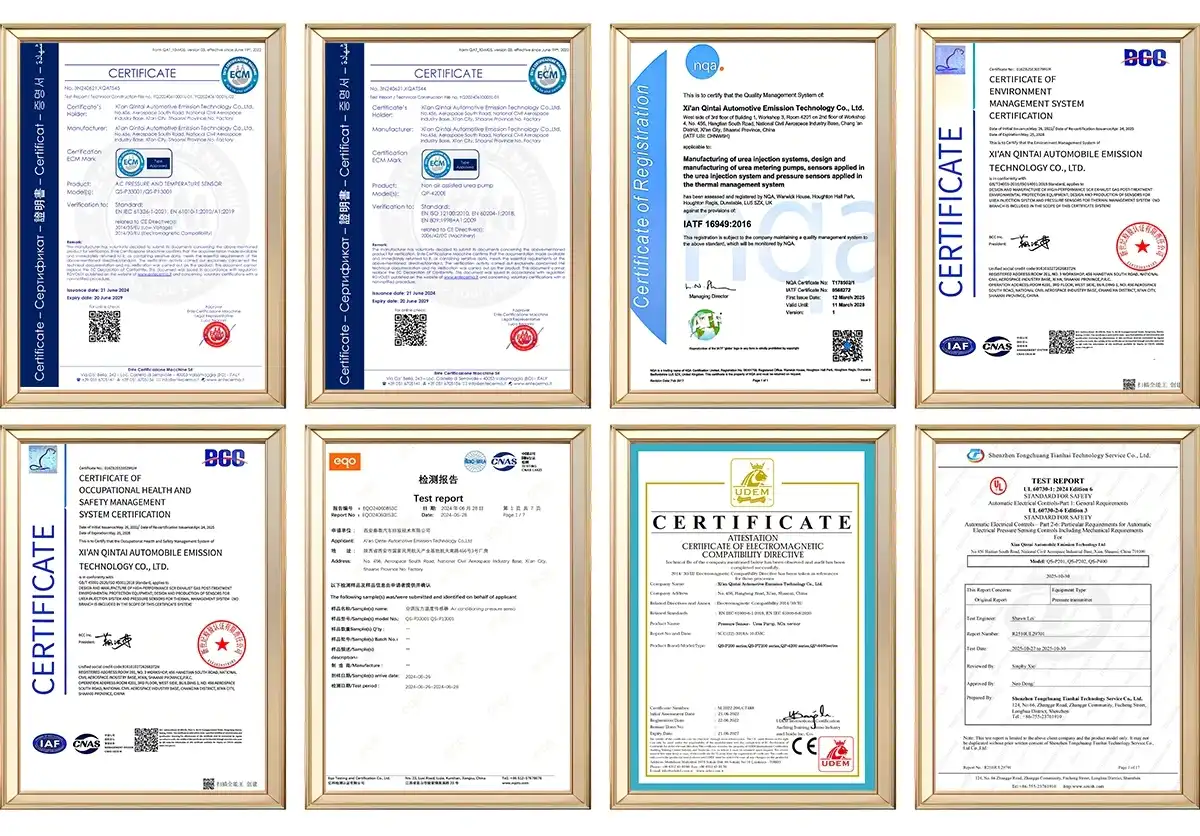
When you work with well-known makers, you can get access to designs that have been tried and tested, as well as trusted supply lines. Global players like Bosch, Continental, Denso, and Valeo have large product lines that are approved for use in cars and have been through a lot of testing and approval procedures. For special needs, regional experts may be able to customize solutions and respond more quickly. When judging providers, you need to look at their intellectual property portfolios, production capacity for growing up to higher volumes, quality management systems (ISO 9001, IATF 16949), and infrastructure for after-sales service. Ask for test data that shows how well the sensor works in the right working conditions, and make sure that the parts have all the necessary legal licenses for the markets they are meant for.
Procurement and Supply Chain Considerations for SCR Urea Level Sensors
Strategic Sourcing Approaches
A thorough needs assessment is the first step in effective buying. Technical offices set performance standards and qualification requirements, while buying teams look at what suppliers can do and discuss terms of trade. By working with more than one approved provider, you create competitive pressure that leads to better prices and back-up plans in case there are supply disruptions. When capacity is limited, long-term framework deals with volume promises can often open the door to better prices and faster allocation. Building partnerships with important providers makes it easier to share technical information, which could lead to custom solutions that better meet changing needs.
How to Set Prices and Cost Structures
The price of an SCR urea level sensor changes a lot depending on its technology, accuracy class, and approval level. In large numbers, entry-level capacitive sensors for commercial car aftermarket use may cost between $15 and $30 per unit. On the other hand, precision ultrasonic designs for OEM installations can cost more than $100 per unit. The amount bought has a big effect on the price per unit; contracts for more than 10,000 units per year usually get 20–30% savings compared to small-batch purchases. The total cost of ownership includes more than just the price of the original component. It also includes the number of failures, the length of the guarantee, the availability of technical help, and the cost of shipping.
Management of quality assurance and delivery
By using inbound inspection procedures, you can catch broken parts before they get into production, which protects both the quality of the product and the image of the brand. Testing samples makes sure that sensors work as described in the manual and in real-world situations. Setting clear quality agreements with providers spells out the standards for acceptance, the testing process, and the steps that need to be taken to fix problems. Dependability in delivery has a big effect on planning production and the costs of keeping supplies. When choosing a provider, talk about realistic wait times. Standard goods usually ship within 4 to 6 weeks, but personalized versions may take 12 to 16 weeks. Keeping the right amount of safety stock on hand keeps output from stopping and keeps working capital from getting stuck in inventory.
Conclusion
The chemical change of urea in SCR systems is the most important part of modern diesel pollution control. It changes dangerous NOx into harmless substances very quickly and effectively. For this conversion process to work, it needs to be carefully watched over by reliable SCR urea level sensors that make sure there is enough fluid and stop dosing mistakes. To choose the right sensor technology, you need to carefully think about the setting in which it will be used, the level of accuracy needed, and the total cost of ownership. Proper installation methods and preventative maintenance plans that keep measurement accuracy over long service times are needed for execution to go well. Through strategic relationships with qualified suppliers, businesses can get access to tried-and-true technologies, professional know-how, and a stable supply chain. All of these things make it possible to consistently follow regulations and run their businesses at their best.
FAQ
Q1: How often should urea level sensors undergo calibration?
A: The frequency of calibration relies on the type of sensor and how it is used. Most automotive-grade sensors are calibrated at the plant and stay that way for their full 100,000–150,000 km useful life. Annual proof checks may be helpful for industrial apps that are used all the time. Any SCR urea level sensors that give uneven readings or have been contaminated should be calibrated right away, no matter how much time has passed.
Q2: What makes urea level tests wrong?
A: A number of things can make measurements less accurate. Crystallized layers on sensor elements can change capacitance or get in the way of ultrasonic signals. Extreme temperatures change the way fluids behave and how well electrical parts work. Sensor readings are messed up by electrical noise from motors or inverters nearby. The quantity of urea and its dielectric qualities change when water gets into them. When air bubbles or foam form on the top of a fluid, they mess up ultrasonic readings. These effects are lessened by regular upkeep and proper installation.
Q3: Can existing SCR systems accept retrofitted sensors?
A: Mechanical interface standards and transmission methods are very important for retrofit compatibility. Standardized mounting rings and SAE J1939 CAN signaling are used in many systems, which makes it easier to switch out parts. However, private designs might need a whole new section. Before trying to retrofit, look at the original equipment specs and get in touch with sensor makers to make sure they are compatible. For changes to work, they often need to be calibrated and control software needs to be updated to make sure everything works correctly.
Partner With Qintai for Reliable SCR Urea Level Sensor Solutions
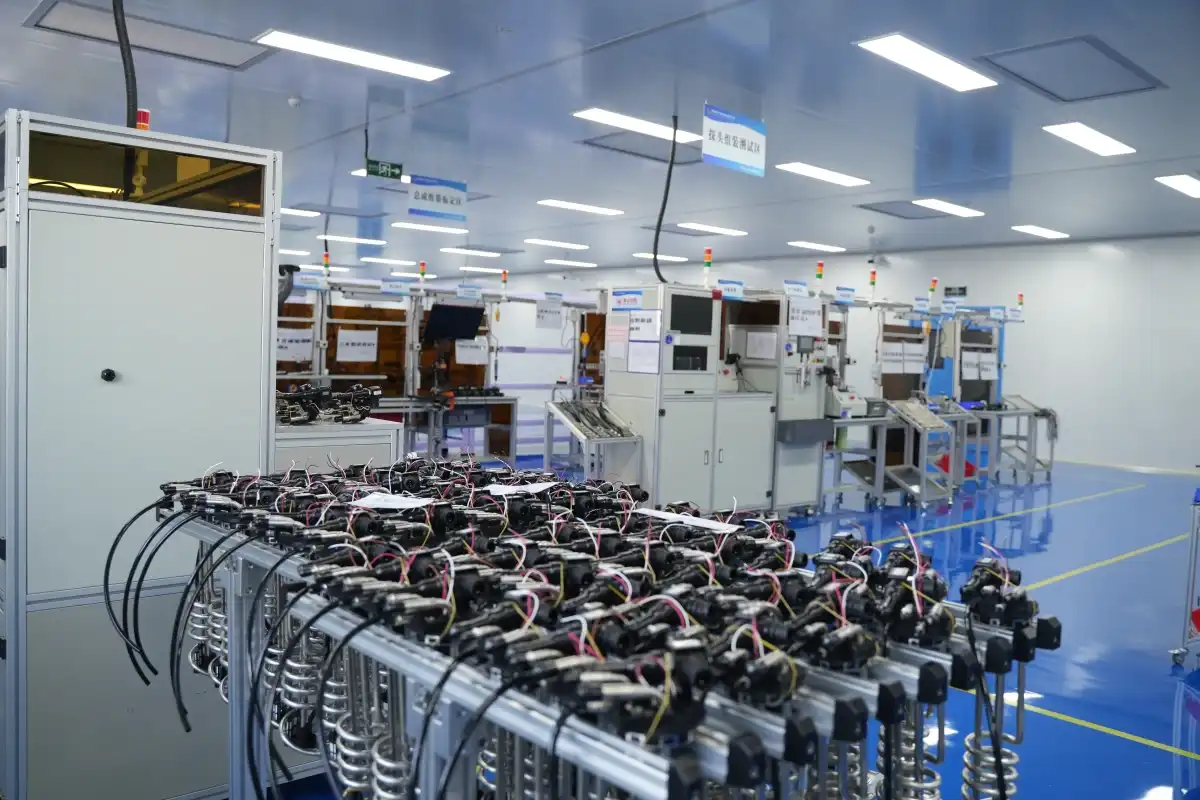
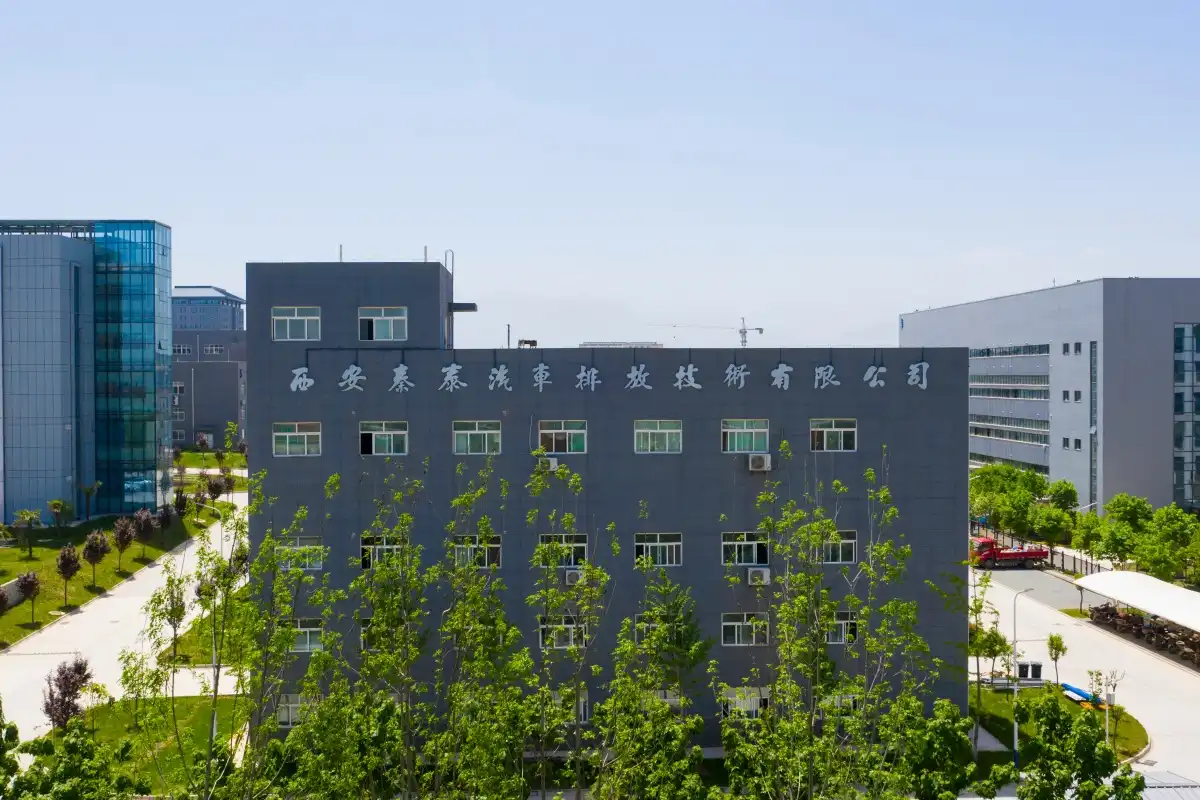
Xi'an Qintai Automotive Emission Technology is ready to help you reach your goals for controlling pollution with tested sensor technologies and a wealth of scientific knowledge. We are the top OEM provider in China and work with Weichai Power, Yuchai Power, and Quanchai Power. Our industrial-grade reliability is backed by ISO 9001, IATF 16949, and other foreign certifications. Our separate research and development team has been granted 58 idea patents. This lets us make custom SCR urea level sensor solutions that solve specific problems in heavy trucks, building equipment, farm equipment, and generator sets.
We encourage purchasing managers, technical experts, and people who work in Asupply chain to look at all of our options. We can help you with capacitive, ultrasonic, or hybrid sensing technologies. Our application engineers will give you full technical advice on how to match the right sensor specs to your needs. Email our team at info@qt-sensor.com to get product datasheets, reasonable quotes, and evaluation examples. Get quick help with technology issues, the freedom to make changes, and dependable release times that work with your production plans. We can also help you achieve long-term emissions compliance and operational excellence.
References
1. Johnson, T. V. (2015). Diesel Emissions in Review. SAE International Journal of Engines, 8(3), 1-18.
2. Koebel, M., Elsener, M., & Madia, G. (2002). Recent Advances in the Development of Urea-SCR for Automotive Applications. SAE Technical Paper Series, 2002-01-0287.
3. Nova, I., & Tronconi, E. (2014). Urea-SCR Technology for deNOx After Treatment of Diesel Exhausts. New York: Springer.
4. Majewski, W. A., & Khair, M. K. (2006). Diesel Emissions and Their Control. Warrendale: SAE International.
5. Colombo, M., Koltsakis, G., & Koutoufaris, I. (2013). Catalytic Performance Evaluation in Active SCR Applications. Applied Catalysis B: Environmental, 111-112, 433-444.
6. Walker, A. P. (2016). Controlling Particulate Emissions from Diesel Vehicles. Topics in Catalysis, 59(8-9), 695-707.
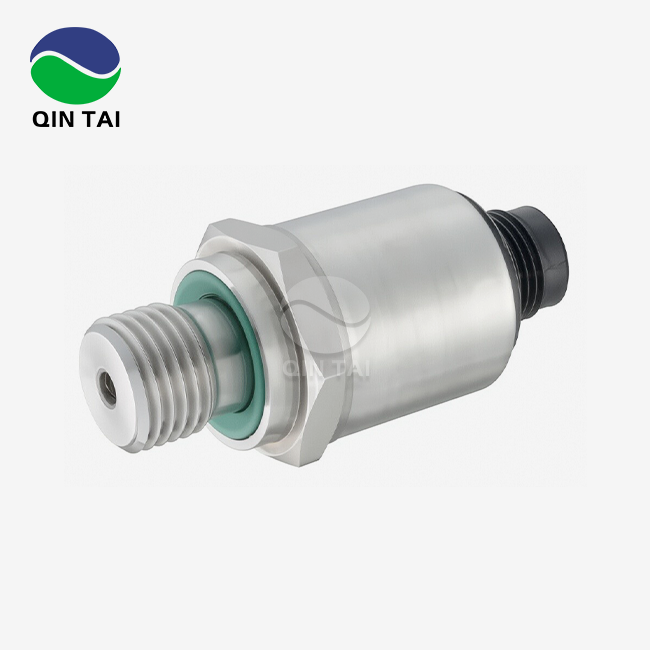
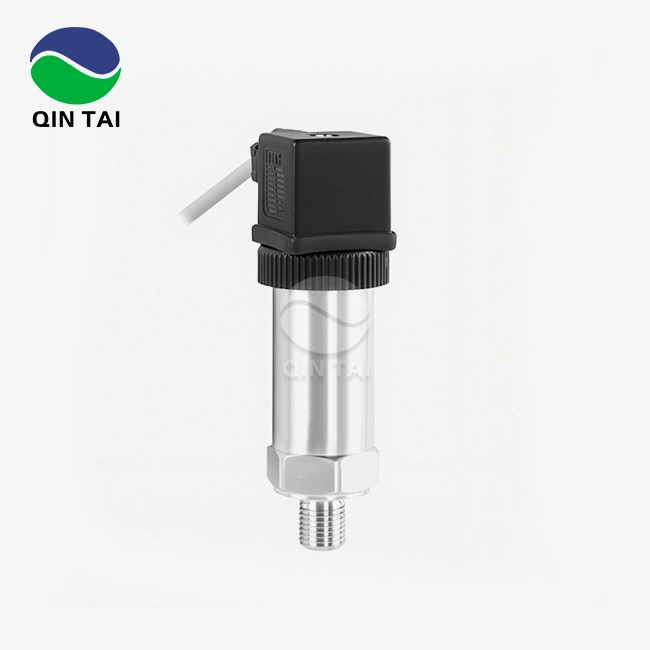
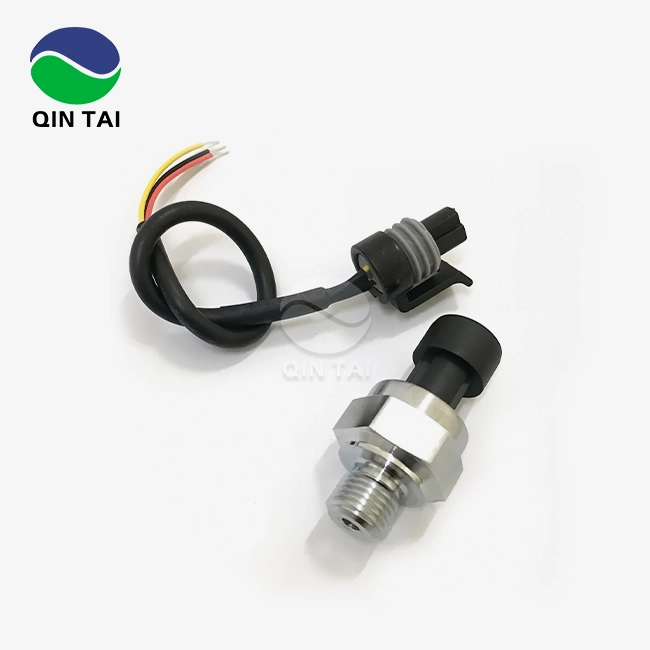

Our customers’ satisfaction speaks for our quality — contact us to experience the same reliable service.