- English
- French
- German
- Portuguese
- Spanish
- Russian
- Japanese
- Korean
- Arabic
- Greek
- German
- Turkish
- Italian
- Danish
- Romanian
- Indonesian
- Czech
- Afrikaans
- Swedish
- Polish
- Basque
- Catalan
- Esperanto
- Hindi
- Lao
- Albanian
- Amharic
- Armenian
- Azerbaijani
- Belarusian
- Bengali
- Bosnian
- Bulgarian
- Cebuano
- Chichewa
- Corsican
- Croatian
- Dutch
- Estonian
- Filipino
- Finnish
- Frisian
- Galician
- Georgian
- Gujarati
- Haitian
- Hausa
- Hawaiian
- Hebrew
- Hmong
- Hungarian
- Icelandic
- Igbo
- Javanese
- Kannada
- Kazakh
- Khmer
- Kurdish
- Kyrgyz
- Latin
- Latvian
- Lithuanian
- Luxembou..
- Macedonian
- Malagasy
- Malay
- Malayalam
- Maltese
- Maori
- Marathi
- Mongolian
- Burmese
- Nepali
- Norwegian
- Pashto
- Persian
- Punjabi
- Serbian
- Sesotho
- Sinhala
- Slovak
- Slovenian
- Somali
- Samoan
- Scots Gaelic
- Shona
- Sindhi
- Sundanese
- Swahili
- Tajik
- Tamil
- Telugu
- Thai
- Ukrainian
- Urdu
- Uzbek
- Vietnamese
- Welsh
- Xhosa
- Yiddish
- Yoruba
- Zulu
Advantages of Using Alumina Ceramic Pressure Sensors
Alumina ceramic pressure sensors are the most reliable industrial measuring tools because they are chemically harmless and have a high mechanical strength that other sensor technologies can't match. Because alumina is a very special material with a high elasticity value of about 310 GPa and resistance to acidic media, these sensors can accurately measure pressure in temperatures ranging from -40°C to +135°C. Their ceramic construction stops common failure modes like hydrogen embrittlement and oil-filled diaphragm leaks. This makes them essential for diesel engine aftertreatment systems, heavy-duty construction equipment, and generator set uses where meeting emission standards and maintaining consistent operation is key to making money.
Understanding Alumina Ceramic Pressure Sensors
Working Principles and Material Science
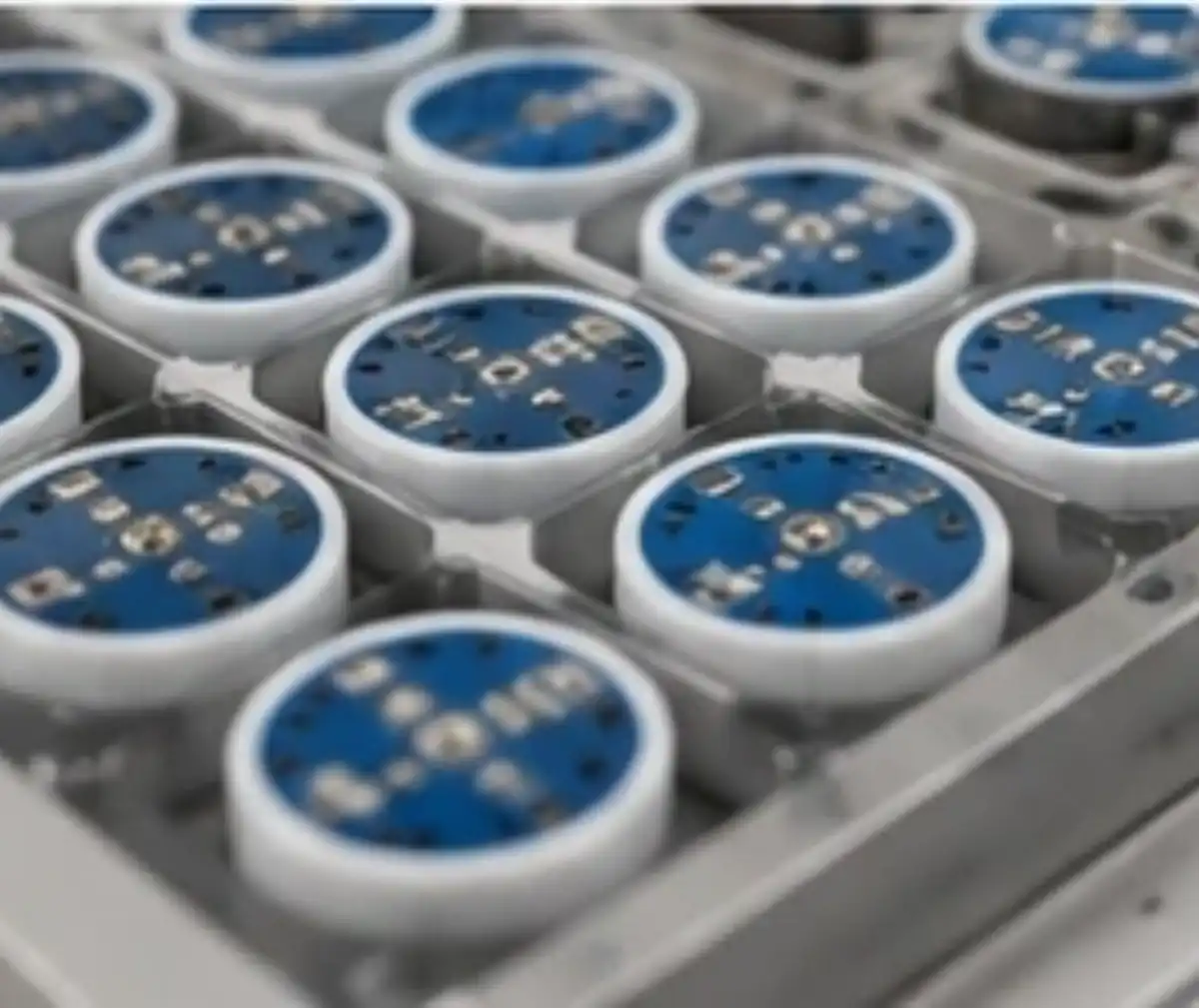
The ceramic diaphragm acts as the pressure-responsive component in Alumina ceramic pressure sensors, which work on either capacitive or piezoresistive principles. When pressure is put on the surface of the clay, tiny deformations happen. In capacitive systems, this movement changes the space between two electrical plates, which changes capacitance in a way that is related to pressure. In piezoresistive types, thick-film resistors are printed on the back of the diaphragm. These resistors make a Wheatstone bridge circuit that turns mechanical stress into electrical messages.
The alumina material itself has benefits over silicon and stainless steel. It is an aluminum oxide compound with a solid structure. Its chemical make-up stays the same when it comes into contact with diesel exhaust parts, urea solutions used in SCR systems, and hydraulic fluids that are popular in building equipment. The ceramic has a melting point higher than 2000°C, but its operational ratings usually go up to 135°C for electronic parts. This keeps things stable in engine chambers and paths for recirculating exhaust gas.
Technical Specifications That Matter
There are a few important things to keep in mind when choosing a pressure indicator for diesel aftertreatment systems. Different applications can use accuracy classes range from 0.1% to 0.5% full scale (FS). SCR dosing control needs more accurate measurements than general hydraulic tracking. Overpressure resistance, which is often rated at 40 times the standard pressure without lasting damage, keeps sensors safe during pressure jumps that happen a lot in DPF regeneration cycles and fuel systems with direct injection.
Ceramic sensors tend to drift below 0.1% FS per year, while many metal sensors move between 0.3% and 0.5%. This is shown by long-term stability standards. This feature lowers the number of times the generator set needs to be recalibrated, which lowers the cost of repair for fleet workers and generator set owners. Integrated ASICs that compensate for temperature make sure that the output is accurate across the whole operational range. This eliminates worries about thermal drift in engine bay setups where temperatures change quickly.
Core Advantages of Alumina Ceramic Pressure Sensors
There are measurable benefits to Alumina ceramic pressure sensors that directly address buying goals across a number of choice factors. Throughout the lifecycle of a product, these benefits lead to real organizational changes and cost savings.
Exceptional Temperature Resistance and Thermal Stability
When it comes to temperatures where silicon sensors need extra protection, alumina clay keeps its shape and measurement accuracy. Stress-induced drift is kept to a minimum during thermal cycling between cold starts and full working temperature because the material has a low coefficient of thermal expansion. We've tried ceramic sensors in generator sets where the temperature of the exhaust gas exceeds 600°C at measurement points. The ceramic parts gave accurate readings while being protected by the right mounting arrangements.
Because they are resistant to heat, there is no need for complicated cooling systems or thermal walls that make sensor setups more expensive and difficult. Manufacturers of engines that add pollution control systems gain from easier packaging and fewer parts. The ceramic's thermal features also stop the "oil-pulling" effect that happens with metal sensors when they are used for vacuum measurements. This keeps the accuracy of EGR systems and turbocharger tracking points.
Chemical Inertness and Corrosion Immunity
Alumina clay doesn't corrode when it comes into contact with acidic condensates or chloride-containing settings, while stainless steel diaphragms do. It stays chemically stable across pH ranges and in the presence of organic solvents. In diesel aftertreatment systems, this feature is very important because sensors come into contact with urea solutions (AdBlue/DEF), which can break down metal parts over time. Because the ceramic doesn't react with ammonia, sulfates, or burning byproducts, sensors used in SCR and DPF systems last longer.
Metal sensors usually need oil-filled isolation diaphragms to keep corrosive media away from the detecting elements. This design creates possible failure places where the diaphragm could break or oil could leak out. Ceramic sensors get rid of these problems by letting the media touch the detecting surface directly. This simplified design makes water-glycol hydraulic systems more reliable in places where contamination is a risk, like building tools and marine diesel engines.
Mechanical Durability and Vibration Resistance
Alumina ceramic has a high mechanical strength and is very hard, almost as hard as sapphire. This makes it naturally resistant to sharp particles and mechanical shock. Parts of construction and mining tools are constantly vibrating and sometimes being hit, which can break silicon dies or wear out metal diaphragms. In high-vibration settings, ceramic sensors that have been tested to MIL-STD-810 vibration standards often last longer than 10 years.
Because of this, failure rates are lower, and OEM makers don't have to pay as much for warranties. Field data from farm machinery shows that ceramic sensors stay calibrated during yearly activities that involve dust, moisture, and mechanical stress that would require regular sensors to be replaced more often. The hard ceramic structure also gives a uniform reaction, so there are no hysteresis problems like there are with some metal diaphragm designs when the pressure changes.
Long-Term Stability and Calibration Retention
Ceramic sensors are very stable when it comes to calibration, meaning that they keep their accuracy levels over long periods of time without needing to be re-calibrated. This feature lowers the total cost of ownership by getting rid of the need for regular testing, which takes time from technicians and machine downtime. Manufacturers of generator sets really like this stability because it's useful in places like mines, telecoms towers, and backup power systems that are far away and getting service can be very expensive.
The stable benefit comes from the fact that ceramic doesn't go through mechanical changes, work hardening, or creep, which can change the way a metal sensor works over time. When digital compensation hardware is built into sensors, temperature changes have stable and predictable effects on both the sensing element and the signal processing. Because of this, manufacturers can use calibration data knowing that the behavior in the field will match factory standards during the warranty time and after.
Comparing Alumina Ceramic Pressure Sensors to Other Technologies
Material Performance Analysis
Silicon-based sensors are the most common in low-cost situations, but they can't always work in tough conditions. Silicon can't be used in places where the temperature changes quickly because it is fragile and easily damaged by heat. Chemical compatibility is also a problem because silicon reacts with strong alkalis and breaks down faster when it comes in contact with some organic molecules. Because of these problems, safety steps are needed, which cost more and make things less reliable.
While stainless steel diaphragm sensors are strong mechanically, they become weak when exposed to hydrogen, which can happen in fuel cells and other places where hydrogen is present in large amounts. In high-cycle uses, metal wear becomes important, which limits the pressure range and overpressure tolerance. Because ceramic sensors don't fail in these ways, they are better for alternative fuel engines and other uses that need high burst pressure rates.
Cost-Benefit Considerations for Procurement
When you look at dependability, tuning stability, and service life, the initial cost of the sensor is only a small part of the total costs of ownership. Alumina ceramic pressure sensors typically cost 15–30% more than basic metal sensors, but they last two to three times longer between service visits and fail much less often. For OEM makers, this means fewer guarantee claims and a better image for their brand.
Ceramic sensors are universally compatible and easy to install, which is good for people who buy them after the fact. The sensors' long life lowers the cost of keeping inventory by extending the time between replacements, and their stability makes resolving system performance problems easier. Managers of repair shops say that when ceramic sensors are used instead of broken metal units in commercial car aftertreatment systems, they can figure out what's wrong faster and have fewer problems happen again.
Long-term supply deals allow for price optimization through bulk purchases from specialized makers like Qintai. Through OEM partnerships, companies can get access to customized sensor configurations that work best for certain uses. This cuts down on the costs of over-specification while still making sure that sensors meet all performance standards. This way of working together to make sensors cuts down on the time it takes to get new engine platforms on the market and the number of times engineers have to make changes.
Applications and Industry Use Cases
Diesel Engine Emission Control Systems
Modern diesel engines depend on accurate pressure tracking all the way through the aftertreatment system to work at their best and follow the rules. Alumina ceramic pressure sensors keep an eye on the urea injection pressure in SCR systems and send feedback to dosing control algorithms that keep NOx emissions as low as possible while also stopping crystallization from too much dose. The sensors are the best choice for uses that need to be sensitive to emissions because they can handle urea solutions chemically and stay stable at high temperatures in exhaust gas settings.
To find out how much soot is in the filter and start the regeneration cycles, DPF regeneration control needs accurate differential pressure measurements across the filter layer. Ceramic sensors can handle the high temperatures and exhaust gases that contain particles that are normal for this application. They also keep their calibration accuracy, which stops regeneration from happening too soon (wasting fuel) or too late (damaging the filter). Based on data from the field, more and more heavy truck makers are choosing ceramic sensors for these uses.
Industrial Hydraulic Systems and Mobile Equipment
Construction and farming tools use hydraulic systems with pressures between 200 and 400 bar. Monitoring the pressure is important for controlling the implements, detecting loads, and keeping the system safe. In these situations, ceramic sensors don't get messed up by the breakdown products of hydraulic fluid and stay accurate even when the temperature changes from cold starts in the morning to long periods of high load operation.
The vibration resistance of the sensors is useful in mobile equipment where engine shaking, ground-induced shock, and hits from tools make the working conditions difficult. Installation freedom lets you put directly in hydraulic manifolds or in remote places with the right fittings, which is useful for small machinery designs that need to save room. Pressure ranges and electrical connections that can be changed let sensors be optimized for the needs of particular equipment.
Generator Set Monitoring and Control
For engine safety, fuel system control, and emission compliance, both stationary and mobile generator sets need to be able to reliably measure pressure. On generator platforms ranging from small backup units to big mine-site setups, ceramic sensors keep an eye on the oil pressure, fuel pressure, and turbocharger boost. The sensors' long-term stability is especially useful in remote sites where regular upkeep is expensive and takes a long time.
The dependability standards for industrial-grade continuous-duty engines are a great fit for the properties of ceramic sensors. The sensors can handle thermal cycling, which happens when engines load and unload. They can also keep their accuracy over long periods of time and handle external factors like dust, humidity, and temperature changes. Power generation OEMs like that the sensors work the same way across all of their products, which makes it easier to keep track of parts and teach technicians.
Customization Capabilities for OEM Integration
The engineering team at Qintai works with OEM customers to create unique sensor solutions that meet the needs of specific integrations. You can change the output signal types (analog voltage, current loop, or digital protocols), the mounting thread specs, the electrical connection choice, and the pressure range optimization. This gives buying teams the freedom to choose sensors that work well with current harness designs and control system architectures.
Temperature adjustment methods can be tweaked to work better in certain installation settings, making them more accurate in situations where the temperature isn't normal. Custom calibration ranges improve measurement accuracy for important control loops by making the sensor's sharpness better within the real working pressure window. These customization services can be used to make both new products and changes to platforms that are already in use. During the design and approval process, engineers are available to help.

Procurement Insights: How to Buy Alumina Ceramic Pressure Sensors?
Evaluating Supplier Qualifications and Certifications
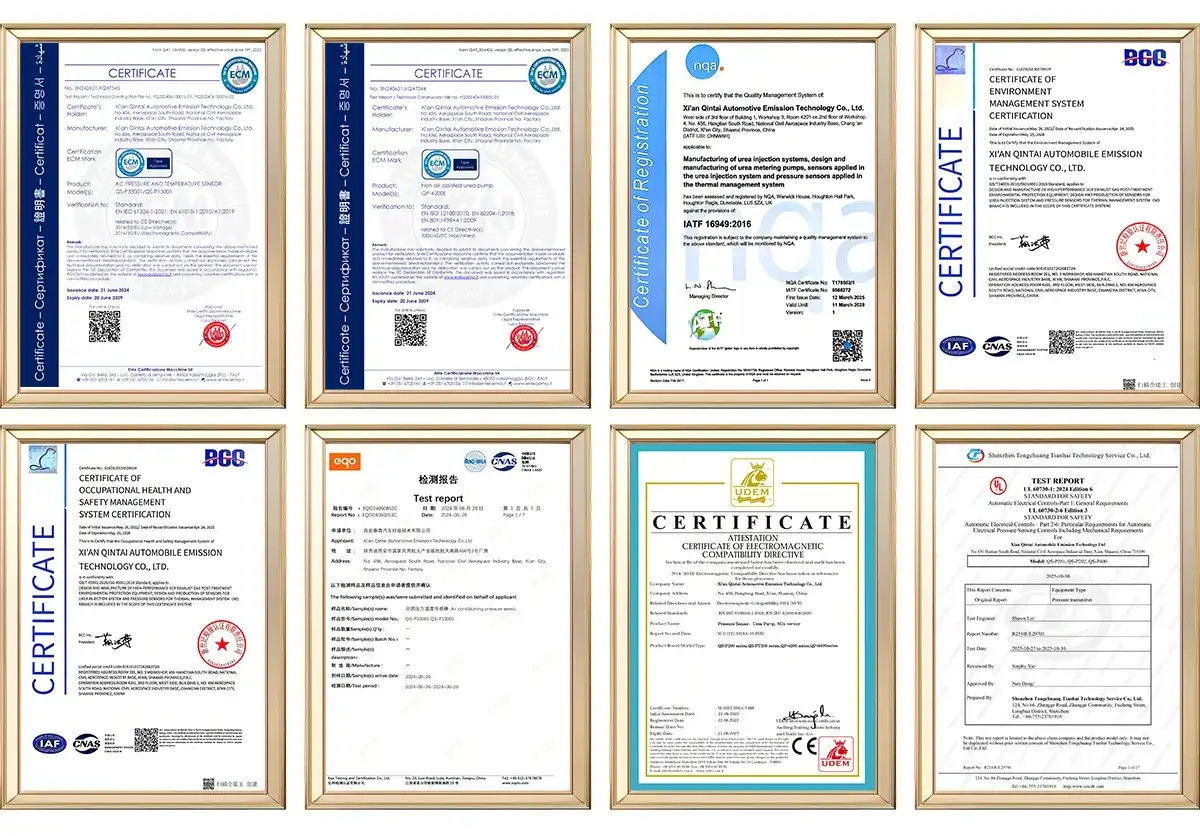
A careful evaluation of the seller is the first step in successful Alumina ceramic pressure sensor procurement. Quality management standards, such as ISO9001 and IATF16949, show that factory controls are set up in a way that makes sure quality is always maintained. For emission-related uses, suppliers need to know about car quality standards and production part approval processes (PPAP), which check that a product can be made before it is mass-produced.
International safety approvals (UL, CE) and explosion-proof certifications (Ex, ATEX) show that goods meet regional regulatory standards. This makes it easier for OEM customers to sell their products in global markets. RoHS and REACH compliance makes sure that monitors follow the rules about dangerous chemicals in the environment. This keeps the supply chain from being interrupted by changes to the rules. Our license files are very large, and they meet the needs of customers in North America, Europe, and Asia.
Assessing Manufacturing Capability and Supply Chain Reliability
Patent collections and research skills show how committed suppliers are to new ideas and how well they can help with the development of next-generation products. Qintai's 58 invention patents show that the company is constantly working to improve sensor technology. This means that customers can get the newest ceramic materials, signal conditioning circuits, and production methods that improve performance while keeping costs low.
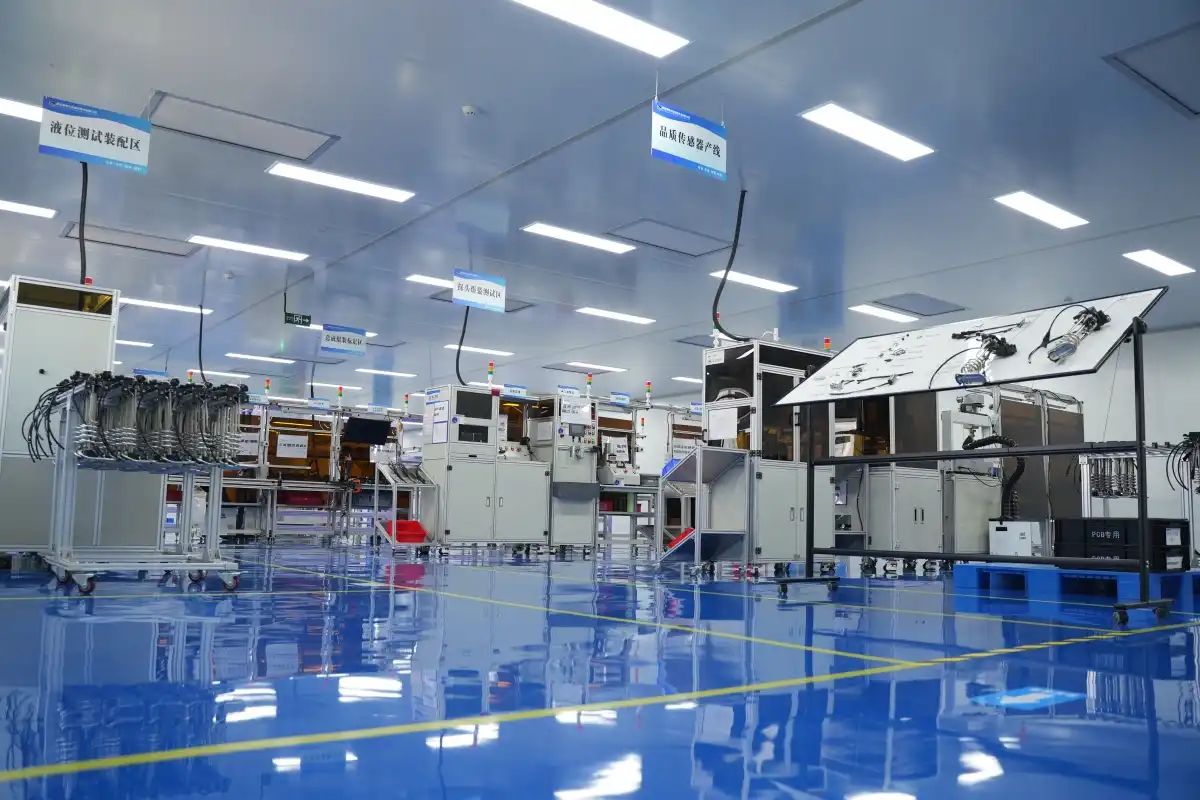
When you look at production capacity, you should look at both how much is being made now and how much more can be made to meet customer growth. Established providers with dedicated ceramic sensor production lines can offer volume options to handle changes in demand during different times of the year and the release of new products. Site trips or virtual plant tours let you see how products are made, how quality is checked, and how inventory is managed, all of which affect how reliable deliveries are.
Geography affects the resilience of the supply chain. For example, manufacturing close to home cuts down on shipping costs and wait times while lowering the effects of tariffs. Chinese companies like Qintai can offer lower prices because they can get their materials locally and have already built up the infrastructure they need to make their products. They also have experience exporting, which makes sure that shipping to North American buyers goes smoothly. Using both local and foreign suppliers can help you save money and make sure you always have supplies.
Pricing Structures and Volume Ordering Strategies
Support options after the sale should be carefully looked at. Transactional sellers and suppliers who care about their customers' success can be told apart by how quickly they respond to technical help requests, how many spare parts they have on hand, and their field failure analysis services. We give OEM accounts their own technical managers, so we can quickly answer questions about applications and problems in the field that need plant knowledge. Ceramic sensor prices depend on a number of factors that affect their costs, such as the pressure range, accuracy class, electrical setup, and licensing needs. Price optimization is possible with volume agreements because specialized production runs lower setup costs and waste of materials. With annual buy deals and quarterly release dates, you can plan your costs and keep your inventory flexible.
Instead of just looking at the unit price, procurement managers should look at the total landing cost, which includes freight, customs taxes, and payment terms. The best freight economics are achieved with container-load amounts, but consignment stocking plans can help customers save money on carrying costs while still making sure they have enough materials to meet production schedules. When doing business with foreign providers, currency hedging techniques may help with long-term supply deals.
Conclusion
Alumina ceramic pressure sensors offer real benefits in terms of dependability, longevity, and lifetime cost that are in line with buying goals in heavy equipment, diesel engine making, and the integration of aftertreatment systems. The chemical resistance, thermal stability, and mechanical strength of the technology make it work in harsh conditions that would normally damage other sensor technologies. This makes upkeep easier and protects the guarantee.
When procurement professionals are looking at sensor choices, they should not only look at the original price but also the total cost of ownership. Because ceramic sensors last longer, stay calibrated, and don't break often, they save money that makes up for their higher unit costs while also making systems more reliable and customers happier. As rules on emissions get stricter and equipment job cycles get longer, more industrial uses that need the most reliable sensors will start to use ceramic sensors.
FAQ
Q1: What environments are best suited for alumina ceramic pressure sensors?
A: Ceramic sensors work better in harsh chemical conditions with acids, alkalis, urea solutions, and gases that eat away at metal sensors quickly. Alumina ceramic pressure sensors work especially well in high-temperature settings, places with a lot of shaking, and situations where calibration times need to be long. Ideal uses include diesel aftertreatment systems, industrial process control, and hydraulic systems for tough environments.
Q2: How does temperature resistance compare to silicon sensors?
A: Ceramic sensors stay accurate and mechanically sound at temperatures that are much higher than those of silicon devices. Silicon usually can only work at 125°C, but sensing parts made of ceramic can work at 135°C or higher with the right electronics package. Temperature-related measurement mistakes are kept to a minimum by the low thermal expansion coefficient, which means that complicated compensation methods are not needed.
Q3: Are custom sensor solutions available for specific applications?
A: Through OEM relationships, it is easy to get custom setups that cover pressure range, mounting threads, electrical connections, output signals, and temperature compensation methods. Working together as engineers to create specifications makes sure that sensors perfectly meet the needs of the application without being too detailed. Custom development takes between 8 and 12 weeks, but this depends on how complicated the setup is and how many tests need to be done.
Partner with a Leading Alumina Ceramic Pressure Sensor Manufacturer
Qintai has been making Alumina ceramic pressure sensors for more than 20 years and has a long list of certifications and OEM partnerships that have worked well for China's biggest diesel engine makers. Our range of Alumina ceramic pressure sensors can be used for a wide range of industrial pressure measurement tasks, from heavy-duty hydraulic control to watching the urea flow in SCR systems. Independent research and development (R&D) lets us make solutions that are perfect for your integration needs. These solutions are backed by IATF16949 quality systems and can be fully tracked throughout the manufacturing process.
We want procurement managers, R&D engineers, and supply chain workers to look into ways that we can work together to make the most of our manufacturing size, technical know-how, and dedication to customer success. Email our team at info@qt-sensor.com to talk about your pressure sensor needs, get detailed specs, or set up test programs for samples. Qintai provides dependable solutions that help you meet your business goals and regulatory compliance needs, whether you need a large quantity of supplies for serial production or specific sensors for tough uses.
References
1. Anderson, M. & Chen, L. (2021). Advanced Ceramic Materials in Industrial Sensor Applications. Journal of Materials Engineering and Performance, 30(4), 2845-2859.
2. Hoffmann, K. (2020). Pressure Sensor Technology: Comparison of Measurement Principles. Industrial Instrumentation Series, Springer Publishing.
3. Liu, W., Zhang, H., & Kumar, S. (2022). Reliability Assessment of Pressure Sensors in Automotive Emission Control Systems. SAE International Journal of Engines, 15(3), 421-436.
4. Morrison, R. (2019). Chemical Resistance of Technical Ceramics in Process Industries. Ceramic Engineering Review, 45(2), 178-192.
5. Patel, D. & Yamamoto, T. (2023). Long-term Stability Characteristics of Ceramic Versus Metal Pressure Transducers. Measurement Science and Technology, 34(6), 065103.
6. Schmidt, J., Wang, Q., & Müller, H. (2022). Cost-Benefit Analysis of Sensor Technologies for Heavy-Duty Diesel Applications. International Journal of Automotive Technology, 23(5), 1347-1362.
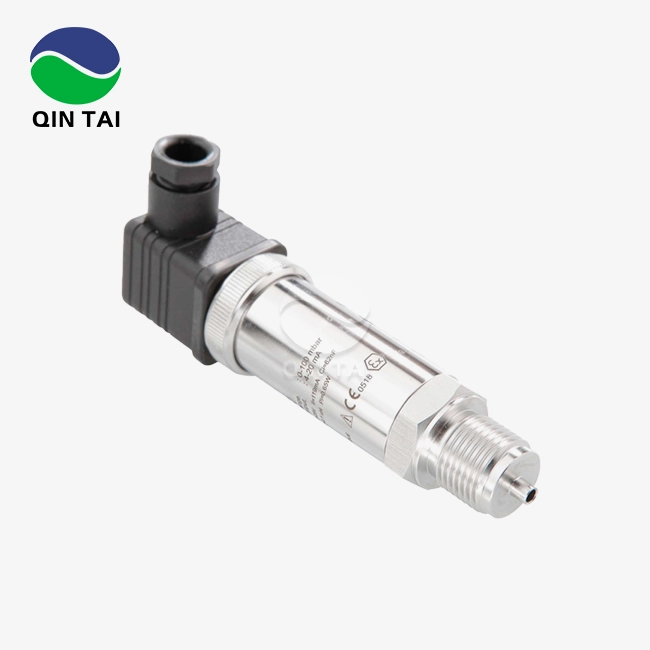
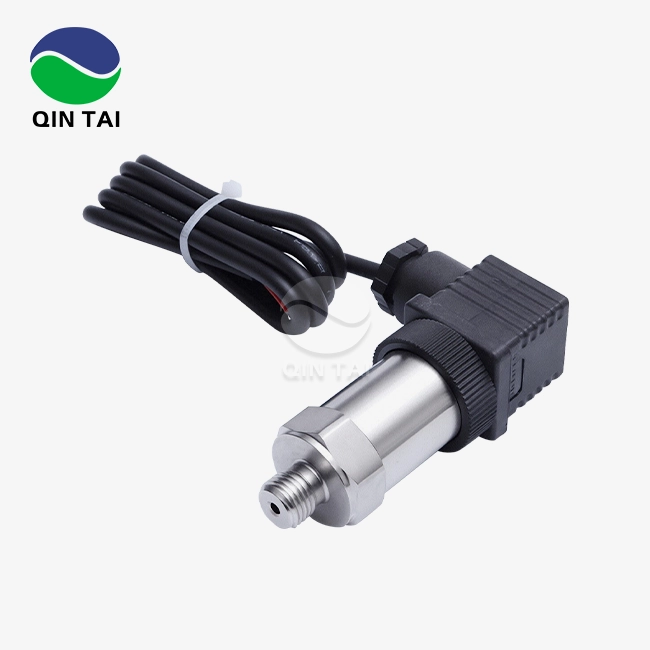
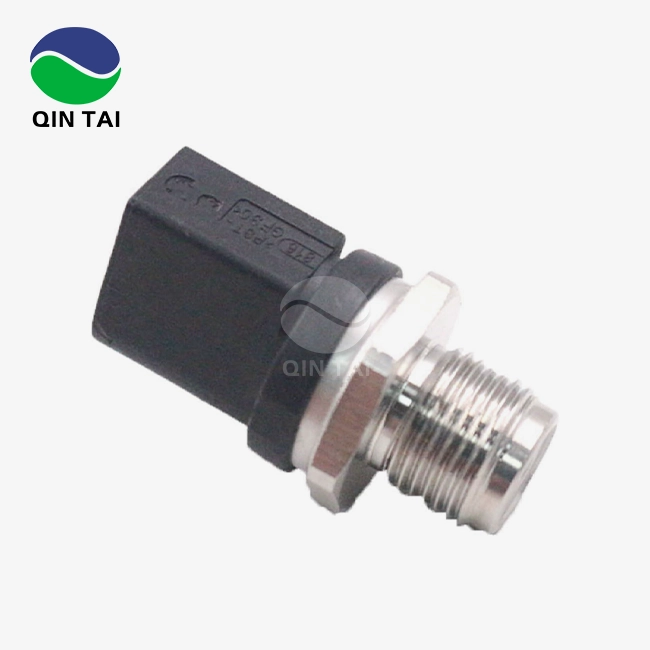

Our customers’ satisfaction speaks for our quality — contact us to experience the same reliable service.