- English
- French
- German
- Portuguese
- Spanish
- Russian
- Japanese
- Korean
- Arabic
- Greek
- German
- Turkish
- Italian
- Danish
- Romanian
- Indonesian
- Czech
- Afrikaans
- Swedish
- Polish
- Basque
- Catalan
- Esperanto
- Hindi
- Lao
- Albanian
- Amharic
- Armenian
- Azerbaijani
- Belarusian
- Bengali
- Bosnian
- Bulgarian
- Cebuano
- Chichewa
- Corsican
- Croatian
- Dutch
- Estonian
- Filipino
- Finnish
- Frisian
- Galician
- Georgian
- Gujarati
- Haitian
- Hausa
- Hawaiian
- Hebrew
- Hmong
- Hungarian
- Icelandic
- Igbo
- Javanese
- Kannada
- Kazakh
- Khmer
- Kurdish
- Kyrgyz
- Latin
- Latvian
- Lithuanian
- Luxembou..
- Macedonian
- Malagasy
- Malay
- Malayalam
- Maltese
- Maori
- Marathi
- Mongolian
- Burmese
- Nepali
- Norwegian
- Pashto
- Persian
- Punjabi
- Serbian
- Sesotho
- Sinhala
- Slovak
- Slovenian
- Somali
- Samoan
- Scots Gaelic
- Shona
- Sindhi
- Sundanese
- Swahili
- Tajik
- Tamil
- Telugu
- Thai
- Ukrainian
- Urdu
- Uzbek
- Vietnamese
- Welsh
- Xhosa
- Yiddish
- Yoruba
- Zulu
Urea Dosing Pump: Complete Guide to Features and Applications
The Urea Dosing Pump is the most important part of current SCR emission control systems. It carefully moves diesel exhaust fluid (AdBlue) from storage tanks to dosing units by controlling the pressure. This important part makes sure that the right amount of nitrogen oxide (NOx) is added to Selective Catalytic Reduction systems so that they work well, and it also keeps the flow properties that make the catalyst work well. Understanding these pumps is important for people who make diesel engines, work on aftertreatment systems, or drive commercial vehicles to make sure they follow the rules and keep things running smoothly.
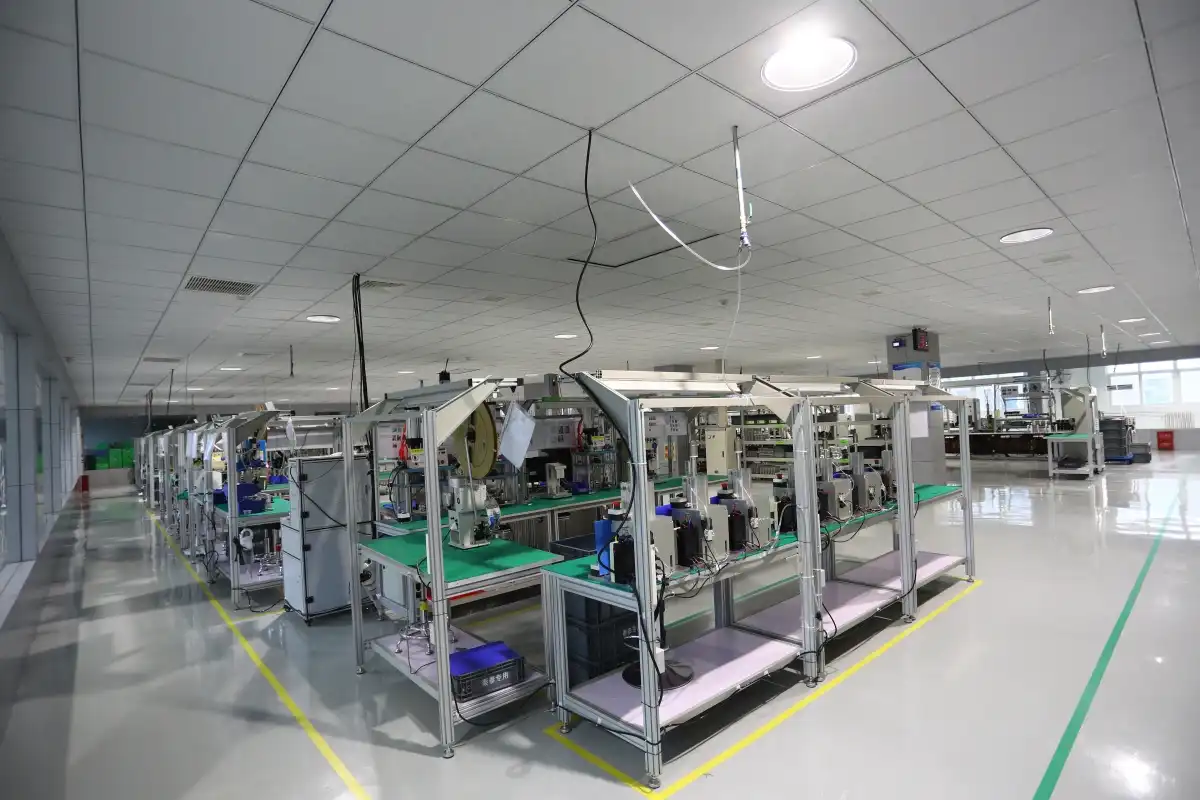
Introduction
Urea Dosing Pumps are now important parts of industrial emission control systems, especially for heavy-duty diesel engines using Selective Catalytic Reduction. Their exact operation makes sure that nitrogen fumes are reduced effectively, which helps businesses follow strict environmental rules like EPA 2010, China VI, and Euro VI standards. It is very important for B2B buying managers and engineering professionals who work with heavy trucks, building equipment, farm equipment, and generator sets to fully understand how these pumps work and when they should be used. This information helps choose the right technology and makes it easier to make the best choices about what to buy, which ensures operating efficiency and long-term value in industrial settings where meeting emission standards directly affects business survival.
Understanding Urea Dosing Pumps: Principles and Working Mechanism
Core Operating Principles
DEF urea pumps work by removing diesel exhaust fluid from the car's storage tank and putting pressure on it so that it can be precisely injected into the exhaust stream before the SCR catalyst. The pump builds up enough pressure, usually between 5 and 9 bar, to push the urea solution through the dose injector as tiny particles. This lets the exhaust gases mix completely with the urea solution. The pressure makes sure that the urea breaks down into ammonia. The ammonia then mixes with NOx molecules on the catalyst surface to make nitrogen and water vapor, which are safe.
Integration with SCR Technology
The Urea Dosing Pump communicates with the engine control unit (ECU) and different instruments to change the dosing rates based on the current state of the exhaust. Temperature sensors, NOx sensors, and flow meters send data to the control system all the time. The control system then figures out the best amount of urea to inject. Qintai urea pumps work well with Bosch ECU systems, which means they can be easily integrated for certain SCR control schemes on a variety of engine platforms. This flexibility cuts down on the time it takes to integrate systems during OEM production and makes it easier for aftertreatment system programmers to calibrate systems.
Handling Extreme Operating Conditions
Keeping diesel exhaust fuel from freezing, which happens at about -11°C (12°F), under control is a big problem for SCR systems. Good urea pump fuel systems have built-in heating and logic that stops them from freezing, which makes sure that AdBlue melts before it is delivered. The system doesn't start dosing until the solution temperature goes above freezing. This keeps the pump and feed lines from getting damaged by crystallization. This freeze protection feature is especially useful for building equipment that works in cold areas and backup generator sets that work in cold places.
Key Features and Performance Metrics of Urea Dosing Pumps
Essential Technical Specifications
Modern methods for giving urea show a high level of engineering skill. The accuracy of the flow rate affects how well NOx is converted, and good pumps keep their accuracy within ±3% even when the engine is under a lot of load. Specific applications need different levels of pressure. For example, heavy-duty business cars usually need higher pressure systems than stationary generator sets. Long-term performance is defined by how reliably the pump works in the face of changing temperatures, vibrations, and chemicals. This means that the choice of material and the design of the seals are very important for the pump's life.
When buying teams look at pump performance, they should look at a few key differences that make industrial-grade options stand out. When OEM makers and system developers use Qintai urea pumps, these are the main benefits they get:
- High Reliability and Extended Service Life: Strict quality control measures and automotive-grade parts make sure that the machine keeps running smoothly even after 15,000 hours of service. This saves business teams money on insurance costs and vehicle downtime.
- Compact Integrated Design: The pump houses the pumping element, filter, and heater all in one housing. This makes installation easier and lowers the system's weight, which are both very important for construction equipment where room and weight spread can affect performance.
- Accurate Dosing Under All Temperature Conditions: Advanced temperature management keeps doses accurate from -40°C to +70°C, so it can be used in a wide range of climates, from the cold winters of Canada to the hot summers of the Middle East.
- Built-in Freeze Protection and Purge Function: Automatic purge cycles after the engine shuts down stop crystallization in the supply lines. This stops expensive maintenance problems and increases the life of parts in farming equipment that has irregular job cycles.
- Low Energy Consumption and Noise: A well-designed motor cuts down on electrical load and noise pollution. This is helpful in generator set situations where extra power use impacts fuel economy and noise pollution impacts site compliance.
These benefits make production easier for OEMs that want to get emission approval, give aftertreatment integrators reliable parts for system designs, and lower the total cost of ownership for business vehicle users by reducing the amount of upkeep that needs to be done.
Electric Versus Pneumatic Systems
Electric Urea Dosing Pumps are the most common type of diesel pump today because they are easier to use, have accurate electrical control, and come in small packages. These systems work well with the electrical systems in vehicles and let complex dose programs react to changes in engine operation that happen over the course of milliseconds. Even though pneumatic pumps aren't used as much in mobile situations, they are useful in stationary industrial settings where compressed air systems are easy to find and electricity connections may be limited. Generator set makers and environmental protection equipment makers sometimes ask for pneumatic designs for setups that need to be done in dangerous places with naturally safe parts.
How to Select the Best Urea Dosing Pump for Your Needs?
Defining Application-Specific Requirements
Before you decide what to buy, you should have a good idea of your emission control needs and the area in which the equipment will be used. When figuring out how big a diesel engine should be, the makers have to think about the engine's size, estimated power output, and duty cycle. Extreme temperatures mean that construction equipment needs better heat management, while dust ingress safety may be more important for farming equipment. Because they are so important as backup power in an emergency, generator sets need to be very reliable.
Evaluating Supplier Capabilities for Long-Term Partnership
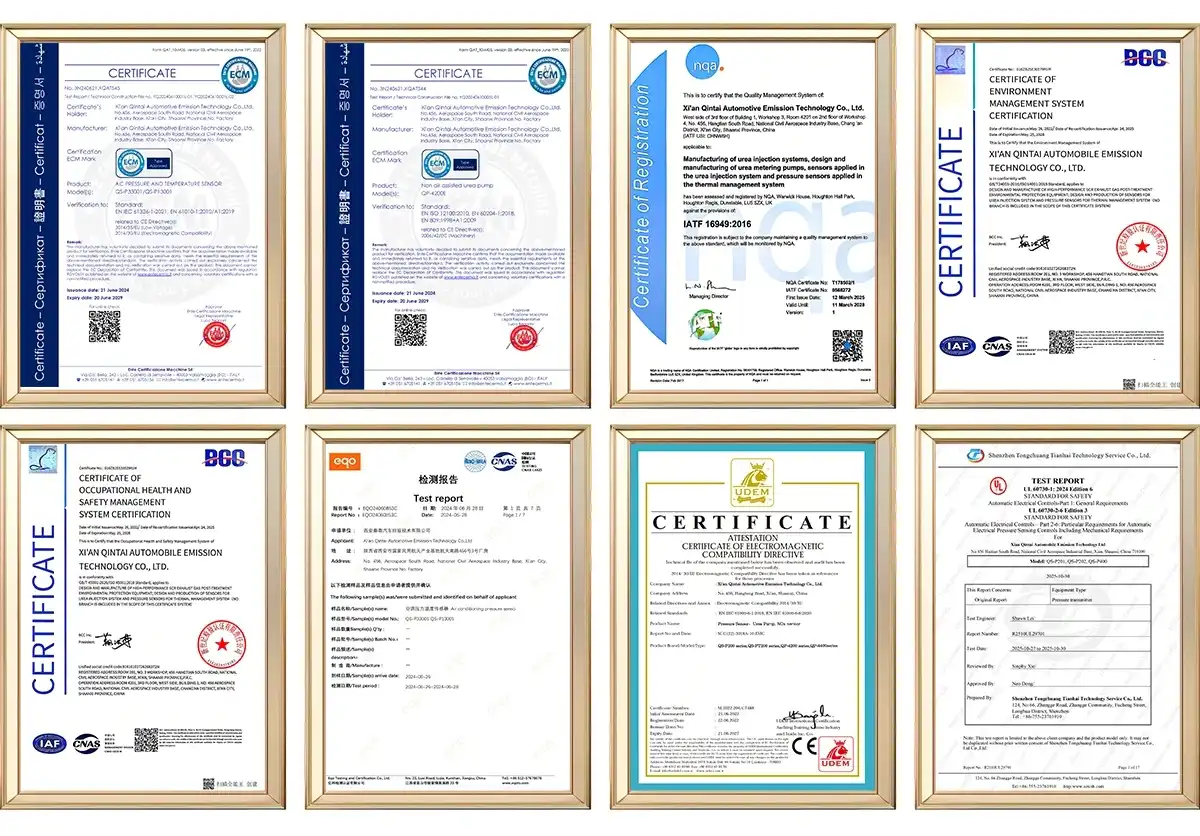
A good procurement process looks at more than just technical specs. It also looks at the skills of the suppliers to make sure they can meet the needs of mass production and ongoing partnership. Certifications like ISO9001, IATF16949, and pollution compliance certifications show that the quality systems used in manufacturing are in line with the standards of the car industry. Established suppliers with strong research and development (R&D) departments can help with custom interface development, which makes sure that it works with engine management systems that aren't open source. Delivery dependability is affected by the stability of the supply chain, the amount of goods that can be made, and the location of the business. This is especially important for OEM makers who use just-in-time production plans.
Companies should look at their technical support infrastructure, which should include application engineering help, documents for testing, and the ability to provide field service. Aftertreatment system integrators like it when providers offer flexible interfaces and settings that can be quickly changed to work with different engine platforms. The warranty terms, the availability of new parts, and professional training programs all add to the total value of ownership above and beyond the purchase price.
Compatibility with Control Systems and Sensors
Sensor compatibility is a very important factor for system designers who are making full aftertreatment options. For closed-loop control to work, the Urea Dosing Pump needs to be able to talk to the NOx sensors, temperature sensors, and dose quality monitors. The general structure of the system must match the standards for electronic interfaces like CAN bus protocols, PWM control signals, and diagnostic feedback. Checking for proven compatibility with major ECU systems lowers the risk of integration and speeds up the time it takes for new engine types to hit the market.
Procurement Insights: Pricing, Suppliers, and Services
Understanding Cost Structures
Prices for Urea Dosing Pumps vary a lot depending on technical details, production rate, and where the seller stands in the market. Entry-level pumps that can be used as replacements in other systems can cost between $150 and $300 each, while OEM-grade systems with lots of extra features can cost between $400 and $800, based on how many are ordered and how much customization is needed. Established ties with Urea Dosing Pump manufacturers are strategically useful for OEM production because they lower unit costs by a large amount.
In addition to the cost of each component, procurement professionals should look at the total costs of ownership, which include work for installation, the need for calibration, the guarantee coverage, and the expected repair intervals. Systems that need to be maintained more often or have a higher failure rate end up costing more in the long run, even if they were cheaper at first. When comparing suppliers, lifecycle costs are especially useful for people who make generator sets and run business car fleets.
Supplier Evaluation and Partnership Considerations
To find trusted providers, you have to look at their producing skills, quality systems, and service infrastructure. Qintai Automotive Emission Technology Co., Ltd. Ltd is a good example of the kind of source that OEM makers look for. It has been around since 2001 and is a national high-tech company that specializes in diesel engine SCR aftertreatment systems. Their long list of certifications, which includes ISO9001, IATF16949, CMC, Ex, UL, CE, REACH, and RoHS, shows that they are dedicated to meeting international quality standards and following all the rules.
The ability to come up with new technologies is another thing that sets strategic suppliers apart from basic sellers. With an independent research and development team and 58 idea patents, Qintai is always making products that work better and are more reliable. As China's top original equipment manufacturer (OEM) provider and a key supplier for Weichai Power, Yuchai Power, and Quanchai Power, they have shown that they can meet the needs of mass production. This market leadership gives purchasing managers faith in the stability of the supply chain and the availability of expert support resources.
Future Trends and Innovations in Urea Dosing Pump Technology
Emerging Technologies and Smart Integration
The market for Urea Dosing Pumps is quickly changing to become smarter and more connected. Next-generation systems have more advanced diagnostics that let you plan ahead for maintenance by constantly checking things like motor power, temperature profiles, and dosing accuracy measures. Integration with IoT-enabled SCR control tools lets fleet-wide emission system performance be monitored from afar, which helps business vehicle owners spot problems before they happen.
Dosing accuracy keeps getting better thanks to better atomization technologies and improved control methods. Newer pump designs make droplets that are smaller, which helps urea break down more completely and keeps deposits from forming on mixing and dose elements. This improvement in performance directly leads to lower upkeep costs and longer service intervals, which are both very useful for building and farming equipment that works in harsh conditions with limited access to service.
Regulatory Drivers and Market Dynamics
As pollution standards move up around the world, stricter environmental laws continue to affect new product development. Moving from Euro VI to possibly Euro VII standards in the future, along with changing rules for off-road vehicles, is increasing the need for more advanced dose systems that are more accurate and last longer. Companies that make environmental protection equipment for treating industrial exhaust gases are specifying SCR technologies more and more. This opens up new market possibilities beyond standard mobile diesel applications.
As rules about emissions get stricter, companies that invest in modern Urea Dosing Pump technology will be in a good situation. Suppliers who proactively follow new standards and provide full technical support will gain more market share from OEM makers, aftertreatment installers, and generator set producers looking for long-term technology partnerships.
Conclusion
To choose the best Urea Dosing Pump, you have to weigh the needs of the application against factors like technical performance, source dependability, and total operating costs. Whether you're a diesel engine maker looking for emission certification, an aftertreatment system integrator working on SCR solutions, or a business vehicle operator making sure your fleet is compliant, knowing what pumps can do and who your suppliers are qualified will help you make smart purchasing choices. Quality systems that provide accurate dosing, strong freeze protection, and long service lives add real value by lowering upkeep costs and keeping up with regulations. As emission standards change, working with well-known sources who offer tried-and-true technology, full support, and ongoing innovation will help your business succeed in markets that are becoming more controlled over time.
FAQ
Q1: What is the typical maintenance interval for a urea dosing pump?
A: Quality urea pumps usually don't need much upkeep. They should be inspected every 15,000 to 20,000 working hours, based on how hard the job is and the quality of the fluid. Checking the electrical connections, the state of the filter, and the purge feature are all part of regular upkeep. Systems that work in tough conditions may need to be checked more often.
Q2: How does a urea dosing pump differ from ammonia injection systems?
A: Urea Dosing Pumps fill diesel exhaust fluid with 32.5% urea in a water solution, which thermally breaks down into ammonia in the exhaust stream. Direct ammonia pumping methods use either dry or aqueous ammonia, which needs special tools to store and move. Urea-based systems are the most common in mobile apps because they are safer to use and already have the infrastructure to support AdBlue distribution.
Q3: Are these pumps compatible with all diesel engine types?
A: When properly designed, modern Urea Dosing Pumps work with a variety of diesel engine types. To be compatible, the pump's capacity must match the engine's displacement and NOx production rates. The electronic link must also line up with the engine control unit, and the physical package must fit the room that is available. The fact that Qintai pumps have been shown to work with most major ECU systems makes integration easier for heavy trucks, building equipment, farm equipment, and generator sets that need to meet different emission standards.
Partner with a Leading Urea Dosing Pump Manufacturer
With more than 20 years of experience in SCR aftertreatment technology, Qintai offers tried-and-true methods for controlling emissions. We know the technical needs and quality standards your production needs because we are a trusted Urea Dosing Pump provider that works with major OEM makers on heavy-duty diesel applications. As part of our wide range of products, we offer electric Urea Dosing Pumps that are designed to work with big trucks, building equipment, farm machinery, and generator sets. These pumps have built-in heating, filtering, and advanced freeze protection.
Our competitive benefits directly address your buying priorities: IATF16949 certification ensures consistent manufacturing for mass production; wide ECU compatibility makes system integration easier; and as China's top OEM provider, our reliability has been proven. We want you to be successful, so we offer open OEM and ODM services, create custom interfaces, and provide quick technical support from application building through production ramp-up. Email our team at info@qt-sensor.com to talk about your unique needs, get technical documentation, or get prices for your next project in bulk.
References
1. Johnson, M. & Schmidt, R. (2022). "Selective Catalytic Reduction Systems for Heavy-Duty Diesel Engines: Technology and Performance." SAE International Journal of Engines, 15(4), 523-541.
2. European Automobile Manufacturers Association (2021). "Diesel Exhaust Fluid Quality Standards and SCR System Performance." Brussels: ACEA Technical Report Series.
3. Zhang, L., Wang, H., & Chen, Y. (2023). "Advanced Urea Dosing Strategies for NOx Emission Control Under Transient Operating Conditions." Automotive Engineering International, 131(2), 67-82.
4. United States Environmental Protection Agency (2020). "Heavy-Duty Engine and Vehicle Standards: Technical Review of SCR Aftertreatment Components." EPA-420-R-20-015.
5. Hoffmann, K. & Mueller, T. (2021). "Freeze Protection Technologies in Urea-Based SCR Systems: Comparative Analysis and Field Performance." International Journal of Automotive Technology, 22(3), 745-759.
6. Liu, J., Patel, S., & Anderson, D. (2023). "Lifecycle Cost Analysis of Emission Control Systems in Commercial Vehicle Fleets." Journal of Transportation Engineering and Management, 18(1), 112-128.

Our customers’ satisfaction speaks for our quality — contact us to experience the same reliable service.