- English
- French
- German
- Portuguese
- Spanish
- Russian
- Japanese
- Korean
- Arabic
- Greek
- German
- Turkish
- Italian
- Danish
- Romanian
- Indonesian
- Czech
- Afrikaans
- Swedish
- Polish
- Basque
- Catalan
- Esperanto
- Hindi
- Lao
- Albanian
- Amharic
- Armenian
- Azerbaijani
- Belarusian
- Bengali
- Bosnian
- Bulgarian
- Cebuano
- Chichewa
- Corsican
- Croatian
- Dutch
- Estonian
- Filipino
- Finnish
- Frisian
- Galician
- Georgian
- Gujarati
- Haitian
- Hausa
- Hawaiian
- Hebrew
- Hmong
- Hungarian
- Icelandic
- Igbo
- Javanese
- Kannada
- Kazakh
- Khmer
- Kurdish
- Kyrgyz
- Latin
- Latvian
- Lithuanian
- Luxembou..
- Macedonian
- Malagasy
- Malay
- Malayalam
- Maltese
- Maori
- Marathi
- Mongolian
- Burmese
- Nepali
- Norwegian
- Pashto
- Persian
- Punjabi
- Serbian
- Sesotho
- Sinhala
- Slovak
- Slovenian
- Somali
- Samoan
- Scots Gaelic
- Shona
- Sindhi
- Sundanese
- Swahili
- Tajik
- Tamil
- Telugu
- Thai
- Ukrainian
- Urdu
- Uzbek
- Vietnamese
- Welsh
- Xhosa
- Yiddish
- Yoruba
- Zulu
How to Test a Urea Quality Sensor Step by Step
A planned method is needed to test a urea quality sensor accurately find the concentration and amount of contamination in diesel exhaust fluid (DEF). To do this, you have to make adjusted standard solutions, turn on the sensor at a controlled temperature, take baseline readings, compare the results to known reference values, and write down any differences so that they can be analyzed. This step-by-step method makes sure that sensors in SCR aftertreatment systems stay accurate, which directly helps with emission compliance and running efficiently. Sensor drift is kept to a minimum and problems are found early on with proper testing, which avoids costly downtime and fines from regulators.
Understanding Urea Quality Sensors and Their Role
What Urea Quality Sensors Do in SCR Systems?
In SCR aftertreatment systems, urea quality sensors check how pure and concentrated the diesel waste fluid is that is stored in the car's tank. During the SCR process, DEF is added to the exhaust stream. It breaks down into ammonia and mixes with NOx over a catalyst, turning dangerous emissions into harmless nitrogen and water vapor. Sensors make sure that the DEF has the right amount of urea (32.5%), because if it doesn't, it can lower NOx levels less effectively and cause engine derailment modes. Under-dosing, which leads to failed emissions, and over-dosing, which burns DEF and hurts the catalyst, can both be avoided by accurate monitoring.
Main Sensor Technologies Used in Industry
The market is mostly made up of three main sensor systems, and each one has its own way of measuring things. Electrochemical sensors measure urea concentration by changing conductivity. They offer low-cost options that can be used in aftermarkets for industrial vehicles and basic OEM uses. Optical sensors measure how light bends or absorbs through the DEF. They are very accurate and don't get messed up easily, which makes them perfect for heavy-duty building and industrial vehicles. Resonance sensors look at the fluid's acoustic or vibrational qualities. They work best in harsh settings with lots of vibrations and high temperatures, like mine tools and the sea. Choosing the right technology relies on the needs of the product, the environment, and the budget.
Common Challenges Affecting Sensor Accuracy
When urea deposits build up on sensing elements over time, they degrade because of crystallization buildup. This changes results and sends fake alarms for the urea quality sensor. If there are dust, water, or foreign objects in the DEF tank, they can damage the sensors faster and shorten their life. This is especially true when the DEF is bought aftermarket and the quality varies. Sensors slowly lose their calibration as they age or when the temperature changes, which changes the default values and makes measurements less accurate. Electrical connection problems, like corroded pins and loose contacts, stop signals from being sent and set off trouble codes. To deal with these problems, you need to do regular inspections, get the right DEF, and follow testing procedures.
Preparing for Urea Quality Sensor Testing
Essential Tools and Equipment
Specialized tools and materials are needed to do accurate sensor tests. A digital multimeter checks for electrical continuity and voltage output, while a regulated DEF refractometer or conductivity meter checks the concentration of the standard solution. Diagnostic scan tools or CAN bus connections let you get problem codes and view real-time data from the vehicle's control module. Water baths that are controlled by temperature keep testing conditions fixed, and clean sample bins stop contamination from spreading. Urea solutions can also irritate the skin and eyes, but safety gear like gloves and safety glasses can protect you from this.
Safety Protocols and Pre-Test Inspections
When handling DEF, safety rules must be followed because prolonged touch can cause slight irritation. To avoid breathing in ammonia gas that is released when something is heated or evaporates, work in well-ventilated areas. Before you try the sensor, look at the housing and connecting pins to see if they are broken, cracked, or corroded. Make sure that the wiring leads are whole and that there are no frayed ends or uncovered wires that could cause short circuits. Check the DEF tank for silt, algae growth, or changes in color. Fluid that is contaminated can throw off test results and cause sensors to wear out faster.
Calibration Before Testing
When something is properly calibrated, it sets a standard that can be used to compare test results. For DEF compliance, most devices need to be calibrated using approved standard solutions that have known amounts of urea, usually 32.5%. As directed by the maker, calibrate the device by putting the sensor in a standard solution at a certain temperature (usually 20 to 25°C) and changing the output signal to match the reference value. The amount of time between calibrations depends on the application. For example, heavy-duty business vehicles need to be checked every three months, while generator sets and stationary equipment may need to be checked every six months. Keeping track of calibration times and data helps with quality control and accountability.
Step-by-Step Process to Test a Urea Quality Sensor
Sensor Activation and Warm-Up
The testing starts with activating sensors to keep internal parts stable and reach temperature balance. Make sure the urea quality sensor is securely mounted and that the electrical link is correct before putting it in a test device or the DEF tank. The sensor can be powered by either the car's control module or an external power source that has the right energy, which is usually 12V or 24V. Let the sensor warm up for three to five minutes. This is when it gets to working temperature and its detection circuit is set up for the first time. Keeping an eye on the output signal during warm-up shows shaky behavior or slow response times, which could mean there are problems inside the device.
Baseline Measurements Under Controlled Conditions
To get baseline values, put the sensor in a standard solution that keeps the temperature stable and has a known concentration of urea. Write down the signal that comes out, whether it's an analog voltage, a digital CAN message, or a resistance number, and then check it against the manufacturer's data sheet. Differences bigger than 2% could mean that the calibration is off or the sensor is breaking down. To check for thermal stability, take baseline measures at different temperatures, like 0°C, 25°C, and 60°C. This is especially important for building and farming equipment that works in climates that change often. Readings that stay the same across a range of temperatures show that the sensor is reliable and can handle hard tasks.
Testing with Known Standard Solutions
Test the sensor one at a time with normal liquids that have varying amounts of urea (30%, 32.5%, and 35%). This checks the sensor's uniformity and dynamic range to make sure it works correctly across the whole operating range. Put the sensor in each solution for two to three minutes, giving the signal enough time to stabilize, and then record the number that comes out. To make a calibration curve, plot the recorded values against known concentrations. The curve should show a straight line connection. Non-linear reactions or big differences mean that the sensor is broken or contaminated and needs to be cleaned or replaced.
Recording Data Accurately and Troubleshooting Issues
Write down all of the test results in an organized way, including the serial number of the sensor, the date of the test, the temperature of the environment, the concentrations of the standard solution, and the recorded output values. Track changes in speed over time with a spreadsheet or database. This will help you spot slow drift before it causes problems. Sensor drift is a common problem that needs to be fixed. This is when results slowly move away from the calibrated values because of wear and tear or chemical contact. The sensor needs to be recalibrated or replaced. Often, intermittent faults with unpredictable signal behavior are caused by loose connectors or rusted pins. These problems can be fixed by cleaning the contacts and tightening the connections. Full signal loss means there is an electrical problem that needs to be fixed by replacing the sensor and checking the wires.
Proper Test Documentation and Retesting Schedules
Keeping detailed test records helps with quality control, guarantee claims, and checks by regulators. Include pictures of the state of the sensors, the fault codes that were found during testing, and notes from the professional about any problems that were seen. Set up testing schedules that take into account how the sensor is used and how long it lasts (usually between 100,000 and 150,000 kilometers for car uses). Heavy-duty business transport and building equipment that works in dusty or high-vibration areas should be tested every three months. Generator sets and backup power systems that work in stable conditions can be tested every six months. Following these plans keeps things from breaking down without warning and lowers the cost of upkeep.
Comparing Urea Quality Sensors – Selecting the Right One for Your Needs
Evaluation Criteria for Procurement Decisions
To choose the best monitor, you have to weigh a lot of technical and business factors. How well the sensor measures the real concentration of DEF depends on how accurate it is. High-precision optical sensors can get within ±1% of the concentration, while cheaper electrochemical models can get within ±3%. Durability means being able to withstand vibrations, changes in temperature, and chemical exposure, all of which are important for off-road building tools and naval uses. Response time, which is usually between 1 and 5 seconds, affects how quickly the SCR system adjusts to changes in the quality of the DEF, which has an effect on emission compliance when the engine is under short-term load. Basic electrochemical sensors cost $50, while advanced optical models cost $300. It is important to carefully weigh the costs and benefits of each model based on the needs of the application.
Leading Sensor Technologies and Manufacturers
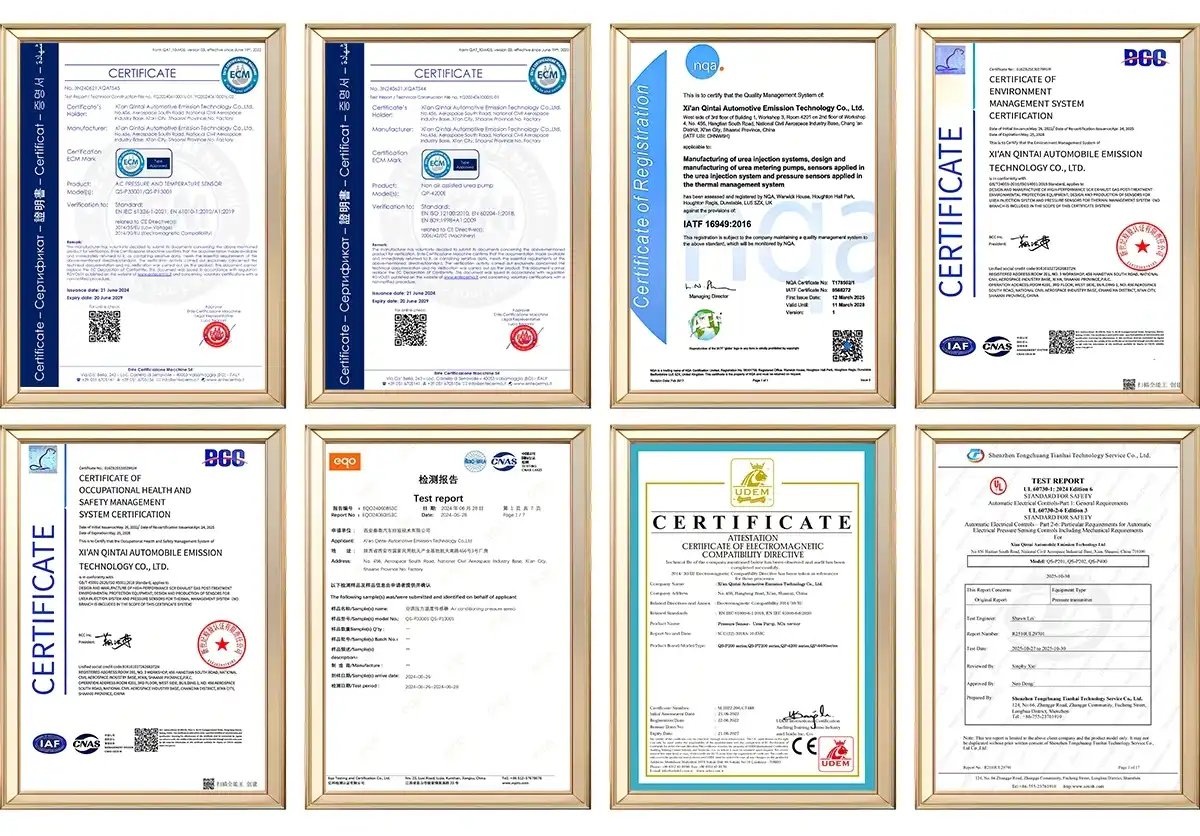
Electrochemical sensors are popular in the industrial car aftermarket because they are cheap and easy to install. This makes them appealing to repair shops and parts distributors that want to keep costs low and increase sales. Optical sensors, made by companies like Bosch and Continental, are more accurate and last longer, which is why OEM diesel engine makers and heavy-duty truck fleets that care about uptime and emissions compliance prefer them. Resonance sensors work great in harsh settings and are used in mining tools, power plants, and ships where other technologies would fail. As China's biggest original equipment manufacturer (OEM), Qintai makes sensors for all three technologies and sells goods that are certified by ISO9001, IATF16949, and REACH to global names such as Weichai Power, Yuchai Power, and Quanchai Power. For the urea quality sensor, this manufacturing expertise ensures consistent performance across diverse applications and operating conditions.
Cost-Performance Trade-Offs and After-Sales Support
Even though expensive sensors cost more at first, their longer life and lower failure rate lower the total cost of ownership. Warranty terms vary a lot; entry-level goods have 12-month coverage, while industrial-grade models have 24-36-month coverage. This affects how you buy things in the long run. In competitive markets, suppliers stand out by offering services like expert help, quick access to replacement parts, and customization options after the sale. OEM makers and aftertreatment system integrators benefit from providers who offer flexible interfaces, quick delivery, and responsive engineering support. This keeps production delays to a minimum and makes sure that the system integration goes smoothly.
Maintaining and Calibrating Your Urea Quality Sensor for Long-Term Performance
Best Practices for Cleaning and Storage
Cleaning the sensor on a regular basis keeps it accurate and stops crystallization and dirt from building up. After taking the sensor out of the DEF tank, rinse it with purified water and use a soft-bristle brush to gently remove any buildup. Be careful not to use rough materials that could damage the detecting surfaces. Soak the sensor in warm pure water for 10 to 15 minutes to get rid of tough leftovers. Rinse it well and let it dry completely before putting it back in place. When not in use, keep sensors in cases that are sealed and don't contain wetness. This will keep them safe from dust, high temperatures, and physical damage. Handling the sensor body correctly, like supporting it instead of pulling on the wires, keeps the mechanical stress and connection damage from happening.
Calibration Procedures and Frequency
Recalibration fixes problems caused by sensor movement and weather factors, making sure that measurements stay accurate for as long as the device is working. In field calibration, the sensor is usually submerged in a new DEF sample whose concentration has been checked, and the control module's calibration offset is changed to match the reference number. Diagnostic software can set off automatic tuning methods in more advanced systems. This speeds up the process and reduces the amount of work that technicians have to do. The regularity of calibration varies on the type of operation. For example, heavy-duty business transport needs to be adjusted every three months, while stationary generator sets and backup power systems need to be adjusted every six months. Keeping a record of the calibration past helps with troubleshooting and proving the guarantee.
Warning Signs Indicating Sensor Replacement
Several signs show that a sensor is about to fail, so it needs to be replaced before it stops working properly to keep the SCR system running smoothly. If urea quality fault codes keep showing up, even after testing and cleaning, it means that internal parts are broken beyond repair. Damage to the sensor, like split housings, corroded plugs, or broken fixing tabs, can make the measurement less accurate or invalid. Erratic signal behavior, in which readings change wildly even when conditions are stable, is a sign of electrical problems or dirty sensor elements. When sensors hit a life span of 100,000 to 150,000 kilometers, it becomes more cost-effective to replace them than to keep them in good shape and risk downtime. When you change catalysts, dosing valves, and other SCR parts early, you keep them from getting damaged by incorrect DEF tracking.
Conclusion
Testing urea quality sensors regularly makes sure that the SCR system works well, doesn't release harmful emissions, and is reliable in all diesel engine types. Purchasing managers and engineers protect their investments and meet legal requirements by knowing sensor technologies, setting up the right equipment, testing it in a step-by-step manner, and doing regular maintenance. Finding the right sensor that matches accuracy, durability, and cost is important. Also, making sure that the sensor is calibrated and replaced on time can help avoid expensive failures and downtime. These actions lower the total cost of ownership and make relationships with suppliers stronger. This sets businesses up for long-term success in markets that are becoming more controlled.
FAQ
Q1: How often should urea quality sensors be tested and calibrated?
A: How often you test depends on how bad the service is and where it's running. Heavy-duty industrial cars and building equipment should be tested every three months because they see a lot of miles and vibration. Generator sets and stationary equipment, on the other hand, can be tested every six months. When trouble codes show up, after cleaning the DEF tank, or after reinstalling a sensor, calibration should be done. Sensors usually last between 100,000 and 150,000 kilometers, and they need to be inspected every so often during this time to find early signs of wear and keep emission standards met.
Q2: Can sensor testing be conducted in-house or should it be outsourced?
A: Companies that have trained workers and the right tools, like calibrated reference solutions, multimeters, and diagnostic scan tools, can do their own tests, which gives them more options and lower costs. For normal checks, aftermarket repair shops and small companies often find it useful to test vehicles in-house. It makes sense for OEM makers that need a lot of approved testing to outsource to specialized service providers or for organizations that don't have enough technical resources to do their own testing. Outsourcing makes sure that industry standards are met, but it takes longer to get things done and costs more per unit.
Q3: What is the difference between urea quality sensors and urea level sensors?
A: Urea quality sensors check the concentration and purity of DEF, finding impurities and differences from the standard of 32.5% urea. This has a direct effect on how well the SCR works and how much pollution it reduces. Urea level sensors check how much fluid is in the tank and let workers know when DEF levels are low to keep the system from shutting down. Many new sensors combine both functions into one unit, measuring quality and finding levels. This makes installation easier and lowers the cost of the parts. Understanding this difference helps with buying choices and makes sure that the sensor is properly spec'd for its intended use.
Partner with Qintai for Reliable Urea Quality Sensor Solutions
Xi'an Qintai Automotive Emission Technology Co. Ltd stands as China's leading urea quality sensor manufacturer, delivering precision-engineered devices that meet stringent emission standards for heavy trucks, construction machinery, agricultural equipment, and generator sets. Established in 2001, we hold ISO9001, IATF16949, CMC, Ex, UL, CE, REACH, and RoHS certifications, backed by 58 invention patents reflecting our commitment to independent R&D and innovation.
Our sensors serve core OEM clients including Weichai Power, Yuchai Power, and Quanchai Power, capturing the largest market share in China and exporting to over 60 countries across Europe, the Middle East, and South America. We provide comprehensive OEM and ODM services, supporting flexible customization for specific applications, fast delivery schedules, and responsive technical support to ensure seamless system integration and long-term operational reliability. Contact us at info@qt-sensor.com to receive personalized sensor recommendations, request free consultations, or obtain quotes tailored to your procurement needs.
References
1. Johnson, M. A., & Williams, R. T. (2022). Selective Catalytic Reduction Systems: Design, Testing, and Maintenance for Heavy-Duty Diesel Engines. SAE International Publishing.
2. Zhang, L., & Kumar, S. (2021). Sensor Technologies for Automotive Emission Control: Principles, Applications, and Future Trends. Springer Series in Advanced Manufacturing.
3. European Automobile Manufacturers Association. (2023). Guidelines for DEF Quality Monitoring and Sensor Calibration in Euro VI Compliant Vehicles. ACEA Technical Report.
4. Chen, H., & Liu, P. (2020). Reliability Engineering of Automotive Sensors: Failure Modes, Testing Protocols, and Lifecycle Management. Elsevier Science and Technology Books.
5. International Organization for Standardization. (2019). ISO 22241: Diesel Engines – NOx Reduction Agent AUS 32 – Part 4: Refilling Interface. ISO Standards Catalogue.
6. Miller, D. R., & Thompson, K. E. (2023). Industrial Emission Control: SCR Systems for Power Generation and Off-Road Machinery. McGraw-Hill Professional Engineering Series.
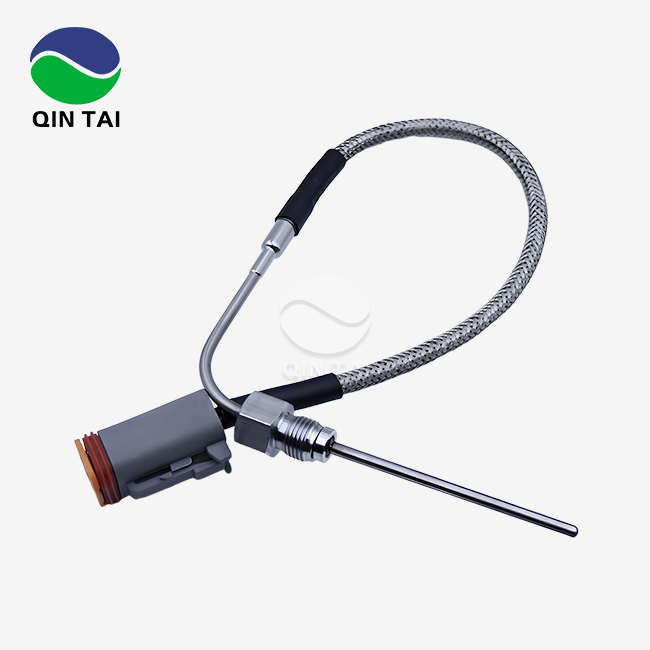
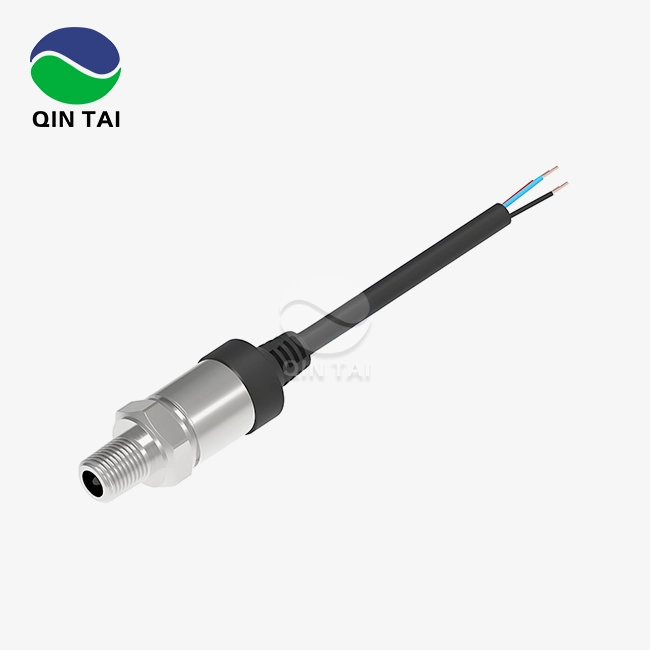
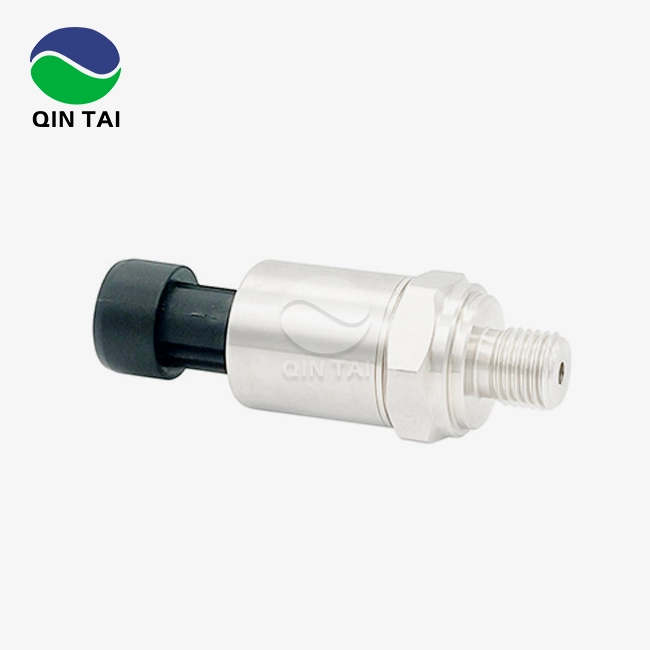

Our customers’ satisfaction speaks for our quality — contact us to experience the same reliable service.