- English
- French
- German
- Portuguese
- Spanish
- Russian
- Japanese
- Korean
- Arabic
- Greek
- German
- Turkish
- Italian
- Danish
- Romanian
- Indonesian
- Czech
- Afrikaans
- Swedish
- Polish
- Basque
- Catalan
- Esperanto
- Hindi
- Lao
- Albanian
- Amharic
- Armenian
- Azerbaijani
- Belarusian
- Bengali
- Bosnian
- Bulgarian
- Cebuano
- Chichewa
- Corsican
- Croatian
- Dutch
- Estonian
- Filipino
- Finnish
- Frisian
- Galician
- Georgian
- Gujarati
- Haitian
- Hausa
- Hawaiian
- Hebrew
- Hmong
- Hungarian
- Icelandic
- Igbo
- Javanese
- Kannada
- Kazakh
- Khmer
- Kurdish
- Kyrgyz
- Latin
- Latvian
- Lithuanian
- Luxembou..
- Macedonian
- Malagasy
- Malay
- Malayalam
- Maltese
- Maori
- Marathi
- Mongolian
- Burmese
- Nepali
- Norwegian
- Pashto
- Persian
- Punjabi
- Serbian
- Sesotho
- Sinhala
- Slovak
- Slovenian
- Somali
- Samoan
- Scots Gaelic
- Shona
- Sindhi
- Sundanese
- Swahili
- Tajik
- Tamil
- Telugu
- Thai
- Ukrainian
- Urdu
- Uzbek
- Vietnamese
- Welsh
- Xhosa
- Yiddish
- Yoruba
- Zulu
NOx Sensor Integration in Engine Control Units
The Diesel NOx sensor is an important part of cutting-edge pollution control because it connects the chemistry of exhaust gases with digital intelligence. These sensors send real-time information about the amount of nitrogen oxide into the engine to the engine control unit. This lets current diesel powertrains meet strict EPA and Euro VI standards while still being fuel-efficient and performing well. Integration quality tells us if an SCR system can get the right amount of urea, keep the catalyst from getting damaged, and pass onboard diagnostics. These are all very important for OEMs who have to manage mass output and compliance pressures.
Understanding Diesel NOx Sensors and Their Functionality
How Diesel NOx Sensors Operate Within Engine Systems?
Diesel NOx sensors are hot electrochemical devices that constantly look for nitrogen monoxide (NO) and nitrogen dioxide (NO₂) in exhaust streams. They are usually made around a ceramic zirconia element. A small processor inside the sensor keeps the element at a working temperature of 700–800°C. This makes sure that results are accurate even when the load changes. CAN bus protocols allow communication with the ECU. The ECU receives data packets that include NOx concentration (measured in parts per million or milligrams per cubic meter), sensor temperature, heater current state, and an internal oxygen balance for accurate adjustment.
The sensor upstream checks how much NOx gets into the SCR catalyst. The ECU figures out how much urea needs to be injected to turn NOx into nitrogen and water gas, which are safe. The sensor further downstream checks the decrease efficiency at the same time. When conversion rates aren't high enough, the ECU changes the dosing rates or sets off diagnostic problem codes. This keeps obedience high and parts lasting a long time.
Key Technical Specifications That Matter
Understanding the specs helps the buying team decide if a sensor meets the needs of the application. Most measurement values are between 0 and 1,500 ppm, which includes everything from light-duty cars to heavy industrial generator sets. Operating temperature ranges from 200°C to 900°C, so they can handle a wide range of air situations. Response times of less than one second allow for quick closed-loop control, and input voltages are standardized at 12 V DC to make everything work together. The accuracy levels range from ±5 to ±10 ppm, and depend on how the sensor is designed and calibrated. This has a direct effect on how well the SCR works and the results of the emission tests.
Supporting SCR System Efficiency
The success of current aftertreatment depends on how well Diesel NOx sensors work with Selective Catalytic Reduction systems. Under-dosing, which leads to failed emissions, and over-dosing, which causes crystal formation or ammonia slip, can only be stopped by correct NOx feedback. The ECU uses sensor data not only to dose AdBlue, but also to improve combustion by changing the rates of exhaust gas recycling and the time of injection to reduce NOx formation at the source. This two-layer approach gets the best fuel economy while also lowering the workload for aftertreatment, increasing the service life of the catalyst, and lowering the total cost of ownership. These benefits go beyond just meeting pollution standards. When sensors are properly installed, they lower NOx output, make sure SCR works well, boost fuel economy by up to 3%, stop expensive damage to the catalyst from dosing mistakes, and support onboard diagnostics that make managing the fleet and filing with the government easier.
Identifying and Troubleshooting Diesel NOx Sensor Issues
Common Failure Indicators and Diagnostic Approaches
Integrity of Diesel NOx sensors has a direct effect on how well an engine works and how well it meets regulations. Some common signs of a problem are warning lights that won't go away on the dashboard, diagnostic trouble codes like P2201 (Diesel NOx sensor circuit range/performance), diesel exhaust fluid use going up noticeably, or failing emission tests. Engineers can find problems by using OBD-II scan tools to get live data streams and comparing numbers from upstream and downstream sensors to standards for predicted conversion efficiency.
The first step in practical troubleshooting is to look at the electrical connections to see if they are corroded or damaged. Next, use a multimeter to test the sensor signals to make sure the voltage outputs match the manufacturer's specs. Pressure testing is a useful troubleshooting step because exhaust leaks near where sensors are mounted can mess up results. When sensor shift happens, which can be caused by temperature cycling or exhaust contamination, the Diesel NOx sensor needs to be calibrated or replaced to get back to working correctly.
Expected Service Life and Maintenance Practices
Diesel NOx sensors usually work well for 150,000 to 200,000 miles when everything is working as it should. Harsh conditions, like high-sulfur fuel, too much sitting, or sudden changes in temperature, speed up wear. As part of preventive maintenance, connectors are cleaned on a regular basis, leaks in the exhaust system are checked, and software changes that improve sensor calibration methods are made. To keep unexpected downtime and compliance risks to a minimum, procurement teams should set replacement schedules based on how the fleet is used and make sure they have enough inventory before sensors hit the end of their useful life.
Comparative Analysis of Diesel NOx Sensor Technologies and Brands
Evaluating OEM Versus Aftermarket Solutions
OEM Diesel NOx sensors are the best choice for applications that need to be compatible and meet the specs of the original equipment. This makes them the best choice for new production lines and applications that depend on warranties. Aftermarket options are cheaper, but quality changes a lot from one seller to the next. Big companies like Bosch, Denso, Delphi, NTK, Continental, Garrett, and Siemens put a lot of money into research and development. As a result, they make sensors that can handle complex signals better, survive heat shocks better, and stay calibrated for longer.
Bosch sensors rule the heavy-duty markets in Europe, and they've been tested and shown to last in business teams that drive a lot of miles. Denso specializes in making very precise products, like sensors that work well in areas with strict emission rules because they have very small error margins. Continental uses IoT-ready sensors that send data about preventative repair, which is appealing to fleet owners who put uptime first. When buying managers understand these technical details, they can better match the sensors they choose to business needs, legal landscapes, and long-term value goals.
When deciding between names, look at certifications like ISO 9001 and IATF 16949. These show that the quality of the manufacturing process is being monitored. Total cost of ownership can be figured out by looking at the accuracy standards, temperature range capabilities, and guarantee terms. We've seen that sensors with strong heater designs and advanced signal filtering techniques cut down on fake diagnostic codes by 40%. This means that maintenance work and parts use are lower across all engine types.
Performance Metrics That Drive Selection
In real life, a Diesel NOx sensor's success is determined by its sensitivity, accuracy, and resistance to drift. High-sensitivity types can pick up on small changes in NOx levels, which lets the SCR control be more precise and lowers emissions from the tailpipe. Repeatability makes sure that readings stay the same over a range of temperatures, which is very important for engines that work in heavy machinery with changing task cycles. How well sensors stay calibrated over time is measured by drift resistance. This has a direct effect on service intervals and compliance trust.

Procurement Best Practices for Diesel NOx Sensors in B2B Markets
Strategic Purchasing Considerations
Quality security and cost-effectiveness must be balanced for B2B buying of Diesel NOx sensors to work well. Using third-party approvals like REACH, RoHS, UL, and CE to check the identities of suppliers lowers the risk of fakes that affect aftermarket outlets. Supply chain resilience is improved by making deals with makers that offer expert help, customizable interfaces, and flexible delivery terms. Negotiating bulk purchases can lead to savings of 15–25%, but accurate demand forecasting is needed to avoid the costs of keeping too much product on hand.
The rules of the warranty should be carefully read. Standard warranties last between 12 and 24 months, but you can choose to get longer guarantees to protect expensive setups like generator sets and mining equipment. Some sellers offer new sensors when a warranty claim is made, which cuts down on downtime. Payment terms, minimum order amounts, and wait times all affect cash flow and the ability to keep making things. Because of this, evaluating suppliers requires the technical, buying, and finance teams to work together.
Balancing Replacement Versus Repair Economics
Cleaning or recalibrating the Diesel NOx sensors may briefly extend their useful life, but replacing them with brand-new ones from the source guarantees reliable performance and full warranty coverage. A cost-benefit study shows that when you add up the costs of diagnostic work, car downtime, and possible emission fines, sensor failures that happen too soon because they weren't cleaned or calibrated properly often outweigh the costs of replacement. Setting up procedures for replacing sensors that favor regular maintenance plans over reactive fixes is helpful for OEMs in charge of mass production.
Future Trends and Technological Evolution in NOx Sensor Integration
Emerging Innovations Shaping Next-Generation Sensors
New technologies are shaping the next generation of Diesel NOx sensors. New developments in material science are making sensors with silicon carbide plates that can handle higher temperatures and dynamic shock, which means they will last longer than 300,000 miles. Better signal processing methods use machine learning to fix sensor drift, which lowers the number of times they need to be calibrated. IoT connection lets sensors do diagnostics from afar and send performance data to cloud platforms, where predictive analytics can predict problems weeks in advance, making it possible to schedule repair before they happen.
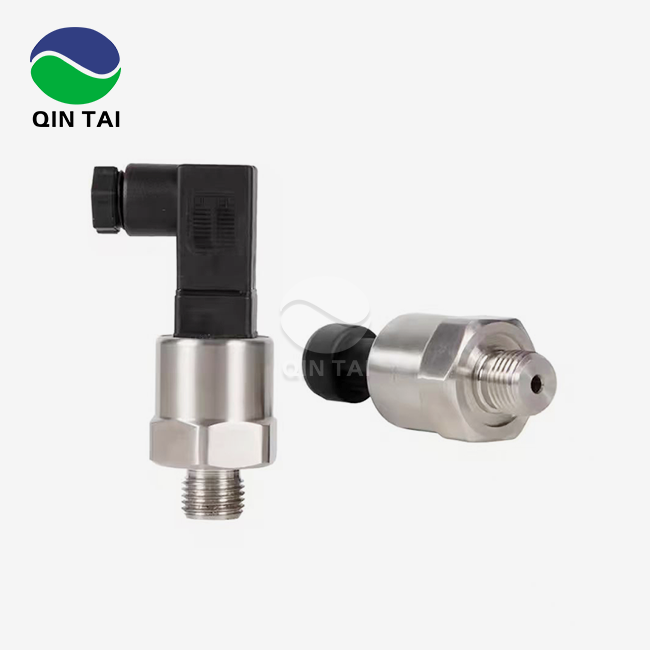
Next-generation ECUs combine data from multiple sensors, such as Diesel NOx sensors, particulate matter sensors, pressure sensors, and temperature sensors, to make full pollution control plans. This all-around method improves not only the aftertreatment process but also the way the engine burns fuel. This lowers emissions even more than what the law currently requires and gets companies ready for when the rules are expected to get stricter.
Preparing for Regulatory Evolution
Global rules on emissions are getting stricter all the time. The EU's Green Deal and California's Advanced Clean Trucks rule both call for almost no NOx pollution by 2030. Diesel NOx sensors that are more accurate and respond more quickly will be necessary for compliance. When companies engage in new sensor technology now, they get a leg up on the competition and can position their goods for new markets and high-end uses. For cost-effective mid-cycle redesigns, procurement professionals should keep an eye on regulatory roadmaps and make sure that sensor specs match up with future needs.
Conclusion
Diesel NOx sensors that are integrated with Engine Control Units are an important part of modern pollution control because they allow precise management of the SCR system and comply with regulations. To choose the right sensors, you need to look at their technical specs, how reliable the name is, and how well the seller can balance performance with total cost of ownership. As sensor technology moves toward IoT connection and predictive maintenance, teams that adopt it early will benefit from better operations and be ready for stricter emission standards. Strategies for buying things that focus on quality, reliability, and relationships with suppliers provide long-term benefits in heavy-duty situations.
FAQ
Q1: What Indicates a Diesel NOx Sensor Needs Replacement?
A: Warning lights, diagnostic trouble codes (P2201, P2202), using too much AdBlue, and failing emission tests are all signs that a Diesel NOx sensor may be failing. OBD-II scan tools show real sensor data, which can include numbers that aren't consistent or values that are stuck at zero. A visual check might show damage to the body or rust in the connectors.
Q2: How Do NOx Sensors Differ From Oxygen Sensors?
A: Oxygen sensors check the amount of oxygen in the air to keep the right balance of air and fuel during burning. Diesel NOx sensors find nitrogen oxide amounts in exhaust gases after combustion, which lets the SCR system direct itself. Both work on the same electrochemical principles, but they work on different chemicals and do different things in pollution control designs.
Q3: Can Diesel NOx Sensors Be Cleaned?
A: Specialized cleaning methods may be able to get rid of light contamination, but their efficiency varies. Diesel NOx sensors that are heavily clogged or old rarely get back to being accurate. Replacement ensures stable performance and guarantee coverage, so cleaning is only a good idea for short-term emergencies in remote areas where costs are low.
Partner With Qintai for Reliable Diesel NOx Sensor Supply
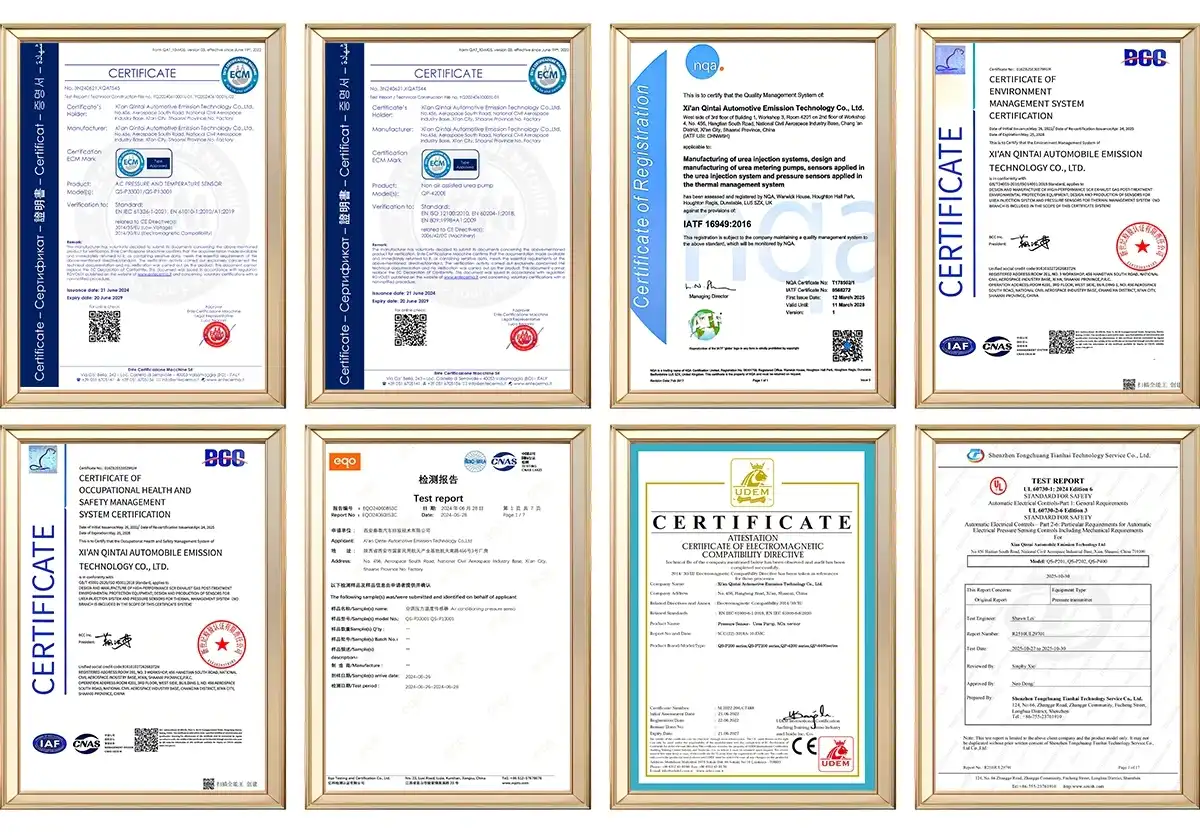
Xi'an Qintai Automotive Emission Technology Co. Ltd has been a leader in China's market for OEM Diesel NOx sensors since 2001. They specialize in pollution control systems. Our ISO 9001 and IATF 16949-certified manufacturing methods ensure uniform quality across large-scale production runs. They are backed by 58 invention patents that cover new developments in sensor technology. We provide full OEM and ODM services, with connections and features that can be changed to fit your exact ECU integration needs. As the main provider to Weichai Power, Yuchai Power, and Quanchai Power, we know how hard it is to meet output deadlines and follow rules. Our expert team offers quick support after the sale and helps you integrate systems, making sure that your aftertreatment projects are successful. Contact us right away at info@qt-sensor.com to talk about pricing for large orders, technical details, and how our ability to make Diesel NOx sensors can help your supply chain.
References
1. International Council on Clean Transportation (2021). Nitrogen Oxide Sensor Technologies for Heavy-Duty Diesel Applications. ICCT Technical Report Series.
2. SAE International (2020). Surface Vehicle Standard J2403: NOx Sensor Performance Requirements. Society of Automotive Engineers.
3. European Commission (2019). Euro VI Emission Standards: Implementation and Compliance Monitoring. Directorate-General for Internal Market.
4. Diesel Technology Forum (2022). Advanced Emission Control Systems in Modern Diesel Engines. Industry White Paper.
5. Wang, J., & Chen, H. (2021). Electrochemical NOx Sensors: Principles, Materials, and Integration Challenges. Journal of Automotive Engineering, 235(8), 2145-2162.
6. U.S. Environmental Protection Agency (2020). Onboard Diagnostics Requirements for Heavy-Duty Engines. EPA Regulatory Guidance Document 40 CFR Part 86.

Our customers’ satisfaction speaks for our quality — contact us to experience the same reliable service.