- English
- French
- German
- Portuguese
- Spanish
- Russian
- Japanese
- Korean
- Arabic
- Greek
- German
- Turkish
- Italian
- Danish
- Romanian
- Indonesian
- Czech
- Afrikaans
- Swedish
- Polish
- Basque
- Catalan
- Esperanto
- Hindi
- Lao
- Albanian
- Amharic
- Armenian
- Azerbaijani
- Belarusian
- Bengali
- Bosnian
- Bulgarian
- Cebuano
- Chichewa
- Corsican
- Croatian
- Dutch
- Estonian
- Filipino
- Finnish
- Frisian
- Galician
- Georgian
- Gujarati
- Haitian
- Hausa
- Hawaiian
- Hebrew
- Hmong
- Hungarian
- Icelandic
- Igbo
- Javanese
- Kannada
- Kazakh
- Khmer
- Kurdish
- Kyrgyz
- Latin
- Latvian
- Lithuanian
- Luxembou..
- Macedonian
- Malagasy
- Malay
- Malayalam
- Maltese
- Maori
- Marathi
- Mongolian
- Burmese
- Nepali
- Norwegian
- Pashto
- Persian
- Punjabi
- Serbian
- Sesotho
- Sinhala
- Slovak
- Slovenian
- Somali
- Samoan
- Scots Gaelic
- Shona
- Sindhi
- Sundanese
- Swahili
- Tajik
- Tamil
- Telugu
- Thai
- Ukrainian
- Urdu
- Uzbek
- Vietnamese
- Welsh
- Xhosa
- Yiddish
- Yoruba
- Zulu
NOx Sensor Installation Tips for Diesel Vehicles
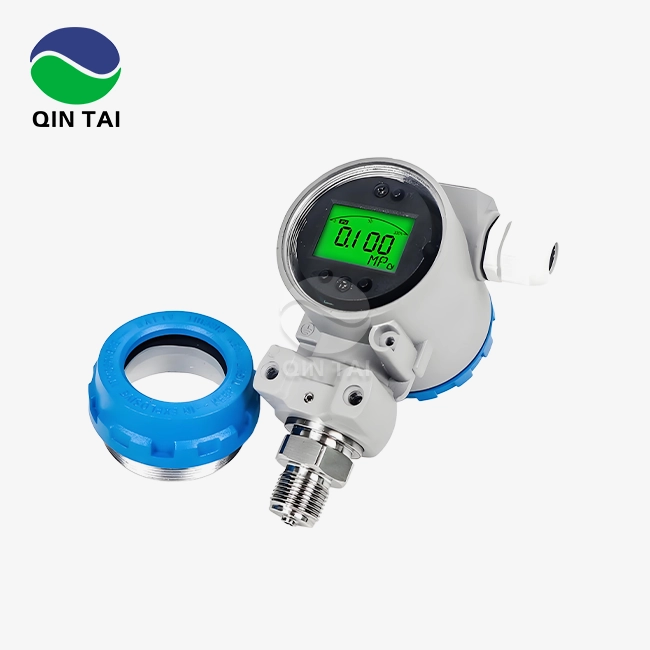
Whether your diesel fleet meets pollution standards and keeps engines running at their best depends on how well an Exhaust NOx sensor is installed. These special parts keep an eye on the amount of nitrogen gas in the air all the time and send important information to your Selective Catalytic Reduction (SCR) system. How you place sensors directly affects how long they last, how accurate your measurements are, and how well you can meet strict EPA emission standards. Purchasing managers and maintenance engineers can avoid expensive downtime and stay in line with regulations by learning the basics of installation for heavy-duty trucks, construction equipment, and generator sets.
To meet EPA Tier 4 and Euro VI guidelines, modern diesel engines need high-tech ways to control emissions. The Exhaust NOx sensor is the main part of this environmental compliance plan. It checks the amounts of nitrogen oxide all the way through the aftertreatment process.
The Core Function of Diesel Nitrogen Oxide Sensors
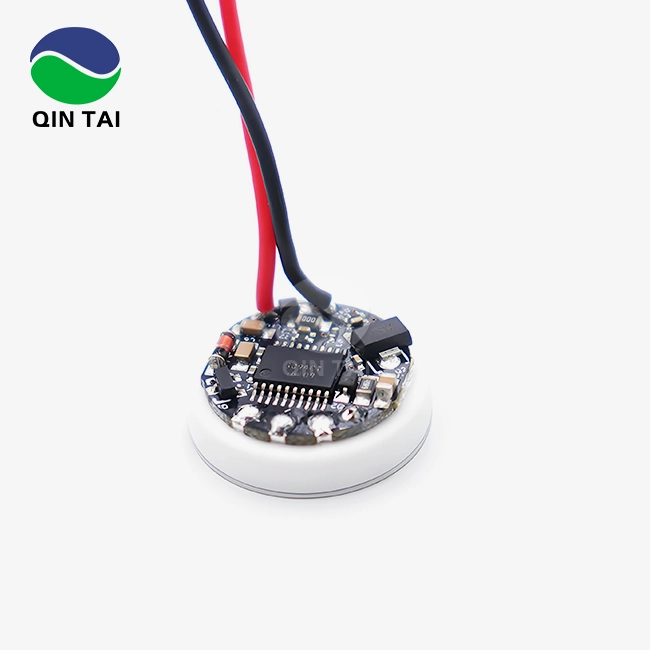
Unlike regular oxygen sensors, which only measure the amount of leftover oxygen, Exhaust NOx sensors do two different kinds of analysis. These parts use yttria-stabilized zirconia ceramic technology to control the amount of oxygen in the air and break down NOx molecules at the same time. The sensing device creates an electrical current that is related to the amount of NOx present. This makes it possible to precisely measure emissions. With this measurement feature, your SCR system can add just the right amount of Diesel Exhaust Fluid to reduce emissions without losing any fluid or letting ammonia slip.
How NOx Detection Impacts SCR System Performance?
Two sensors are usually placed in the aftertreatment route of diesel cars, one before the catalyst and one after it. The upstream Exhaust NOx sensor checks the amount of raw NOx coming out of the combustion chamber and tells your control module how much DEF to feed. Your downstream monitor checks the effectiveness of the catalyst by measuring the amount of NOx that is still present after treatment. This two-sensor design makes a closed-loop feedback system that keeps pollution standards met even when the engine's load changes during normal use. If either monitor stops working properly, your whole plan to control emissions is no longer valid.
Recognizing Common Sensor Failure Indicators
Several signs point to a possible problem with the monitor before it fails completely. When Exhaust NOx sensor readings are outside of the set limits, warning lights on the dashboard linked to pollution systems turn on. As the engine control unit goes into "limp mode" to protect the aftertreatment system, you may notice that you use more gas. If the exhaust smoke is black or blue, it means that the fuel isn't burning completely or that there is too much DEF input because of bad sensor feedback. The diagnostic trouble codes P2201, P2202, and P229F all talk about problems with the Exhaust NOx sensor circuit. Taking care of these signs right away keeps expensive SCR catalysts and diesel particulate filters from getting damaged again.
Essential Pre-Installation Checks and Preparation
Preparing well cuts down on installation time and avoids interface problems that cause sensors to fail early. To avoid production delays, procurement teams should check the technical specs of sensors before they are sent out.
Verifying Component Compatibility Across Applications
Exhaust NOx sensor connectivity is more than just matched connectors. There are big differences in thread size, reach length, and mounting position between heavy trucks, farm equipment, and fixed generators. OEM sensors usually promise a perfect fit with the original specs, while aftermarket sensors need to be carefully measured to make sure they fit correctly. Well-known companies like Bosch, Denso, and Continental put out detailed application guides that match up car identification numbers with the right Exhaust NOx sensor part numbers. The engineering team at Qintai keeps huge files of compatibility information for the main diesel engine systems used in North American industries.
Evaluating Technical Specifications for Fleet Requirements
Some important specifications are the range of working temperatures, the reaction time, the accuracy of the measurements, and the projected service life. For industrial uses, Exhaust NOx sensors must be able to work continuously at 800°C or higher. Response time of less than three seconds makes sure that your SCR system works right during the fast acceleration cycles that are typical in mine and building sites. Accuracy in measurements within ±10 ppm keeps legal compliance with a safe range. Under normal conditions, quality sensors from approved makers can last for 150,000 miles before they need to be serviced. These factors have a direct effect on how you figure out the total cost of ownership.
Assembling Required Tools and Safety Equipment
For proper fitting, you need more than just regular mechanic's tools. You need an anti-seize compound that is rated for exhaust system temperatures, Exhaust NOx sensor sockets with holes for wire safety, and a torque wrench that can reach 40 to 50 Nm. Diagnostic scan tools that can handle both directions make it possible to check things after installation and retrain sensors. When working near diesel exhaust systems, personal protective tools like heat-resistant gloves, safety glasses, and breathing masks are needed. Making sure that your repair teams can access these tools before they start working will help avoid installation delays and safety issues at work.
Step-by-Step NOx Sensor Installation Process
A methodical installation method protects the purity of the Exhaust NOx sensor and ensures accurate readings for the life of the part. For fleet repair, engineering teams should come up with standard processes that workers should always follow.
Locating Sensor Mounting Points on Different Platforms
The upstream Exhaust NOx sensor is usually put between the turbocharger outlet and the SCR catalyst in heavy-duty cars. It is usually part of the decomposition tube system. The monitor further down the line connects to the tailpipe part after the catalyst. Side-mounted setups may be used on construction tools to keep sensors from getting damaged in rough working conditions. Both sensors are often put on horizontal exhaust runs on generator sets to make regular inspections easier. By looking at the service instructions that came with your engine, you can find out exactly where the sensors are located and how much space you need around them to remove them without hurting nearby parts.
Removing the Failed Sensor Safely
Let the exhaust parts cool down fully before you try to remove the Exhaust NOx sensor, because ceramic parts break easily when they are heated up. To keep the electrical system from getting damaged while the sensors are being replaced, disconnect the battery. Remove the wire harness link carefully, making a note of the path you will take when you put it back together. Put penetrating oil on threads that are stuck and wait 15 minutes before you try to pull them out. Use the right sensor socket to keep the wires from getting damaged while they are being extracted. For stubborn sensors, it may be best to carefully heat them with an induction tool instead of an open flame. Before putting in the new part, check the mounting boss threads for damage or carbon buildup that needs to be cleaned off.
Installing the New Sensor with Proper Technique
A thread chaser made for exhaust systems can be used to clean the fitting threads very well. Cover the Exhaust NOx sensor threads with a thin layer of high-temperature anti-seize substance, making sure not to touch the ceramic detecting element. To keep from cross-threading the mounting boss, hand-thread the new sensor all the way through before adding pressure. Tighten to the torque number given by the manufacturer, which for most diesel uses is 40–45 Nm. When the torque is too high, the ceramic element breaks, and when it's too low, exhaust leaks happen that mess up the readings. Place the wire cable away from sources of heat and moving parts, and use factory-style clips to hold it in place. When you reconnect the electrical connection, make sure that the closing tab is fully in place.
Performing System Initialization and Calibration
Modern engine control units need to follow certain steps to know when new Exhaust NOx sensors are installed. You need to connect your diagnostic check tool and find the SCR system repair functions. Follow the steps for replacing the Exhaust NOx sensor, which usually include clearing the adaptation values and starting the relearning cycle. Some systems need a certain drive cycle, like 15 minutes of speed driving followed by 10 minutes of idling, to fully initialize the sensors. During this process, keep an eye on live data to make sure that both sensors are giving you accurate readings. Readings upstream should be between 500 and 1200 ppm, based on the load, and readings downstream should stay below 50 ppm if the catalyst is working right.
Troubleshooting and Post-Installation Verification
Even with careful installation, problems can happen from time to time. To quickly find the root causes and keep vehicle downtime to a minimum, systematic testing methods are needed.
Addressing Common Installation Mistakes
Damage to the Exhaust NOx sensor wire during installation leads to signs that come and go, which lights up to show that something is wrong. Leaks in the exhaust system near where the sensor is mounted let in too much oxygen, which makes NOx readings look low. This leads to too much DEF input and ammonia slip. If you don't handle sensing elements properly or use too much anti-seize, they can get dirty and stop giving accurate results. Ceramic parts get stress cracks when cross-threaded mounting ends are used. Each of these issues creates its own diagnostic trouble codes and patterns of sensor behavior that skilled techs learn to spot during verification processes.
Using Diagnostic Tools to Verify Proper Operation
Quality scan tools show the NOx levels from both monitors at the same time in real time, so they can be directly compared when the engine is running in different circumstances. In a state of idle, Exhaust NOx sensors upstream usually read 300 to 600 ppm, and sensors downstream should keep their readings below 30 ppm. During hard acceleration, readings upstream go up to 1500 ppm or higher, and readings downstream go up by the same amount if the catalyst has broken down. Keeping an eye on these connections helps separate sensor problems from catalyst performance problems. Bidirectional controls let techs set specific rates of DEF injection while watching the sensor reaction to make sure the whole feedback loop works right.
Monitoring Long-Term Performance Indicators
After installation, tracking should go beyond just checking right away to make sure that everything keeps working right. Keep an eye on the fuel economy over a few tanks to see if the new Exhaust NOx sensor keeps the right DEF usage rates. Keep an eye on how much DEF is being used compared to how much fuel is being used. For most diesel engines that meet current pollution guidelines, the ratio should stay between 3 and 5 percent. Keep an eye out for diagnostic trouble codes that keep coming up. These could mean that intermittent sensor problems need more research. Write down the baseline sensor values for different load situations so that you can use them as a guide when you're troubleshooting in the future. This methodical approach finds problems as they start to appear before they get worse and require expensive fixes or fail to meet emission standards.
Procurement Considerations for Bulk and Fleet NOx Sensor Purchases
Strategic choices about where to get parts have a big effect on the running costs of your fleet, especially if you're in charge of dozens or hundreds of diesel cars that need to have their Exhaust NOx sensors replaced on a regular basis.
Balancing Quality Against Acquisition Cost
OEM Exhaust NOx sensors are more expensive, but they are guaranteed to work with other products and usually come with longer warranties. Alternatives from well-known aftermarket makers can save you money while still meeting quality standards for many uses. The most important thing is to look at the total cost of ownership instead of just the unit buying price. When you count the cost of staff, diagnostic time, and car downtime, a sensor that costs 30% less but fails twice as often actually costs you more in the long run. Certified makers like Qintai put a lot of money into quality control methods that make sure the sensors work the same way every time they're made. This makes the differences in sensor lifespan and measurement accuracy smaller.
Evaluating Supplier Capabilities for Fleet Support
How well you handle your inventory and deal with unexpected fails is affected by your relationship with your seller, not just the quality of the Exhaust NOx sensors you buy. Reliable providers keep enough common sensors in stock and ship replacements within 24 hours to keep downtime to a minimum. Technical support teams help with applications when there are questions about compatibility or when startup issues need professional help. Managing warranties should be easy, and there should be clear steps for dealing with broken parts. If your suppliers offer vendor-managed inventory plans, you can save money on carrying costs and be sure that items will be available when you need them. As your fleet gets bigger and replacing sensors becomes a regular maintenance task, these service parts become more useful.
Structuring Long-Term Partnership Agreements
Large fleet owners get a lot of benefits from negotiated supply deals that cover a lot of different places and types of vehicles. As the number of Exhaust NOx sensors bought each year goes up, volume price deals lower the cost per unit. Blanket purchase orders make it easier to buy things and show how much was spent so that budget planning can be done. If your suppliers are willing to store your inventory at their maintenance centers, you'll need even less operating capital. Performance-based contracts with failure rate promises make sure that the incentives of your suppliers are in line with your business goals. When you work together with manufacturers, you can customize their products to fit your fleet's specific needs. This is especially helpful for specialized building or farming tools.
Conclusion
To properly install an Exhaust NOx sensor, you need to pay close attention to making sure the sensors are compatible, the installation process, and the validation steps that follow after the installation. These parts are very important for keeping emissions in check and making sure that diesel trucks use the least amount of DEF possible. Knowing the basics of technology helps buying managers choose the right parts, and using skilled placement techniques makes sure that sensors last as long as possible and that measurements are accurate. The total cost of ownership goes down when you build smart supplier relationships with makers that offer consistent quality and quick support services. By using systematic testing methods, problems are found early on, and expensive additional damage to aftertreatment systems is avoided.
FAQ
Q1: How often should diesel NOx sensors be replaced?
A: Under normal situations, quality Exhaust NOx sensors usually only need to be serviced every 150,000 miles. Heavy-duty uses with long idle times, lots of regeneration cycles, or fuel that is polluted may need to be replaced after 100,000 miles. Instead of sticking to strict replacement plans, do regular diagnostic scans to check how well the sensors are working. Increasing differences between upstream and downstream values, slower reaction times, or repeated diagnostic codes are all signs that sensor problems are getting worse and need to be fixed.
Q2: Can faulty NOx sensors damage my SCR catalyst?
A: When Exhaust NOx sensors don't work right, they mess up the precise feedback process that controls the rate of DEF input. When sensors give falsely low readings, DEF is not added properly, which leads to too much NOx emissions that are higher than what is allowed by law. On the other hand, sensors that show falsely high NOx levels cause too much DEF to be injected, which lets ammonia slip and harms downstream catalysts while making unpleasant smells. Fixing sensor problems quickly saves expensive parts of the aftertreatment system and keeps emissions in line.
Q3: What warranty coverage is standard for commercial NOx sensors?
A: Reputable makers usually offer warranties that cover the Exhaust NOx sensor for 12 months or 100,000 miles, whichever comes first. Some high-end OEM sensors come with extra safety that lasts up to 24 months. Most warranty terms don't cover problems that were caused by bad fitting, physical damage, or using the product outside of its recommended limits. Knowing the limits of the warranty helps buying teams choose the right tools for the job while keeping repair costs in check.
Partner with Qintai for Your Exhaust NOx Sensor Requirements
To keep different diesel cars in line with pollution rules, we need trusted Exhaust NOx sensor sellers who know what buying managers and maintenance engineers need. Qintai has 20 years of experience in diesel engine aftertreatment technology, which helps big OEM agreements in markets around the world. Our factory is certified by both ISO9001 and IATF16949, which means that the quality of the products is always the same. We keep a large stock of different types of sensors that can work with big trucks, building equipment, farm equipment, and generator sets.
As a reputable company that makes Exhaust NOx sensors, we can accommodate requests for customization for specific uses and offer competitive bulk discounts for group accounts. Our engineering team provides full technical support during the entire purchase and installation process. This helps your company choose the best sensors and lower its total cost of ownership. Email our business-to-business sales team at info@qt-sensor.com to talk about your unique needs and find out how our emission control systems can help you meet regulatory standards.
References
1. Majewski, W.A. and Khair, M.K. (2006). Diesel Emissions and Their Control. SAE International, Warrendale, PA.
2. Johnson, T.V. (2015). "Review of Selective Catalytic Reduction (SCR) and Related Technologies for Mobile Applications." SAE International Journal of Engines, 8(3), 1087-1105.
3. Frobert, A., Raux, S., Creff, Y., and Jeuland, N. (2013). "About Cross-Sensitivities of NOx Sensors in SCR Operation." SAE Technical Paper 2013-01-1512.
4. Bonfils, A., Creff, Y., Lepreux, O., and Petit, N. (2014). "Closed-Loop Control of a SCR System Using a NOx Sensor Cross-Sensitive to NH3." Journal of Process Control, 24(2), 368-378.
5. Willems, F., Cloudt, R., van den Eijnden, E., van Genderen, M., Verbeek, R., de Jager, B., Boomsma, W., and van den Heuvel, I. (2007). "Is Closed-Loop SCR Control Required to Meet Future Emission Targets?" SAE Technical Paper 2007-01-1574.
6. Shost, M., Noetzel, M., Wu, M.C., Sugiarto, T., Bordewyk, T., Flight, G., and Fisher, G.B. (2008). "Monitoring, Feedback and Control of Urea SCR Dosing Systems for NOx Reduction." SAE Technical Paper 2008-01-1325.

Our customers’ satisfaction speaks for our quality — contact us to experience the same reliable service.