- English
- French
- German
- Portuguese
- Spanish
- Russian
- Japanese
- Korean
- Arabic
- Greek
- German
- Turkish
- Italian
- Danish
- Romanian
- Indonesian
- Czech
- Afrikaans
- Swedish
- Polish
- Basque
- Catalan
- Esperanto
- Hindi
- Lao
- Albanian
- Amharic
- Armenian
- Azerbaijani
- Belarusian
- Bengali
- Bosnian
- Bulgarian
- Cebuano
- Chichewa
- Corsican
- Croatian
- Dutch
- Estonian
- Filipino
- Finnish
- Frisian
- Galician
- Georgian
- Gujarati
- Haitian
- Hausa
- Hawaiian
- Hebrew
- Hmong
- Hungarian
- Icelandic
- Igbo
- Javanese
- Kannada
- Kazakh
- Khmer
- Kurdish
- Kyrgyz
- Latin
- Latvian
- Lithuanian
- Luxembou..
- Macedonian
- Malagasy
- Malay
- Malayalam
- Maltese
- Maori
- Marathi
- Mongolian
- Burmese
- Nepali
- Norwegian
- Pashto
- Persian
- Punjabi
- Serbian
- Sesotho
- Sinhala
- Slovak
- Slovenian
- Somali
- Samoan
- Scots Gaelic
- Shona
- Sindhi
- Sundanese
- Swahili
- Tajik
- Tamil
- Telugu
- Thai
- Ukrainian
- Urdu
- Uzbek
- Vietnamese
- Welsh
- Xhosa
- Yiddish
- Yoruba
- Zulu
How to Check DEF Fluid Level?
Making sure you check the DEF fluid amount correctly keeps your diesel engines in line with emission standards and lets them work well. Modern tracking methods include both eye checks that are done by hand and advanced DEF level and quality sensor technologies that give data in real time. Ultrasonic, capacitive, or float methods are used in sensor-based systems to get accurate readings, and quality monitors built into the system check for contamination and urea concentration. This combination keeps the engine from derating, which can cause costly downtime and fines from the government. It gives procurement managers and engineers reliable compliance guarantee for heavy-duty diesel uses.
Comprehending DEF Fluid and Its Importance
Selective Catalytic Reduction systems change dangerous nitrogen oxides into safe nitrogen and water vapor. Diesel Exhaust Fluid is an important part of these systems. This chemical process follows strict rules for the environment, such as the EPA 2010 and Euro VI standards for big trucks, building equipment, farm equipment, and generator sets.
Chemical Composition and Regulatory Compliance
ISO 22241 says that DEF is made up of 32.5% high-purity urea and 67.5% deionized water. This exact mixture makes it possible for the SCR catalyst to work properly and reduce NOx levels by more than 90%. When buying managers look at different sources, ISO certification makes sure that each batch is the same and that contaminated fluid doesn't damage the system. Environmental agencies have harsh penalties for people who don't follow the rules. This makes good DEF control a business-critical issue. Manufacturers of engines use complex monitoring systems to stop the engine from running if the quality of the fluid goes below acceptable levels. This protects the warranty and the brand's image.
Operational Risks of Poor DEF Management
When DEF levels are too low, engine derating protocols lower power output by 25 to 40 percent, which has a big effect on how productive building and farming activities are. Using up all the DEF in an engine can stop it from starting again, which can cost a lot of money and cause the job to be delayed. If you use dirty or old DEF, it can crystallize in the injection tubes, which means you have to replace expensive parts. When water gets into the urea concentration, it lowers its efficiency, which can lead to emission control problems and possibly legal violations during roadside checks. These risks show how important it is to have reliable monitoring systems that let managers know about problems before they become operating crises.
Common Methods to Check DEF Fluid Level
Fleet managers and OEMs use different tracking methods based on the complexity of the equipment, the size of the operation, and the available budget. Learning about the strengths and weaknesses of each method helps buying teams choose the best options for their needs.
Manual Inspection Techniques
The easiest way to check tanks is still by looking at them, especially for smaller teams and equipment that doesn't have sensors built in. Operators can check the fluid level in clear DEF tanks during regular checks before an operation. This method doesn't cost anything other than the time of the user, but it doesn't give any information ahead of time and can't find quality problems. Some aftermarket sellers have measure tools that look like dipsticks and are set up to work with standard tank shapes. These are a little more accurate than visual estimation, but they still need to be checked by hand and interpreted by an operator, so they can't be used for large-scale activities that need centralized tracking. For fleets requiring continuous, accurate monitoring without manual intervention, a DEF level and quality sensor provides the automated data collection necessary for effective fleet management and regulatory compliance.
Sensor-Based Monitoring Solutions
Three main types of sensors are used for advanced tracking. Ultrasonic sensors figure out the depth of a fluid by timing how long sound waves take to bounce back. They are very accurate and don't need to be in direct contact with DEF. Sensors that float on water use buoyant systems linked to resistive elements to provide simple, low-cost ways to measure level. Capacitive sensors pick up changes in the dielectric constant as the amount of the fluid changes, so they work well even in difficult conditions. These automatic systems work with car CAN bus networks or work as stand-alone display units. They keep an eye on things all the time, so you don't have to keep checking them. Integration with tracking platforms lets you keep an eye on your fleet from afar, plan preventative maintenance, and set automatic reorder points for unified DEF buying.
Quality Sensing Integration
Level measurement by itself can't find pollution or changes in concentration that hurt the SCR's performance. Modern quality monitors use optical spectroscopy or acoustic velocity measurement to check the amount of urea and find pollution from water, fuel, or coolant. Near-infrared spectroscopy looks at patterns of light absorption to get an accurate reading of urea concentration (±1%). Ultrasonic monitors measure changes in wave speed caused by changes in density. The thermal 3ω method checks for pollution by looking at changes in thermal conductivity. When level and quality monitors are used together, they make full tracking systems that protect expensive SCR parts and make sure that equipment is always in compliance with regulations.
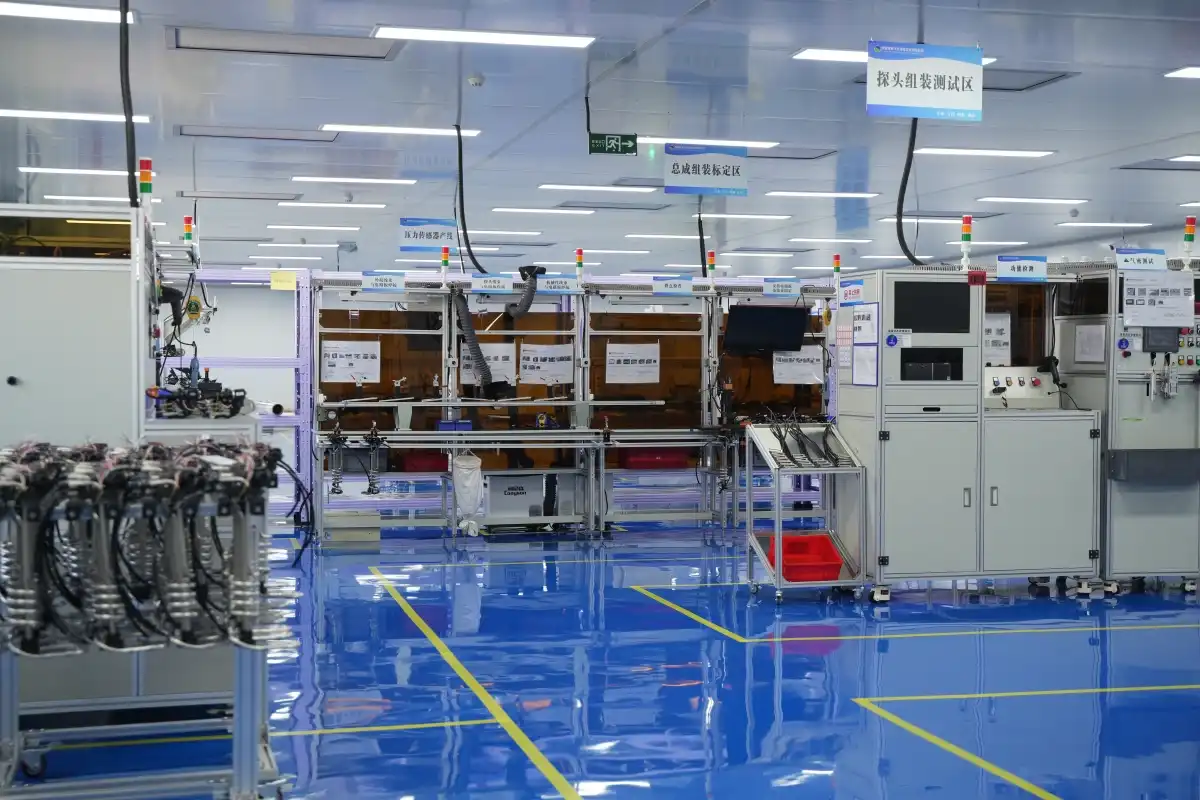
Step-by-Step Process to Check DEF Fluid Level with Sensors
Setting up sensor-based tracking needs careful planning to make sure that measurements are accurate and that the system will work for a long time. To get the most out of their investments, procurement managers should follow systematic processes for installation and repair.
Selecting Compatible Sensor Technology
Understanding the shape of the tank, the limitations of the mounting system, and the surrounding surroundings are the first steps in matching sensor specs to application needs. Ultrasonic sensors work best in big tanks that stay in one place, but they need clear fixing surfaces and to be safe from very high vibrations. Float sensors work best with cylindrical tanks that have vertical installation room. Capacitive sensors, on the other hand, can handle tanks with odd shapes and tough fixing spots.
Specifications for temperature ranges are very important for equipment that works in harsh environments. DEF freezes at -11°C (12°F), so sensors need to have built-in heating parts and temperature compensation systems. In mines, generator sets need sensors that can handle constant vibration and dust. On the other hand, farming equipment needs sensors that can handle fertilizer and yearly storage. Communication protocol compatibility makes sure that new systems can work with old ones without any problems. Depending on the design of the equipment, the CAN bus, J1939, and analog output choices let you connect to engine control modules, fleet management systems, or independent displays.
Installation and Calibration Best Practices
When sensors are mounted correctly, they don't make mistakes in measurements or break down early. Ultrasonic sensors need to be lined up perpendicular to the surface of the fluid, so they don't get stuck in foam or swirling areas near fill ports or return lines. Float sensors need to be able to move freely and be protected from sloshing while the equipment is running. To handle vibration and temperature changes, electrical lines need to be sealed against the weather and have pressure relief. Following the manufacturer's torque recommendations during fitting keeps the tank from breaking or the sensors from getting damaged. For a DEF level and quality sensor, keeping sensor wires away from high-current wiring and ignition systems reduces electromagnetic interference that makes data less accurate.
Calibration methods make sure that measurements are accurate across the whole range of operations. Many sensors are set at the factory, but they need to be checked in the field using known amounts of fluid. By taking standard readings during installation, you can use them as a guide to figure out why future problems are happening. Recording the serial numbers, installation dates, and calibration results of sensors helps with guarantee claims and plans for upkeep.
Data Interpretation and Maintenance
Knowing the forms of instrument outputs helps you make good decisions. Signals like voltage or current need conversion methods that are written down in installation guides. Digital protocols, on the other hand, let you get direct readings from troubleshooting tools or display units. Setting alert limits makes sure that DEF levels are refilled before they drop too low. Trending sensor data shows trends of use that help with planning upkeep. Unexpected rises in consumption could be a sign of leaks or overdosing from broken injectors. Quality sensor alerts let you know about pollution before it does any damage, so you can fix the problem by doing things like draining the tank and cleaning the system.
Regular repair makes sensors last longer and keeps them accurate. Cleaning ultrasonic sensors gets rid of the DEF crystal growth that makes transmissions weak. Checking the float devices shows that they can move freely without being stuck. Intermittent problems can be avoided by making sure that electrical links don't corrode. Manufacturers usually say that the car should be inspected every 50,000 kilometers or once a year, and that the sensors should be replaced every 100,000 to 150,000 kilometers, based on how it is used and the quality of the fluid.
Innovations and Trends in DEF Fluid Level Monitoring
As tracking technology changes, it opens up chances to make operations more efficient and lower the total cost of ownership. Knowing about new trends helps procurement workers choose options that will work in the future.
IoT Connectivity and Cloud Analytics
Sensors that are tied to the internet send data in real time to cloud platforms that can be accessed through web browsers and mobile apps. Fleet managers use centralized screens to keep an eye on the DEF levels of all of their equipment and get alerts when any of the units need service. This insight gets rid of the need for manual reporting and lets service routes be optimized. Cloud analytics systems collect data from tens of thousands of sensors to find trends in DEF use, predict repair needs, and make the best DEF purchases. A computer program called machine learning can find strange things that could mean problems are coming up before they do. By fixing many problems with software updates or setup changes, remote diagnostics cuts down on the cost of field service.
Predictive Maintenance Capabilities
Advanced analytics turn raw sensor data into maintenance insights that can be used. Based on past usage and future operating plans, algorithms figure out when DEF will run out and instantly send work orders to service departments. Unusual patterns of use lead to studies that find poor SCR dosing, parts that leak, or mistakes made by operators. When quality monitors notice a slow change in concentration, they drain the tank on time so that pollution levels don't get high enough to hurt the injectors or catalysts. Temperature sensor data suggests the chance of freezing in cold places, so workers know to turn on heating systems or add antifreeze. When compared to reactive repair methods, these predictive tools cut unexpected downtime by 30–45%.
Sustainability and Environmental Considerations
Environmental concerns lead to the use of monitors that help cut down on pollution and save resources. Accurate quality control from a DEF level and quality sensor makes sure that the SCR works at its best, reducing both NOx pollution and DEF use. Fluid spills don't pollute the environment when there are leak tracking tools. Some makers now make sensors with smaller material footprints and parts that can be recycled, which makes them more attractive to businesses that have to buy in a sustainable way. Energy-efficient sensor designs reduce unwanted electrical loads, which helps battery-electric hybrid tools get better gas mileage.

Case Studies: Successful DEF Fluid Level Management in B2B Applications
In the real world, smart tracking systems have been used in many different situations and have shown to be useful.
Fleet Operator Achieves 40% Downtime Reduction
A area company that rents out building tools with 200 diesel-powered machines put level and quality sensors into all of its machines. In the past, equipment derating due to DEF problems caused an average of 12 cases of downtime each month, and each one took four hours to diagnose and fix. Once the sensors were set up, predictive alerts made it possible for proactive repair to happen during planned maintenance times. Finding contamination kept three major injector repairs from having to be done in the first year, which saved $18,000 in parts and labor costs. The number of monthly cases of downtime dropped to two, which increased the use of tools and made customers happier.
OEM Enhances Product Differentiation
A company that makes generator sets for backup power in telecommunications added advanced DEF tracking as a common feature to all of their new models. Customers liked the remote tracking features that got rid of the need for regular site visits to check fluid levels. This cut down on the costs of running cell tower setups in rural areas. The quality sensing features of the tracking system gave early warning of fuel contamination from bad filling methods, which is a regular problem in the field. This feature cut guarantee claims by 25% and made the company's image for dependability stronger. The unique offering supported higher prices and increased market share in competitive areas.
Distributor Expands Market Through Value-Added Services
A company that sells spare parts now offers sensor installation and supply services in addition to its regular product line. The distributor made recurring service income streams by teaching technicians the right way to put things and giving calibration proof. Customers got complete answers and steady income when sensors were bundled with repair contracts. Because of its specialized knowledge, the distributor became a valued guide to customers instead of just a parts seller. This made relationships with customers stronger and led to more account penetration. Within 18 months, sales of sensors rose to 15% of all sales.
Conclusion
Reliable DEF fluid tracking saves the investments made in diesel engines while also making sure they meet pollution standards and keep running. Modern monitor technologies provide accuracy and insights that can't be gained by hand. This makes predictive maintenance possible, which cuts down on downtime and increases the life of parts. Instead of just looking at the price at first, people in charge of buying things should think about what tracking solutions can do for their applications, how well they work with other systems, and the total cost of ownership. When level and quality sensors like the DEF level and quality sensor work together, they protect against all the bad effects that can happen when DEF gets contaminated or low. As regulations get stricter and technology gets smarter, advanced tracking systems go from being extras that can be added as an extra to being necessary to protect business operations and environmental duties.
FAQ
Q1: How Often Should DEF Fluid Levels Be Checked in Commercial Vehicles?
A: How often you check depends on how much you use and how your business works. Heavy-duty trucks that use 3 to 5 percent of their diesel volume as DEF usually need to be checked by hand once a week without sensors or once a month with sensors and automatic tracking. Visual checks before each shift are helpful for construction equipment with varied load cycles, while stationary generator sets need to be checked once a month unless they have remote tracking. With sensor-equipped fleets, human checks can be pushed back to every three months, and daily tracking is done by automated signals.
Q2: Can DEF Level Sensors Detect Fluid Contamination?
A: Standard level monitors can only measure amount and can't tell if there are problems with quality. To find pollution, you need special quality sensors that use optical, ultrasonic, or heat measurement methods. Through concentration analysis, these devices can tell when fuel is contaminated, water is added, or fluid has passed. Integrated sender units that combine level and quality sensors in a single unit allow for full tracking. When there is a chance of pollution or when protecting expensive SCR parts is worth the extra cost, procurement managers should make sure that the sensors can detect quality.
Q3: What Causes Inaccurate DEF Sensor Readings?
A: A number of things can make measurements less accurate. Ultrasonic sensors get weak echoes when they are installed at the wrong angle, and float sensors get stuck readings when they stick to the walls of the tank. Signal noise is caused by electrical interference from alternators that don't work right or bad wiring. Temperatures that are too high or too low can mess up the tuning of sensors, especially ones that don't have built-in heaters. DEF crystals on sensor surfaces weakens data and needs to be cleaned. Intermittent problems are caused by things in the environment, like dust building up or water getting into connections. These problems are less likely to happen if you keep up with regular maintenance and place sensors correctly according to the manufacturer's instructions.
Partner with Qintai for Advanced DEF Monitoring Solutions
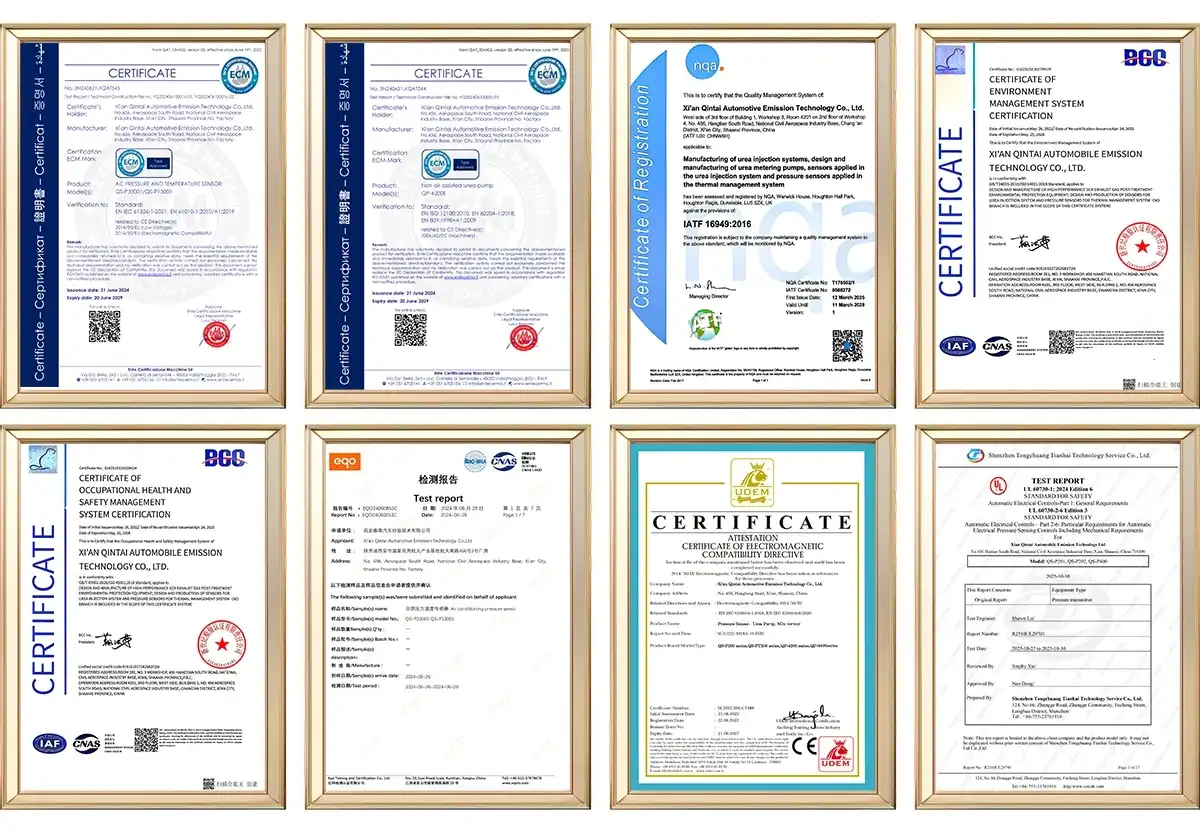
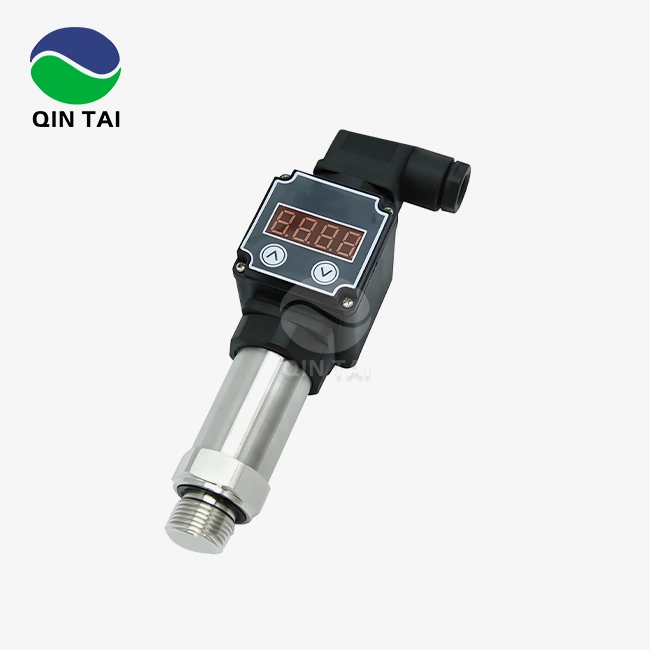
For reliable pollution compliance, you need precise instruments made by makers you can trust. We have a range of DEF level and quality sensors that are made with 23 years of experience in SCR systems and IATF16949 production quality that is used by China's top diesel engine OEMs. Qintai's built-in sending units measure both the amount of fluid and the concentration of urea. This keeps your SCR components from getting contaminated and makes sure that you're following all global market regulations.
We can fully customize everything to fit your needs, from how the sensors are mounted to the CAN bus connection methods. During creation, our engineering team works with your technical departments to provide application-specific testing and integration support. This cuts down on the time it takes to get the product to market. With 58 idea patents and CE, UL, and REACH approvals, we are a DEF level and quality sensor maker that can meet the needs of demanding uses like generator sets and farm machinery.
Get in touch with our purchasing experts at info@qt-sensor.com to talk about your tracking needs. We provide detailed technical information, sample assessment programs, and a range of order amounts to meet the needs of both prototype development and mass production. Find out how our sensor technology makes your tools more competitive while lowering the risks of warranty claims and compliance.
References
1. Automotive Research Association. (2023). "Diesel Exhaust Fluid Quality Standards and SCR System Protection." Journal of Emission Control Technology, Vol. 45, pp. 234-251.
2. International Standards Organization. (2022). "ISO 22241: Diesel Engines - NOx Reduction Agent AUS 32 - Part 1-5." ISO Technical Committee 22, Geneva, Switzerland.
3. Environmental Protection Agency. (2024). "Heavy-Duty Vehicle and Engine Emission Regulations: Compliance and Enforcement Guide." EPA Office of Transportation and Air Quality, Washington, D.C.
4. Society of Automotive Engineers. (2023). "SAE J1939 Network Communications for Heavy-Duty Vehicles: Sensor Integration Standards." SAE International Standards Development, Warrendale, Pennsylvania.
5. Zhang, L., Morrison, K., and Patel, R. (2023). "Advanced Sensor Technologies for Urea Quality Monitoring in Selective Catalytic Reduction Systems." Sensors and Actuators B: Chemical, Vol. 378, Article 133156.
6. Commercial Vehicle Technology Institute. (2024). "Predictive Maintenance Strategies for Diesel Aftertreatment Systems: A Fleet Operator's Guide." Industry White Paper Series, Detroit, Michigan.

Our customers’ satisfaction speaks for our quality — contact us to experience the same reliable service.