- English
- French
- German
- Portuguese
- Spanish
- Russian
- Japanese
- Korean
- Arabic
- Greek
- German
- Turkish
- Italian
- Danish
- Romanian
- Indonesian
- Czech
- Afrikaans
- Swedish
- Polish
- Basque
- Catalan
- Esperanto
- Hindi
- Lao
- Albanian
- Amharic
- Armenian
- Azerbaijani
- Belarusian
- Bengali
- Bosnian
- Bulgarian
- Cebuano
- Chichewa
- Corsican
- Croatian
- Dutch
- Estonian
- Filipino
- Finnish
- Frisian
- Galician
- Georgian
- Gujarati
- Haitian
- Hausa
- Hawaiian
- Hebrew
- Hmong
- Hungarian
- Icelandic
- Igbo
- Javanese
- Kannada
- Kazakh
- Khmer
- Kurdish
- Kyrgyz
- Latin
- Latvian
- Lithuanian
- Luxembou..
- Macedonian
- Malagasy
- Malay
- Malayalam
- Maltese
- Maori
- Marathi
- Mongolian
- Burmese
- Nepali
- Norwegian
- Pashto
- Persian
- Punjabi
- Serbian
- Sesotho
- Sinhala
- Slovak
- Slovenian
- Somali
- Samoan
- Scots Gaelic
- Shona
- Sindhi
- Sundanese
- Swahili
- Tajik
- Tamil
- Telugu
- Thai
- Ukrainian
- Urdu
- Uzbek
- Vietnamese
- Welsh
- Xhosa
- Yiddish
- Yoruba
- Zulu
Urea Quality Sensor Troubleshooting: Practical Guide
The urea quality sensor is usually the first thing that is looked at when a trouble code is set off by your diesel engine's aftertreatment system. This important part checks the amount and purity of diesel exhaust fluid (DEF) in SCR systems to make sure they meet EPA pollution guidelines and keep the engine running well. To quickly get these sensors working properly again without having to buy new parts, troubleshooting them takes a methodical approach, knowledge of the surroundings, and technical precision.
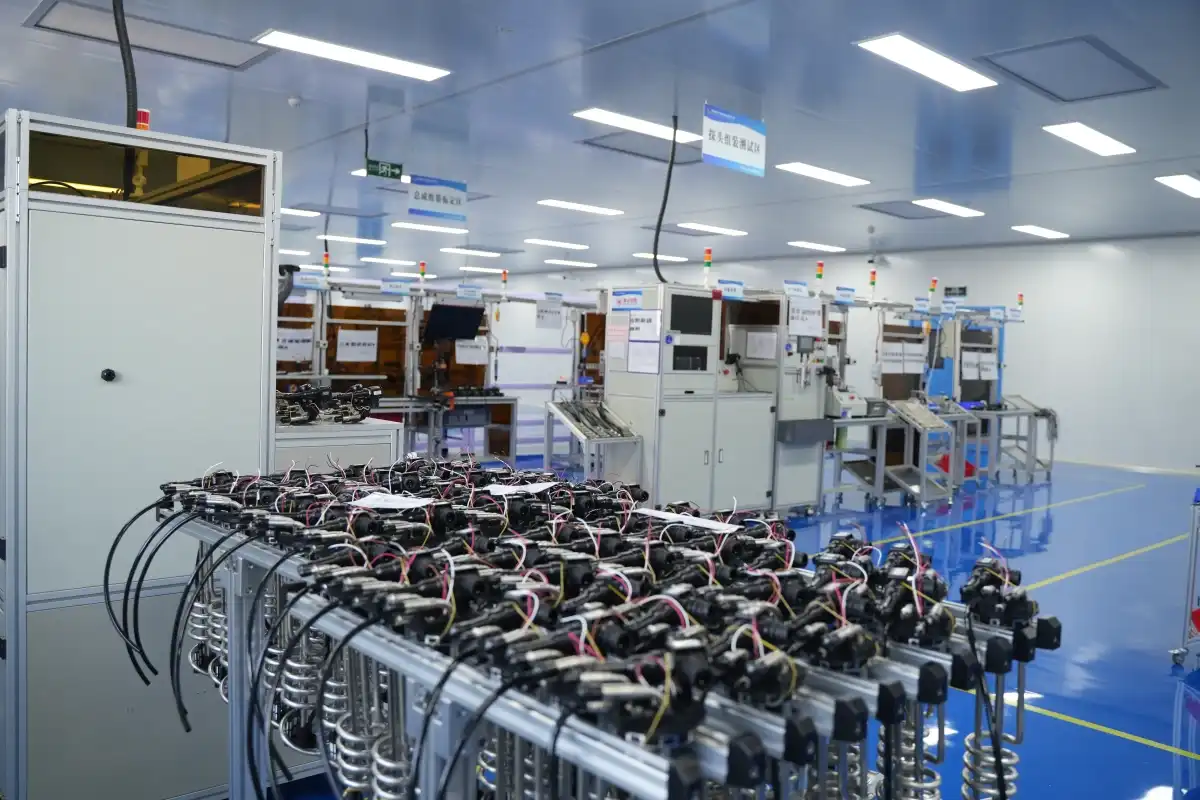
Understanding Urea Quality Sensors: Basics and Common Issues
To meet their nitrogen gas reduction goals, modern SCR systems depend on accurate measurements of DEF properties. These urea quality sensors use complex tracking methods that change depending on the maker and the needs of the application.
Detection Technologies in Modern Sensors
Optical devices send light beams through DEF samples and look at how they transmit to figure out the concentration amounts. The sensing element sends out certain wavelengths, and after temperature changes are taken into account, internal computers figure out what the signs mean. Conductivity-based options measure changes in the fluid's electrical resistance and work well in places with a lot of vibration, like heavy-duty trucks and building equipment. Each technology has its own benefits that depend on how it is used and how it needs to be integrated.
Typical Failure Modes and Their Triggers
Signal shift is the most common problem that repair teams have to deal with. Extremes in temperature and other environmental factors can cause sensor baseline changes, and crystallized urea deposits can make data less accurate. When the warning lights come on in an SCR system, it's usually because a monitor isn't working right, not because the DEF quality is going down. Higher emissions and trouble codes linked to urea concentration indicate possible sensor problems that need to be fixed right away to keep dosing valves and catalytic converters from getting damaged.
Environmental Stressors Affecting Sensor Longevity
Heavy-duty industrial vehicles vibrate sensors constantly for thousands of miles on the highway, and mining and building activities that happen off-road pose risks of dust getting into the sensors. Marine systems are exposed to wetness and salt air for long periods of time, which speeds up the rusting of electrical connections. Because of how hard the working conditions are, sensors like the urea quality sensor need to be made with industrial-grade materials and protected housings that keep the measurements accurate over 100,000 to 150,000 kilometers of normal service.
Step-by-Step Troubleshooting Process for Urea Quality Sensors
A good analysis starts with a careful look at the symptoms and moves on to logically ruling out other possible reasons. This organized method cuts down on testing time and stops parts from being replaced that aren't needed.
Initial Symptom Identification and Data Collection
Diagnostic fault codes are the first step in looking into something. OBD-II readers show specific error messages that are linked to sensor voltage, signal range, or fails that make sense. Keeping track of the weather outside, the most recent working conditions, and the amount of DEF used helps put things in context. If you look closely at the sensor housing, wire harness, and connecting pins, you can often see damage from impact, rust, or water getting in. This can explain performance problems without having to do complicated electrical tests.
Distinguishing Sensor Faults from Fluid Quality Problems
Using refractometers to test real DEF samples gives independent confirmation of concentration amounts. Certified AdBlue® should show a percentage of 32.5% urea; any differences show pollution or dilution that has nothing to do with the sensor's function. Problems with storage can be found by looking for sediment, coloring, or crystallization. By comparing sensor results to DEF samples that are known to be good, you can tell if the problem is with the measuring device or the fluid being tested. This keeps you from making the wrong diagnosis.
Root Cause Analysis of Sensor Malfunctions
Many recorded sensor failures are caused by problems with electrical connection. Wiring problems can be found by measuring the resistance between the connection pins and comparing it to the manufacturer's specs. When you look at how sensors behave during cold starts compared to normal working conditions, you can see temperature-related shift. Because urea crystallization can be dirty, the surface of the sensor probe needs to be carefully checked with the right lighting and magnification. Records from previous service events show trends that point to systematic problems rather than chance component failure.
Remediation Strategies and Replacement Guidelines
As part of the cleaning process, the sensor is flushed with pure water to get rid of crystal layers without hurting the sensitive parts. When environmental drift happens, recalibration with approved reference fluids brings the standard accuracy back to where it should be. When the detecting element is physically damaged or when drift goes out of the standard range, the component needs to be replaced. Real-life case studies show that cleaning the sensor properly fixes about 40% of reported problems. Fixing the connection fixes another 25% of problems, leaving only 35% that need to be replaced.

Choosing the Right Urea Quality Sensor for Your Application
Sensor choice has a direct effect on how reliable a system is, how much it costs to maintain, and how well it meets legal requirements. Matching the features of a urea quality sensor to its working needs keeps it from breaking down early and makes sure that measurements are accurate throughout its life.
Optical versus Conductivity Sensor Technologies
Optical monitors work best in fixed settings with little vibration, like generator sets and naval setups. Their non-contact measurement method cuts down on wear, but the fluid paths must be clean and free of particles. Because conductivity sensors can handle rough conditions better, they are the best choice for building and farming equipment that works in dusty areas. The choice of technology is based on how important the application is, how easy it is to do upkeep, how much money is available, and how long the technology is expected to last.
Evaluating OEM versus Aftermarket Options
Original equipment maker sensors are guaranteed to work with other devices and come with warranties and expert support networks. Aftermarket options can save you 30% to 50% on costs, but you need to make sure that the electrical interfaces and calibration factors work well together. When comparing the initial buy price to the total cost of ownership, procurement managers need to look at statistics on failure rates, warranty terms, and how responsive suppliers are. When backed up by thorough technical documentation and helpful customer service, high-quality aftermarket choices from well-known brands can be good answers.
Critical Specifications for Procurement Decisions
The temperature range of sensors affects how well they work in harsh environments like mines and Arctic shipping routes. Response time requirements tell the SCR system how quickly it can change based on the load. Chemical resistance scores show how long something will last when it's exposed to dirty DEF or cleaning agents. Electrical interface standards make sure that new engine control units can work with old ones without having to be changed in expensive ways. Certification that meets ISO standards and regional emission rules guards against legal risk and shows that the maker is dedicated to quality.
Preventing Urea Quality Sensor Issues: Calibration and Maintenance Essentials
Proactive repair programs greatly increase the useful life of urea quality sensors while keeping measurement precision, which stops fails to meet emission compliance standards. Structured guidelines cut down on unplanned downtime and the money that is lost because of it.
Calibration Protocols and Verification Methods
Calibration of sensors must be done with approved reference fluids that meet the manufacturer's requirements. In this process, known concentration samples are put on the sensor while diagnostic software tools are used to change the baseline settings. To keep things from drifting during yearly changes, temperature compensation factors must be checked across the whole operating range. After the calibration, separate measurements are used to prove that the change was successful. Recording the dates of calibration and the batch numbers of reference fluids makes audit trails that help quality control systems and government inspections.
Routine Inspection and Preventive Cleaning
Visual checks every three months find early signs of contamination or physical damage so that problems don't get worse and fail completely. Cleaning at regular maintenance times gets rid of built-up deposits that get in the way of measures. The way DEF material is stored directly affects how long sensors last; keeping the right temps and packages sealed stops contamination from getting in. Checking electrical connections for rust early on can fix problems with just a little cleaning, before the wiring needs to be replaced.
Troubleshooting Common Calibration Failures
When calibration efforts fail, it's usually because the reference fluids are dirty or the external conditions are not within acceptable limits. When sensors are set at temperatures that are very different from where they work, they may show continuous drift. This variable is taken out when the quality of the standard fluid is checked using separate refractometers. Electrical noise from nearby parts can sometimes mess up the measuring process, so the process needs to be temporarily separated or shielded. If the calibration fails over and over again, even after following the right steps, it means that the internal sensor is worn out and needs to be replaced instead of being adjusted again.
Procurement Guide: Sourcing, Ordering, and Support for Urea Quality Sensors
By building relationships with vendors and signing thorough support agreements, strategic buying methods make sure that urea quality sensors are always available and that the total cost of ownership is as low as possible. Knowing how the market works and what suppliers can do lets you make smart buying decisions that meet business needs.
Identifying Qualified Suppliers and Distribution Networks
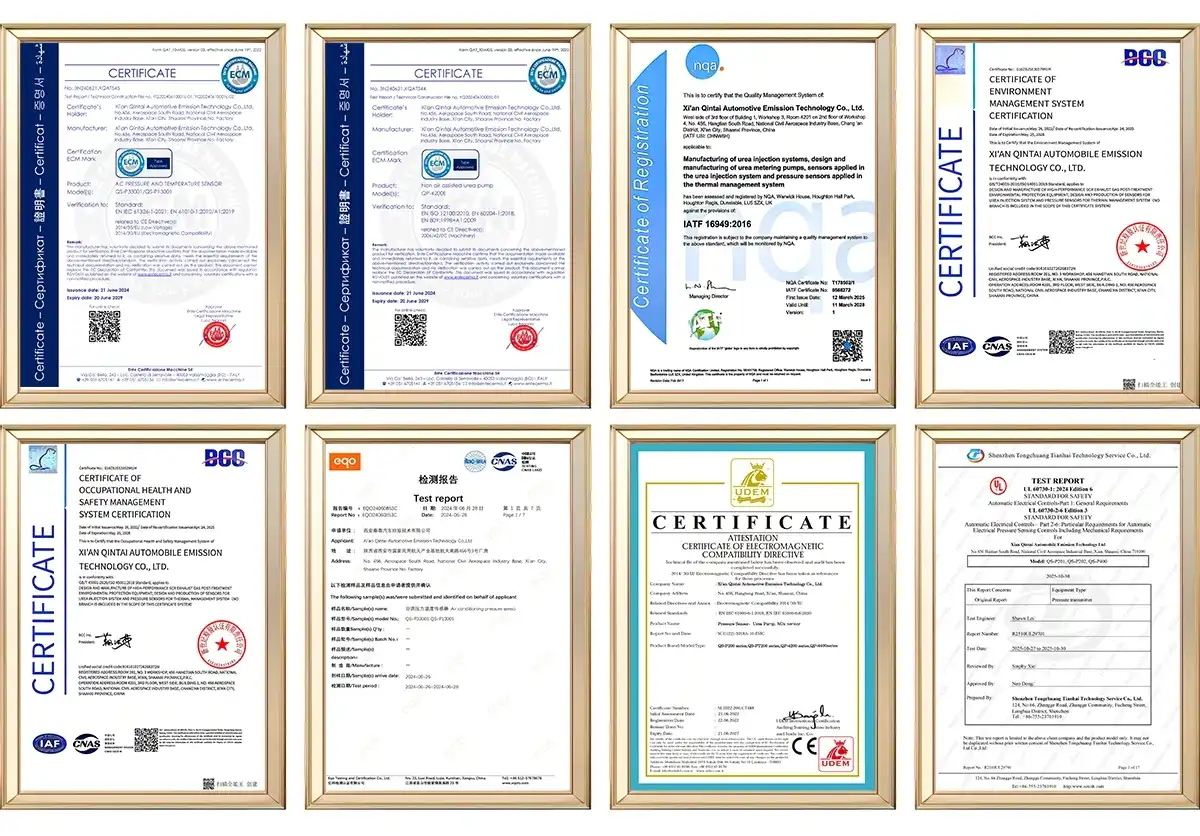
Global providers like Bosch, Denso, and Siemens have well-established stores and transportation networks that make sure goods get to customers quickly. Specialized aftertreatment system installers often buy from more than one maker, giving customers the chance to compare products and get expert help. New sellers from Asia offer low prices and better quality, which can be checked by ISO9001 and IATF16949 approvals. When you work directly with manufacturers, you can get technical help and customization options that you can't get through distributors. This is especially helpful for OEM uses that need to change the interface or get special environmental ratings.
Understanding Market Pricing and Cost Drivers
Sensor prices depend on how advanced the technology is, how much it costs to certify, and how many are made. In bulk, basic conductivity sensors cost between $80 and $200 per unit, while more advanced light sensors cost between $250 and $500, based on the features they have. Automotive-grade parts that are fully IATF certified cost more because they have to meet strict quality control and tracking standards. A lot of the time, volume prices start at 100 units, and the savings get really big at 500 and 1,000 units. Long-term supply deals lock in good prices and make sure that goods are distributed even when there are problems in the supply chain.
After-Sales Support and Technical Assistance Value
Quick expert help fixes problems with integration and speeds up troubleshooting when problems happen in the field. Detailed paperwork, such as wiring layouts, calibration methods, and compatibility matrices, cuts down on the time engineers need to spend on development. Suppliers take on the risk of dependability in extended warranty plans, which shows that the maker is confident in the durability of the product. Large fleet owners and industrial sites where the cost of downtime is higher than the premium support fees benefit from service agreements that offer on-site expert support. The quality of post-purchase help can be predicted by how responsive the seller was to questions before the sale.
Conclusion
To fix problems with urea quality sensors, you need to know a lot about the technologies used in them and the things in the surroundings that can affect their performance. Regular testing, preventative maintenance, and smart buying choices all work together to keep downtime to a minimum and make sure that emission standards are met. This guide lays out organized methods that maintenance teams and purchasing professionals can use to quickly fix sensor problems, choose the best parts for each job, and build relationships with suppliers that will help the business succeed in the long run. Spending time on the right fixing and maintenance methods pays off in a big way by extending the life of sensors, lowering the cost of replacements, and keeping the SCR system working well.
FAQ
Q1: How frequently should urea quality sensors undergo calibration?
A: Calibration intervals rely on how hard the application is and what the maker suggests. Heavy-duty business cars that are always on the road usually need to have their calibration checked every three months. Stationary generator sets that are kept in a controlled environment may need to be checked every six months. When urea quality sensors are replaced or fault codes show that measurements have changed, calibration has to be done right away, no matter how often it was planned.
Q2: What indicators suggest sensor replacement rather than repair?
A: If the detecting element gets physically damaged, keeps drifting out of calibration range, or keeps failing even after being cleaned properly, it means the element needs to be replaced. Sensors that are getting close to or past 150,000 kilometers of service should be changed as part of regular maintenance to keep them from breaking down without warning. When sensors get close to their end-of-life range thresholds, cost-benefit analysis often says that replacement is better than a lot of diagnostic work.
Q3: How does poor AdBlue® quality affect sensor readings and system performance?
A: If DEF is contaminated or watered down, it can mess up sensor data and set off trouble codes even when the sensor is working correctly. Crystallization from broken down fluid covers sensor surfaces and causes mistakes in measurements. If the percentage data is wrong, the SCR system changes the dosage rates in the wrong way. This causes either too much DEF to be used or not enough NOx to be reduced, which leads to higher emissions and possible legal violations.
Partner with Qintai for Reliable Urea Quality Sensor Solutions
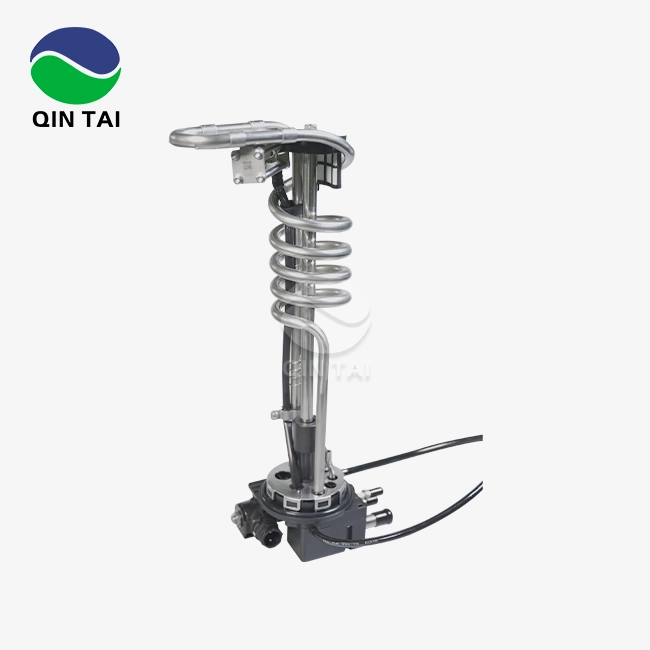
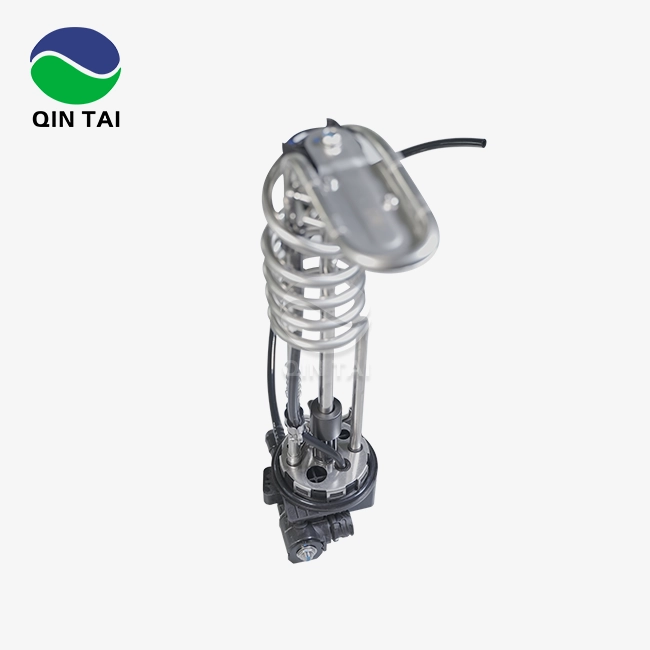
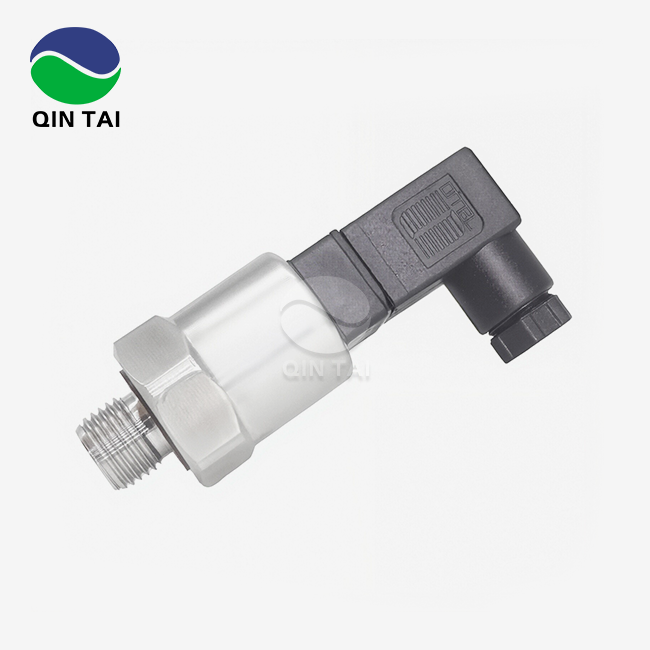
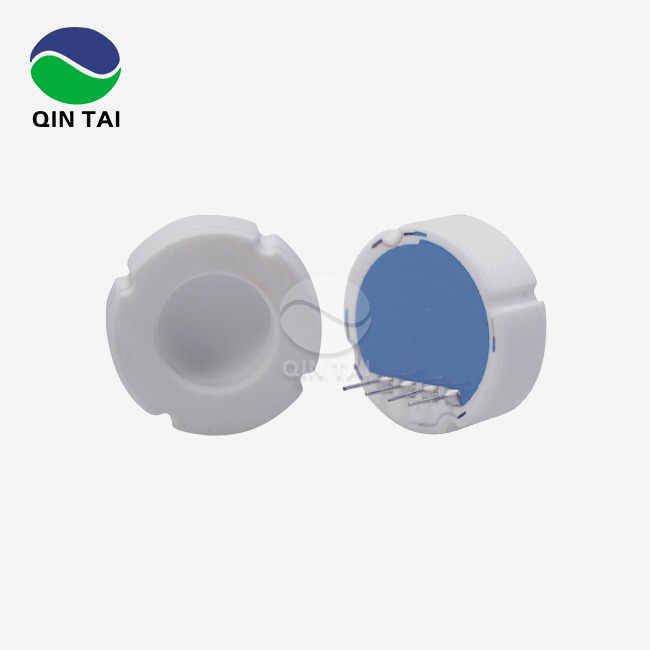
Xi'an Qintai Automotive Emission Technology Co. Ltd brings more than 20 years of specialized experience in making urea quality sensors and SCR aftertreatment systems for tough industrial uses. We have the biggest market share in China because we are the top OEM seller for Weichai Power, Yuchai Power, and Quanchai Power. We do this by always focusing on quality and new ideas. Heavy-duty trucks, building equipment, farming machinery, and power generation installations are just some of the places where our urea quality sensors are used.
Our wide range of OEM and ODM services allow for creative customization to meet unique integration needs. These services are backed by certifications such as ISO9001, IATF16949, and REACH compliance. We offer cutting-edge sensor technologies that are accurate, long-lasting, and cost-effective thanks to our 58 idea patents and ongoing research and development (R&D) investments. During the buying process and the lifetime of a product, our technical team offers responsive engineering help. Get in touch with info@qt-sensor.com to talk about your urea quality sensor needs, get technical specs, or set up a free review. Find out why top makers around the world trust Qintai as their reliable source for urea quality sensors used in mission-critical emission control applications.
References
1. Society of Automotive Engineers. (2023). "SCR System Diagnostics and Sensor Technologies for Heavy-Duty Diesel Applications." SAE Technical Paper Series.
2. Environmental Protection Agency. (2024). "Diesel Exhaust Fluid Quality Standards and Testing Protocols." EPA Regulatory Guidelines Publication.
3. International Organization for Standardization. (2023). "ISO 22241-3: Diesel Engines - NOx Reduction Agent AUS 32 - Quality Requirements." ISO Standards Catalogue.
4. Diesel Technology Forum. (2024). "Selective Catalytic Reduction System Maintenance Best Practices." Industry Technical Manual.
5. American Trucking Associations. (2023). "Fleet Maintenance Guide for Emission Control Systems: Sensor Diagnostics and Troubleshooting." ATA Technology and Maintenance Council Publication.
6. Journal of Emission Control Science and Technology. (2024). "Advancements in DEF Quality Sensing Technologies for Commercial Vehicle Applications." Peer-Reviewed Research Article, Volume 10, Issue 2.

Our customers’ satisfaction speaks for our quality — contact us to experience the same reliable service.